
June 21, 2026, marks the 30th anniversary of National Indigenous Peoples Day. Across Canada, this day is an opportunity to recognize and celebrate the cultures, traditions, languages, and contributions of First Nations, Inuit, and Métis peoples.
The date was not chosen at random. It coincides with the summer solstice, the longest day of the year, a time that has held great cultural and spiritual significance for many peoples for generations. The solstice is often associated with renewal, connection to the land, and the celebration of life.
For gardeners, it is also a good time to highlight the contributions of Indigenous peoples of the Americas to horticulture and agriculture. Their legacy is still very much alive in our gardens, our vegetable patches, and even on our plates.
Plants that changed the world
According to some estimates, more than half of the food crops produced worldwide today are derived from plants that were domesticated or significantly improved by the indigenous peoples of the Americas. Corn, potatoes, cassava, beans, squash, tomatoes, chili peppers, and cacao are among the crops that have transformed the world’s diet.
Corn
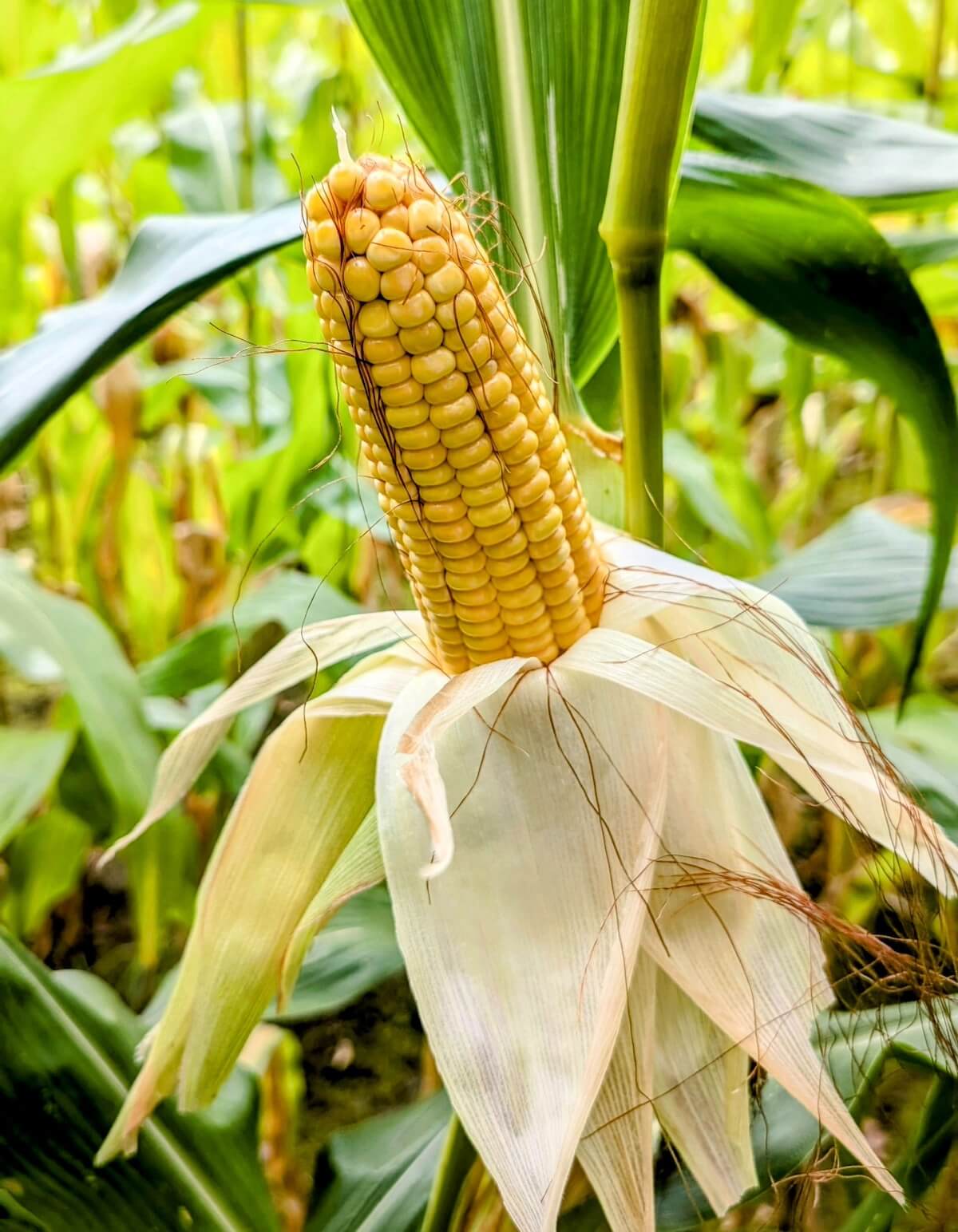
Corn is undoubtedly the most striking example. Derived from a wild grass in Mexico called “teosinte,” it has been transformed through thousands of years of selective breeding. When the first Europeans arrived in the St. Lawrence Valley, Indigenous peoples were already growing varieties capable of ripening in just a few months. Through careful selection of the earliest-maturing plants, they had adapted a plant native to the warmer regions of Mesoamerica to the much cooler conditions of northeastern North America.
Potato
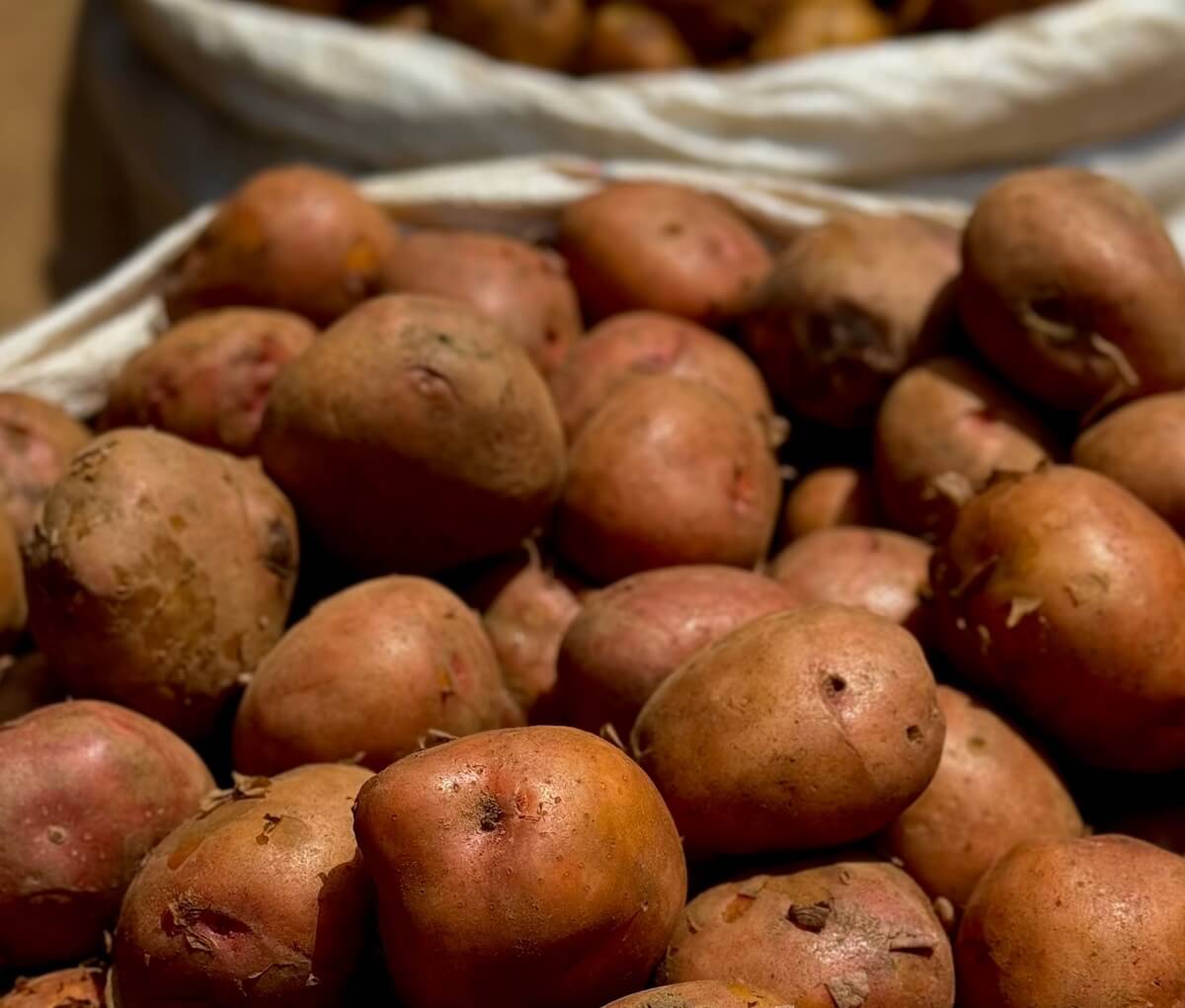
The potato, native to the Andes, has also been profoundly transformed by indigenous peoples. Wild varieties were often small, bitter, and rich in toxic compounds. Over the centuries, Andean farmers have developed thousands of varieties adapted to different altitudes, climatic conditions, and uses.
Squash
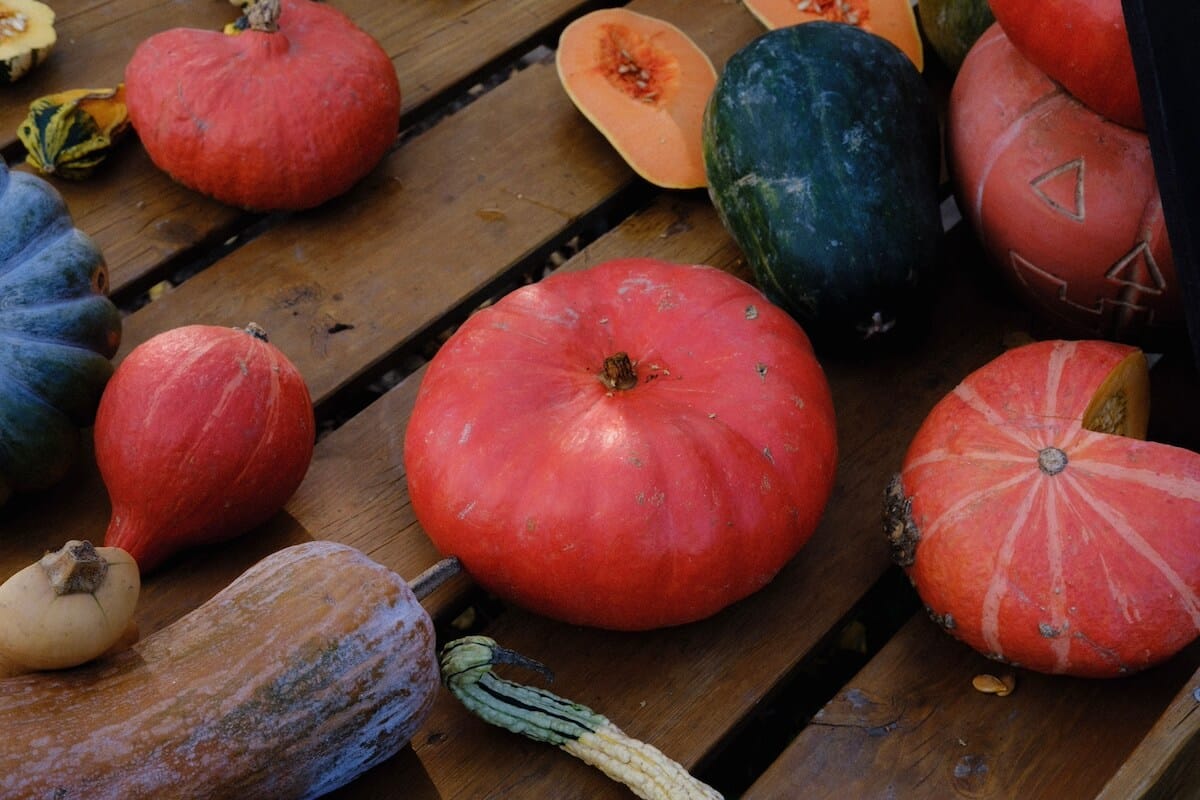
Squashes are among the oldest domesticated plants in the Americas. Wild varieties primarily produced small, hard, and bitter gourds. Indigenous peoples gradually selected for larger, fleshier, and more flavorful fruits. Their excellent shelf life made them a valuable food reserve during the winter.
Beans
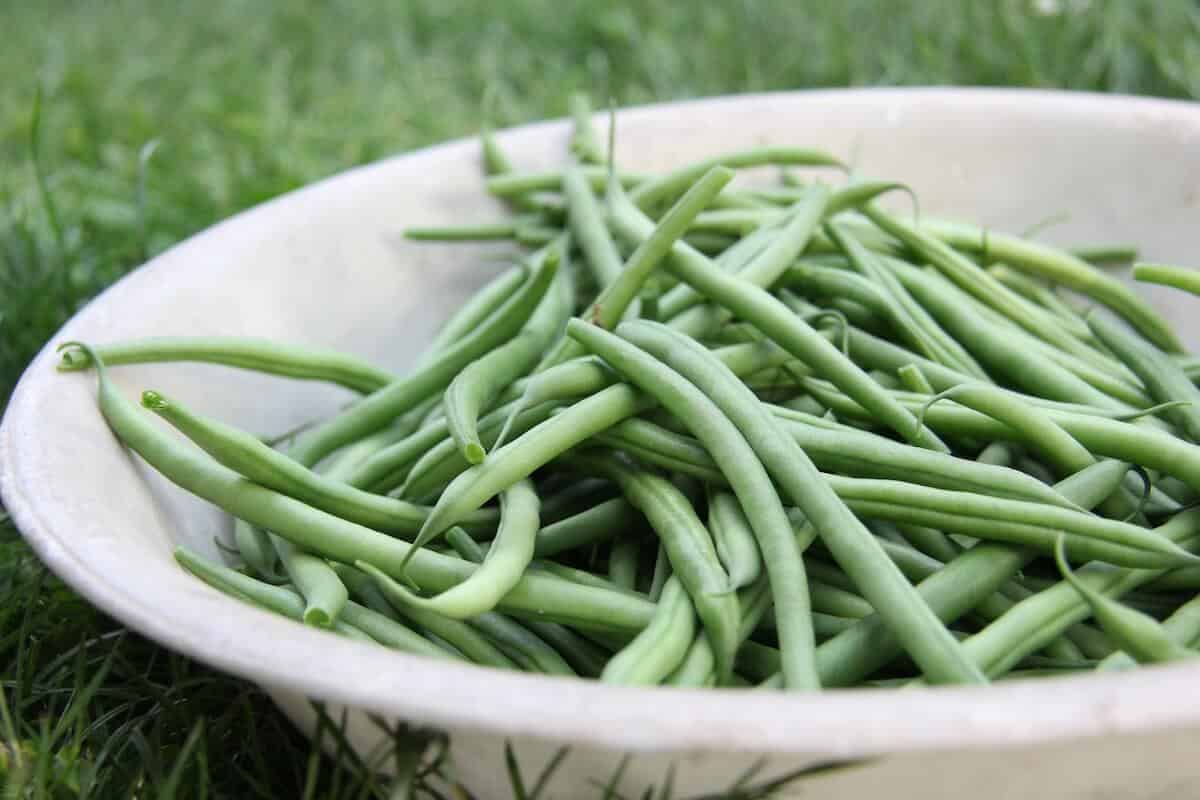
Beans, which were domesticated in Mexico and the Andes, completed the famous “Three Sisters” system alongside corn and squash. In addition to providing an important source of protein, they naturally enrich the soil through their ability to fix atmospheric nitrogen—a characteristic that is still put to good use in modern organic gardens.
Tomato
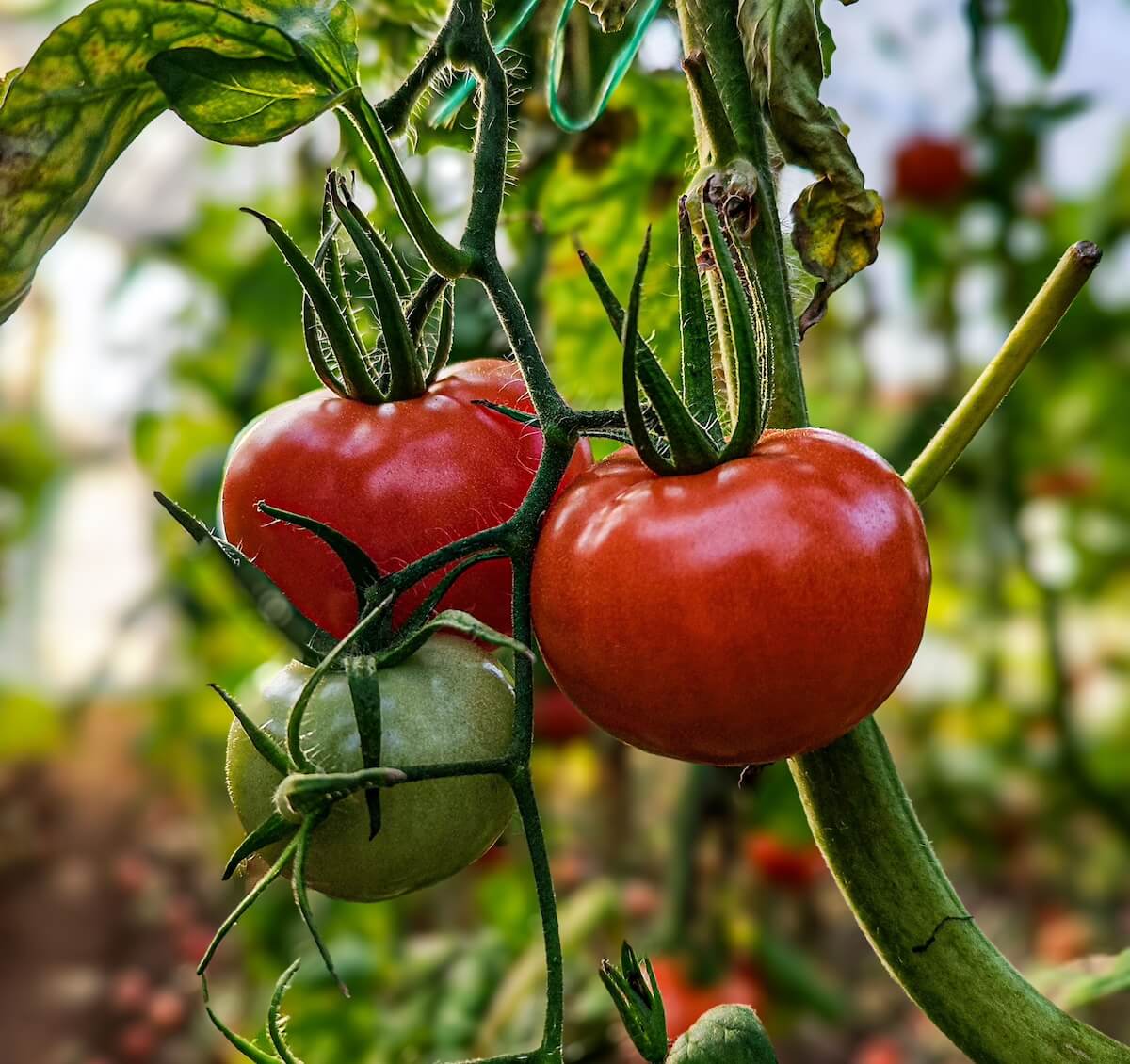
The tomato originated in the Andes as small fruits resembling cherry tomatoes. It was the peoples of Mesoamerica who truly domesticated and improved it, gradually developing larger, fleshier, and more productive fruits. Today, it has become one of the most widely grown fruit vegetables in the world.
Peppers
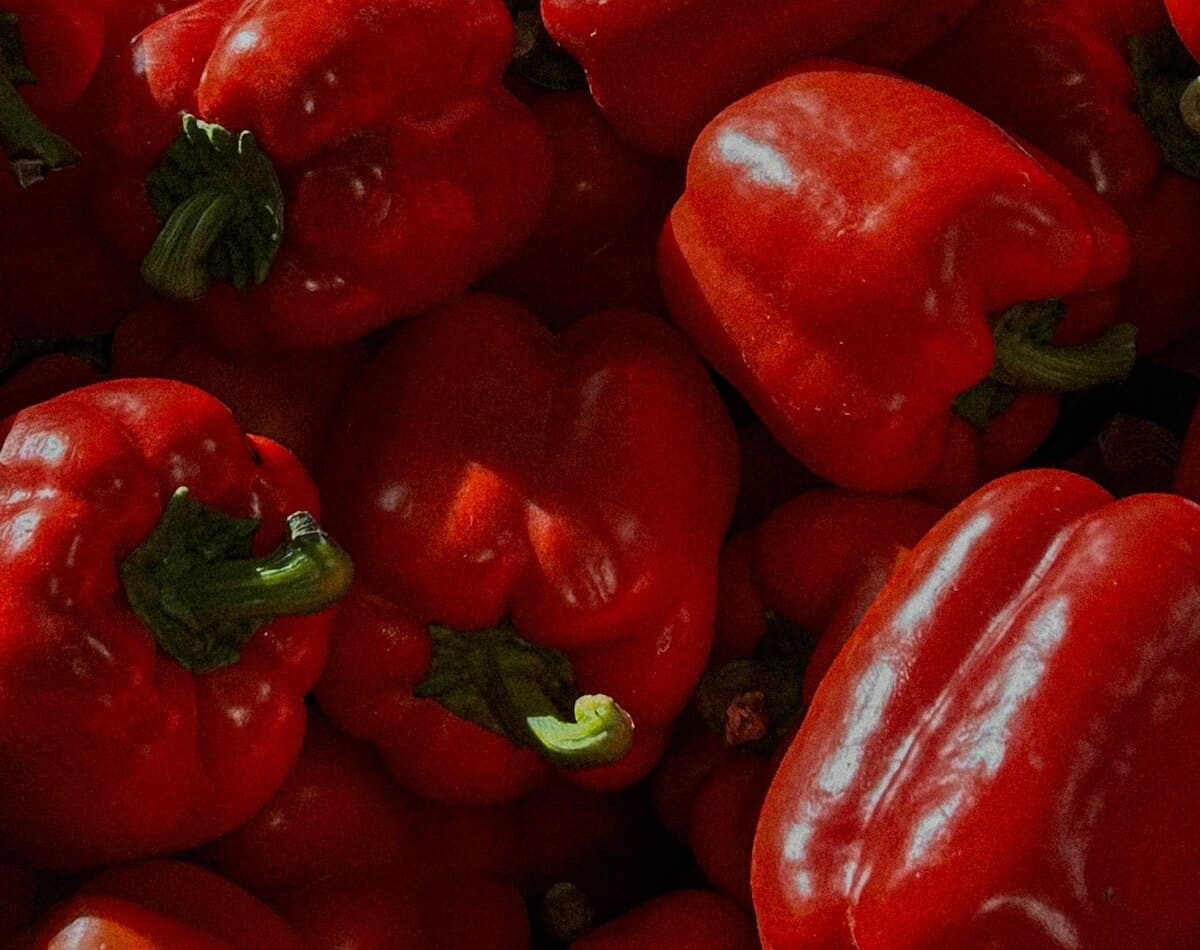
Chili peppers and bell peppers have also been cultivated for thousands of years in Mesoamerica. This long history of cultivation has given rise to an impressive variety of shapes, colors, and flavors, ranging from mild bell peppers to the hottest chili peppers.
Le cacao
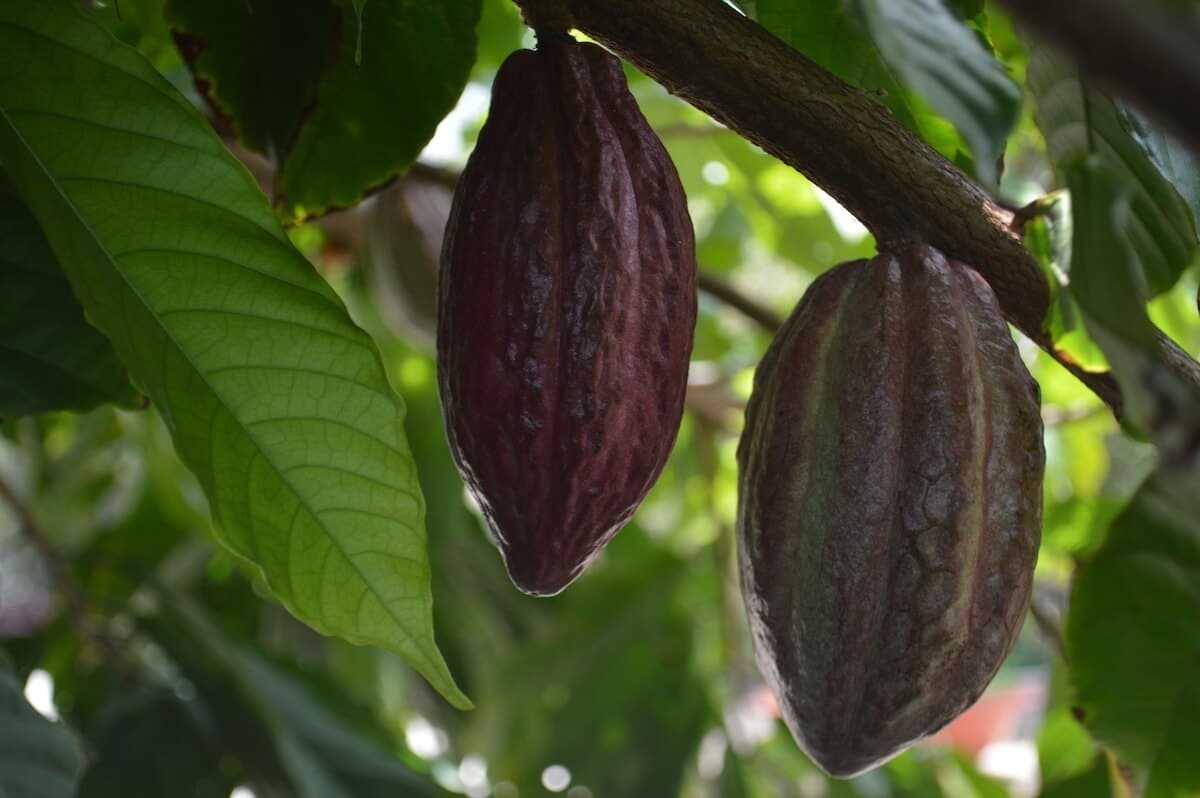
Cacao, finally, originated in the Amazon basin. The indigenous peoples of Mesoamerica, notably the Maya and later the Aztecs, perfected its cultivation and processing. They were already preparing elaborate beverages from it that were associated with ceremonies, trade, and power.
And the list is far from complete. Indigenous peoples of the Americas also domesticated and significantly improved sunflowers, peanuts, cassava, sweet potatoes, pineapples, papayas, avocados, quinoa, amaranth, vanilla, and tobacco. Many of these plants are now grown on every continent and are an integral part of our daily diet.
The invisible food forest
When they arrived in America, the first European settlers believed they were traversing a virgin, untouched forest. Instead, they were walking through ecosystems shaped over millennia by Indigenous peoples. These peoples did not merely gather what nature provided; they modified the landscapes to favor species that were useful to them, in a way that resembles today’s food forests and agroforestry systems.
For example, they created veritable orchards by favoring certain useful trees, such as butternut, hickory, red oak, or sugar maple, while eliminating the species that competed with them.
People also practiced what some researchers call “migratory transplantation.” Nomadic or semi-nomadic groups, such as the Innu, Algonquin, and Atikamekw, would sometimes dig up bulbs, roots, or shrubs to transplant them along their migration routes, near portages, or close to camps they visited regularly.
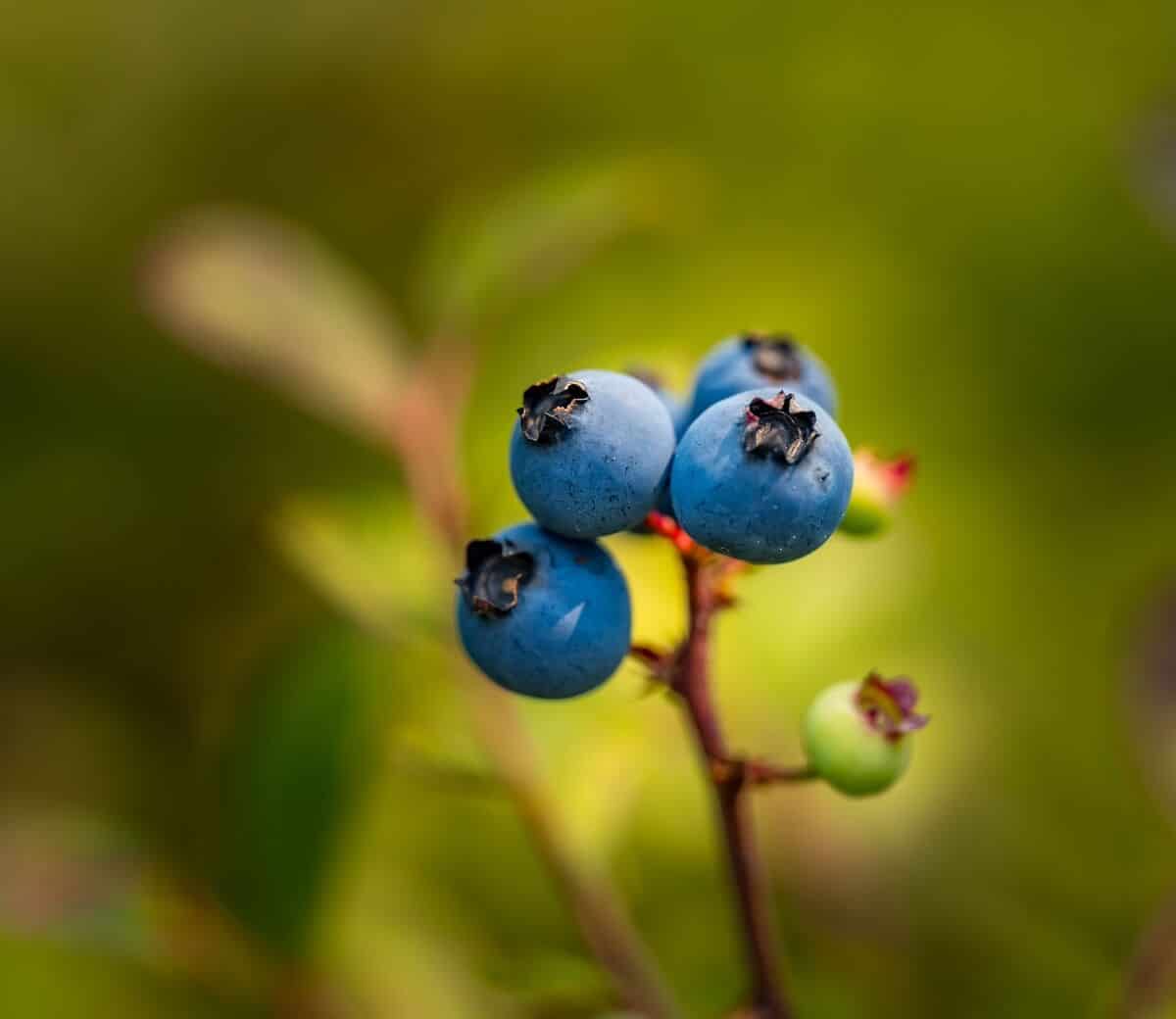
Among the species thus favored were fruit-bearing shrubs such as wild blueberries, cranberries, raspberries, and blackberries, as well as various medicinal or sacred plants such as Labrador tea, Canadian yew, wild ginger, and sweetgrass. Over time, these efforts created veritable pantries and natural pharmacies accessible during future journeys.
Fire as a management tool
Contrary to the modern view, which often associates fire with disaster, many Indigenous peoples regarded it as a tool for land management. Prescribed burns were carried out at specific times of the year, generally when conditions were moist enough to limit the risk of the fire spreading.
These low-intensity fires reduced the accumulation of dead wood and plant debris on the ground, recycled nutrients in the form of ash, and promoted the regeneration of certain plants. They also opened up the understory, allowing more light to reach the forest floor.
Certain species, particularly wild blueberries, respond particularly well to these disturbances. Burning also promoted the growth of young shoots favored by several game species. Today, ecologists recognize that these practices helped shape many North American landscapes and maintain certain ecosystems in good health for centuries.
Indigenous landscape management practices share many similarities with what we now call agroforestry and food forests. Although these contemporary approaches have diverse origins, they often rely on comparable principles: promoting beneficial species, diversifying plant strata, enriching ecosystems rather than simplifying them, and working with natural processes rather than against them. Many of the ideas we now consider innovative had already been put into practice for a long time by numerous Indigenous nations across the Americas.
The Three Sisters: givers of life
Among many Indigenous nations, corn, beans, and squash were grown together in a system known as the Three Sisters. In the Mohawk language, the term Kionhekwa can be translated as “what keeps us alive” or “the givers of life.” Much more than a simple cultivation technique, this is a sophisticated agricultural system based on the complementary nature of the plants.
Corn acts as a natural support. Its sturdy stalk allows climbing beans to reach toward the light without needing additional support. Beans, for their part, enrich the soil through their association with bacteria capable of fixing atmospheric nitrogen. Finally, squash plants cover the ground with their broad foliage, limiting water evaporation and reducing weed growth.
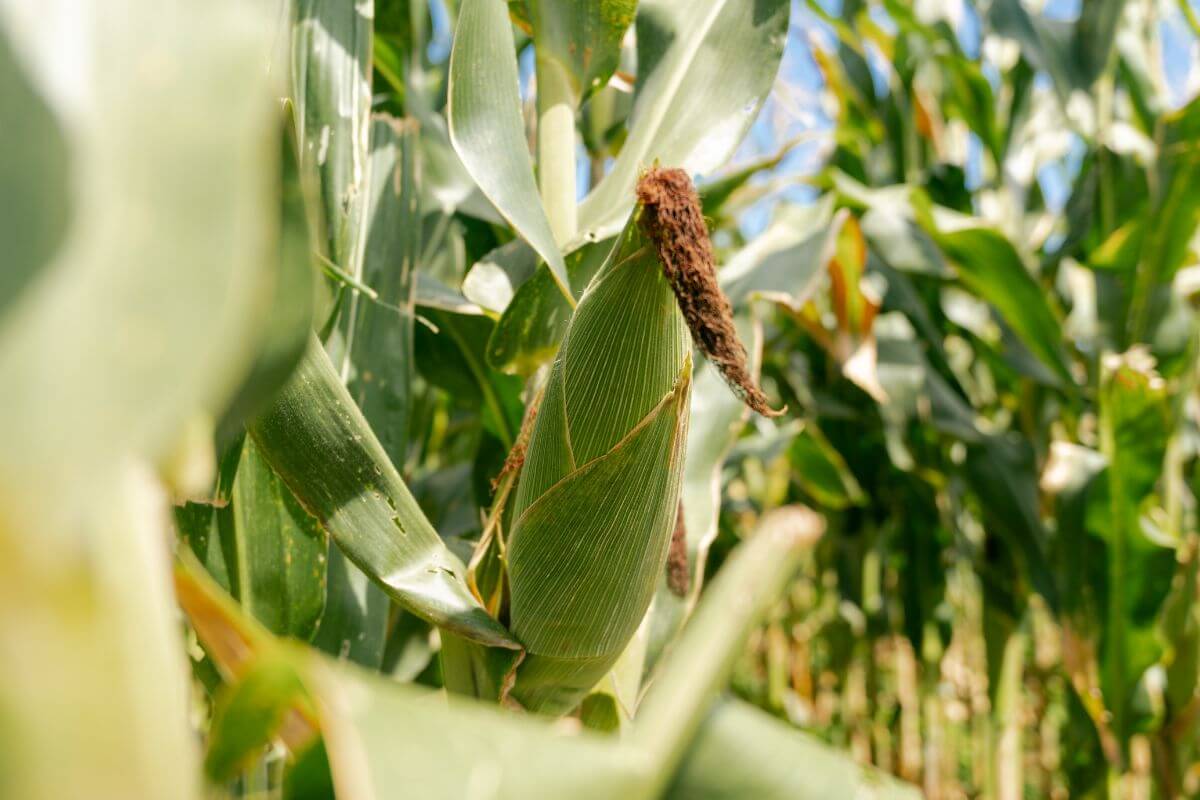
This combination also allows for better use of space. Corn grows tall, beans use this vertical structure to climb, and squash spreads out on the ground. Their root systems also tap into different layers of the soil, which reduces competition for water and nutrients.
Even today, agronomists are interested in this intercropping system. Several studies show that crop combinations can improve crop resilience, promote biodiversity, and reduce the need for fertilizers or weeding. The Three Sisters thus remain a remarkable example of the agricultural ingenuity developed by Indigenous peoples long before the arrival of Europeans.
Beyond the Three Sisters
Although the Three Sisters are the best-known example today, Indigenous agricultural systems were often much more diverse. Depending on the region, various food, medicinal, and ceremonial plants were incorporated into crops or grown nearby.
This plant diversity created agricultural ecosystems that were more complex and resilient than modern monocultures. Today, several principles promoted by ecological agriculture—crop diversity, permanent ground cover, the use of legumes, and the attraction of pollinators—echo the strategies long employed by many Indigenous nations.
Terra Preta
Another fascinating legacy can be found in the Amazon, in the form of Terra Preta de Índio, or “Indian black earth.” In a region where tropical soils are often poor, acidic, and quickly leached by rain, indigenous peoples have managed, over several centuries, to create soils of exceptional fertility.
This black soil contained charcoal, pottery shards, bones, fish bones, ashes, and various organic residues. Together, these elements formed a nutrient-rich soil capable of retaining water and minerals much better than the surrounding soils.

The best-known ingredient today is plant-based charcoal, now known as biochar. Produced by the slow combustion of plant matter in the presence of very little oxygen, it forms a highly porous structure, much like a microscopic sponge. This structure retains water, harbors beneficial microorganisms, and prevents some nutrients from being leached away by rain.
Terra Preta fascinates scientists today because it demonstrates that it is possible to sustainably improve soil, not just for a single season, but for centuries. It directly inspires modern research on biochar, which is used in ecological horticulture to improve certain soils, retain moisture, and store carbon in a stable manner.
Once again, what is sometimes presented as a recent innovation is partly based on ancient knowledge. Long before soil amendments, carbon sequestration, or soil microbial health, indigenous peoples had already developed a remarkable form of ecological engineering.
Working with nature
Beyond the techniques themselves, Indigenous agriculture was rooted in a worldview based on the interdependence of living beings. Plants were not viewed as mere resources to be exploited, but as partners with whom a balanced relationship had to be maintained. This philosophy is reflected in several agricultural practices, where different species are combined to support one another, much like a human community.
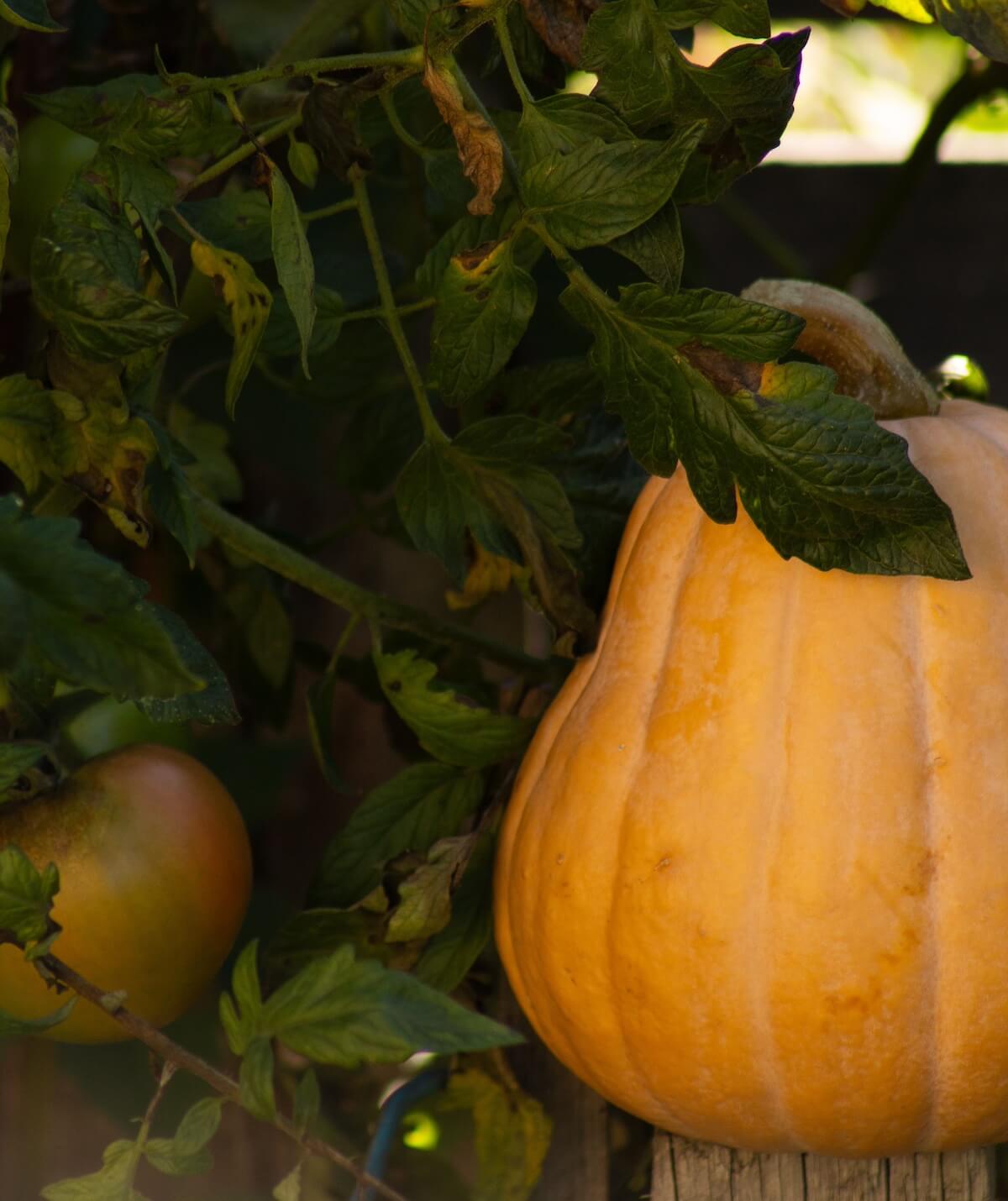
An approach that today’s gardeners can still draw inspiration from. Working with nature rather than trying to subdue it benefits not only our crops and our well-being, but also all living things around us.
The horticultural knowledge developed by Indigenous peoples reminds us that it is possible to cultivate this relationship with respect, by observing ecosystems, fostering interactions between species, and working in harmony with natural processes. A way of life that has sustained populations for centuries while preserving rich and diverse ecosystems.
0 comments on “The Indigenous Heritage That Grows in Our Gardens”