
Large flowers, vibrant colours, and delightful scents. What more could you want from lilies? Lilies (Lilium sp.) are perennial plants with spectacular blooms. Because they are very hardy, they can be found in gardens throughout the northern hemisphere. Yet, gardeners are unaware that many lilies give off an enchanting fragrance. Here is a short practical guide to help you distinguish the different groups of fragrant lilies.
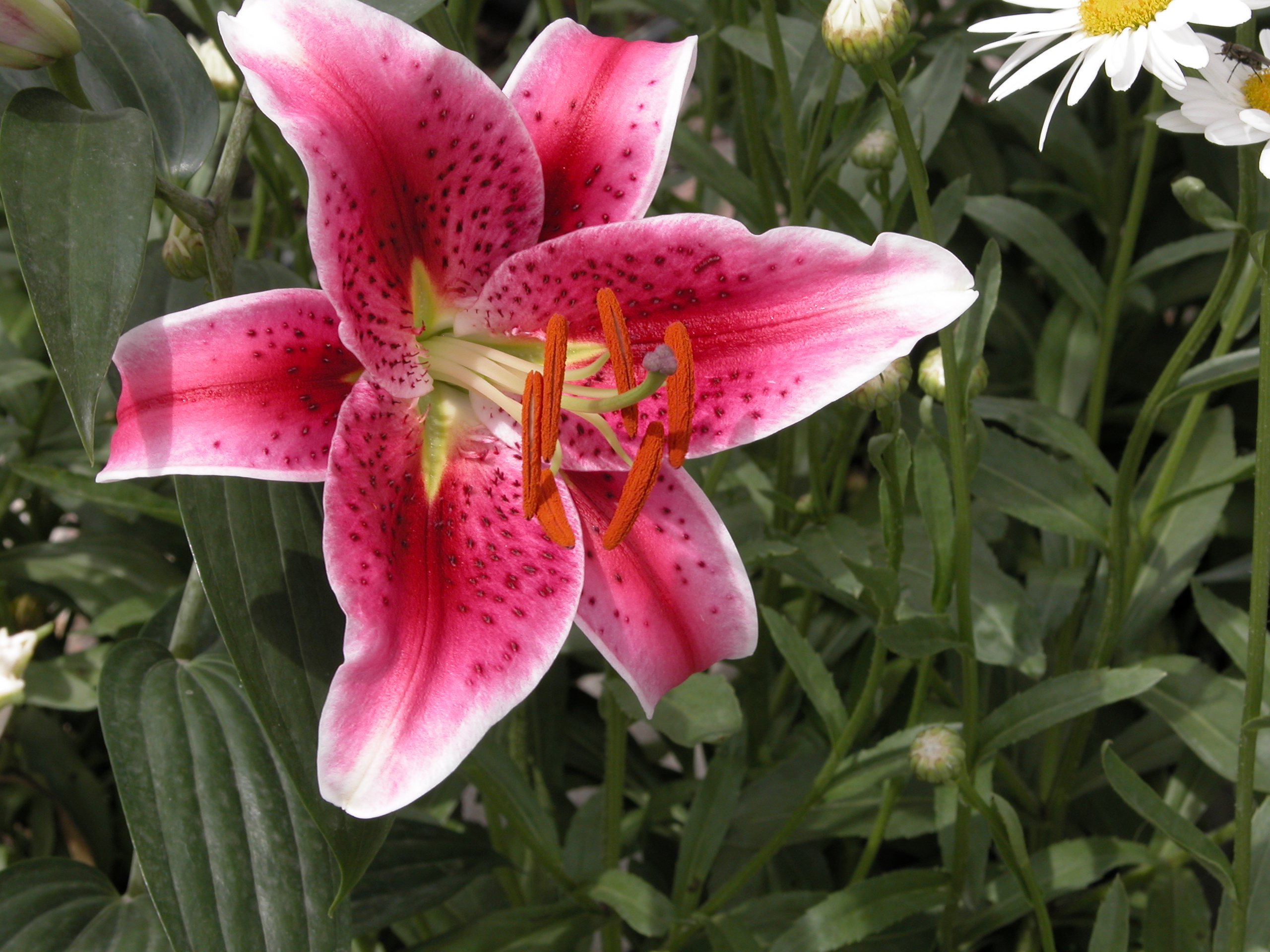
Aurelian hybrids
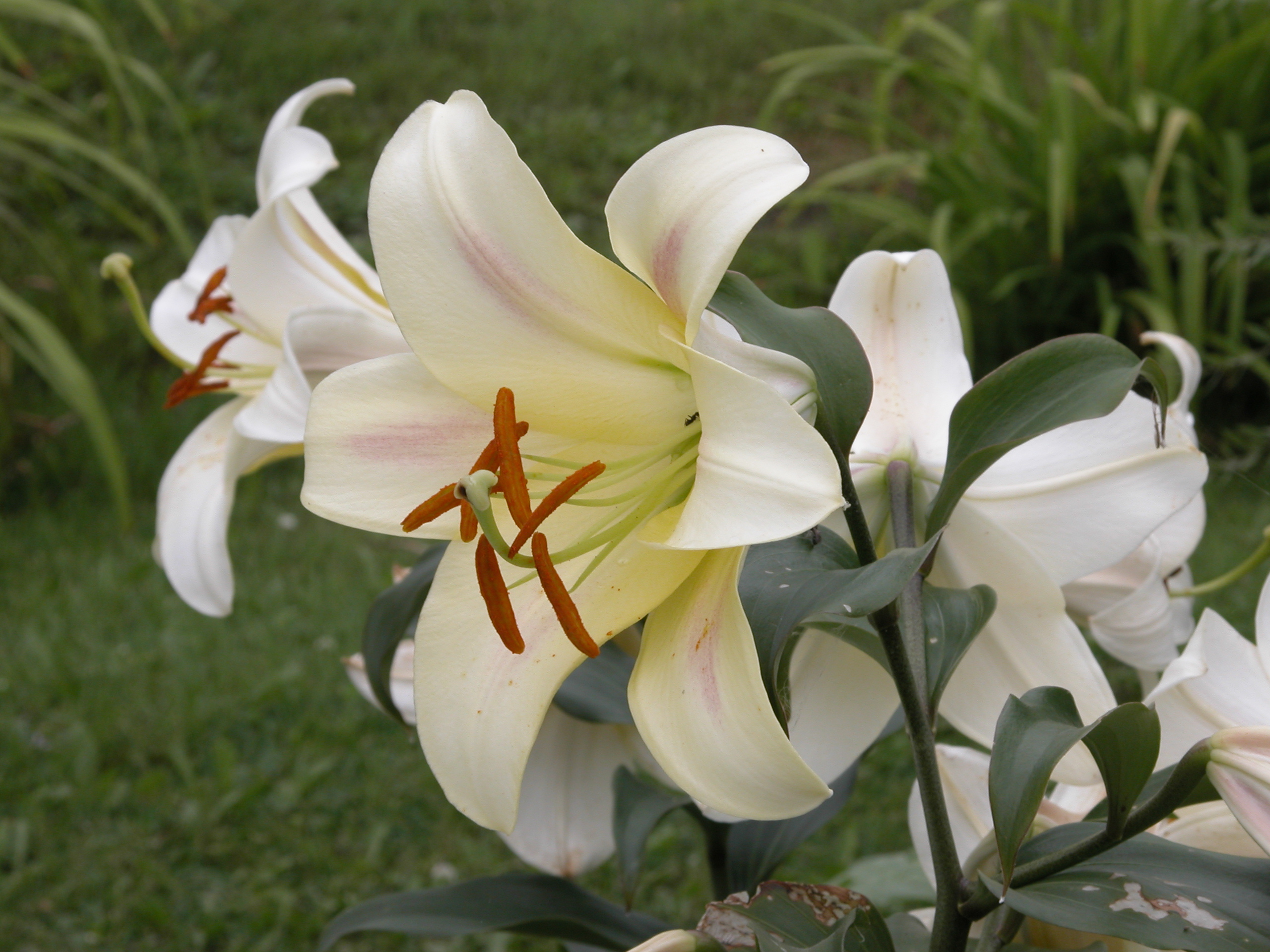
This group of lilies bears elongated, trumpet-shaped flowers. The blooms are often slightly drooping, and these lilies are highly regarded for their powerful fragrance. Aurelian hybrids are the result of crosses between about ten different species. They adapt well to both full sun and partial shade. They are hardy in zone 3.
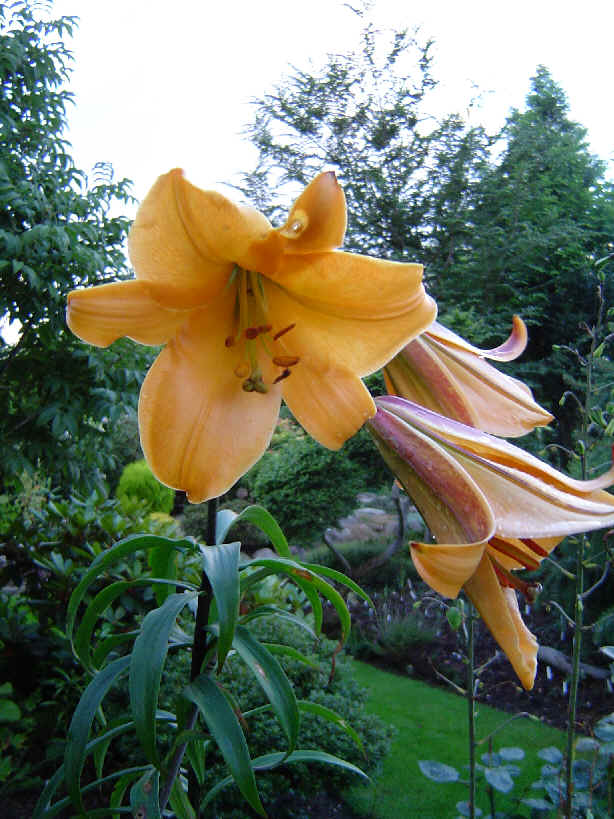
Oriental lilies
Oriental lilies are very well known, as they can be found in flower shops. The ‘Stargazer’ and ‘Casablanca’ cultivars belong to this group. Their fragrance is therefore undeniable! This group is distinguished by its more widely open flowers and petals often adorned with colourful speckles or veins. They are hardy in zone 4.
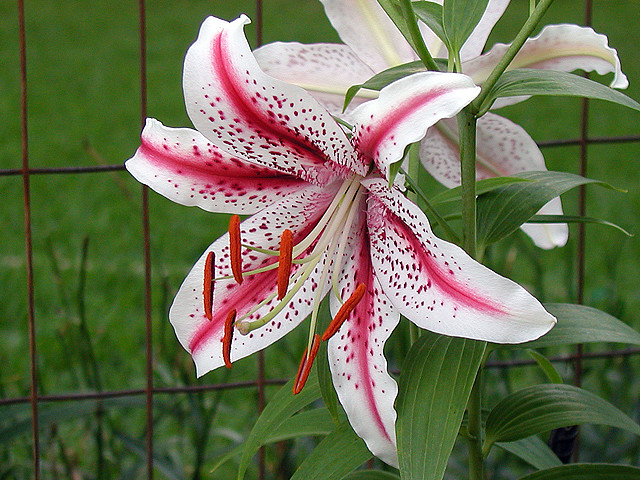
Orienpet lilies have also been available on the market. These are hybrids between oriental lilies and trumpet lilies. They are often called “OT” They combine the beauty of oriental lilies with higher quality flowers and fragrance. They also bloom a little later than their parents. Personally, these are my favorites because of their greater resistance to lily beetles, that nasty insect (and also because of their wonderful fragrance).
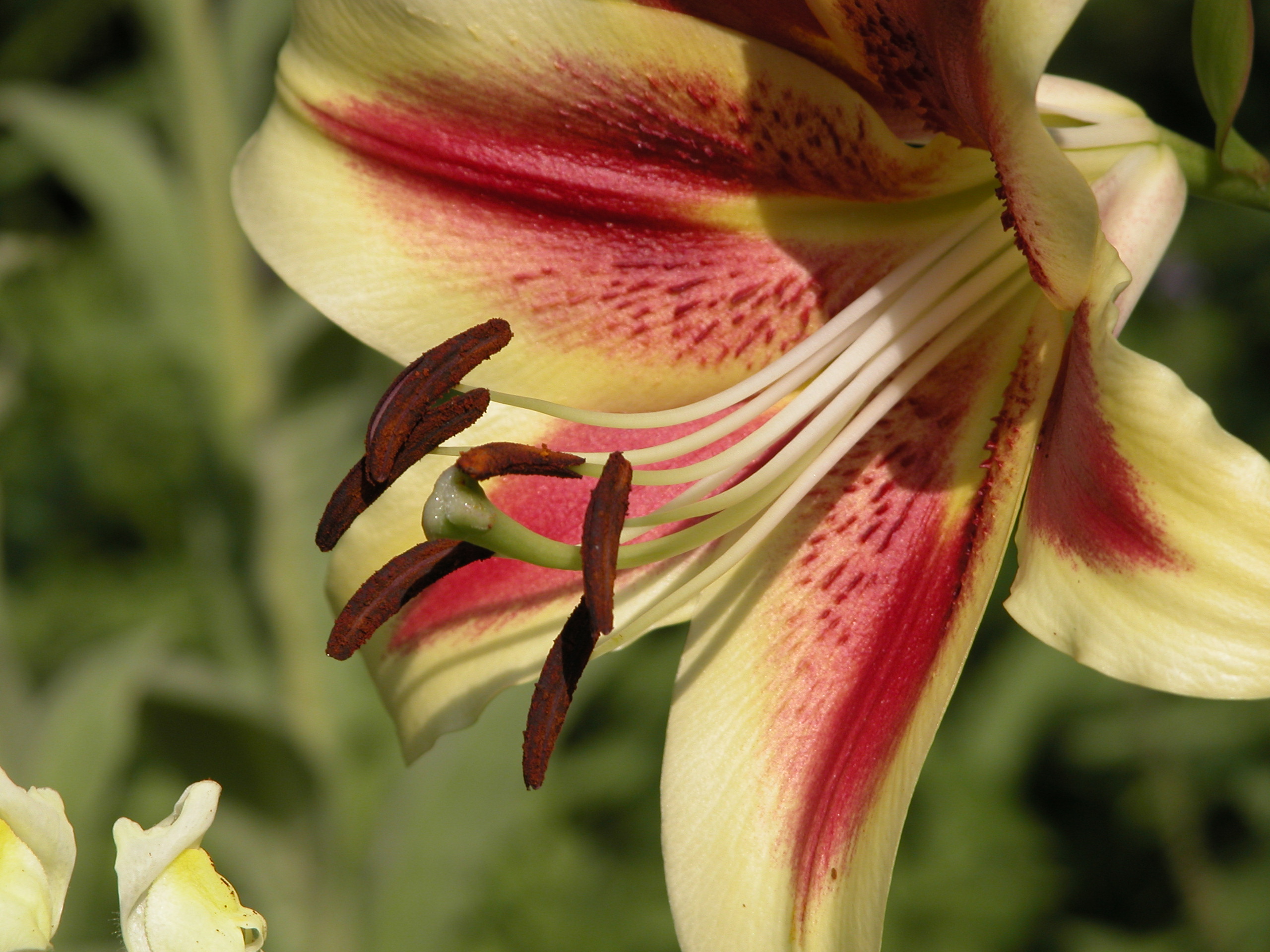
The royal lily
When it comes to fragrance, the royal lily (Lilium regale) is the clear winner. While other fragrant lilies are certainly worth a try, it’s the one whose scent can be smelled from miles away. The fragrance is very strong, and not at all unpleasant! It can easily reach 120 cm (4 feet) in height, requires full sun, and is hardy in zone 3. The pink flower bud opens into a trumpet-shaped flower, white with a yellow centre. In the ‘Album’ cultivar, the flower bud is white.
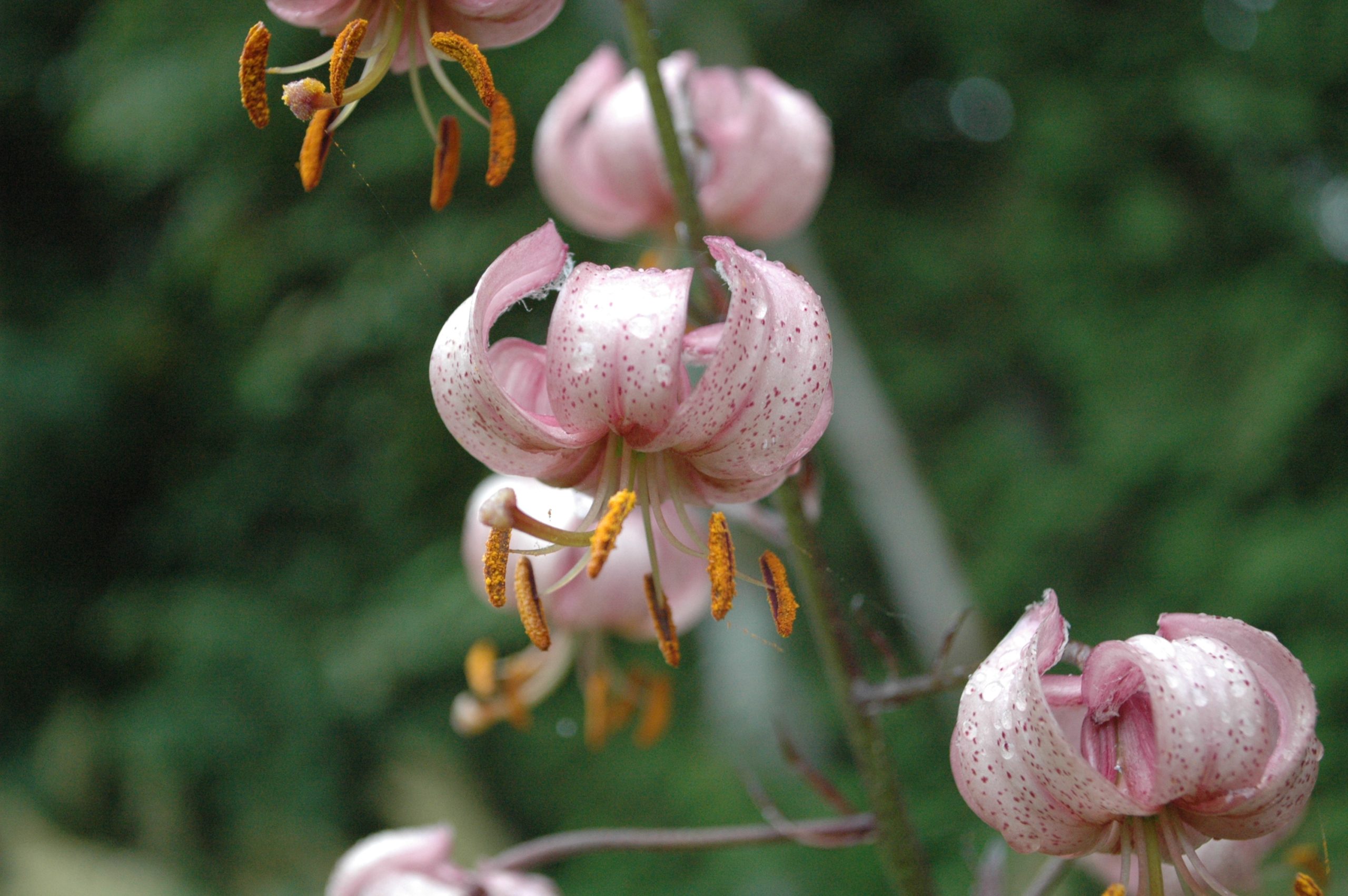
The martagon lily
I couldn’t resist adding a lily that smells like… merguez sausages! Although it’s far from the delicious scents of the previous lilies, this one is still fragrant. With its long clusters of small, upturned flowers, it adds a lot of character to a flower bed. And in bonus, this one grows well in partial shade!
Then there are the tiger lilies and the popular Asiatic lilies, which are notably absent from the departments of fragrant lilies. That said, one sometimes stumbles upon a fragrant Asiatic lily, but they are not the norm.
Harnessing their fragrance potential
As with any plant that gives off a delightful scent, fragrant lilies should be placed within easy reach of the nose. And in locations where their fragrance adds an extra touch of charm. They easily find their place beside a bench, in a clearing, or along a flower-lined path. To fully appreciate their fragrance, it’s best to plant the same variety of lily in a large group. Avoid creating a collection of fragrant lilies planted side by side, as this will diminish their unique scents.
Secrets to successful lilies
To successfully grow lilies, you first need plenty of sun. This is how you get several flowers on a single stem and prolong the flowering period, which is still quite short. Also, much like clematis, lilies like to have their heads in the sun and their roots in the shade. That’s why it’s a good idea to apply a thick layer of mulch around the base of the stems or to plant bushy perennials, such as geraniums or ‘Moonbeam’ coreopsis.
Another good advice is to never let their roots sit in water. Lilies adapt to all types of soil, but they prefer deep, slightly acidic, and sandy soils. The only condition lilies cannot tolerate is waterlogged soil. Good drainage is therefore essential.
Finally, planting must be done before the first frost. The best time to plant lilies is in fall, when the leaves on the trees begin to change colour. Spring is also a good time. Lilies need to be well established before the hard frosts arrive and the soil begins to freeze.
Finally, after flowering (because lilies only bloom once in a season), the stem is pruned back to two thirds of its height. So, if the lily was 90 cm tall (3 feet), after flowering, 60 cm (2 feet) of leafy stem will remain. The aim here is to allow the foliage to photosynthesize and accumulate reserves in the bulb to ensure abundant flowering the following summer.
According to Larry, the only way to get rid of lily beetles is to get rid of all the lilies (!!). Personally, I believe that with a few small interventions early in the spring, we can manage to keep the infestation to an acceptable level that doesn’t compromise flowering.
0 comments on “Fill Your Garden With Fragrance, Thanks to Lilies!”