Summers come and go, and no two are alike; perhaps August and autumn will be rainy, unlike last year. But one thing is certain: there are increasingly large deviations from average temperatures. Every year we break heat records and witness increasingly severe extremes at both ends of the spectrum: one moment it’s torrential rain and flooding, the next it’s prolonged droughts and forest fires. It’s up to us to adapt.
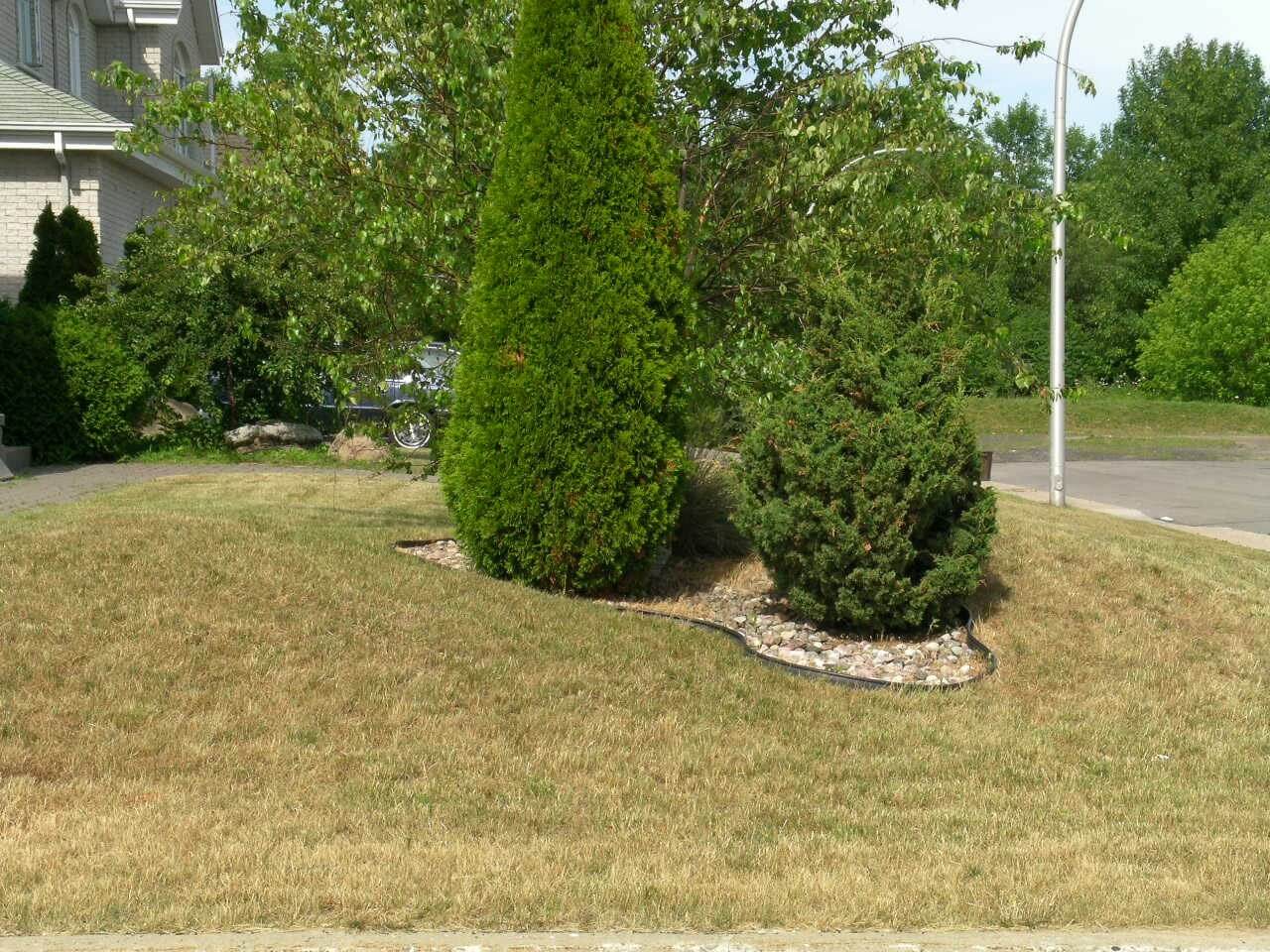
Quebecers: the world’s biggest water consumers!
Water is one of our most precious natural resources, and many of us in Canada and the northern United States are fortunate to have access to abundant freshwater. That abundance, however, can create the illusion that water is limitless.
In reality, North Americans are among the world’s highest water users. During the summer months, residential water consumption can increase dramatically, with much of that extra demand going toward irrigating lawns and landscapes. In many communities, outdoor watering accounts for the largest seasonal increase in household water use.
At the same time, more and more municipalities are feeling the strain. Communities that rely on groundwater or smaller reservoirs are increasingly facing water shortages, seasonal watering restrictions, or limits on new residential development because local water supplies cannot keep up with demand. Even areas that appear to have plentiful water are not immune to drought or infrastructure challenges.
It’s also easy to forget that the water flowing from our taps isn’t free. Before it reaches our homes, it must be collected, treated to drinking-water standards, pumped through extensive distribution systems, and, after use, collected and treated again. All of this requires significant infrastructure, energy, and public investment.
Reducing our water consumption is therefore one of the simplest ways we can lower both environmental impacts and the costs associated with supplying clean water. While there are many opportunities to conserve water indoors, this article focuses on outdoor water use—especially in the garden and landscape—where small changes can make a surprisingly large difference.
A few simple ways to save water in the garden
- Install a rainwater harvesting system
- If it is absolutely necessary to water your flowerbeds, use a drip irrigation system with a timer
- Water in the morning before 10 am and never in direct sunlight
- Water the soil, not the plants
- Retain as much rainwater as possible by encouraging it to soak into the ground
- Use mulch in all your garden features… of course!
- If you have a lawn:
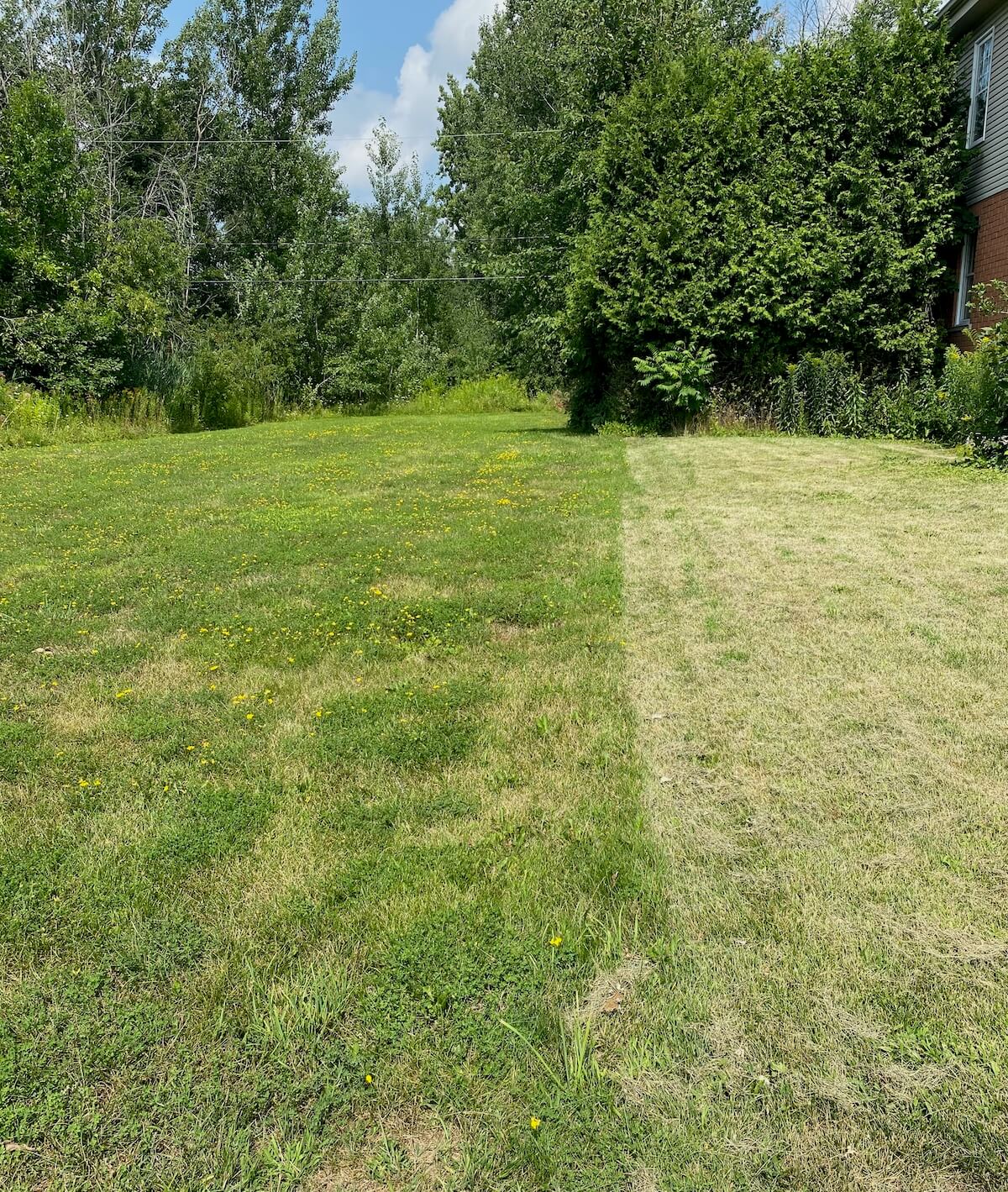
- Keep the grass long (8 or 10 cm) and don’t mow during a heatwave
- Overseed your lawn with low-maintenance seed mixtures that require less water than traditional mixtures.
- Sow clover, creeping thyme and bird’s-foot trefoil.
- Let nature provide you with ‘lawn flowers’ that will grow wild in your garden
- Reduce the amount of lawn and replace it with drought-tolerant landscaping. Make the most of the end-of-season sales at garden centres!
- Keep the grass long (8 or 10 cm) and don’t mow during a heatwave
Drought-tolerant plants
There is a wide range of options for replacing your lawn with beds of drought-tolerant perennials, including:
- Asters (Symphyotrichum spp.)
- Beardtongues (Penstemon spp.)
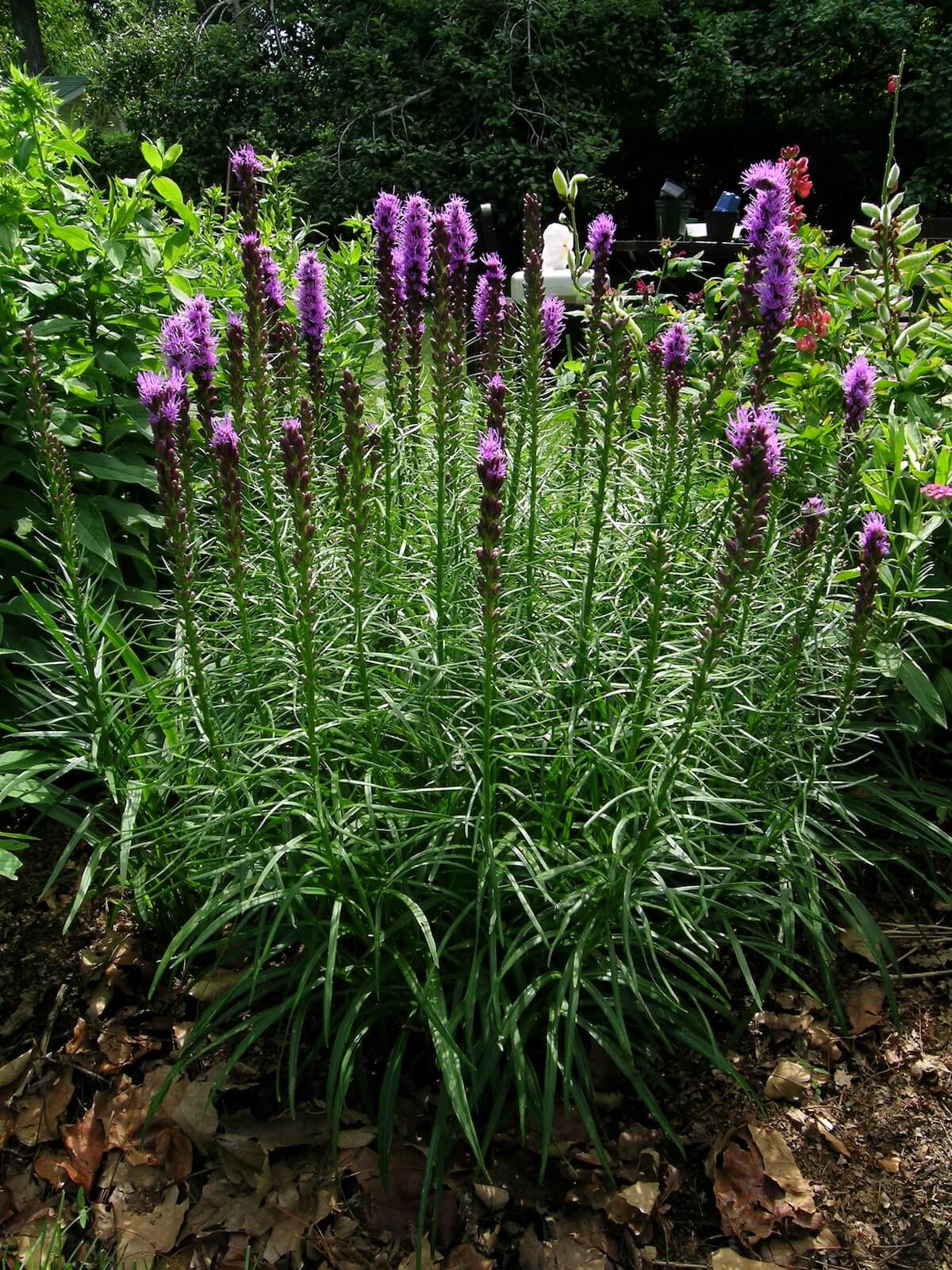
- Blazing stars (Liatris spp.)
- Catmints (Nepeta spp.)
- False indigo (Baptisia australis)
- Globe thistles (Echinops spp.)
- Hardy geraniums (Geranium spp.)
- Lavenders (Lavandula spp.)
- Mulleins (Verbascum spp.)
- Pinks (Dianthus spp.)
- Sages (Salvia spp.)
- Sea hollies (Eryngium spp.)
- Shasta daisies and other oxeye daisies (Leucanthemum spp.)
- Southernwood (Artemisia abrotanum)
- Spurges (Euphorbia spp.)
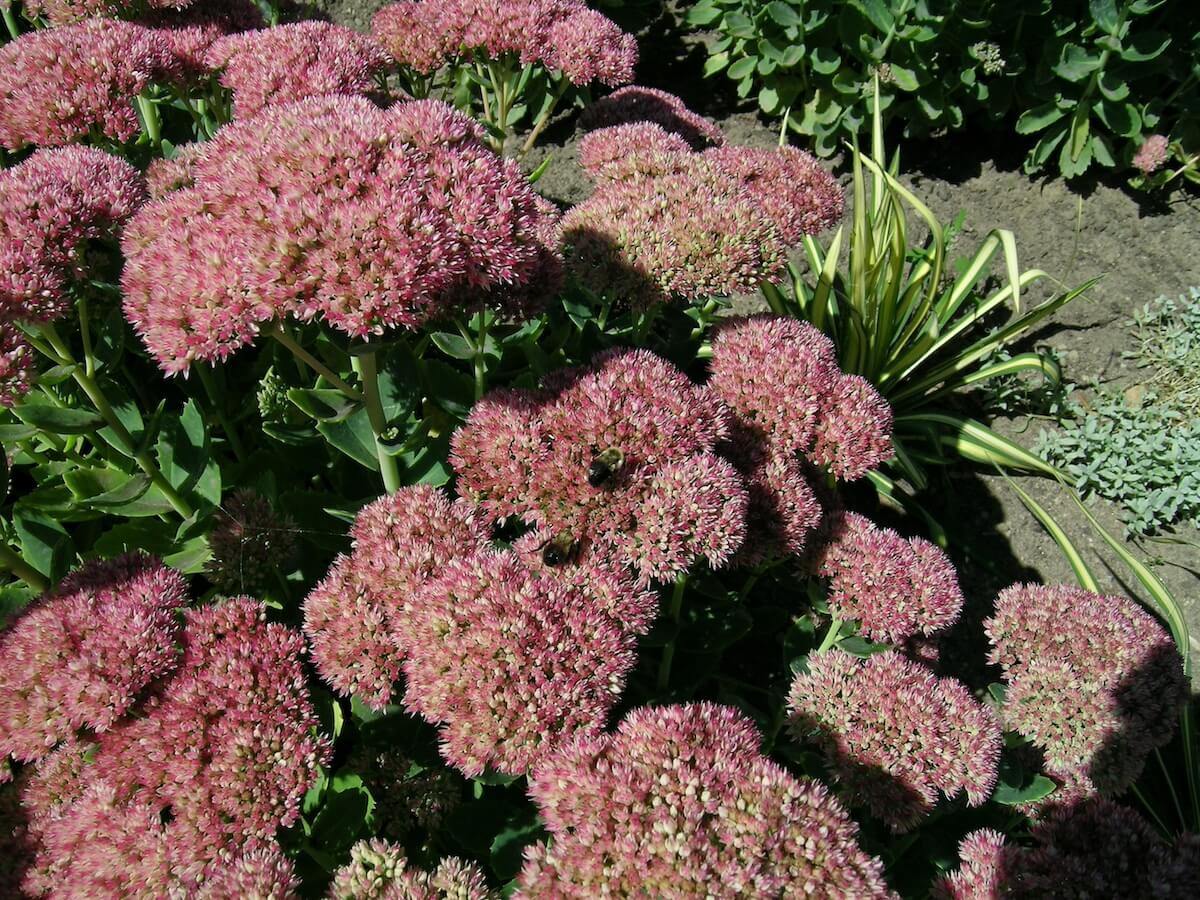
- Stonecrops (Hylotelephium spp., formerly Sedum)
- Tansies (Tanacetum spp.)
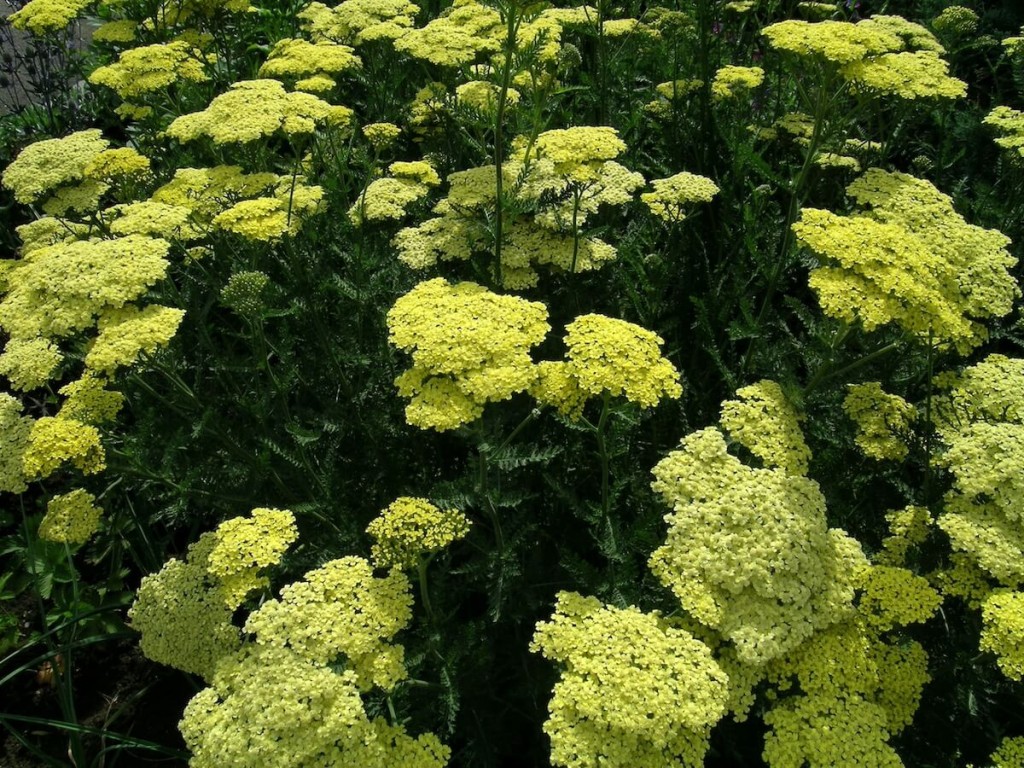
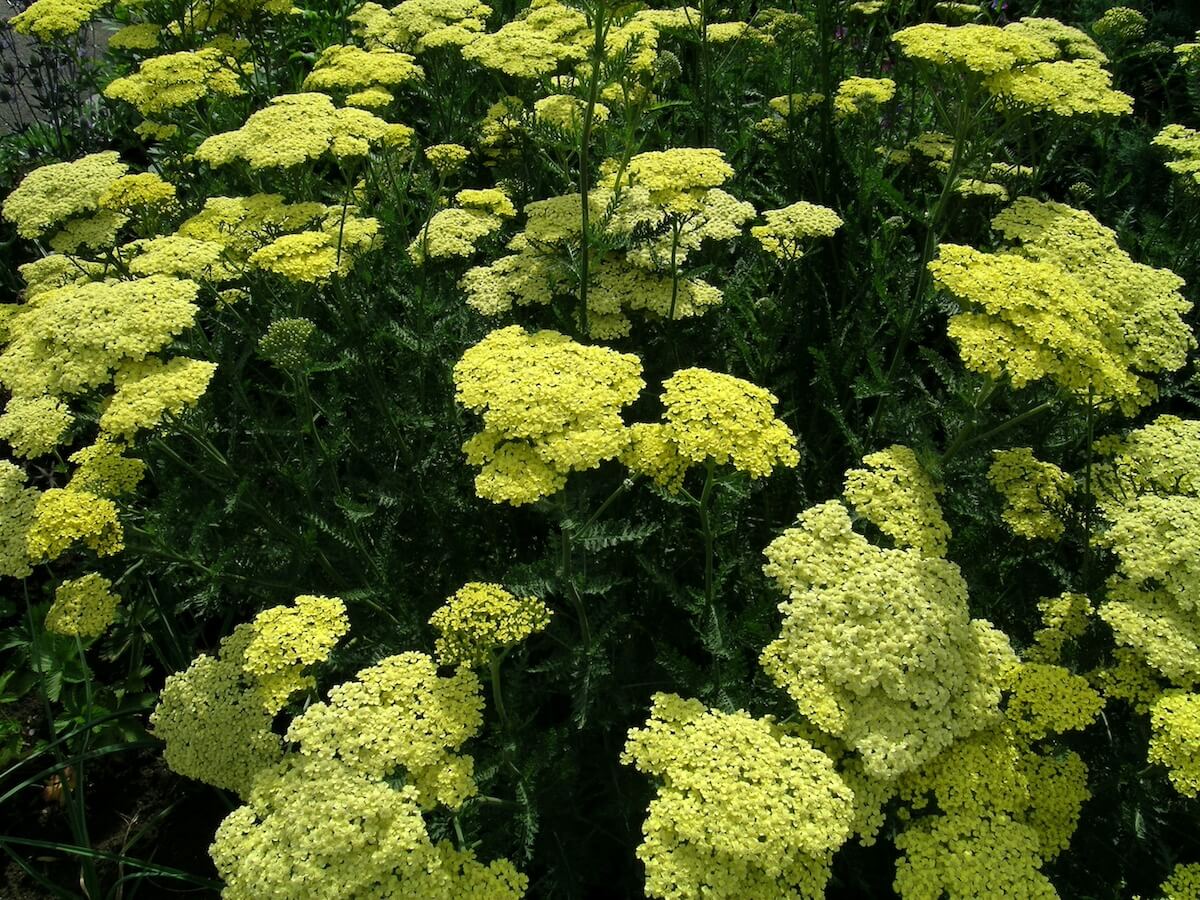
- Yarrows (Achillea spp.)
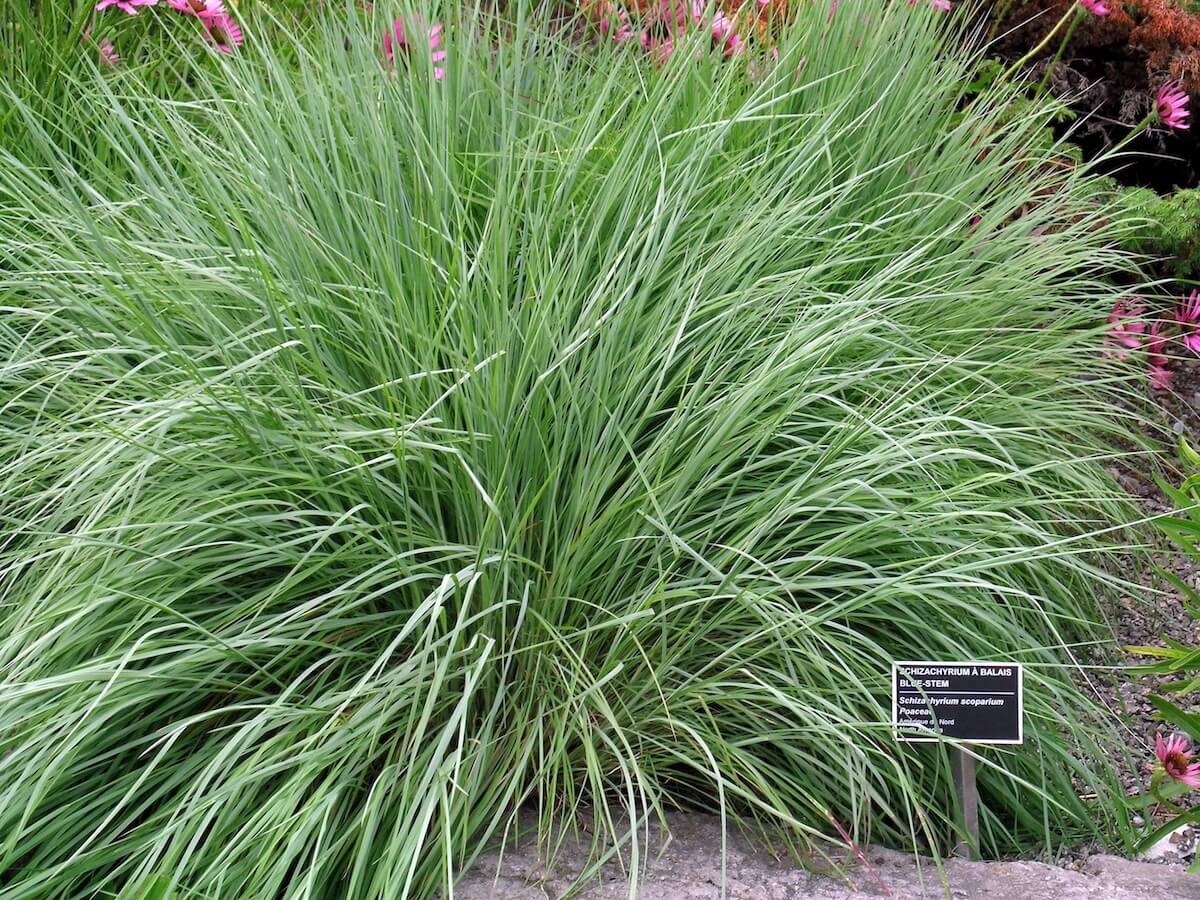
- Many ornamental grasses, including wild ryes (Elymus spp.), fescues (Festuca spp.), little bluestems (Schizachyrium spp.), prairie dropseeds (Sporobolus spp.), and feather grasses (Stipa spp.)
On the sunny slopes
Above all, remove the lawn from sunny slopes. Plant drought-tolerant ground-cover shrubs there, such as:
- Bearberry (Arctostaphylos uva-ursi)
- Bush cinquefoil (Dasiphora fruticosa)
- Cotoneasters (Cotoneaster spp.)
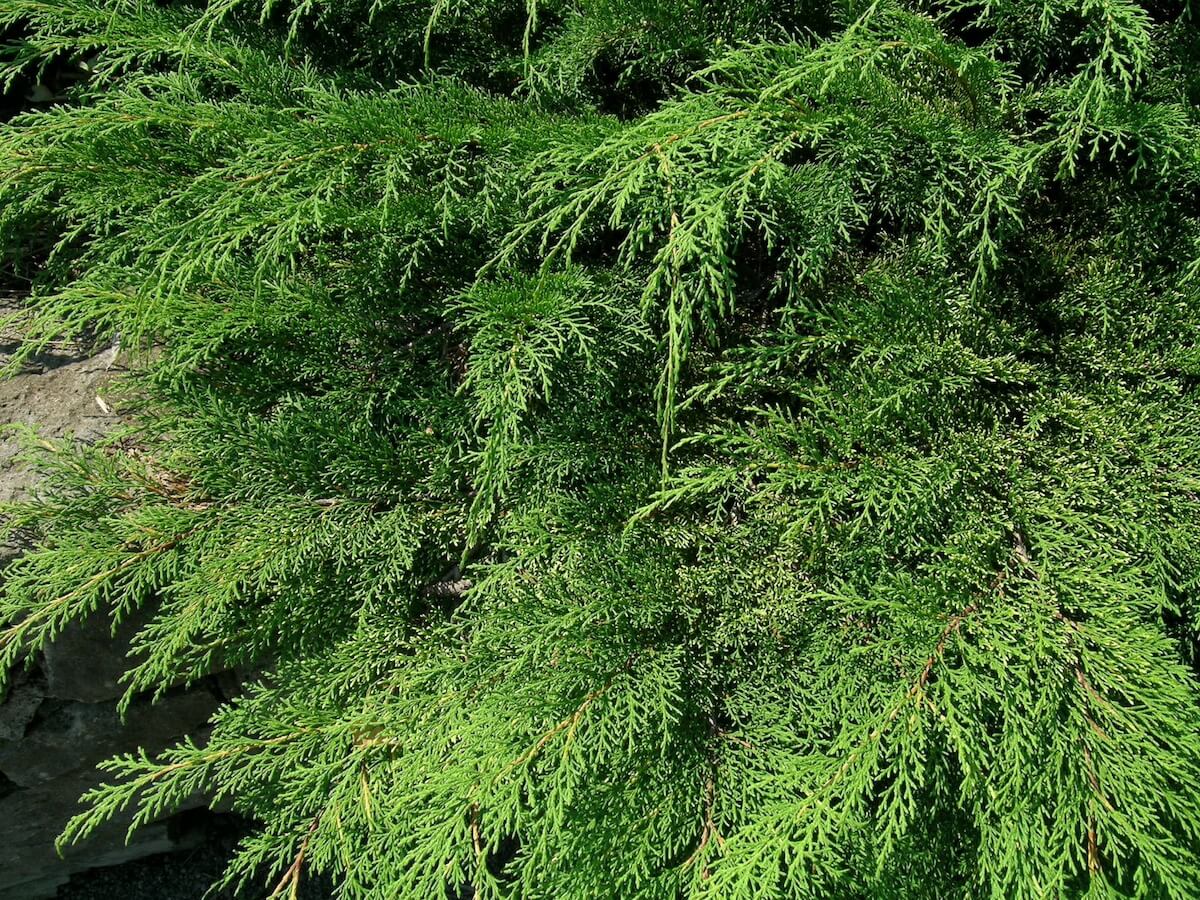
- Creeping junipers (Juniperus spp.)
- Creeping Russian cypress (Microbiota decussata)
- Creeping stephanandra (Stephanandra incisa ‘Crispa’)
- Sweetfern (Comptonia peregrina)
- ‘Gro-Low’ fragrant sumac (Rhus aromatica ‘Gro-Low’)