
In the middle of summer, whilst I’m still spending far too much time in front of my computer, I picture you on holiday by the water’s edge, sitting on a terrace having a beer with friends, or reading a good book in the shade of a parasol. My turn will come…
But the height of summer is also the time when the harvest is in full swing. So, do make sure you pop over to the vegetable patch or give some instructions to your caretaker if you’re away. It would be a shame to waste all the time and money you’ve invested. Of course, you still need to know how to harvest your vegetables at the right time and in the right way.
In this second article in a series of three—read part 1 here—I’ll be looking at the specifics of harvesting: aubergines, beetroot, broccoli, cauliflower, cucumbers, summer squash, chilies and peppers. And, of course, the queen of the vegetable patch… the tomato.
Eggplant
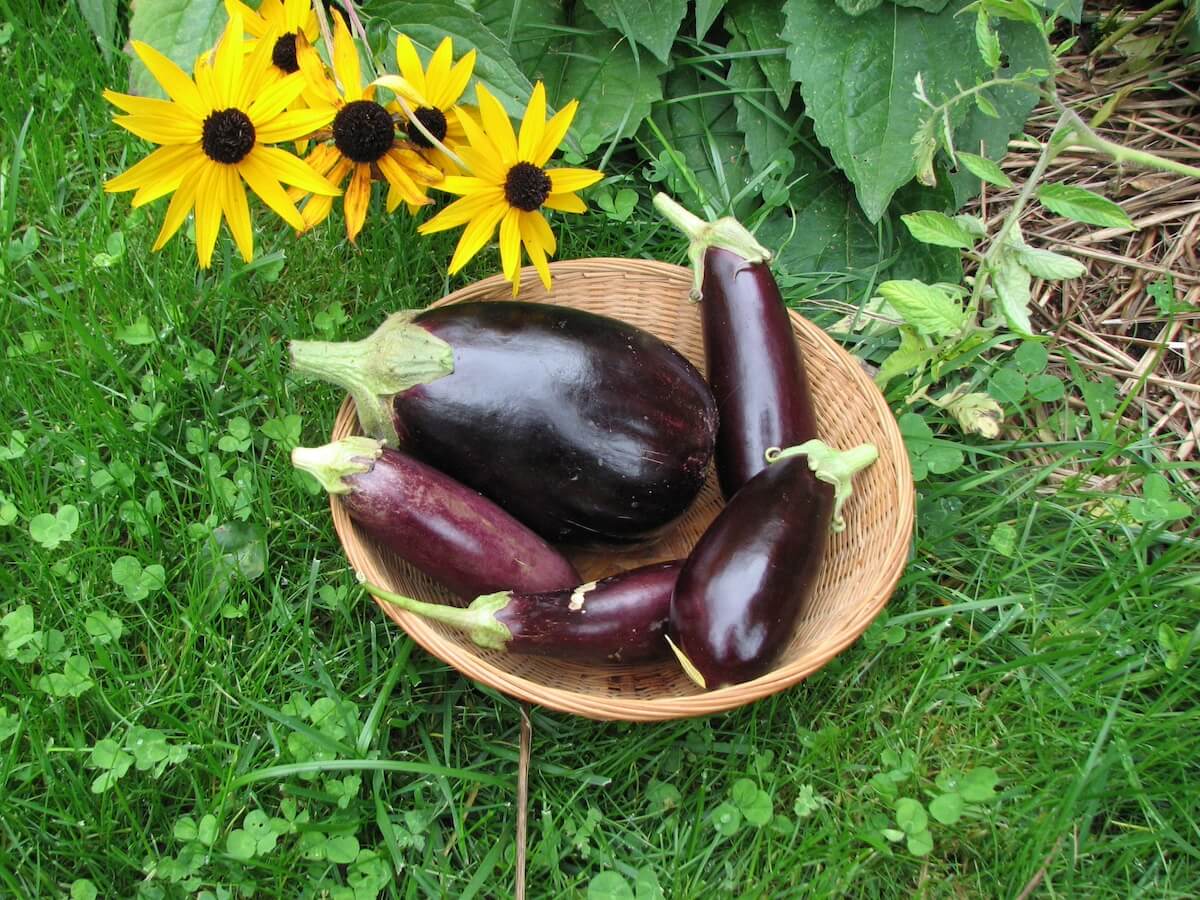
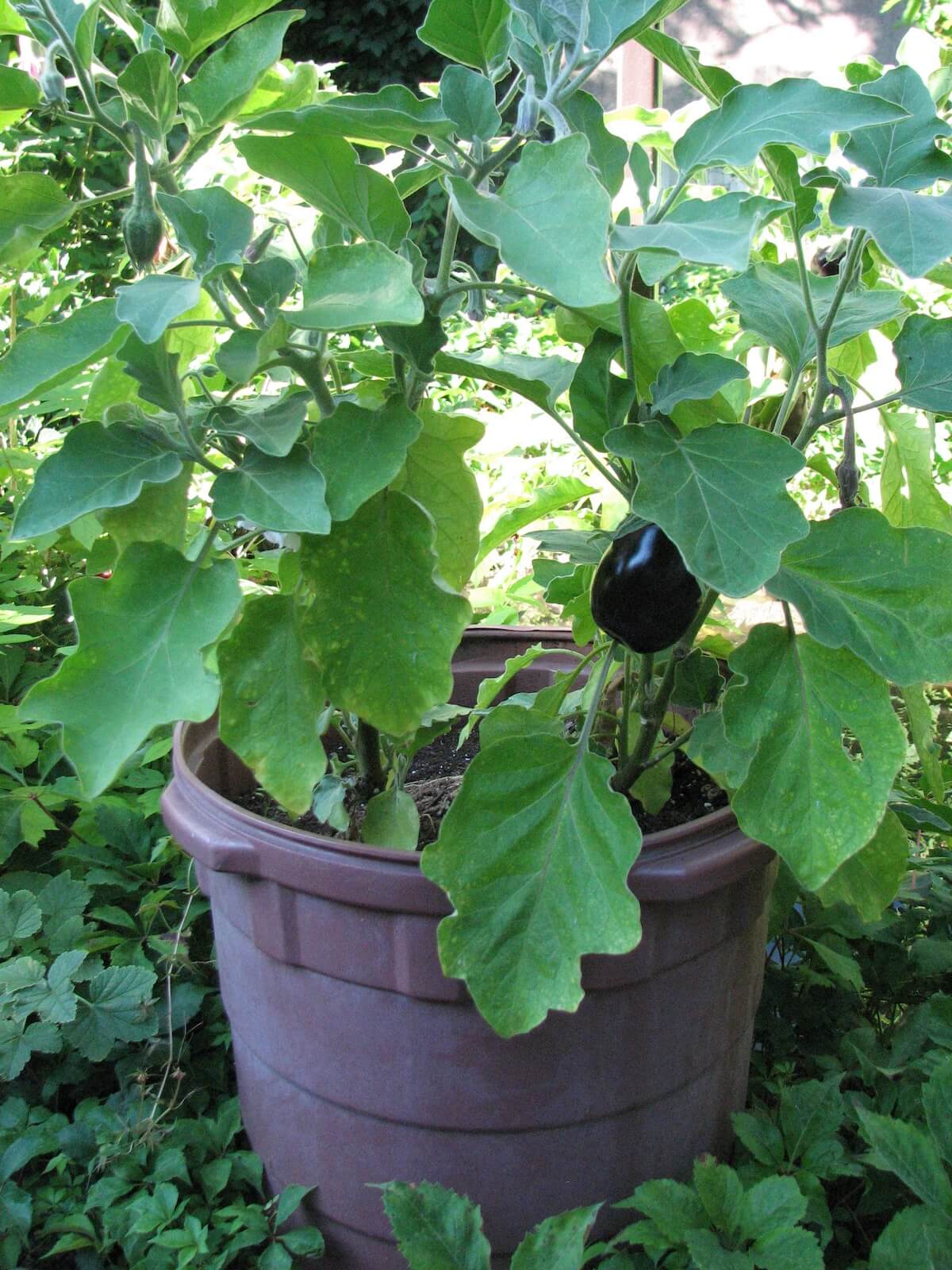
Eggplant is a heat-loving plant. It thrives best during hot, sunny summers. If you have trouble growing eggplants year after year, it’s likely because you live in a region that’s too cold. To get around this problem, grow eggplants in pots or containers. Under these conditions, the plants will be exposed to more heat.
Harvesting eggplants begins once the fruits have reached their expected colour for the specific variety—most often purple. They should be glossy and plump, with thin skin. If you gently press the flesh with your finger, your fingerprint should remain visible for a moment before the flesh slowly returns to its original shape. Don’t wait too long, or the eggplant’s skin will become dull, its flavour will turn bitter, and it will contain many seeds.
To harvest eggplants, cut the stem with pruning shears or a knife.
Beets
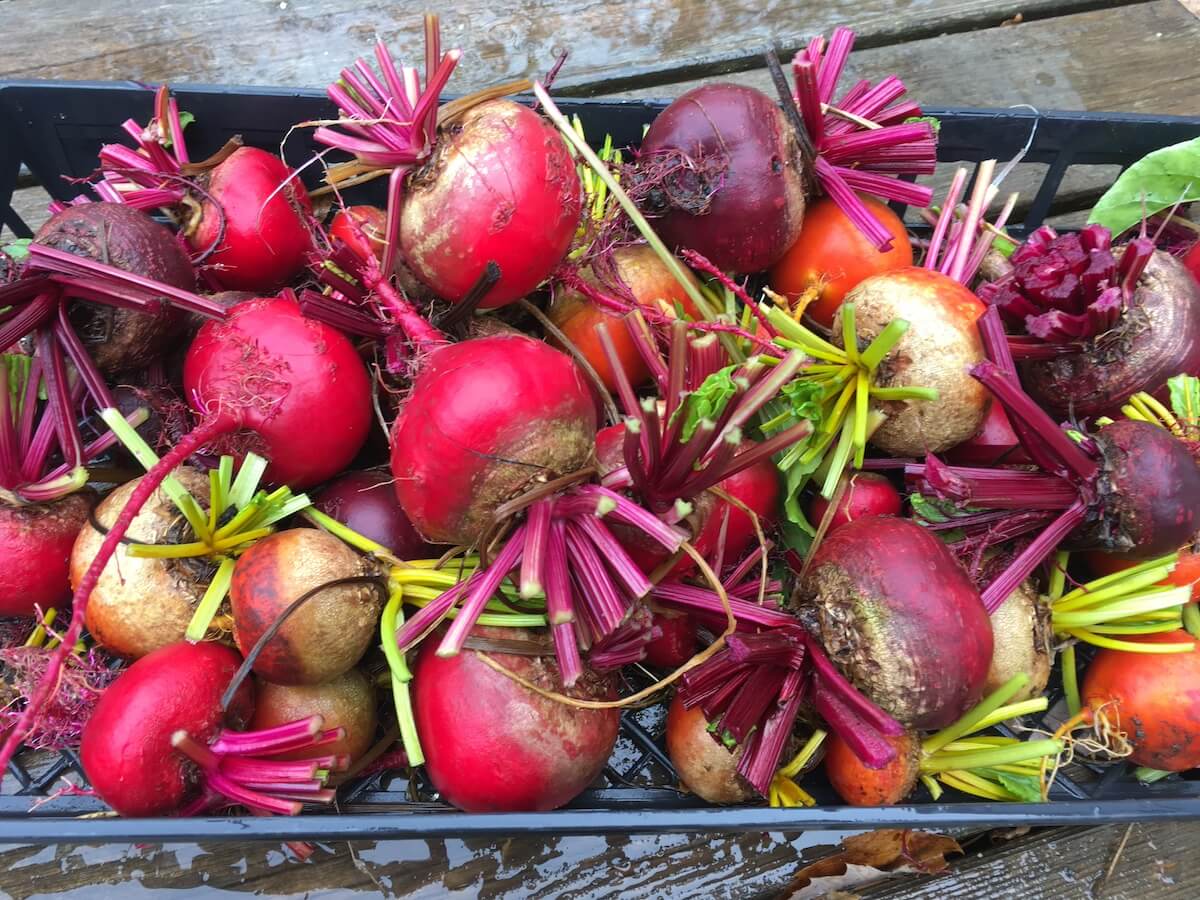
Beets are one of my favourite vegetables. I enjoy eating beets not only fresh but also throughout the year. In fact, there are several ways to store beets for the long term… but that’s another story.
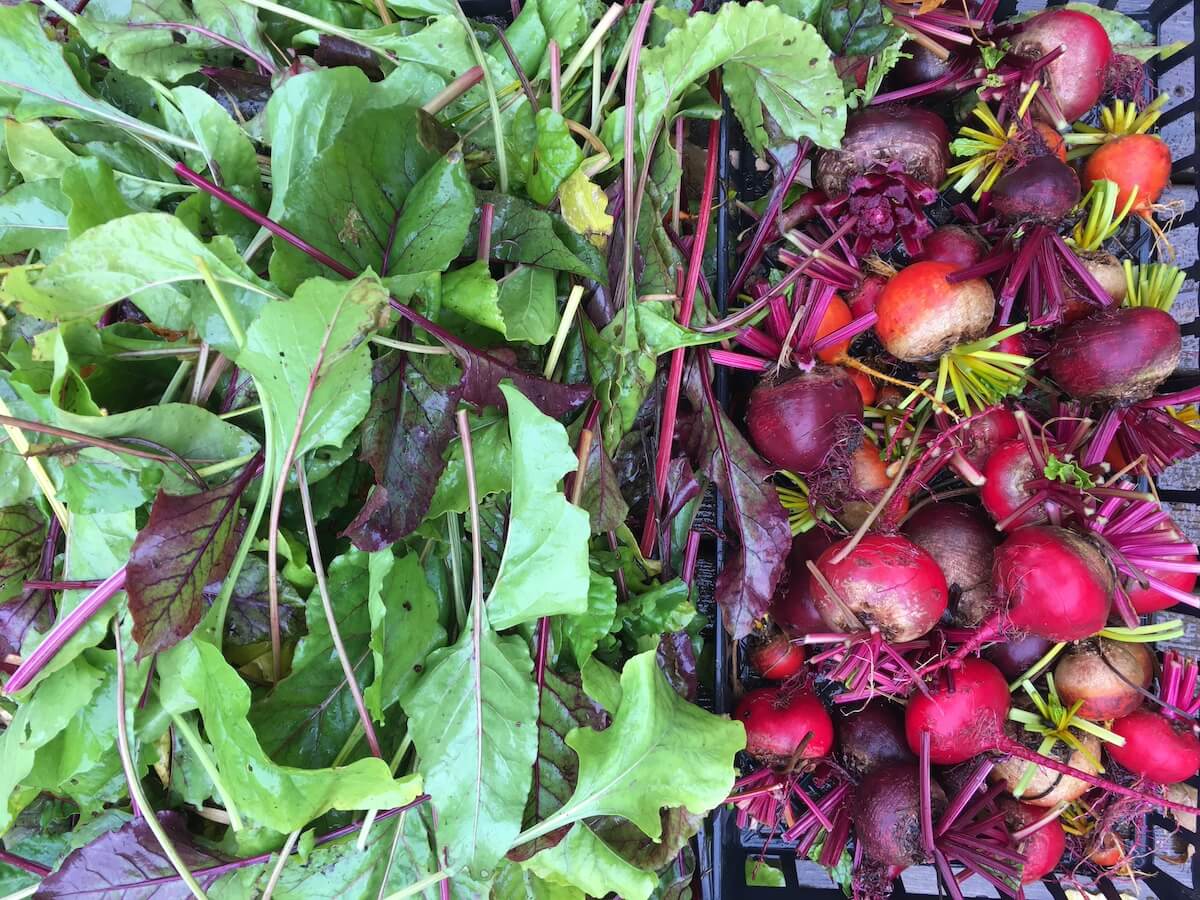
I appreciate the earthy yet sweet flavour of this root vegetable, which is most often purple and spherical in shape. But there are many other varieties. They can be round, elongated, or mini, and come in different colours, such as yellow, white, or two-toned. The two-toned varieties have the advantage of staining your fingers less during preparation.
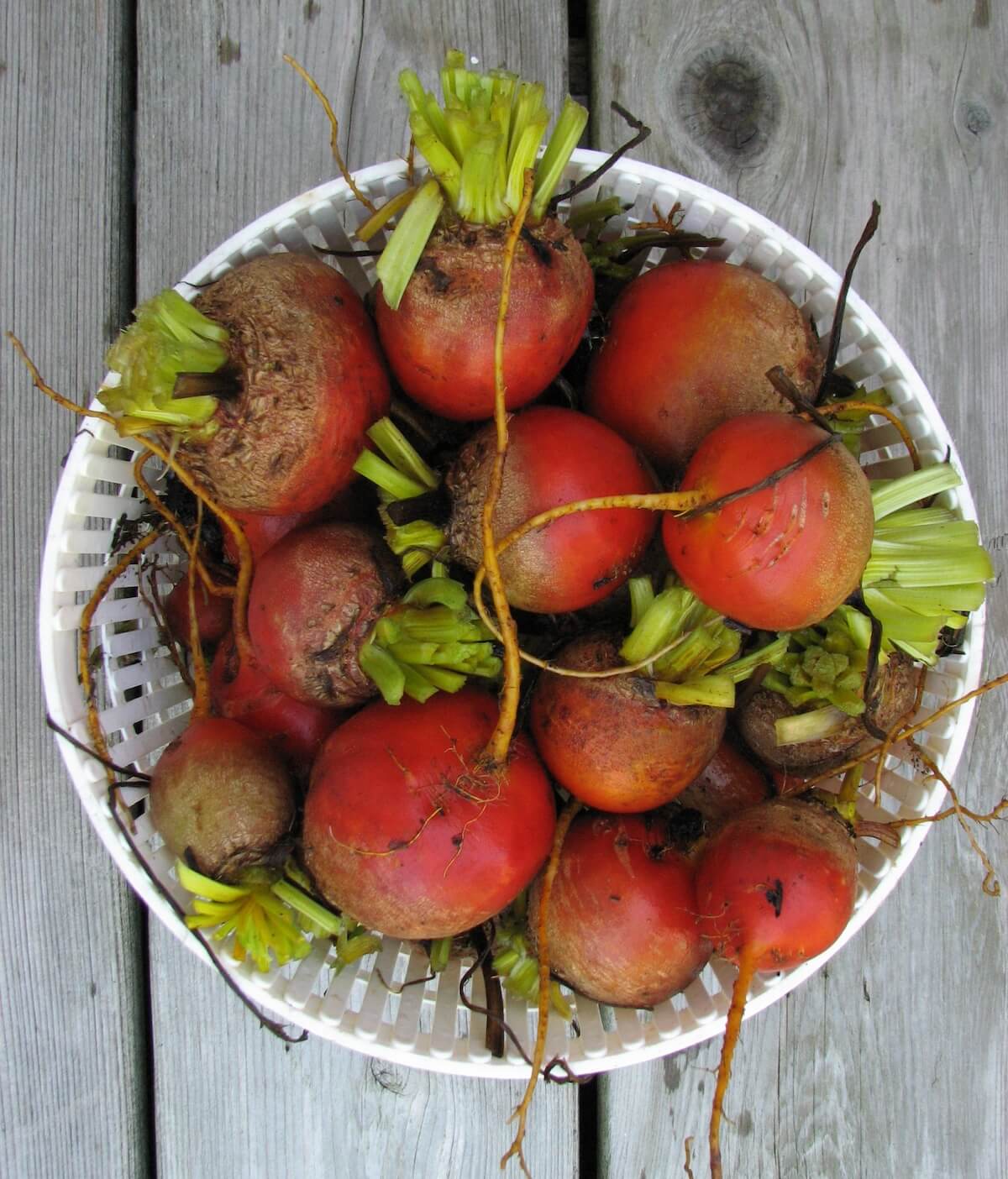
Beet harvesting begins roughly two months after sowing, once the beets reach the expected diameter for their variety (between 3 and 10 cm [1¼ and 4 in]). It’s important not to delay, otherwise the beets may become fibrous.
After harvesting, the leaves should be cut 5 cm (2 in) from the base if the beets are to be cooked shortly thereafter, to prevent “bleeding” during cooking. However, for long-term storage in the refrigerator or a cold storage room, the leaves are cut 2 cm (¾ in) from the base.
Beet greens are also edible. They can be cooked just as you would Swiss chard or spinach.
Broccoli
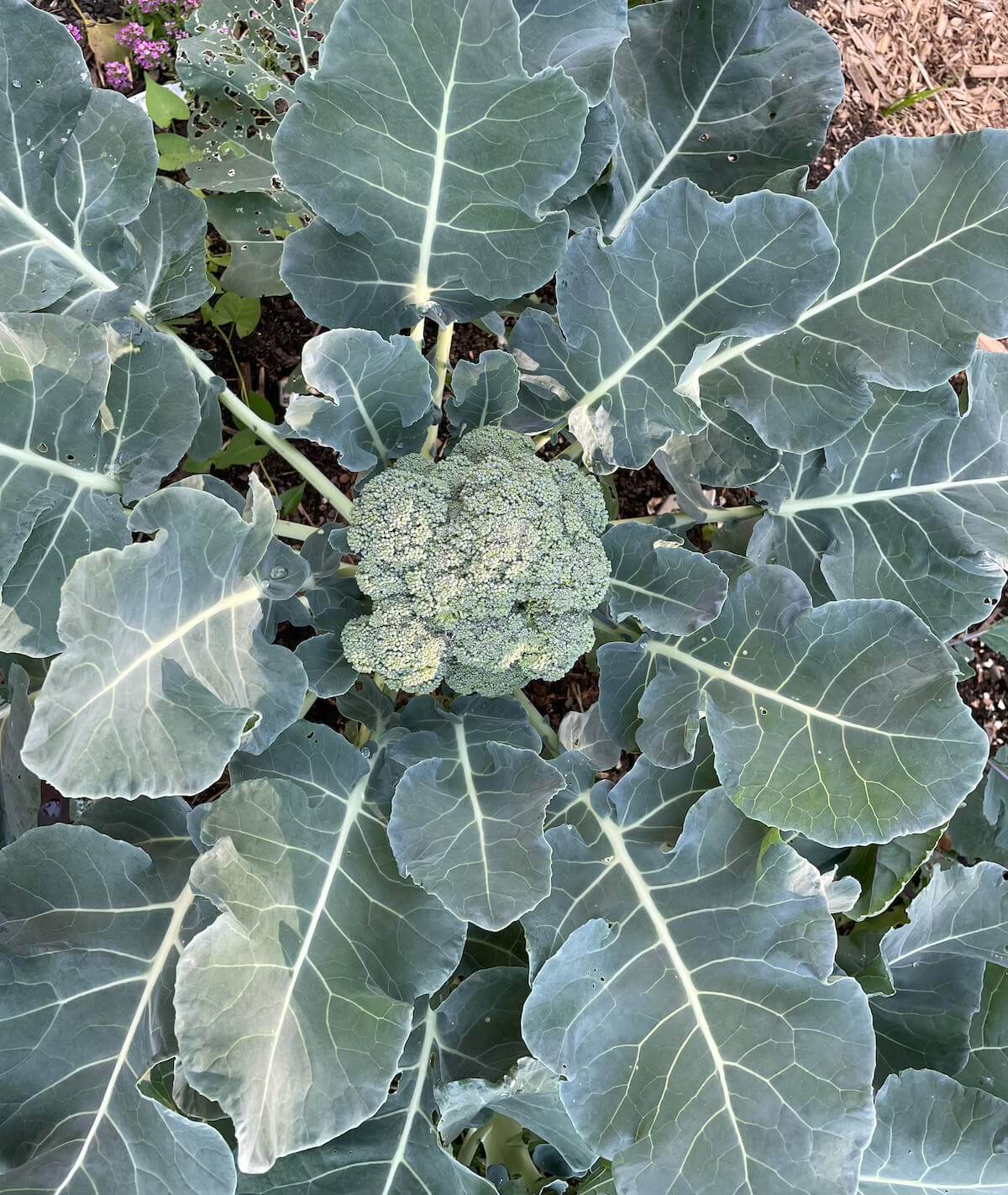
Broccoli is grown to harvest its inflorescence—the cluster of flower buds that resembles a small tree. Broccoli can be harvested 50 to 80 days after transplanting by cutting the inflorescence while the buds are still dense and compact.
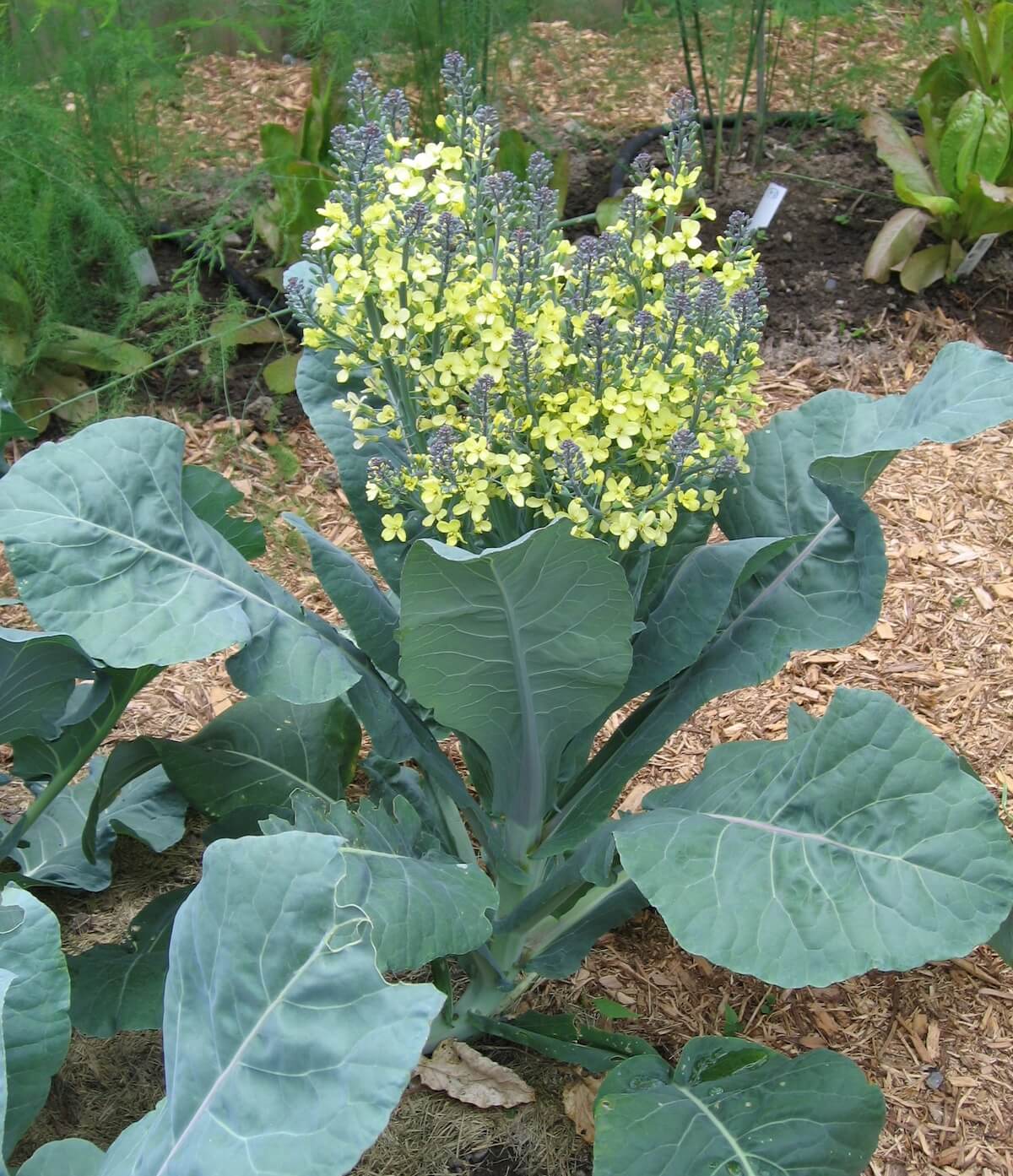
Care must be taken not to miss the ideal harvest time, especially in hot, dry weather. Otherwise, the buds can open quickly and turn into small yellow flowers.
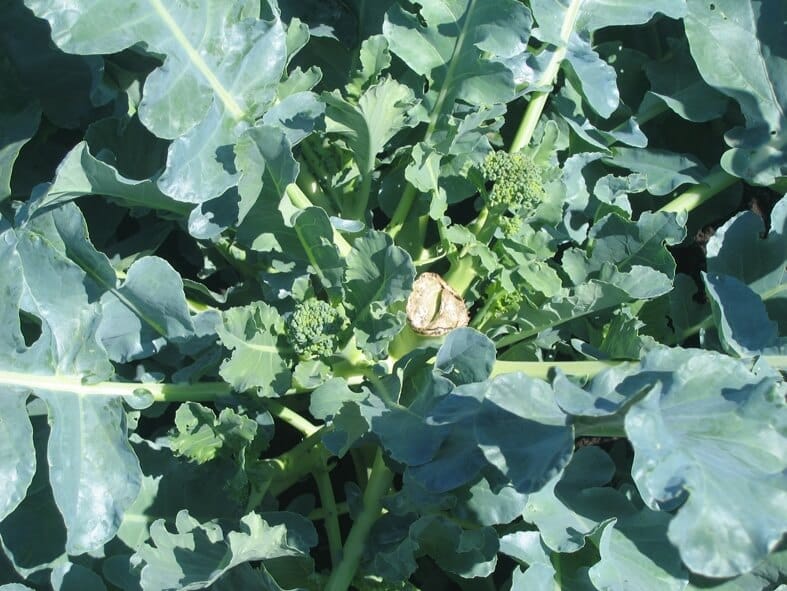
After the main flower head is harvested, small secondary buds may form in the leaf axils.
Cauliflower
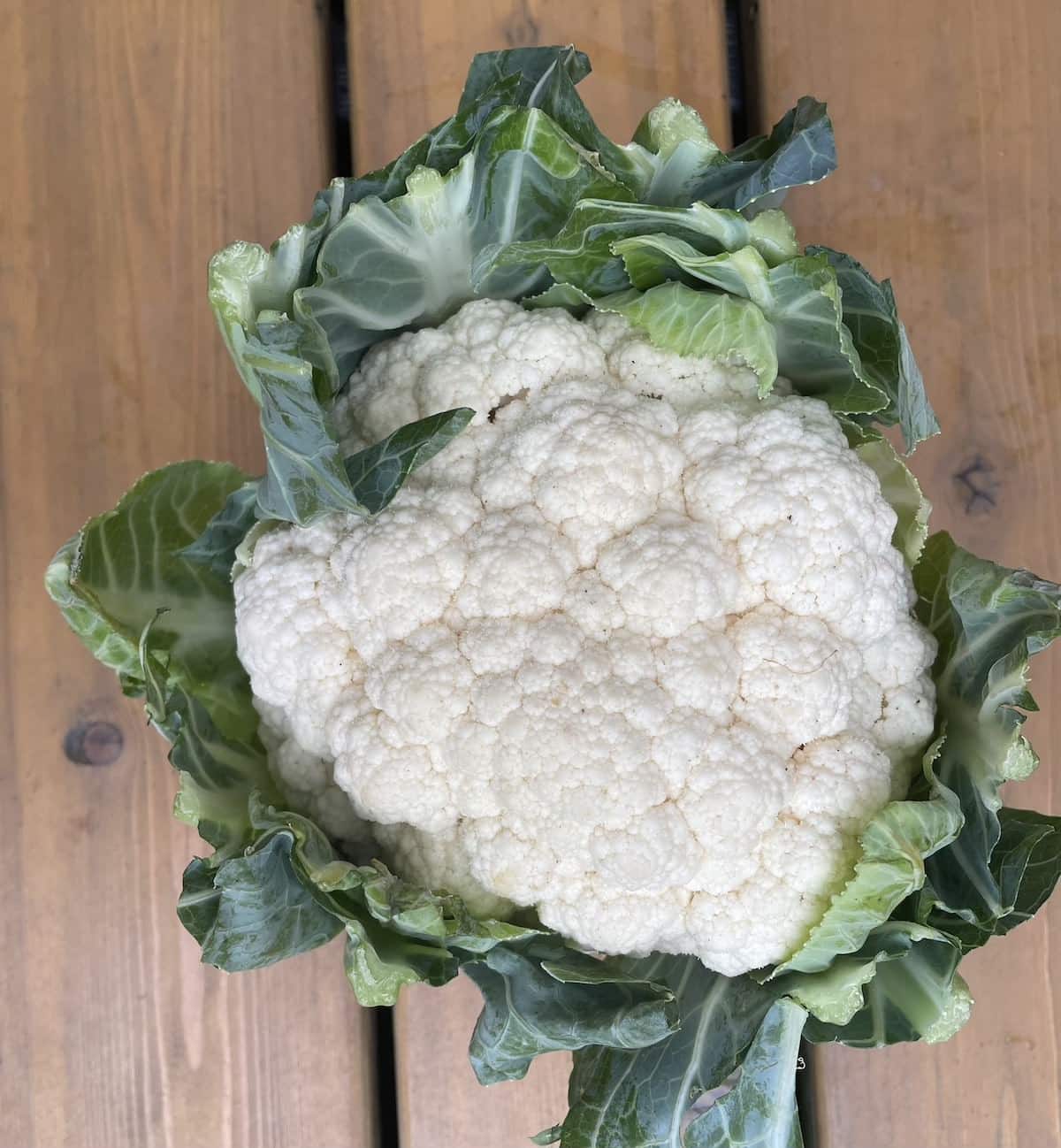
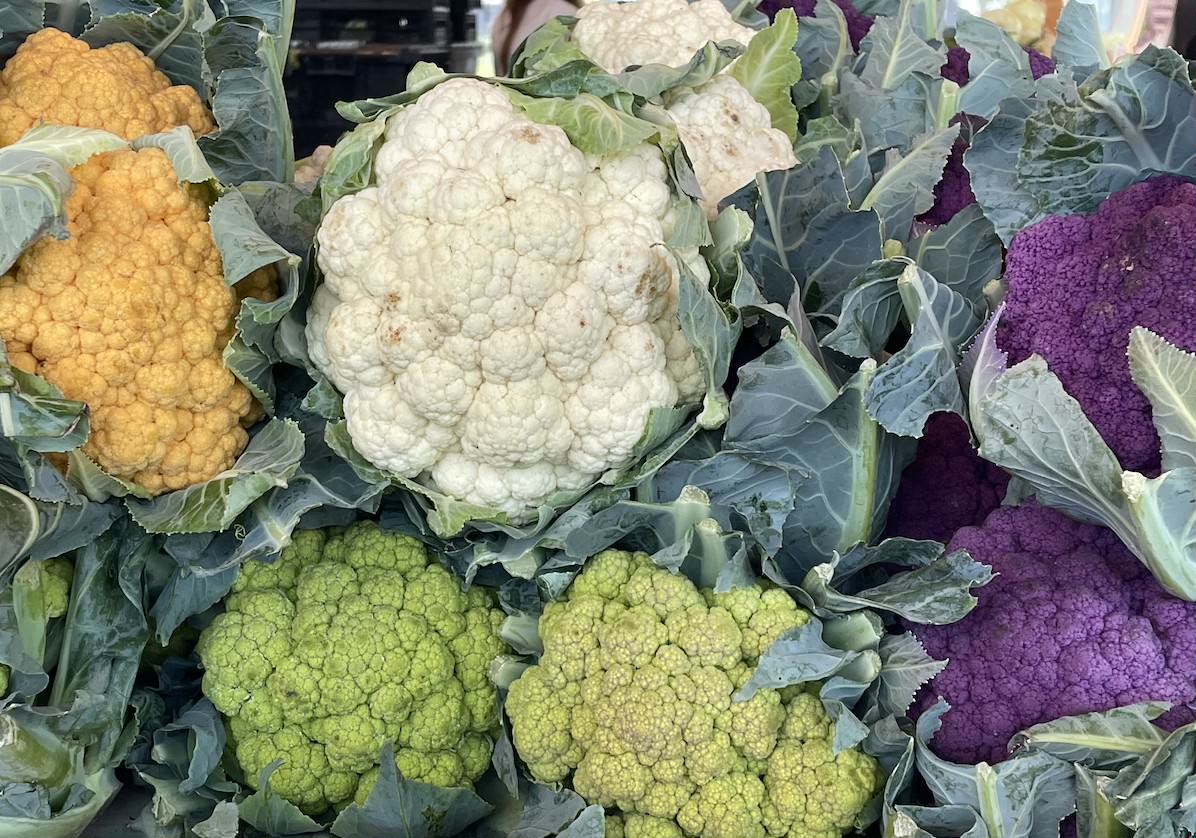
Cauliflower is grown for its white (most of the time) or colored flower heads, which have a delicate flavour.
Do you remember the time a few years ago when cauliflower was selling for $8 at the grocery store? That’s a good reason to grow your own cauliflower… provided you have a few years of gardening experience, since it’s not the easiest crop to grow successfully. For one thing, cauliflower is susceptible to several pests, just like its cousins in the Brassicaceae family. For another, it mustn’t lack water during head formation.
You should harvest cauliflower with a knife when the heads are plump and compact.
Cucumber
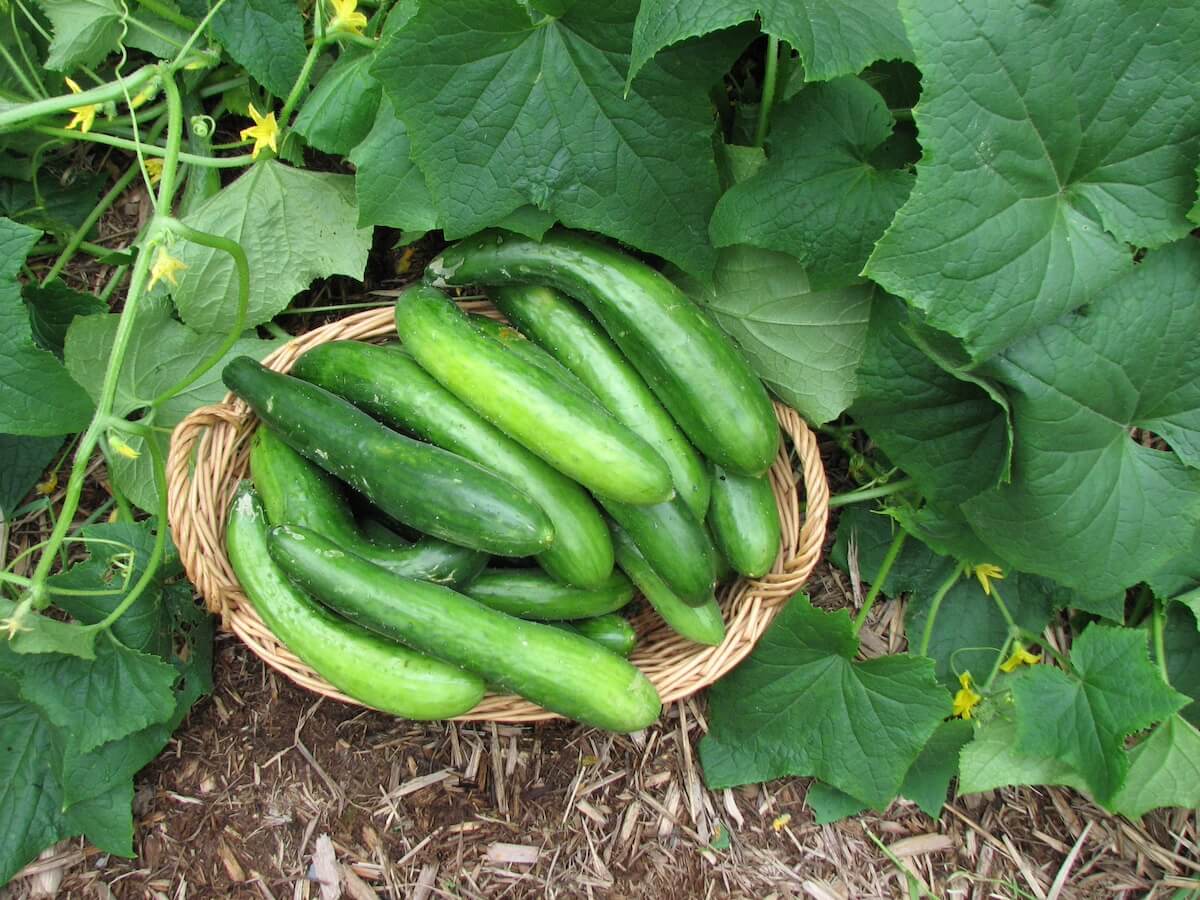
Are you more of a “regular cucumber,” “English cucumber,” or “mini cucumber” person? My favourite is the Lebanese cucumber, which I love to munch on while gardening.
When ideal growing conditions are in place, cucumber harvests can be abundant… even overflowing. If you can’t eat or preserve them as you go, consider making someone happy by dropping them off at a community fridge, for example. By the way, this is a good habit to get into for all bountiful harvests.
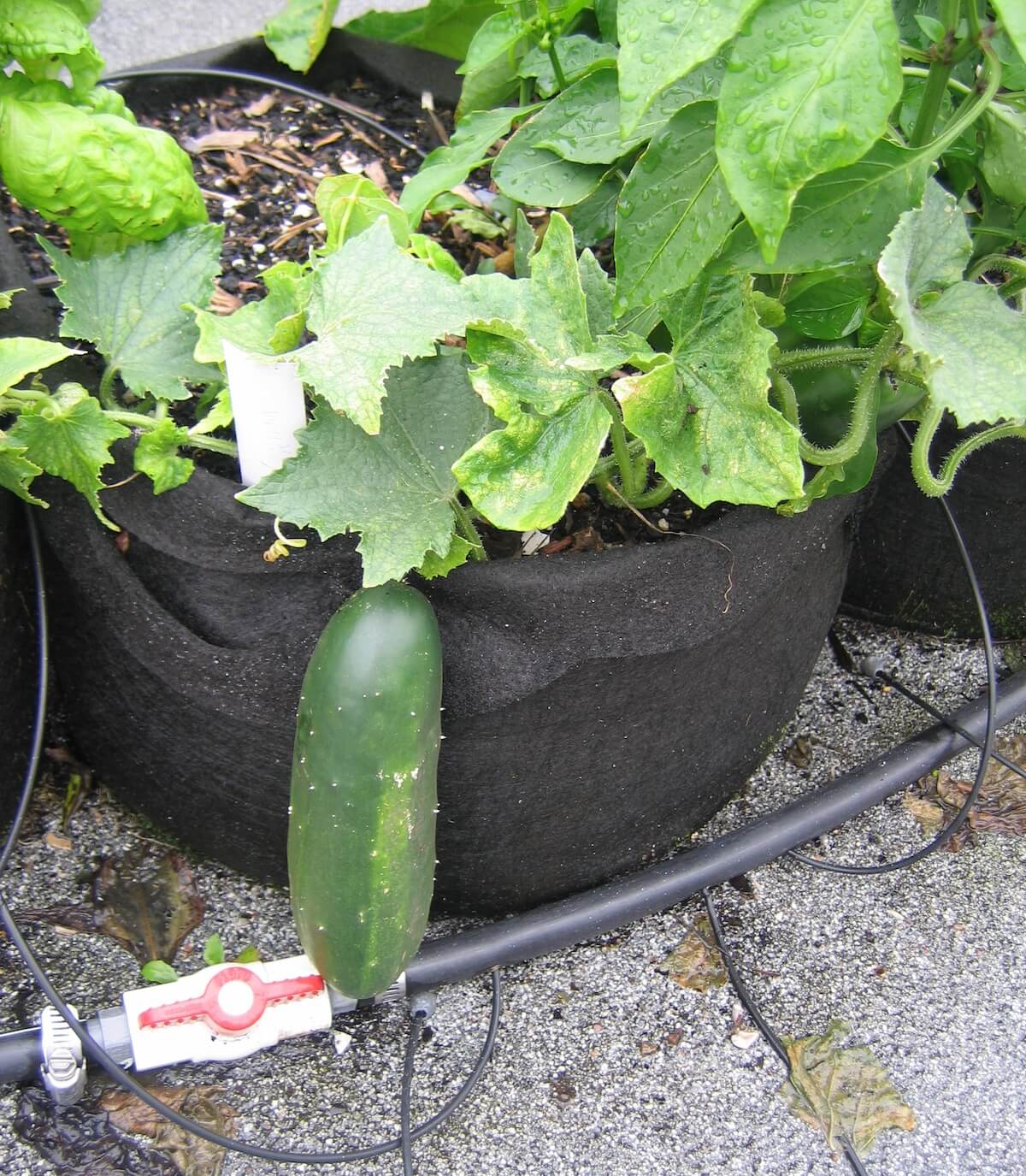
Cucumbers reach maturity about two months after sowing or transplanting. To harvest, twist the fruit to snap off the stem or cut it off with a knife or pruning shears.
To encourage a continuous supply of cucumbers, it’s best to harvest them promptly once they’re ripe. When the cucumbers start to turn yellow, it’s already too late.
Summer squash
Summer squash—including zucchini, pattypan squash, and crookneck squash—should be harvested while still immature. Close relatives of cucumbers and winter squash, these members of the cucurbit family have high requirements for organic matter and consistent soil moisture.
Zucchini are ready to harvest 45 to 60 days after sowing or transplanting. They are at their best when they reach 15 to 20 cm (6 to 8 in) in length. Harvest them by cutting the stem with a sharp knife rather than pulling or twisting the fruit from the plant.
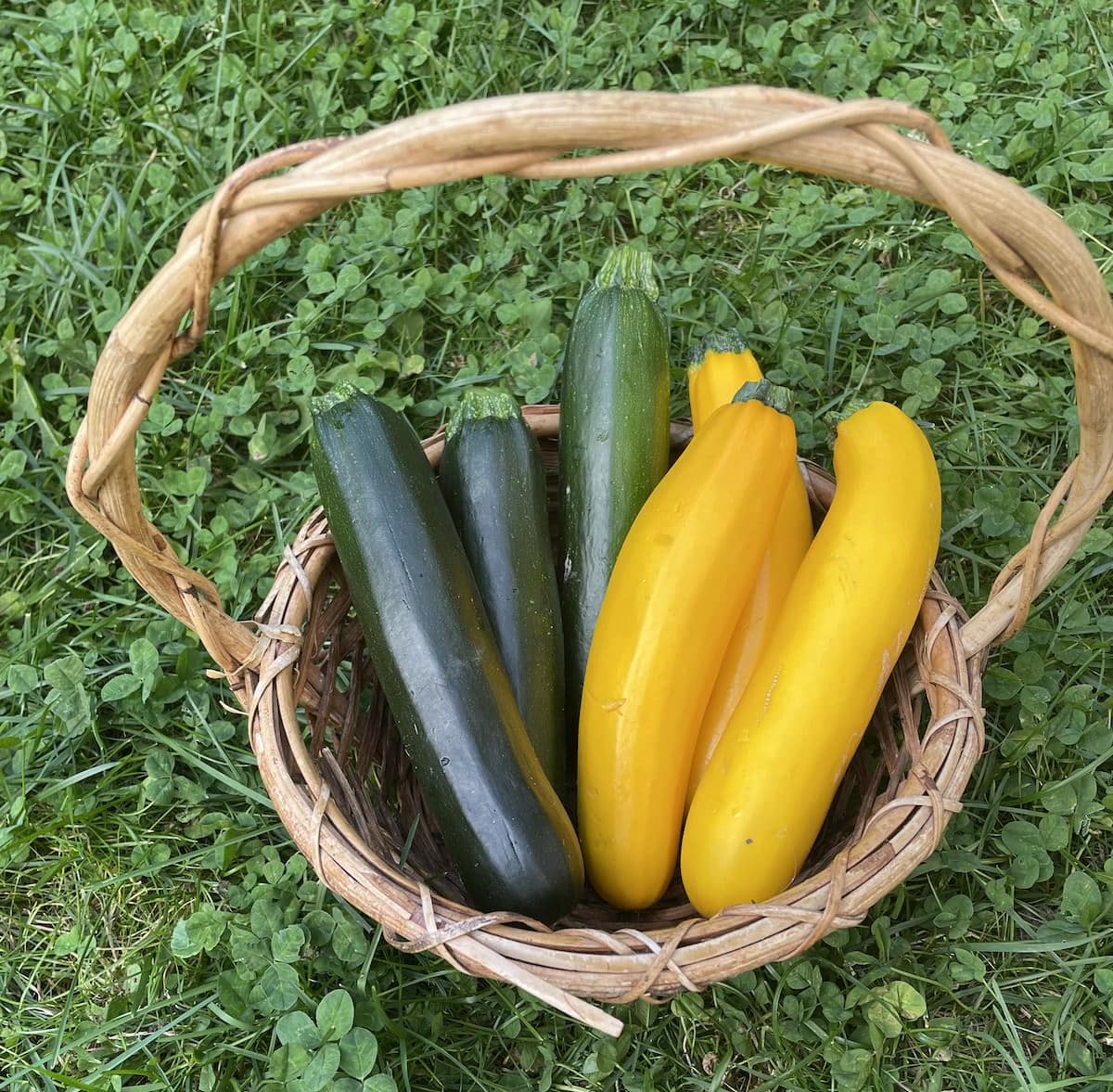
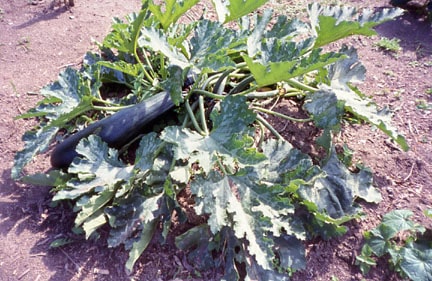
You should harvest the zucchini regularly to prevent them from turning into actual baseball bats. For one thing, they’ll become tough and much less flavorful. For another, this hinders the production of future zucchini.
Hot peppers and bell peppers
If you like to spice up your life, hot peppers are the way to go. But if you prefer milder flavors, sweet peppers (also called bell peppers) will be more to your liking.
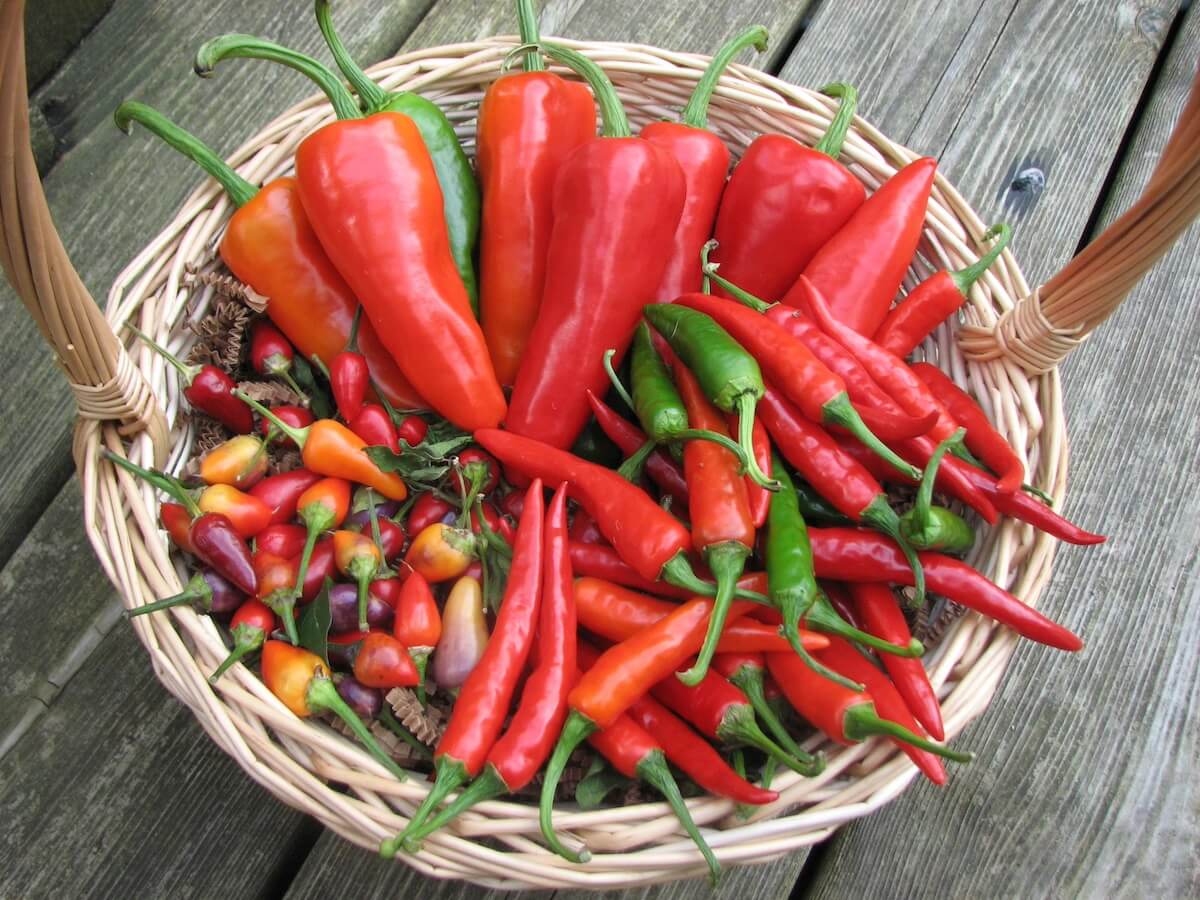
Hot peppers are classified according to their capsaicin content using the Scoville scale. Examples include Gorria (the pepper used to produce Espelette pepper), jalapeño, chili peppers, and habanero.
Both hot peppers and sweet peppers are warm-season crops that thrive in heat. In both cases, harvests are best during hot, sunny summers. In cooler regions, growing them in containers or raised planters can improve growth and yields.
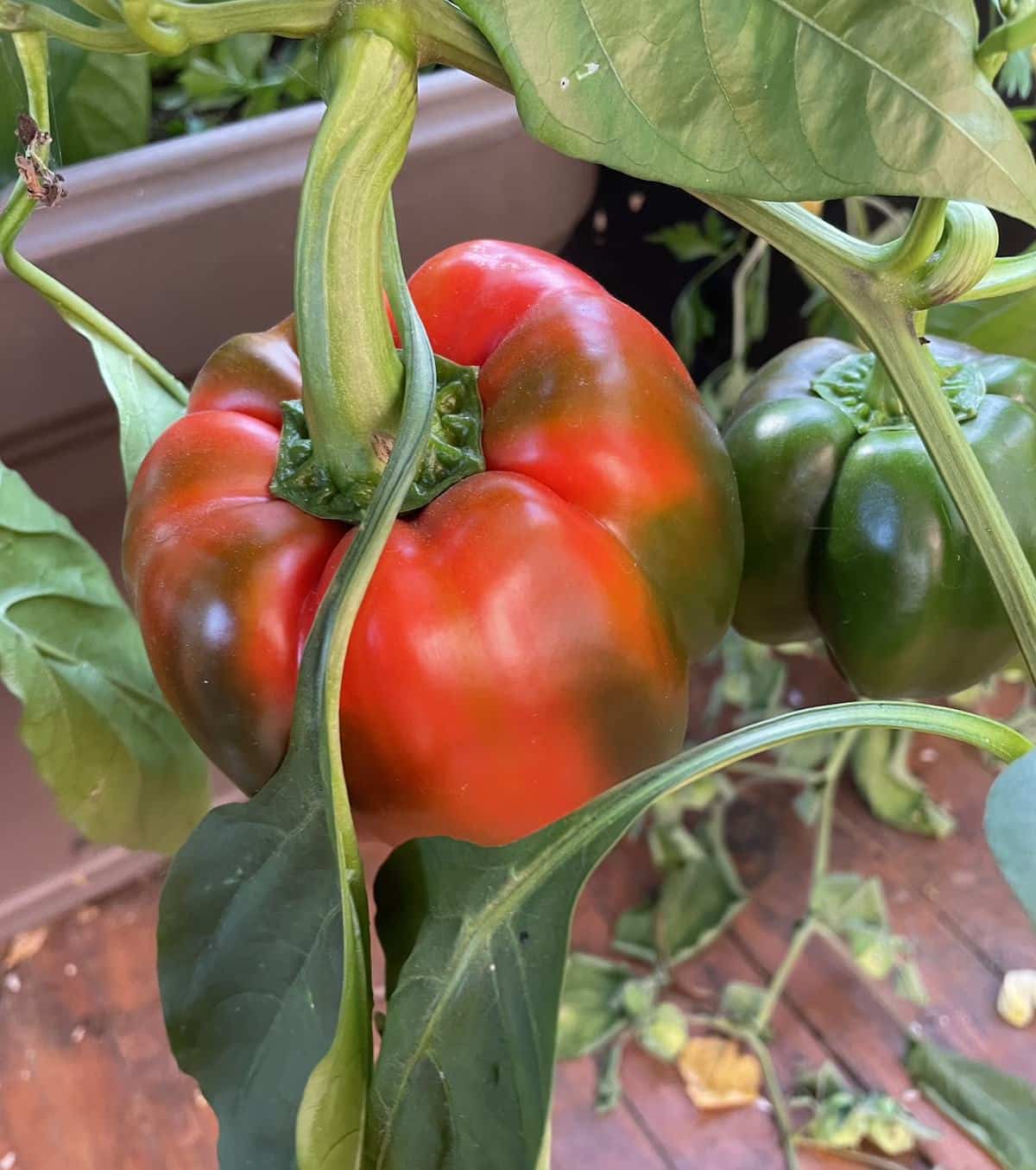
Peppers reach maturity 40 to 70 days after transplanting. Ideally, they should be harvested when fully ripe and have developed their characteristic mature colour. However, if cool autumn weather arrives before they have ripened, it is best to harvest them even if they are still green.
Expect to harvest 4 to 6 bell peppers per plant, or more in the case of mini sweet peppers, while hot pepper plants can produce 10 to 20 fruits per plant.
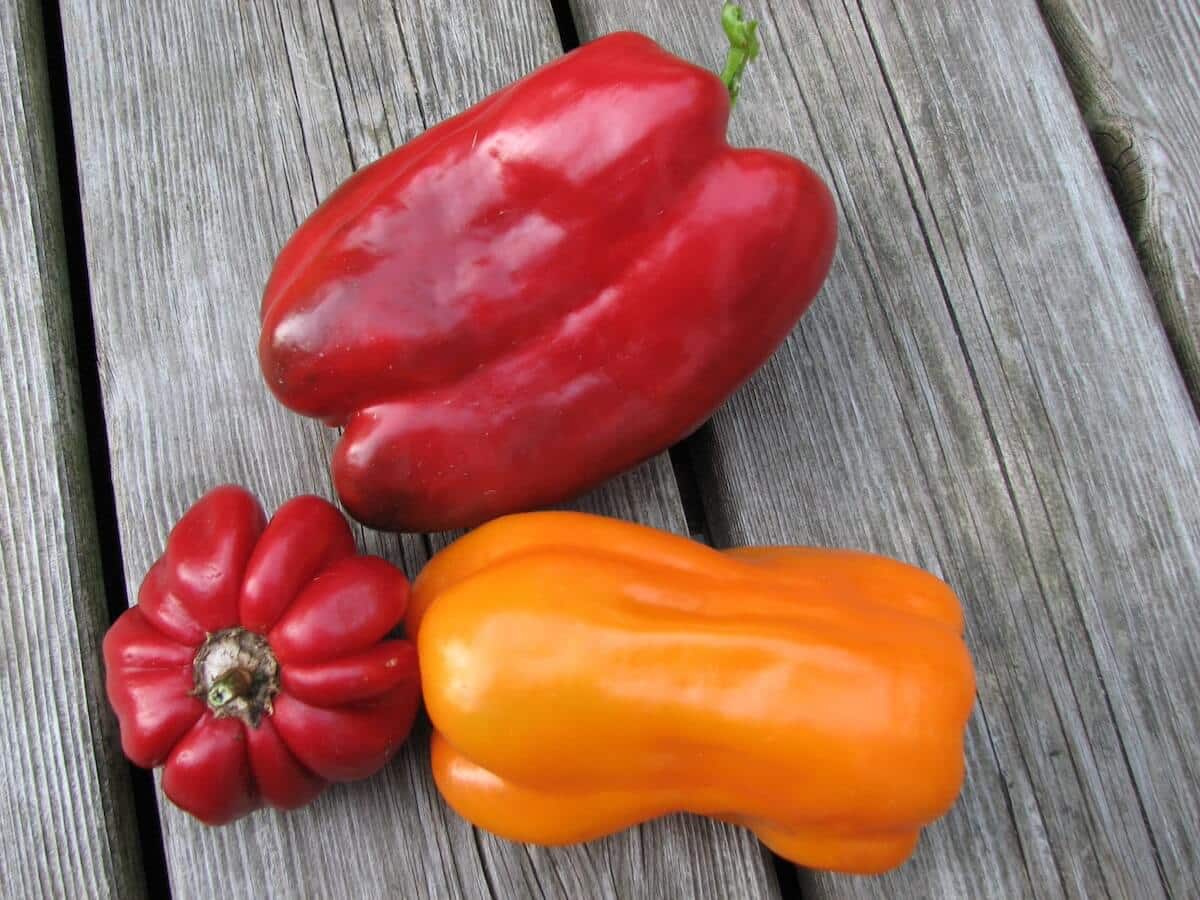
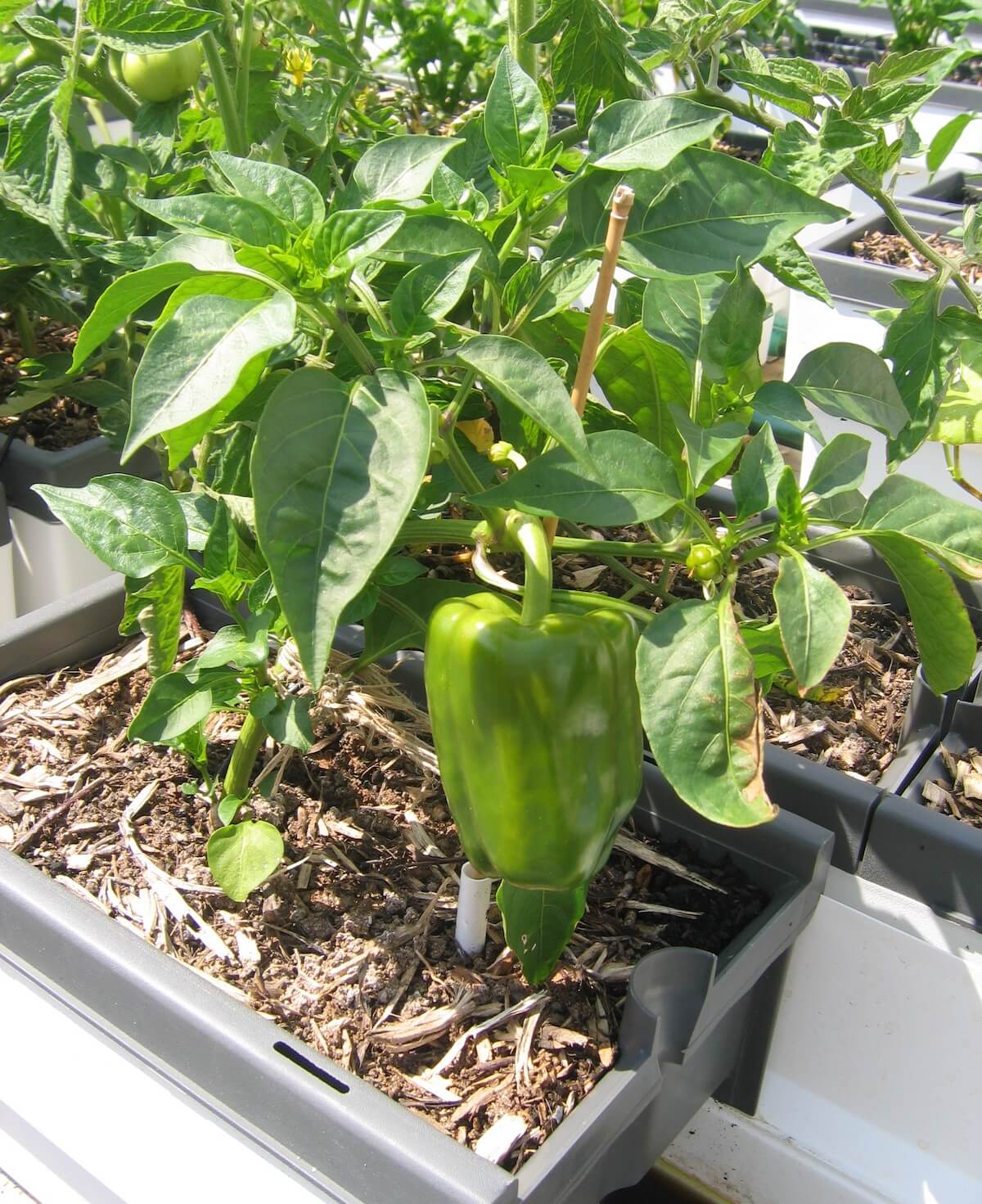
When harvested while still green, bell peppers will not continue to ripen indoors, since they are not climacteric fruits, as we will see with tomatoes. However, if bell peppers have red patches at the time of harvest, they can continue to ripen indoors. To do this, you can store them at room temperature for two or three days—no longer, or they’ll wilt.
Tomato
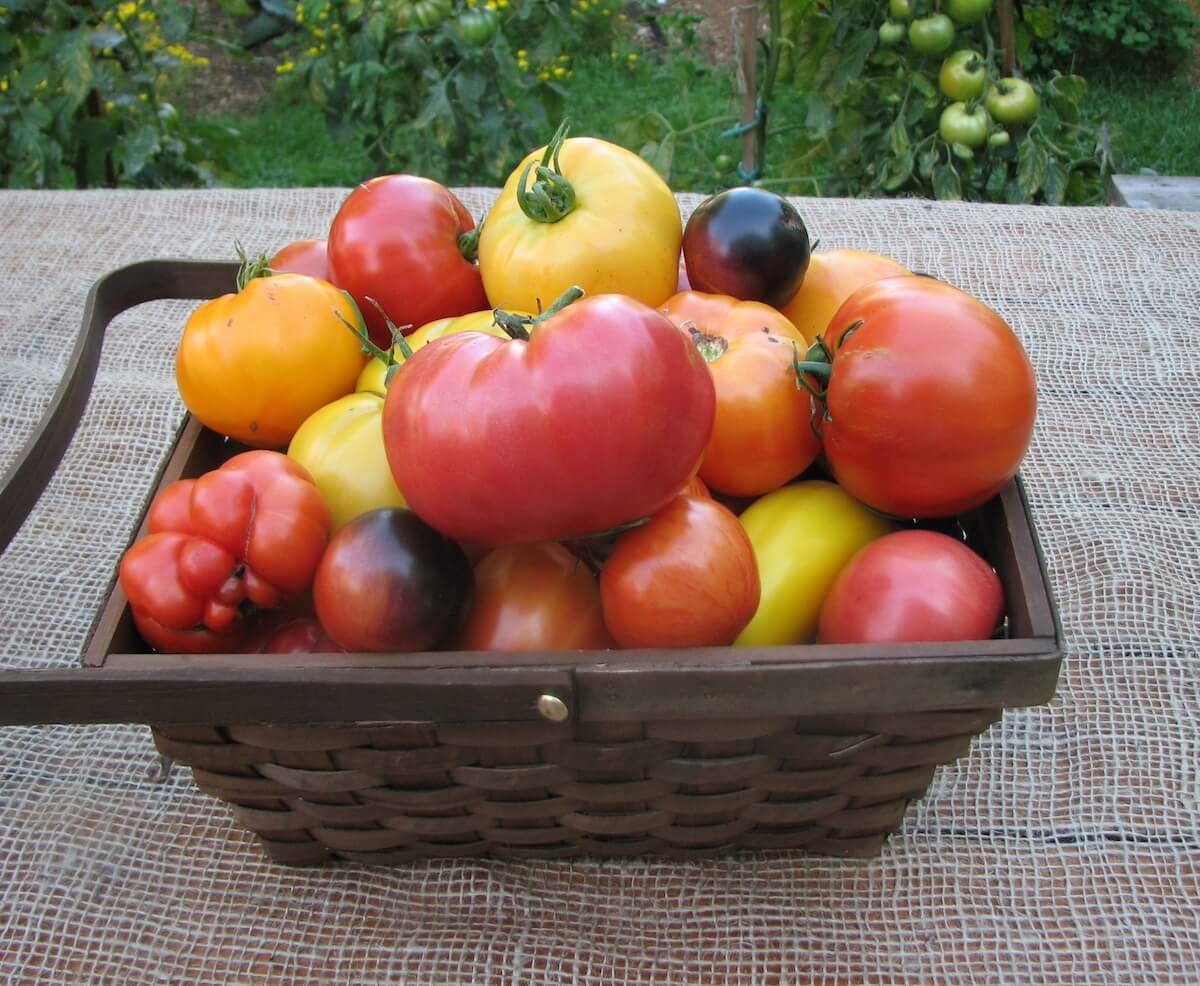
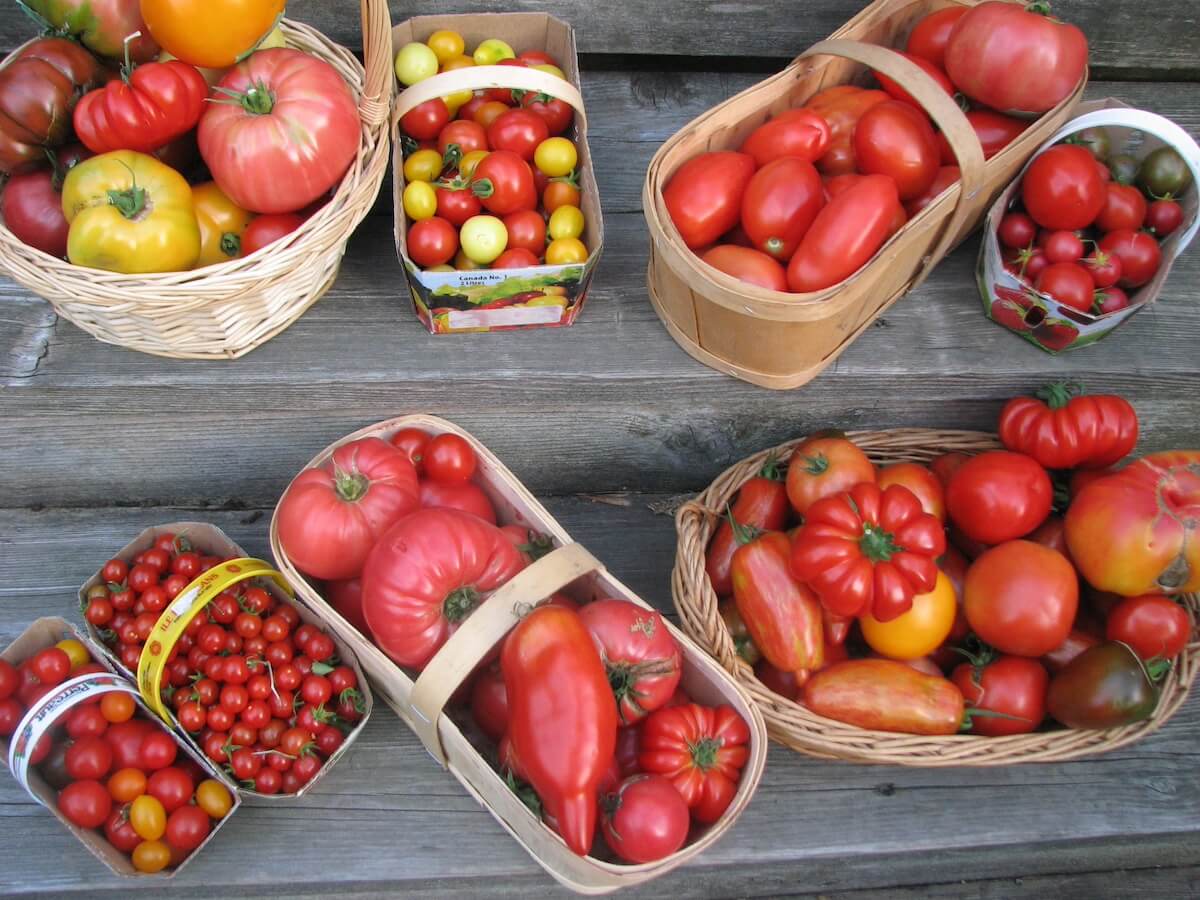
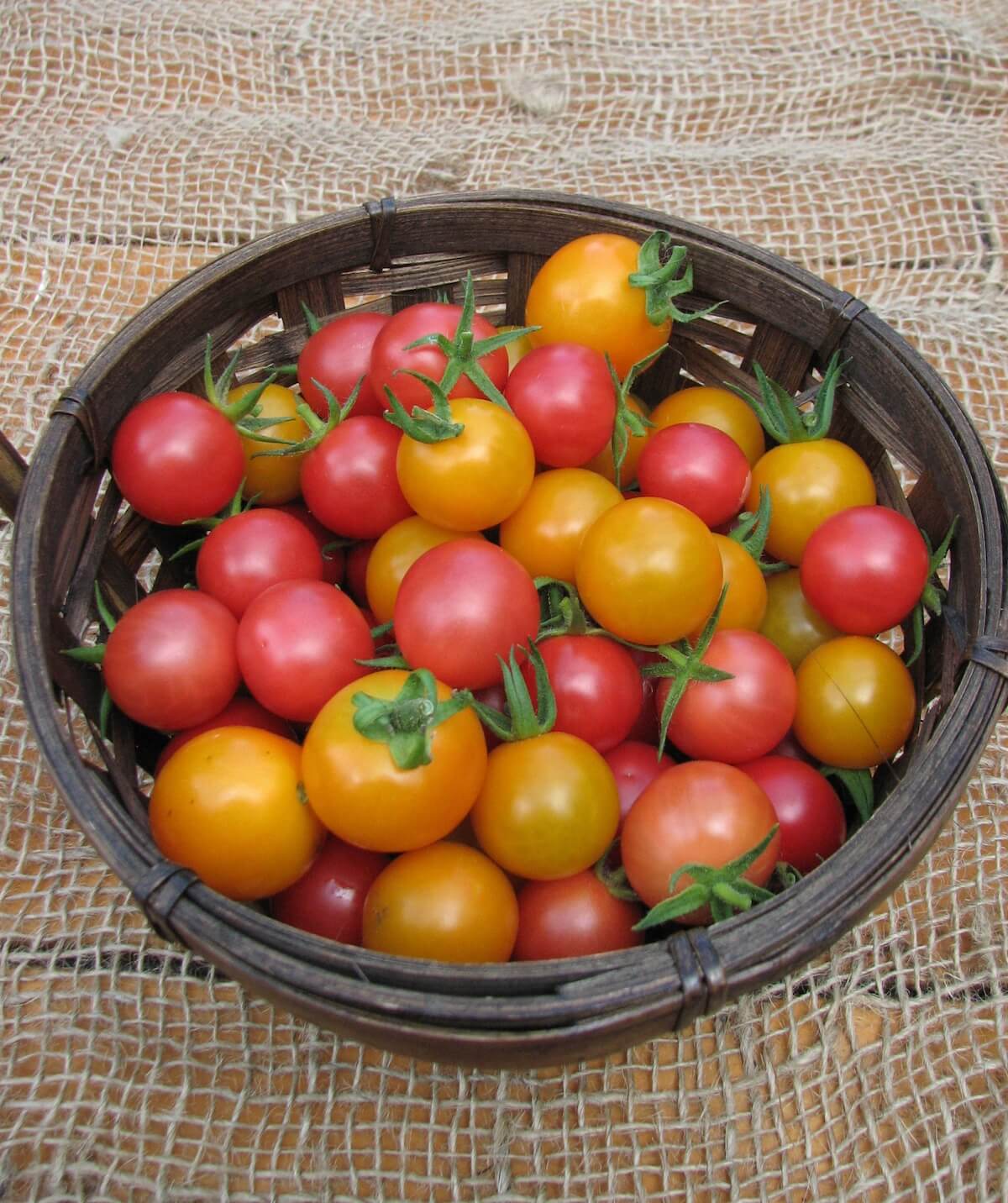
Ah, the tomato! I could talk for hours about the queen of the vegetable garden—I’m so passionate about this fruit-vegetable that I even wrote a 300-page book on the subject. But I’ll keep it brief.
I’m often asked what my favourite tomato is. My usual answer is: “The first tomato you harvest from your own garden.” Sun-ripened and warmed by summer, that first tomato is truly priceless. Of course, nothing compares to the flavour of a tomato picked fully ripe from the vine. But in a climate like ours, the weather doesn’t always cooperate with heat-loving crops, so sometimes nature needs a little help.
When autumn approaches and nighttime temperatures begin to fall below 10 °C (50 °F), here are a few things you can do to encourage tomatoes to ripen on the vine:
- Space out waterings once the fruit has reached its expected size.
- Remove all flowers.
- Prune away diseased or stunted leaves.
- Harvest the fruit that has begun to change colour (that has turned from green to white, yellow, or pink).
Once nighttime temperatures begin to drop below 5 °C (41 °F), you can extend the season for a couple of nights by covering the plants. However, if those cold temperatures are here to stay, it’s best to harvest all the tomatoes.
Fortunately, any tomatoes that have reached their expected full size (but not the very small, fuzzy, immature ones) will continue to ripen indoors because tomatoes are climacteric fruits. Climacteric fruits continue to ripen after harvest thanks to ethylene, a natural plant hormone released by ripe fruit.
To encourage ripening, place the harvested tomatoes together in an enclosed space, such as a brown paper bag, a cardboard box, or several boxes. Include at least one ripe fruit. It can be a ripe tomato, but an apple or a banana works just as well, since they are also climacteric fruits and produce ethylene. Keep everything in a warm part of the house, ideally at 20–25°C (68–77°F). Check the tomatoes daily and… get your salad and tomato sauce recipes ready!
See you soon for the third and final post on harvesting vegetables.
Until then, happy harvesting!
Lili
0 comments on “Harvesting Vegetables at the Right Time and in the Right Way (Part 2)”