
When should you transplant?
In the garden of the house I just bought, there are many shrubs and perennials of different species, but I really don’t like the way they’re arranged. Would you recommend transplanting them before winter, or is it better to do this in the spring?
Answer
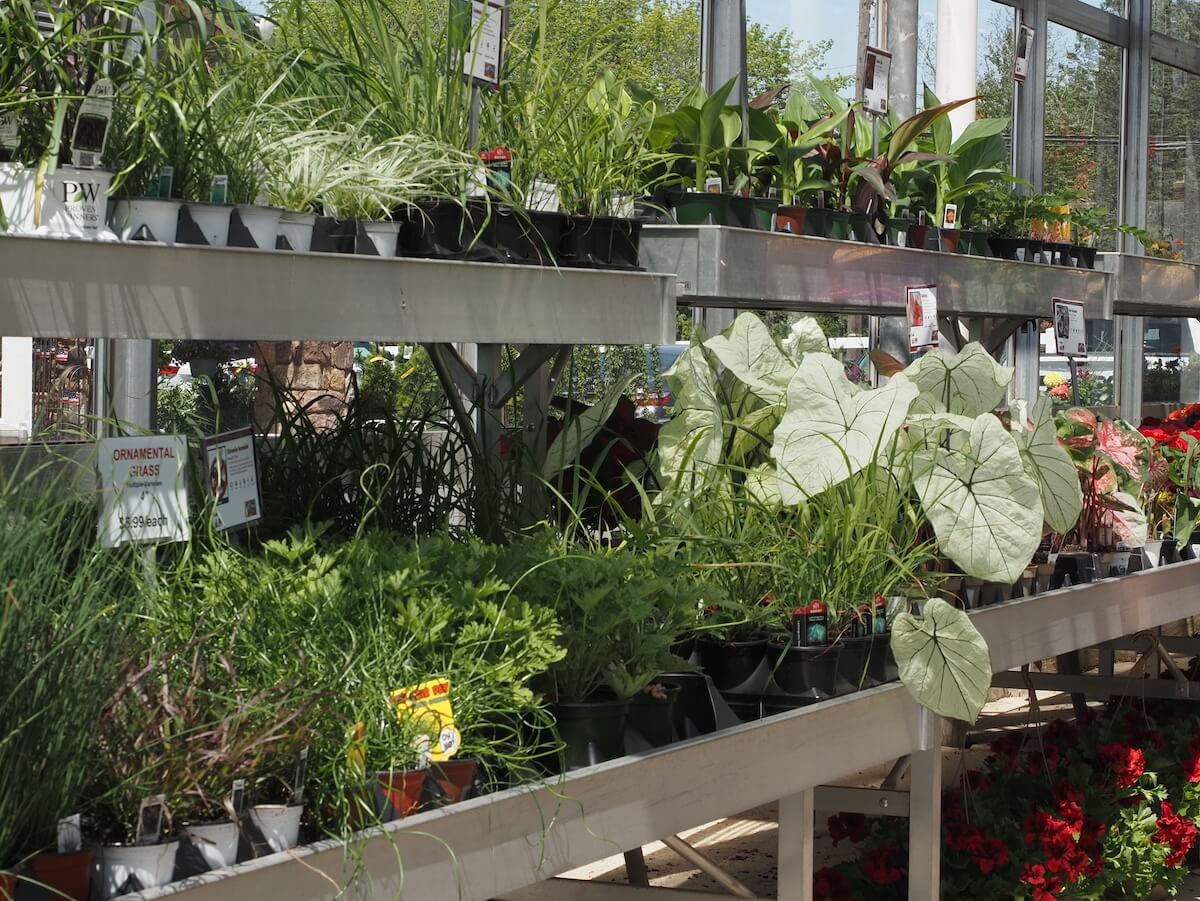
Fall and spring are both excellent times to transplant plants. However, I would recommend fall (late August, September, early October) for the simple reason that gardeners are usually already swamped with work in the spring. Here are a few tips, though:
- As a general rule, it’s best to transplant plants when they’re under the least amount of stress—that is, in early spring or in late summer and fall. Fall-flowering plants (echinacea, purple coneflower, various grasses, etc.) often benefit from being transplanted in the spring, since they continue to grow until the first frost.
- Very slow-growing shrubs (magnolias, azaleas, rhododendrons) take time to establish themselves. It is therefore wiser to transplant them in the spring so they have a full summer to develop new roots before winter sets in.
- Avoid applying a nitrogen-rich fertilizer at the time of transplanting. Proper soil preparation, regular watering, and mulch are generally much more important for ensuring successful establishment than “transplant fertilizers.”
- Finally, it’s always best to mulch plants after transplanting. Mulch helps maintain more consistent soil moisture, which stimulates root growth.
Can cucumbers be transplanted?
I recently saw a photo of a young girl planting cucumber seedlings. I had always thought that cucumbers and other cucurbits weren’t transplanted. Is that true?
Answer
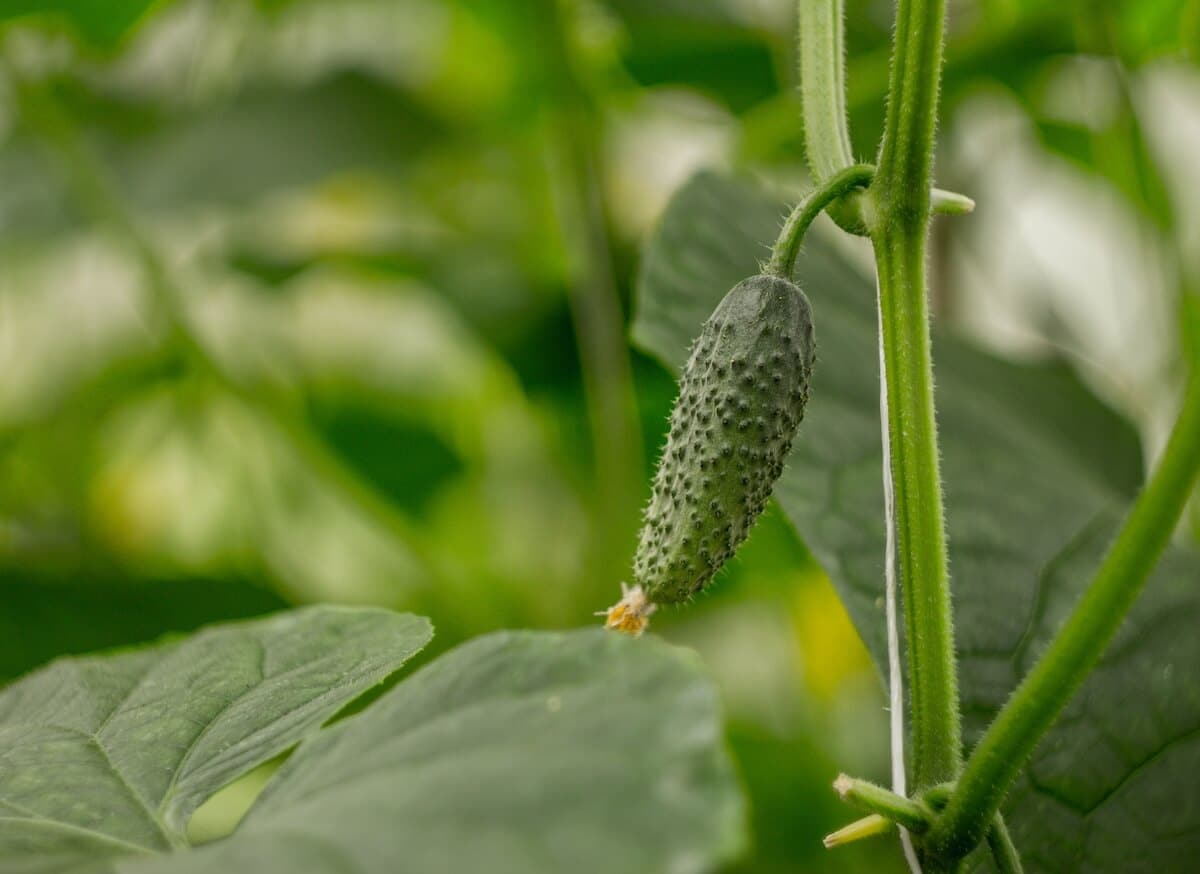
Indeed, cucumbers, melons, squash, pumpkins, loofahs, and other members of the Cucurbitaceae family are known to suffer when their roots are “disturbed,” particularly during transplanting. If their roots are damaged, their growth may be delayed, which could reduce the harvest, especially in our climate where the growing season is relatively short. Transplanting these plants is therefore generally not recommended.
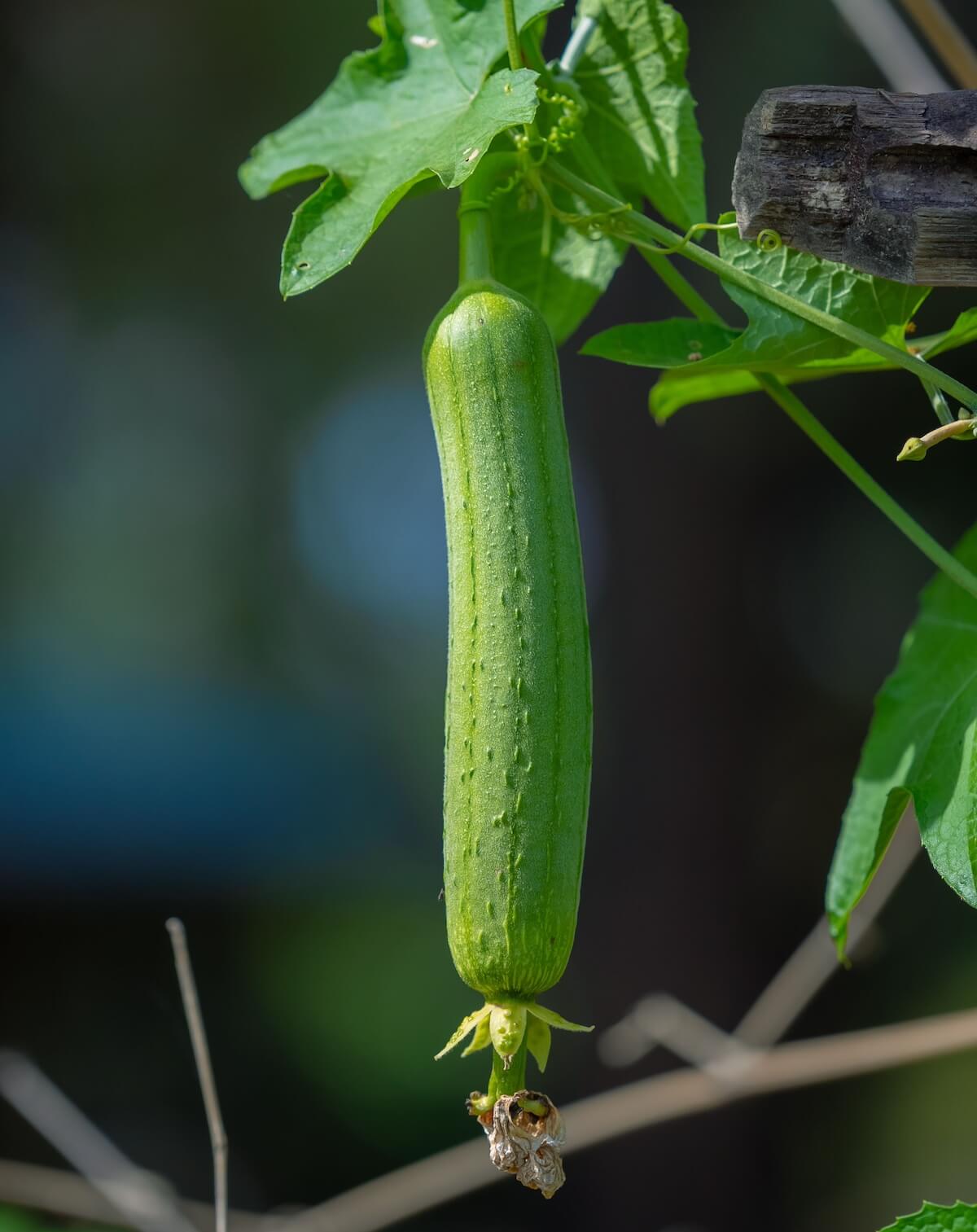
Gardeners therefore have two options. They can either sow cucurbits directly in the garden (which is usually sufficient for fast-maturing species, such as cucumbers and many squashes), or they can sow them indoors in individual containers to minimize root disturbance at the time of transplanting. Melons and other slower-growing varieties benefit particularly from this method. If you use a biodegradable pot, make sure it is completely buried so that no part sticks out of the soil, which could dry out the root ball. Plastic pots, from which the root ball is gently removed when planting, also yield excellent results.
Other plants with delicate roots, such as castor beans, celosias, and amaranths, also benefit from being sown in individual containers.
Does bagged soil keep well?
I’d like to know if unused bags of potting soil and compost—which spend the summer in the heat of a shed and then freeze during the winter—retain all their properties the following summer.
Answer
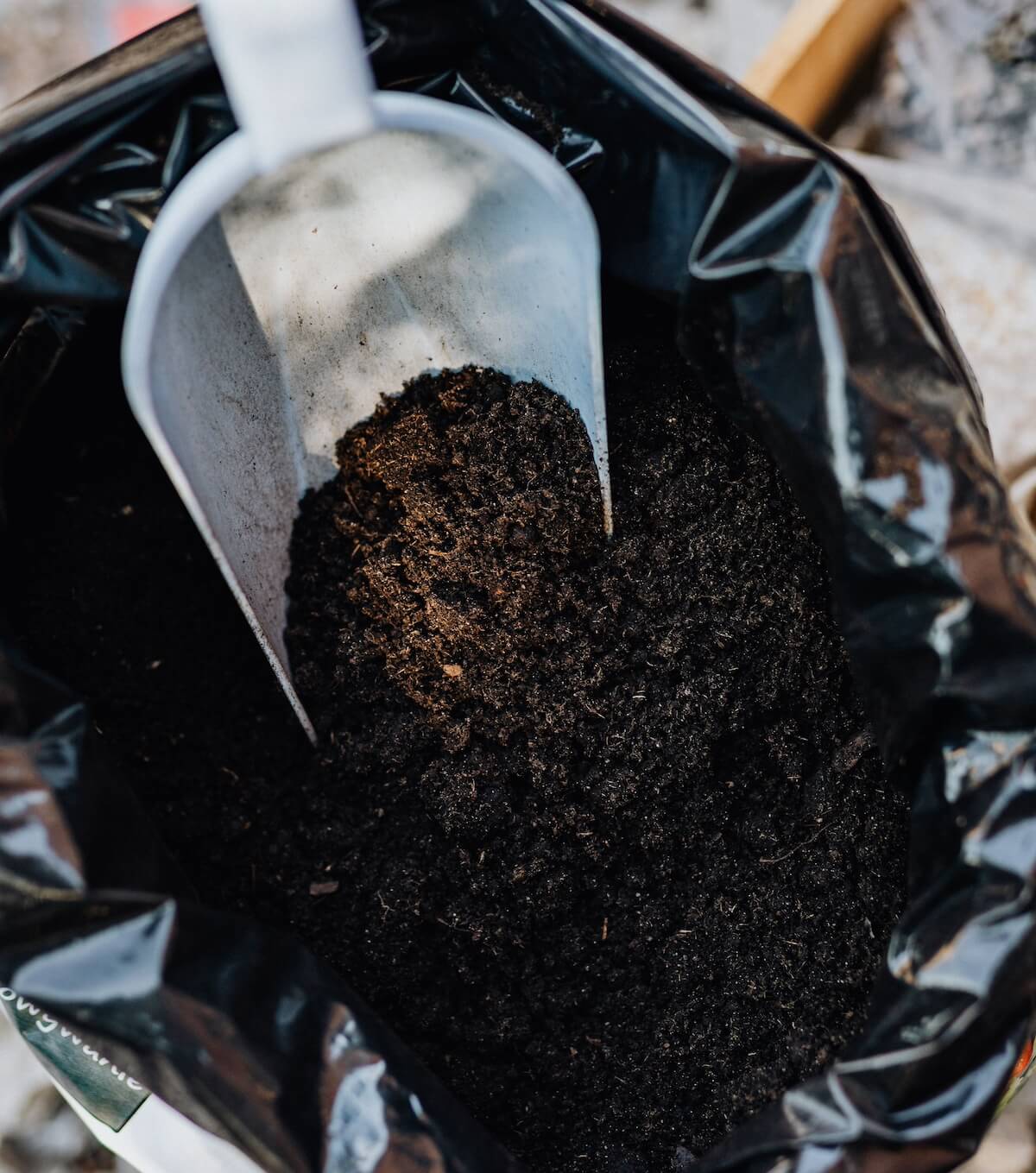
Essentially, yes. The organic matter may be slightly more decomposed than when you bought it, and some microbes may die as a result of this treatment while others will multiply, but the balance usually restores itself fairly quickly once the product comes into contact with the soil.
If the soil gives off a sour odor (a sign of anaerobic microbes), just leave the bag open for a few days—that’s all. If the potting mix has become very dry and repels water, gradually re-moisten it before using it so that it regains its ability to retain moisture.
0 comments on “Answers to Your Questions: Transplanting, Repotting, and Potting Soil”