
I’d like to hear your views on the compost available from municipal composting centres, such as Compo-Haut-Richelieu. Do they have a good reputation? I’m not sure whether to go and get some.
Answer
Municipal compost production has changed considerably over the past few decades. Many municipalities now collect organic waste, including food scraps, which is then processed through composting or anaerobic digestion, depending on the facilities available. In the past, municipal compost was produced mainly from fallen leaves and yard waste.
Your hesitation is perfectly understandable: there’s a lot of conflicting information out there about municipal compost! But in this case, you can put your concerns aside. The compost produced in your area has a good reputation and comes from a facility considered a model for municipal organic waste management.
Municipal Compost in North America
Municipal composting facilities in Canada and the United States are regulated by provincial, state, and sometimes federal environmental requirements. These typically cover how organic materials are handled and composted, as well as the management of potential environmental impacts.
Requirements generally include monitoring compost quality, odours, and leachate (the liquid that drains from compost), along with maintaining treatment conditions that reduce pathogens. Laboratory testing may also be used to check various parameters, including heavy metals, pathogens such as Salmonella, and compost maturity.
Some composting facilities go a step further by participating in voluntary certification or testing programs. In Canada, compost may be evaluated according to standards developed by organizations such as the Bureau de normalisation du Québec (BNQ), while in the United States, programs such as the US Composting Council’s Seal of Testing Assurance (STA) provide standardized testing and reporting. Depending on the applicable standard or program, compost may be assessed for factors such as maturity, stability, contaminants, pathogens, and nutrient content. High-quality compost that meets appropriate standards is widely used in horticulture, agriculture, and landscaping.
The challenges of large-scale composting
Municipal composting facilities face several challenges in producing high-quality compost. One of the most important is how well residents sort their organic waste. Despite public awareness campaigns and sorting equipment, non-compostable items still end up in organics bins. Modern facilities remove the vast majority of contaminants, but it is virtually impossible to eliminate every tiny fragment of plastic or glass once it enters the collection stream.
Facilities must also ensure that the compost reaches temperatures high enough to destroy pathogens and reduce the viability of weed seeds. Finally, the compost must be sufficiently mature before distribution so that it does not continue actively decomposing once applied to the garden.
Example: Compo-Haut-Richelieu
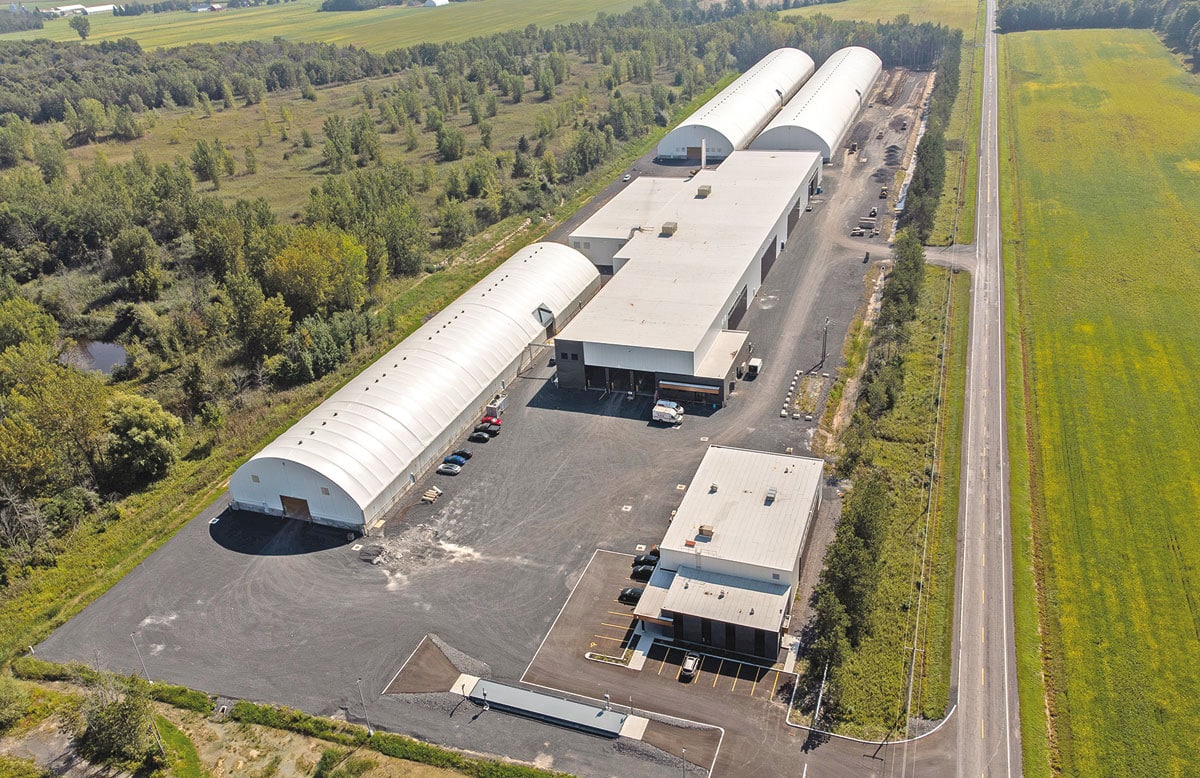
Opened in late 2023, the Saint-Jean-sur-Richelieu composting facility is the first in Quebec where the entire composting process, including maturation, takes place indoors. With a capacity of 50,000 metric tonnes (about 55,000 US tons) per year, it processes food and other organic waste collected from municipal organics bins, as well as yard waste. The process allows close control of temperature, moisture, odours, and leachate, helping produce high-quality compost. The finished compost is then distributed to residents and used to enrich gardens, green spaces, and farmland throughout the region.
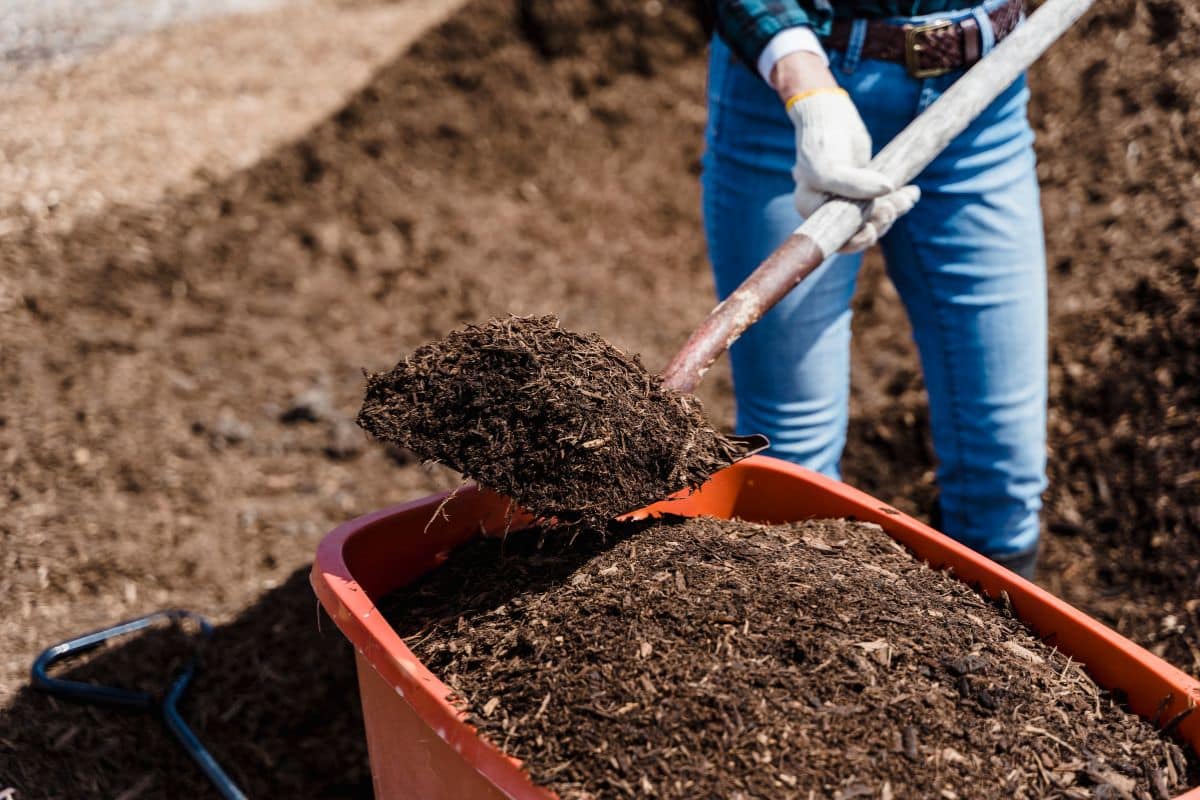
Another reassuring point: the compost distributed by Compo-Haut-Richelieu is made without sewage sludge. Municipal biosolids can be safely recycled when they meet applicable standards, but their use remains controversial among some members of the public, particularly because of concerns about certain emerging contaminants. In this case, the compost is made exclusively from organic waste collected through municipal organics programs and from yard waste.
Checking your council compost
Although municipal compost is now subject to quality standards, a few simple checks will ensure you can use it with confidence.
The smell test
This is the most revealing test. Take a handful of compost and give it a sniff. It should have a pleasant earthy smell, reminiscent of rich soil or the forest floor. An ammonia, rotten egg, or sewage-like smell generally indicates that the compost is still immature or did not receive enough oxygen during the composting process. If that’s the case, let it sit in a pile for a few weeks before using it.
The visual test
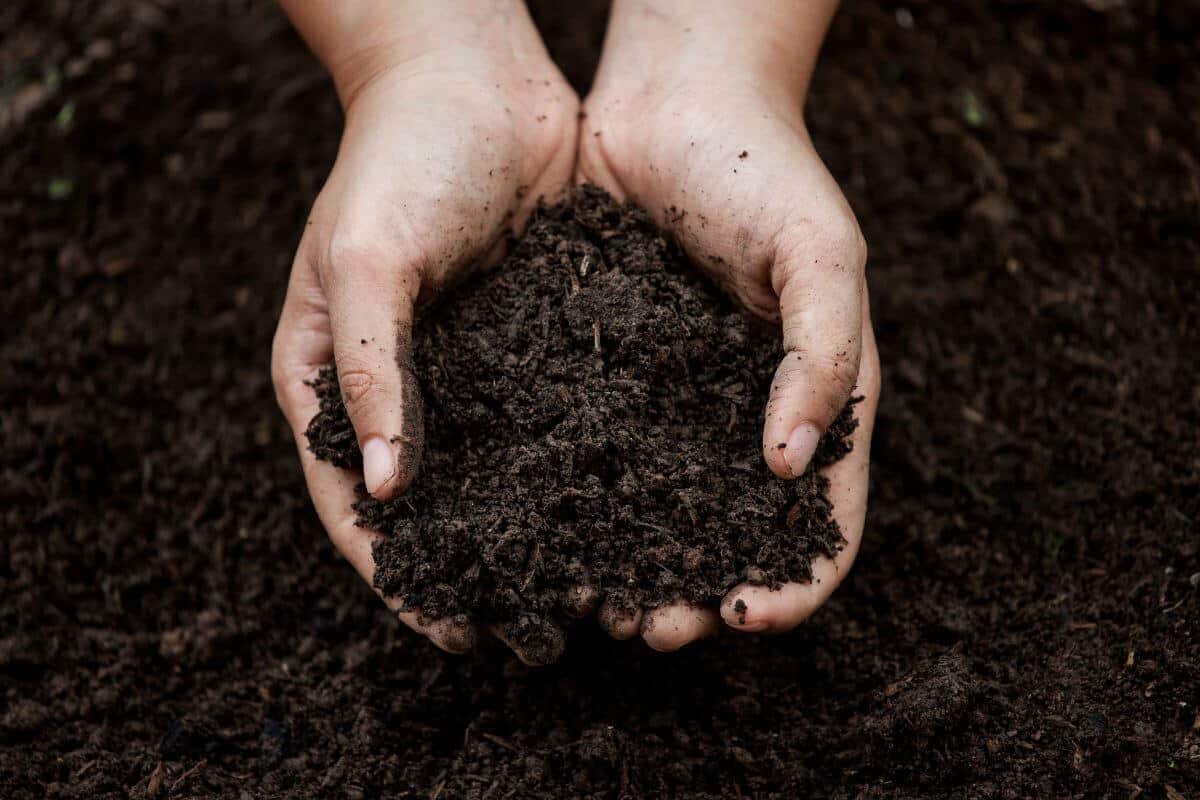
Take a look at the compost’s texture. Good compost is generally dark, uniform, crumbly, and somewhat lumpy. Despite sorting efforts, a few small pieces of plastic, smooth glass, or fruit stickers may occasionally remain. Simply remove any visible debris. If the compost is particularly contaminated, it’s best to screen it before using it in the vegetable garden.
Choosing the right plants
Municipal compost can have a slightly alkaline pH and somewhat higher soluble salt levels than other types of compost. It works very well for most vegetables, perennials, and lawns. However, use it more sparingly around plants that prefer acidic soils, such as blueberries, rhododendrons, and azaleas.
The verdict on municipal compost
No compost is perfect, whether it’s municipal, commercially produced, or homemade. What matters is knowing where it comes from, assessing its quality, and using it appropriately. When properly produced, municipal compost is an excellent soil amendment that improves soil structure and supports the organisms that live in it.
In the case of Compo-Haut-Richelieu, you can use it with confidence. Its production process, quality controls, and the materials used make it one of the best examples of municipal compost currently produced in Quebec.
0 comments on “Answers to Your Questions: Municipal Compost”