
You look out at your garden on this November morning, a steaming cup in your hands, snug in your favorite coat, and you feel a little guilty. The dried stems of your coneflower sway in the wind, dead leaves pile up on your hostas, whose leaves are just as dead… and your neighbor has already raked everything up.
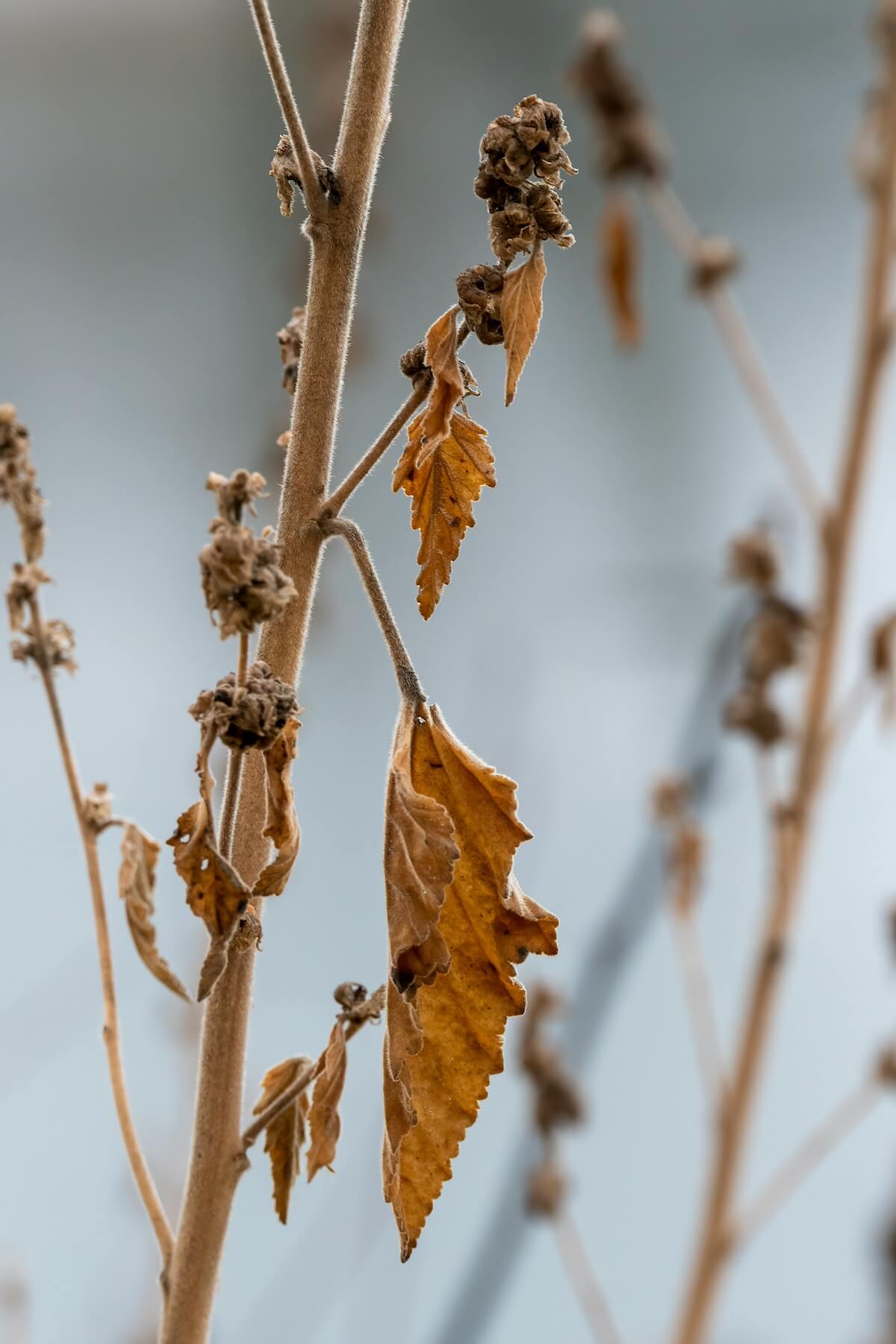
Take a deep breath. Your “laid-backness” is actually a precious gift to biodiversity. While nature quietly falls asleep, your seemingly neglected garden becomes a vital refuge for hundreds of species preparing for winter. Let me explain why doing nothing is actually… exactly what you SHOULD be doing.
Plants Don’t Sleep, They Move
You might think that your perennial plant, with its brown stems and drying leaves, is already “dead” for the winter. In reality, it is orchestrating an impressive logistical move. Imagine a factory closing for the off-season: before locking the doors, the equipment is not thrown away, but carefully stored in the basement. This is precisely what your perennials do in the fall.
Triggered by shorter days (not by the cold, surprisingly!), plants activate a process of nutrient remobilization. Through their still-functional stems, they methodically repatriate their resources to the roots. The figures speak for themselves: up to 90% of the nitrogen and 80% of the phosphorus (depending on the plant!) contained in the leaves is recovered and stored in the roots to kick-start growth next spring. This process takes six to ten full weeks. This is why some root vegetables (parsnips, Jerusalem artichokes) taste better after a few frosts. It’s not “the frost” that works the magic here, it’s simply giving them time to build up tasty reserves!
Cutting your perennials in October is like stopping the moving truck in the middle of the road. All those precious nutrients, which the plant has invested so much energy in mobilizing, are thrown into the compost instead of being banked for next year. Your plants will wake up in the spring with diminished reserves, less vigorous and more vulnerable.
Dry stems are not waste: they are highways of nutrients still functioning in November.
A Five-Star Hotel Hidden in Hollow Stalks
If you didn’t do your cleaning in October and are now standing there with your pruning shears wondering if it’s the right time, you should know that while you’re thinking about it, hundreds of invisible tenants have already moved into your garden for the winter.
About 30% of North American wild bees (some 300 species in the northeast) overwinter in stems. They don’t live in hives, but in the hollow or spongy cavities of your plants, summer and winter alike!
The small Ceratina carpenter bees, those metallic blue-green jewels that buzzed around your monarda and raspberry bushes this summer, hibernate inside the stems they have hollowed out.
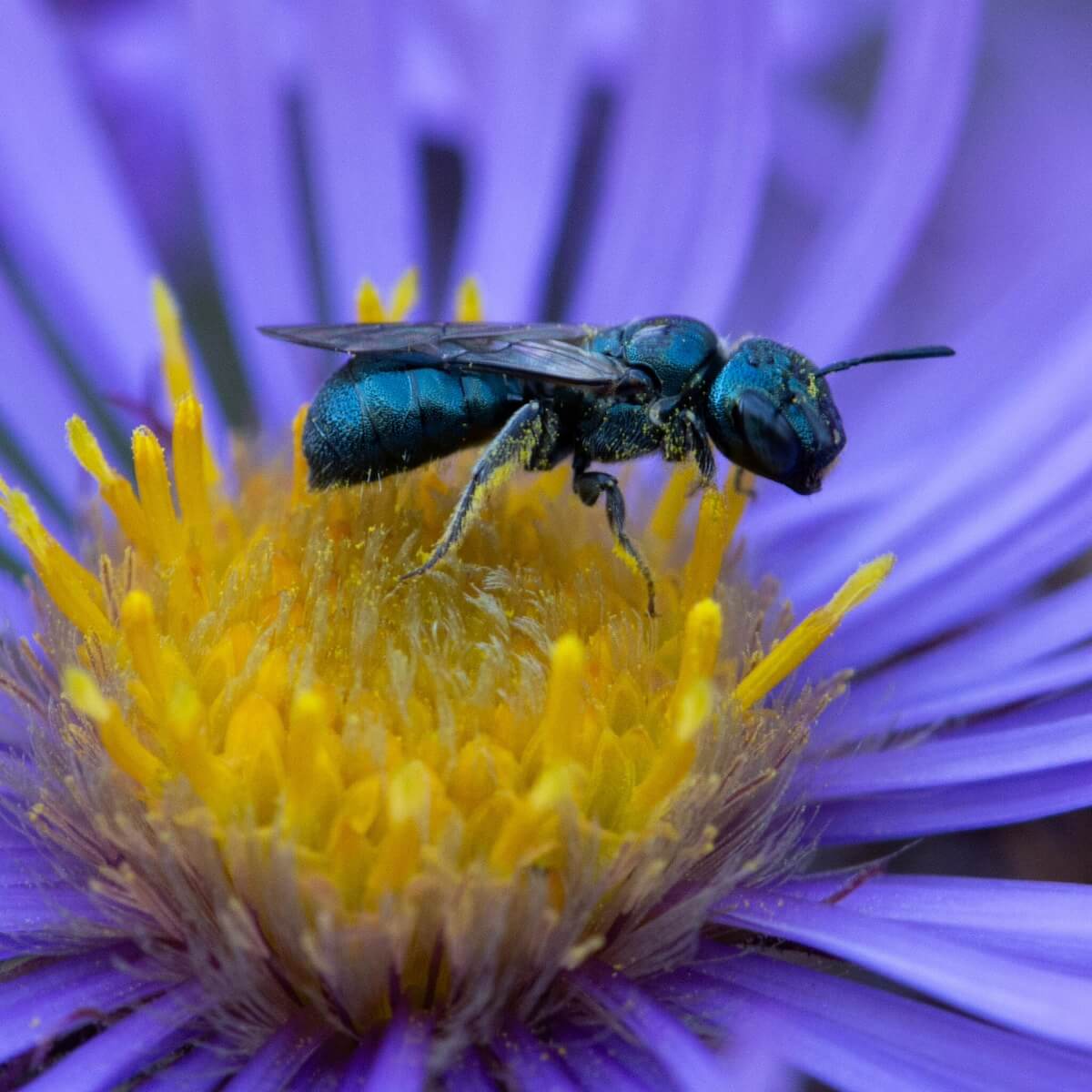
Mason bees, the outstanding pollinators of our apple trees, spend the winter as pupae in dry stems. One snip of the pruning shears in November and you have destroyed an entire generation of bees that would have pollinated your garden next year.
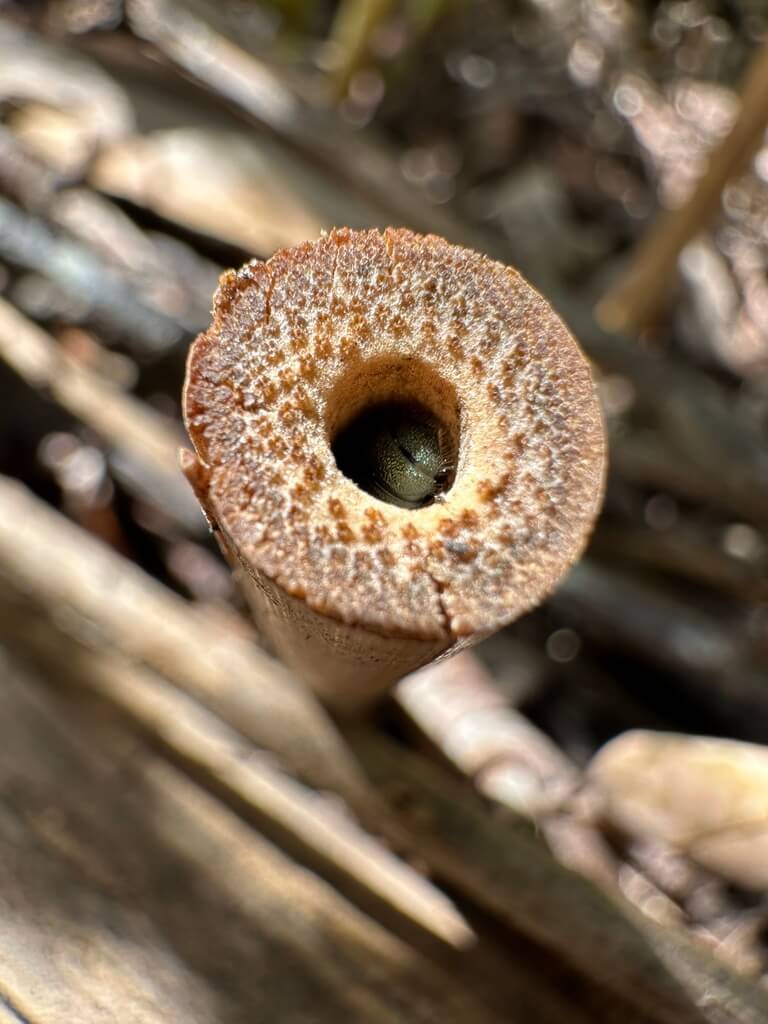
Bees are not alone. Lacewings, whose larvae devour twenty times more aphids than ladybugs, attach their cocoons under stems and bark to spend the winter. Praying mantises attach their oothecae (egg sacs) to sturdy stems in late summer so that their eggs survive the winter. There are countless examples!
The Mycorrhizal Network of Fungi Is in Full Swing
As you contemplate digging up your flower beds, an intense networking event is taking place beneath your feet. Fall is not a time of rest for mycorrhizal fungi, those invisible partners that connect the roots of your plants. On the contrary, it is their peak season. As trees bring their nutrients back down, fungi intensify their connections, multiply their filaments, and act as skilled brokers to exchange and store the nutrients that plants entrust to them.
Turning the soil in autumn is like dynamiting this network at the worst possible time. The long, fragile fungal filaments are shredded by digging. Studies show that undisturbed soils harbor 121% more microbial biomass than tilled soils: more than double! The world of the very small is of paramount importance in gardening!
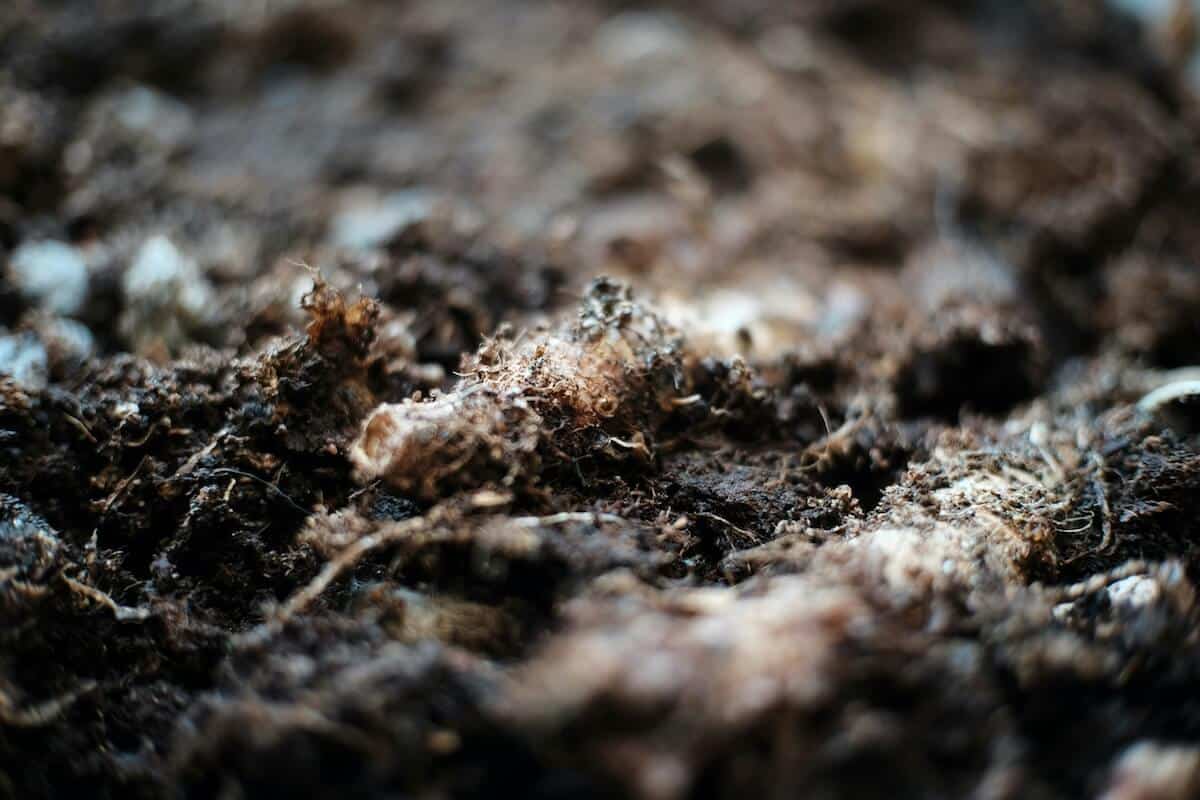
Fall is also the breeding season for earthworms: they dig deeper tunnels, mate, and lay eggs. A spade in October abruptly interrupts these winter preparations.
Why is fall worse than spring for disturbing the soil? Because in fall, organisms are actively preparing to survive the winter. In spring, they emerge from dormancy under favorable conditions (rising temperatures, available food) that allow for rapid recovery. Disturbing the soil in fall sabotages their survival preparations just before a long journey lasting several months.
Dead Leaves: Your Best Investment
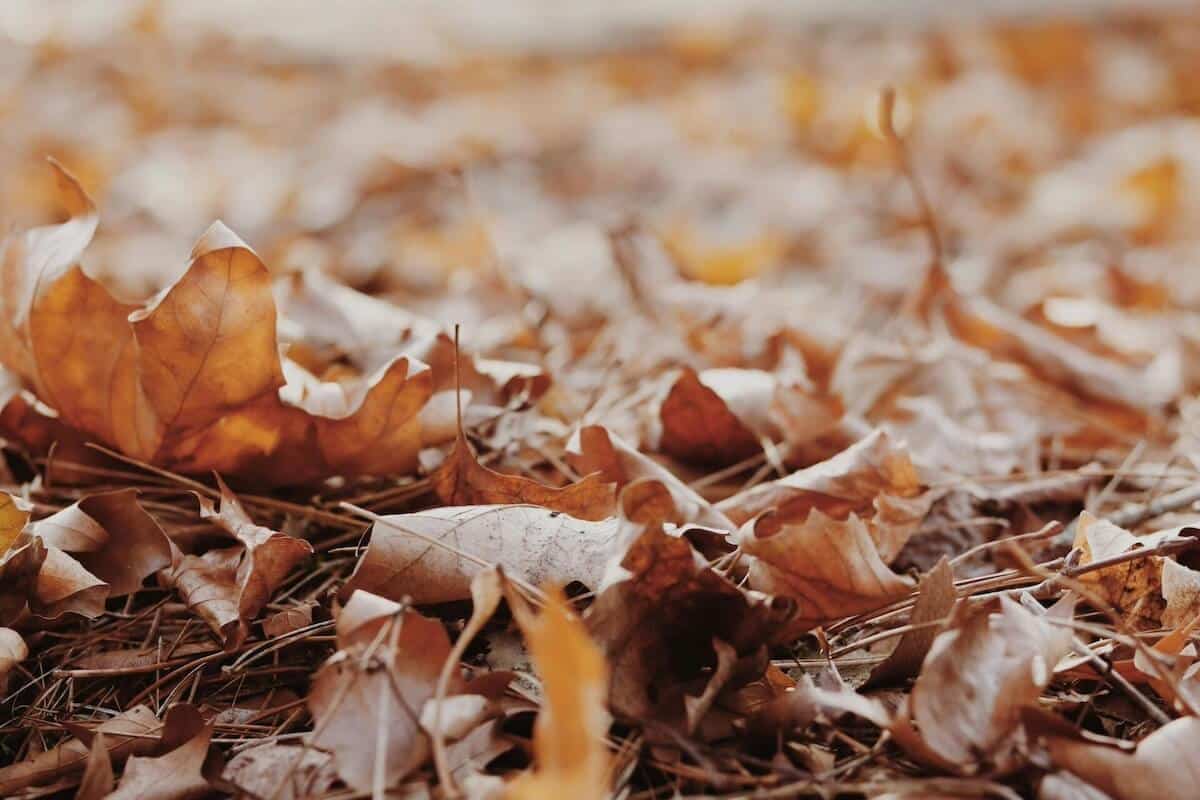
Now let’s take a look at those leaves taunting you from the lawn. Scientific research is categorical: leaving them in place offers multiple benefits.
- Thermal insulation: soil protected by a layer of leaves remains moist and unfrozen, while bare patches freeze solid.
- Free nutrients: Unabsorbed nitrogen and phosphorus return to the soil through leaf decomposition. It’s homemade fertilizer, delivered free of charge, perfectly dosed by nature. Mulching with shredded leaves even reduces the need for fertilization the following spring.
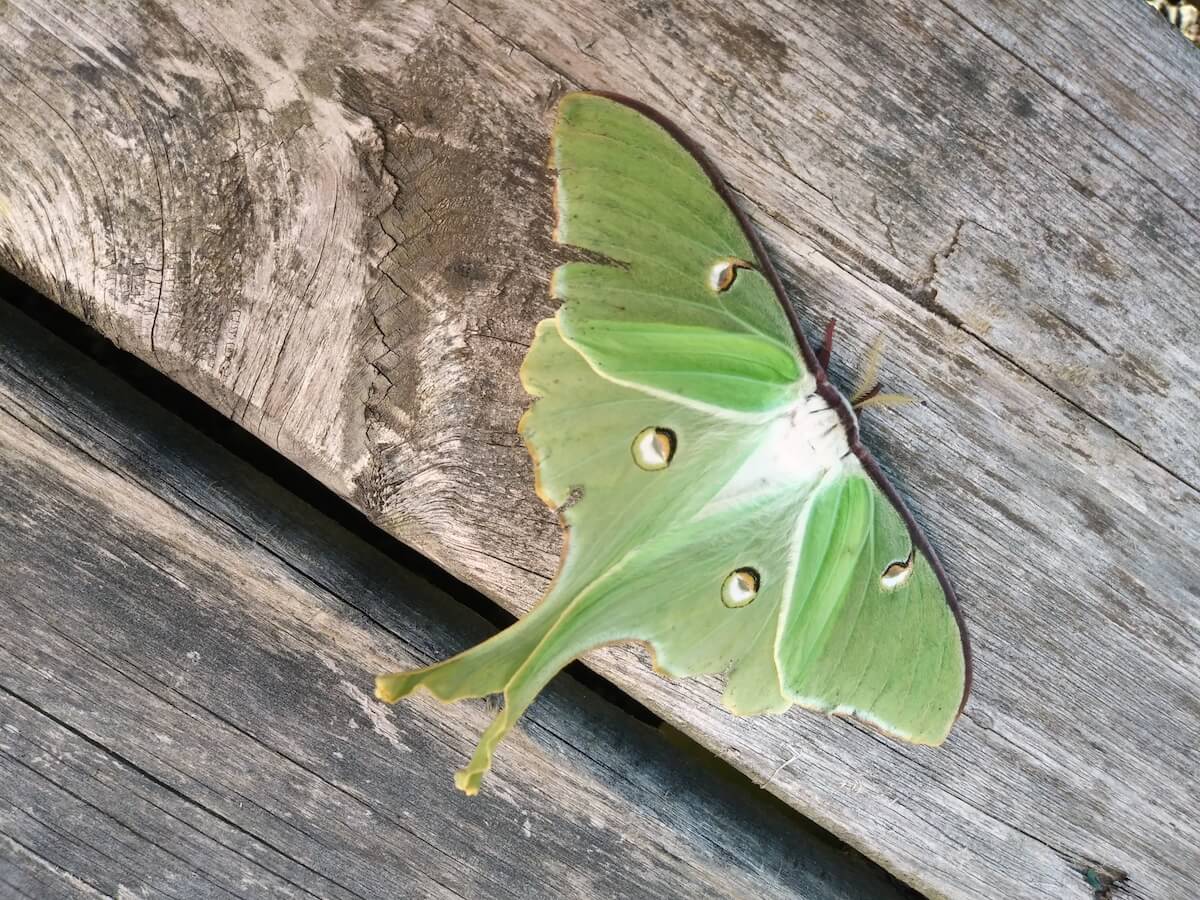
- Winter hotel: 94% of moths fall from trees as larvae to make their cocoons in dead leaves. Magnificent moon moths wrap their cocoons in leaves and silk. Bumblebee queens (each capable of founding a colony of 300 to 800 workers) burrow a few centimeters beneath the leaves. Fireflies, whose populations are declining dramatically, spend their long larval lives hunting and sleeping in decaying leaves. And let’s not forget Quebec’s native ladybugs, which hibernate under dead leaves, not in houses. (Asian ladybugs, on the other hand, are an invasive species that try to get into our homes to overwinter, but I’ve already talked about that in another article!)
- Physical protection: a layer of leaves can reduce soil erosion by 99%. It slows runoff, increases water infiltration, prevents compaction, and maintains moisture—all great benefits in anticipation of November rains and spring floods!
In short, the leaves are preparing some great soil for next year!
Practical Tips for Guilt-Free Gardening
Want to help biodiversity by doing less? Here’s how:
In the fall, remove only diseased plants. Then stop. Seriously, stop. Go inside, make yourself some hot chocolate, and watch the leaves fall. We’re tired of gardening season anyway…
Leave all healthy perennials (echinacea, rudbeckia, asters, goldenrod, monarda, etc.), ornamental grasses, and shrubs (raspberry bushes, elderberry, sumac, etc.) standing. If you’re tireless, you can rake some leaves from the lawn toward the flower beds. Three to four inches of leaves in the flower beds is perfect. You don’t even need to shred them, because the dry stems will protect them from the wind!
Only cut in the spring (late April-May): wait until temperatures are above 10°C (50°F) day and night. Cut to 30-40 cm (12-16 inches), not at ground level. Move (don’t remove) thick clumps of leaves to other areas of the garden. Leave sections of stems at full height in less visible corners.
For concerned aesthetes: create a clean border between the lawn and the flower bed. Rake the front (visible) part, but leave the plant debris at the back. Add a thin layer of compost on top of the leaves for a neater appearance. Your neighbor’s eye will be drawn to the clean edges and happily ignore the rest.
From Laidback to Hero
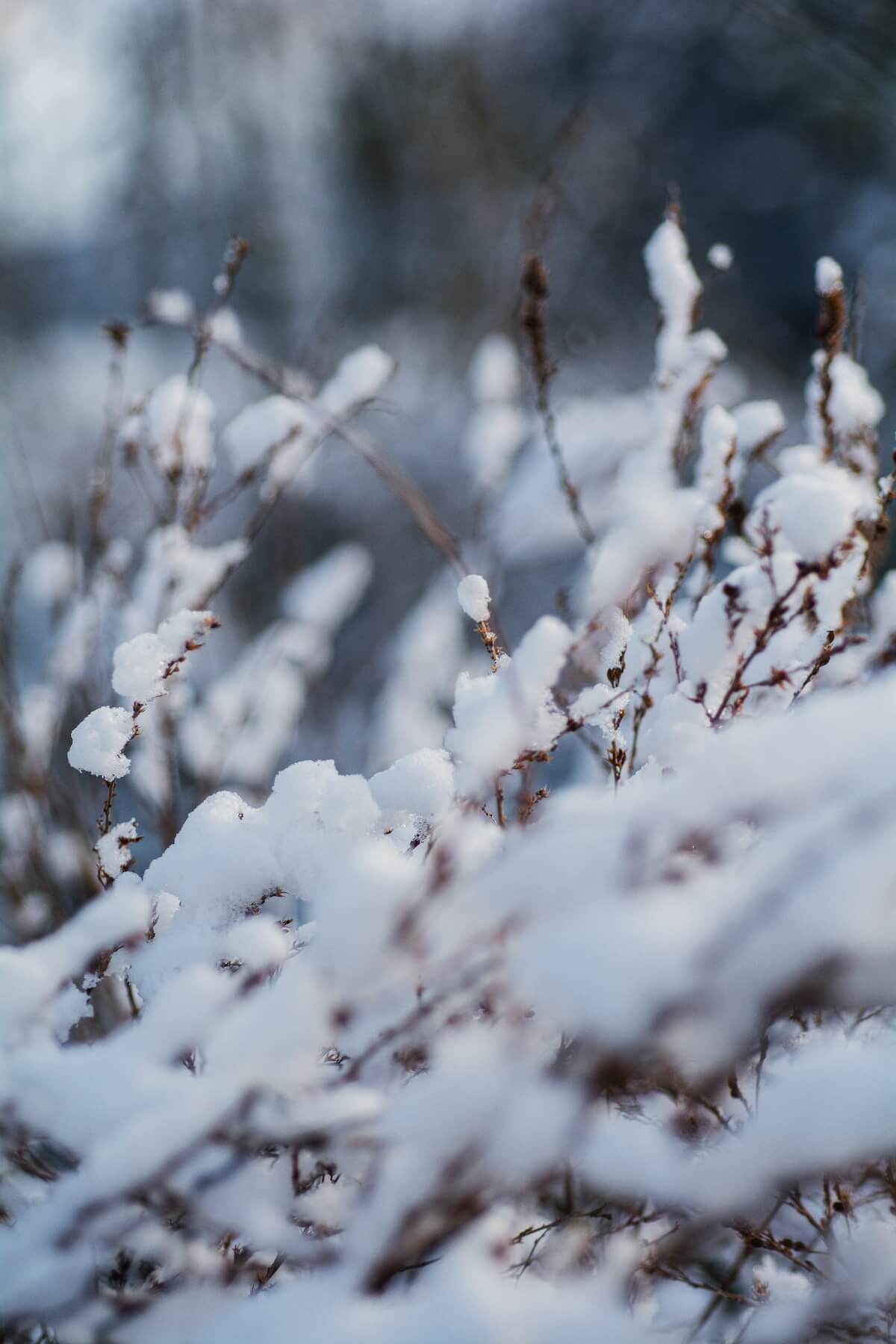
You’re not lazy, you’re efficient and scientifically informed. You save time, money (goodbye, bags of mulch!), and even your back. You’re not neglecting your garden; you’re creating a certified wildlife habitat. It’s not messy; it’s winter structure with architectural interest. Frosty stems glistening in the January sun are beautiful, and snow-retaining grasses create magical scenery.
So, make yourself comfortable, pour yourself a second hot drink, and watch your garden fall peacefully asleep. Nature has known what it’s doing for millions of years. Your only job? Let it do its thing. Your autumn laid-backness is, literally, ecological heroism. Congratulate yourself: you can even reward yourself with a cookie to go with your steaming cup!
I’ve been following these principles for years. This is the first time I have read an article that goes more in depth about what is actually happening, the reasons why we follow this approach. Thank you!
I shared your post to my Facebook page as it beautifully describes why and how fall garden clean-up should be redefined.
Great advice along with enough background information to reinforce the importance. Well done!
JUST IN TIME! I was feeling guilty and planning to get pruning today but no longer!
Beautifully written, Audrey, convincing, and oh so true!
Great info and delivered in a colorful tone. Thank you!
Amen, sister!