


December! The garden doesn’t really need us anymore. And let’s be honest: I probably won’t follow the advice below myself.
As I write this, a thick layer of snow covers my vegetable garden. Did I “close” my garden properly? Not really. Debris—except for diseased plants—still litters the ground under the snow and will slowly decompose. The stems of perennials may shelter a few beneficial insects. I left the leaves in the beds or shredded a few bags to use as mulch next year. I tidied up and cleaned a few tools and cleared the gutters to prevent overflowing. But I did all that weeks ago!

As for planning, I’ve done enough for now. I’ve taken the necessary steps for my future landscaping plans, but I won’t start drawing until January. After all, the garden is resting, so why shouldn’t we? A little rest allows us to return to the garden with a fresh mind and new ideas. Besides, I have a nice stack of gardening books waiting for me. Enough to fill my head with inspiration!
So, What to Do in December?
So, what is there to do in December? Not much. And that’s great news!
Why not take the opportunity to observe the bare architecture of the trees, admire the birds eating the evergreen fruits in the shrubs, or contemplate the stalks of grass dancing in the wind? If your garden lacks interest at this time of year, take note! Add to it next year. Why deprive yourself of winter attractions when the cold season lasts almost half the year?
And then, no matter how we celebrate the holidays, there are a few preparations to be made, such as lighting up our gardens and homes to brighten up this dark time of year.
Enjoy this time of rest, your families and friends, and above all, the beauty of our winters!
As for me, I’m off to wax my cross-country skis!
Vegetable Garden

- Late harvest of hardy vegetables: If you still have root vegetables such as carrots or parsnips in the ground, you can harvest them. Some vegetables, such as kale, can also survive until the frosts become more intense. With protection, you can harvest under the snow.
- Mulch before closing: Before “closing” the vegetable garden, spread a good layer of leaf mulch. This protects the soil and prevents erosion without any extra effort.
- Put away your garden structures: Remove stakes, nets, and tomato cages before the snow arrives to prevent them from getting damaged during the winter.
- Plan your vegetable garden: In December, start planning the layout of your vegetable garden for the next season.
- Plan your indoor seedlings for spring: Now is the perfect time to think about the seedlings you want to start indoors in January or February.
Ornamental Garden
- Install winter protection only during the first year: Protection is especially necessary during the first year of planting, particularly for shrubs and trees at the edge of their hardiness zone or those with evergreen foliage.
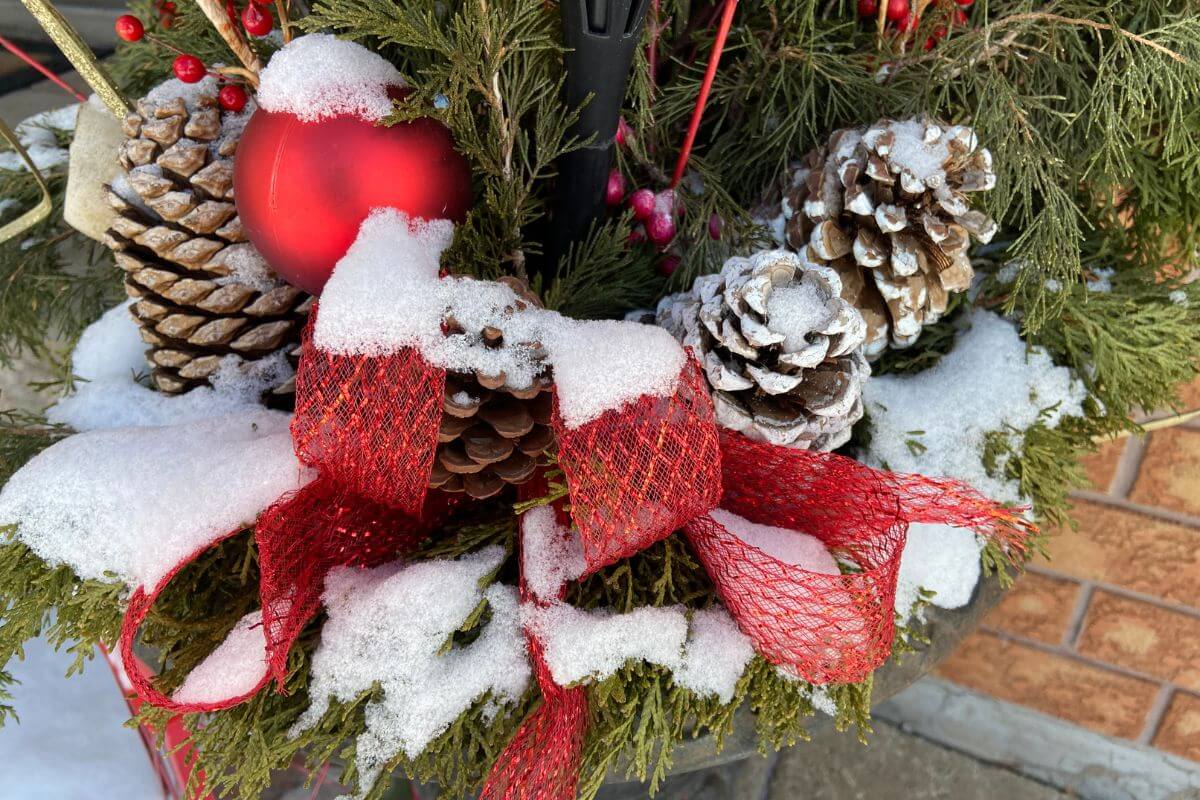
- Decorate your pots for winter: Add branches of evergreens, holly, or dogwood to embellish your pots and planters for winter.
- Reflect on landscaping: Take advantage of the quiet time to think about improvements or changes you would like to make to your garden in the spring. Write down your ideas or sketch out plans.
Compost

- Store dry fallen leaves: They will be invaluable for balancing your compost rich in green matter (peelings, kitchen scraps).
- Cover the compost for winter: Rain and snow can soak the pile. Add a layer of leaves, straw, or cardboard, or cover the bin with a tarp.
- Prepare an “insulating blanket”: Before the cold weather sets in, place a thick layer of dead leaves or mulch on top of the compost. This slows down freezing, prolongs the activity of microorganisms, and keeps the pile alive longer.
- Use kitchen scraps sparingly: Composting slows down in winter. Too much green material may freeze on the surface and attract animals. Always cover kitchen scraps with a thick layer of brown material. If your bin becomes difficult to access under the snow, store your compostable materials in the freezer until the weather warms up, or in outdoor bins when temperatures remain consistently below freezing.
Parasites

- Protect tree trunks from rodents: Surround them with a tube of metal mesh (0.6 cm, 1/4″ mesh), forming a cylinder without touching the bark (leave a 2 cm, 3/4″ gap), and push it into the ground. Anti-rodent spirals are also available. These deter hungry rodents.
Wildlife

- Add a heater to your birdbath: In colder regions, water can freeze quickly. A small device prevents ice from forming and helps birds drink even in winter.
- Bird feeder maintenance: In winter, help birds by offering them high-fat foods such as seeds or suet, while keeping the feeder regularly stocked to ensure a reliable source of food.
- Leave fruits and berries on the bushes: Do not cut the clusters of viburnum, mountain ash, hawthorn, rose, or elderberry. They provide a source of food in the fall and sometimes winter for winged wildlife.
Houseplants

- Caring for indoor plants: Make sure your plants get enough light. Reduce watering, as they sometimes need less water in winter. Stop or reduce fertilization.
- Monitor humidity: Ensure your plants are not suffering from dry air caused by heating by installing humidifiers or grouping your plants together to increase humidity.
- Check for insects: Scale insects, spider mites, and whiteflies thrive indoors. Inspect the leaves and isolate infested plants as soon as they enter the house.
- Caring for Christmas plants: Place them in a well-lit environment, away from drafts and heat sources. Water them moderately, only when the soil surface is dry.
- Rotate pots: Turn your plants a quarter turn each time you water them to compensate for the lack of winter light.
Other

- Clean and store your gardening tools: Wash, sharpen, and store your tools in a dry place to protect them from rust.
- Clean your gutters: Make sure your gutters and downspouts are clear before the snow arrives to prevent blockages and overflows.
- Protect all watering and water equipment from freezing: pumps (barrels, fountains, ponds), hoses, fittings, irrigation systems, timers, and tanks. Empty, disconnect, and store indoors.
- Turn off the outside water: Turn off the tap from inside the house and drain the outside pipe to prevent the water from freezing.
- Christmas tree care: If you are using a natural tree, cut about 2 cm/1 inch off the base of the trunk before placing it in water. Keep the water reservoir full to prolong the freshness of the tree and avoid placing it near heat sources.
Are there any other garden tasks you do in December that I have forgotten? Let us know in the comments!