
Hello?! Sorry for startling you!
It’s your garden speaking. You forgot about me, didn’t you?
Well, I’m still here… Just because I’m covered in snow doesn’t mean I’ve disappeared. I’m feeling just a bit neglected right now. I know you can’t do much gardening at this time of year, but… a little hello now and then wouldn’t hurt!
I’m beautiful in every season, you know. In fact, in the spring, could you add a few plants that are interesting in winter? It wouldn’t hurt it. It would make me even more interesting… maybe you’d come see me more often.

At least I have the little birds to keep me company, even in winter. That reminds me: could you clean their feeder once in a while and refill it with seeds? How about a heated birdbath? It wouldn’t be a luxury! Anyway, think about it! By the way, I don’t want to see that Christmas tree on the side of the street! Put it over here: the birds like to hide in there.
It’s already time to start thinking about spring!
Apart from that, start thinking about spring a little! I know it’s still early, but I’m expecting to receive some beautiful seedlings. So… you should start thinking about that. You’ll start sowing in a few months, but I want you to be ready. Order seeds, buy a materials, make some little plans, stuff like that.
I know you’re having a lot of fun taking care of your “houseplants” right now… but you’re going to miss me pretty soon. Winter isn’t over yet!
Anyway, I’m going back to bed.
January is pretty chill and all… but in February, we need to get our act together!
OK, bye!
Sowing

- Plan your indoor seedlings for spring: Now is the perfect time to think about the seedlings you want to start indoors in the coming months.
- Prepare your sowing materials: Before you start sowing indoors, gather everything you need: seeds, containers, trays, domes, labels, watering can, and, most importantly, good potting soil for seedlings. Many of these items can be found around the house.
- Test the germination of your old seeds: Before sowing, do a simple test on damp paper towels to check if the seeds are still viable. In a few days, you will know if you can use them or if it is better to buy new ones.
- Give your seeds cold treatment: some perennials, trees, shrubs, and even annuals only germinate well after a period of cold exposure. January and February are the ideal time to start stratification in the refrigerator or outdoors, to obtain beautiful seedlings ready for transplanting in the spring.
- Sowing in January: It is still too early to sow most seeds, but some particularly slow-growing plants, such as aconite, datura, or tuberous begonia, are worth starting in January. These require about four to five months of growth before they are ready for transplanting.
Houseplants

- Caring for houseplants: Make sure your plants get enough light. Reduce watering, as they often need less water in winter. Stop or reduce fertilization.
- Humidify your indoor plants: If your plants have curled or dry leaves at the tips, it is likely that the air in your home is too dry. Use a humidifier or place them in a terrarium or plastic bag temporarily to increase the humidity around them.
- Caring for potted plants received during the holidays: Plants such as poinsettias, Jerusalem cherry trees, and cyclamen can remain beautiful for several weeks or months with proper care. Place them in a well-lit area, ideally in direct light, as the winter sun is less intense. Keep them away from heat sources and water them thoroughly only when the soil is almost dry. Fertilization is rarely necessary during the winter.
- Screening for pests: Regularly inspect leaves and soil for harmful insects that can proliferate in winter.
Ornamental garden
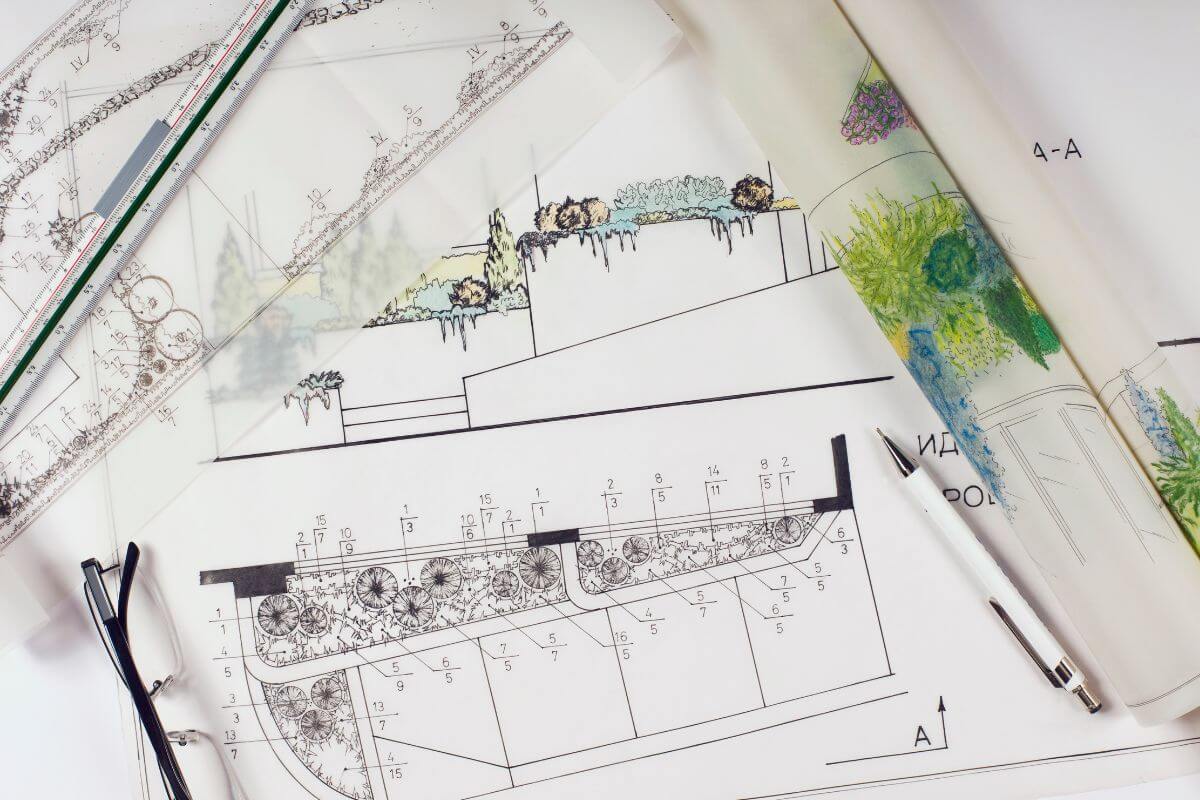
- Reflection and planning: Take advantage of the quiet month of January to analyze your garden and think about improvements you could make. Go back and look at your garden notes and photos to see what worked well—and what didn’t—dream up new plantings, then write down your ideas or sketch out plans for your flower beds and landscaping for next season.
- Sow native plants: Some seeds need to spend time in the cold to germinate. This is the case for many native plants, which in nature undergo a good winter freeze as well as several freeze-thaw cycles. So why not plant them directly outside rather than starting seedlings indoors? To do this, sow them in containers filled with potting soil and place them outside from December to February, depending on your region. They will germinate naturally in the spring, and you can then transplant them to the garden.
Compost
- Use kitchen scraps sparingly: Compost breaks down more slowly in winter. Too much green material may freeze on the surface and attract animals. Always cover kitchen scraps with a thick layer of brown material. If your bin becomes difficult to access under the snow, store your compostable materials in the freezer until the weather warms up, or in outdoor bins when temperatures remain consistently below freezing.
Wildlife

- Add a heater to your birdbath: In colder regions, water can freeze quickly. A small device prevents ice from forming and helps birds drink even in winter.
- Bird feeder maintenance: In winter, help birds by offering them high-fat foods such as seeds or suet, while keeping the feeder regularly stocked to ensure a reliable source of food.
Other

- Clean your tools: If you haven’t already done so, winter is a good time to clean, sharpen, and store your gardening tools so they are ready for the next season.
- What to do with your Christmas tree after the holidays: Rather than throwing away your natural tree after the holidays, you can give it a second life in your garden. An excellent option is to turn it into a winter shelter for birds. Simply place it in a corner of the garden and the branches will provide refuge from the cold and bad weather. You can also hang feeders from it to encourage even more activity. In addition, if you cut it into small pieces, the branches can be used as natural mulch to protect flower beds until spring.
Horticultural Days

- January 10 – Houseplant Appreciation Day: a wonderful opportunity to thank your houseplants for all they do! Take this chance to pamper them: clean their leaves, remove any yellowed parts, give them a little more light, or simply treat yourself to a new plant to brighten up your winter.
- January 31 – Seed Swap Day: On the last Saturday in January, share your surplus seeds with other gardeners and discover new varieties. Get out your clearly labeled bags and suggest an exchange among friends or in your community. Keep your eyes open, as more and more local seed exchange events are popping up all over Quebec. The end of January also marks the beginning of the Seed Festival season!
Are there any other gardening tasks you do in January that I have forgotten? Let us know in the comments!
I’ve been playing merge fruit for the past few days. At first, I only intended to play for a few minutes, but it always drags on. Every time I merge a new fruit, I get curious to see what comes next. Is anyone else playing? Try it out and see who can score faster!
Such a fun and inspiring reminder that every garden deserves a little winter love! While waiting for spring, I’ve also been enjoying rhythm games on fnf mods to pass the time before getting back outside.
The first time I played poor bunny, I honestly thought it would be an easy and relaxing arcade game. The bunny looked harmless, the colors were bright, and everything felt friendly. That illusion lasted maybe ten seconds. Almost immediately, traps started appearing out of nowhere, and my bunny was gone before I fully understood what had happened. That was the moment I realized this game wasn’t about comfort at all, but about staying alert every single second.
Hey, this is supposed to be LAIDBACK gardening
Thanks for this Mathieu. Always good to have a plan of activities during the cold months after the holidays. Better than watching tv and complaining about the cold.