
Experienced gardeners happily talk about botanical names, cultivar names, and trade names as if these distinctions were the most obvious things in the world. The poor novice, however, sees it all as gibberish. Let’s take a column to discuss this somewhat obscure topic. Once you understand the differences, you too will be able to talk about plants with confidence!
Taxonomy in brief
All of this falls under taxonomy, the science of classifying living things. In fact, everything that follows also applies to animals and other living things, but we will limit our discussion to plants.

Taxonomists have divided the plant world into large families. The Cactaceae, for example, constitute one family; the Orchidaceae constitute another. Within these families, taxonomists have then grouped closely related plants into “genera.” For example, Hosta or Begonia. Within a genus, there are similar but distinct plants. These are called “species.” For example, the plantain-leaved hosta and the mountain hosta are both Hosta, but are different enough from each other to merit their own botanical names. The first is called Hosta plantaginea and the second Hosta montana. Each is a species.
The species name therefore consists of two parts: the genus name (here Hosta) and the specific epithet (here plantaginea in one case and montana in the other). Both names are always Latinized and written in italics. Therefore, each wild plant normally has two names.
Sometimes there is even a third botanical name. For example, in Japan there is a unique but stable population of Hosta montana with very large leaves. To distinguish it from the typical species, it has been named Hosta montana macrophylla.
This third rank can correspond to a subspecies (subsp.), a variety (var.) or a form (f.), three distinct levels used according to the degree of differentiation recognized by botanists. The full Latin name is always written in italics, while the abbreviations for the ranks are not.
Now, the cultivars
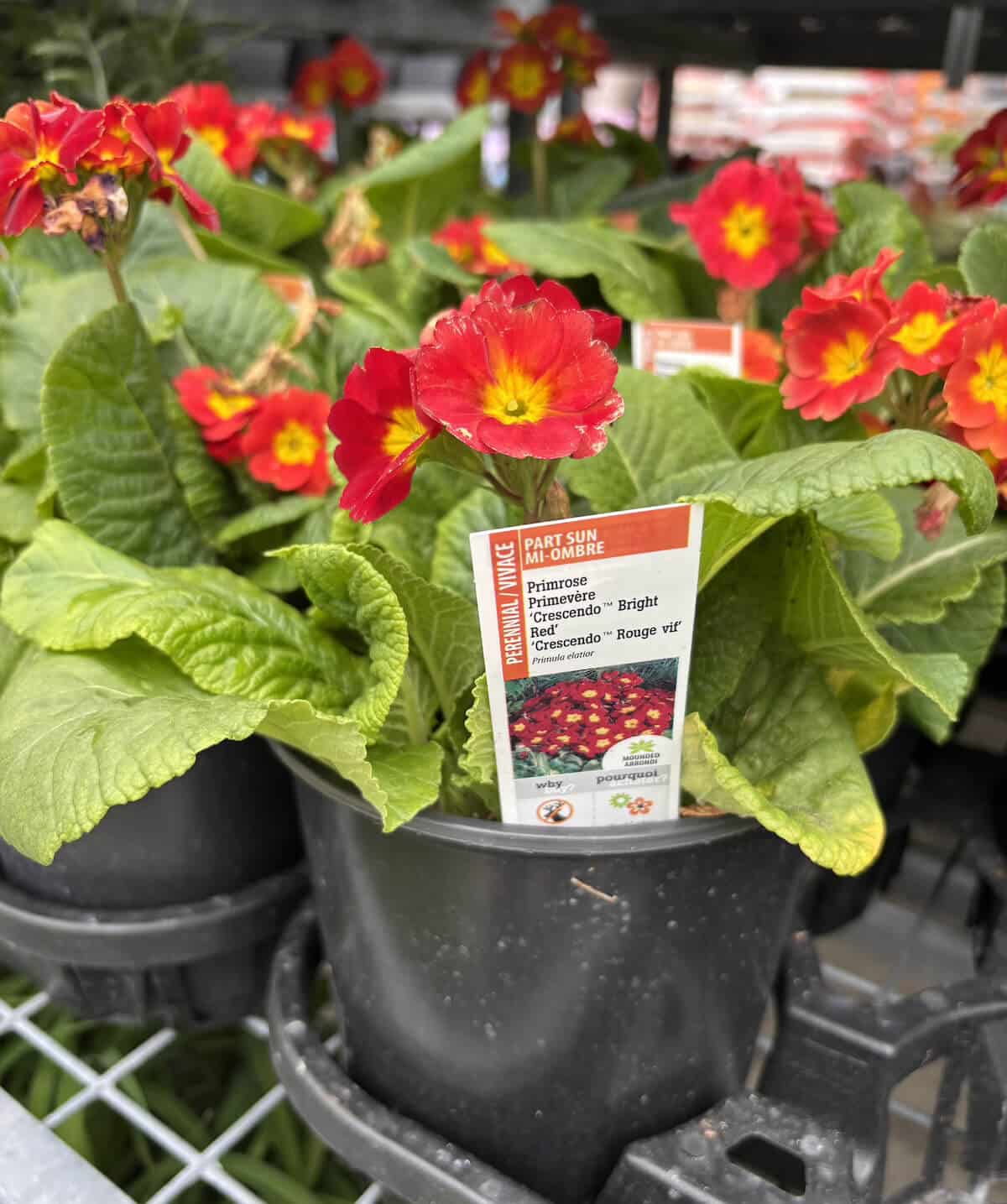
That covers the identification of wild plants. When it comes to cultivated plants, whether in nurseries or gardens, humans tend to choose a particularly beautiful, original, or high-performing plant from among those of a given species and share it with others. To distinguish it from other plants of the same species, it is given the name “cultivar” (from “cultivated variety”). Hybrids between two species also have cultivar names. The cultivar name must appear in single quotation marks and be written in Roman characters. For example, Hosta plantaginea ‘Aphrodite’ is a selection of H. plantaginea with double flowers (the true H. plantaginea has single flowers). There are countless cultivar names, and thanks to these names, we can distinguish between the thousands of plants grown in our nurseries.
And trade names

Recently, plants have begun to appear with a commercial name in addition to their species and cultivar names. This is equivalent to a trademark. The English rose Rosa ‘AUSmas’, for example, is sold under the name Graham Thomas®, a name belonging to the David Austin Roses company. The advantage for the retailer is that this name belongs to them, whereas a cultivar name belongs to everyone. This means that no other retailer can sell this rose under the name Graham Thomas without paying them a percentage. So every time a Graham Thomas® rose is sold anywhere in the world, David Austin Roses receives a share of the profits.
And there you have it! We’ve explained species, cultivar, and trade name in just a few paragraphs. I hope the lesson wasn’t too painful!
Larry Hodgson has published thousands of articles and 65 books during his career, in both French and English. His son, Mathieu, has made it his mission to make his father’s writings accessible to the public. This text was originally published in the newspaper Le Soleil on January 16, 2010.
Ich habe das schon ein paar Mal genutzt und bis jetzt lief alles ohne große Probleme. Einzahlungen gingen schnell und Auszahlungen wurden ebenfalls problemlos bearbeitet, die Seite ist außerdem einfach zu bedienen. Wenn jemand selbst schauen möchte, hier ist der Link: https://coldbet.de/
. Insgesamt hatte ich keine Schwierigkeiten und es wirkt verlässlich.
thanks
A brief lesson in taxonomy helps us understand how scientists organize life on Earth. Taxonomy is the science of naming, describing, and classifying organisms into structured groups based on shared characteristics and evolutionary relationships. These groups form a hierarchy, from broad categories like kingdoms to specific ones like species. This system allows scientists to identify organisms, communicate clearly, and study biodiversity more effectively. If you need academic support while learning such topics, you can visit https://mysupergeek.com/assignment-help-service for guidance. Overall, taxonomy provides a universal framework for understanding the diversity of life.
Clearly and logically explained, as it always is with Larry’s writing. Thank you for this ongoing education.
Many thanks for this quick lesson. It’s something I’ve always wanted. 🙂