
With their gorgeous, fragrant flowers, one might assume that hoyas are difficult to grow. However, nothing could be further from the truth! Growing them is perfectly suited to a beginner’s skills! Getting them to flower is slightly more challenging, but with the right advice, anything is possible! Here are ten varieties that are easy to find and grow.
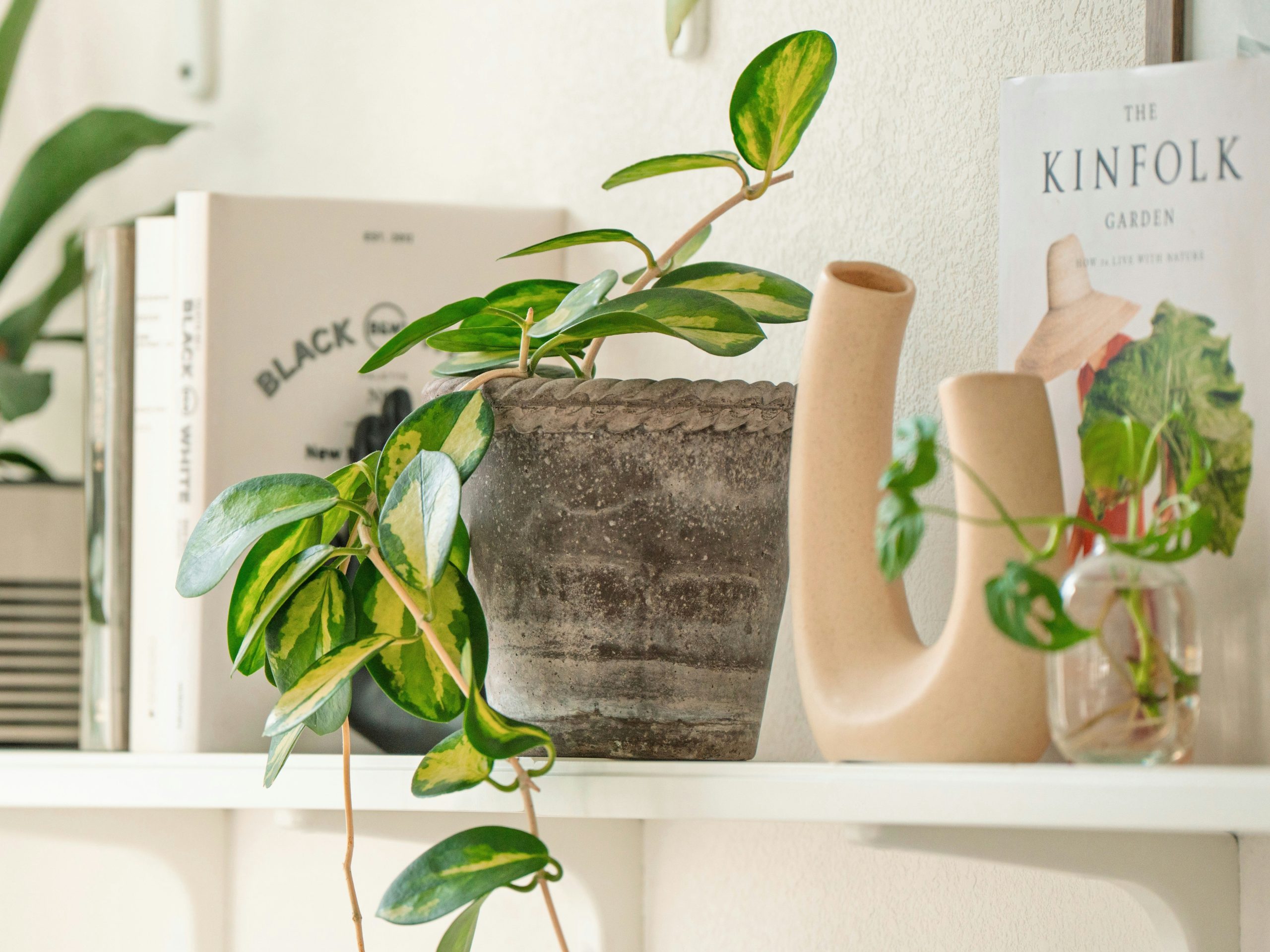
Hoya carnosa
This is the most popular and easiest to find. You’d find it on a table of inexpensive, labeled mixed tropical plants. Its leaves are elliptical and thick. They are arranged on long stems that can be allowed to trail along walls. The leaves are usually green with small white spots. This species has given rise to several cultivars, some of which are shown below. The flowers are generally pale pink and very fragrant.

Hoya carnosa ‘Compacta’
The completely curled leaves of the Hoya ‘Compacta’ don’t appeal to all gardeners. Some find that they resemble leaves that have suffered from a severe mealybug infestation. Nevertheless, this Hoya is just as easy to grow as the Hoya carnosa species for those who like its look. It’s also known as Hindu rope.

Hoya carnosa ‘Tricolor’
This is the most common type of variegated Hoya. The leaf margins of the ‘Tricolor’ variety are composed of a wide green stripe. The term “tricolor” refers to the pinkish hue of the young leaves. Strong sunlight can enhance the pink color of the leaves. With this variety, the phenomenon of reversion—the return to completely green leaves—must be closely monitored. Any stem without the attractive two-toned leaves must be cut back. Occasionally, this cultivar develops entirely creamy-white leaves. These can be kept! This variety is also known as ‘Krimson Princess’, a trademarked name.
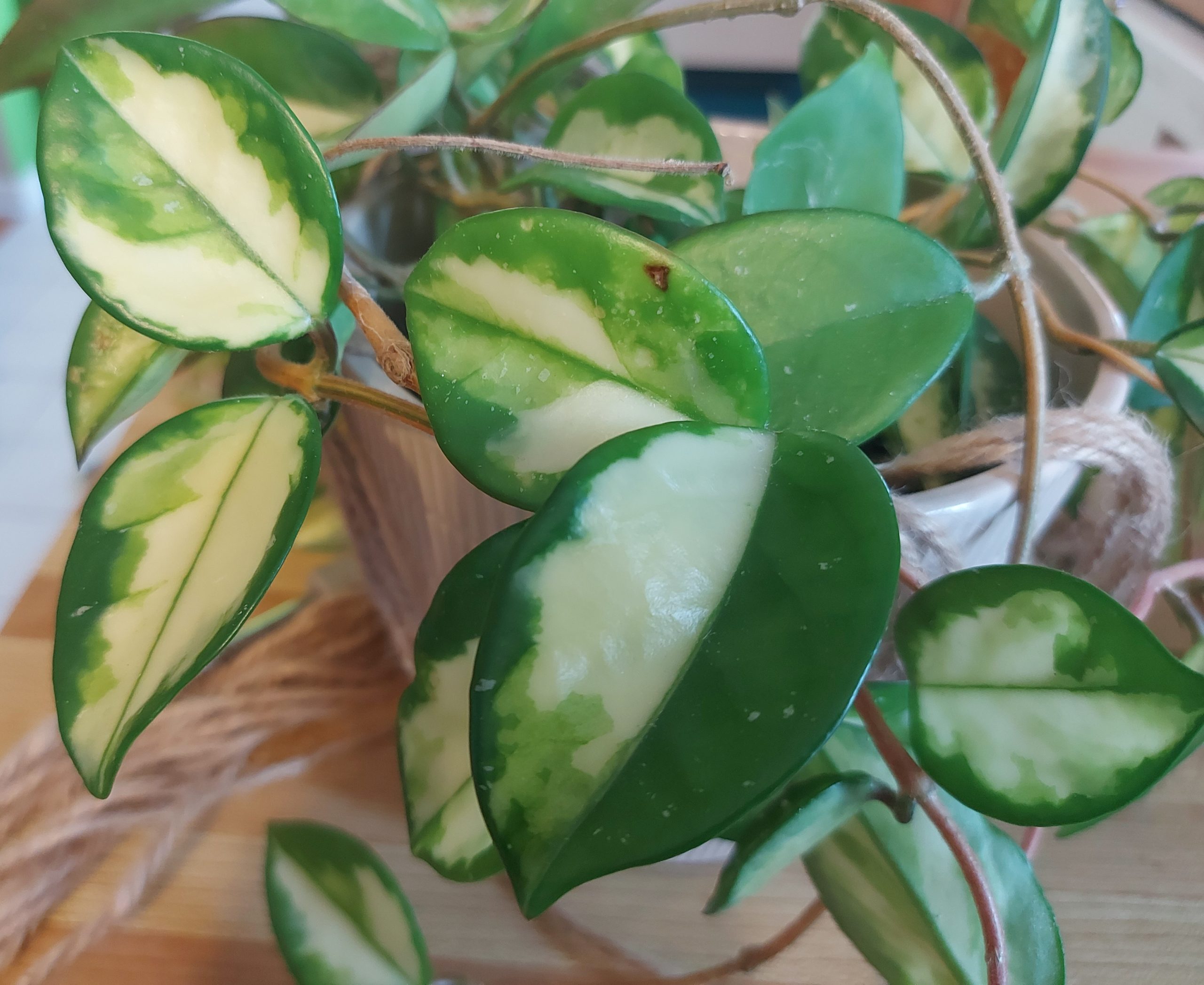
Hoya carnosa ‘Variegata’
Unlike ‘Tricolor’, this variegated Hoya has creamy white leaf margins. Pinkish hues can also be seen on the leaves. Note that there is a lot of confusion between ‘Krimson Princess’, ‘Tricolor’ and ‘Variegata’, and it’s common to see one labeled as the other.

Hoya curtisii
This hoya has unusual leaves that are wider than they are long and end in a sharp point. They are also covered in silvery speckles. This smaller variety is well-suited to smaller spaces where there isn’t room for the plant to trail all over the room. This variety is surprisingly easy to grow.
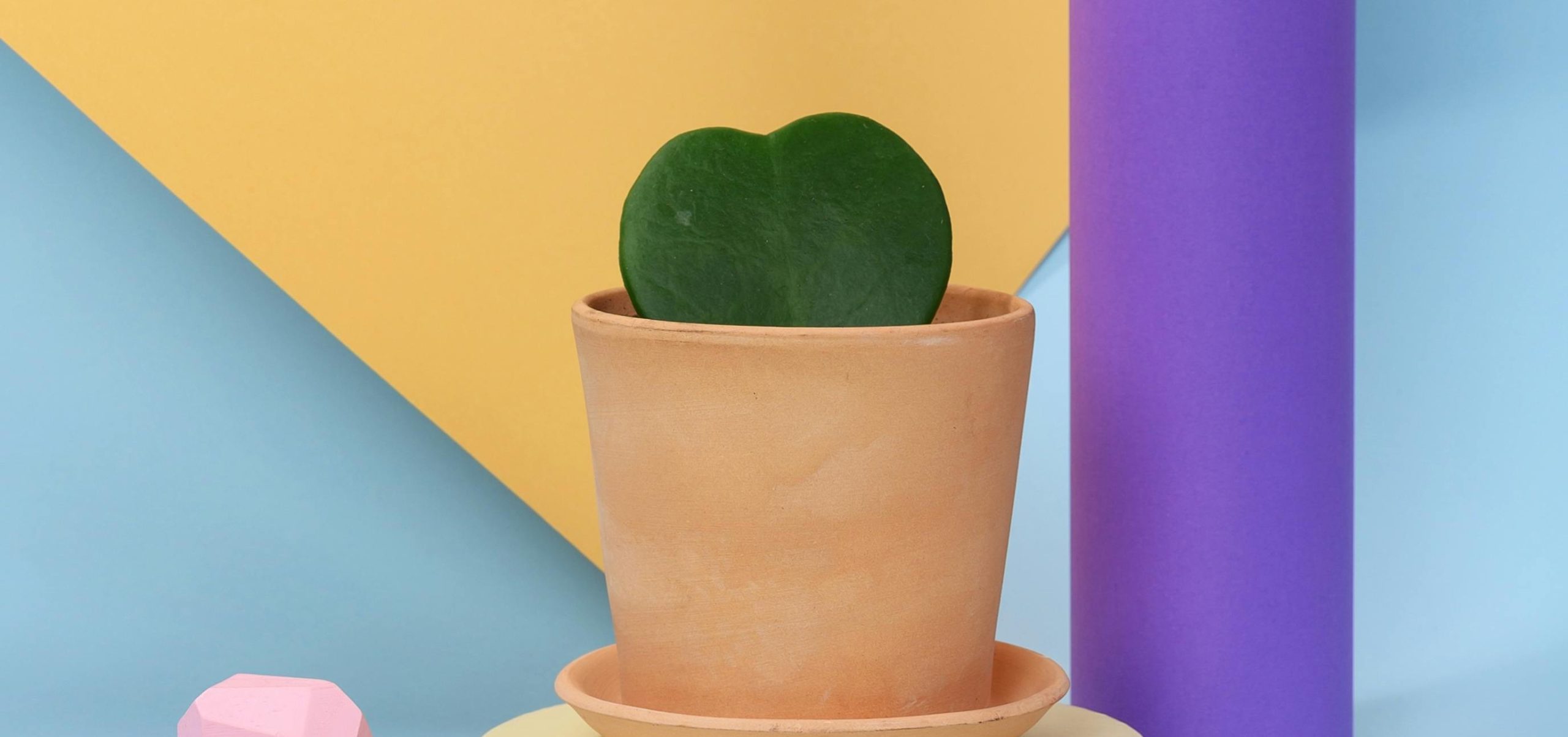
Hoya kerrii
This hoya often appears just before Valentine’s Day because its leaves are literally heart-shaped. It is often sold as the “Sweetheart Hoya” or the “Valentine’s Hoya”. While you can find simple leaf cuttings in small pots at markets, the Hoya kerrii has elongated, trailing stems like most other hoyas. However, it should be noted that this species grows more slowly than other hoyas. It’s generally agreed that Hoyas are very slow-growing!
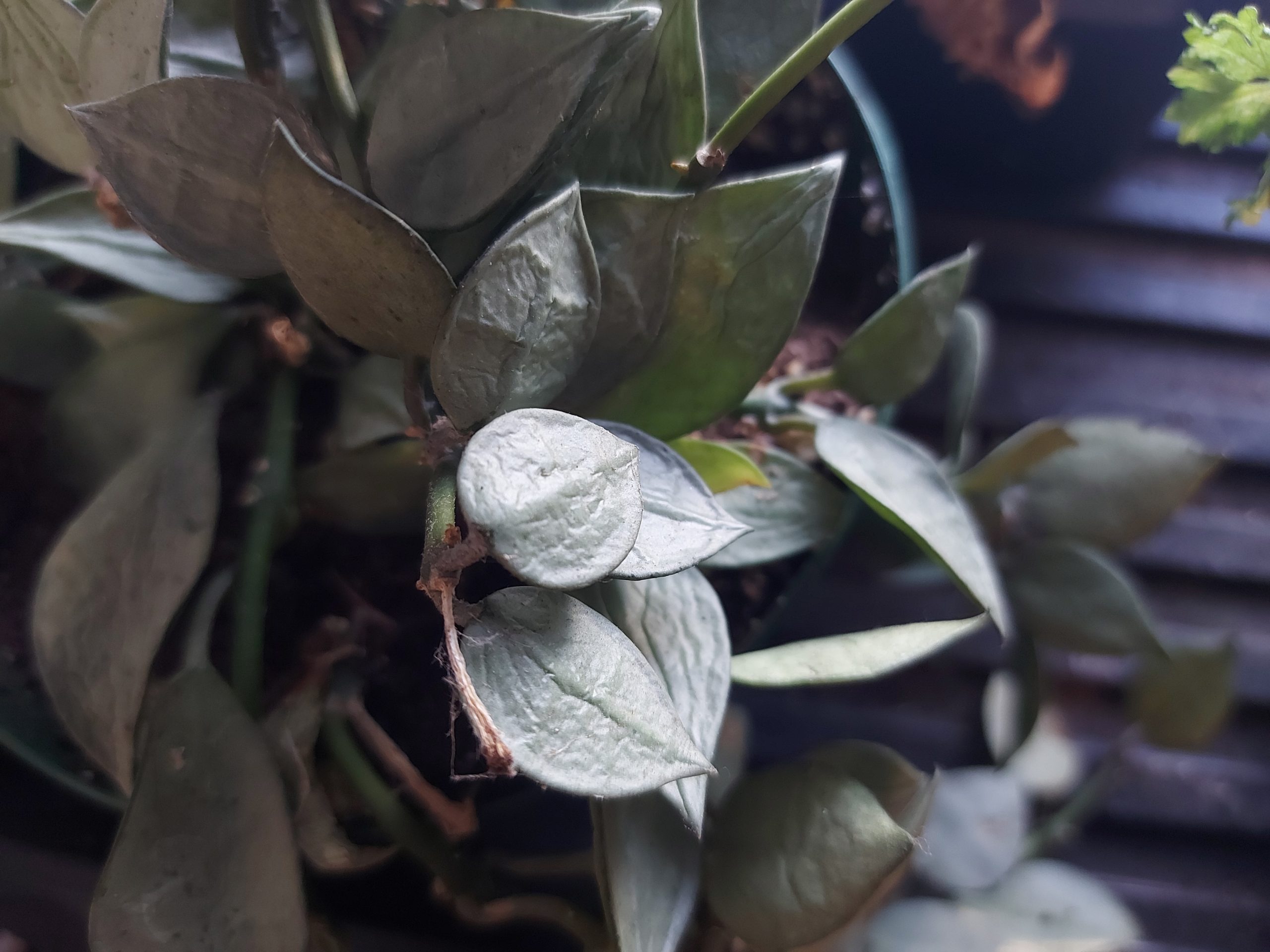
Hoya krohniana
This hoya has small, oval leaves and long, trailing stems. It’s quite different from the hoyas we’re used to growing. Although it’s considered easy to grow, it still requires more attention than other varieties. It’s less tolerant of prolonged drought, which becomes apparent quickly when its leaves shrivel. You’ll quickly fall in love with its fragrant, creamy-white flowers when it blooms. The ‘Arctic’ cultivar has entirely gray leaves.
Hoya ‘Mathilde’
This is a hoya with small, round leaves resulting from a cross between Hoya carnosa and Hoya serpens. It is particularly prized for its white flowers with red centers.
Hoya pubicalyx
This species is similar in shape and growing requirements to Hoya carnosa but has more slender leaves. Its leaves are usually heavily speckled. It has also given rise to several interesting cultivars.

Hoya quinquenervia
This is an original and distinctive variety with broad green leaves that display pale-colored veins. In good light, the leaves turn burgundy, which accentuates the pale veins.
These are some of the most common varieties on the market. We can add Hoya insularis and Hoya parasitica to the list, as these species also offer interesting cultivars. If you’re a passionate collector, then you’re in for quite a ride with hoyas!
There is so much beauty in nature that inspires art. I often use this google ai image generator to turn the flowers and landscapes I see into digital paintings. It’s a wonderful way to capture the feeling of being in the forest!
https://banagen.com/
Julie Budreau is truly impressive with her long-standing dedication to gardening. With over 25 years of experience, numerous books, and TV shows, she is an authority in the field. Her passion for organic gardening, botany, and Latin names demonstrates a deep understanding of plants and an inspiration to share her knowledge with others.
I like Hoya carnosa, and I also enjoy the flowers and plants in nature. I really enjoy staying in the forest, heic to png feeling very comfortable and relaxed.