
I would like to know the best time to prune my bay laurel and how to prune it so that it grows back. It is growing well, but is becoming less and less dense. However, I am still enjoying its aromatic leaves.
Answer
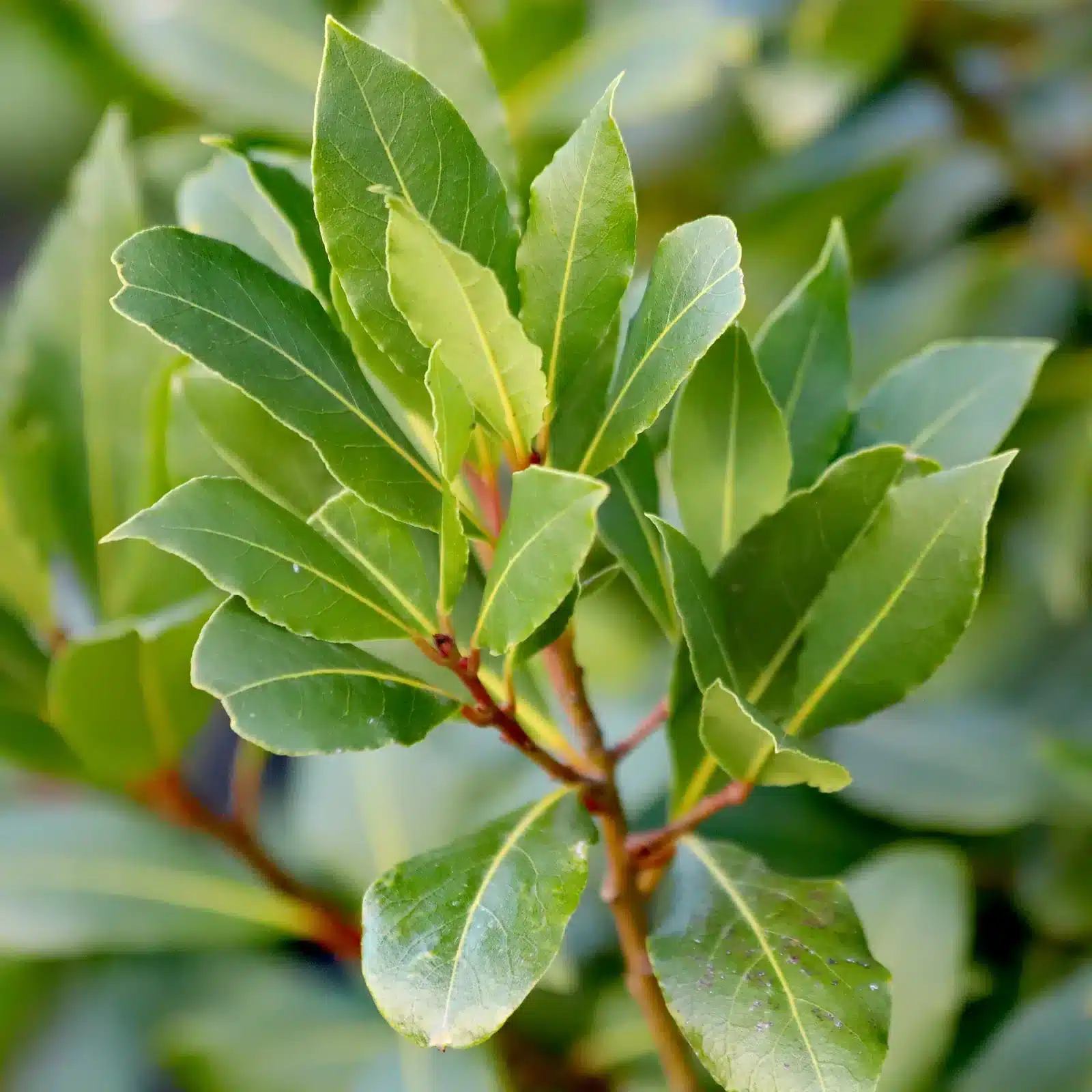
Bay laurel (Laurus nobilis) is often treated as a simple herb, but it is actually an evergreen shrub native to the Mediterranean region, with slow to moderate growth. In its natural environment or in the ground in a mild climate, it can grow to over 10 meters (32 feet) in height if left unpruned. When grown in pots or indoors, its much slower growth explains why it tends to become elongated and sparse over time if not pruned properly.
Pruning
The best time to prune a bay laurel tree in order to rejuvenate it is in late spring or early summer, at least in northern climates, usually between May and June. At this time of year, the plant is in full growth: sap is flowing actively, pruning wounds heal quickly, and the plant can respond by producing new shoots. Pruning in winter is not recommended, as growth is virtually non-existent at this time of year and cuts remain exposed to moisture and disease for longer.
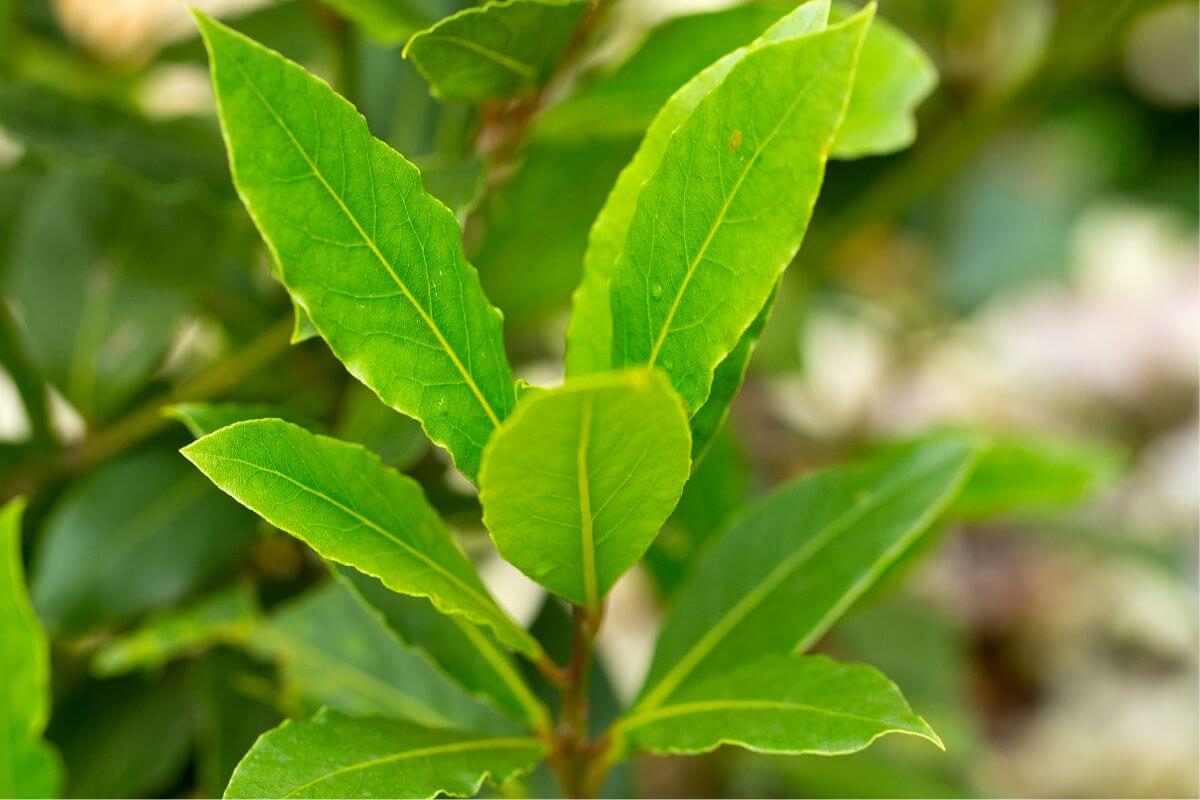
To make the plant denser, avoid picking only individual leaves. This type of harvesting is useful for cooking, but it maintains apical dominance: the stem continues to grow in length without branching. To counter this phenomenon, cut the stems just above a node or branch. By removing the tip of a stem, you force the dormant buds below to develop, which causes new branches to form and makes the foliage more compact. This is the secret to avoiding a bare base.
As bay laurel grows slowly, it is better to prune moderately and repeatedly rather than severely. The plant tolerates pruning very well, but any overly radical intervention will take a long time to produce an aesthetic result.
Harvesting and inspection
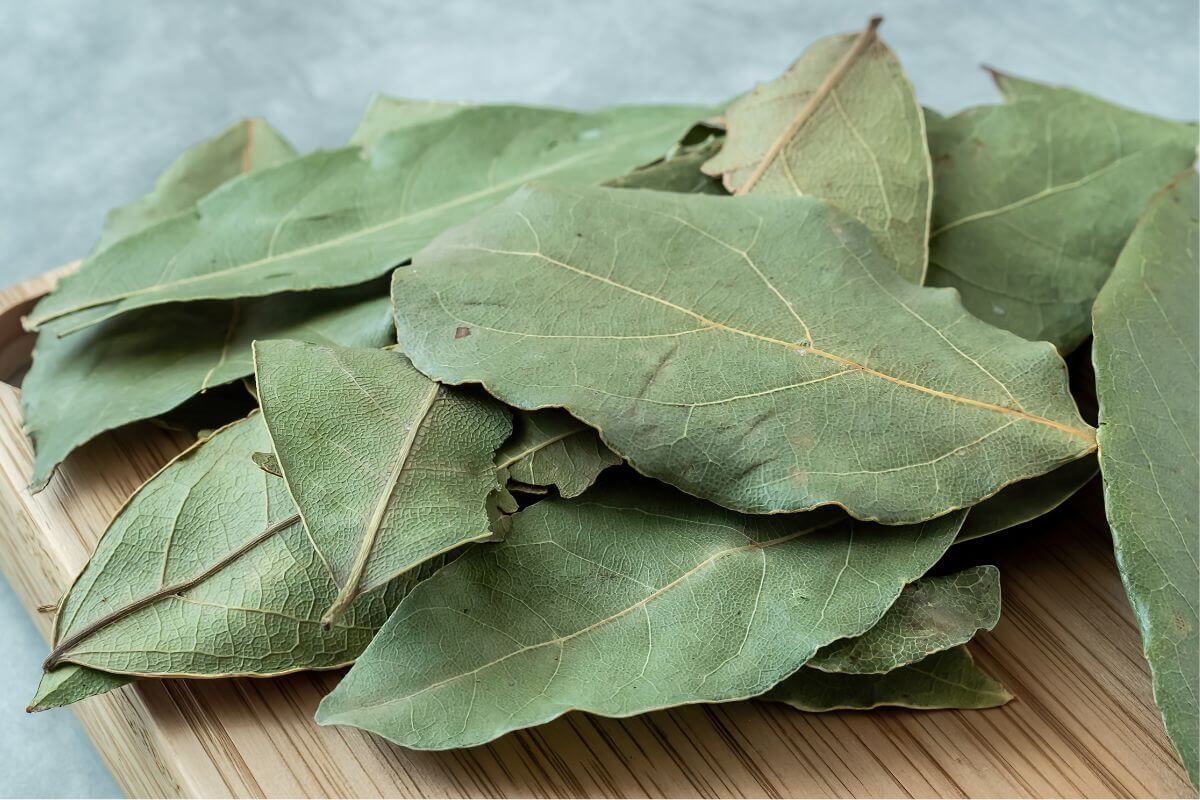
Leaves can be harvested at any time of year, provided that enough foliage is left to ensure the plant remains vigorous. In practice, it is best never to remove more than 25 to 30% of the total foliage at any one time. This limit allows the bay laurel to continue photosynthesizing properly and to regrow without stress. It should be noted that, for culinary use, the leaves are often more fragrant and less bitter when dried in the shade for a few weeks rather than used immediately after harvesting.
Finally, pruning is also a good time to carefully inspect the plant, as bay laurel is particularly susceptible to scale insects. These insects produce a sticky honeydew that promotes the appearance of sooty mold, a black film on the leaves. Regular pruning not only makes the plant denser, but also improves foliage aeration and limits the conditions favorable to these pests. Always use sharp pruning shears, as the tough foliage of the bay laurel is easily crushed if the tool is blunt, which can promote the spread of disease.
Thank you for your enlightening post! I’ve always battled with understanding when to prune my bay laurel, especially because I use it so frequently in cooking. Your slope free precise instructions on timing and procedures were quite useful.
Thanks for this post. I have a small bay laurel and was wondering the best way to prune it. Will do so in the next couple of months and dry the leaves for cooking.
The bay laurel that is native here is very different from the culinary sort, and is not even of the same genus. Unfortunately though, some people do not know the difference. Native bay laurel is much more pungent, so is not a good substitute for the real culinary sort.
Very timely for me as I was just wondering about pruning mine!