
Hey, hey, hey! It’s your garden!
Woohoo! It’s February! Party!
Okay, listen up. I gave you January to recover from your holdiday festivities. But now, in February, it’s time for MY celebrations.
That’s right! Seed celebrations!
Seedy Saturdays, seed swaps, garden expos… the party runs from January right through April.
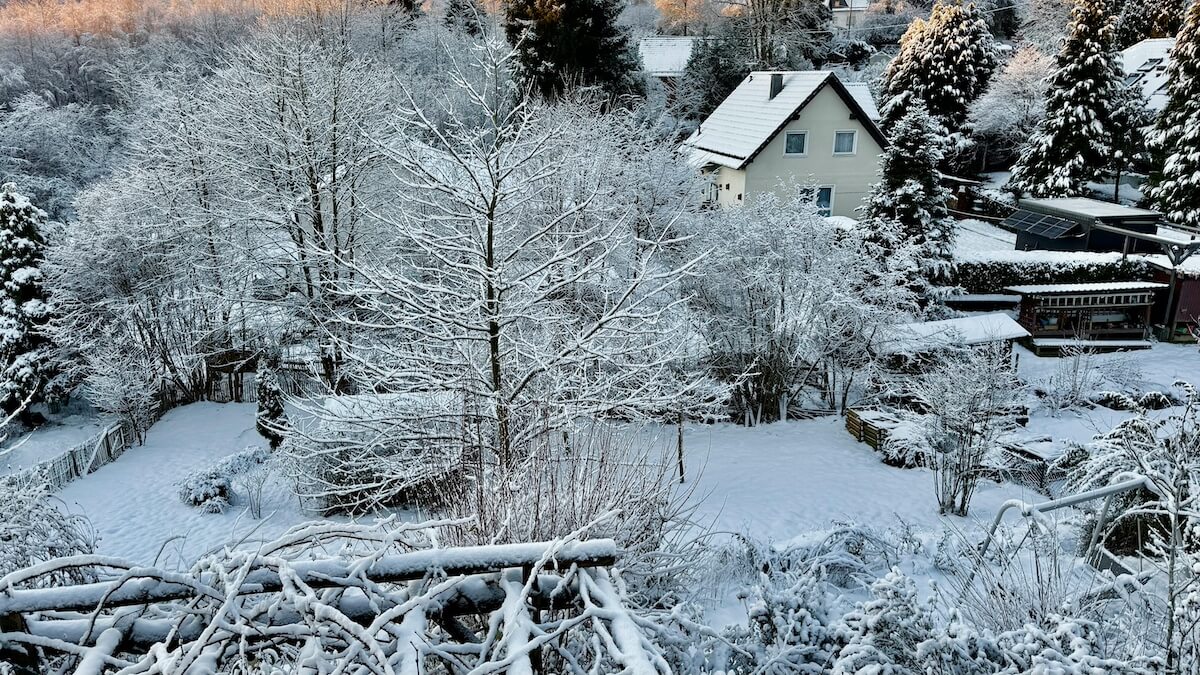
Since I was a good little garden in 2025, I took the liberty of preparing a little gift list for you.
Dear laidback gardener,
This year, I was as good as grass!
For the Seed Holidays, I would like to receive seeds of:
- Vegetables (especially for you—after all, you’re a real foodie)
- Flowers (they’d look great in the vegetable garden, wouldn’t they? And pollinators love them)
- Edible flowers (the perfect mix of beauty and usefulness)
- Native plants (because they support local wildlife)
- Plants for birds (they eat insects and sing me sweet songs)
- Herbs (delicious, usually ignored by mammals, and wonderfully confusing for pest insects)
- Flowering meadows (bursting with life)
- Heirloom and heritage varieties (so we don’t lose them and can preserve genetic diversity)
- Open-pollinated, reproducible varieties (so we can start again next year)
- Locally produced seeds (to support local growers and grow plants adapted to our climate)
- A few rare or experimental plants (just to broaden our horizons)
Thanks in advance,
Your garden
And while you’re at it… don’t forget to buy yourself a little something too!
Seedlings
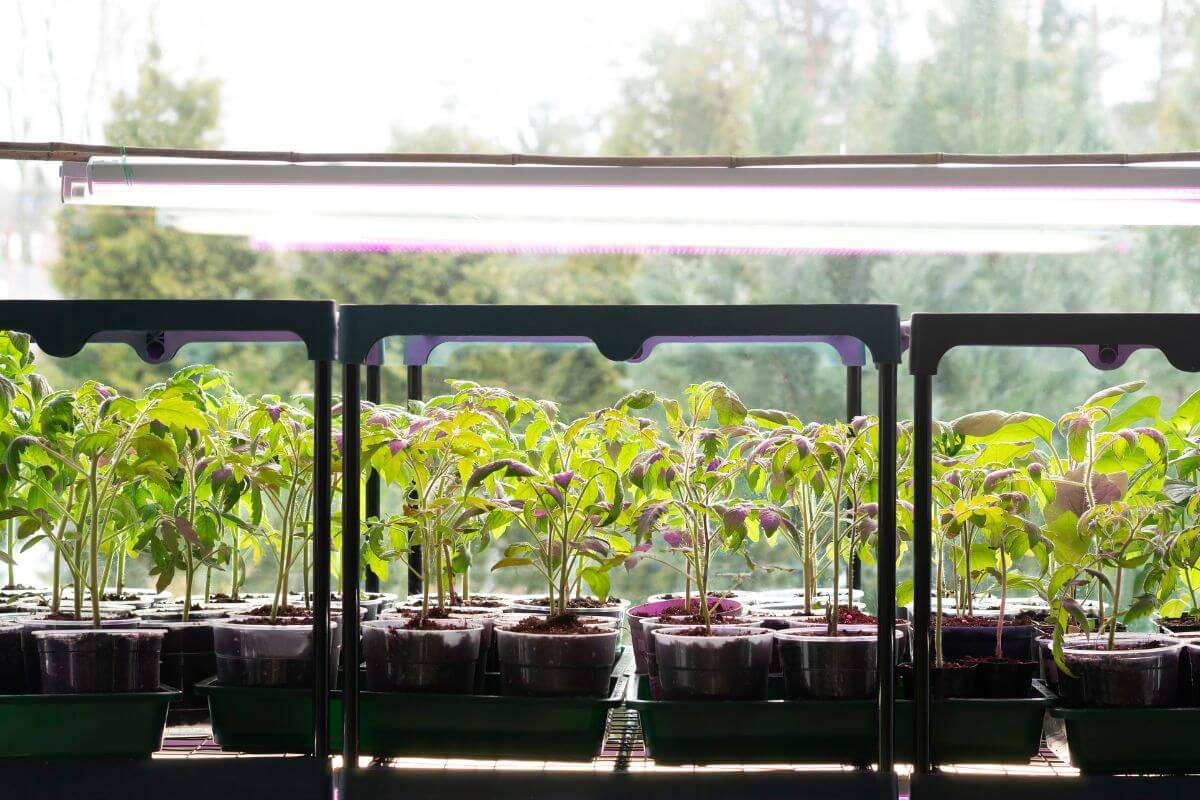
- Plan your indoor seedlings for spring: Now is the perfect time to think about the seedlings you want to start indoors in the coming months.
- Prepare your planting calendar: You can do this on graph paper, in a spreadsheet on your computer, or even using a specialized platform.
- Organize your seeds: Before buying seeds at your local seed swap, sort through the ones you already have and find a way to organize them, such as in a seed binder.
- Visit a seed library: Before you start sowing, visit a seed library to borrow, exchange, or donate seeds.
- Prepare your sowing materials: Before you start sowing indoors, gather everything you need: seeds, containers, trays, domes, labels, watering can, and, most importantly, good potting soil for seedlings. Many of these items can be found around the house.
- Clean your pots and containers: Wash and disinfect your pots to prevent disease when you plant your next seeds.
- Give your seeds cold treatment: some perennials, trees, shrubs, and even annuals only germinate well after a period of cold exposure. January and February are the ideal time to start stratification in the refrigerator or outdoors, to obtain beautiful seedlings ready for transplanting in the spring.
- Test the germination of your old seeds: Before sowing, do a simple test on damp paper towels to check if the seeds are still viable. In a few days, you will know if you can use them or if it is better to buy new ones.
- Sow plants that like an early start: The indoor sowing season mainly begins in March… which is just as well, because the light reaching our seedlings is weak at the beginning of February, so it is almost necessary to grow them under a horticultural lamp to be successful.
- Experiment with microgreens: Grow microgreens on your windowsill for a quick and easy nutritional boost.
Houseplants
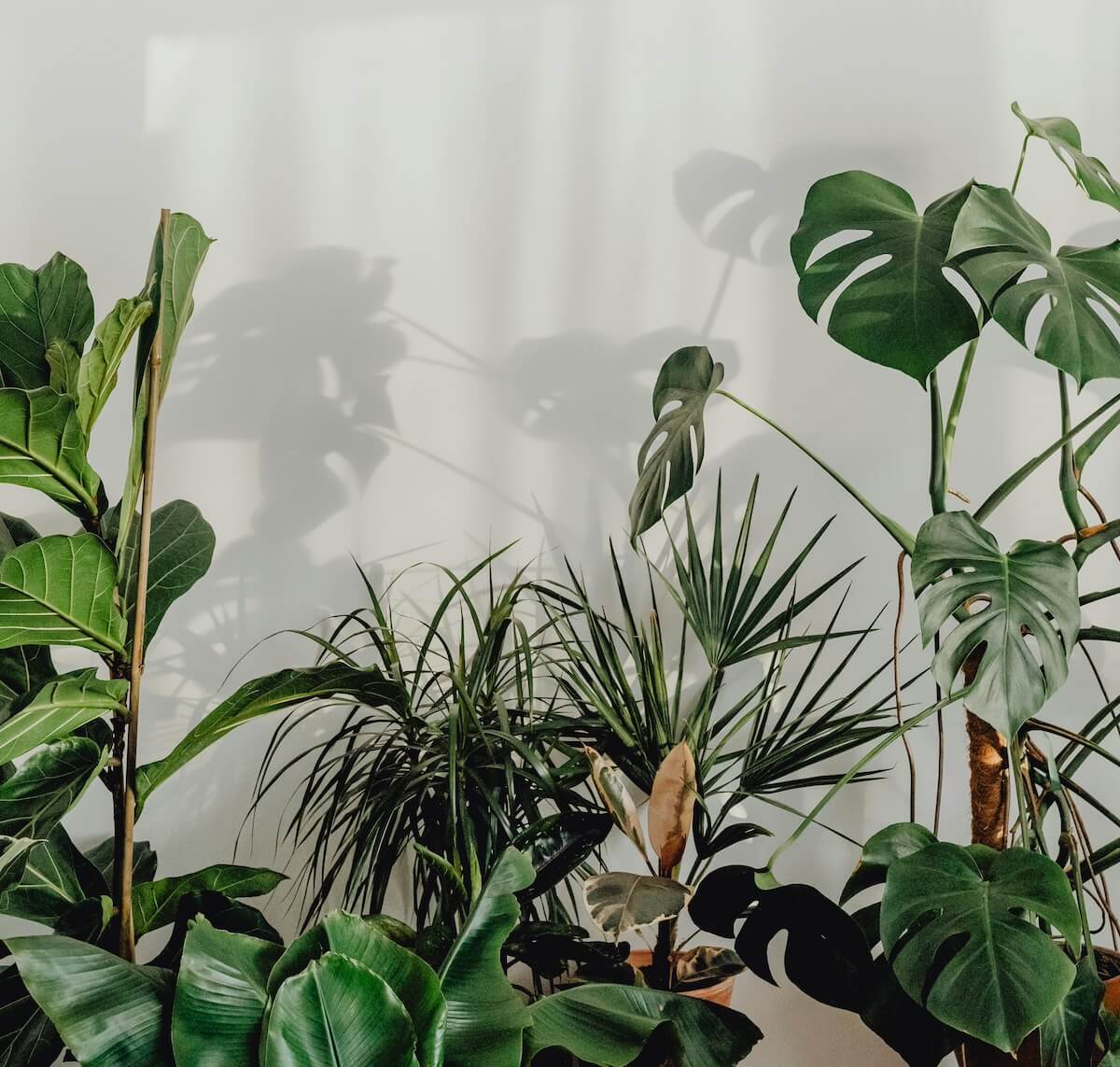
- Caring for houseplants: Make sure your plants get enough light. Reduce watering, as they often need less water in winter. Stop or reduce fertilization.
- Humidify your indoor plants: If your plants have curled or dry leaves at the tips, it is likely that the air in your home is too dry. Use a humidifier or place them in a terrarium or plastic bag temporarily to increase the humidity around them.
- Faites tourner vos plantes d’intérieur: Avec le faible soleil d’hiver, les plantes poussent vers la fenêtre et finissent par pencher. Donnez-leur un quart de tour à chaque arrosage, toujours dans la même direction, pour assurer une croissance uniforme et éviter qu’elles ne se renversent.
- Pest screening: Indoor insects wake up as the days get longer. Inspect the undersides of leaves and the soil every week, and use yellow sticky traps to spot whiteflies, spider mites, scale insects, and other pests early on.
- Caring for potted plants received during the holidays: Plants such as poinsettias, Jerusalem cherry trees, and cyclamen can remain beautiful for several weeks or months with proper care. Place them in a well-lit area, ideally in direct light, as the winter sun is less intense. Keep them away from heat sources and water them thoroughly only when the soil is almost dry. Fertilization is rarely necessary during the winter.
Pruning, cuttings, and fertilization
- Prune your hibiscus: If you have had a Chinese rose hibiscus (Hibiscus rosa-sinensis) in your home since the beginning of winter, now is the time to give it a good pruning. Pruning it in late February or March will encourage it to produce more flowers during the summer, while keeping its often exuberant growth under control.
- Take cuttings from your houseplants: As winter draws to a close, with the days getting longer, our houseplants begin to grow, or will do so very soon. The best time to take cuttings from our houseplants is usually between mid-February and the end of August.
- Resume fertilizing indoor plants: In temperate regions, fertilizing indoor plants stops in October as light decreases and growth slows down. At the end of February and in March, as the days get longer, growth resumes, signaling the time to resume fertilizing. Gardeners using grow lights can fertilize year-round if their plants are actively growing.
- Clean your windows: By keeping your windows clean, you allow more light to enter the room, promoting plant growth. Be sure to clean both sides of the windows for maximum transparency.
Ornamental garden
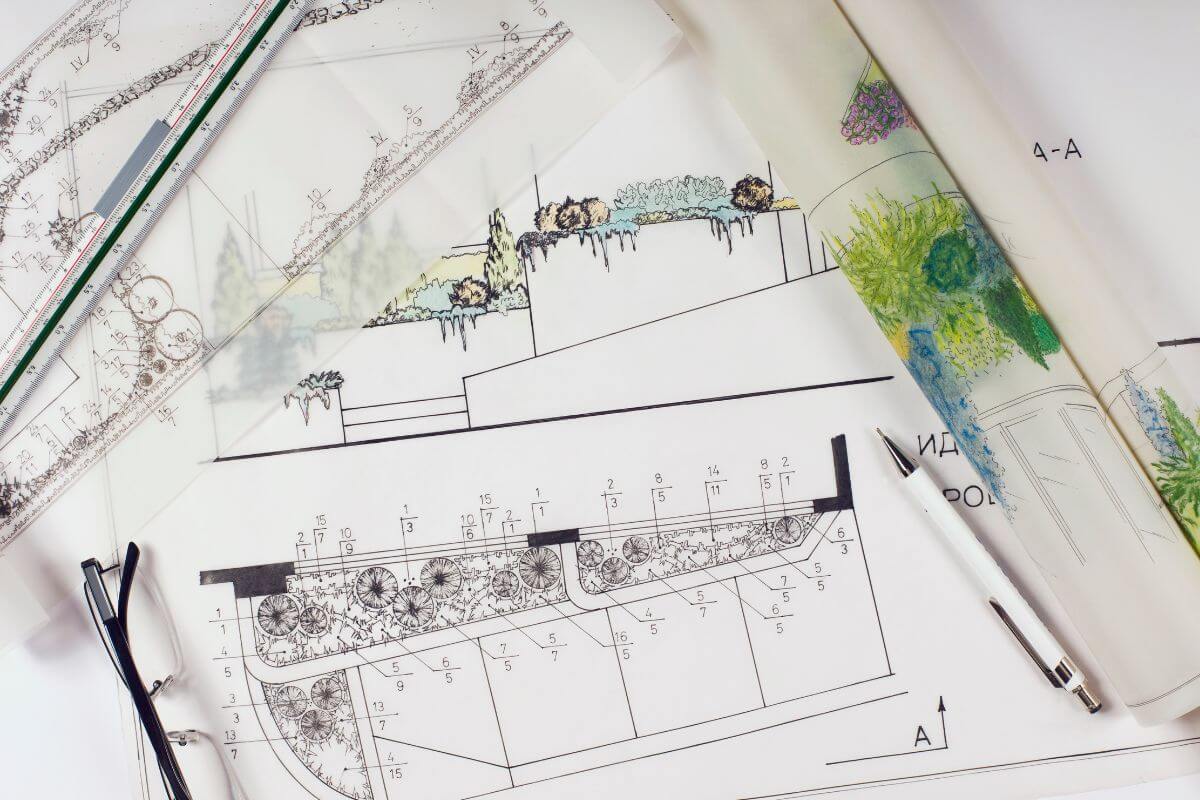
- Reflection and planning: Take advantage of the quiet month of January to analyze your garden and think about improvements you could make. Go back and look at your garden notes and photos to see what worked well—and what didn’t—dream up new plantings, then write down your ideas or sketch out plans for your flower beds and landscaping for next season.
- Sow native plants: Some seeds need to spend time in the cold to germinate. This is the case for many native plants, which in nature undergo a good winter freeze as well as several freeze-thaw cycles. So why not plant them directly outside rather than starting seedlings indoors? To do this, sow them in containers filled with potting soil and place them outside from December to February, depending on your region. They will germinate naturally in the spring, and you can then transplant them to the garden.
- Buy your summer bulbs: Summer bulbs, such as tuberous begonias, cannas, calla lilies, dahlias, gladioli, etc., may arrive in garden centers in February. Rooted cuttings of annuals are also available, to be repotted at home.
- Take cuttings from annual plants: At the beginning of fall, you may have brought in cuttings from annuals such as pelargoniums, begonias, impatiens, and coleus to keep them safe during the winter. The goal is simple: to keep them alive so you can replant them in the spring. At the end of February, you can start taking cuttings and propagating these young rooted plants.
- Force branches for an early spring: Can’t wait for spring to arrive? Did you know that you can “force” branches from spring-flowering trees and shrubs to bloom early indoors? This technique works for all trees and shrubs that bloom in spring, such as willows, forsythias, serviceberries, magnolias, ornamental almonds, and fruit trees. They can be forced as soon as their buds begin to swell. They also bloom very quickly when forced, often within a week.
Compost
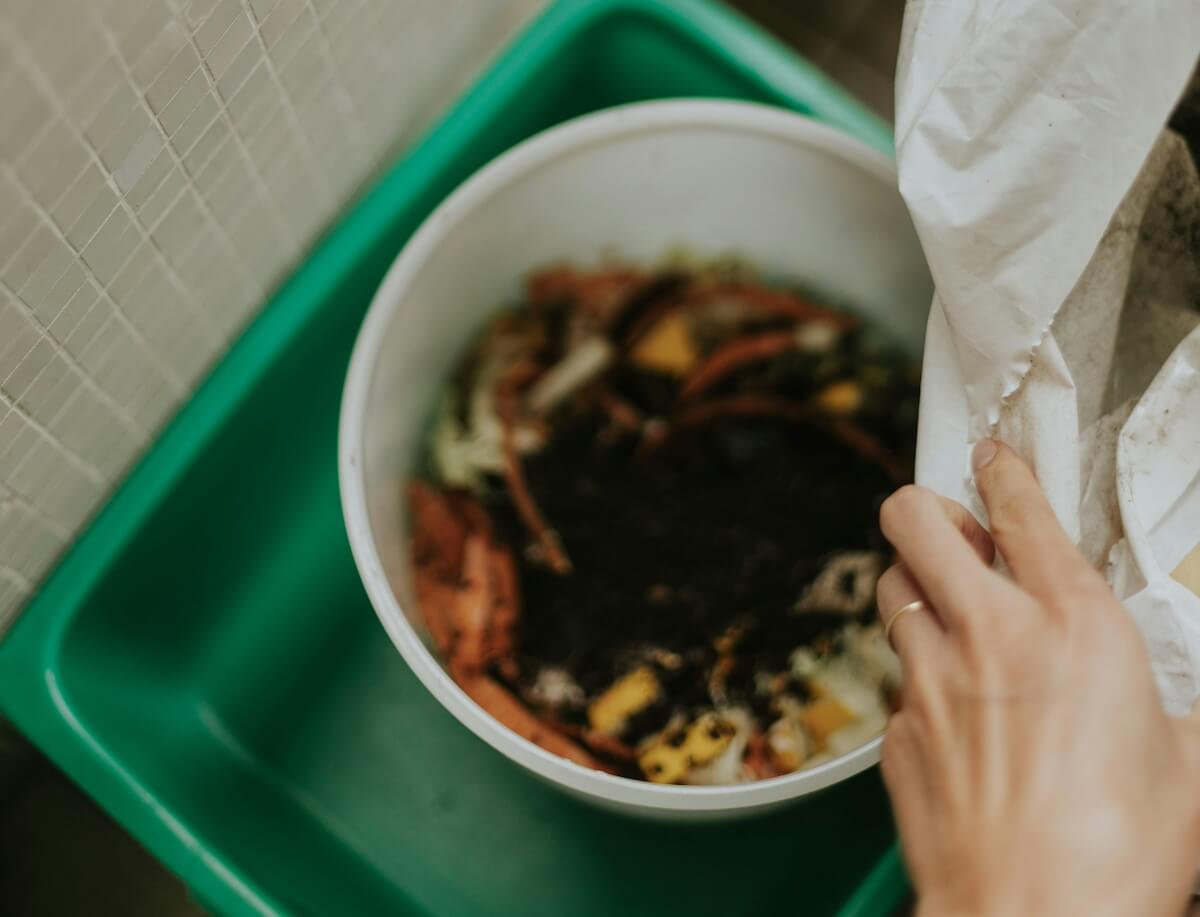
- Use kitchen scraps sparingly: Compost breaks down more slowly in winter. Too much green material may freeze on the surface and attract animals. Always cover kitchen scraps with a thick layer of brown material. If your bin becomes difficult to access under the snow, store your compostable materials in the freezer until the weather warms up, or in outdoor bins when temperatures remain consistently below freezing.
- Start an indoor compost: Try vermicomposting to produce homemade compost during the winter.
Wildlife
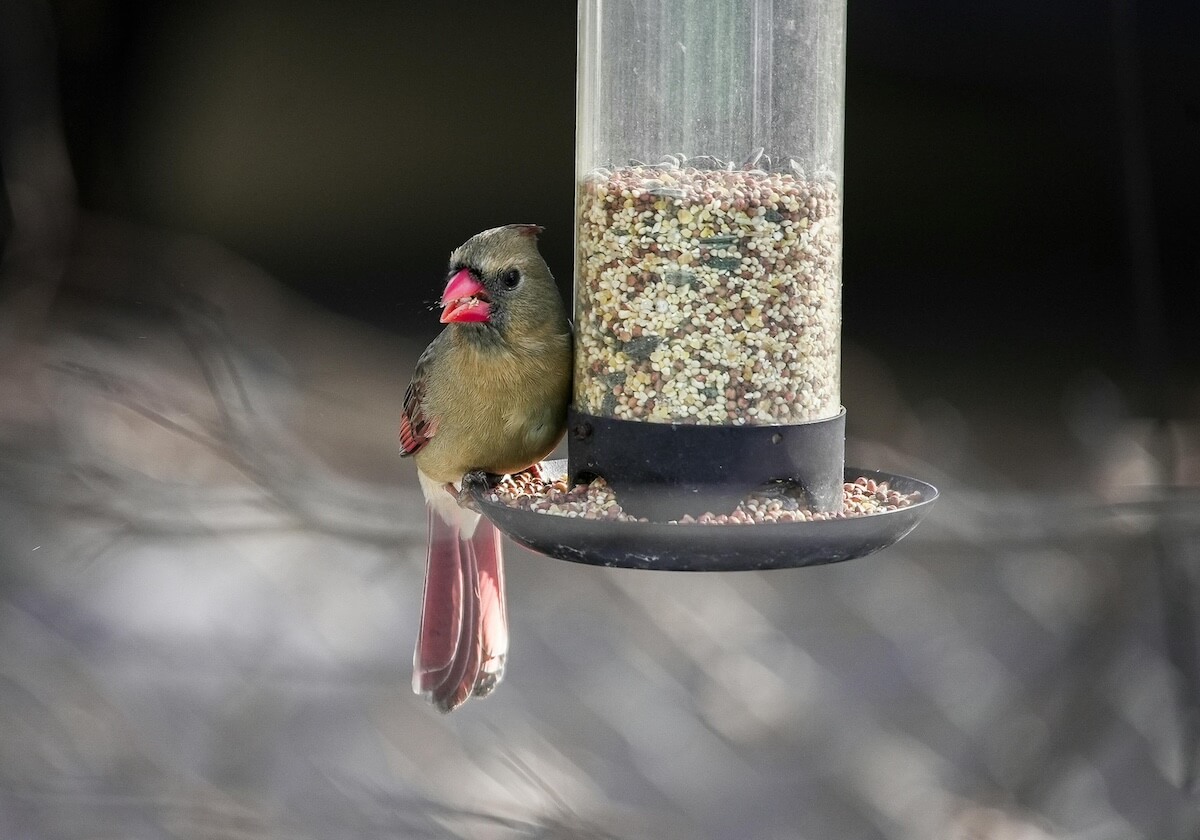
- Add a heater to your birdbath: In colder regions, water can freeze quickly. A small device prevents ice from forming and helps birds drink even in winter.
- Bird feeder maintenance: In winter, help birds by offering them high-fat foods such as seeds or suet, while keeping the feeder regularly stocked to ensure a reliable source of food.
- Clean and disinfect birdhouses, or add new ones: A quick check of birdhouses once a year is all it takes! The ideal time? A good cleaning and a few repairs at the end of winter or early spring. It’s also a good time to add new ones before the birds settle in.
Autre
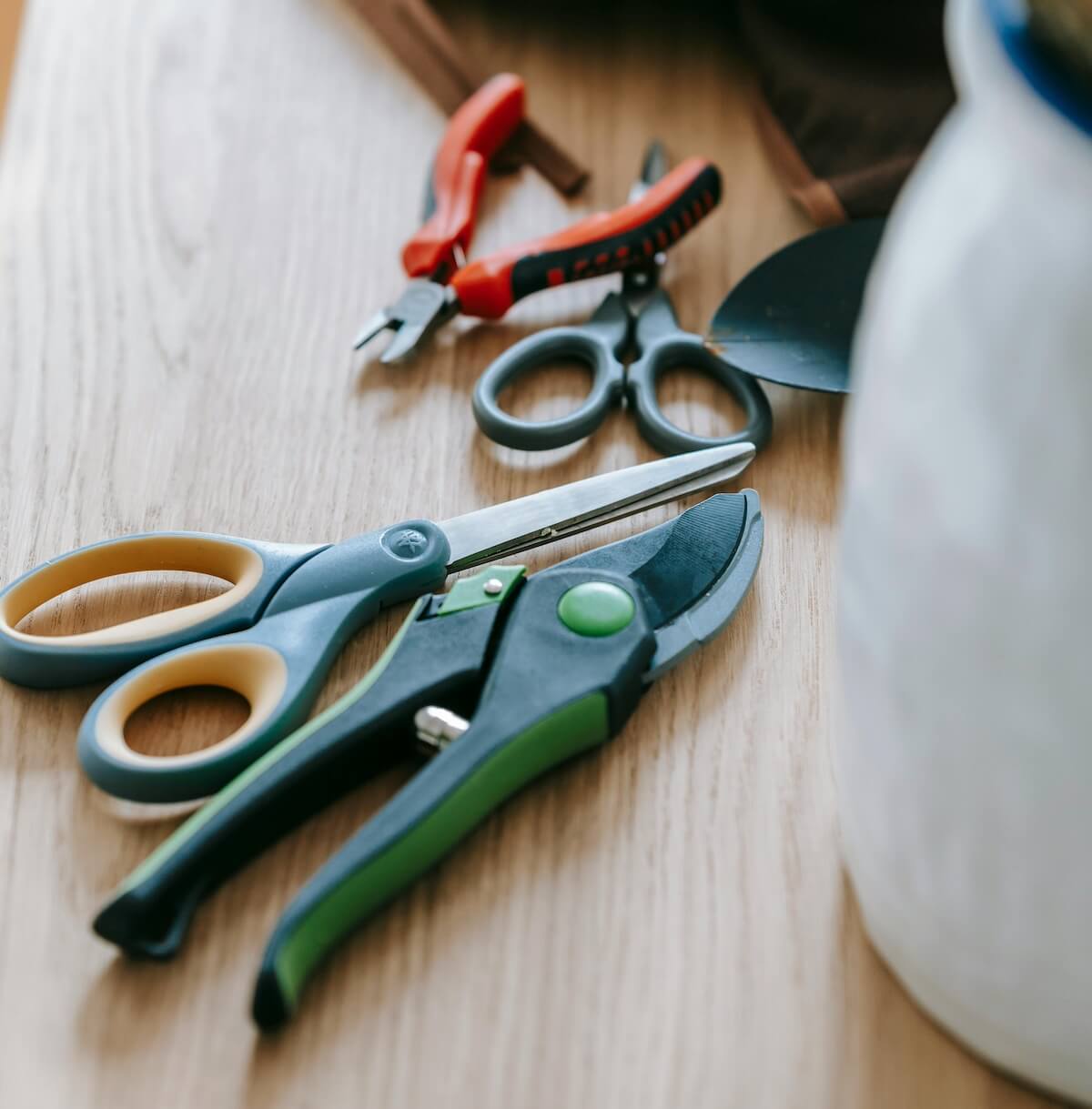
- Clean your tools: If you haven’t already done so, winter is a good time to clean, sharpen, and store your gardening tools so they are ready for the next season.
- Check your stored bulbs and tubers: Inspect stored bulbs (such as dahlias or gladioli) and tubers for signs of rot or drying out.
Horticultural Days
- February 2 – Wetlands Day: A day to remind us of the importance of marshes, bogs, shorelines, and ponds, which are essential to biodiversity and water quality.
- February 2 – Groundhog Day: According to tradition, if the groundhog sees its shadow, winter will continue; if not, spring will arrive early. Not very scientific, but a great opportunity to dream about the garden to come!
- February 10 – World Pulses Day: Peas, fava beans, and beans are among the best allies in the vegetable garden. They naturally enrich the soil with nitrogen.
- February 17 – National Cabbage Day: Let’s highlight the importance of this humble but essential vegetable, which has been feeding humanity for millennia. Hardy, nutrient-rich, and easy to store throughout the winter, cabbage has long been a staple of survival in cold climates.
Are there any other gardening tasks you do in February that I have forgotten? Let us know in the comments!
I love how this post makes February feel like a real kick-off for gardening season! Sorting seeds and planning ahead always feels oddly satisfying. Speaking of organizing, I recently came across Crazy Cattle 3D, where similar tips about prepping for seasonal hobbies were shared. It’s great to see how much thought goes into making the most of the pre-spring months!
Find high-profit opportunities. Only available at PROFIT88 login
Awalnya cuma iseng nyoba, tapi lama-lama betah juga main di INDOJOKER88 login Pilihan gamenya cukup banyak dan nggak terasa monoton karena selalu ada variasi.
Banyak orang belum sadar kalau ( INDOJOKER88 login ) punya informasi yang cukup lengkap dan gampang dipahami, terutama buat yang pengen mulai tanpa ribet.
Awalnya cuma iseng nyoba, tapi lama-lama betah juga main di INDOJOKER88 login Pilihan gamenya cukup banyak dan nggak terasa monoton karena selalu ada variasi.
Sudah beberapa kalicoba main di UINDOJOKER88 login Interfacenya enak dilihat, gamenya variatif, dan jalannya lancar. Lumayan nyaman buat main santai.
Sudah beberapa waktu coba main di INDOJOKER88 login. Interfacenya enak dilihat, gamenya variatif, dan jalannya lancar. Lumayan nyaman buat main santai.
Dari beberapa situs yang pernah saya coba, INDOJOKER88 login termasuk yang paling enak dipakai sejauh ini. Navigasinya jelas dan stabil.
It’s also a good time to paint the wooden handles of your tools red or orange – any bright colour that will catch your eye when you try to find it in the greenery of the summer garden. 🙂
You can learn art or play sports socially. These activities boost abilities and connections. bitlife
It is also time for scion swaps.
Thanks for the tip!