
Recently, I saw several online posts promoting the use of toilet paper rolls as seedling containers. At first glance, the idea seems good: they are free, biodegradable, and are said to prevent transplant shock because they break down.
With planting season fast approaching, it’s worth asking: what’s the real story? Are they an eco-friendly and effective seedling pot, or just a false good idea?

Composition of cardboard tubes
In Canada, toilet paper rolls are made primarily from recycled paper fibers sourced from post-consumer or pre-consumer paper and cardboard. The use of virgin fibers is generally very limited for this type of product.
The tubes are formed by spirally winding layers of cardboard, held together with industrial adhesives, most often starch-based. Small amounts of reinforcing agents or mineral fillers (such as calcium or clay) may also be present to ensure rigidity.
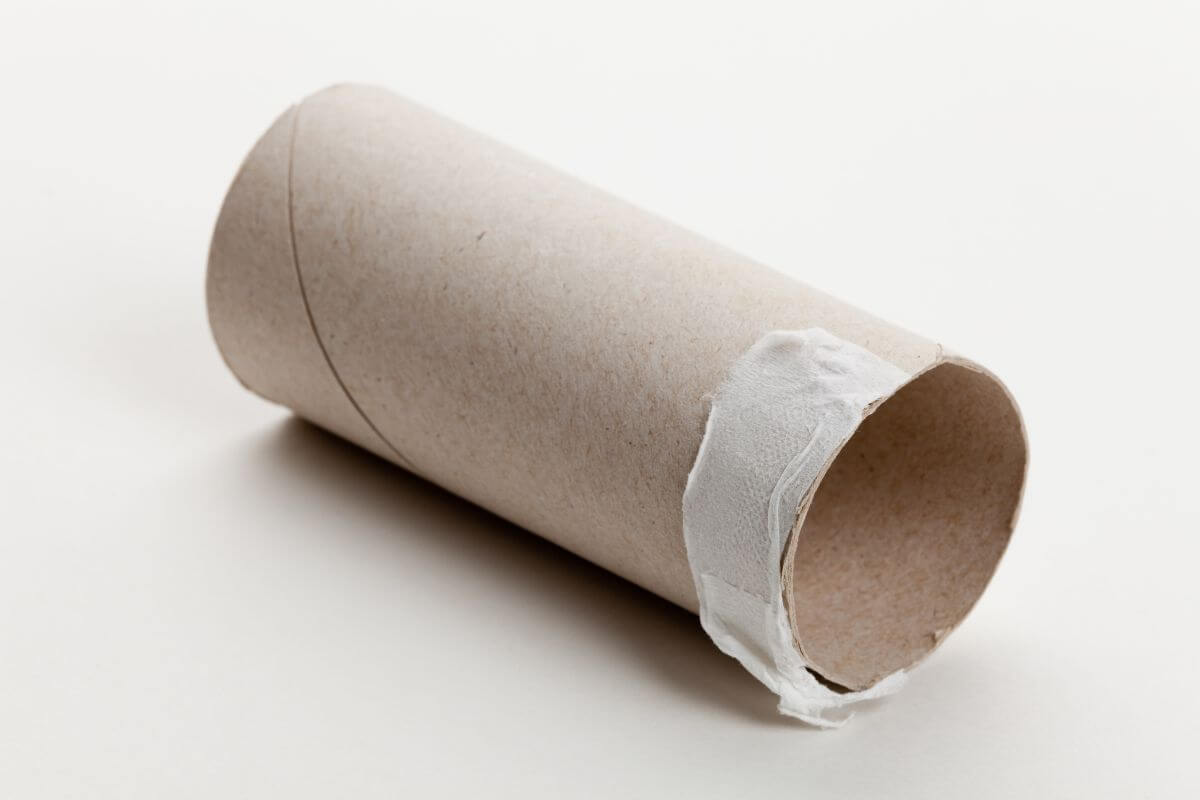
Since this is recycled paper, the cardboard may contain residual traces of ink or other contaminants from the original paper, despite the deinking and purification processes. The white rolls are made from deinked and bleached fibers, generally using chlorine-free processes (hydrogen peroxide, oxygen, or ozone).
The important thing to remember, however, is that none of the materials in these rolls are recognized as phytotoxic, even for young seedlings.
Cardboard or plastic?
Recycled cardboard often gives the impression of being more environmentally friendly than plastic, especially in horticulture. However, the reality is more nuanced.
A cardboard roll used as a seedling pot is single-use and short-lived, after which it decomposes or must be composted. Conversely, plastic pots, often poorly perceived, can have a better ecological footprint when reused for several years: their manufacturing impact is then amortized over many planting cycles.
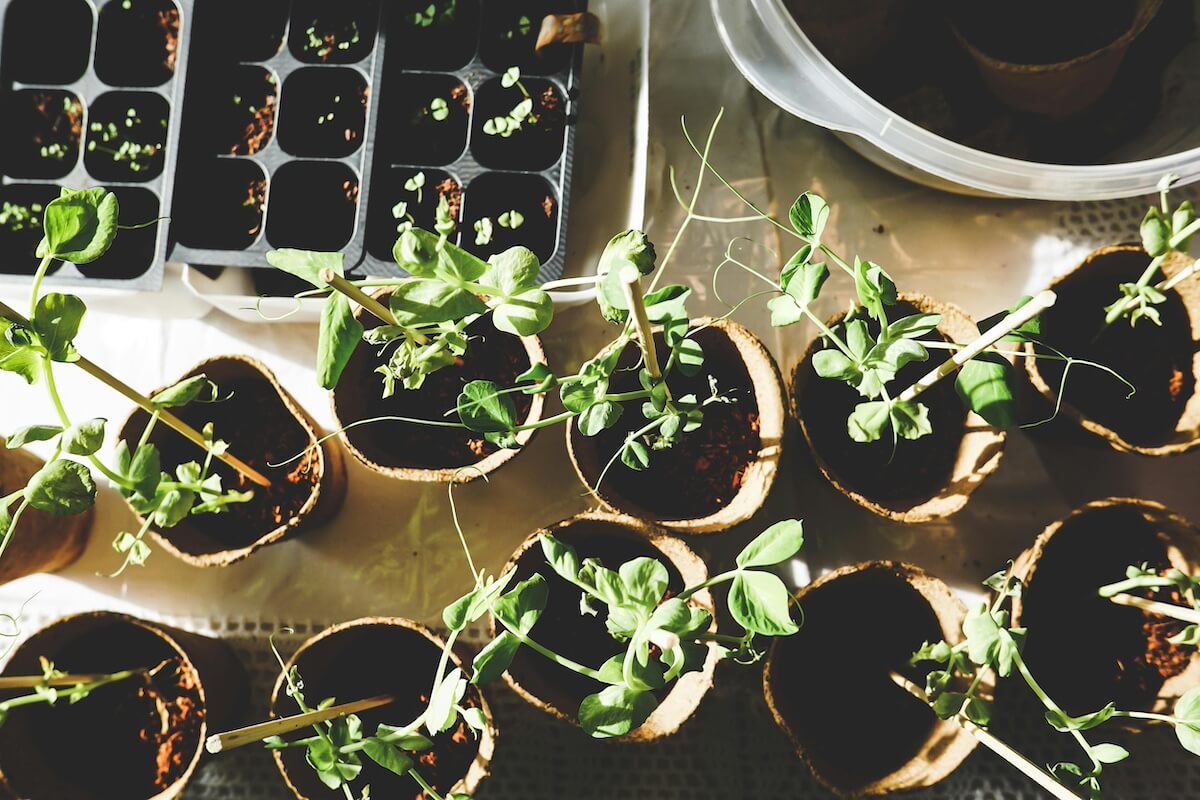
In addition, cardboard rolls are already highly valued by recycling industries, while horticultural plastic is more difficult to recycle and is best reused.
In practice, the most environmentally friendly option is not necessarily the “natural” material, but the one that can be used for the longest and most efficiently, without having to buy new containers.
Are they good seedling pots?
Now let’s examine their format, which differs from other seedling containers in that they are cylindrical and deep. This depth is poorly suited to root development: in these containers, roots tend to grow downward rather than branch out.

The sides of the roll dry quickly, while the bottom, which often has no roots at the beginning, remains moist. This creates a twofold problem: drying out on the surface and excess water at the bottom, which can create conditions conducive to root asphyxia.
Their use is also limited in time, since they contain a smaller volume of soil compared to other pots. In this respect, they behave a bit like multi-cell trays: seedlings need to be repotted fairly quickly. When I used rolls in the past, I always cut them in half, which partially corrects these problems.
Is the composition suitable for indoor seedlings?
The rolls are made from recycled wood fibers and are designed to temporarily resist moisture, rather than decomposing quickly like pressed peat pots.
In cool spring conditions, they decompose slowly. Therefore, when transplanting, whether into a larger pot indoors or directly into the ground, it is generally best to remove the roll to allow the roots to develop freely. This largely invalidates the argument that rolls reduce transplant shock or are particularly suitable for seedlings with sensitive roots.
Mold: a possible side effect
Cardboard can also promote the growth of mold. In most cases, this is harmless to young seedlings. However, under certain conditions, problematic fungi can develop, particularly those responsible for damping-off.
It is important to note that cardboard is not the direct cause: rather, it is excessive watering and poor ventilation, the effects of which can be exacerbated by cardboard, that create these conditions.
When it can work and when to avoid it
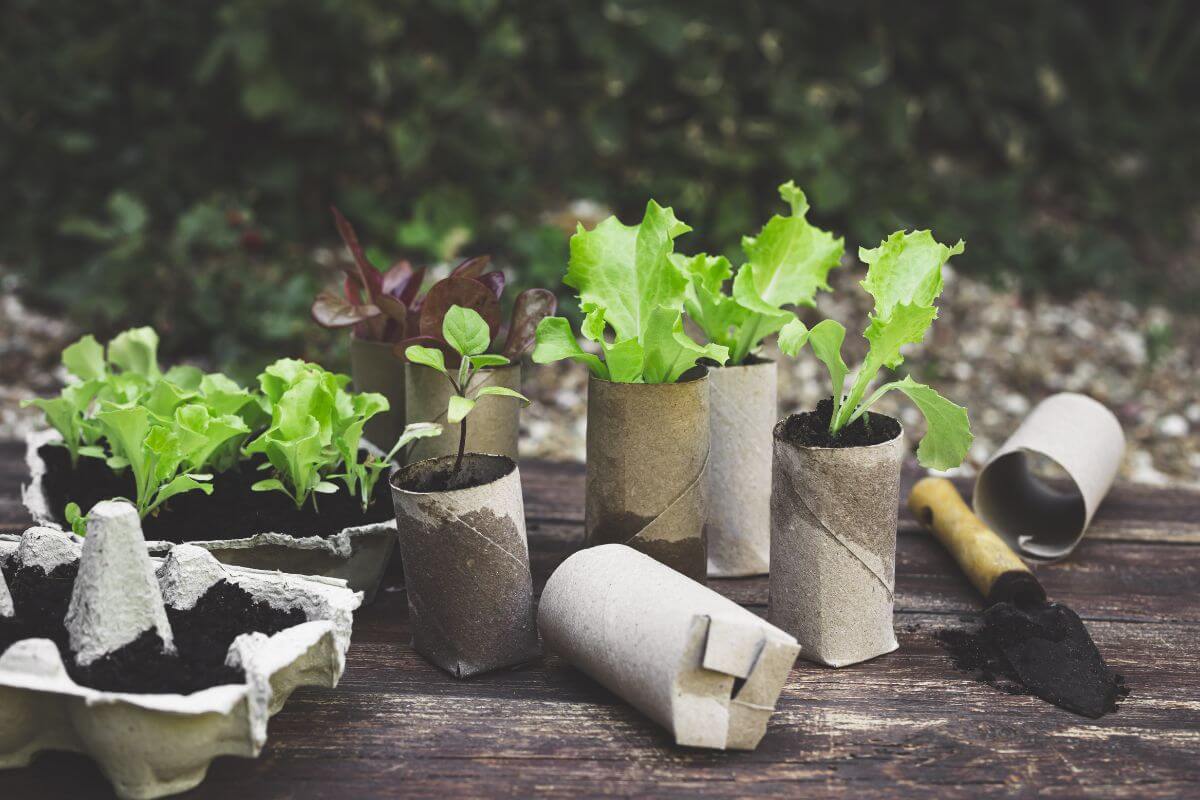
For my part, when I used toilet paper rolls for seedlings, I always cut them in half to avoid the disadvantages of a container that was too deep. I mainly used them for lettuce.
Lettuce grows quickly and is cold-resistant. I sow it indoors 2 to 4 weeks before transplanting it outdoors. In this context, the roll becomes a temporary container, used for a short period before the roots fill the container. When it’s time to transplant, I remove the cardboard. In this specific case, it’s a functional, quick, affordable, and acceptable container.
However, there are few advantages to sowing other plants in these small containers, especially when they are kept indoors for several weeks or even months and then transplanted into a larger container. Tomatoes and peppers will do much better in larger plastic pots.
For plants that are sensitive to transplanting, such as cucurbits or beans, the rolls are essentially useless, since they have to be removed, which disturbs the root system. There is no advantage here.
Personally, I usually sow in 3- or 4-inch pots, and the seedlings remain there until they are transplanted outdoors. This completely eliminates the need to transplant indoors.
For those who prefer, it is entirely possible to sow in a seed tray or recycled plastic container and then transplant later into a larger pot after germination. In these cases, cardboard rolls become essentially useless.
Soil blockers: an interesting alternative
Why use cardboard, or even peat pots, whose effectiveness is questionable for seedlings with sensitive roots, when you can simply avoid using pots altogether?
A soil blocker allows you to form small blocks of compressed potting soil that serve as containers for seedlings. You sow directly into these blocks, which hold together thanks to the cohesion of the potting soil and the development of the roots.

This method eliminates the need for cardboard and plastic, avoids disturbing sensitive roots, reduces transplant shock, and provides excellent drainage and aeration. It also prevents root twisting, a common problem with traditional pots.
Soil blocker are available in different sizes, depending on the type of seedling and the length of cultivation. They are particularly suitable for seedlings that are transplanted quickly, such as lettuce, cabbage, herbs, and many annual flowers. In these cases, cardboard simply becomes unnecessary.
It is a tool that you buy once and can use for years, even a lifetime.
In short, using toilet paper rolls as seed containers is not necessarily a bad idea, but it is not a good solution either. There are several more effective and consistent alternatives in the long term, but in specific and temporary contexts, they can be useful.
regardless what you say about plastics, do you really want to use plastics for your food crops?
best way is to use terracotta seedling pots.
Thank you so much for alerting us to the use and benefits of soil blockers! First time I’ve become aware of them.