
Many gardeners have a love-hate relationship with peperomias ! On one hand, they consider them extremely easy to grow. But on the other hand, they accumulate funeral services and swear they’ll never let a peperomia into the house again!
With nearly 1,500 different species, it’s quite understandable that peperomias thrive in a wide variety of habitats and, logically, that some are better suited to houseplant life than others. Indeed, some peperomias have waxy, yet supple leaves and prefer warm, humid environments. At the other end of the spectrum, there are peperomias with thick, leathery leaves. These are more drought-tolerant, and it’s in this group that we’ll find our 8 varieties specially adapted for a long life in the home of a laidback gardener.
To cultivate peperomias
All the peperomias presented here require essentially the same care. In terms of light, these plants like plenty of light, but not direct sunlight. Therefore, all windows, except those facing due south, are suitable. If a peperomia is placed on a south-facing window, simply keep it a little further away.
When it comes to watering, their thick, leathery leaves tell us to let the soil dry out on the surface before watering again. Watering requirements is what drawsvthe line between easy-to-grow peperomias and those that are not. For example, the magnificent Peperomia caperata, so beautiful and so popular, will not forgive prolonged neglect. The plant will quickly wither and never recover.
Regarding temperature, peperomias thrive at normal room temperatures, between 20 and 24°C. They should be placed away from drafts and heating vents.
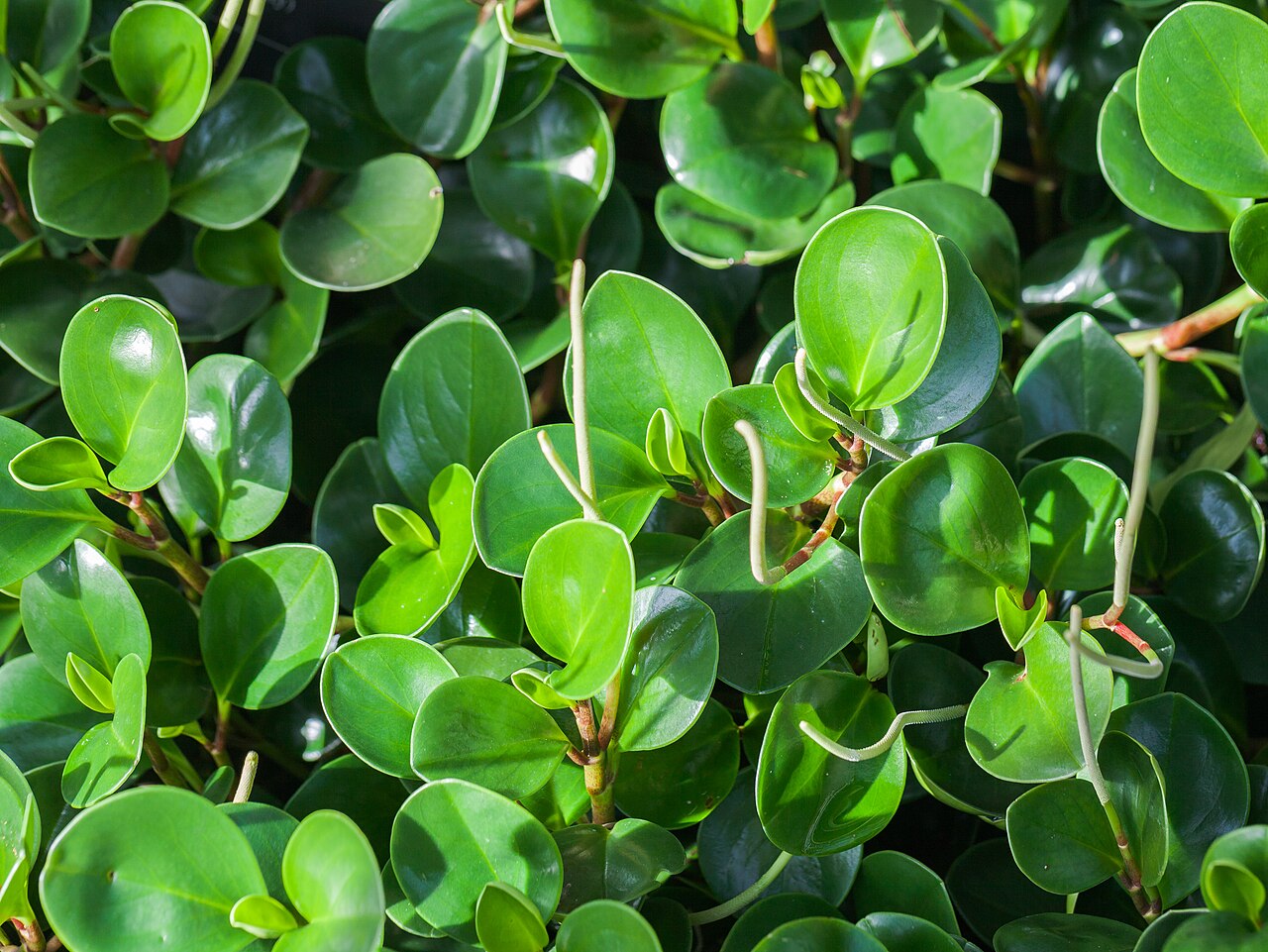
1. Baby rubber plant (Peperomia obtusifolia)
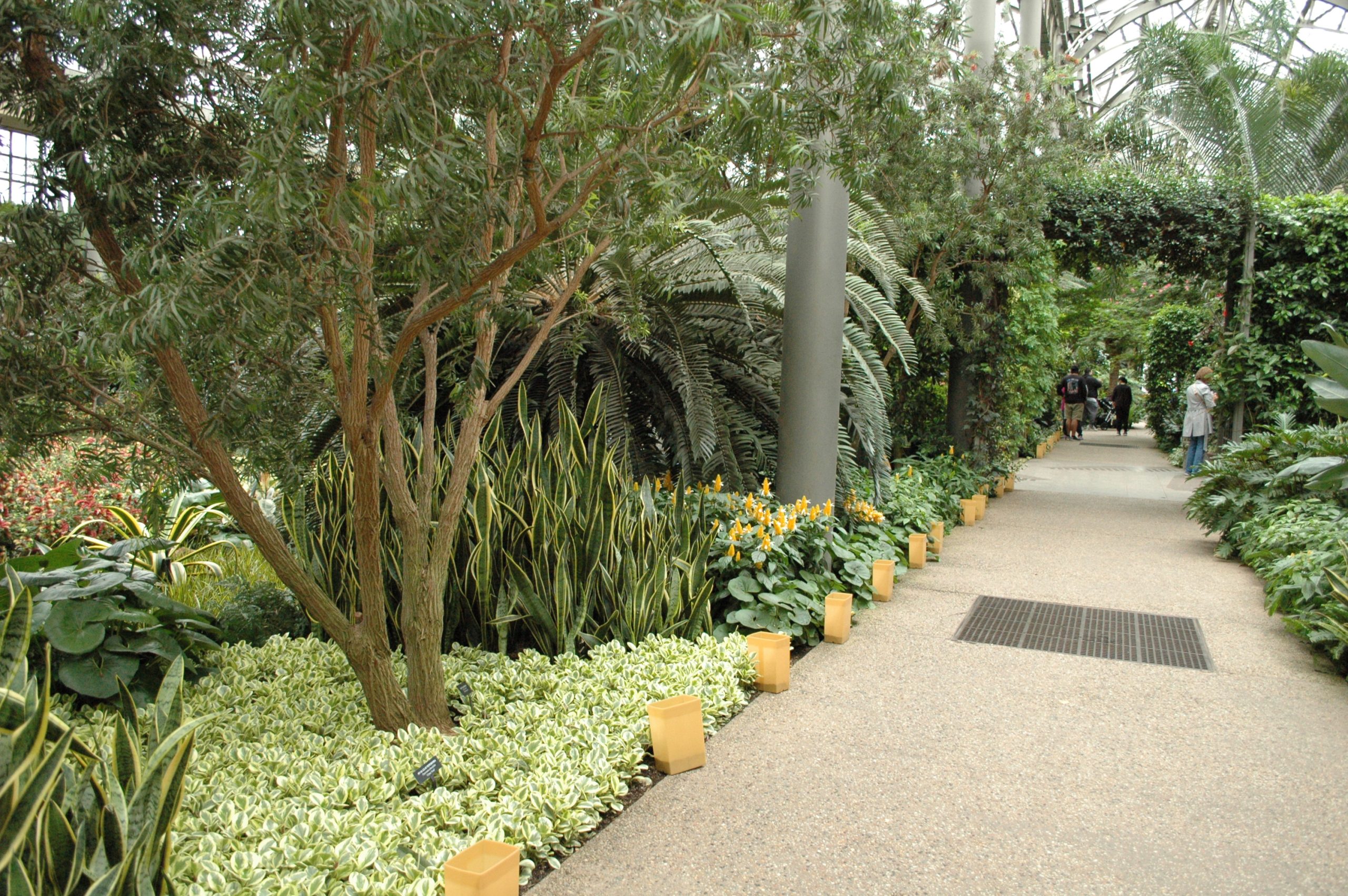
This pretty plant with its thick, dark green foliage is often mistaken for a jade plant (Crassula ovata). If in doubt, remember that crassula leaves are opposite, meaning they are arranged in pairs, one opposite the other. On the contrary, this peperomia has alternate leaves. If there were only one peperomia plant to recommend to even the most inexperienced gardener, it would be this one. The only way to kill it is to overwater it!
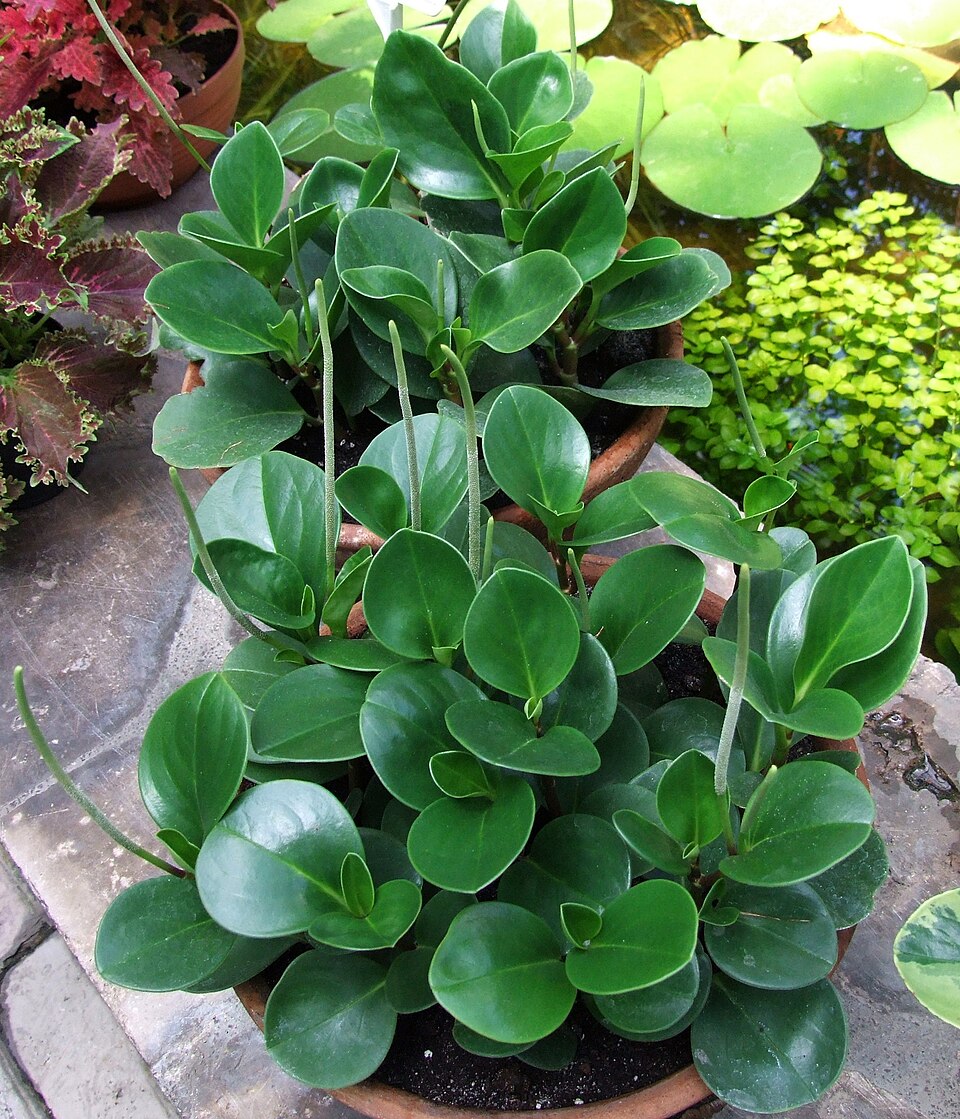
2. Peperomia ‘Citrus Twist’ (Peperomia obtusifolia ‘Citrus Twist’)
This is the variegated form of the previous one. This plant is just as easy to grow, with the added bonus of beautiful foliage. ‘Citrus Twist’ is not the only cultivar of P. obtusifolia. with variegated foliage. You will also find P. ‘Variegata’, P. ‘Marble’ and P. ‘Lemon Lime’.
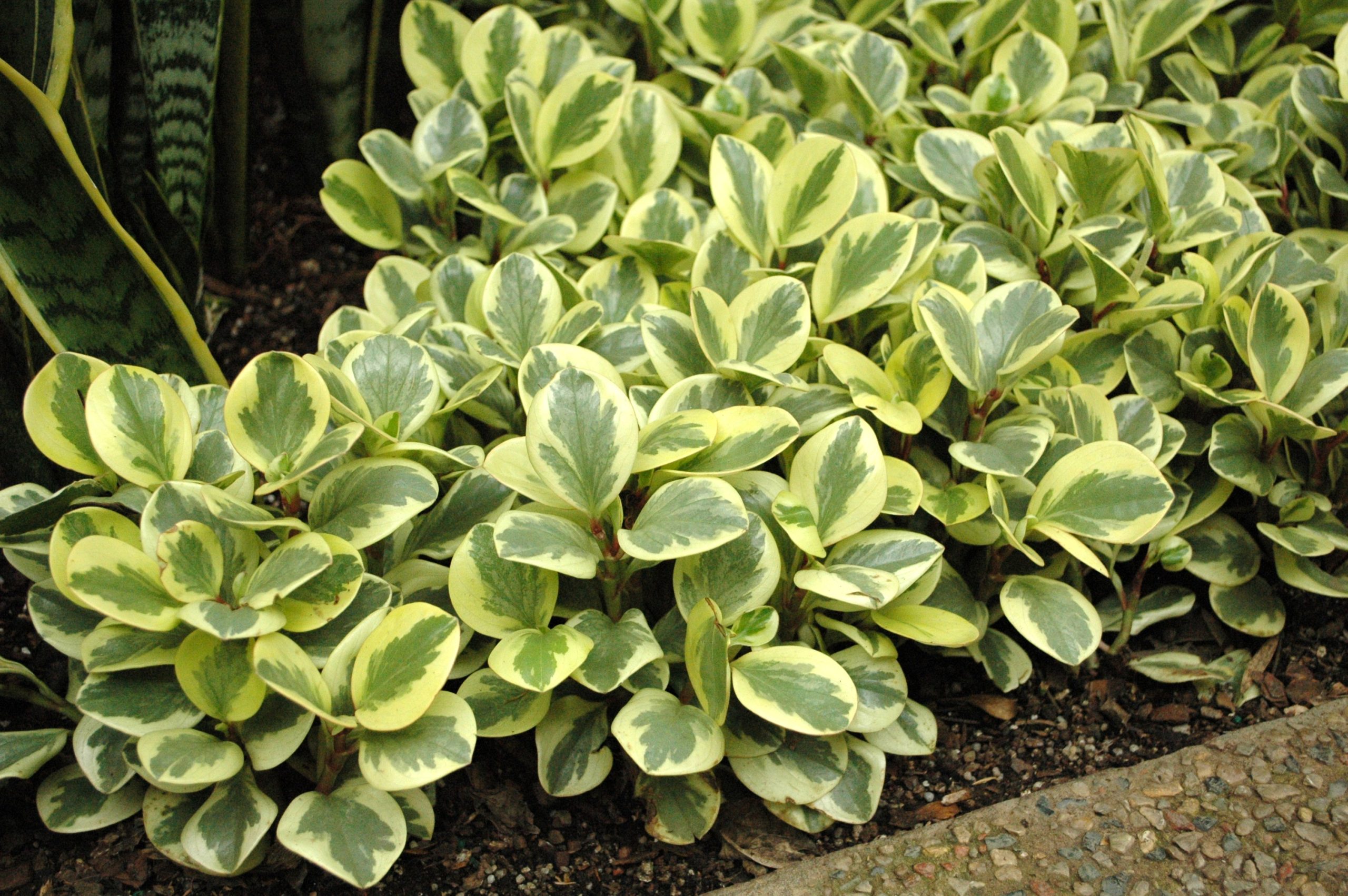
3. Watermelon Peperomia (Peperomia argyreia)
A quick glance at the leaves reveals why it’s often called the watermelon plant. The foliage color is unique. This stemless plant will develop a large rosette of leaves over time. Because its leaves are thinner than most of the peperomias presented here, it’s not as drought-tolerant. Water it as soon as the soil dries out on the surface. And above all, don’t neglect watering it for too long, as it won’t recover.
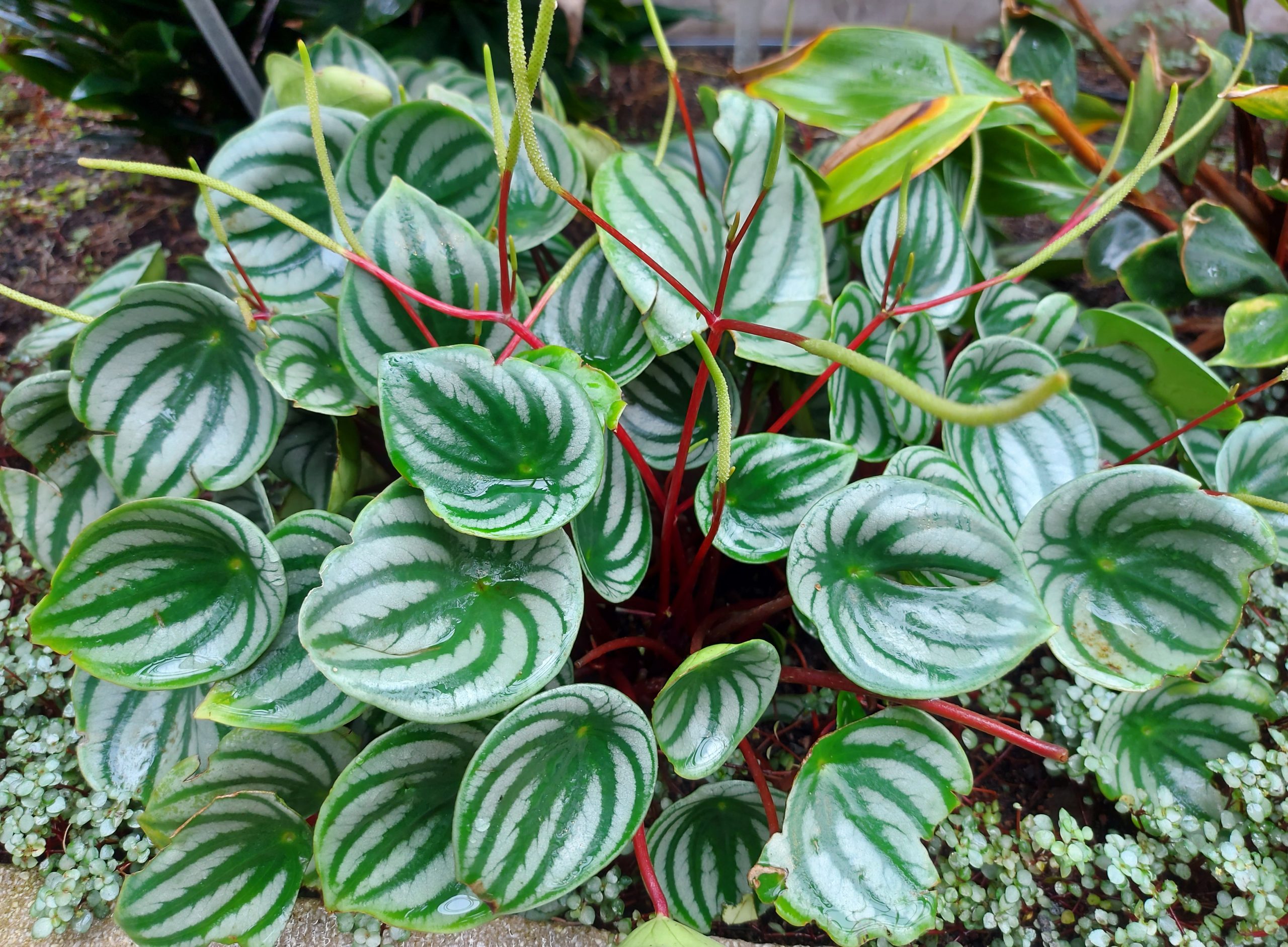
4. Peperomia ‘Ginny’ (Peperomia clusiifolia ‘Ginny’)
This is another very beautiful variety with tricolored foliage. The leaves are broader and slenderer than those of P. obtusifolia, but they are just as leathery. Despite the large leaves, the plant itself remains quite small, reaching a maximum height of about 45 cm. Also, the more light it receives, the more intense the pink will become.
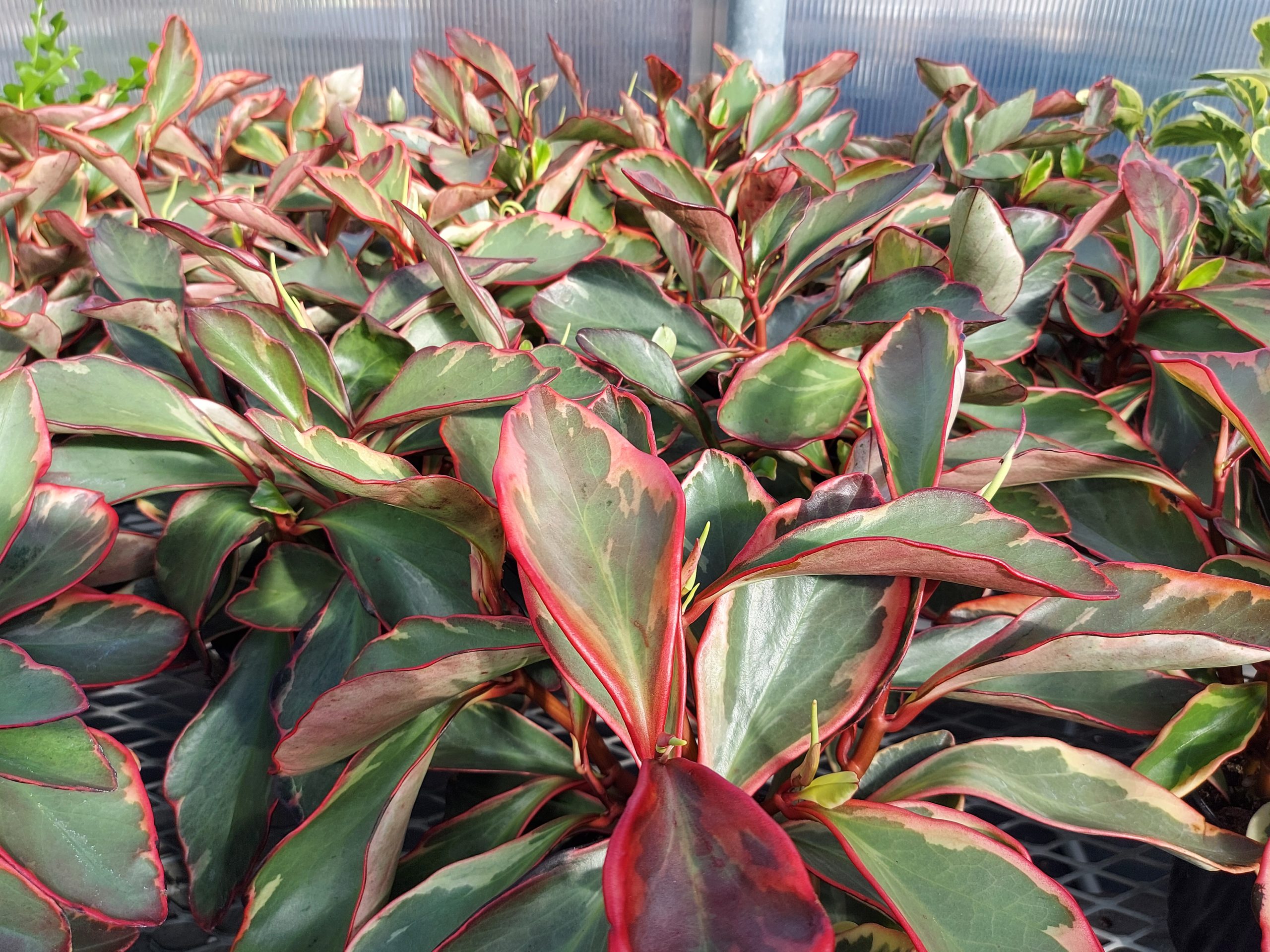
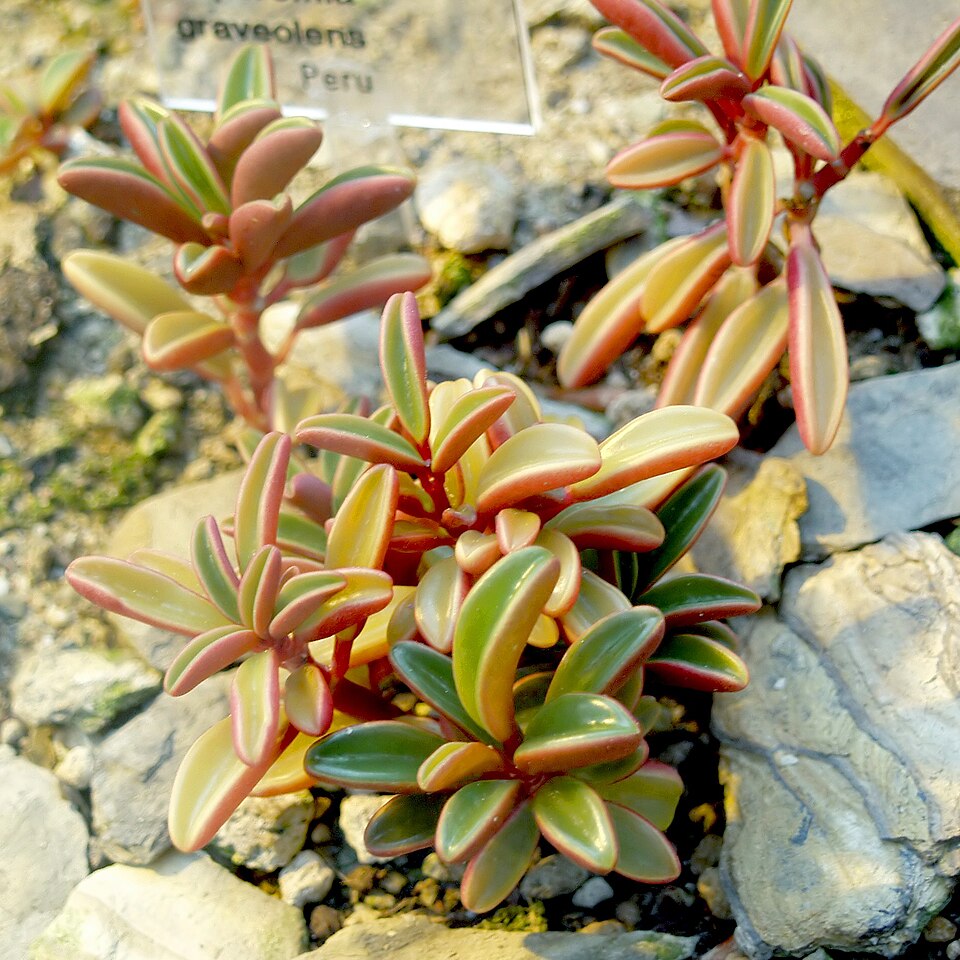
5. Peperomia ‘Ruby Glow’ (Peperomia graveolens)
Quite charming and unique, this peperomia is often found in assortments of small succulent plants at the garden center. The thick, folded leaves are green on top and bright red underneath. The stems are also a beautiful bright red. It’s a very interesting plant that will eventually reach about 30 cm in height. This plant is sensitive to overwatering (like most of the peperomias on this list, for that matter).
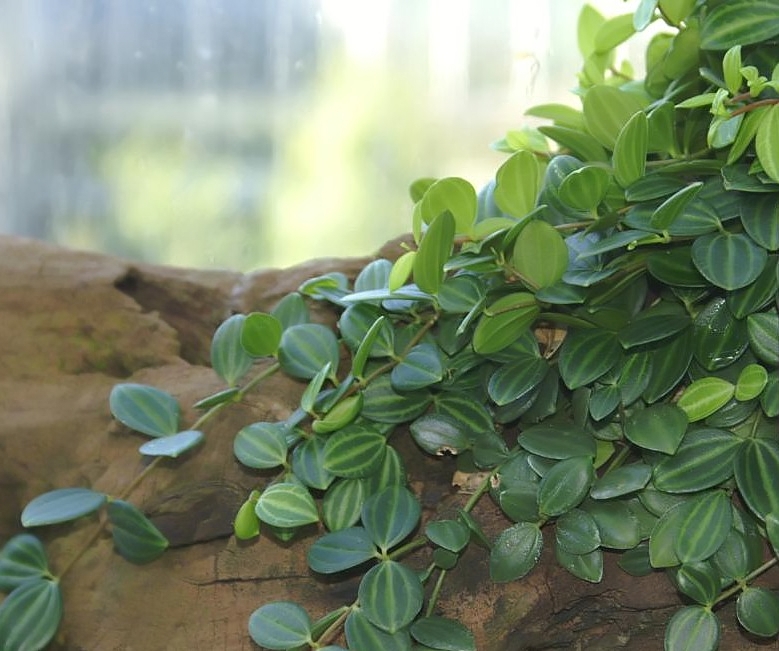
6. Beetle Peperomia (Peperomia angulata)
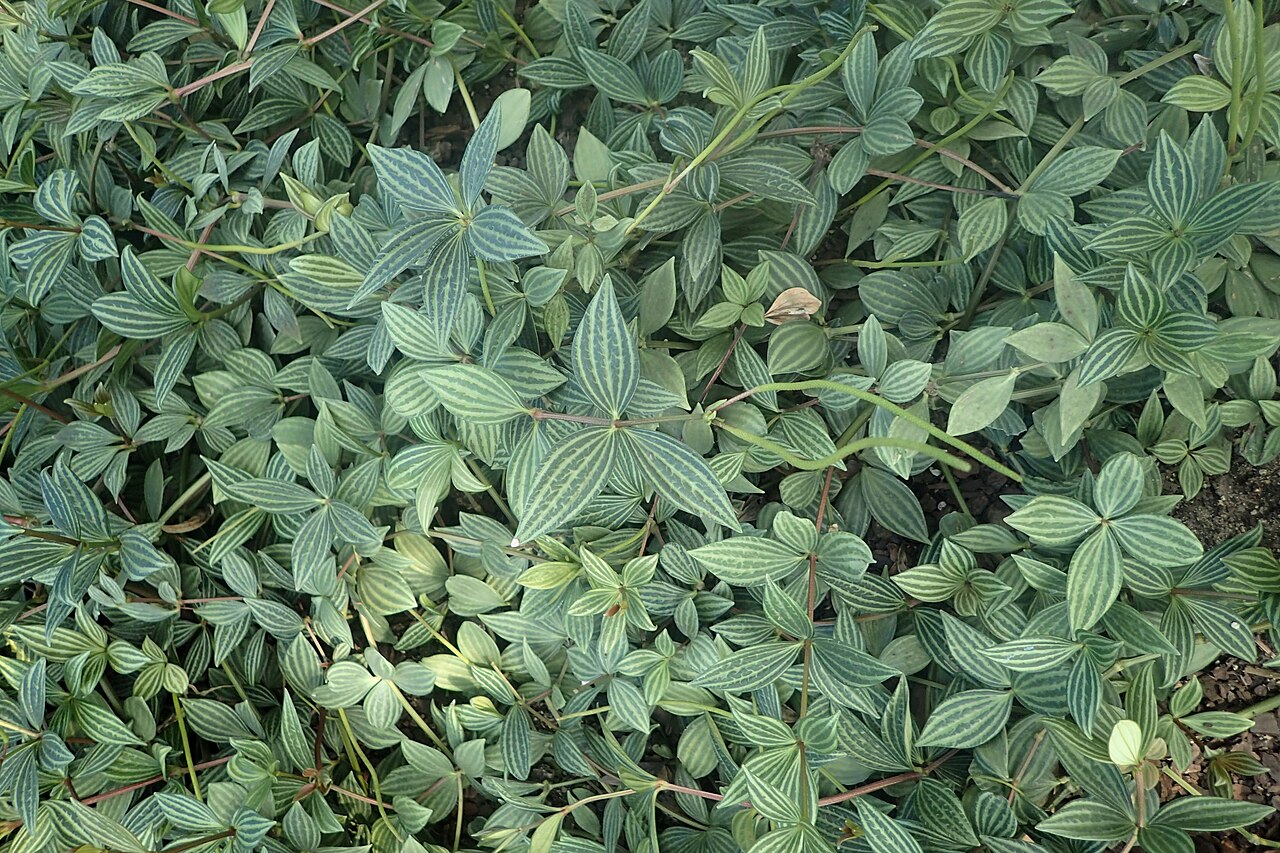
Even though its real name is Peperomia quadrangularis, it’s primarily sold under the name P. angulata. This particular variety has long, trailing stems. The leaves are strikingly beautiful, with their stripes paler than the rest of the foliage. From a distance, they could be mistaken for the leaves of certain lipstick plants. Those who prefer more compact plants, you can simply prune them to encourage branching. Furthermore, if placed in a less bright location, the plant will simply experience slower growth. Therefore, it would make a good companion plant for snake plants (Sansevieria sp.).
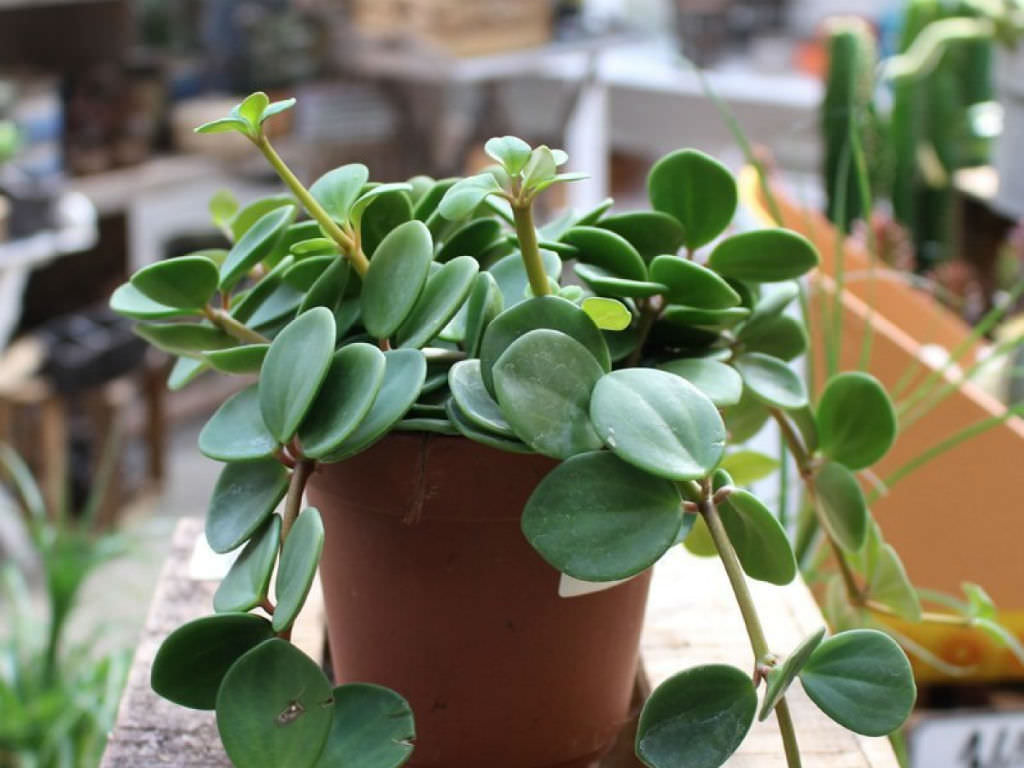
7. Peperomia ‘Hope’ (Peperomia ‘Hope’)
This peperomia has round, thick leaves that grow on rather creeping stems. Its slow growth makes it a good choice for a coffee table. It can also be grown in a small hanging planter.
8. Parallel Peperomia (Peperomia puteolata)
Also known as P. tetragona, this is a magnificent plant with cascading foliage and fairly rapid growth. Its foliage is somewhat similar to that of P. angulata. It’s not uncommon to see leaves arranged in whorls of three on this plant. The new shoots take on a bronze hue before turning green. This plant has good drought tolerance. It is also one of the peperomias that are suitable for growing in hanging baskets.
Of course, the list of easy-to-grow peperomias isn’t limited to these eight varieties. And if you’re lucky enough to have the right conditions to succeed with Peperomia caperata or P. polybortya, a vast universe of possibilities then opens up at your feet.
I’ve found baby rubber plant easy to grow and propagate. But watermelon peperomia defeats me. It grows like crazy but by the time the new leaves push through they are sliced and scalloped. Eventually, as the original leaves die, the plant is nothing but a bunch of new, disfigured leaves. Is there any way to prevent this?