
For a long time, with the rise of synthetic fertilizers and pesticides, agriculture, horticulture, and gardening were reduced to the sum of their parts. By focusing too much on plants’ “essential” mineral needs, we overlooked the entire soil ecosystem—the very system that makes those nutrients available to roots. In doing so, we weakened these essential organisms to the point where chemical inputs became necessary: a crutch for depleted soils.
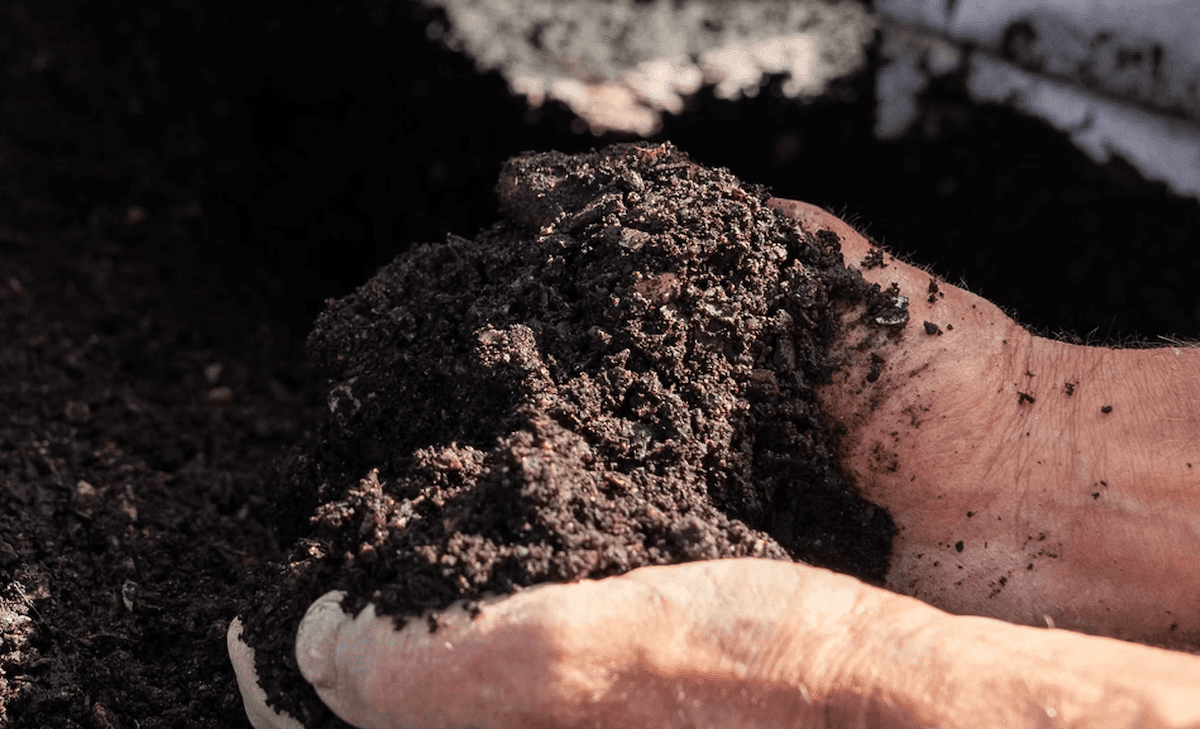
We now understand that soil life—bacteria, fungi, and countless other organisms, from the smallest to the largest—lives in symbiosis with plants, and that it is this living network that makes soil fertile and plants healthy.
We are shifting from a chemical mindset back to a biological one.
As David Hamel, co-founder and co-owner of Bio Nord, puts it: “I’m no longer doing chemistry—I’m trying to keep a world alive.”
I spoke with him about his journey, the founding of his company, and the fertilizers and composts he produces from marine and forest industry by-products from Quebec’s Haute-Côte-Nord. More importantly, we discussed soil biology and its essential role in the success of our gardens and farms.
Background
Born in Quebec City and raised in Montérégie, surrounded by farmland, David has always been a gardener. It was during weekends spent on his grandfather’s farm that he was first introduced to agriculture, composting, and the reuse of organic materials—especially manure, which was composted and returned to the fields.
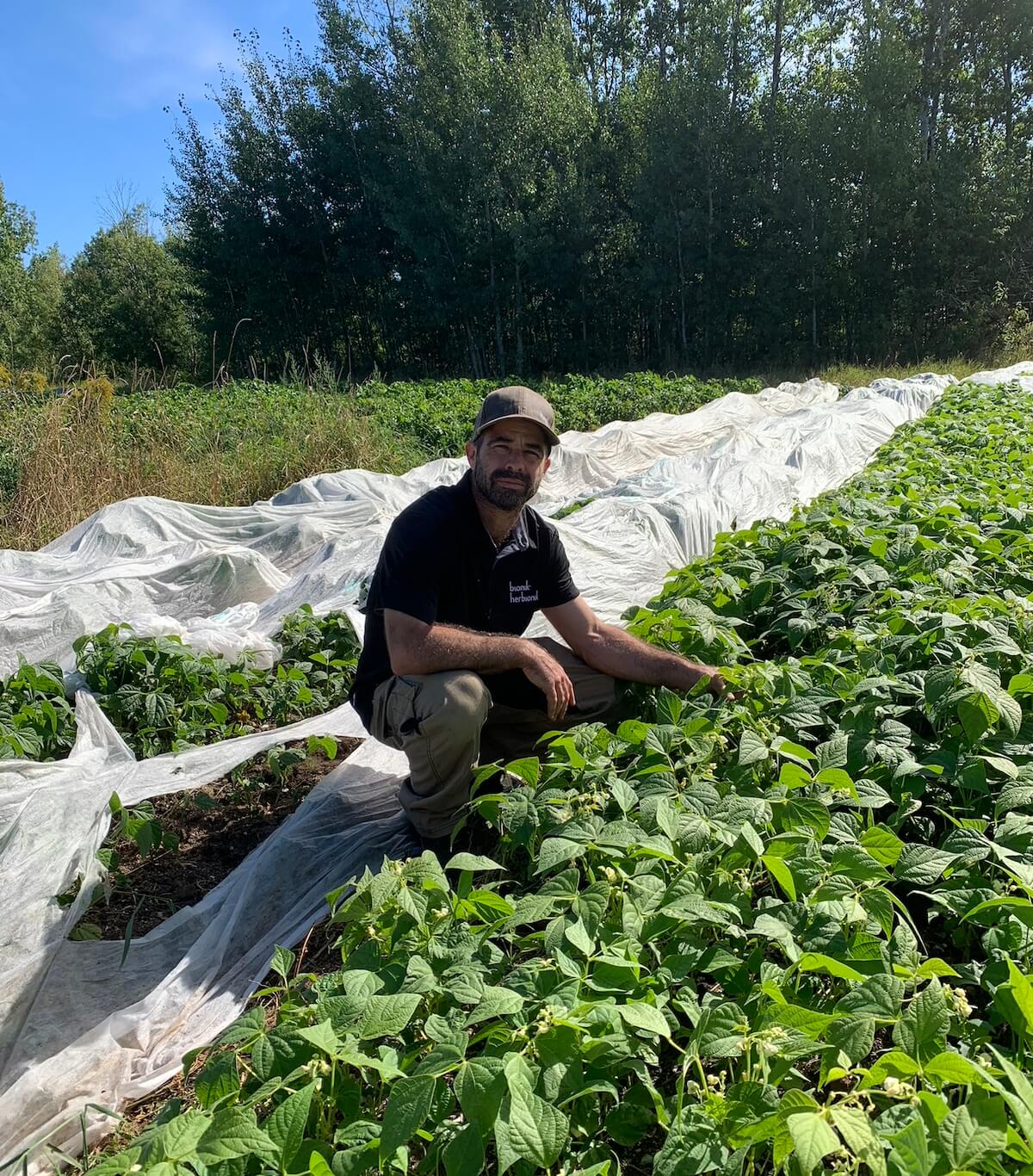
Later, he took a detour before returning to agriculture. Studies in international business and sociology, though seemingly unrelated, helped shape his worldview. In particular, he came to understand the importance of food autonomy for communities that are often dependent on globalized systems. This realization led him to contribute to strengthening local production and regional resilience.
While studying, he worked on setting up gardens for community organizations. That’s when a friend sparked his curiosity: “His grandmother used to plant with capelin fish, then cover it with seaweed,” David recalls. The results were impressive. Intrigued, he decided to explore the idea further by pursuing training in agriculture.
At the same time, David and his partners began exploring Quebec’s North Shore, taking short trips to observe available resources—particularly residual materials from local industries. Gradually, an idea took shape: developing fertilizers from these marine and forest resources. After completing his training, they turned this vision into reality by creating a business plan.
Transforming marine waste
Bio Nord produces certified organic fertilizers and composts from marine and forest industry by-products from the Haute-Côte-Nord region. During the fishing season, trucks filled with crab shells, fish, and other marine residues arrive directly from several local processing plants—one of the key reasons the company is based in Forestville. In the past, these materials were simply sent to landfills. Today, they are quickly cleaned, dehydrated, ground, and transformed into powders used to manufacture fertilizers.
These marine residues—especially crustacean shells—are naturally rich in calcium and nitrogen, but also in chitin, which David calls “bacteria’s steak,” a molecule that stimulates soil microbial life and helps plants defend themselves against certain pests. Other ingredients from the circular economy are added as well, such as feathers for slow-release nitrogen, and seaweed, rich in trace elements and natural compounds that support plant growth.
Feeding the soil
Unlike soluble fertilizers, all these elements must first be transformed by soil microorganisms before they can be absorbed by plants. In other words, they are not feeding the plant directly—they are feeding the soil, and that makes all the difference.
The residues not used in fertilizers are sent to the composting site, where they are mixed with carbon-rich materials, particularly by-products from the local forestry industry—giving value to yet another waste stream. The composting process is enhanced with the addition of earthworms, which accelerate decomposition and help produce a compost rich in beneficial microorganisms.
In fact, this is the compost I use in my own garden, because it’s the only one I know that is truly 100% compost and produced locally. Most other products are largely composed of sphagnum peat moss.
Products for gardeners and farmers
These products are not just for farmers—they are just as suitable for home gardeners.
I personally use Bionik fertilizers and compost—Bio Nord products distributed by Gloco—and the results in my container gardening have been surprising.

Even in an environment that is usually not very conducive to life, such as pots, I sometimes find earthworms. That’s a clear sign that the compost is improving conditions and making the environment more alive.
In the fall, I add a layer of leaf mulch to my containers. By the following fall, almost nothing remains. This indicates that the potting mix contains enough microbial life to break down that organic matter within a single season—something I had never observed before.
David himself uses these products in his gardens and greenhouse.
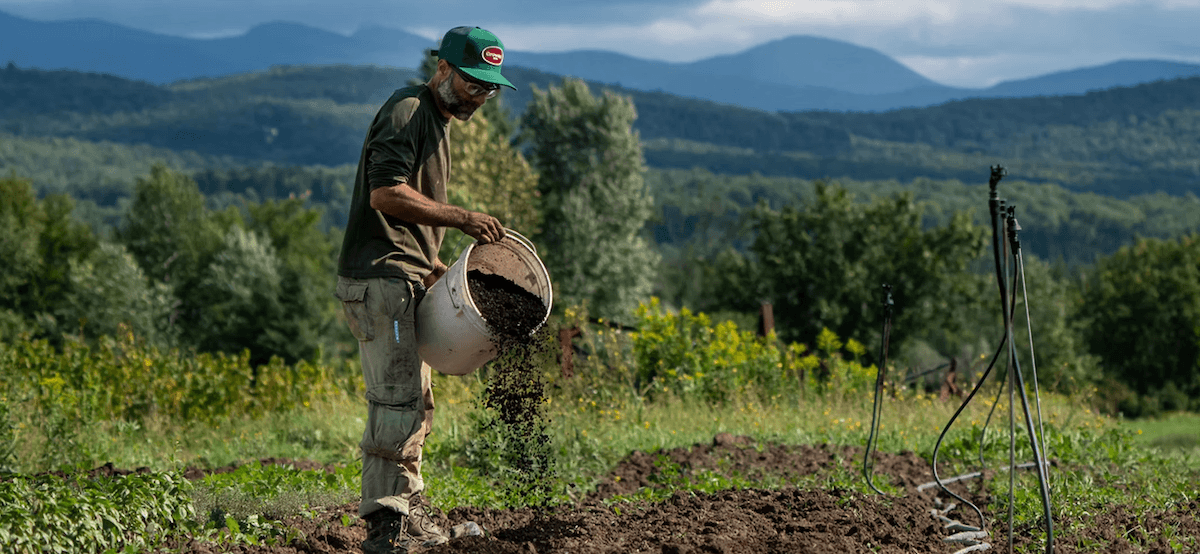
His method is simple: a small amount of fertilizer at the seedling stage to get things started, a layer of compost on the surface at planting time—without even mixing it in—followed by leaf mulch and a light application of fertilizer. No soil tilling required.
To explain his fertilization approach, he uses a powerful analogy: fertilizer is like birch bark used to start a fire. It helps ignite things quickly and stimulates microbial life, especially in cold climates like ours, where the growing season is short. But once the fire is going, it’s the larger logs—the organic matter from compost and mulch—that take over and keep the system running.
Closing the Loop
David regularly visits farms that use his products. He goes not only for deliveries, but also to observe practices, exchange ideas, and share successes among growers. This close connection to the field allows him to continuously improve his products.
He also hopes to grow his business by automating certain processes, modernizing equipment, electrifying operations, and adding a dome to better control compost production.
In Forestville, visitors can stop by his shop, where they’ll find seedlings, fertilizers, and vegetables he grows for his community. Occasionally—especially in winter—you might even get to taste wood-fired pizzas prepared by his partner, made with greenhouse-grown tomatoes.
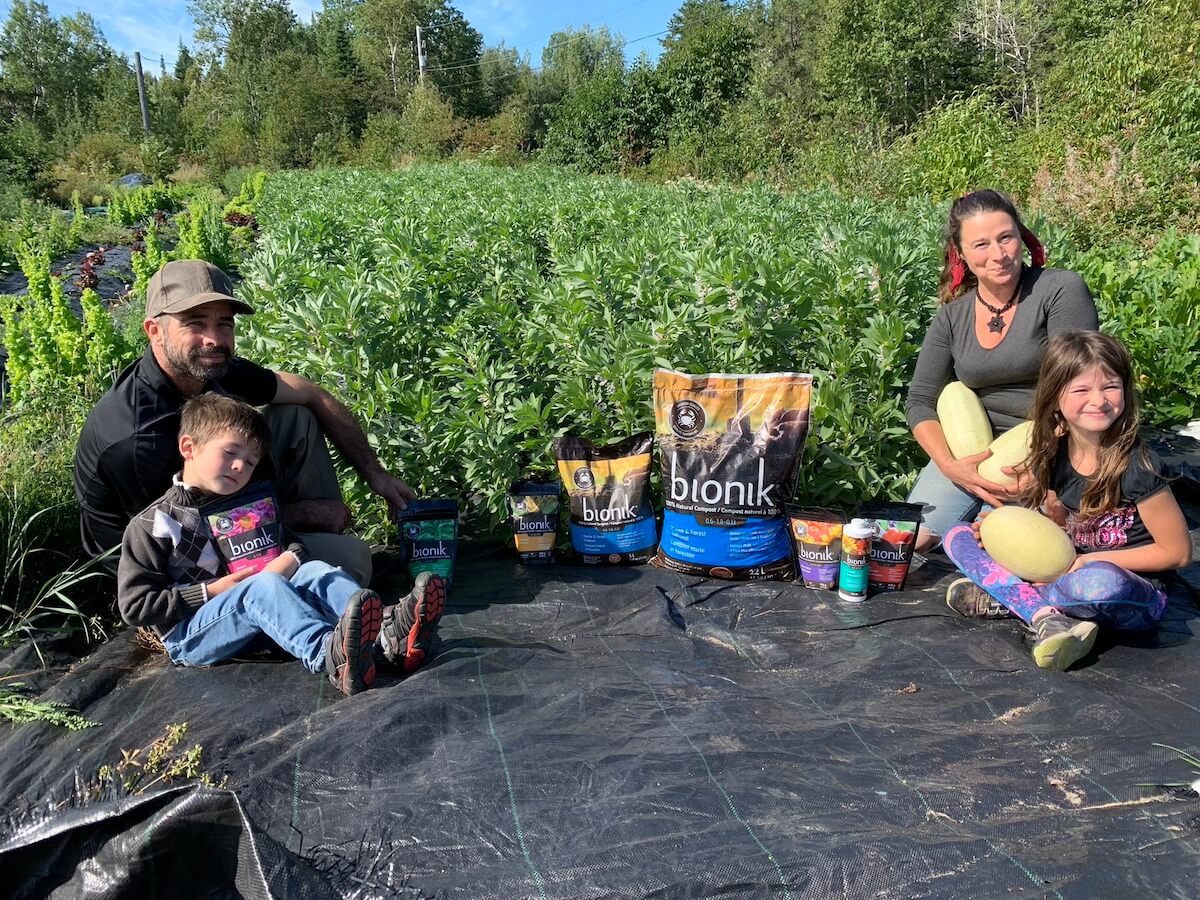
Beyond all this, family remains central to his life. Just as his grandfather did for him, David is now passing on a love of the land and cultivation to his own children.
In many ways, he is closing the loop—between sea and land, between producers, and between generations.
So how do plants grow and produce so well in soiless conditions as in hydrophonics?
Very interesting post. Thank you.