
For some time now, I’ve been talking about protecting biodiversity. But how does that fit into your gardening habits?
Picture yourself in your backyard, both hands in your flower beds, planting your favorite flowers. You take delight in seeing them grow and bloom—you give them your attention. Admiring them and doing everything you can to help them thrive is the beginning of a special relationship. You cherish them; you become their caretaker. You know their names.
It’s the same with the birds in your garden. “Your” birds become meaningful to you. That’s where a sense of closeness begins, along with admiration—it’s the start of a relationship rooted in protecting biodiversity.
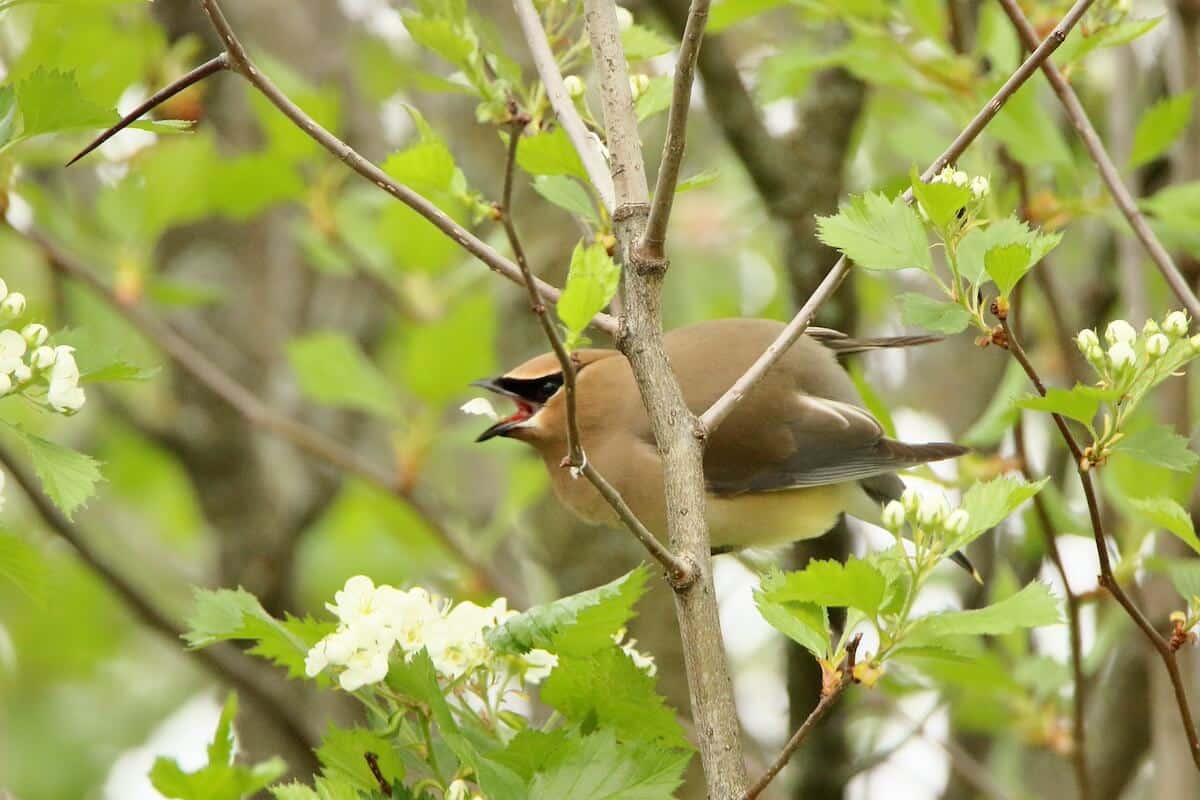
Just like with your flowers, you need resources to help you identify them: websites, books, and apps. I’ve put together a list to guide you, which you’re welcome to add to if you know of any others.
What You’ll Need
A good pair of binoculars
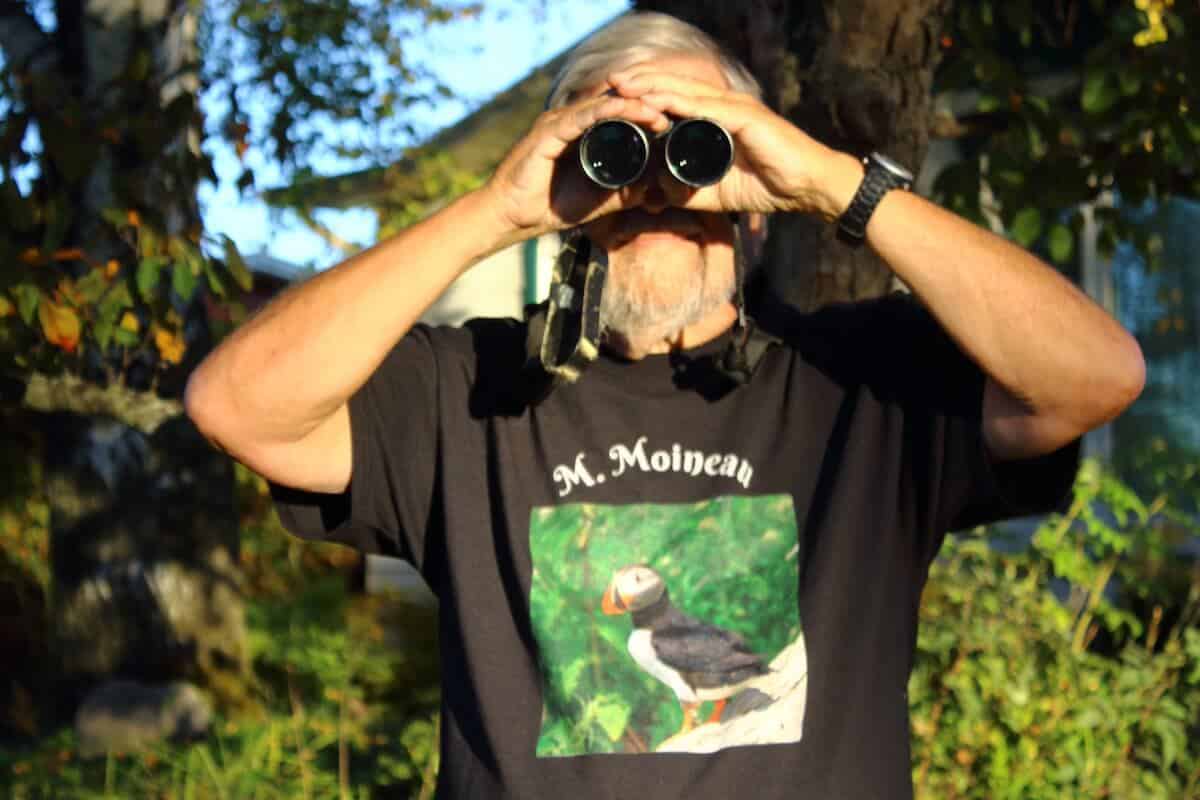
It’s your best tool. An investment that will accompany you everywhere in the field. It’s better to spend a little more than the bare minimum to ensure comfort, clear and precise vision, and a comfortable weight. Some websites offer reviews, and specialty birdwatching stores can help guide you. Is it important to note here that you should buy locally to support the local birdwatching community?
A notebook and a pencil
I cannot stress this point enough. The first mistake a beginner makes is to “definitely” identify a bird without first taking the time to note its details: colors, shape, size, etc. We’re so eager to know what kind of bird we’re dealing with that we jump to conclusions too quickly, and—boom!—the bird we’ve identified doesn’t quite match the one in the book…
A good identification guide
There are several excellent bird guides available across North America. Look for ones that include illustrations or photos, range maps, and clear descriptions.
Some widely recommended options include:
- The Sibley Guide to Birds (Eastern North America) – detailed illustrations and excellent for learning subtle differences
- Peterson Field Guide to Birds of Eastern and Central North America – a classic, easy to use in the field
- National Geographic Field Guide to the Birds of North America – very comprehensive, great all-around reference
Choose one adapted to your region and that feels intuitive to you—you’ll use it often.
Apps (available on iOS and Android)
Merlin, Cornell Lab of Ornithology
Without a doubt, one of the best tools available today. Merlin can identify birds from a photo or even from their song recorded on your phone.
You can select your region anywhere in North America (or beyond), browse photos, and keep track of your sightings. It’s incredibly powerful—and free.
Birds Song, Bird Song ID Canada Bird Song
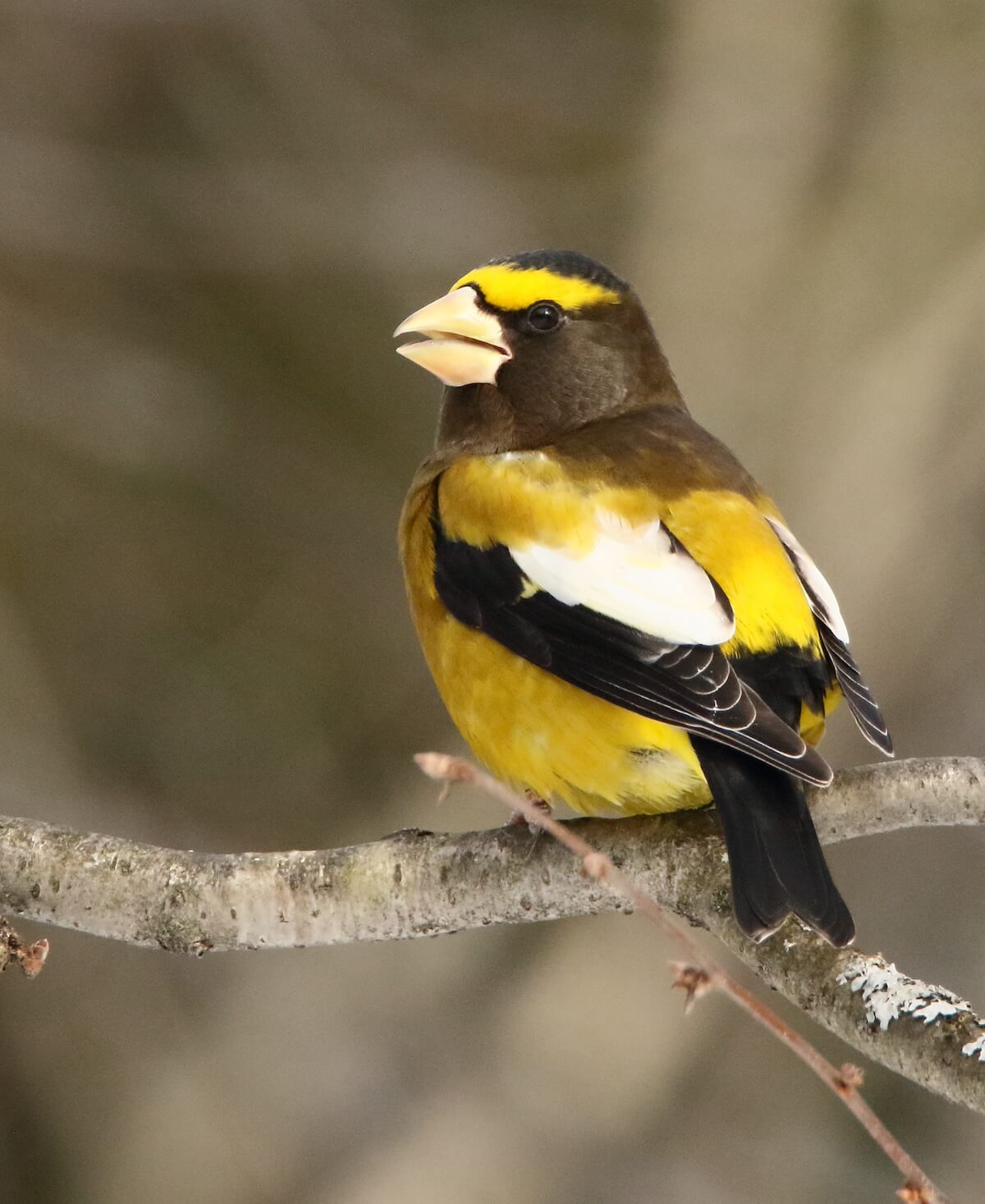
An app that you can download to your phone. Once the bird is identified, the photo appears on your screen.
Audubon
This organization is the cornerstone of ornithology worldwide. Their app is excellent! Over time, you’ll develop the ability and habit of memorizing the names of birds.
Websites
For learning and contributing
- eBird (Cornell Lab of Ornithology) – log your sightings and see what others are observing nearby
- All About Birds (Cornell Lab) – an outstanding resource for identification, behavior, and habitat information
These platforms are widely used across North America and connect you to a larger community of bird enthusiasts and researchers.
For deeper dives
If you want to go further, there are many regional birding organizations, nature clubs, and online resources offering identification guides, checklists, and seasonal observations. Whether you’re just starting out or already experienced, there’s always more to discover.
A hobby that grows on you
Birding resources across North America are incredibly rich and accessible. Whether you’re a beginner or more advanced, it’s very likely you’ll catch the “birding bug”—and this time, it won’t be from a wasp buzzing around your roses.
And just like with your plants, the more you observe, the more you care.
Thanks Robert, you have provided me with a lot of very useful info.