
There is increasing talk of the “intelligence” of plants. The term may seem jarring at times, but it reflects a fascinating reality: plants perceive, react to, and adapt to their environment with remarkable subtlety. They “see” light to orient themselves, “hear” the vibrations of water, and “taste” the richness of the soil.
Trees, for their part, communicate with one another. Through fungal networks, they exchange resources and information. They can also emit warning signals in the form of volatile compounds when they are under attack. Some studies even suggest that they distinguish their relatives from foreign neighbors via the fungal network.

For millions of years, plants have developed remarkably ingenious strategies to survive without being able to move. The Venus flytrap “counts” the number and frequency of stimuli before snapping its trap shut. The maple disperses its seeds using propeller-shaped samaras capable of traveling long distances, while the black walnut releases substances that inhibit the growth of its neighbors. Even more spectacularly, the wintergreen generates heat to melt the snow and bloom before others. Others even memorize the duration of cold or dry spells to adjust their seasonal development—a phenomenon essential for flowering.
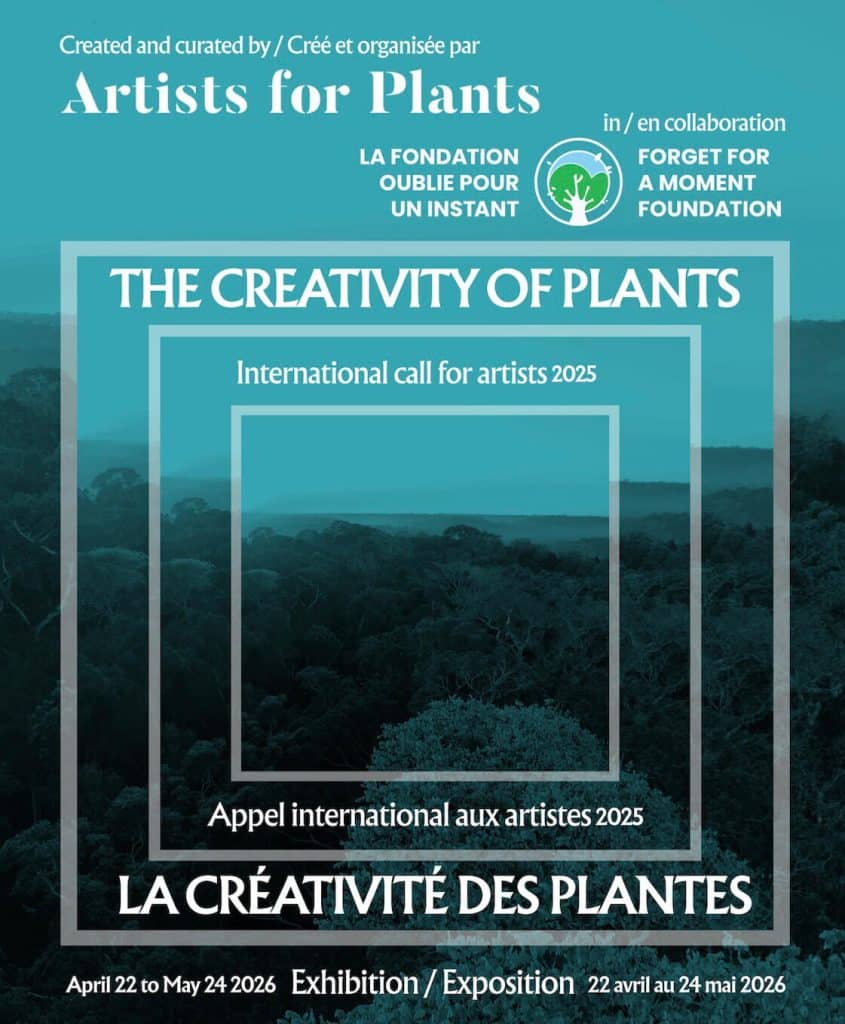
It is precisely this ingenuity—this ability to devise solutions for survival—that lies at the heart of the exhibition The Creativity of Plants, presented by the Forget for a Moment Foundation at the Ottawa Art Gallery.
Plant protection becomes our responsibility
For to defend themselves against herbivores, disease, or stress, plants produce a multitude of chemical compounds—antioxidants, antimicrobials, anti-inflammatories—that protect them. These are the very same molecules found today in many medicinal plants. In other words, what the plant produces to survive becomes, for us, a way to live better.
Beyond their medicinal properties, plants also play a key role in our psychological well-being. Studies show that therapeutic horticulture reduces stress and anxiety while strengthening social bonds, particularly among people living in institutions.
An exhibition that brings art, plants, and health together
From April 22 to May 24, 2026, the digital exhibition resulting from Artists for Plants’ 2025 International Call for Artists will explore these invisible connections. Thirty-one artists from 21 countries showcase nature’s ability to soothe and heal us, beyond its vital role.
“The Creativity of Plants celebrates the plant world’s power of adaptation and healing—a power we are committed to bringing into care settings to enrich the lives of those who reside there,” emphasizes Michel Gauthier, Executive Director of the Forget for a Moment Foundation.
To mark the opening of the exhibition The Creativity of Plants, the Forget for a Moment Foundation is launching a fundraising campaign with a goal of $20,000. The funds raised will be used to finance its Blooming Moments program and to continue donating Healthcare Planters to healthcare and long-term care facilities.
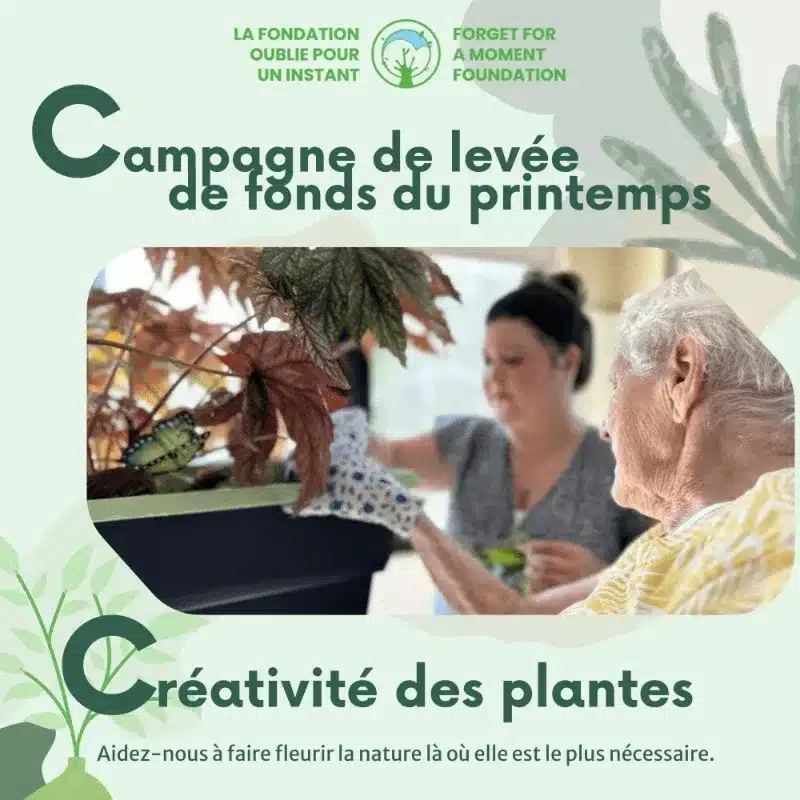
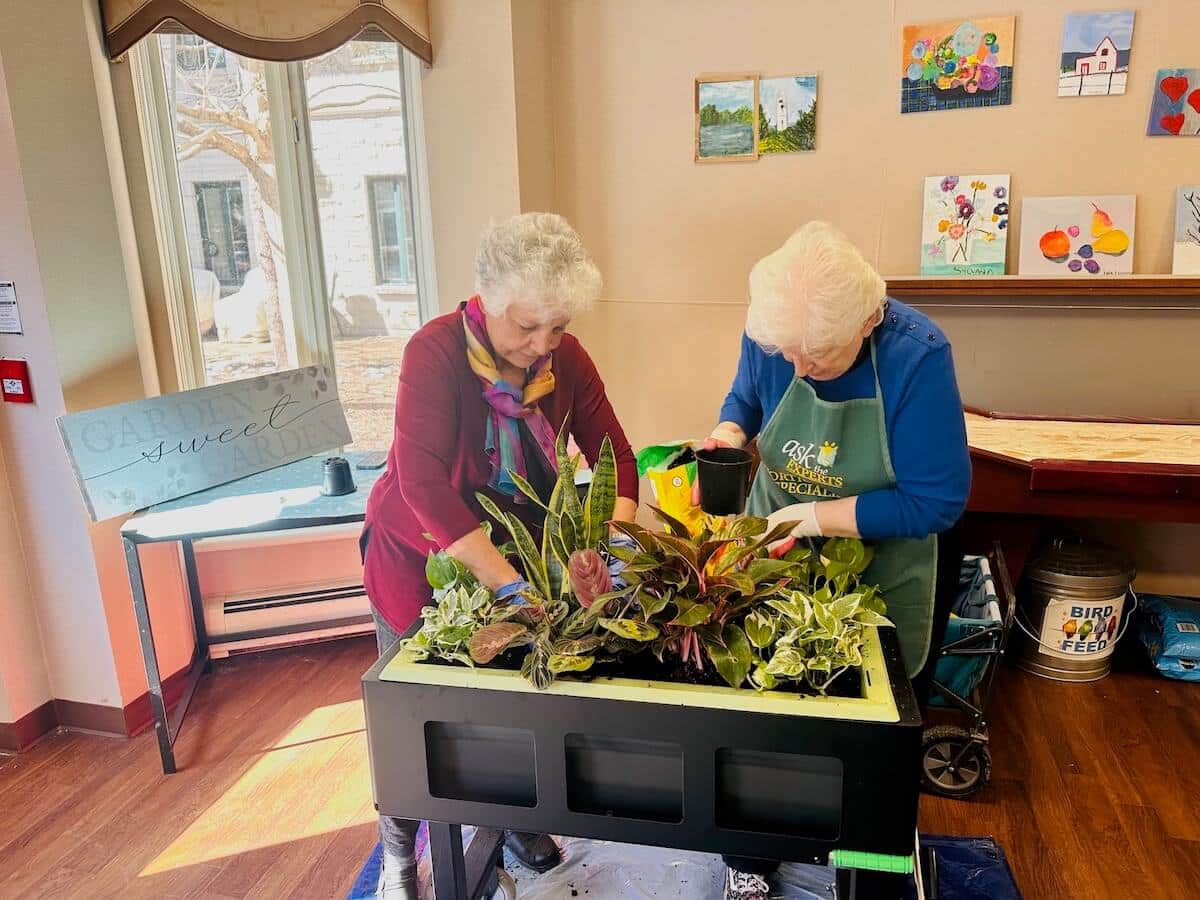
The Blooming Moments program offers a five-week indoor gardening experience for residents of care facilities. Led by horticulturists, master gardeners, or horticultural therapists, these guided sessions aim to reconnect participants with nature, stimulate their senses, and promote their overall well-being.
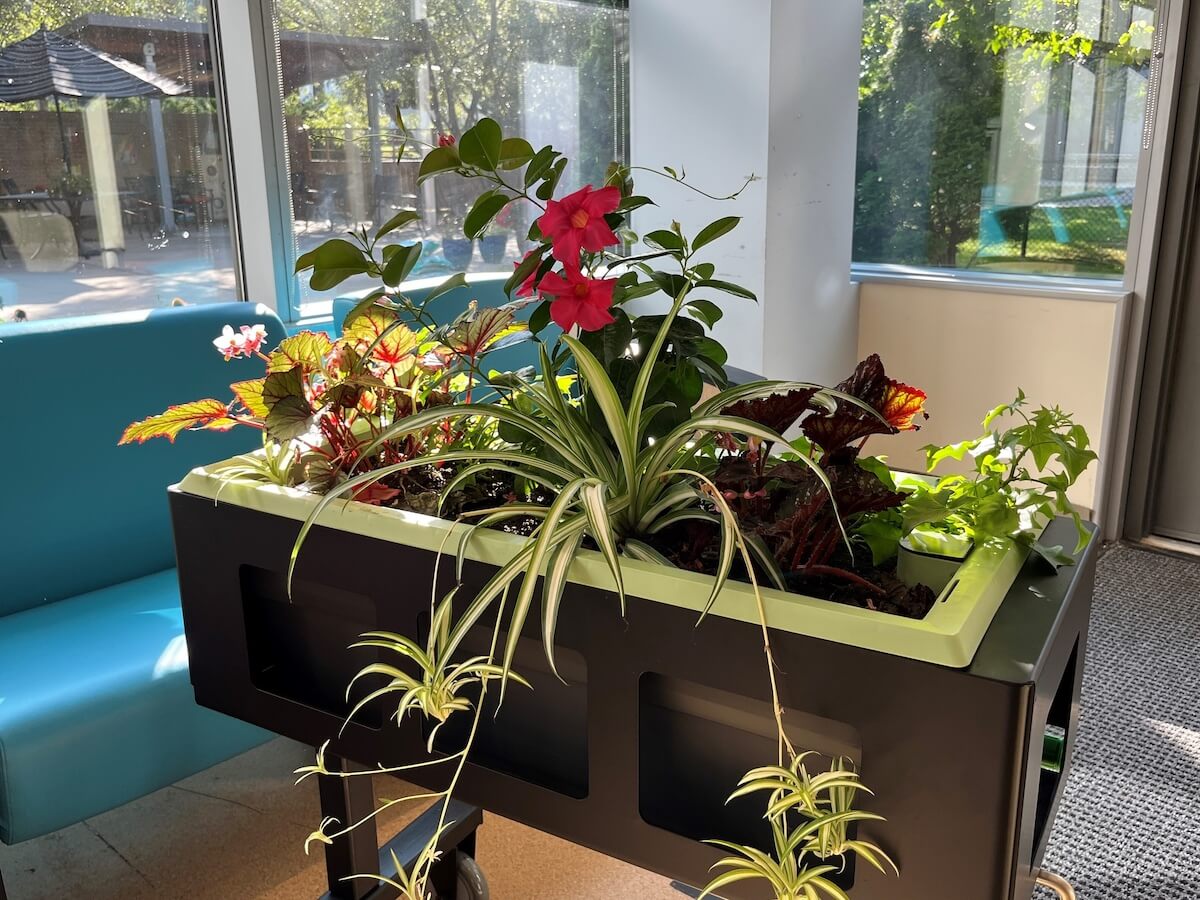
Healthcare Planters are mobile, adjustable planters designed to bring the benefits of plants to those who no longer have access to a garden. They allow people with limited mobility to garden indoors, creating a soothing atmosphere that promotes relaxation and therapeutic engagement.
Supporting nature in healthcare settings
More broadly, the Forget for a Moment Foundation is dedicated to bringing nature into healthcare facilities through living walls, therapeutic planters, and gardening programs. In this way, it aims to bring peace, joy, and well-being to residents, their families, and healthcare staff.
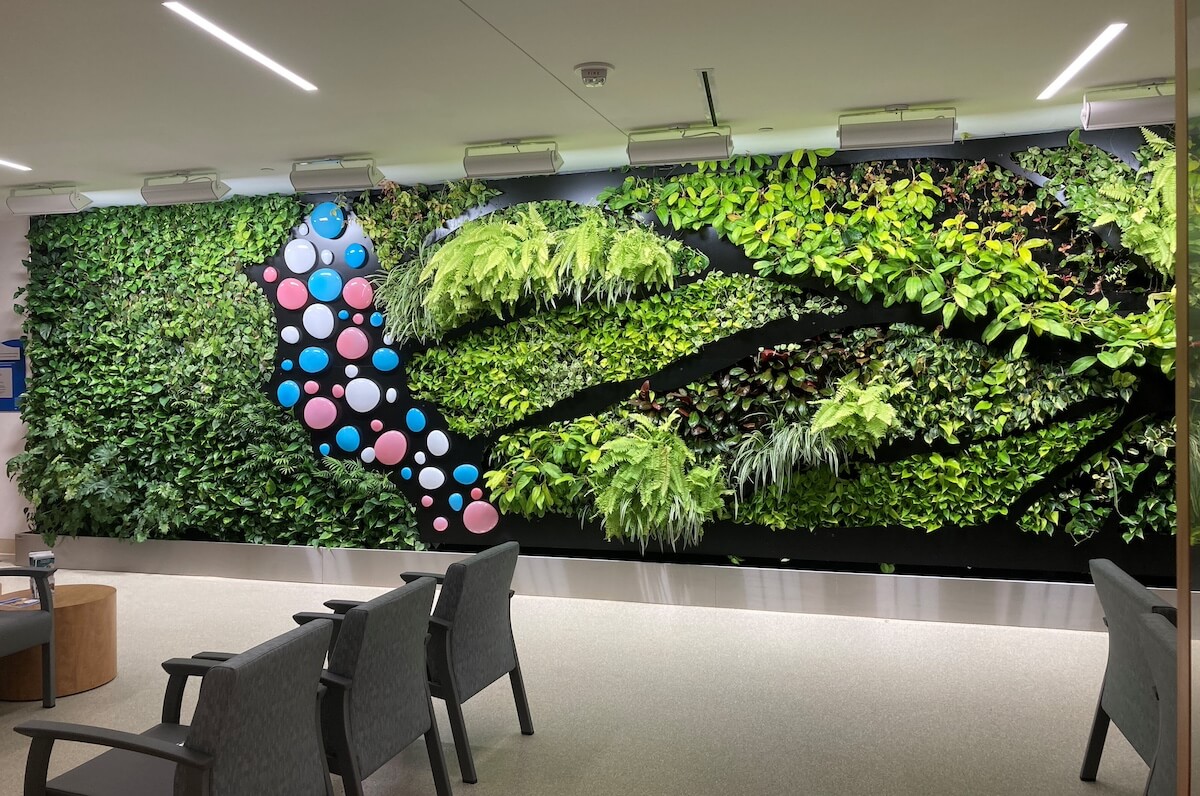
In conjunction with the exhibition, the Foundation is presenting the “Forget for a Moment Foundation Performance” a series of concerts at seven long-term care homes in Ottawa. These violin performances, led by violinist and composer Sara Michieletto—co-founder of Artists for Plants—are tailored to each setting and combine music and nature to foster connection, memory, and well-being among residents.
To learn more about the exhibition The Creativity of Plants, the Forget for a Moment Foundation, and its various programs, visit their website at www.forgetforamoment.org.
It’s wild how adaptive plants are, completely shifting how they grow based on their environment and light. Honestly, humans could learn a lot from that kind of consistency and adaptation, especially when it comes to upgrading our own health and routines. I used to struggle to adapt my habits until I downloaded the mad muscles app . It builds a highly tailored workout plan that fits perfectly into your lifestyle and environment, making it easy to stay active and build muscle. It completely changed my approach to physical health.
Intelligence of plants is less jarring than artificial intelligence.
What a wonderful program!