
Just like in the garden, I like to keep things simple in my life.
To stay healthy, I eat a more or less balanced diet made up of minimally processed foods. I exercise regularly and spend as much time as possible outdoors, whether gardening, enjoying the great outdoors, or fishing. For me, that’s the foundation of a healthy lifestyle.
Notice that I don’t mention the use of supplements, vitamins, probiotics, or medications, whether natural or not. None of that, unless I have a good reason to do so. I rely first and foremost on what nature has provided us for millennia. I have nothing against these products—in some cases, they can be very useful—but I prefer to keep it simple. Life is complicated enough as it is.
It’s the same in my vegetable garden. I focus on the essentials: organic matter.
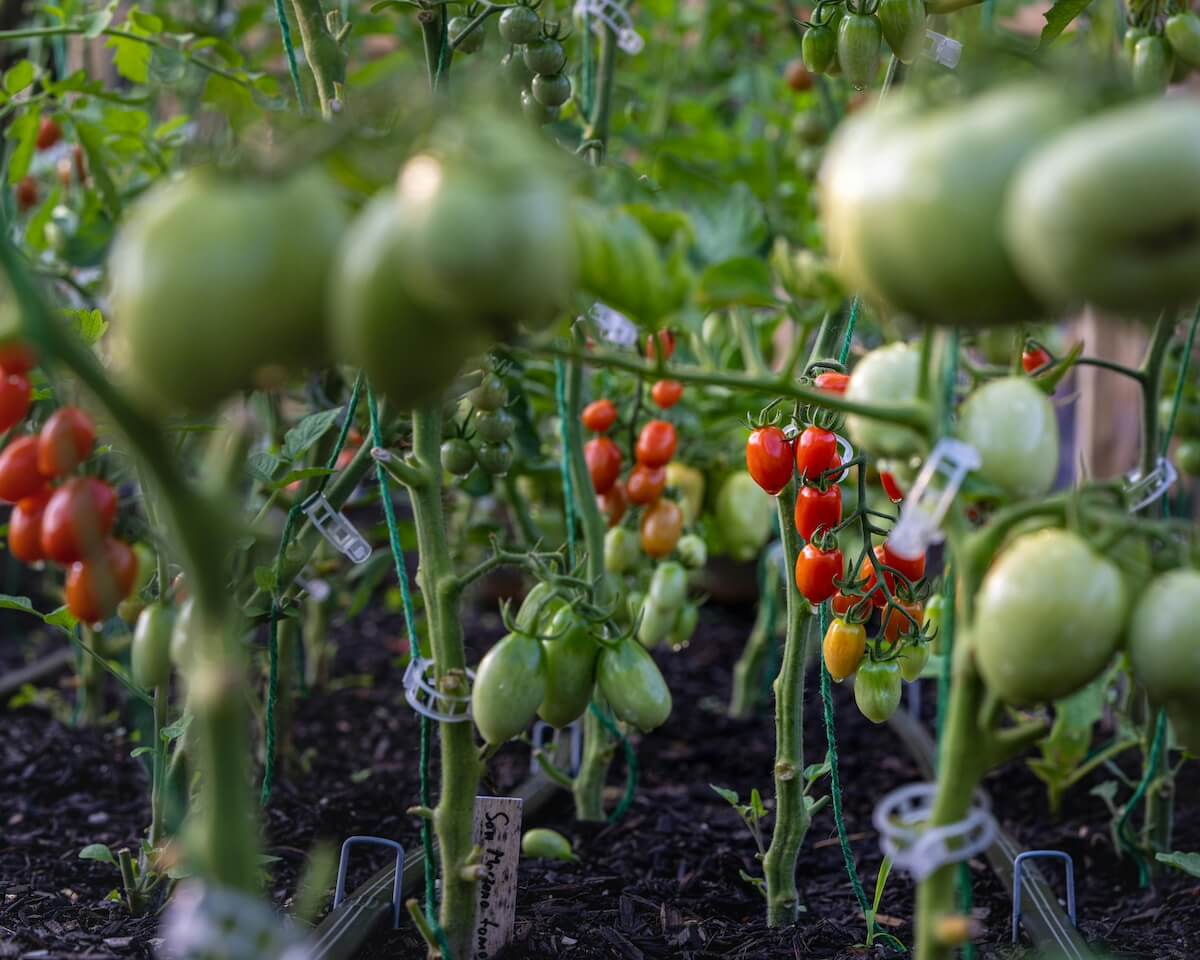
We’re offered all kinds of products to improve garden performance: fertilizers of every kind, soil amendments, biostimulants, mycorrhizae, inoculants, organic pesticides and the list goes on. Most of the time, these are excellent products… if you need them, or under certain conditions. But which ones are truly essential? Should we use them all to “boost” our vegetable garden to the max? We could. But it won’t always be helpful. And often, you’re mostly just wasting time and money.
Because if you don’t start with the foundation, everything else falls apart. You can think of it like a pyramid: you have to build a wide, solid base first before adding the layers, one by one.
Level 1: crucial organic matter
In my view, there are three main sources of organic matter in the vegetable garden: compost, mulch, and garden debris. And when it comes down to it, they’re all pretty much the same thing.
What is compost, if not mulch or plant debris that has already decomposed?
Of course, compost—depending on its ingredients—is often richer and more diverse in nutrients and microorganisms. Its organic matter is already well broken down, so it’s more quickly absorbed by plants.
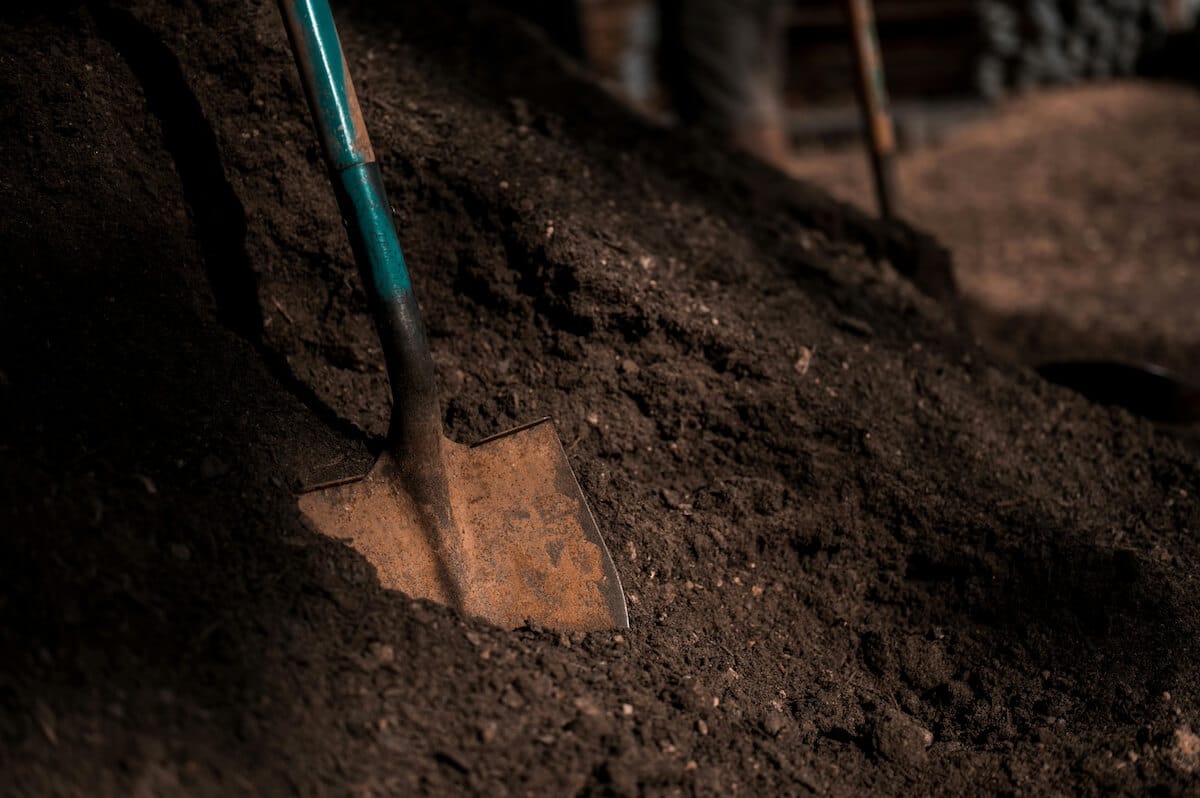
Mulch, on the other hand, consists of less decomposed organic matter: shredded leaves, straw, and plant debris. This material breaks down slowly but surely. And in the meantime, it works for us. It feeds soil organisms, both large and small, while protecting the soil from temperature fluctuations, moisture loss, and erosion.
Natural, free mulch
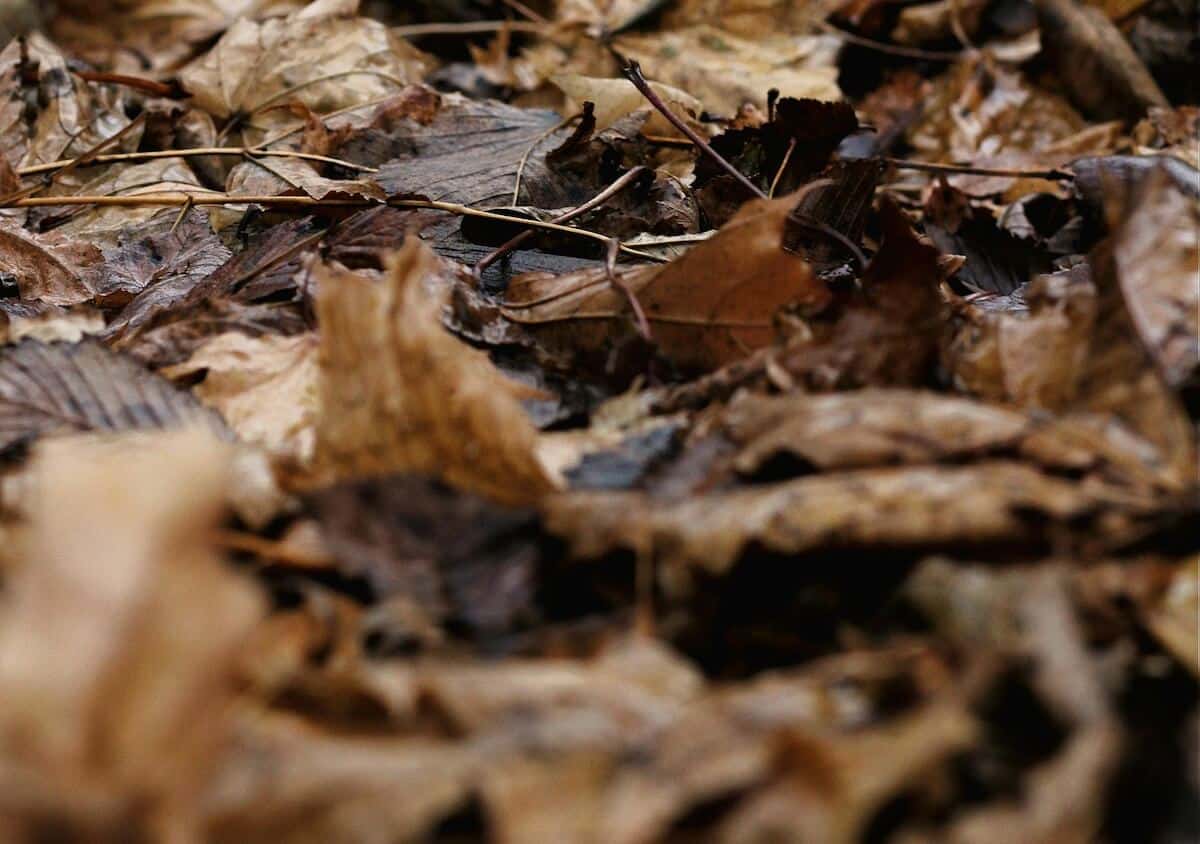
Garden debris, such as dead plants at the end of the season, generally does not need to be picked up, unless it is diseased. Stems, leaves, and roots will simply decompose where they are—and in the case of roots, directly beneath the soil—acting as a natural mulch.
As they grow, plants capture carbon from the air through photosynthesis—one of the building blocks of life—and incorporate it into their tissues. Some, such as legumes, go even further by fixing nitrogen from the air with the help of bacteria called rhizobia, which live in symbiosis with their roots. As they decompose, they then return these elements to the soil.
Did you know? About 45% of a plant’s dry biomass consists of carbon from the atmosphere.
Regardless of its source, organic matter nourishes soil life. It improves soil structure, making it more aerated, better drained, and more vibrant. And all these tiny creatures—insects, microorganisms, fungi, and other forms of life—then work to benefit the plants.
This is the base of our pyramid.
Level 2: essential conditions
Vegetables have very specific needs. Before even thinking about fertilizers or other products, you need to make sure the basic conditions are met.
First, sunlight. Without light, there is no photosynthesis… and therefore very little growth. The vast majority of vegetables grown in a vegetable garden require at least 6 hours of sunlight per day, and ideally 8 hours or more.
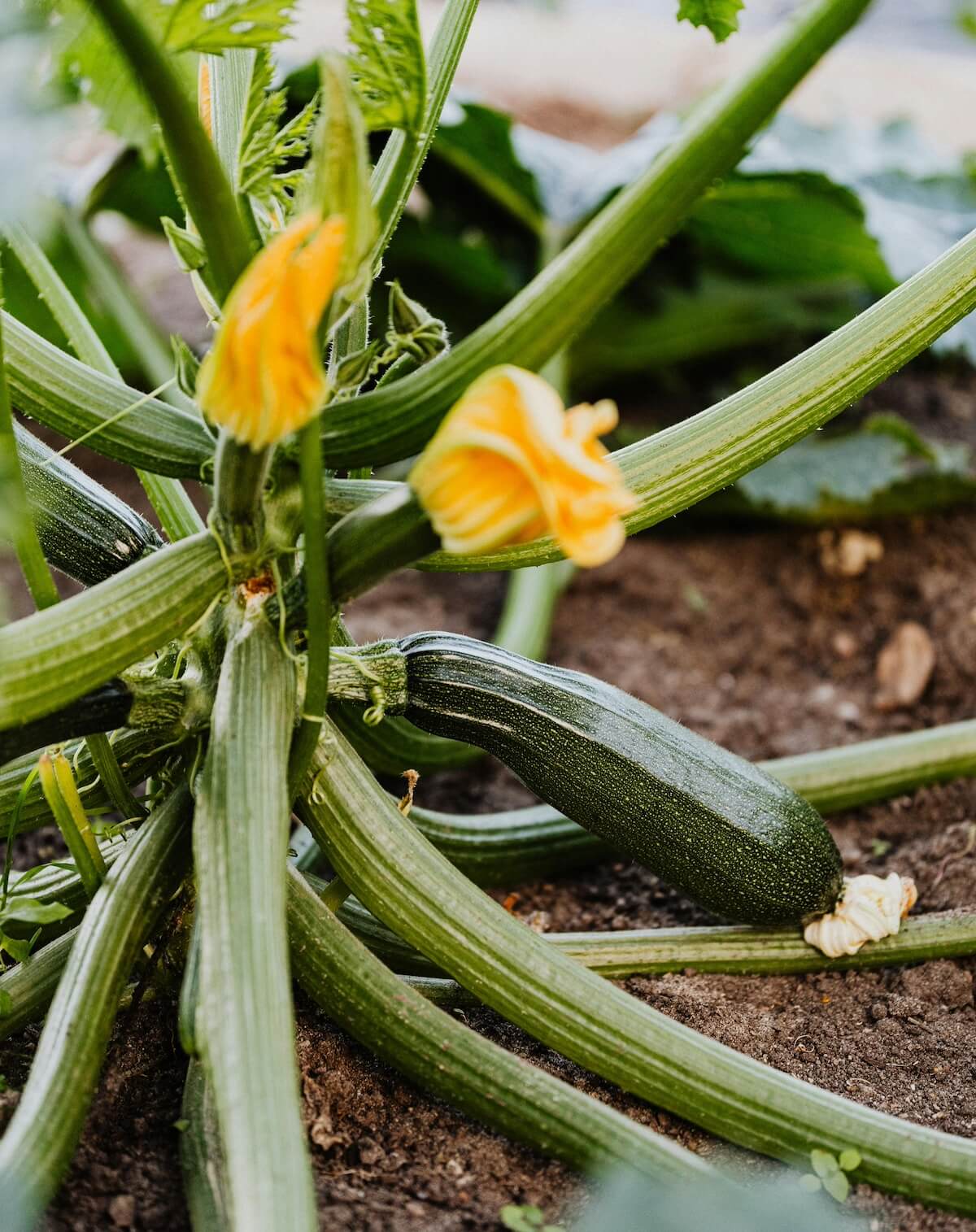
Next, water. It is essential for nearly all of the plant’s internal processes: root and above-ground growth, nutrient transport, and photosynthesis. But be careful: neither too much nor too little. Too much water can suffocate the roots, while too little severely slows growth.
There is also the issue of pH and nutrients. Soil that is neither too acidic nor too alkaline allows for better nutrient availability. Because even if your soil is rich, plants won’t be able to absorb certain elements if the pH isn’t right.
To get a clear picture, a soil analysis or a simple pH test can make all the difference. Otherwise, how can you tell if a specific element, such as calcium or boron, is missing?
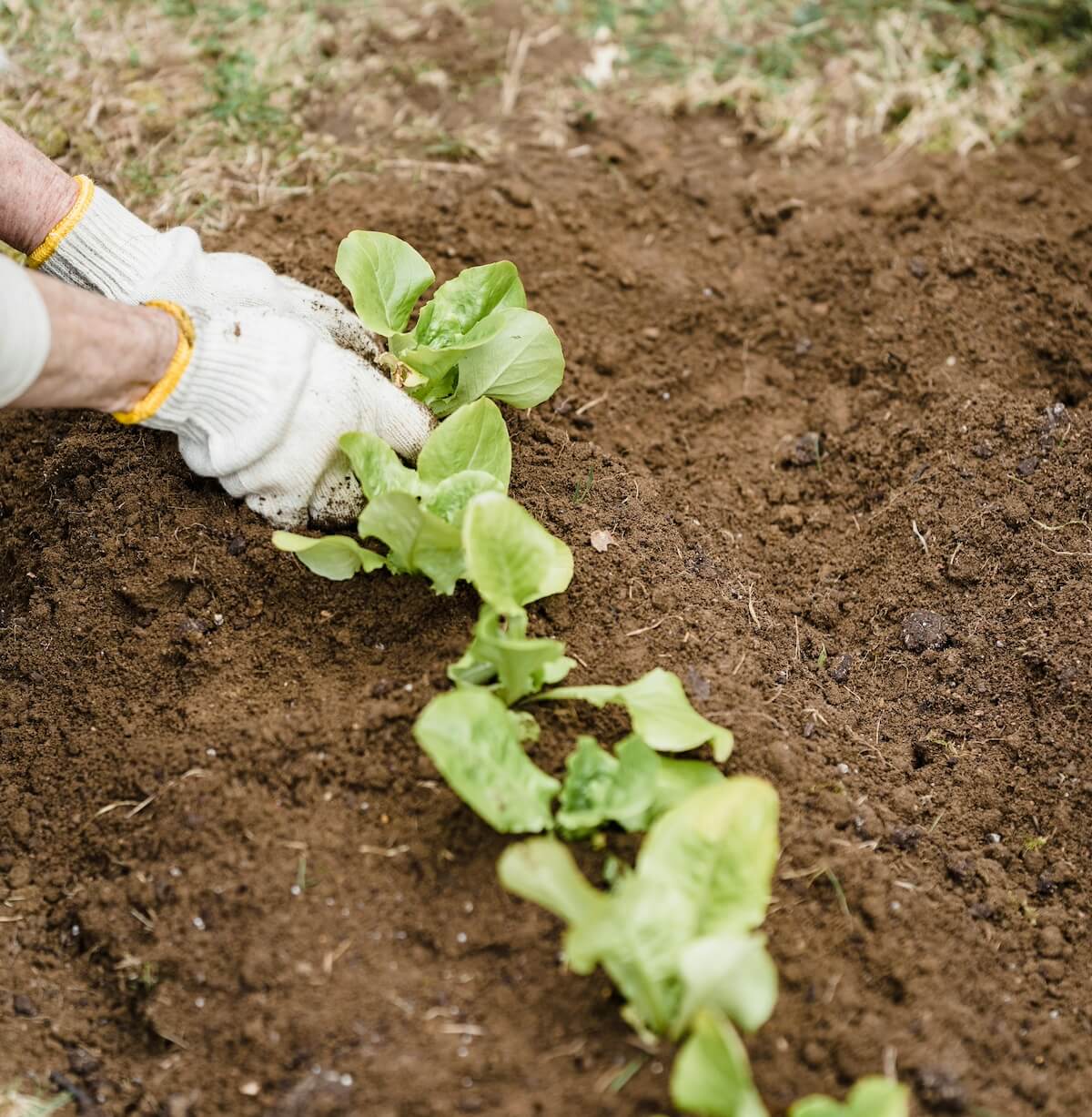
Nutrient deficiencies can lead to crop failure, not because the soil is “poor,” but because the plant is unable to utilize the nutrients present in it. An inappropriate pH level can block the absorption of certain elements, leading to symptoms that are often misleading.
In short, before adding anything… you need to make sure the basic conditions are right.
Level 3: supplemental fertilizers
Personally, I only use organic fertilizers, so I’ll limit myself to those.
In my opinion, fertilizers are often secondary.
Let me explain. When we grow a vegetable garden, it’s to produce fruits, vegetables, herbs, and other nutrient-rich foods that are excellent for our health. So, through the plants, we draw a whole range of minerals and nutrients from the soil. We need to return them to the soil, don’t we?
Yes, and we do this first by returning organic matter to the soil in the form of compost, mulch, and plant debris.
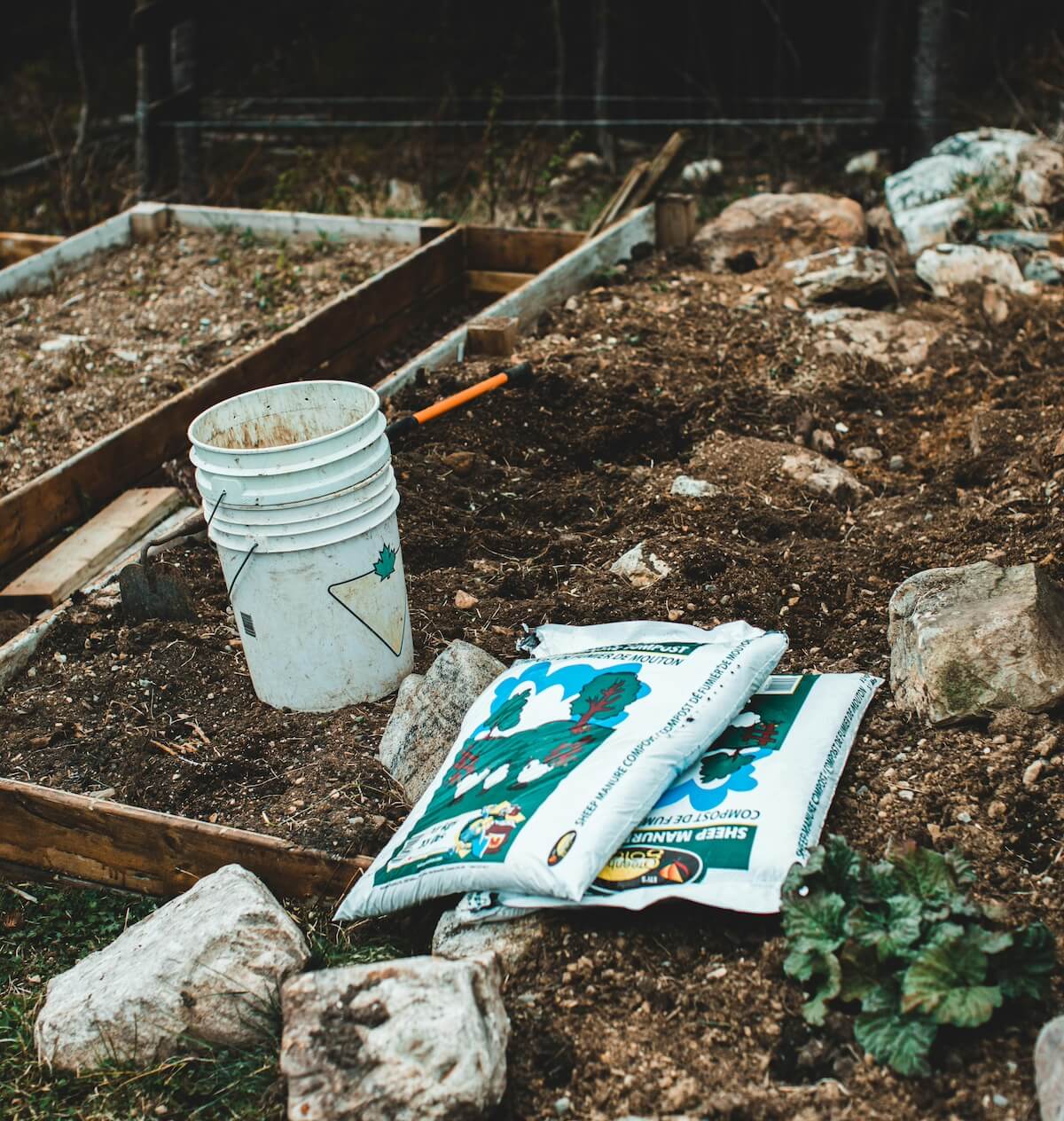
If, and only if, you feel like you’re taking out more than you’re putting in, fertilizers become an excellent way to restore balance. They help return nutrients to the soil so that they can be made available to plants through the action of the various forms of life found there. These organisms break down organic matter and minerals, transform them, and in some cases even form symbiotic relationships with plants, going so far as to exchange nutrients directly with them.
But all of this assumes that this life is indeed present in the soil.
How can you be sure?
Once again, it’s all about organic matter.
It nourishes soil organisms, but it also makes their habitat viable by improving soil structure so that it contains the right balance of air and water. Without organic matter, biological activity declines, and with it, the soil’s ability to convert fertilizers into a form that plants can use.
For the lazy gardener who wants to minimize intervention—and even avoid tilling the soil altogether—fertilizers thus become secondary.
For those aiming for more intensive production, fertilizers can become an important supplement, but a supplement nonetheless.
Much like supplements for someone looking to improve their physical fitness: useful in some cases, but without a healthy diet and physical activity, they lose their purpose. They do not replace the basics.
Note, however, that when growing in containers, the use of fertilizer becomes a key to success. Potting mixes are excellent growing media: light, well-aerated, and well-draining. But even with the addition of compost or mulch, they remain relatively low in nutrients. In a pot, the volume of soil is limited, and leaching—that is, the loss of nutrients through drainage water—is significant. Fertilizer application therefore becomes essential.
Level 4: optional stimulants
I’ve already mentioned a whole range of products: soil activators, mycorrhizae, foliar sprays, and biostimulants. Their purposes are varied: stimulating microbial or fungal activity, accelerating growth, improving stress tolerance, and boosting resistance to pests and diseases.
But here, we’re at the very top of the pyramid. We’re entering highly technical realms—sometimes too technical for the uninitiated, who lack both the tools and the need to go that far.
Yes, you can add bacteria, mycorrhizae, and other organisms to the soil. But in most cases… they’re already there. Soil is rarely “empty.” Even imperfect soil contains a thriving ecosystem. I must admit that, in new soil, a former construction site, or soil that has undergone intensive chemical treatments in the past, adding inoculants can accelerate the restoration of soil life. For this to work, they must, of course, be combined with organic matter, such as compost, which will serve as both food and shelter for these newcomers.
Focus on the present
The real question isn’t so much what to add, but rather: how can we enhance what’s already there? And you know where I’m going with this: by adding organic matter.
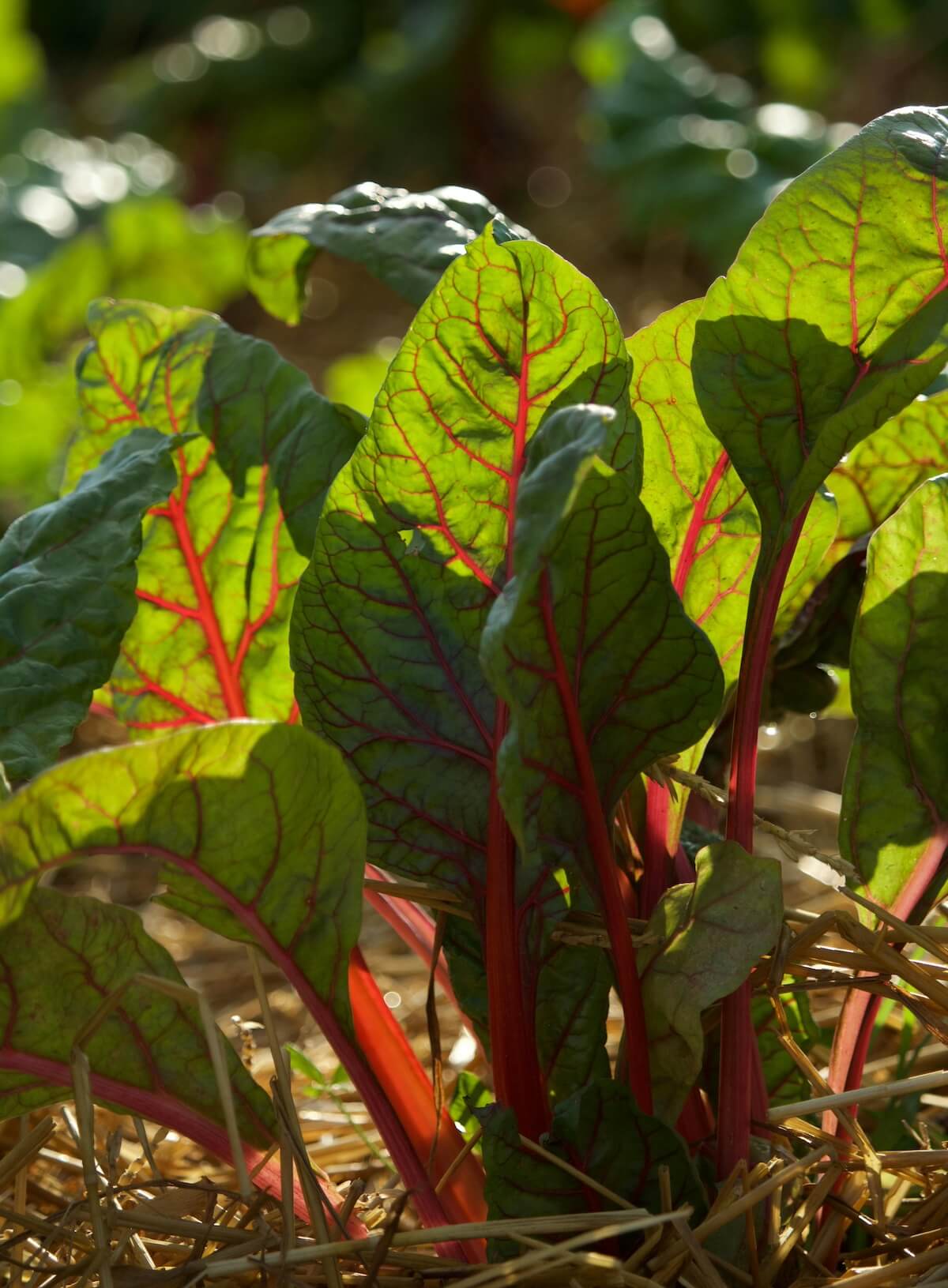
With compost, mulch, and plant residues, naturally occurring organisms will multiply at an impressive rate, colonizing every corner of the soil. No need for a microscope or a laboratory. Nature does the job just fine on its own.
Phytohormones, on the other hand, are natural compounds already found in the environment, particularly in certain algae. When applied to the soil or plants, they can improve stress tolerance. The same goes for chitin—found in the shells of crustaceans or the exoskeletons of insects—which can stimulate plants’ defense mechanisms.
All of this is interesting, and sometimes even useful, but is it really necessary when your crops are already healthy?
And if they aren’t, is this really the solution, or should we instead go back to basics? Rich, living, well-structured soil with ample organic matter, essential minerals, adequate sunlight, proper water management—neither too much nor too little—and the right pH.
If we return to the comparison with humans, we could say that these products are like probiotics: useful in certain contexts, but they don’t repair the damage caused by an unhealthy lifestyle.
Start at the bottom of the pyramid
There’s no point in starting at the top of the pyramid. Each level builds on the one below it.
You don’t need to worry about the number of protozoa in your soil or whether your beets are lacking boron… if your garden is in the shade and you don’t use compost.
Organic matter is the crucial foundation of fertile soil.
Growing conditions—sunlight, water, pH—are essential to the success of your crops.
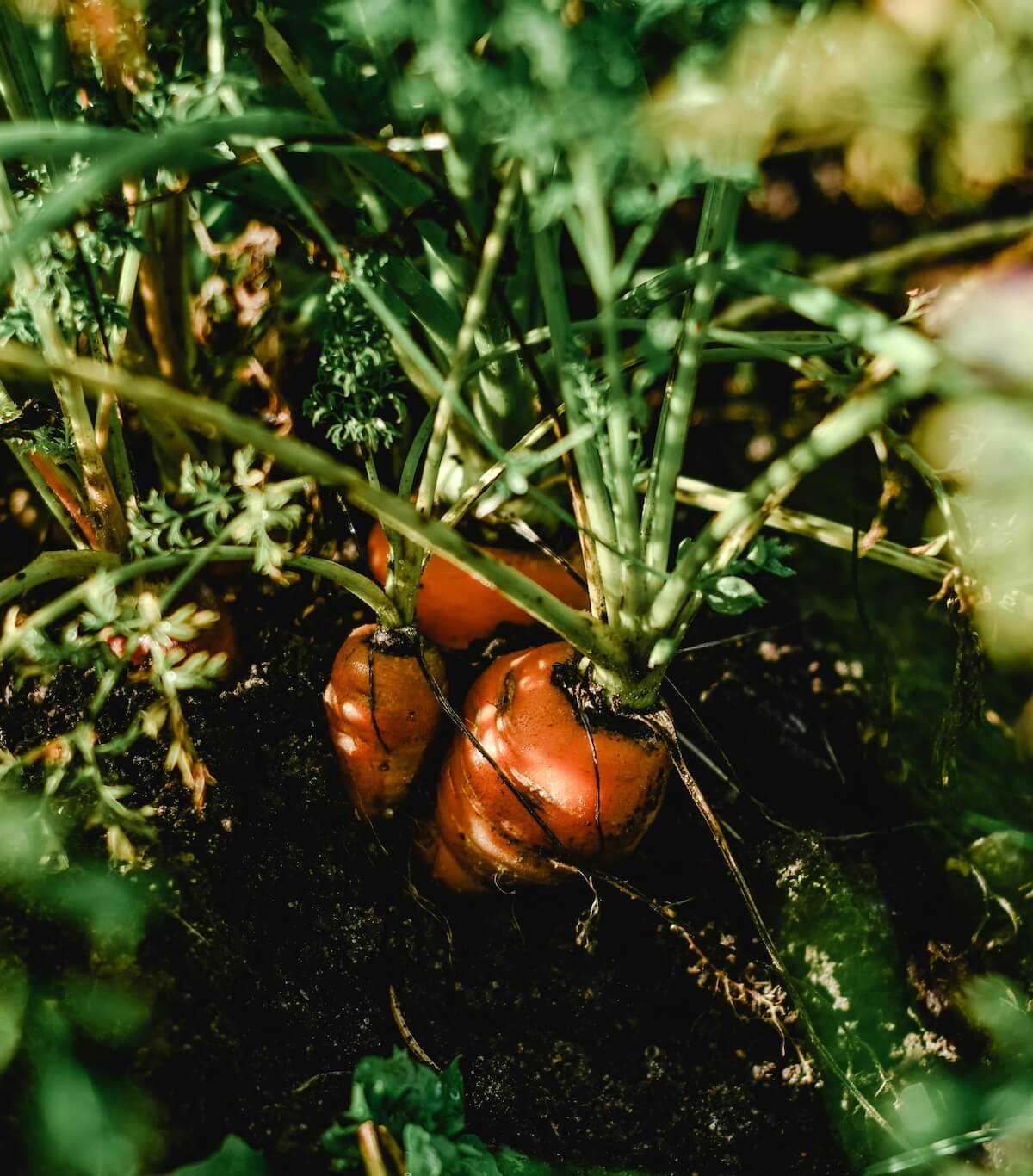
Fertilizers can be very useful and can even boost your yields if that’s your goal, but they’re still just a supplement.
Biostimulants are also a good option in some cases.
You can always do more—and sometimes do less.
But you can’t succeed without the essentials.
Excellent read and reminders.. Gardeners usually love thread about the basics. Thank you!
Excellent information! I thought I knew a lot of it, but Mathieu explains so well.