
Some gardens are so colorful, so overflowing with everything that the plants end up getting lost in a complete cacophony. That’s when we call the whole thing a pizza! Yes, a pizza. Fully loaded with ham and pineapple. Bell peppers sit alongside the cheese, and the pizza is sprinkled with brown mushrooms and tomato sauce—not to mention the extra black olives. This is the third and final post in a series where I’ve discussed color theory and the art of color combination. Now, let’s see how to avoid the “pizza syndrome”!
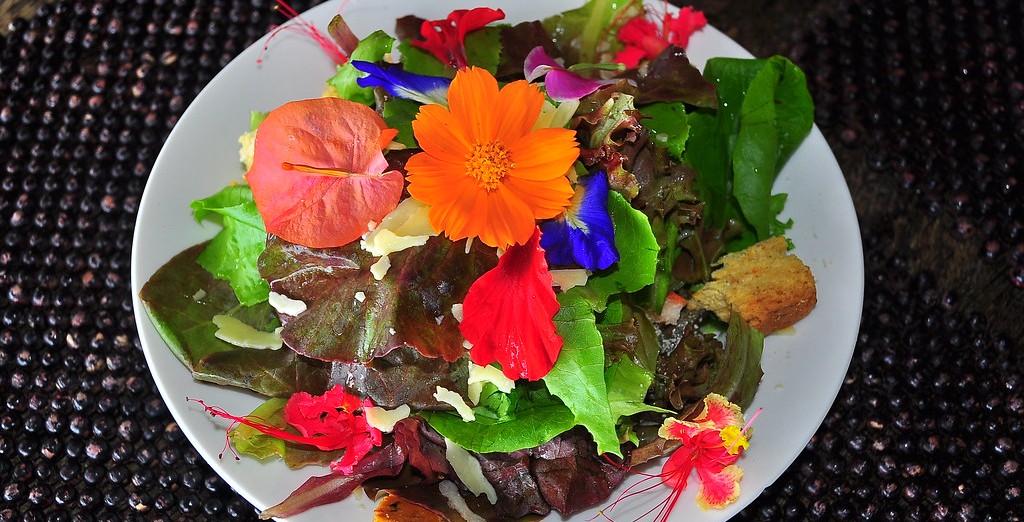
In the garden, the “pizza effect” occurs when all the plants in the universe are crammed together in an arrangement that disregards the harmony of flower colors. Often, the textures of the foliage or the plants’ overall shape are also neglected. It’s a bit like treating the bell pepper as no more important than the mushrooms. Their haphazard arrangement prevents us from noticing the pepperoni’s details!
Again and again… do you have a plan?
Of course, it’s much easier to start from scratch and plan the overall look of a flower bed from the outset. A garden that isn’t planned on paper is more likely to become a complete disaster.
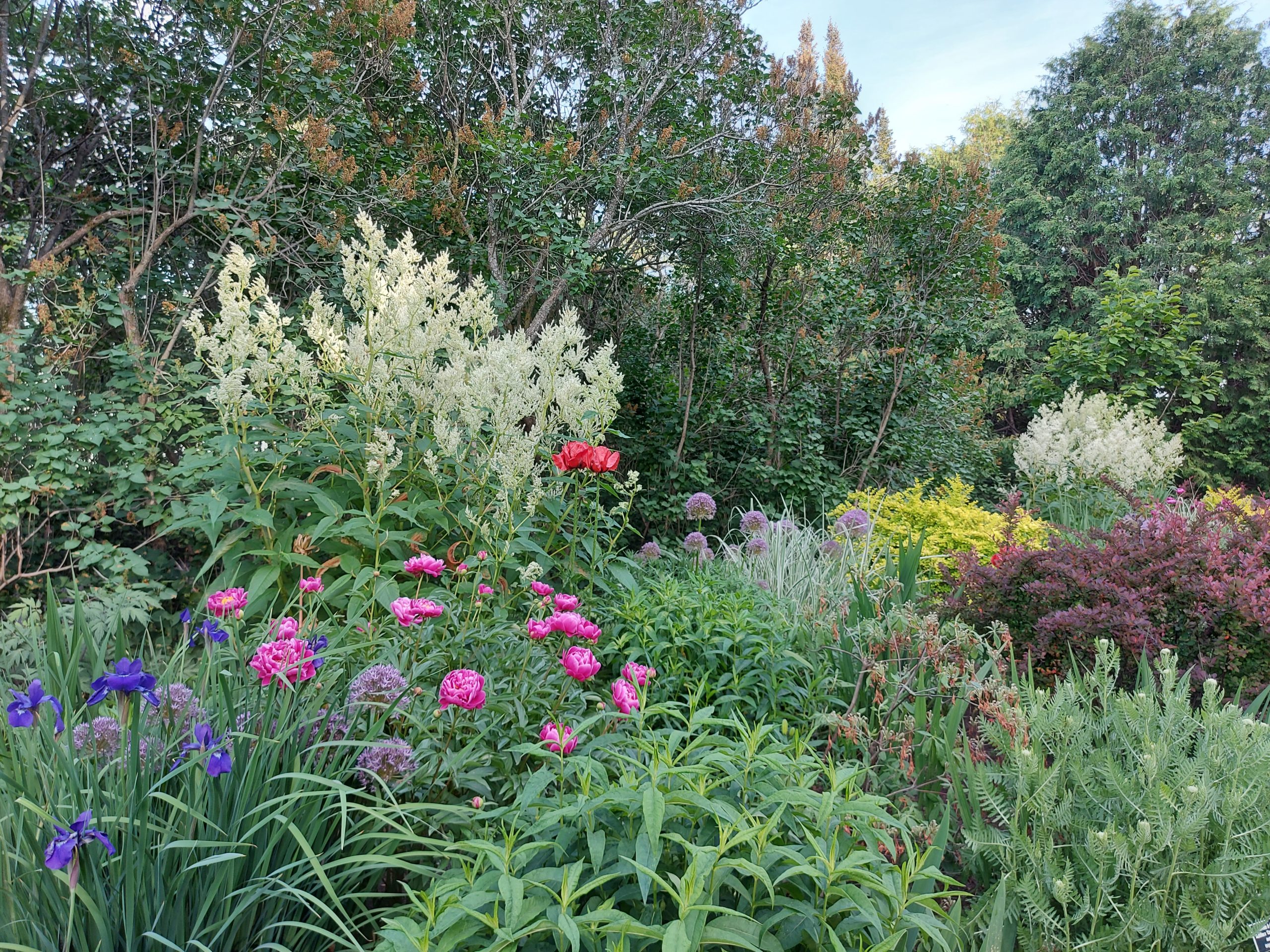
In a garden, there are star plants, which could also be called structural plants. These need to be framed and enhanced by other, more discreet plants. These latter could be described as filler plants or companion plants. Not all garden plants have enough personality to become star plants. And the more discreet plants are just as useful for highlighting the stars. Imagine a Hollywood movie where all the actors are major celebrities. It would be overwhelming. The supporting actors are essential.
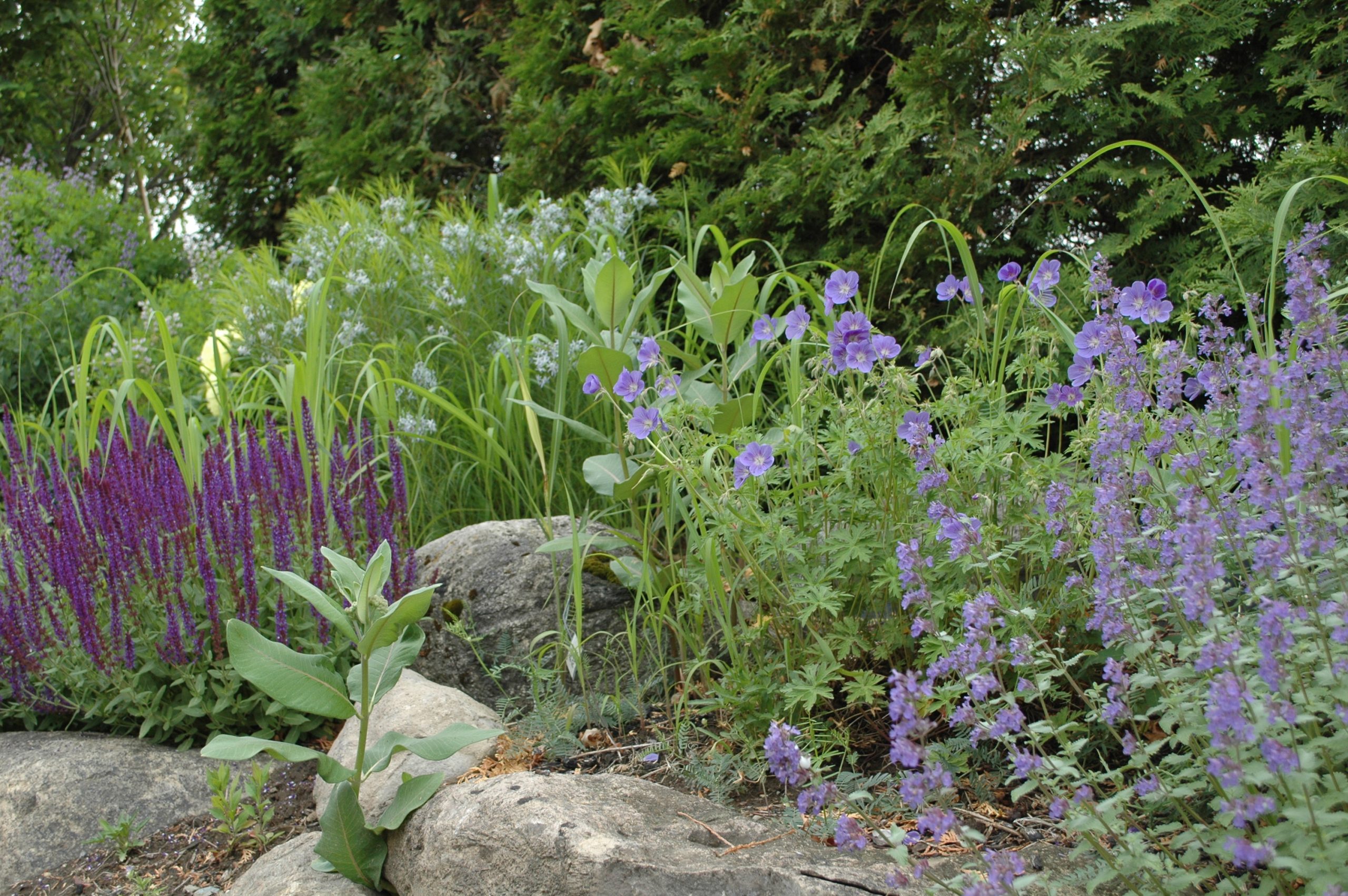
In addition to carefully selecting your star plants and avoiding overdoing it, in the garden, you should also consider the timing and color of the flowers. To achieve a successful arrangement, you need to choose a theme and work around it. Select one or two main colors, and all other colors should revolve around them. This is a very useful basic rule to help gardeners avoid the pitfalls of a “pizza effect.”
Keep it simple
If you decide that pink and mauve are the colors of your choice, then these should dominate! Adding a touch of pale yellow, like that of Coreopsis ‘Moonbeam’ (Coreopsis verticillata ‘Moonbeam’), is perfectly acceptable, provided it serves to enhance a mauve cornflower. However, the dominant colors should be mauve cornflowers, pink coneflowers, and purple speedwells.
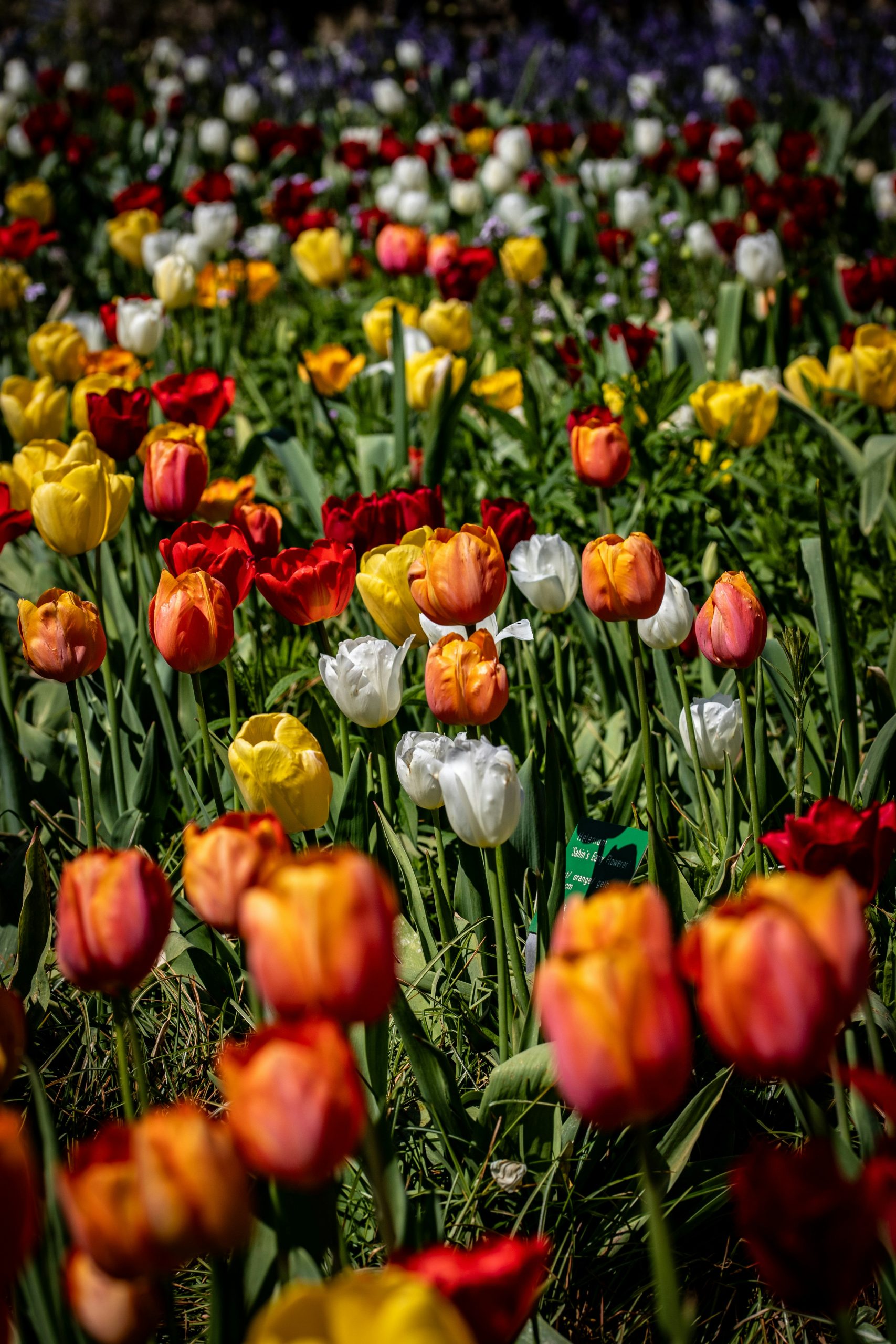
If you’re keen on indulging in a bit of gardening and growing a little bit of everything, it’s best to divide your desires into small sections. Separated by visual barriers, such as a hedge, a fence, or a shrubbery, you can focus on strong but distinct themes. For example, beds of mauve flowers could be placed on one side, while an arrangement of yellows and oranges could dominate on the other. These separations allow you to enter a “new” garden, making you forget the previous one.
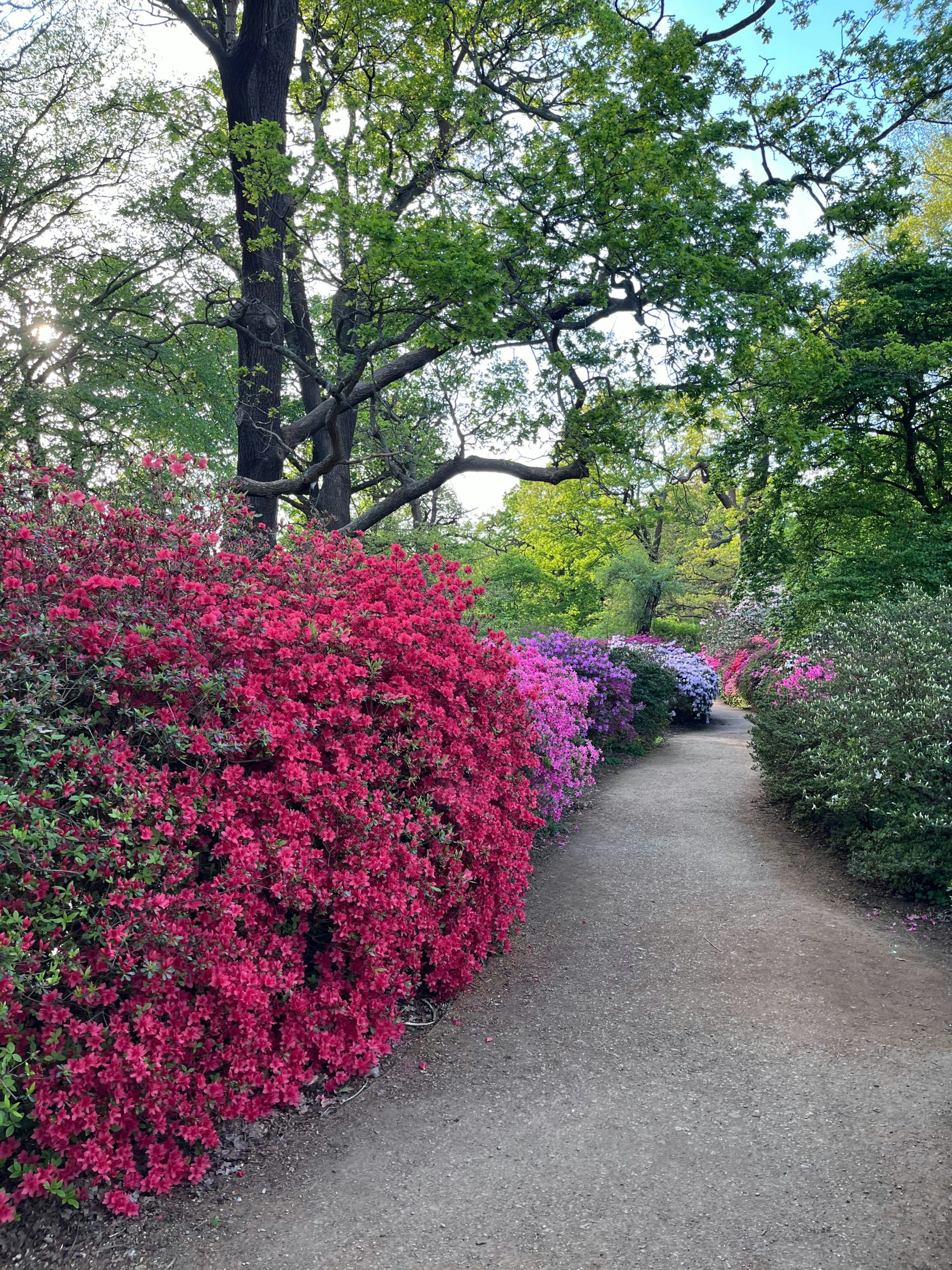
How to save an existing flower bed?
The “pizza effect” is often a realization that hits us like a ton of bricks after years of gardening and adding plants. One fine morning, the right brain (the one of reason) takes over from the left brain (the one of feelings and daydreams), and we realize that all our beautiful, beloved plants… don’t go well together at all! How did we get here? The evolution of the garden toward the “pizza effect” is subtle and insidious. Slowly, each new addition contributes to the imbalance of colors.
The solution is a difficult redesign. First, make a decision. Choose the colors that will dominate a flower bed. Then, anything that doesn’t adhere to the established color scheme… gets moved! I often advise having two garden sections: one for shades of pink and mauve, and one for warm shades of yellow and red.
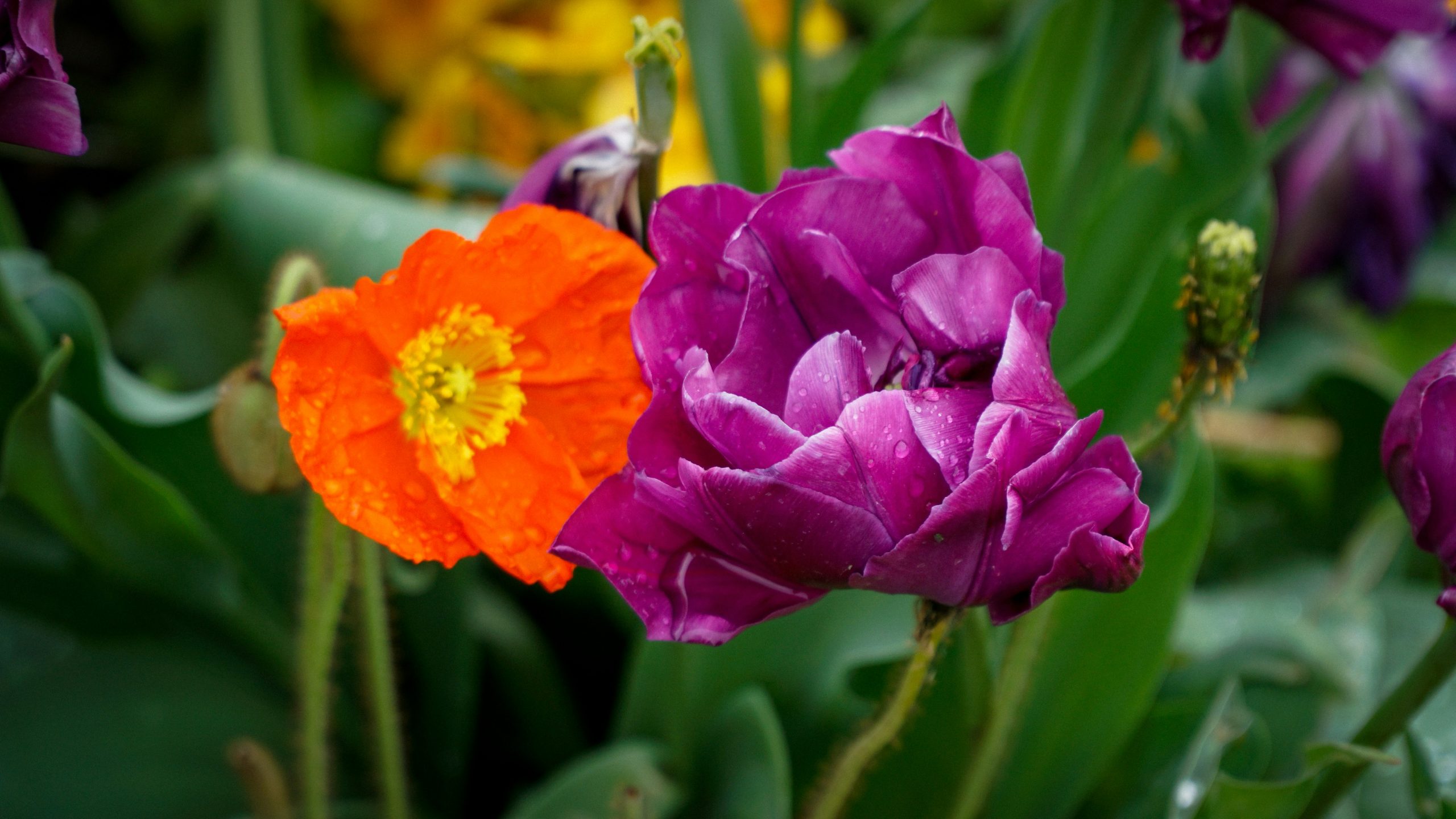
Thus, some plants are dug up from the purple flowerbed, to be sent to the yellow flowerbed, and the pink plants from this second flowerbed are transported to the first flowerbed.
The pinnacle of color harmony
With a little practice and careful note taking, you can design a perennial garden that blooms yellow and blue in the spring, pink in the summer, and scarlet red in the fall. This exercise is part of advanced gardening techniques. It requires taking a rigorous mental inventory of the plants. Consider when they will bloom, how long they will bloom, and what color they will be. When designing such a garden, it is important to monitor plants with extended flowering periods to ensure they complement each other well throughout the season. In other words, a harmonious year-round garden is built little by little by moving or adding plants to refine the result.
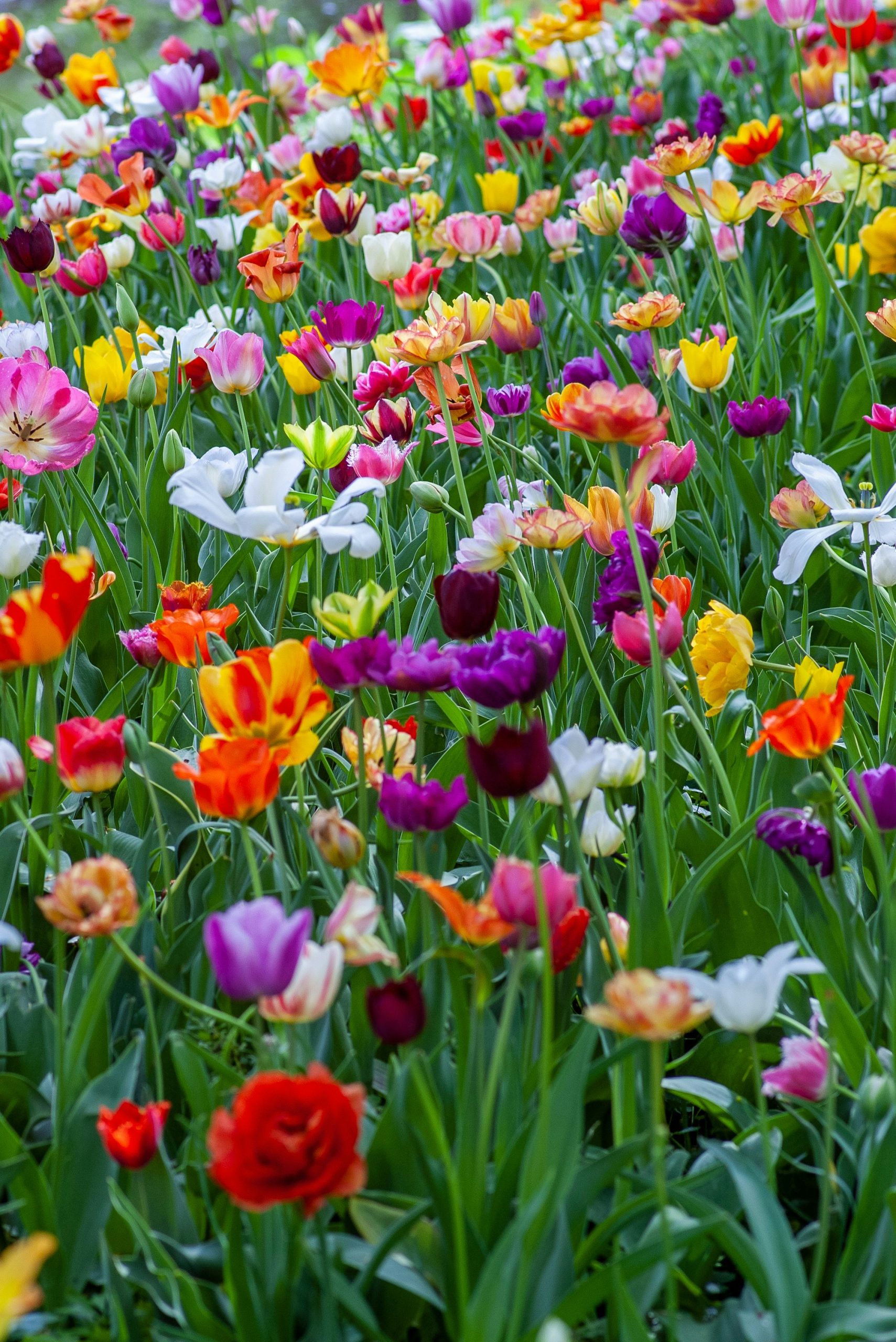
Color is the greatest source of pleasure in the garden. The arrangement of colors requires time for reflection. English mixed borders are the result of years of research and relocating plants that don’t fit. If color coordination becomes a tedious chore rather than an interesting challenge, then forget about it! It will always be better to have a garden that makes you happy than one that merely satisfies the discerning eye of a seasoned expert!
As teenagers would say: “You do you!”
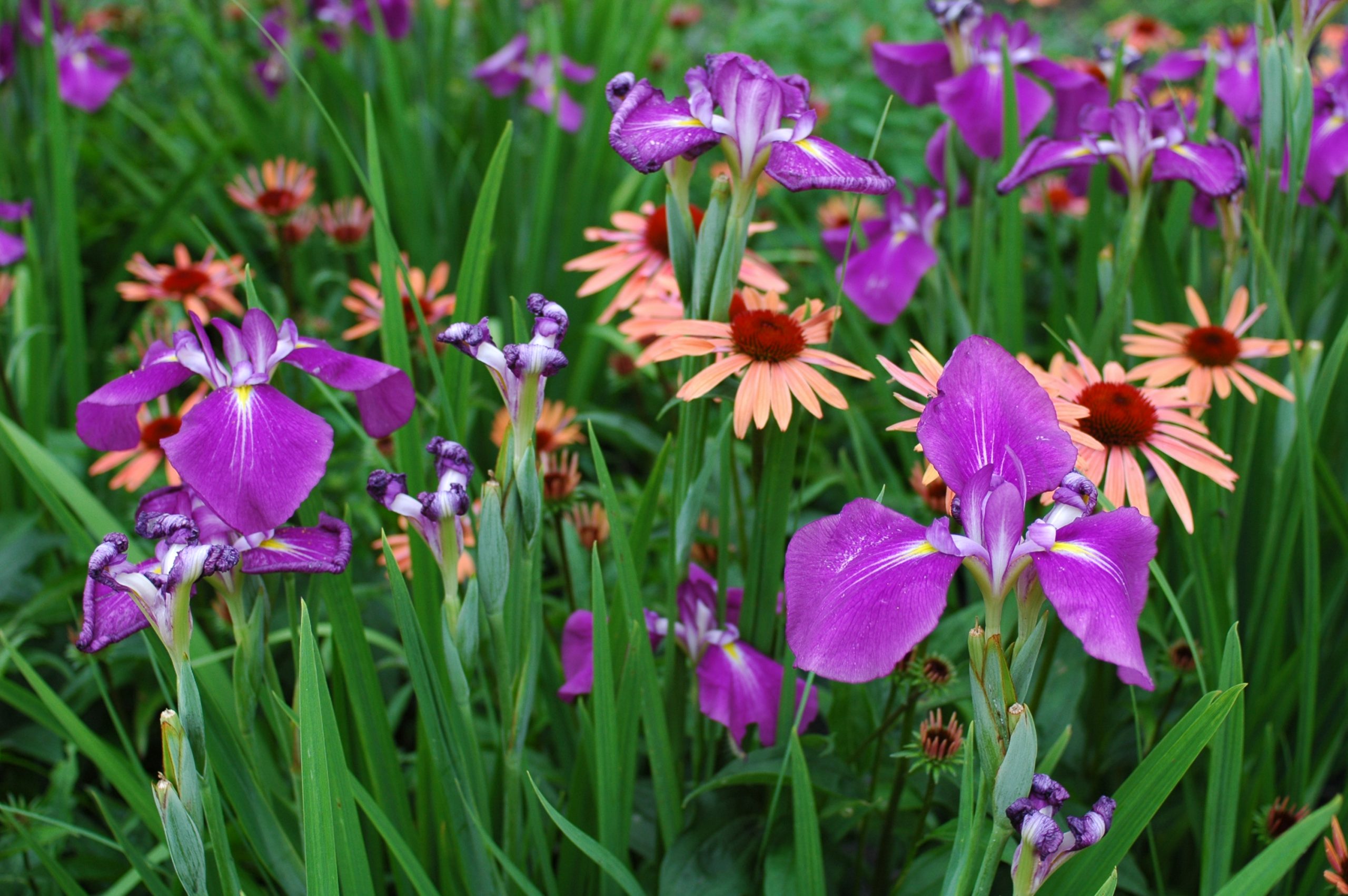
Maybe a California Pizza, that’s an open and usually crazy recipe. In Chicago you’d be tarred and feathered. Then fired.
Beautiful photos! Great article!