
I recently figured out why my beets weren’t getting any bigger. However, I’m having the same problem with my leeks: they’re growing, but they aren’t getting any bigger. What should I do?
Answer
It’s not always easy to answer this kind of question. We don’t know the growing conditions, the variety, or how the plants were cared for throughout the season. But let’s still take a look at the most common reasons that might explain why your leeks are staying thin.
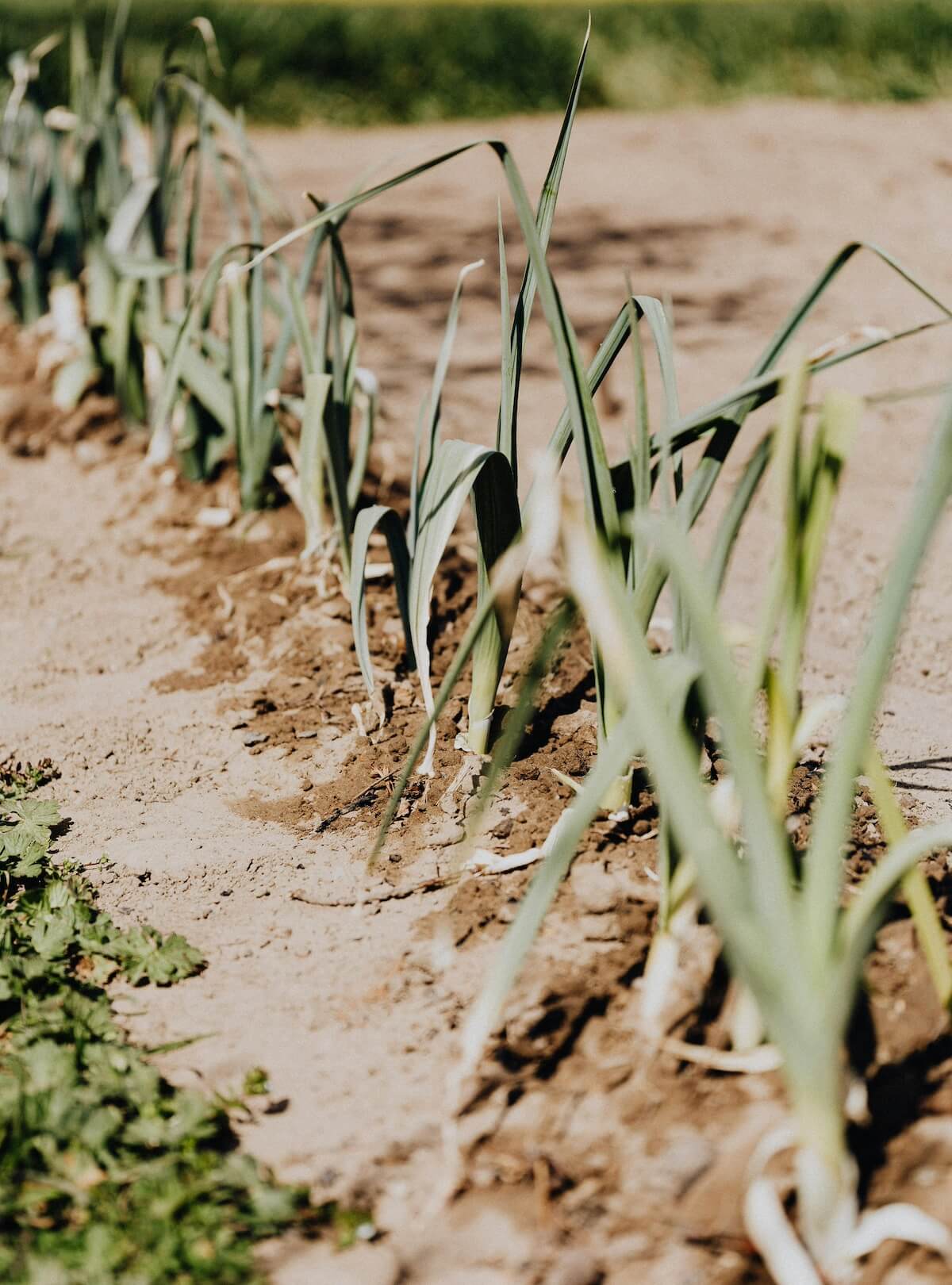
Lack of sunshine
To grow well, leeks need at least 6 hours of sunlight a day, ideally 8 hours. Yes, they can tolerate partial shade, but this will affect their size.
The more sunlight there is, the more sugars the plant produces, which allows it to build tissue and grow larger. Conversely, with too little light, the plant stretches out to try to capture more, becomes spindly, and remains thin, rather than storing biomass.
Poor soil structure
Very compact, hard, or heavily clay-based soil prevents roots from spreading and accessing the nutrients, water, and air in the soil. The plant then lacks these resources, resulting in underdeveloped leeks.
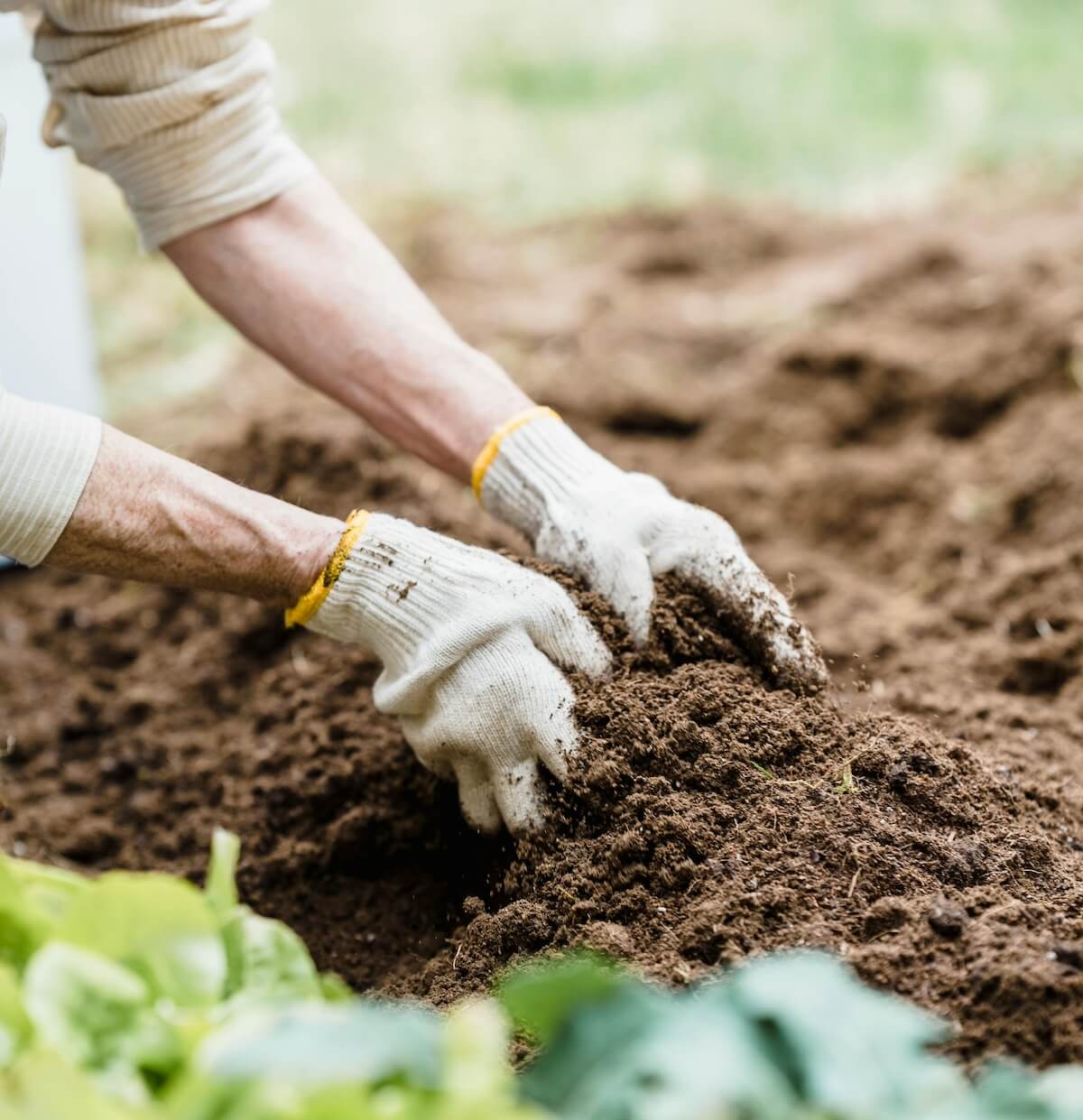
Adding compost annually, combined with the use of a decomposable organic mulch such as shredded leaves or straw, adds organic matter to the soil. This lightens the soil, improves its structure, and promotes drainage, water retention, and aeration. The fibrous roots—a network of numerous small, fine roots—can then spread more effectively and do their job.
Nitrogen deficiency
As we can see, leeks are mostly made up of leaves. Simply put, the growth of green leaves requires a lot of nitrogen. Nitrogen is the main component of chlorophyll, which is necessary for leaf expansion. A lack of nitrogen will therefore reduce foliage production, and since it is these leaves, layer upon layer, that form the shaft, the leek will have trouble growing larger.
Adding compost already provides a certain amount of nitrogen and other nutrients. You can also use well-decomposed manure or a slow-release organic fertilizer rich in nitrogen to support growth.
Soil pH
Leeks prefer a soil pH between 6.5 and 7.2. In soil that is too acidic or too alkaline, they have a harder time absorbing the nutrients they need to grow. Even if these nutrients are present, the plant cannot properly absorb them.
Every 3 to 5 years, it may be helpful to conduct a soil analysis or pH test. Lime or wood ash can be used in moderation to raise the pH, or sulfur to lower it.
Overcrowded planting
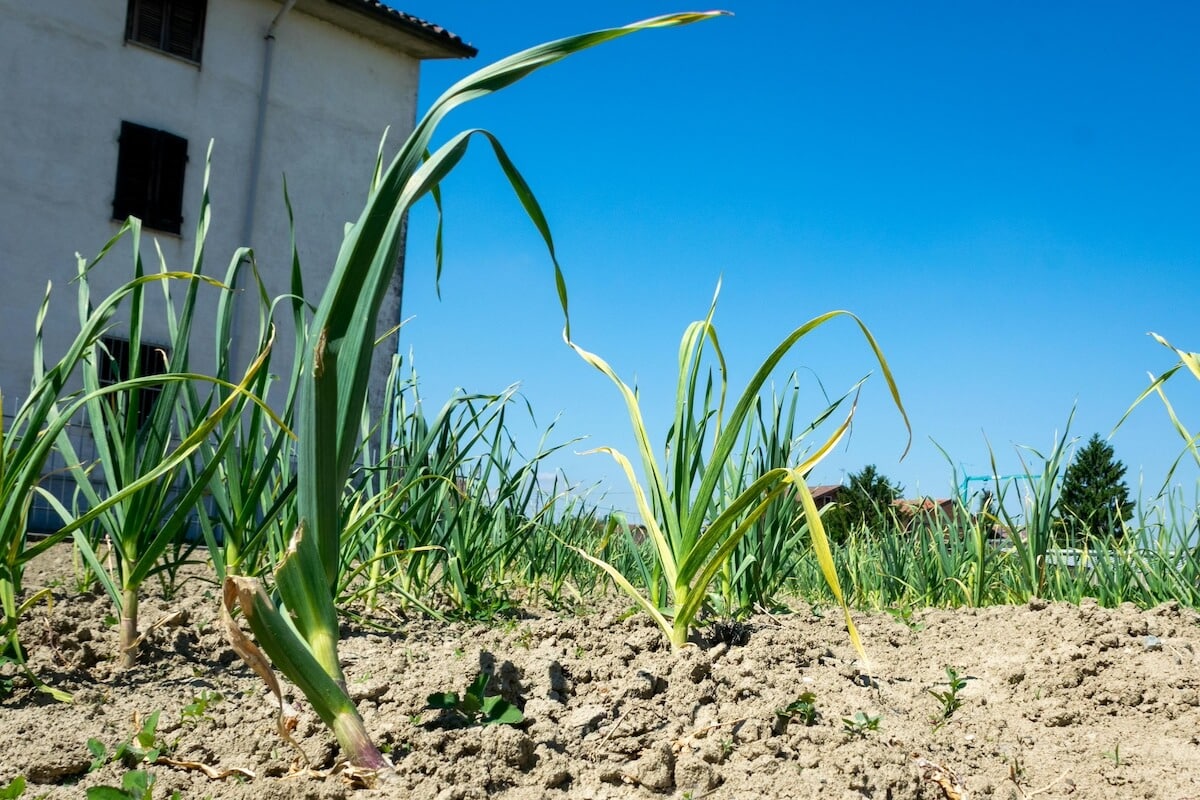
If leeks are planted too densely, they will compete for light, water, and nutrients. They are particularly sensitive to this competition because their shallow roots cannot reach resources deep in the soil.
Space your leeks about 10 to 15 cm apart, and don’t hesitate to thin them out if they are planted too closely together.
Be careful when weeding: leeks do not tolerate competition from other plants, including weeds.
Irregular irrigation
To produce beautiful, plump leaves, leeks need consistent moisture. Whenever the soil dries out, their growth slows down or stops, because their roots spread out horizontally rather than growing deep into the ground. Furthermore, these roots are thin and cannot store large amounts of water during dry periods.
Keep the soil slightly moist at all times. Adding organic mulch, as mentioned above, helps a lot: it protects the soil from the sun and drying winds, acts as a breathable cover, and reduces evaporation—and thus the need for watering.
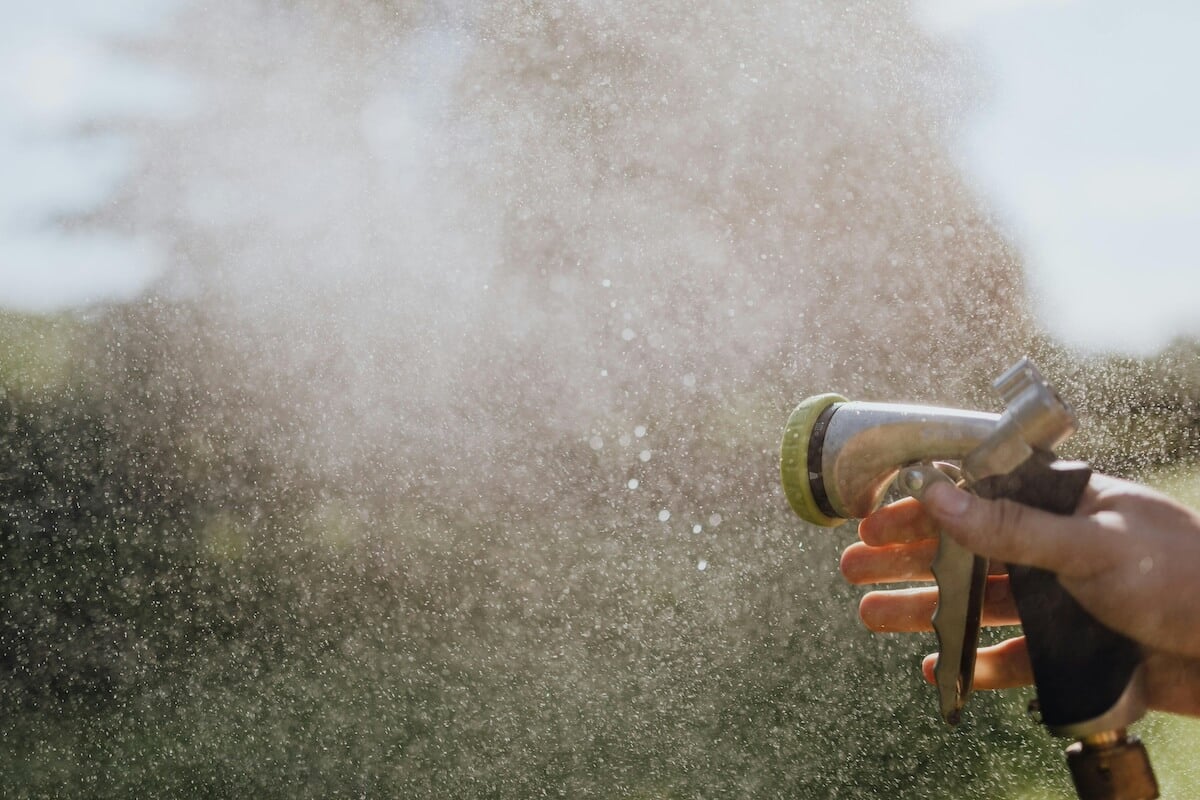
Deep watering, ideally with soaker hoses or a drip irrigation system, effectively moistens the soil directly at the roots. Water preferably in the morning, before the heat of the day, and avoid wetting the foliage.
Lack of time
Leeks generally take a long time to mature and develop a thick, fleshy shaft. In fact, they grow most rapidly toward the end of the season, when temperatures are cooler. They actually thrive in cold weather and can withstand a few light frosts, which helps speed up the transfer of sugars to the shaft.
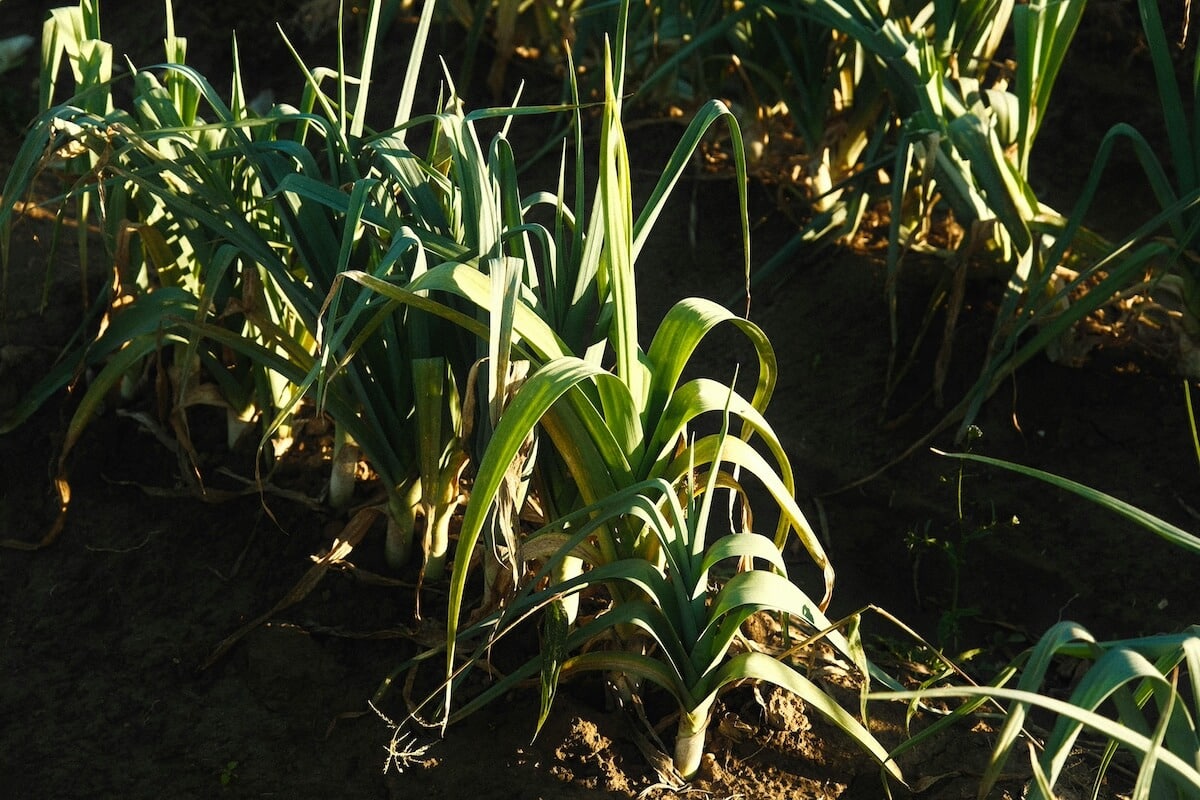
Some varieties are less suited to Canada’s climate because their growing season is too long.
Wait until the first frosts before harvesting, and choose faster-growing varieties.
Poor-quality seedlings
For those who buy their leek seedlings at a garden center, be careful: avoid seedlings that look dried out, yellowed, or weak. They have likely been stressed.
Regardless of the cause, stress early in the growing season can delay development by 3 to 4 weeks, which is significant given our short growing seasons.
Buy high-quality seedlings or start them yourself indoors for better control over growing conditions.
These gardening insights explain common growth challenges clearly and practically. Understanding soil conditions, watering habits, and seasonal timing helps gardeners make better decisions and achieve healthier harvests with greater success.
This article offered a great combination of insight and practicality. I liked how the key ideas were supported with clear examples helping readers connect concepts with everyday experiences more easily.
The gardening advice about leeks was genuinely helpful and reassuring. Sometimes vegetables simply struggle despite our efforts, so practical troubleshooting tips like these are valuable for beginner and experienced gardeners alike.
This article about Swami Vivekananda was incredibly inspiring. His message about discipline, confidence, and service still feels relevant for young people navigating modern challenges and constant distractions today.