
To know when to sow or transplant our vegetable plants, we rely on all sorts of guidelines: the average date of the last frost, the usual frost-free period, the moon, and national or religious holidays. Although these guidelines can be useful in some cases—for example, to know when to start sowing cold-sensitive plants indoors—the truth is that, from one year to the next and from one region to another, the climate can vary significantly.
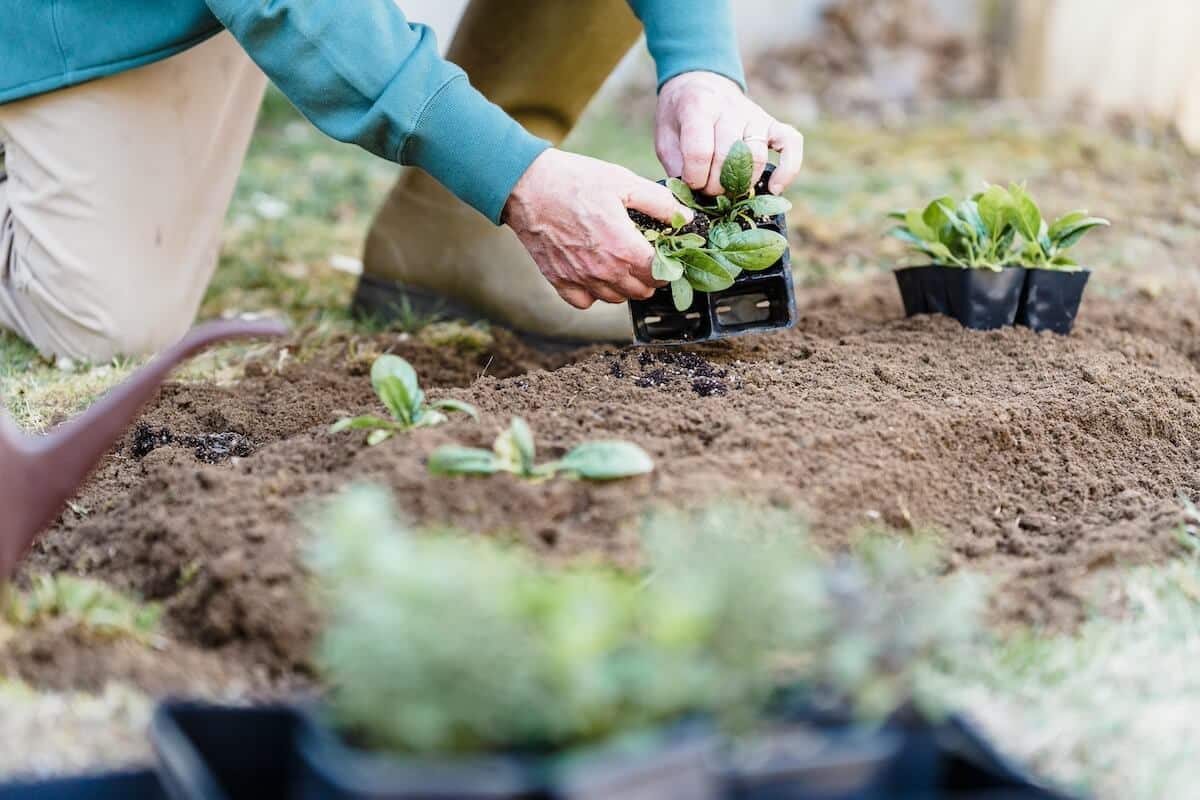
Plants, for their part, can’t read calendars. But they are very good at “reading” soil and air temperatures, and that’s what we should pay attention to as well to know when to sow and transplant in the vegetable garden.
How do plants “read” the temperature?
Plants obviously cannot read; they have neither brains nor thermometers, but they possess several biological mechanisms that allow them to detect temperature changes in the air and soil.
Some plants, in particular, use light- and heat-sensitive proteins, such as phytochromes. These molecules change shape depending on environmental conditions, helping the plant interpret the seasons and stimulate certain processes, such as germination, growth, or flowering.
Other plants, on the other hand, detect changes in the fluidity of their cell membranes. Much like butter, which softens when it warms up, plant cell membranes become more fluid when heated. This change affects the movement of certain ions, which act as messengers within the cell and trigger various metabolic reactions related to growth, respiration, and photosynthesis.
So, which temperature should we go by?
However, every plant has its own natural rhythm, inherited from its origins. Some species wake up as soon as the ground thaws, while others prefer to wait until the soil warms up before they really start growing.

Although each species, cultivar—and even seeds, depending on their origin—may have specific requirements, I’ve divided the most common vegetable plants into four categories: hardy, temperate, cold-sensitive, and tropical. As you can imagine, when making generalizations like this, there are always a few exceptions and nuances. Don’t throw tomatoes at me if you disagree! But this classification remains an excellent guide for avoiding many mistakes.
Each one has:
- a minimum soil temperature for germination;
- a minimum nighttime temperature for stress-free transplanting;
- and a suitable temperature for beginning acclimatization outdoors.
Germination temperature
The germination temperature is the soil temperature required for a seed to germinate within a reasonable amount of time. You can measure it with a soil thermometer or even a kitchen thermometer—as long as you make sure to disinfect it afterward!
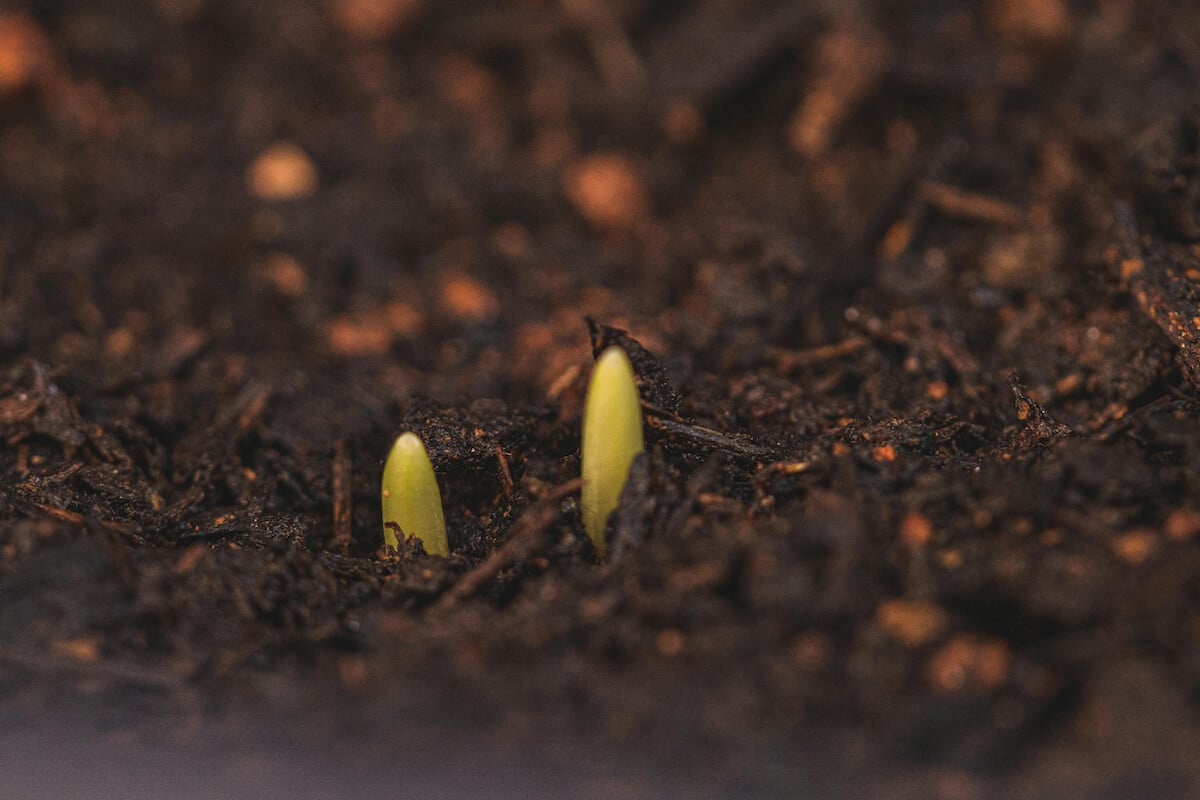
Some seeds can sometimes germinate at lower temperatures, but much more slowly. However, the longer a seed remains in cold, damp soil, the greater the risk that it will rot before it even sprouts.
In general, it is therefore better to wait for the temperature to rise a few degrees and ensure rapid, vigorous germination.
Nighttime temperature
The minimum nighttime temperature indicates the point at which a plant grown indoors can be transplanted to the garden without significant growth retardation.
This temperature applies to both the soil and the air: the soil directly affects the roots, while the air affects the leaves and young tissues. Therefore, both must be measured.
To simplify things, however, I use a single reference temperature. For example, if a plant requires a minimum of 10 °C (50 °F), I simply wait until the soil reaches at least 10 °C (50 °F) and ensure that nighttime temperatures are no longer expected to drop below that level. We can generally use 10- to 14-day weather forecasts to monitor upcoming nighttime temperatures.
It’s not an exact science, but it’s a simple and very effective method for preventing many growth delays.
Preventing growth delays
Note: This is not necessarily the minimum temperature at which the plant can survive, but rather the temperature at which it continues to grow normally without significant stress.
Below this threshold, many plants temporarily switch from growth mode to survival mode. Their metabolism slows down, nutrient absorption becomes less efficient, and certain problems may arise.
For example, in tomatoes, soil that is too cold can limit phosphorus uptake, sometimes causing the leaves to turn purplish and stunting growth.
To protect themselves from the cold, some plants also produce sugars and other compounds that act somewhat like a natural antifreeze. This mechanism, however, requires a lot of energy. Instead of investing this energy in growth, flowering, or fruit production, the plant devotes it to its survival.
And to return to our butter analogy: when the temperature drops, plant cell membranes become stiffer, which slows down many biological reactions. Even without freezing, a simple cold snap can cause a delay of several days, sometimes even a few weeks. The plant must then readjust its metabolism and repair certain microdamage caused by cold stress.
If the temperature drops below freezing, the water inside the cells can freeze and expand. In most vegetable plants, this causes the cells to burst and results in damage that is often irreversible.
Hardening off temperature
The temperature at which acclimatization begins is generally about 3 °C (5 °F) above the minimum temperature recommended for transplanting. This provides a small safety margin for seedlings that have spent their early growth stages indoors, in warmer and more comfortable conditions.
Wind and humidity can also, much like with humans, alter the temperature as perceived by plants. This small additional margin therefore helps reduce the risk of stress.
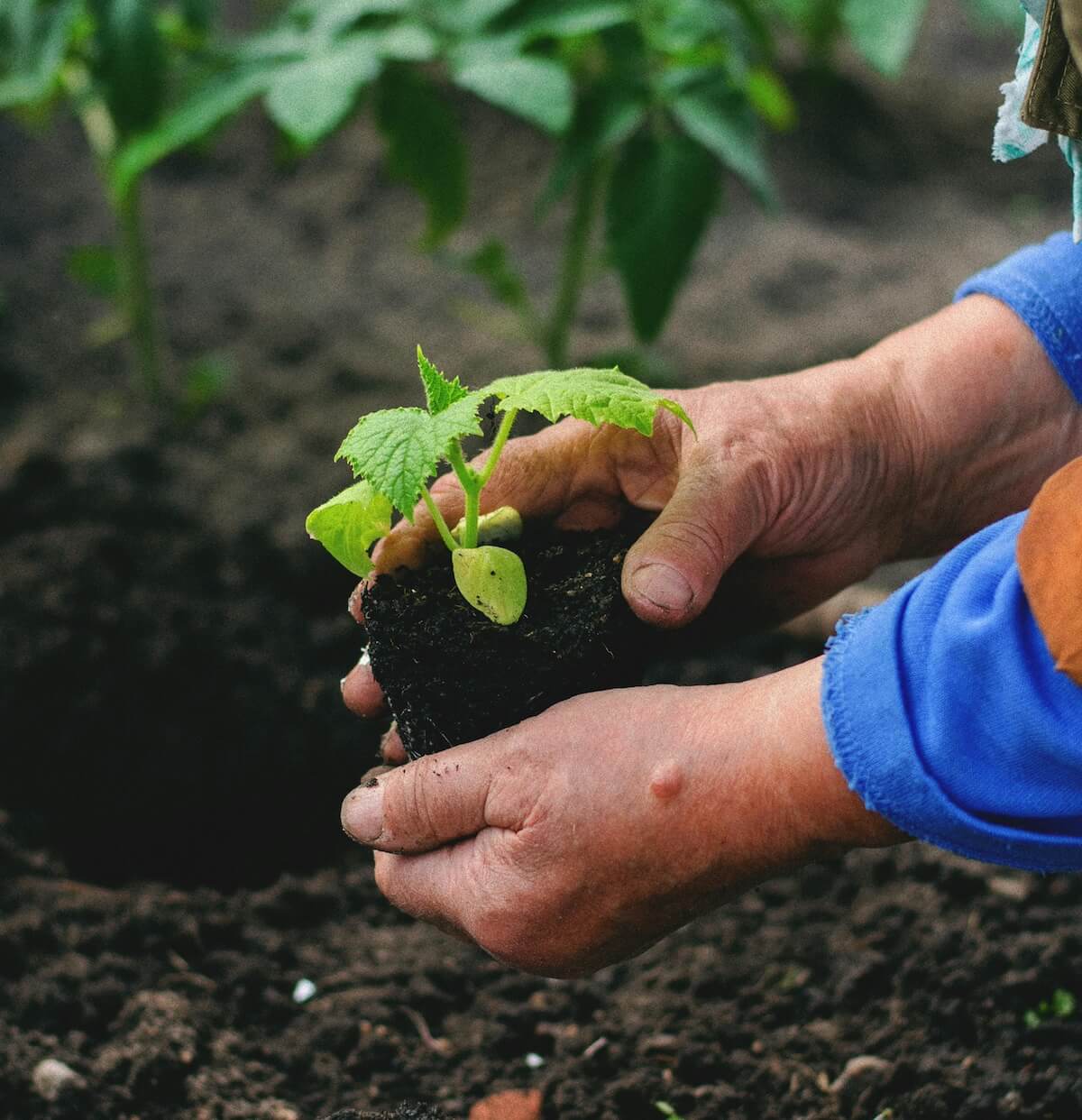
Furthermore, even if a plant could theoretically tolerate a certain temperature, too sudden a change between indoor and outdoor conditions can cause it to go into shock. The plant simply hasn’t acclimated yet.
Starting the hardening off process at a temperature a few degrees higher helps prevent the plant from going into survival mode too quickly.
Plants according to their heat requirements
I’ve divided some common vegetable plants into four categories—hardy, temperate, cold-sensitive, and tropical—to help you choose the right time to sow or transplant.
The hardy ones
As soon as the soil thaws, these plants are ready to germinate. In fact, they often prefer cool weather and tend to decline — or quickly bolt and become bitter — once the intense heat of summer arrives. When properly hardened off, many can even tolerate a light frost.
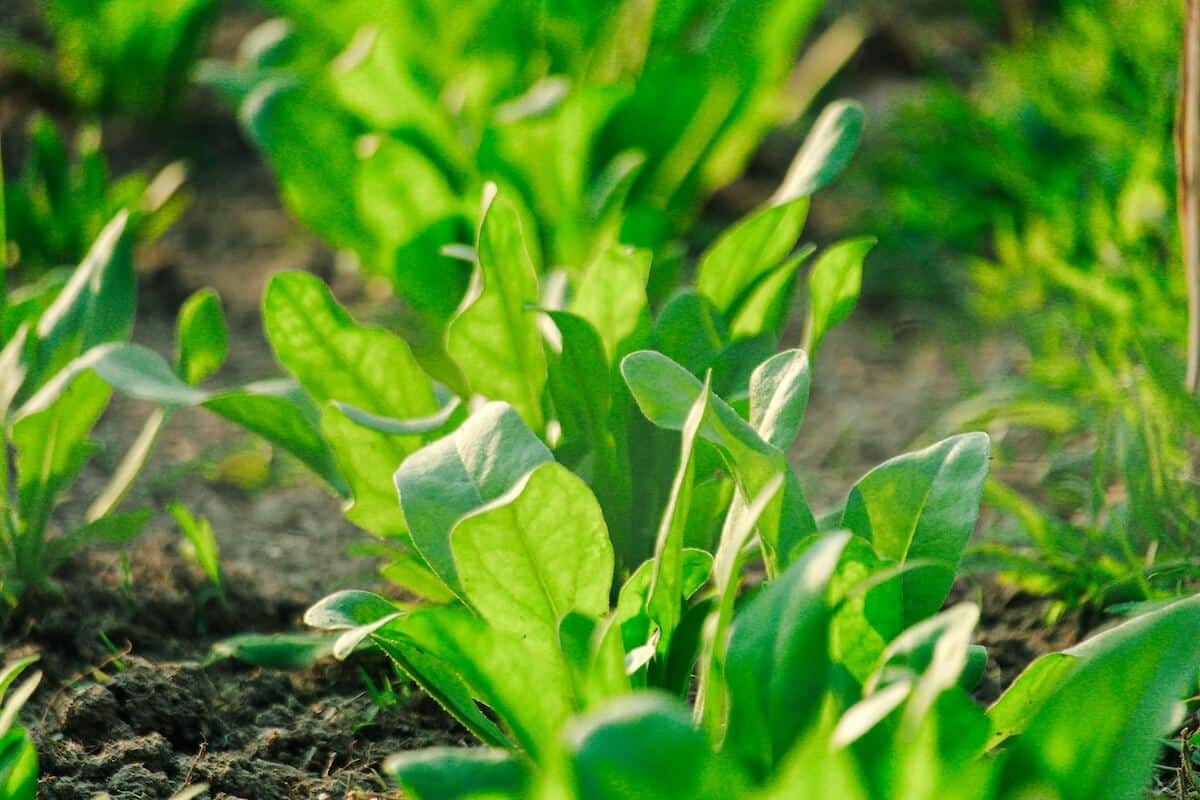
Examples: peas, spinach, lettuce, radishes
Germination (soil temperature): 5 °C (41 °F)
Transplanting (nighttime air and soil temperature): 5 °C (41 °F)
Acclimatization: 8 °C (46 °F)
The temperate ones
This group tolerates cool weather fairly well, but remains more sensitive to cold than the hardy crops. Prolonged cold can slow growth or compromise the harvest before it even begins. It is therefore best to wait a little longer before planting them.
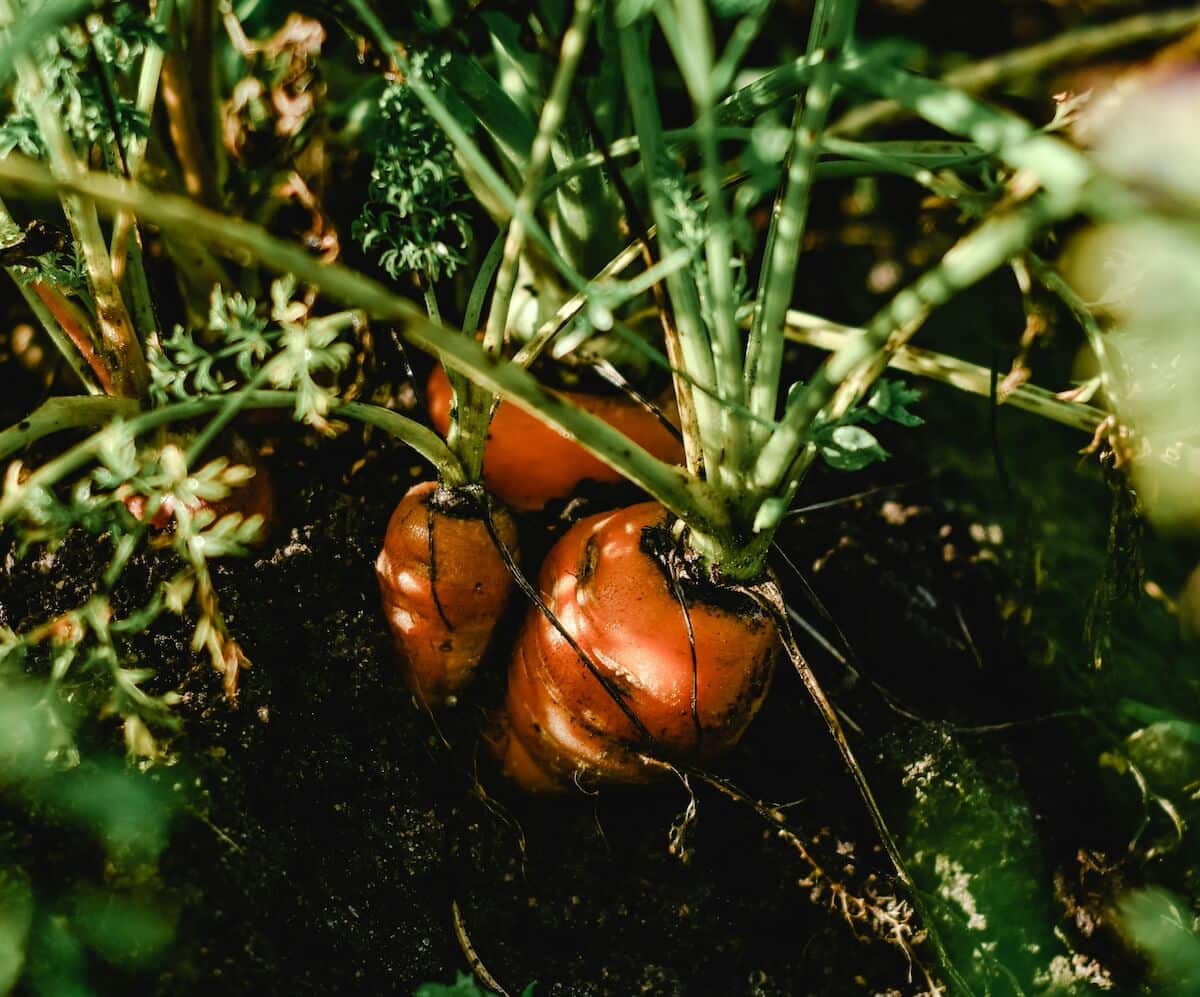
In some plants, such as beets, onions, and certain cabbages, prolonged exposure to cold — generally below 10 °C (50 °F) — can make them “think” they have gone through a winter. Since these are biennial plants, they may then prematurely send up flower stalks to produce seeds instead of forming the vegetable we want to harvest.
Examples: beets, cabbages, onions, potatoes, carrots
Germination (soil temperature): 10 °C (50 °F)
Transplanting (nighttime air and soil temperature): 10 °C (50 °F)
Acclimatization: 13 °C (55 °F)
A word of caution about potatoes: they tolerate cool soils fairly well, but dislike prolonged cold and waterlogged conditions, which encourage rot.
Carrots could almost be included among the hardy crops. They tolerate cool soils very well and can even germinate at low temperatures, but emergence is usually much faster and more uniform once the soil warms up a little.
The chilly ones
These plants enjoy warmth, but generally tolerate cool conditions a little better than true tropical crops.
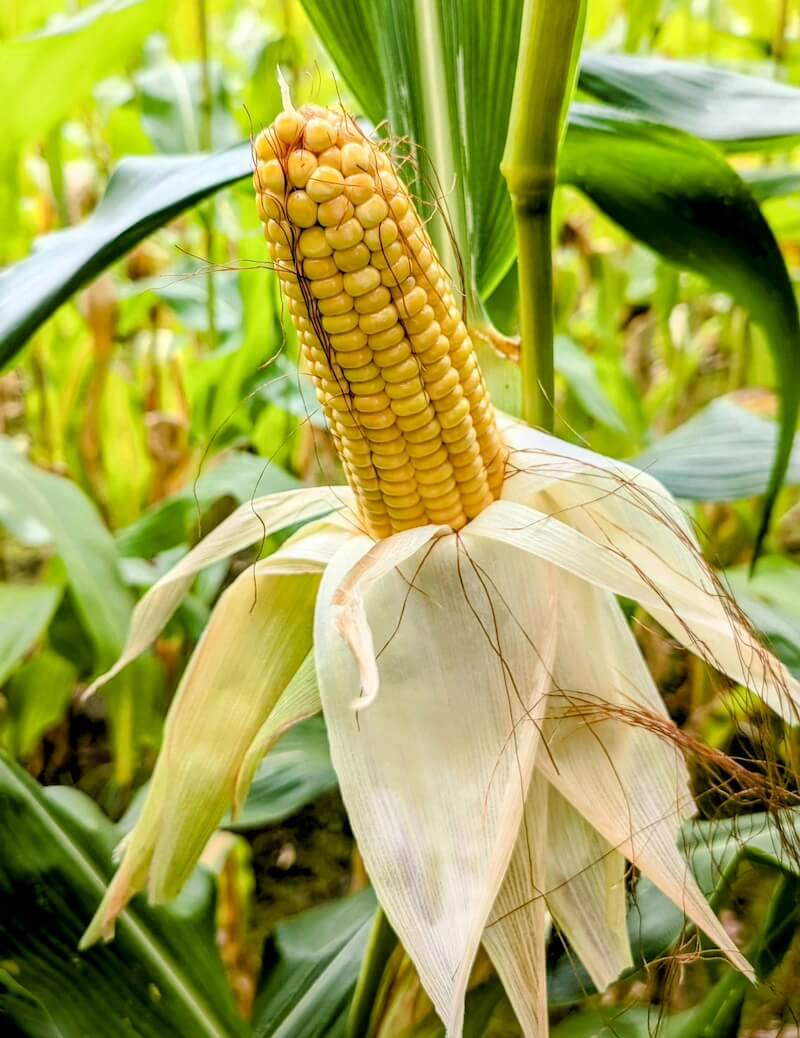
Below 10 °C (50 °F), these plants generally do not die, but their metabolism slows down considerably. By maintaining nighttime temperatures above a minimum of 12 °C (54 °F), we encourage steady growth without major setbacks.
Examples: tomatoes, ground cherries, corn, beans
Germination (soil temperature): 18 to 21 °C (64 to 70 °F) (usually done indoors for transplants)
Transplanting (nighttime air and soil temperature): 12 °C (54 °F)
Acclimatization: 15 °C (59 °F)
Corn and beans are often sown directly in the garden because they dislike being transplanted. They can germinate in soil at 12 °C (54 °F), but much more slowly than in soil closer to 18 °C (64 °F).
The tropical ones
Native to tropical regions, these plants absolutely love heat! Even a little cold, however, can slow their growth considerably. It is therefore better to delay transplanting slightly rather than trying to rush things.
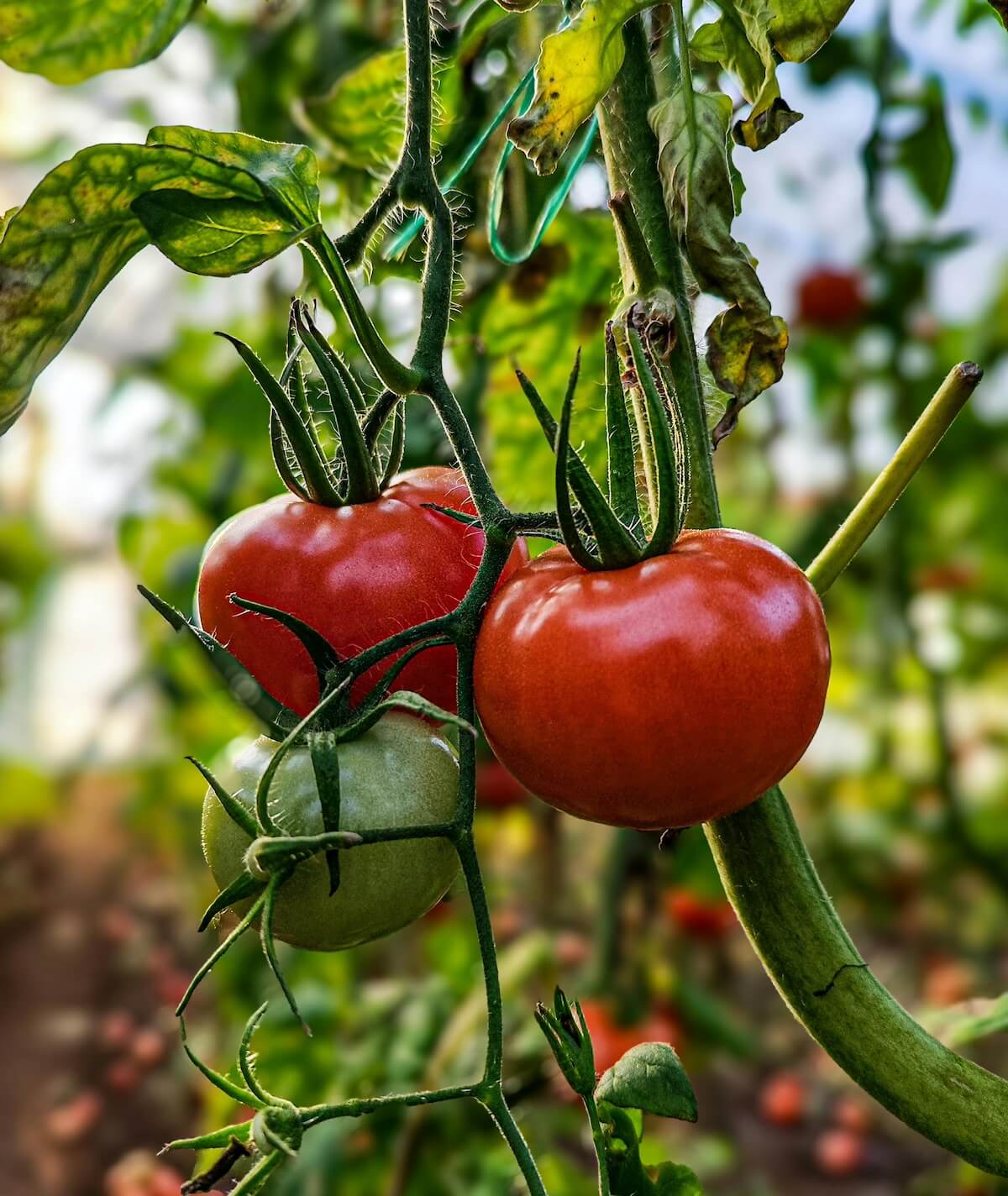
Examples: tomatoes, peppers, cucumbers, squash, basil, eggplants
Germination (soil temperature): 21 to 28 °C (70 to 82 °F)
Transplanting (nighttime air and soil temperature): 15 °C (59 °F)
Acclimatization: 18 °C (64 °F)
Eggplants and certain basil varieties are even more sensitive to cold. In their case, it can be worth waiting until nighttime temperatures remain above 18 °C (64 °F) to ensure rapid growth from the start.
Like potatoes, tropical crops hate having cold, wet roots — a combination that encourages root rot.
Also discover my ultimate guide on How to Plant Tomatoes in Containers Without Messing Up.
Nature remains unpredictable
As you well know, you can never completely rely on weather forecasts, and nature is always unpredictable—which is part of its charm.
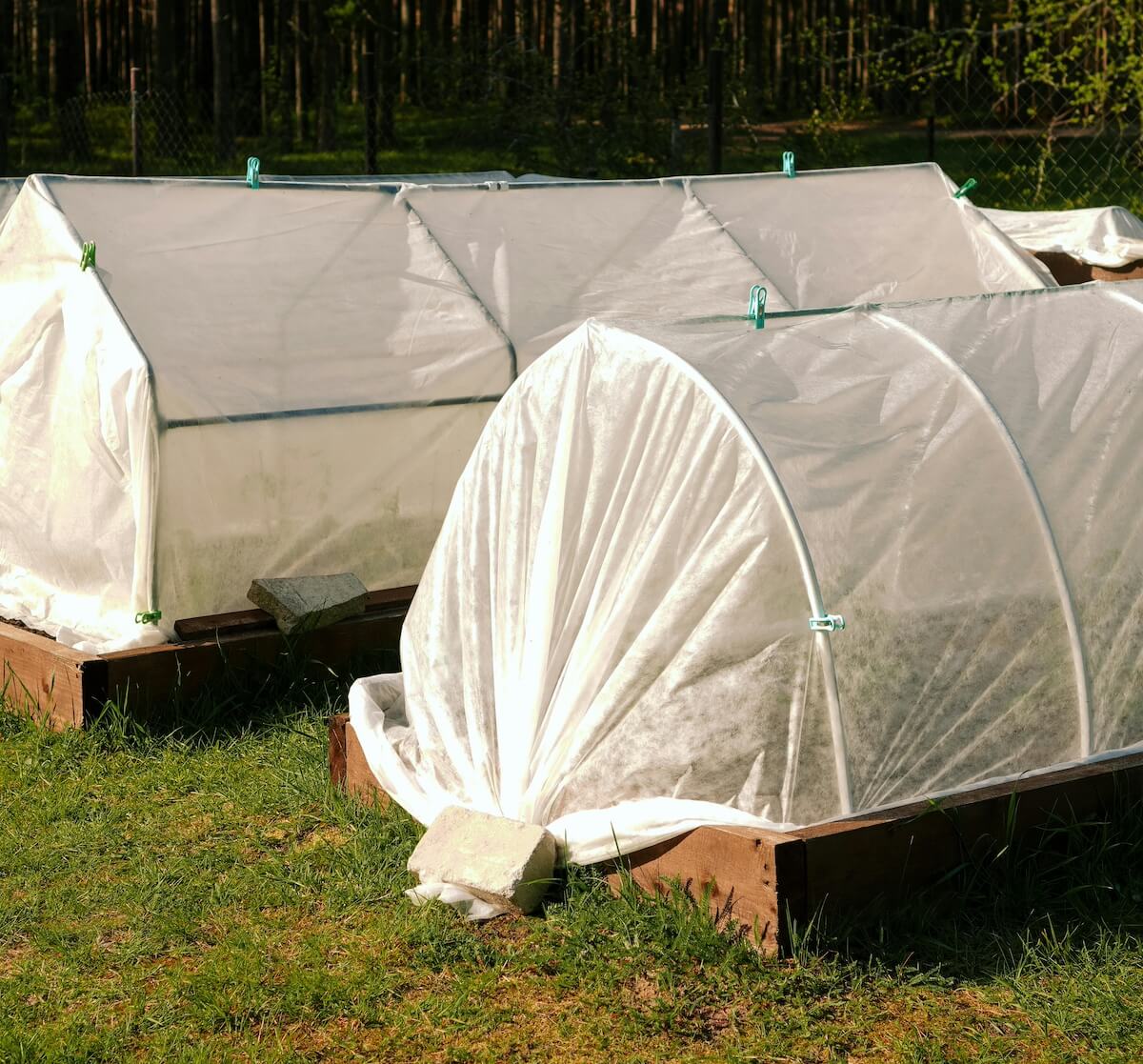
It’s therefore best to be prepared to act in case of a sudden drop in temperature. Always keep some protective materials nearby in the garden: floating covers, sheets, or plastic sheeting.
If you use plastic, make sure it doesn’t touch the foliage directly, as it can quickly transfer cold to the leaves through contact. Also, don’t forget to remove the covers as soon as the sun comes up to prevent your plants from overheating due to the greenhouse effect!
Better safe than sorry!
0 comments on “Plants Can’t Read Calendars”