
It seems Canadian gardeners are true optimists. You see them in droves during the long weekend of Victoria Day, bundled up in their tuques, mittens, and warm spring coats, planting their tomatoes and impatiens right in the ground. They barely have to work around a few patches of frost to get on with planting! What sheer naivety to plant such cold-sensitive plants when temperatures are still dropping dangerously close to 5 to 8 °C (41 to 46 °F) almost every night! It would take monumental faith to imagine, even for a moment, that these poor plants won’t be, if not irreparably damaged, at the very least seriously stunted in their growth by such temperatures. But it’s Patriots’ Day. Isn’t this the traditional planting weekend in the region?
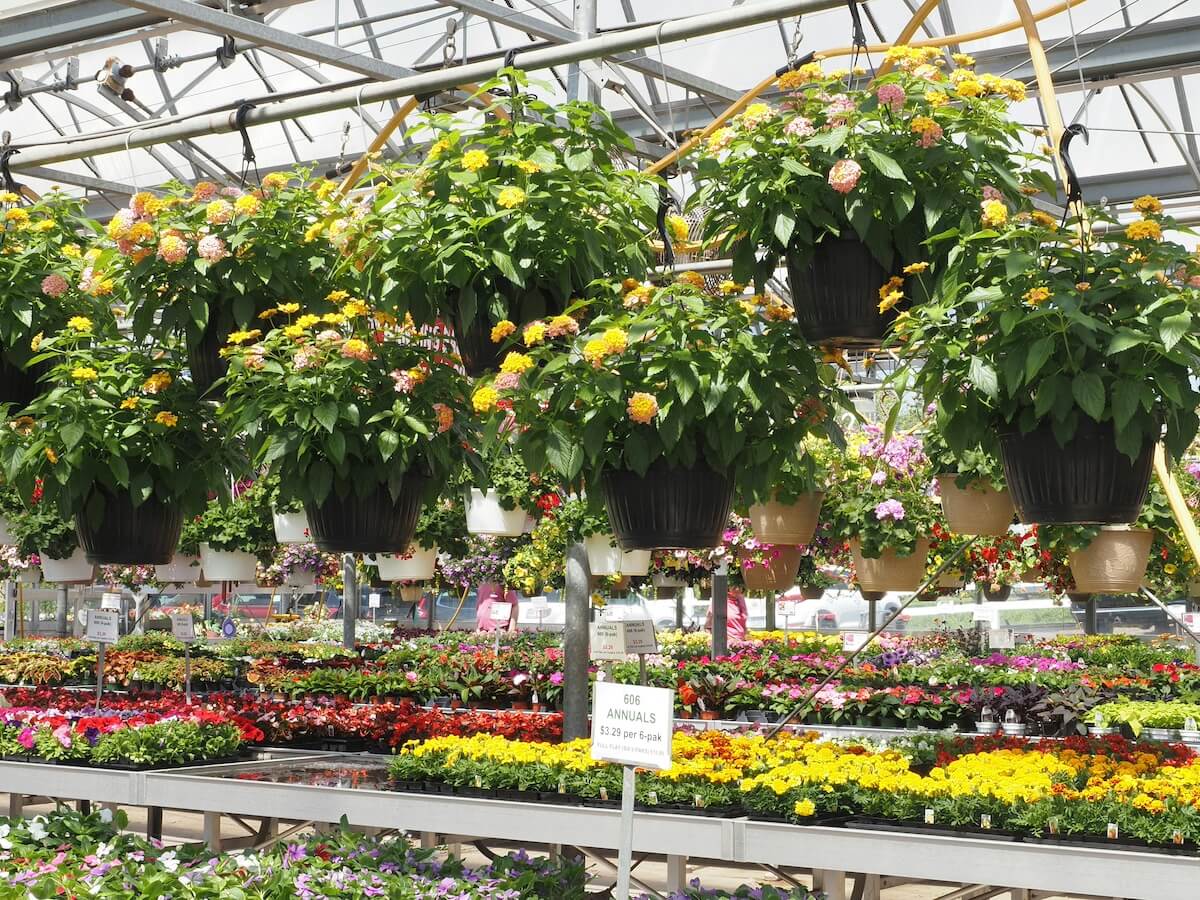
Is it time to plant?
Not necessarily. Across Canada, the right time to plant heat-loving vegetables and flowers can vary tremendously from one region to another. The last frost does not arrive at the same time in southern Ontario, the Maritimes, the Prairies, coastal British Columbia, or northern regions of the country. Even within the same province, local conditions can differ dramatically depending on elevation, proximity to water, urban heat islands, or surrounding landscapes.
The old tradition of planting everything during the Victoria Day long weekend may work reasonably well in some of the country’s mildest regions, but it is far from a universal rule. Yet gardening advice in the media still often treats that weekend as the official start of planting season. In reality, local climate will always matter far more than the calendar.
The worst part is that even in relatively mild regions, temperatures are often still quite cool at that time of year. Nevertheless, every spring, headlines enthusiastically urge gardeners to rush outside and start planting — as though the timing had already been fixed months in advance by the broadcasting schedule.
A realistic gardener can rarely rely on a specific calendar date for planting tender crops, because weather has never been entirely predictable. Yes, the risk of frost eventually fades every year and spring gradually gives way to summer, but exactly when that transition happens varies enormously from one year to the next.
An old belief
There’s an old belief that the danger of frost isn’t truly over until after the last full moon of May. If you follow that advice, you probably won’t plant your tender vegetables and flowers too early — and honestly, that’s not always a bad thing. Even after that full moon, nighttime temperatures of 3 or 4 °C (37 to 39 °F) are still very common in many parts of Canada… and yes, frost can still occasionally occur.
So, while the full moon may be a memorable gardening tradition, it isn’t always a reliable indicator. In fact, it increasingly feels as though true summer arrives later than we hope. Some gardeners are beginning to wonder whether climate change forgot to inform our gardens!
My technique
Like all gardeners, I have to deal with the question of when to plant tender vegetables and flowers. Here’s the approach I use.
First, I avoid planting any cold-sensitive plants too early in the season. In my climate, that usually means waiting until late May or early June before even considering planting them outdoors. At that point, I try to estimate the likelihood of lingering cool temperatures before deciding whether to plant immediately or wait a little longer.
These days, I mostly rely on weather forecasts. Before planting, I check the extended forecast carefully. If I don’t see any nighttime temperatures below 10 °C (50 °F), I go ahead and plant. If cooler temperatures are still expected, I wait a few more days and check again.
Quite often, this delays planting until well after the Victoria Day weekend, even though the urge to garden starts much earlier. But in the long run, waiting for consistently warm nights usually leads to healthier plants and better growth than rushing tender crops into cold soil too soon..
What can I plant despite the cold?
Even if spring feels cooler than usual, that doesn’t mean you can’t plant anything at this time of year. Perennials, trees, shrubs, and conifers are well adapted to cool temperatures and generally won’t be bothered by a light frost. They can usually be planted safely, even during the Victoria Day long weekend in many parts of Canada.
Some vegetables — particularly cabbage-family crops, onions, peas, lettuce, and other cool-season plants — also tolerate chilly nights quite well. The same goes for a few hardy annuals such as pansies, sweet alyssum, and snapdragons.
But these are the exceptions rather than the rule.
For most heat-loving vegetables and flowers, it is still too early. Tomatoes, cucumbers, peppers, eggplants, melons, impatiens, begonias, celosias, marigolds, and many other tender plants dislike cold nights and cool soil. Planting them too early may not kill them outright, but it can severely slow their growth and delay their recovery for weeks.
Patience pays off. The right planting time will come soon enough.
What should I do with cold-sensitive plants in the meantime?
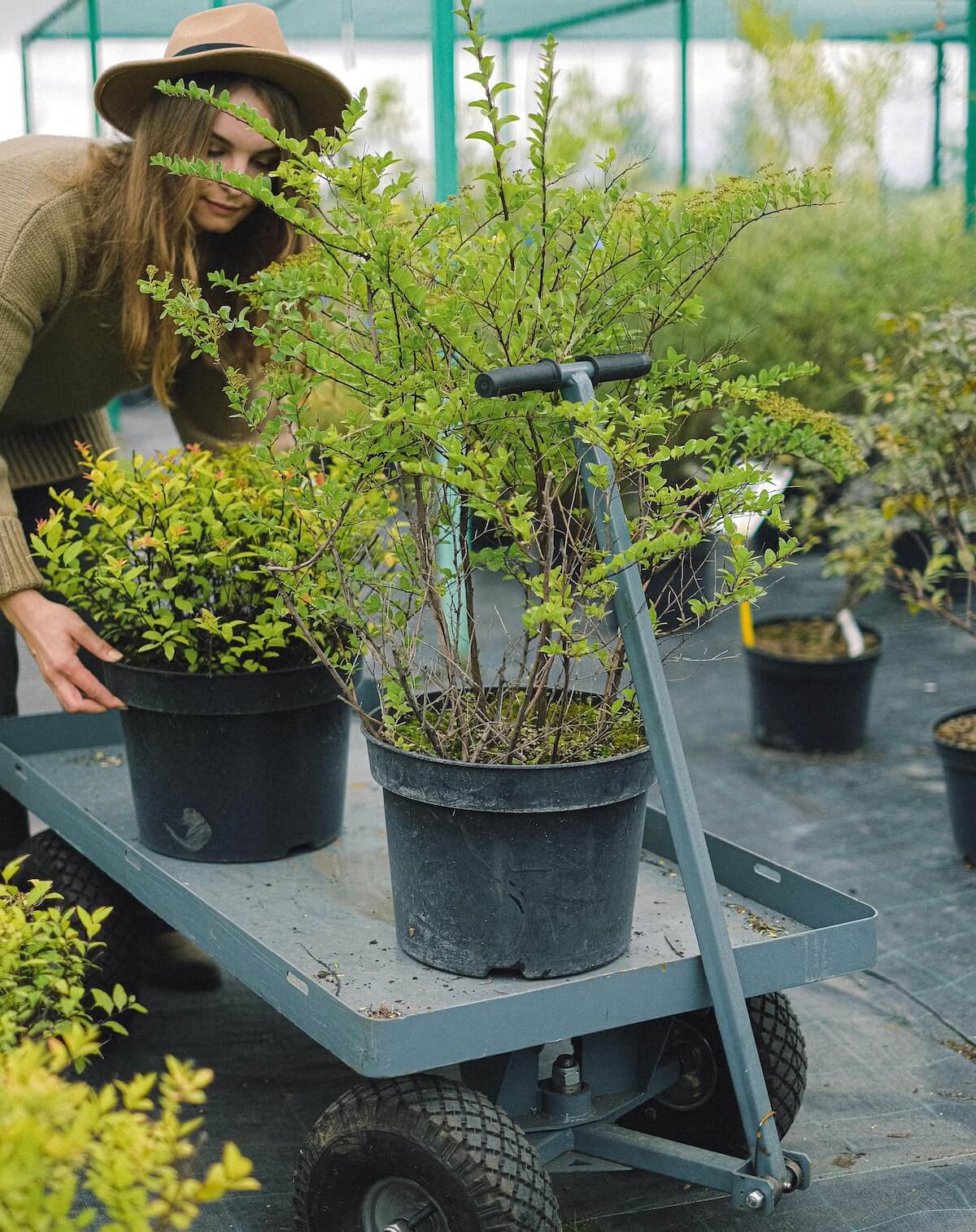
Have you already bought your trays of annuals and vegetable seedlings? No problem! Simply keep them in a shed, garage, greenhouse, or close to the house whenever nighttime temperatures below 10 °C (50 °F) are forecast.
Have a great gardening season… even if spring seems to arrive a little late, as it so often does!
Larry Hodgson published thousands of articles and 65 books during his career, in both English and French. His son, Mathieu Hodgson, continues working to make his father’s writings accessible to a new generation of gardeners. This article was originally published in the newspaper Le Soleil.
I learned this the hard way one year, got excited, planted tomatoes early, and they just sat there looking miserable for weeks. Now I wait until nights are consistently warmer, even if it feels late. I usually keep seedlings on the balcony and bring them in overnight, which helps a lot. Funny how patience actually saves time in the end. While planning, I sometimes end up browsing random things like https://angies-list.pissedconsumer.com/review.html but checking the weather has become my real routine.
How timely! Our May long weekend has produced four inches of heavy wet snow, negative night time temperatures and a hard frost. All in three short days. As usual Larry’s advice of proceeding slowly and with caution are bang on.