
Yes, yes, I’m asking myself this question, and I’m asking you: at what cost? You might be thinking of an expensive digital camera, an exorbitantly priced lens… but is that really the cost I’m talking about?
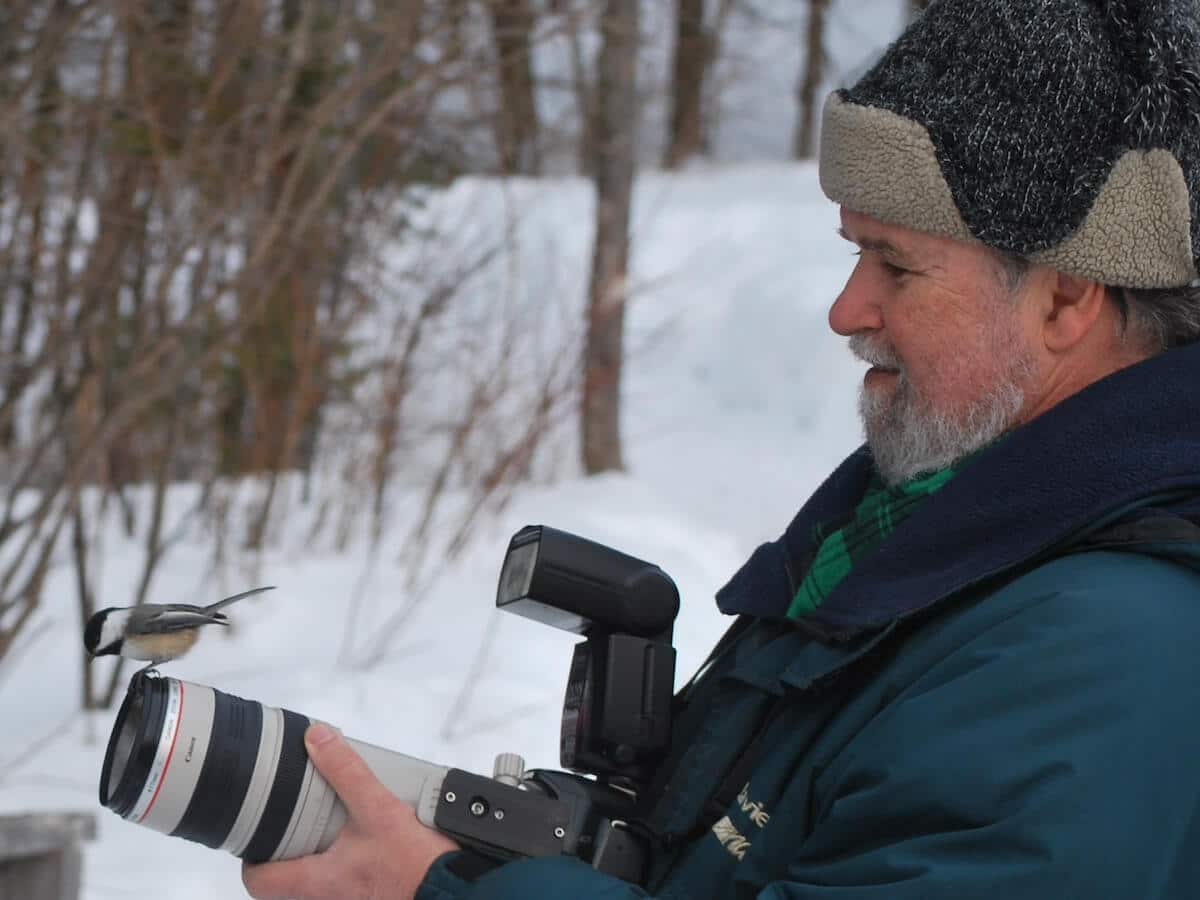
But in fact, I’m talking about a very different kind of price: the one tied to enjoying a very pleasant — even admirable — activity while making sure to protect biodiversity, birdlife, and the environment they depend on!
But where am I going with all this, you may ask?
Wildlife photography and ethics
As you know, there are many amateur photographers who roam our parks and natural habitats in search of the best possible photo of our birds. They all share the same goal, but not necessarily the same ethics or sense of responsibility when it comes to protecting wildlife. This happens because some are unaware of the facts or, quite simply, because they don’t care.
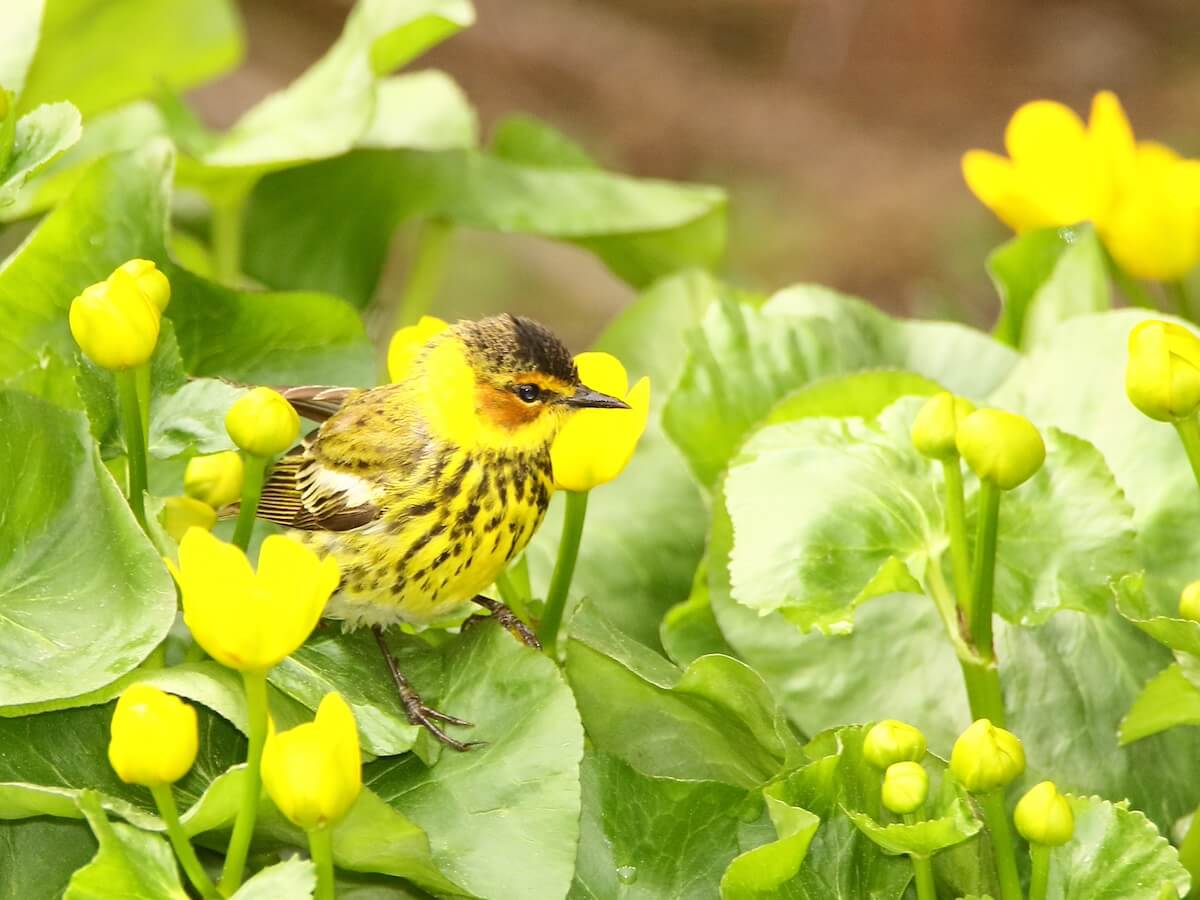
As you know, finding a bird can sometimes be a challenge, but doing so while respecting the bird and its environment in order to photograph our star of the day is a whole different story. But is anything fair when it comes to coming home with stunning photos? Do we have the right to break branches, cut them down, walk off the park trails, and push our way in front of everyone else to take our shot? Is it okay to disturb neighbors and property owners by trespassing on private land? I mention these behaviors because they’ve actually happened!
Are the actions listed above responsible? If they are responsible for anything, it is for the negative reputation attributed to “all photographers”—and this is due to a few ignorant people, or those who deliberately choose to ignore the rules of the art. Here, I am not talking about photography, but rather about respect for nature and fellow citizens!
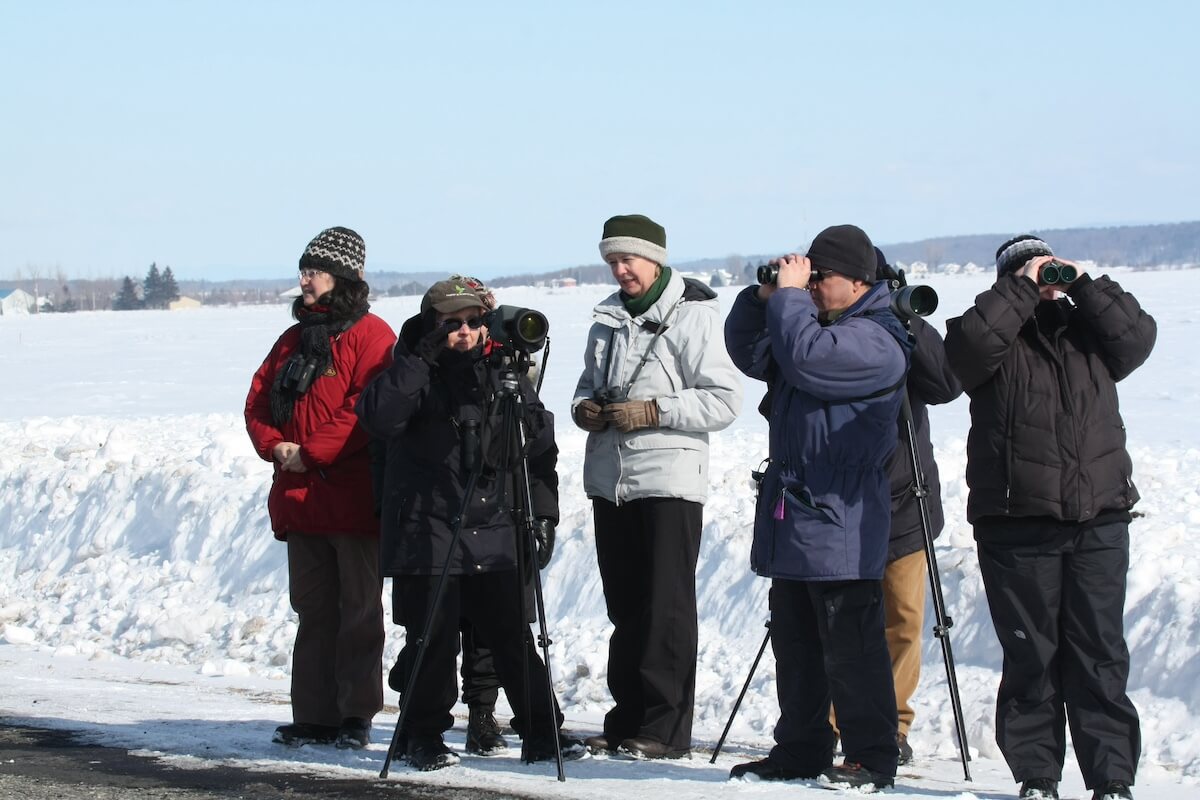
The basic rules for birdwatching
There is also a code of ethics promoted by Birds Canada to remind everyone of proper outdoor conduct and respectful behaviour in nature, which you can consult to refresh your knowledge.
The main rules:
- Respect the bird and maintain a safe distance to avoid causing it unnecessary stress. In fact, be sure to give it plenty of space so as not to scare or disturb it. Its well-being—and perhaps even its survival—depends on it.
- Respect the environment and its habitat. Stay on the trails when you’re in a park or any other protected area.
- Watch your step! Plants deserve protection too. You should avoid stepping on certain ones.
- Respect all visitors and birders on site. Some arrived before you. Don’t walk past them without asking permission. After all, you wouldn’t want to be disturbed if you were in their shoes.
- Respect private property! Never walk onto private property without obtaining the owner’s permission.
- Be considerate by not disclosing the location of a sensitive species. Birds such as the snowy owl or other members of the Strigidae family (owls), among others, can suffer irreparable harm if disturbed. Snowy Owls have been known to be struck by cars while fleeing from birders too focused on their goal rather than on the bird.
- After all, you’re not alone. If you see people not following this code, gently and politely remind them. Maybe they’re just in their own little world!
Think of others—and the birds!
It’s a simple thought, but what a powerful one!
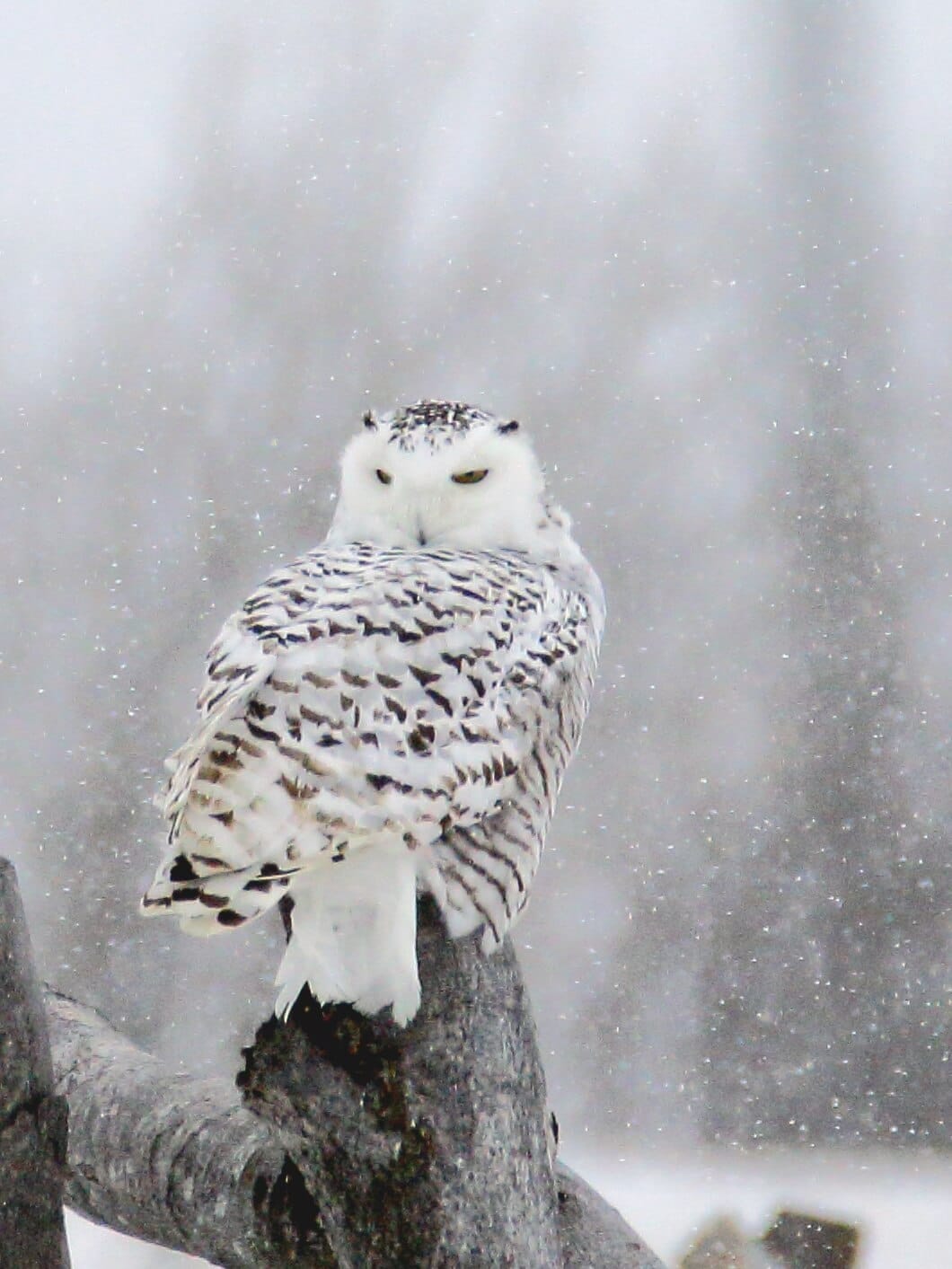
In our society, some people are in favor of bird photography, while others are against it. I would like to remind you of how important bird photography is to our cultural landscape. What would our bird identification guides be without photos? What would our school textbooks, documentaries, National Geographic films, or images on certain websites be like? Just because you see a bird photographer breaking the rules doesn’t mean the activity itself is harmful. After all, just because there’s a drunk driver on the road doesn’t mean all drivers are drunk!
Un passe-tête fascinant
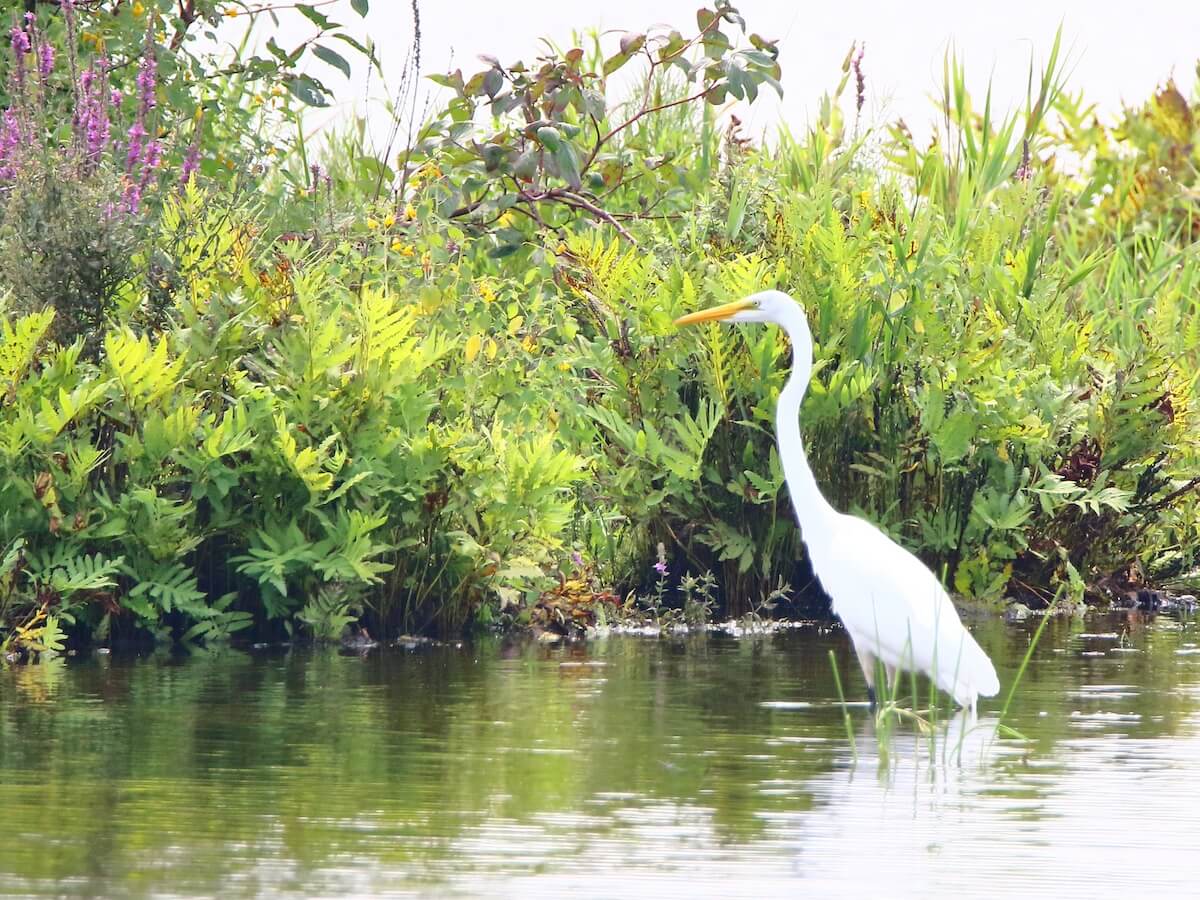
Wildlife photography is a pleasant hobby for some, a rewarding activity and a way of life for others, and a career for those who share the fruits of their labor with us, while respecting nature.
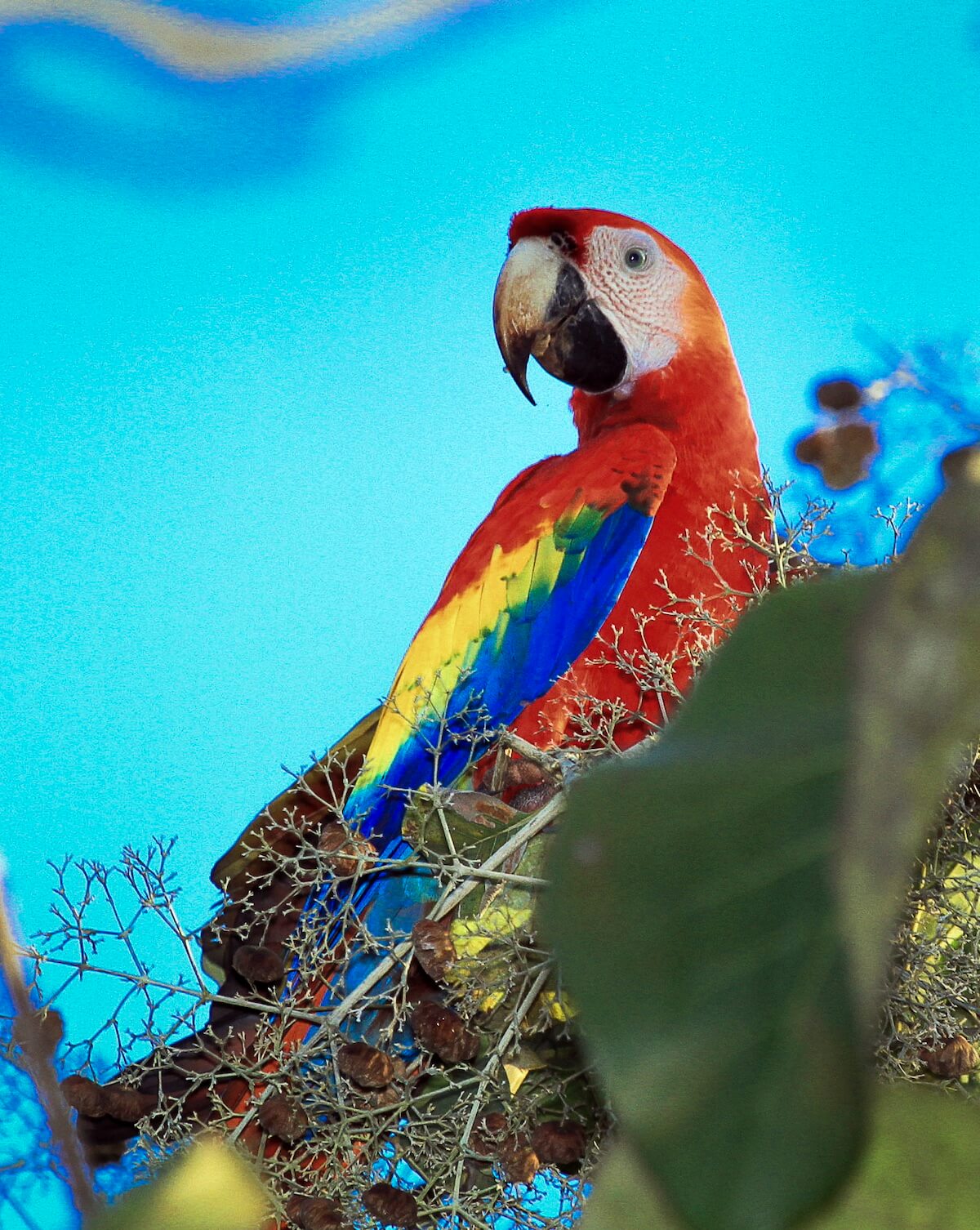
As in every aspect of our lives, we can learn from nature, and bird photography—in all its forms—helps us do just that.
Let’s be mindful of our actions and of the living world around us.
What about you? Do you treat our birds with respect?
That’s a good point. I think maintaining a comfortable distance and prioritizing the bird’s welfare over the photo is the best approach, especially during nesting or feeding periods. 5 letter words
I completely get where you’re coming from about the ethics of bird photography. I once spent a whole day trying to capture a hawk but ended up scaring it away instead! It really made me rethink how close we should get for the perfect shot. Maybe we can advocate for responsible practices while still enjoying this amazing hobby! monkey mart
I didn’t realize that there was a problem. Good article!