
If there’s one vegetable we love to have on our table all the time, it’s lettuce. And the good news is that you can grow and enjoy your own lettuce twelve months a year—six months outdoors and even six months indoors for adventurous gardeners. Lettuce’s characteristics make it a vegetable of choice for everyone.
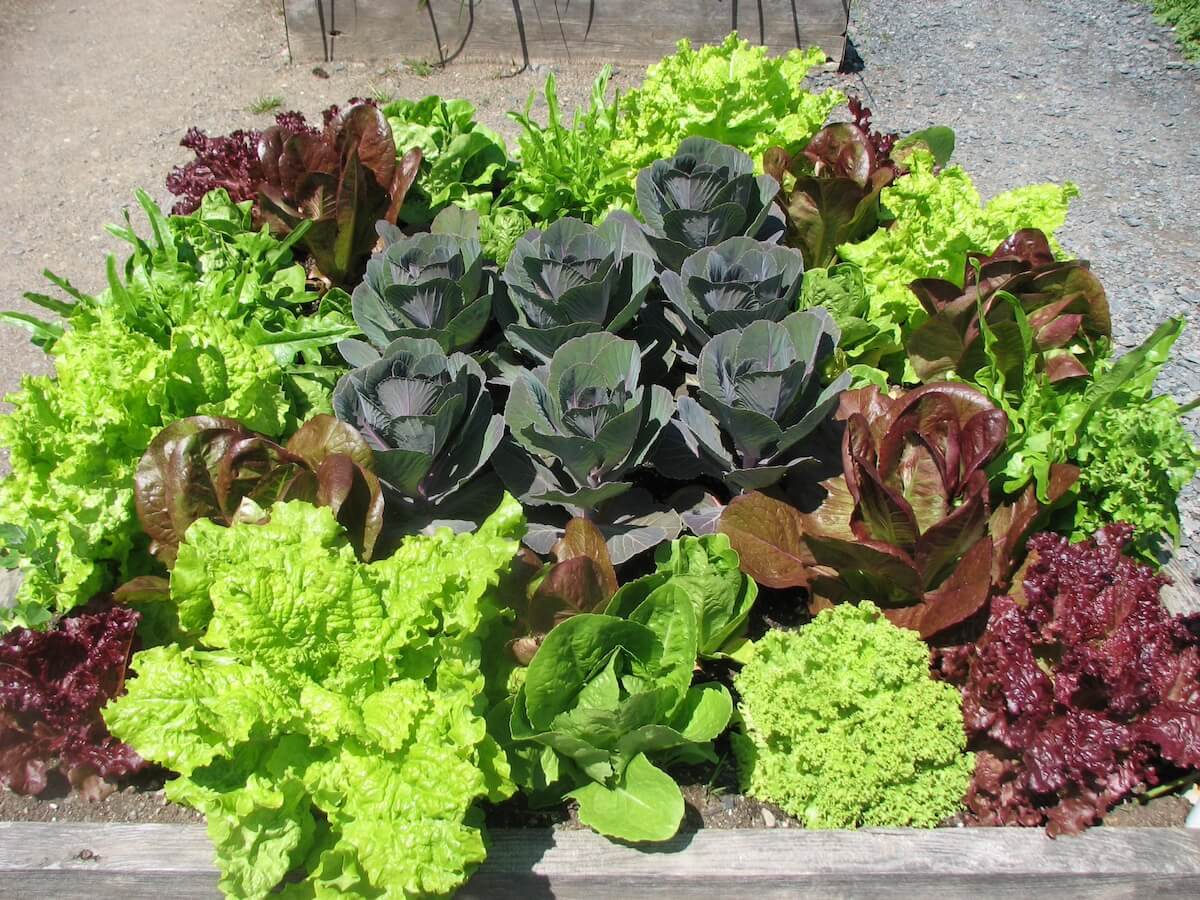
A wide variety
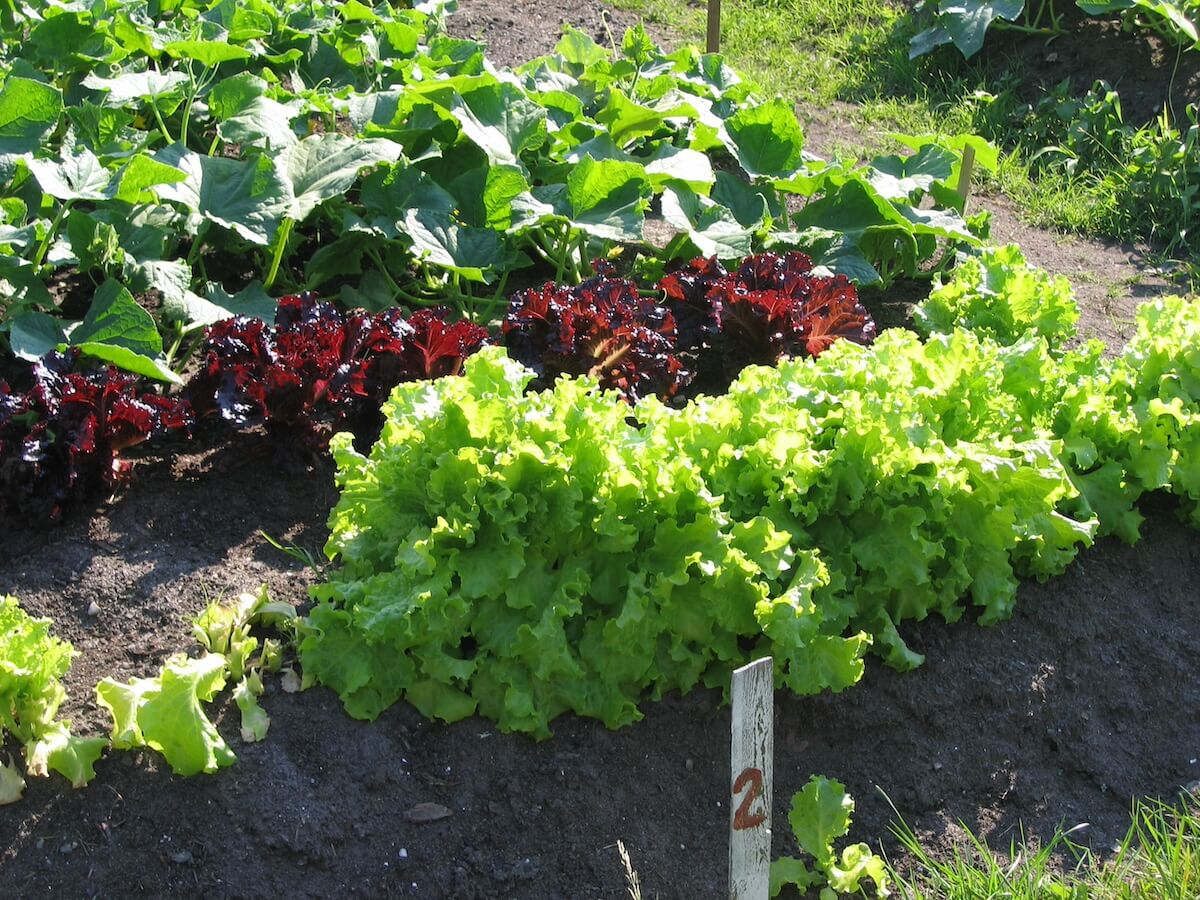
Whether you prefer Boston lettuce, romaine lettuce, leaf lettuce (or curly lettuce), or mesclun (a mix of young lettuces), you’ll find what you’re looking for, as there’s no shortage of varieties. Only iceberg lettuce is less suited to our growing conditions. In fact, for a selection of interesting varieties—and for many other good reasons—consider purchasing lettuce seeds produced by local seed companies.

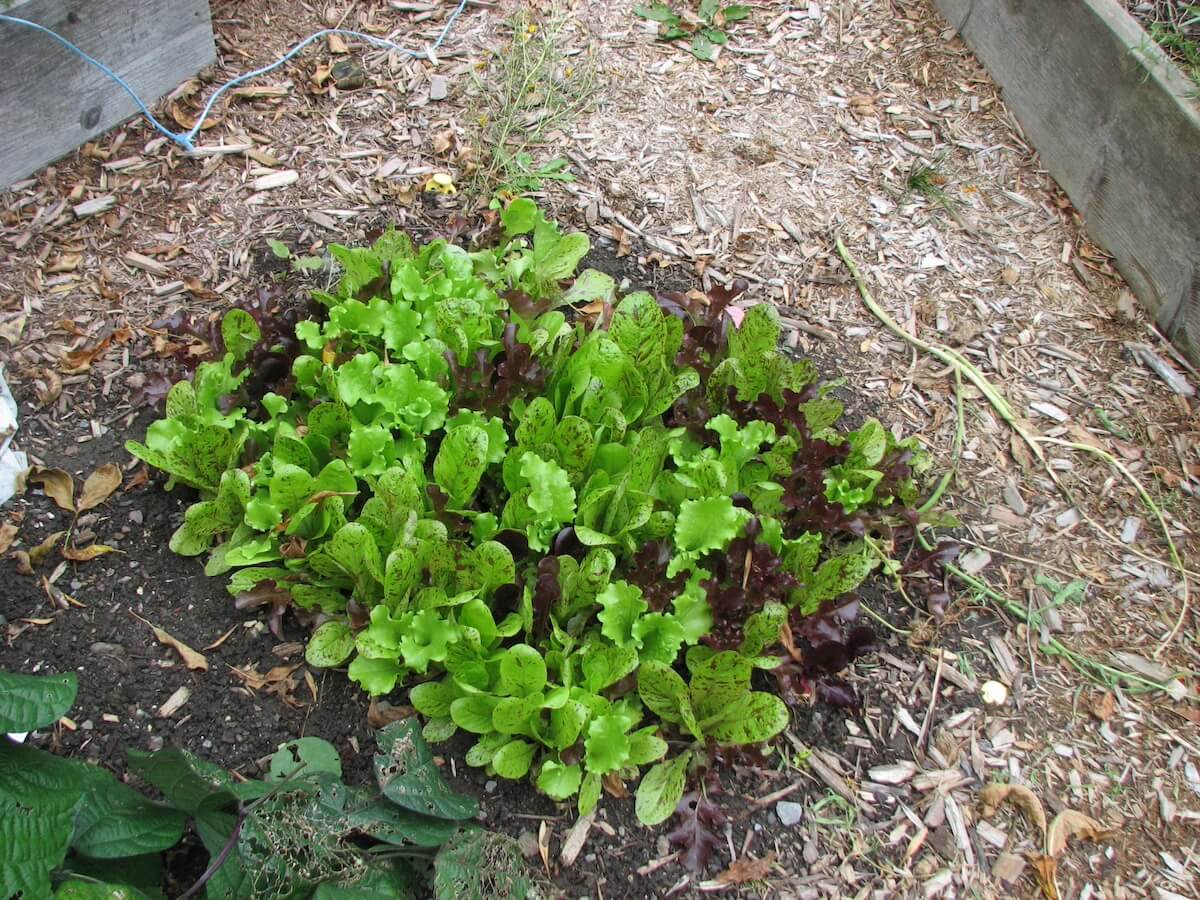
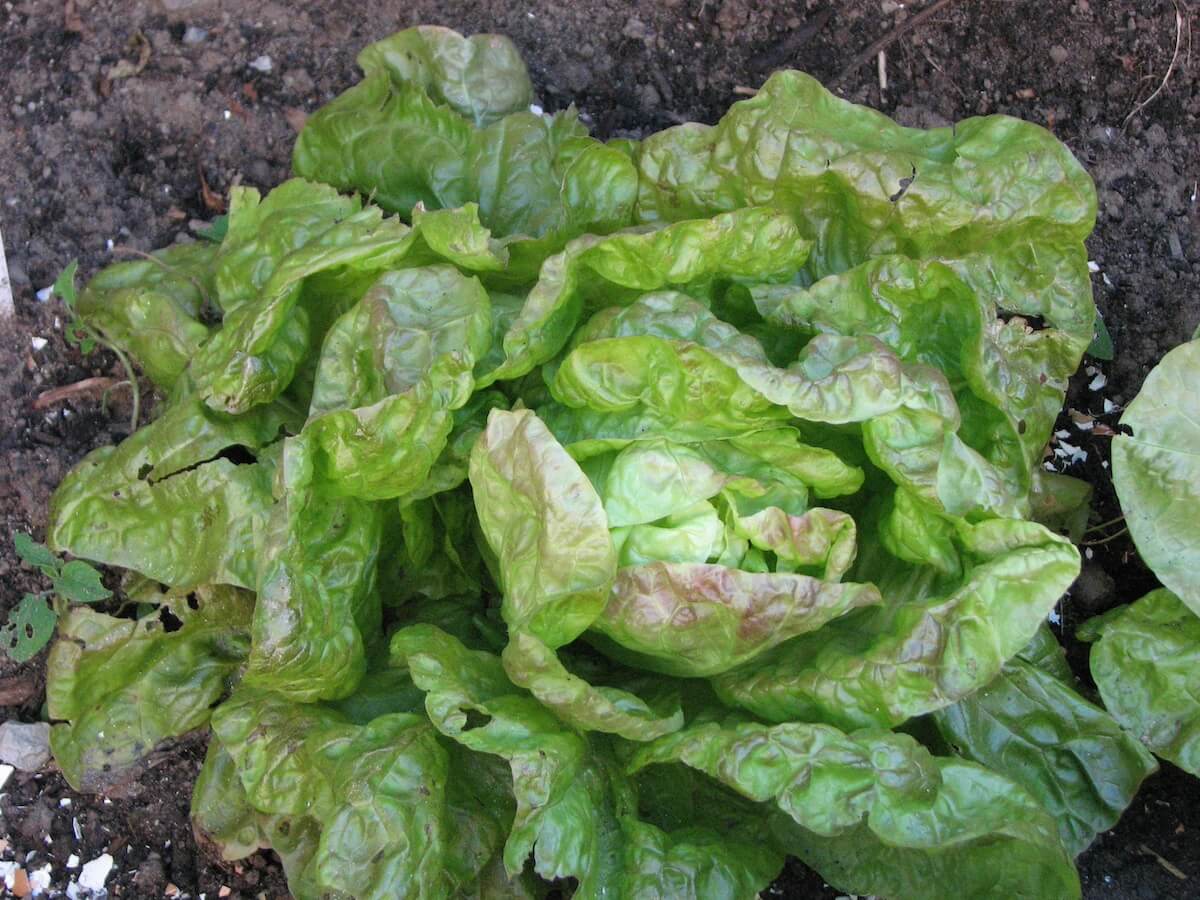
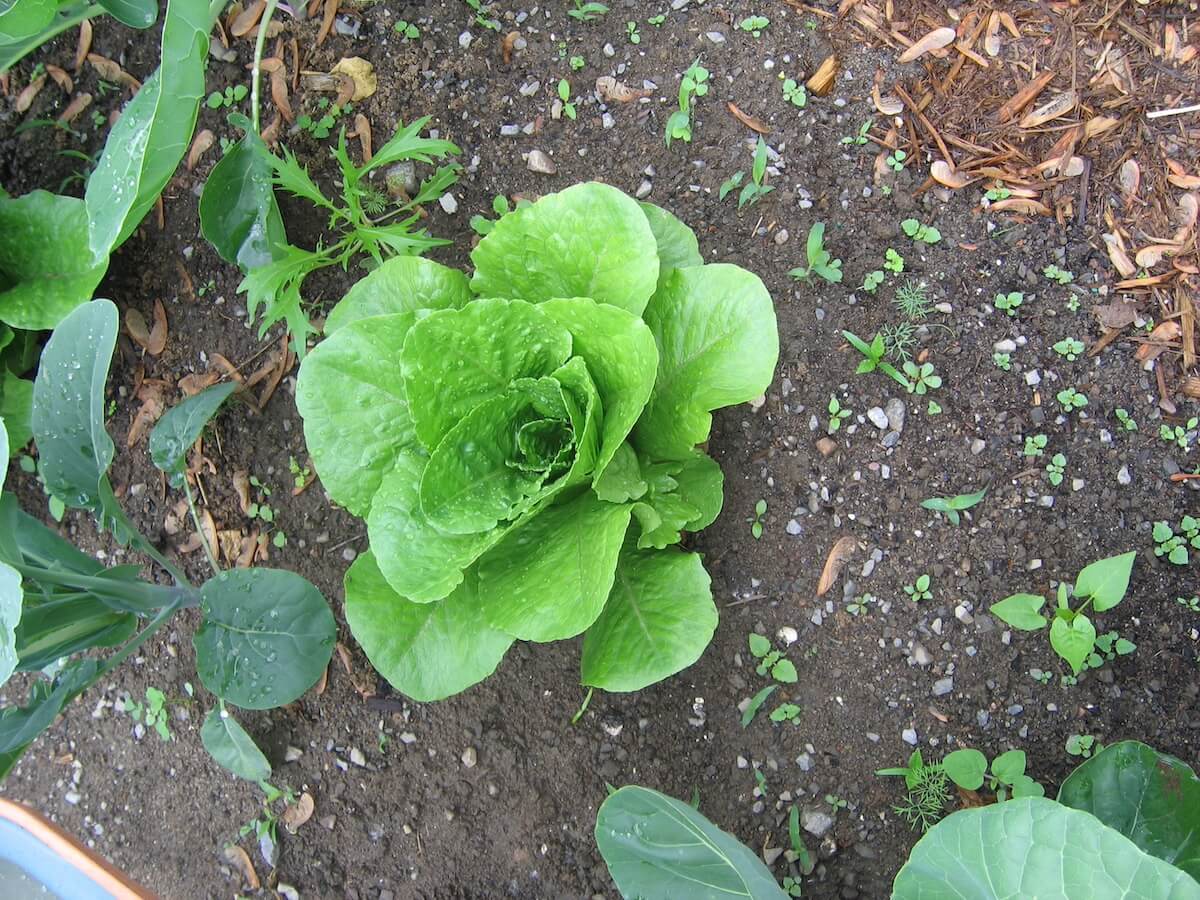
An easy-to-grow plant
All gardeners, including beginners, can grow lettuce, as it is an easy plant to grow. Lettuce thrives in moderately fertile soil, but it must not be allowed to dry out. When properly cared for, lettuce is rarely affected by pests and diseases, except for slugs, which should be collected… and fed to the birds. Lettuce is an annual plant with a short growing cycle. Most lettuces are ready to harvest 40 to 50 days after sowing.
A breath of fresh air
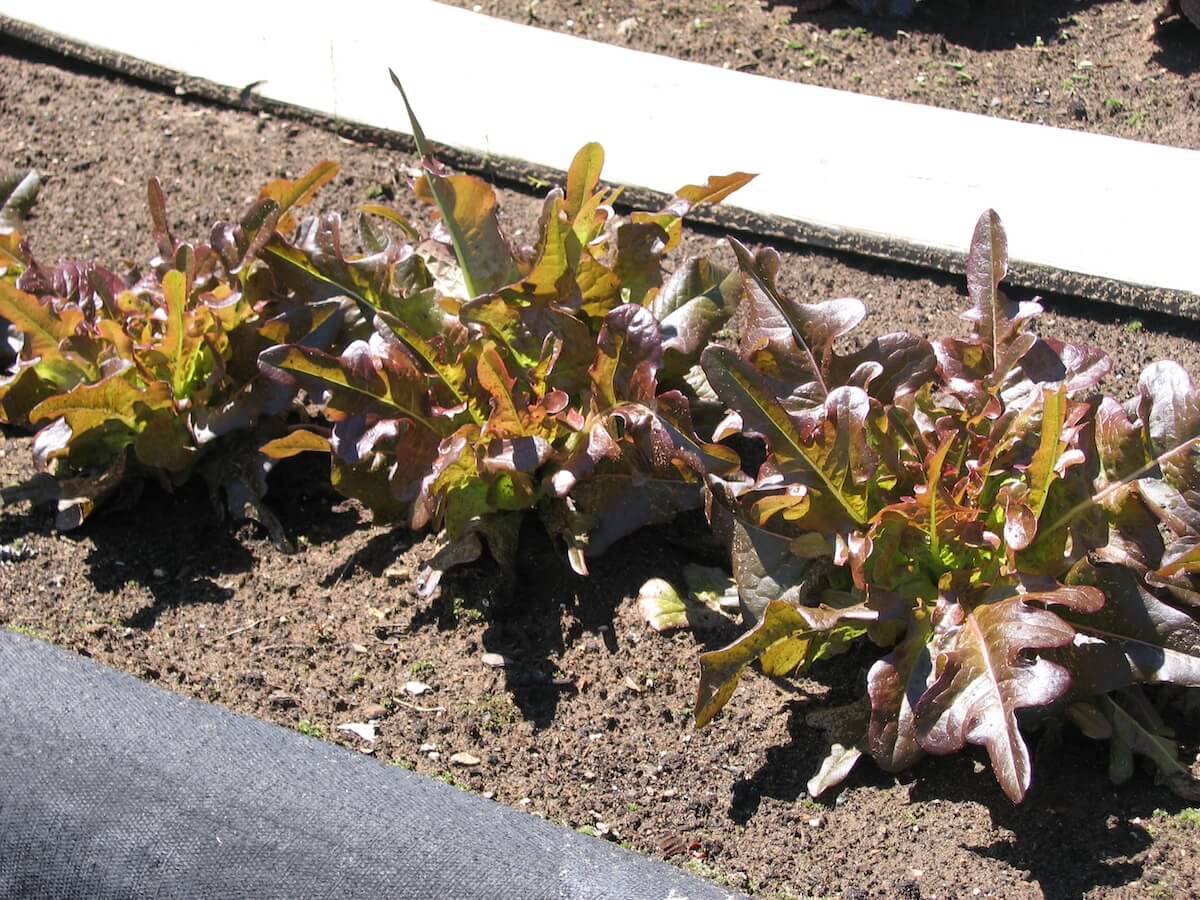
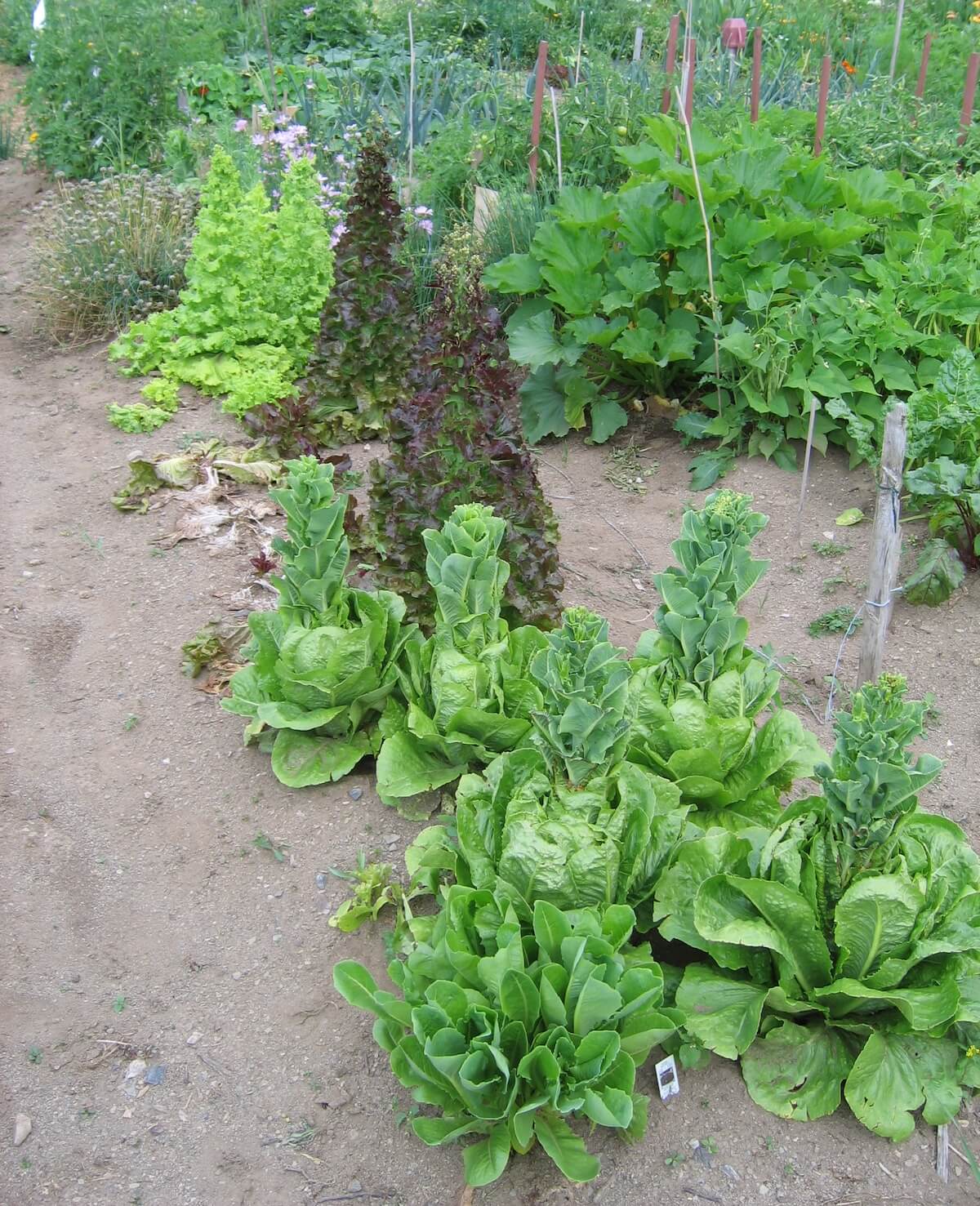
Lettuce thrives in the cool weather of spring and fall. It can even withstand fall temperatures as low as -5°C (23°F). When exposed to sun, heat, and a lack of water, lettuce quickly bolts (goes to seed), sometimes taking on the appearance of a small fir tree. The leaves then become bitter and unpalatable. Red-leaved and oakleaf lettuces are generally slower to bolt than other types.
The perfect companion
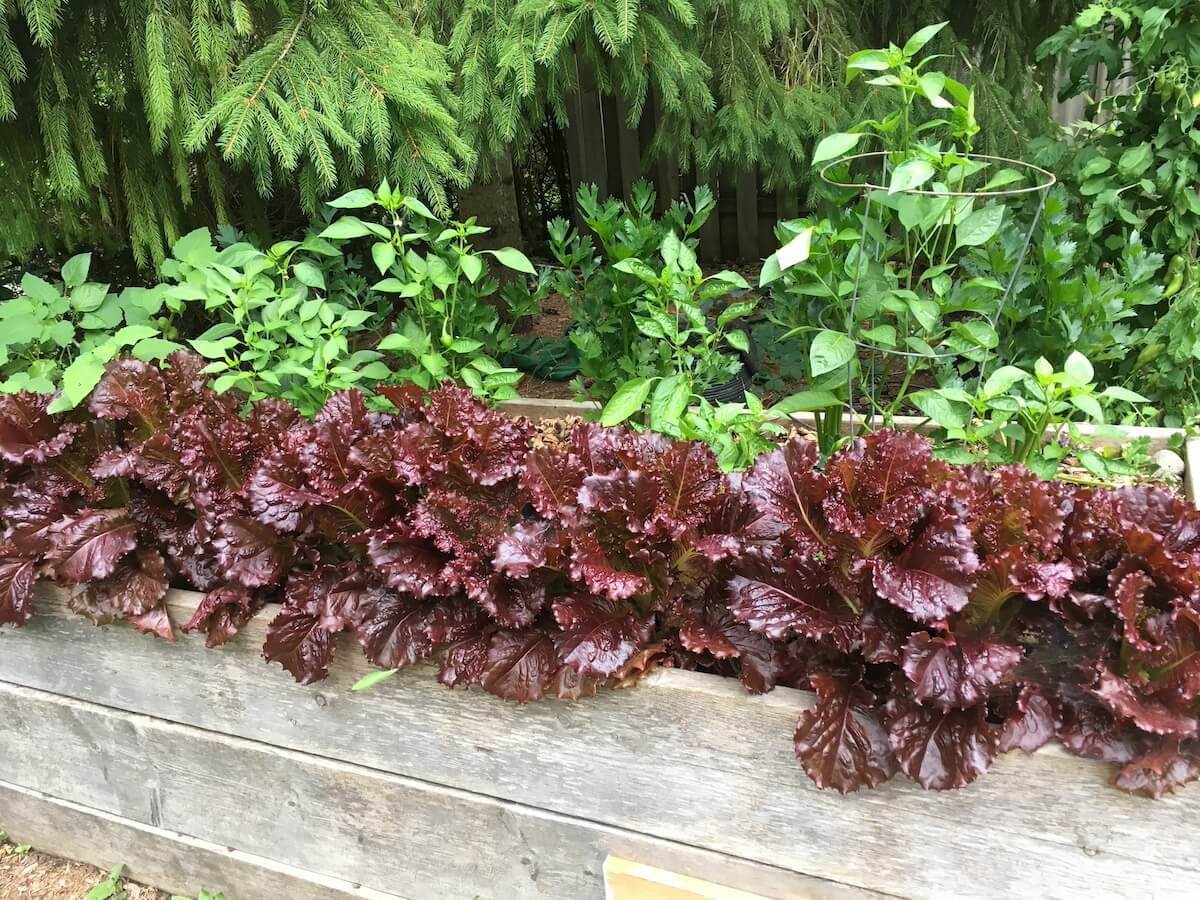
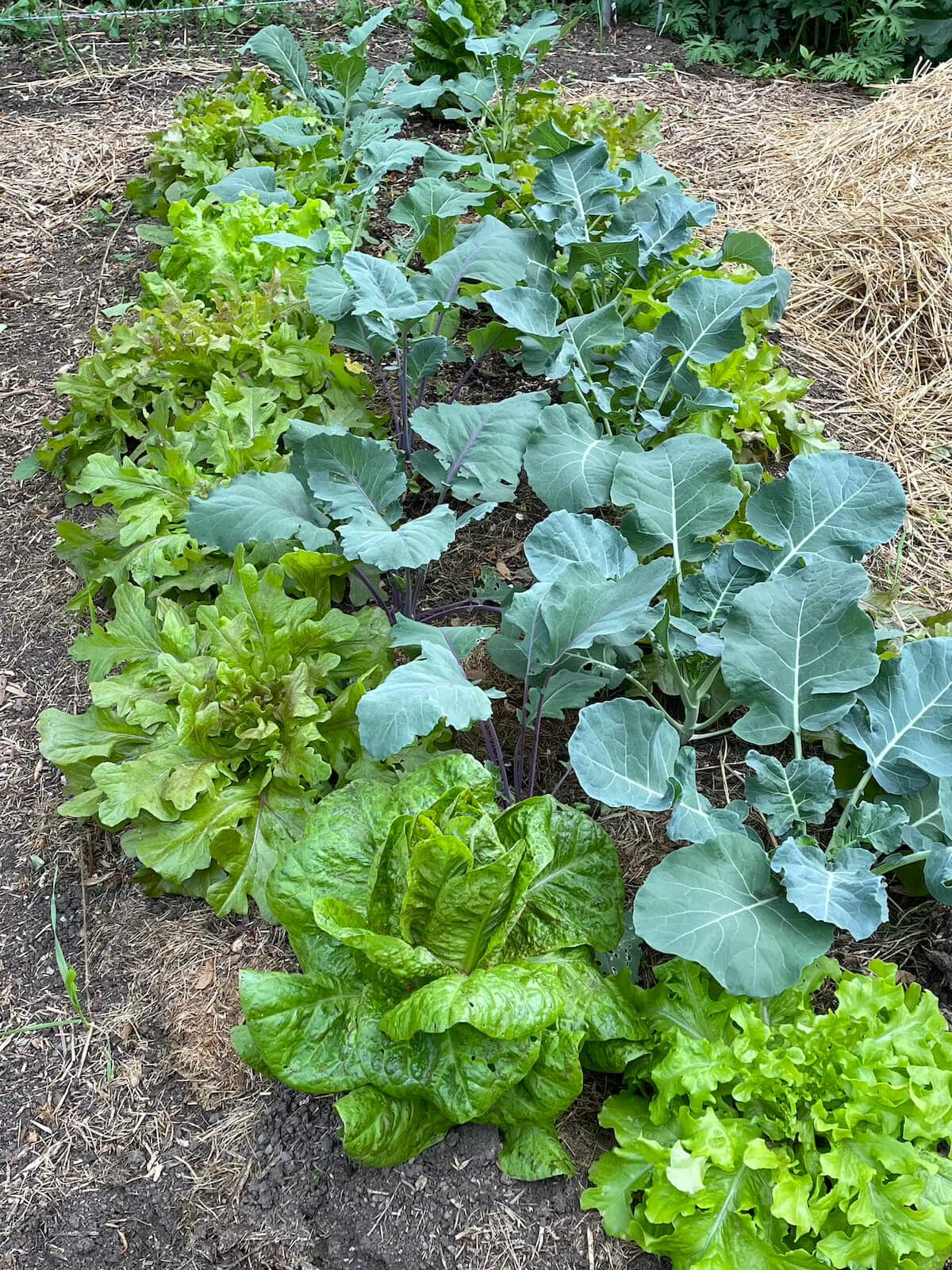
Lettuce is the perfect companion plant for the vegetable garden. Because it has moderate fertilizer requirements, a short growing season, and shallow roots, lettuce can be grown alongside most other vegetable plants.
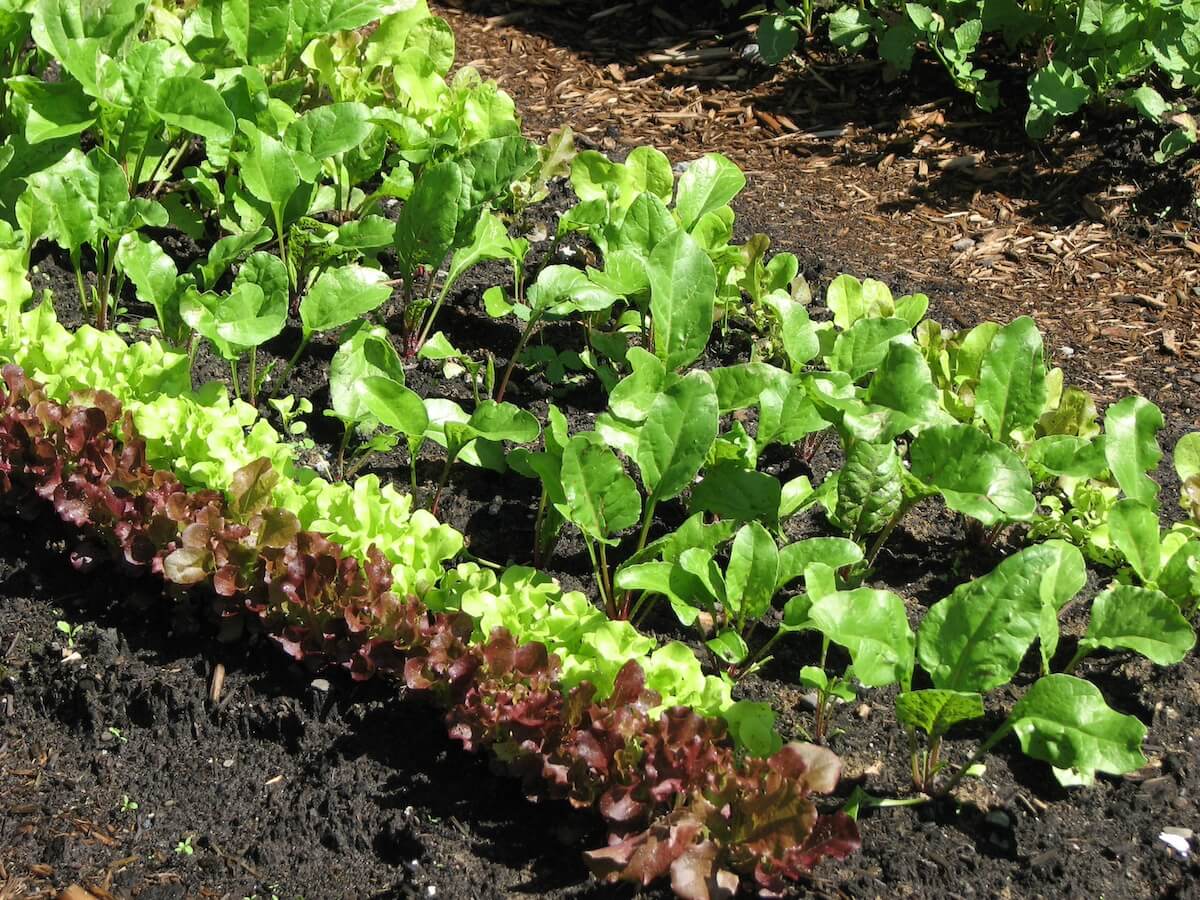
Growing plants in pots and containers
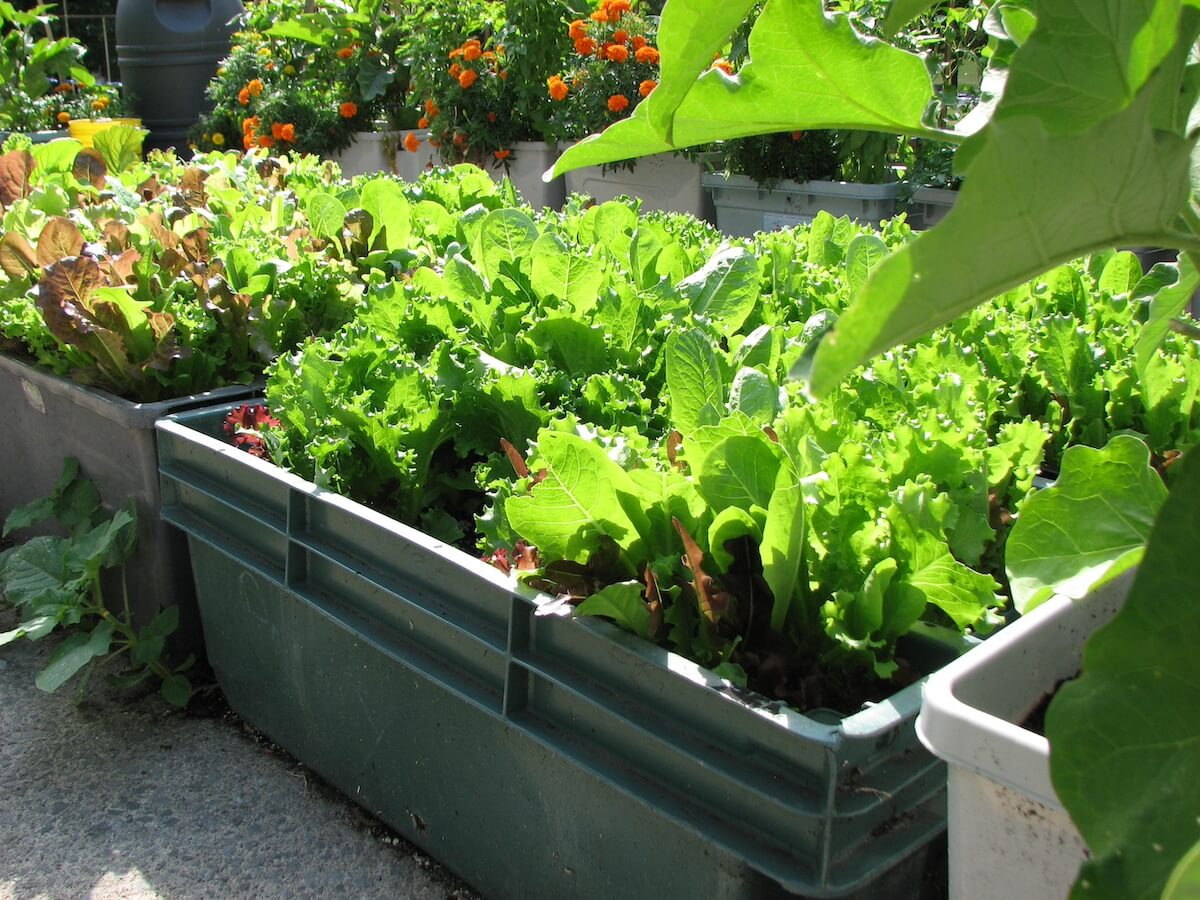
Although lettuce can be grown in pots and containers, keep in mind that it will be more prone to bolting because the soil is warmer and tends to dry out more quickly. To avoid this problem, choose more resistant varieties, place your pots in a partially shaded area (a parasol can help), and keep the soil consistently moist—but not soggy.
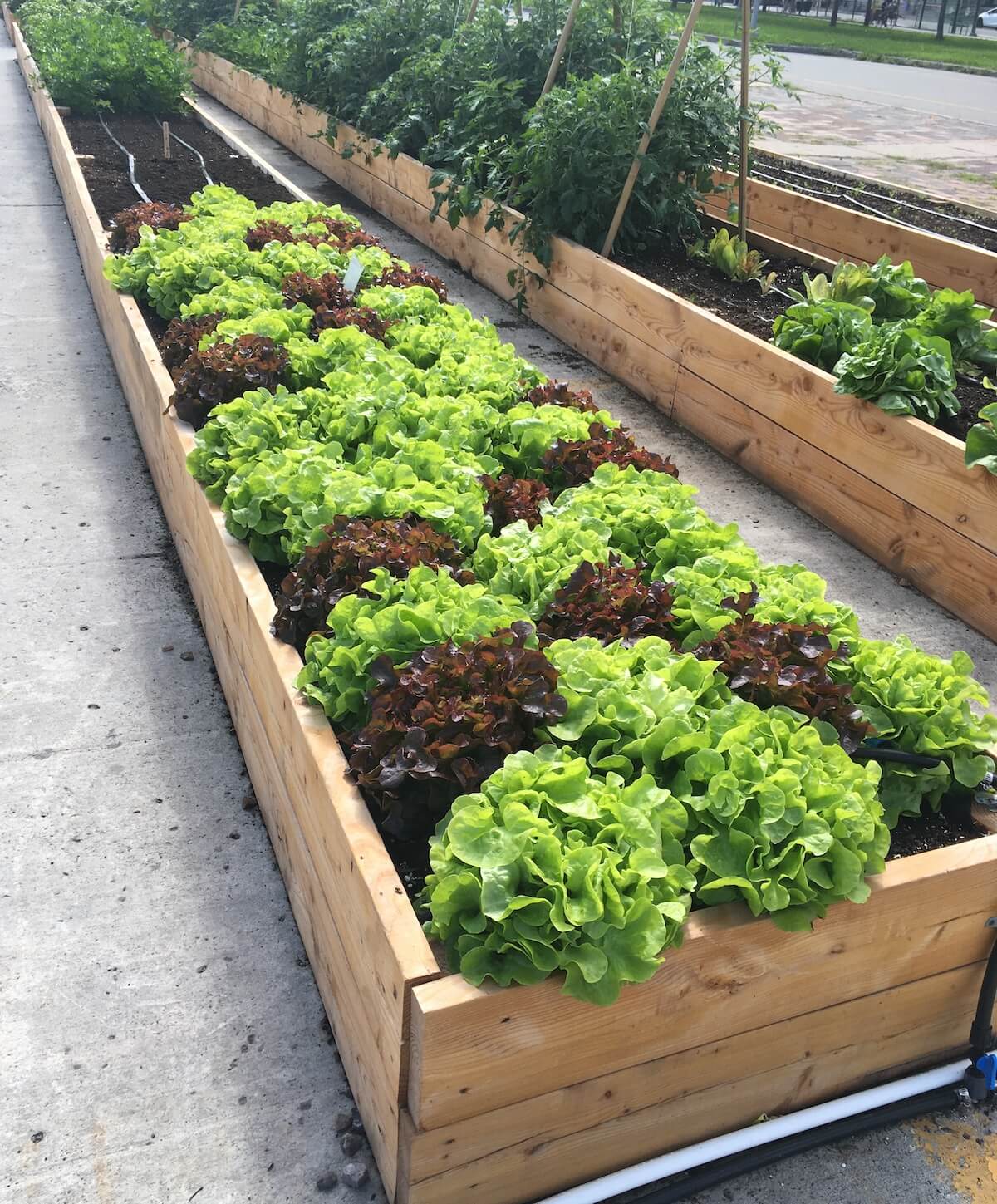
Here are the steps for growing lettuce outdoors for six months
- Starting in mid-March, begin starting lettuce seedlings indoors.
- In April, once outdoor temperatures consistently stay above 5°C (41°F), you can transplant young lettuce plants outdoors, whether into the ground, pots, or containers. Once temperatures reach 10°C (50°F), you can also sow lettuce seeds directly in the garden.
- Continue sowing lettuce outdoors every two to three weeks, choosing partially shaded areas of the garden or combining it with larger plants, such as tomatoes, for example.
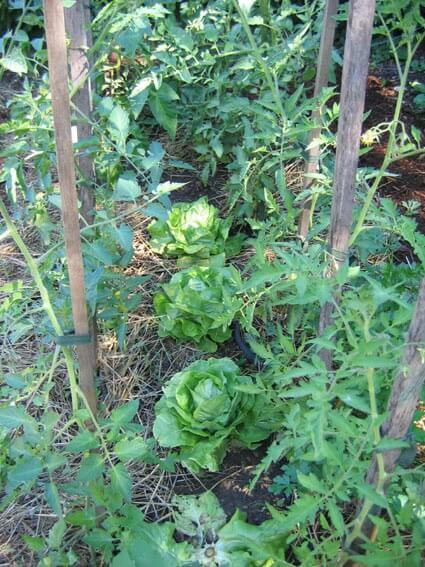
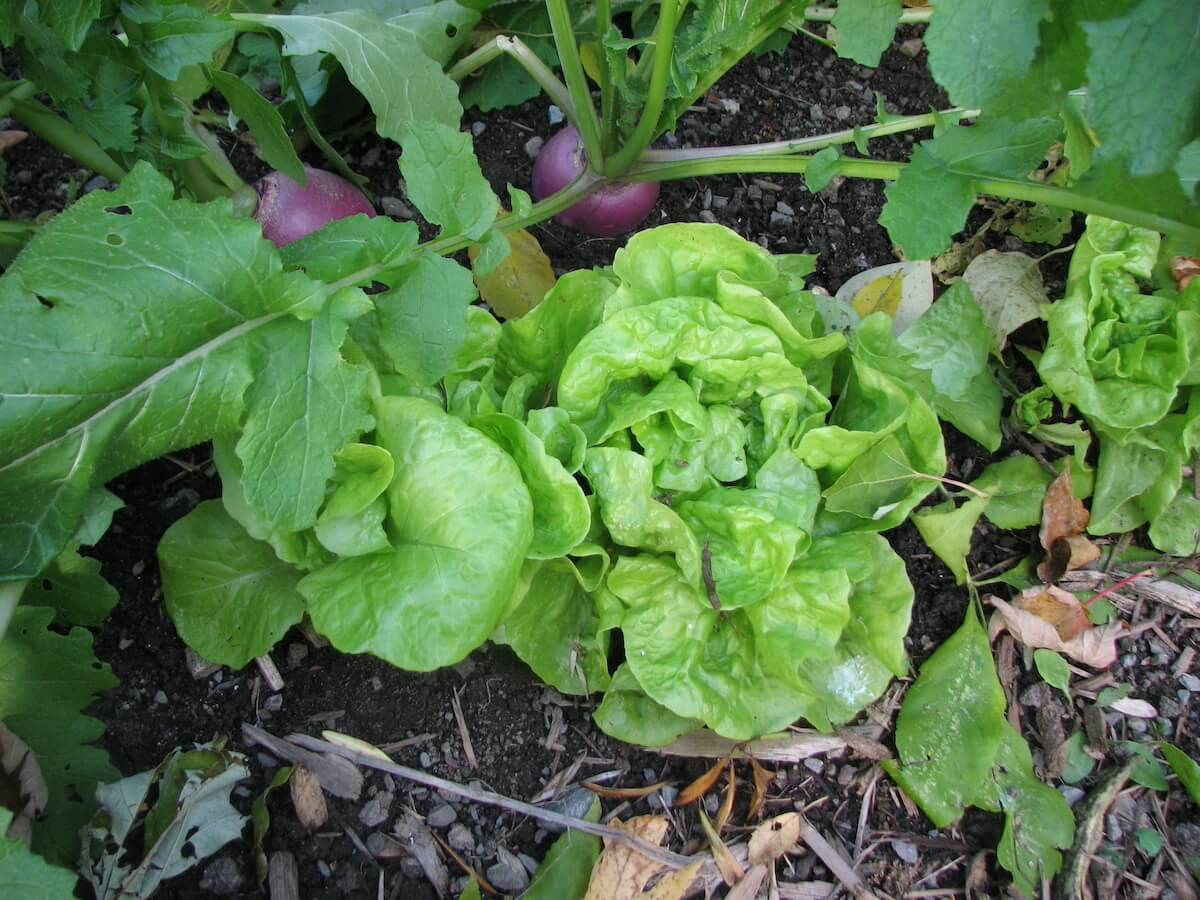
- Starting in August, take advantage of the spaces left empty by harvested crops (such as garlic) to sow lettuce again. Starting in mid-August, when temperatures drop, you can sow seeds in full sun.
- Continue harvesting lettuce until mid-October and even later.
Growing lettuce indoors
After experimenting with various edible plants indoors, I’ve come to the following conclusion: aside from sprouts and microgreens, which are best suited for indoor growing, lettuce remains the easiest “mature” vegetable to grow at home.
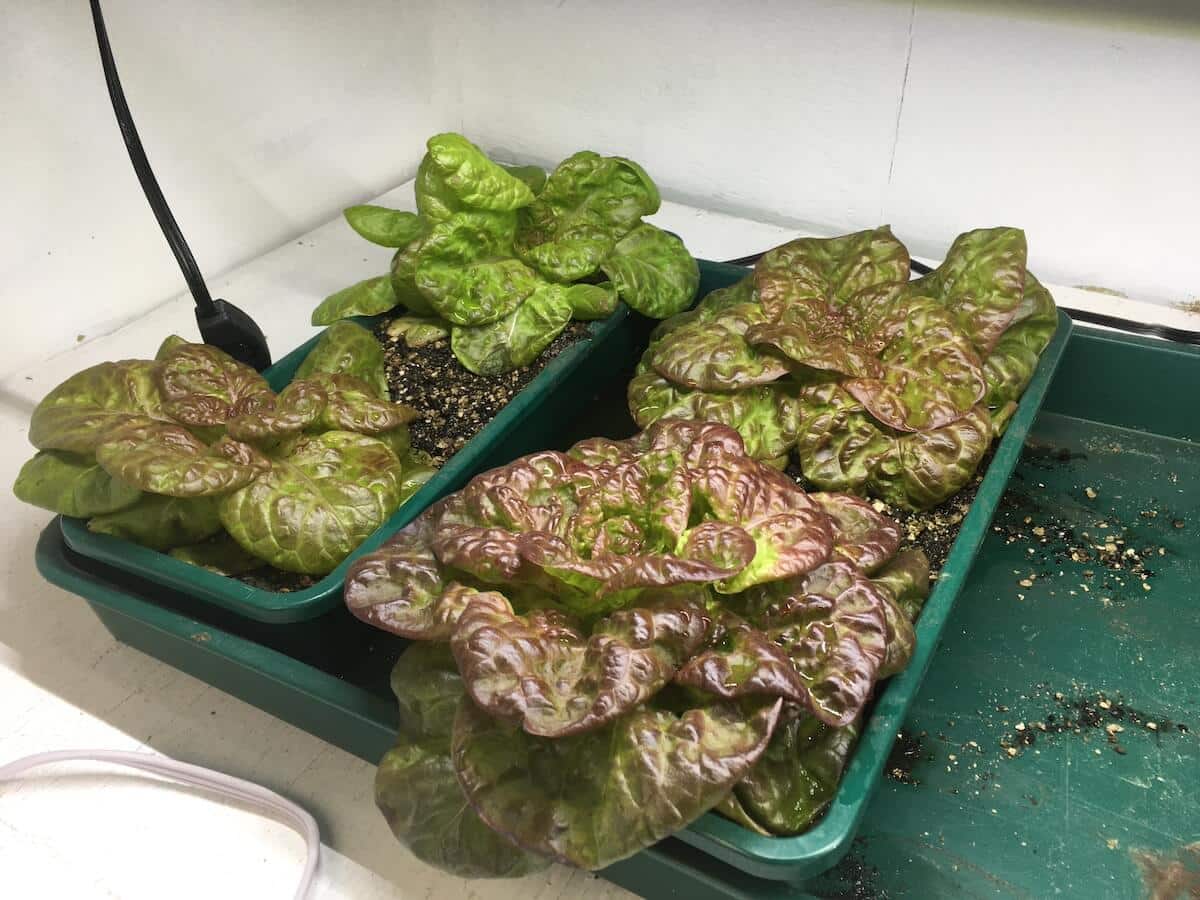
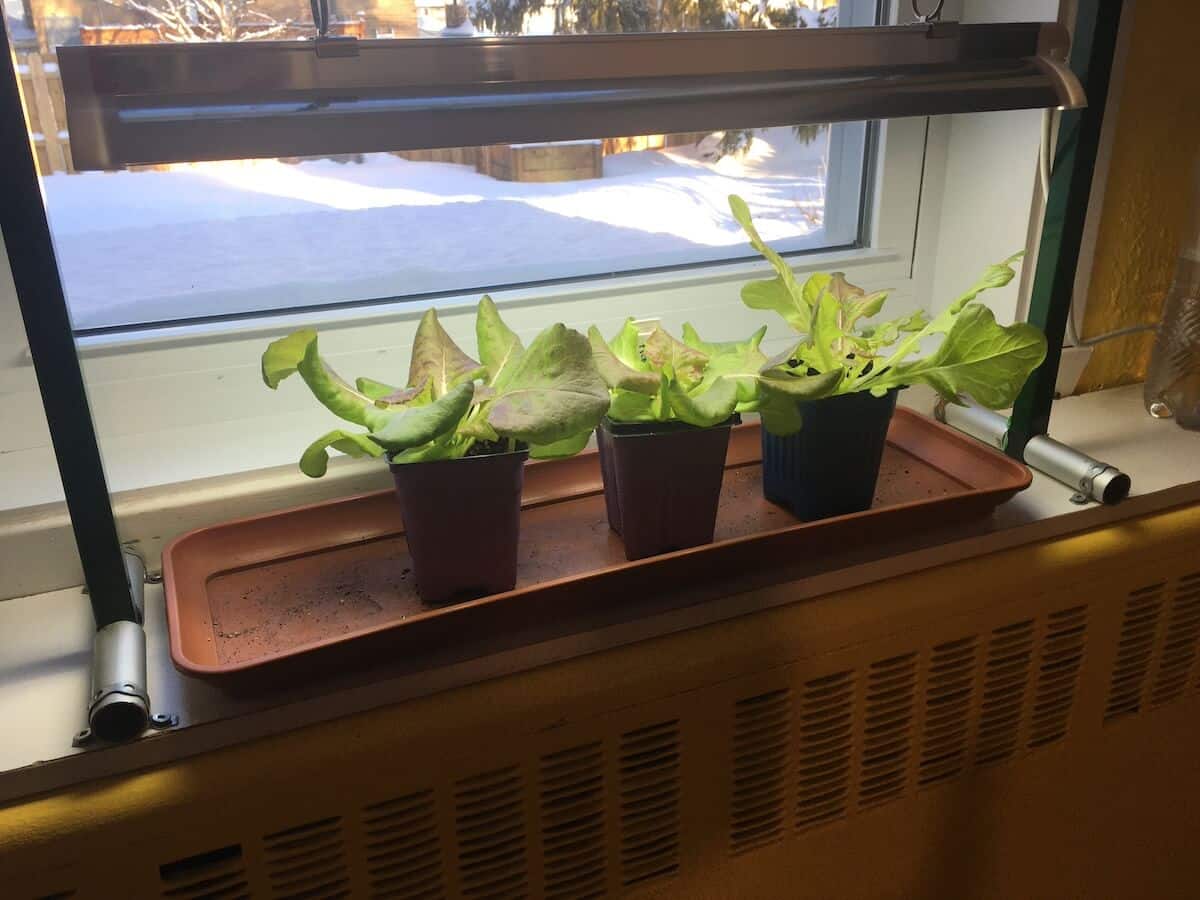
The key to successfully growing lettuce indoors is light. Since little sunlight enters our homes during the winter, we need to make up for this deficiency with artificial lighting. Fortunately, lettuce isn’t too demanding. Basic artificial lighting combined with shallow containers and high-quality potting soil will be sufficient to grow lettuce indoors during the six months of the cold season.
Are you ready to enjoy lettuce for 6 to 12 months?
Whether for economic or environmental reasons—or simply for the fun of it—now is the time to take action.
Grab your lettuce seeds! And get planting!
Snow Rider 3D is the perfect combination of speed, skill, and concentration, providing enjoyable entertainment after stressful hours of studying and working.