
Where there are sunflowers, there is joy! A simple sunflower can transform a simple garden into a place of happiness.
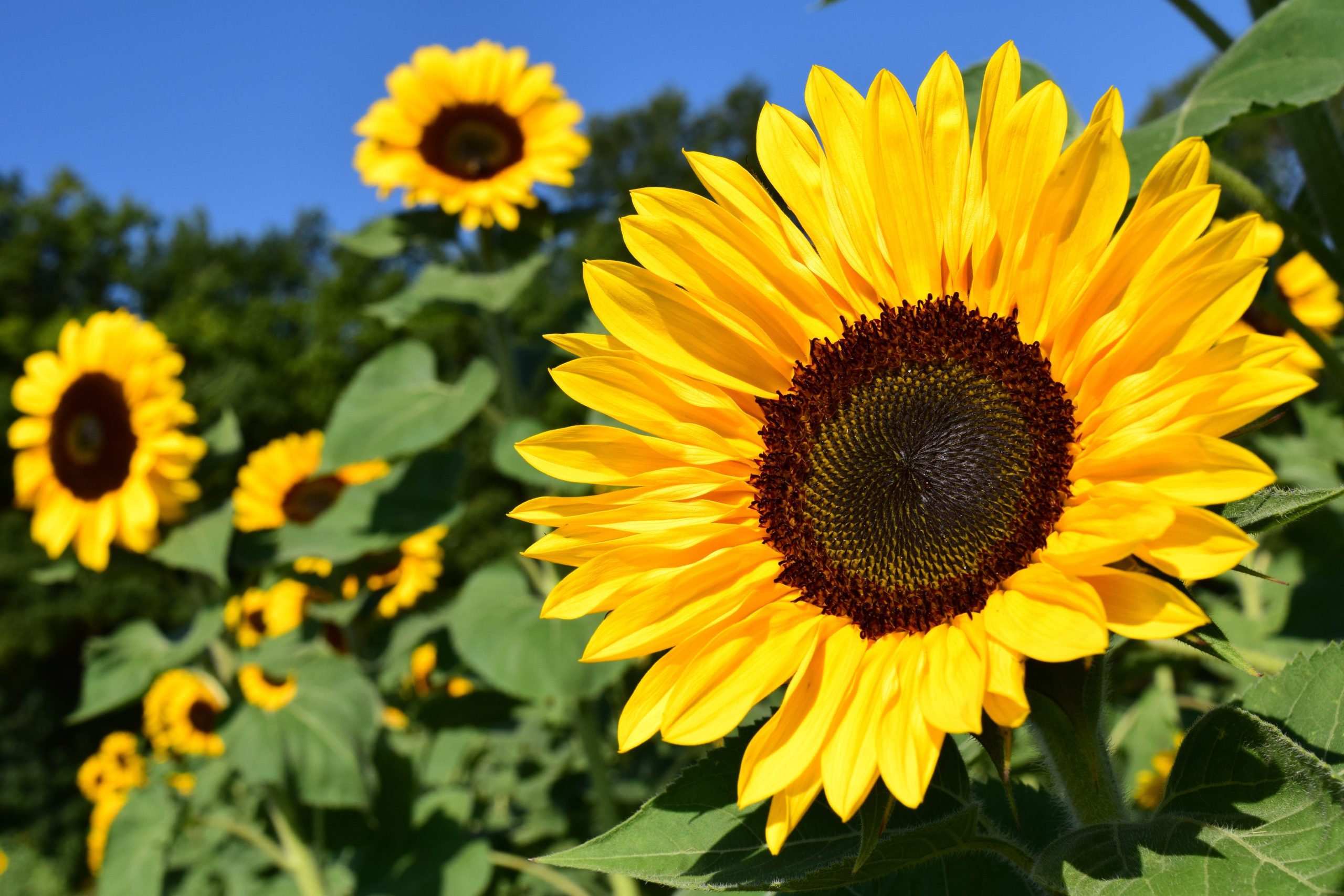
The sunflower (Helianthus annuus) has a well-deserved reputation for being a good gardening introduction to children. However, the pleasure of sowing seeds isn’t just for the little ones. Simple things are for grown-ups too! We all deserve to treat ourselves as well!
Simple sowing
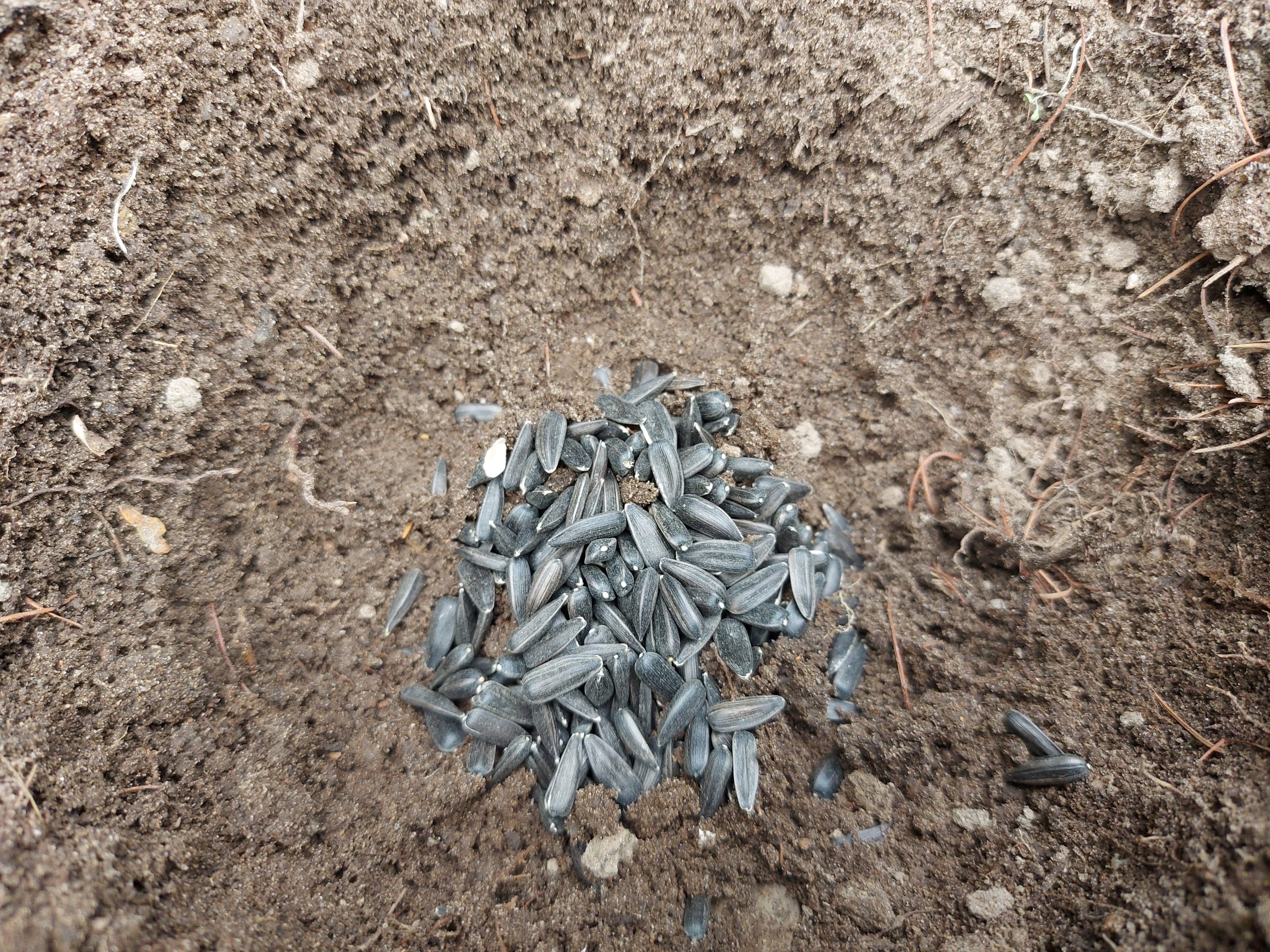
Sowing sunflower seeds is as simple and straightforward as counting to three. No need for an expensive indoor lighting system; sunflowers are sown directly outdoors, in the garden once the risk of frost has passed. The seeds, easy to handle (one might even say hard to lose!), are sown as is, with the scales intact. Cover them with a few centimetres of soil and that’s it. The key to successful sunflower growth is to water them well until germination. After 10 to 14 days, they emerge from the ground! And one small but important detail: the name itself indicates precisely where to sow them—in full sun!
Up, up, to the sky!
Sunflowers grow quickly. To take advantage of their astonishing growth rate, two things are essential: water and fertilizer. Sunflowers are heavy feeders. They thrive when the soil is richly amended with compost, a slow-release granular fertilizer is added, and then some more liquid fertilizer is applied. While you can still get decent sunflowers without all this, this combination makes all the difference! Regular watering is also crucial. Again, you’ll get acceptable sunflowers without water, but water makes the plants bushier and helps the leaves and flowers reach their full potential in the sun!
A sun that shines brightly
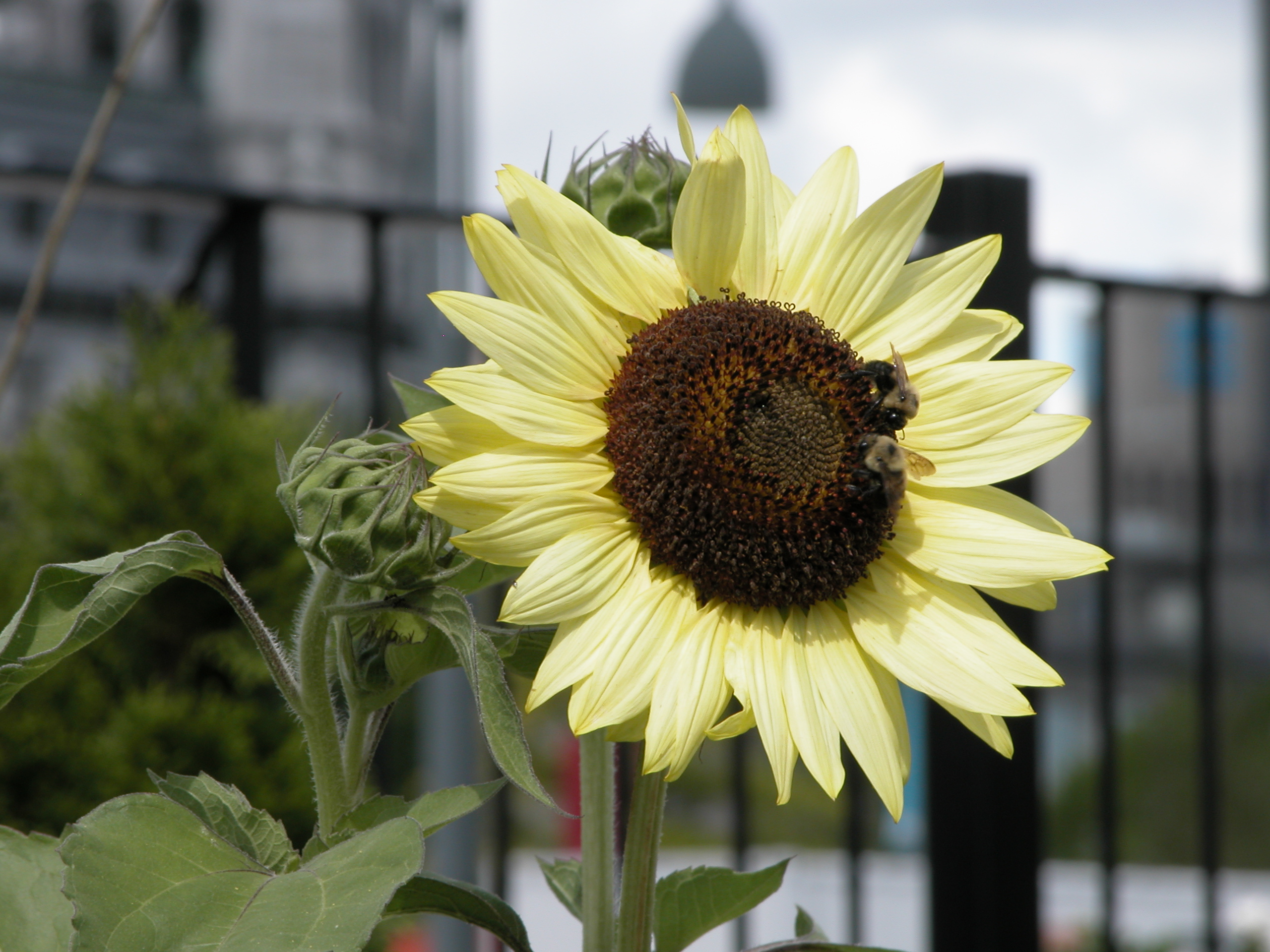
For several decades now, the sunflower has been transformed in every way imaginable to offer us something other than the classic brown heart surrounded by golden-yellow petals at the end of a stem about a meter (three feet) high. These days, sunflowers come in white, cream, orange, red, bicolour, and even double varieties. Some are branched, producing dozens of flowers instead of just one. And everyone has surely seen a beautiful photo of a proud gardener next to a sunflower plant that’s over 3 metres (10 feet) tall! Conversely, dwarf sunflowers, less than 30 cm tall, also exist on the market.
What to do with all this sun?
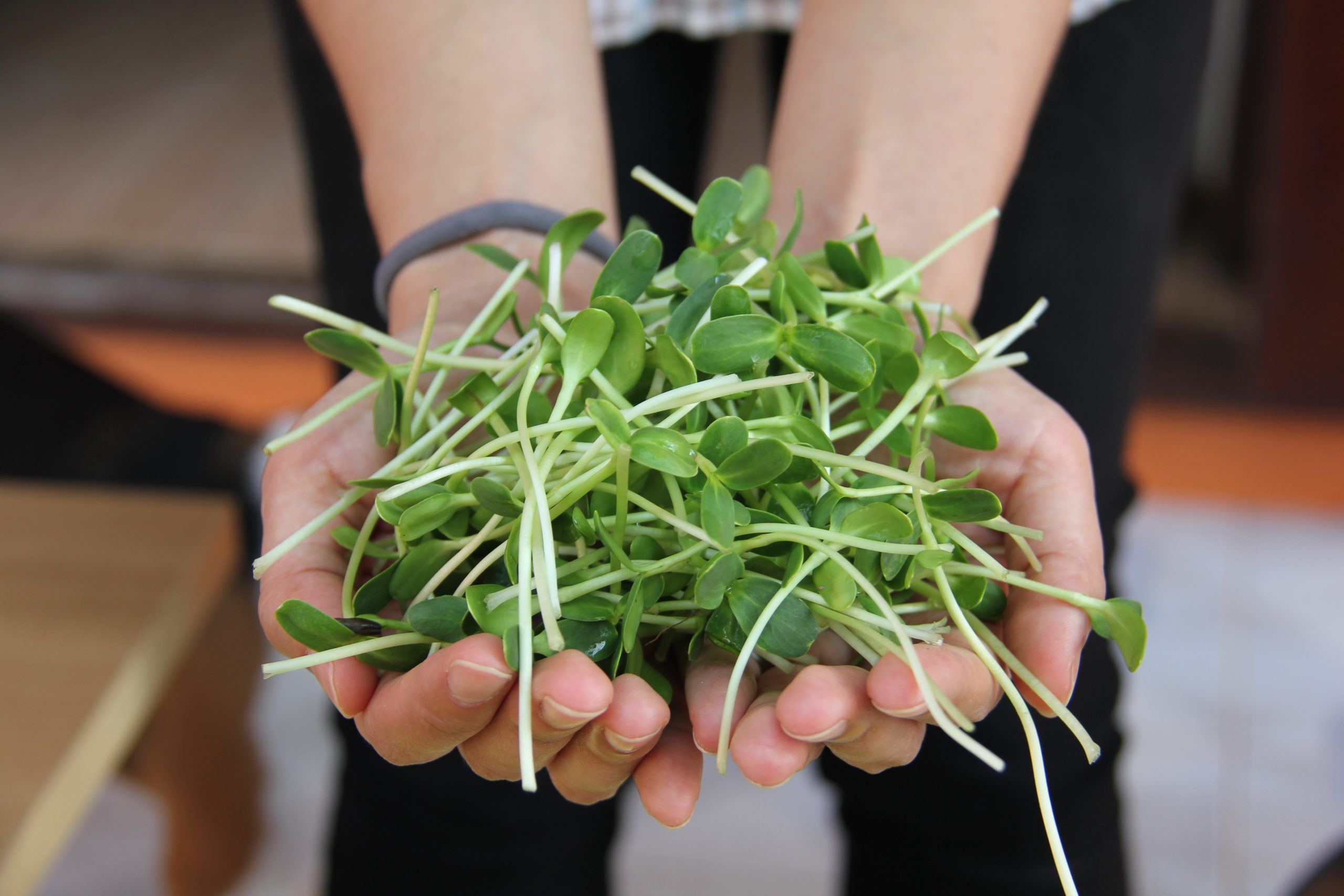
First, we eat them! All the seeds that don’t fit in the garden can be grown as microgreens. Sunflowers are sown in a seed tray and cut down to the ground as soon as the two cotyledons are fully developed.
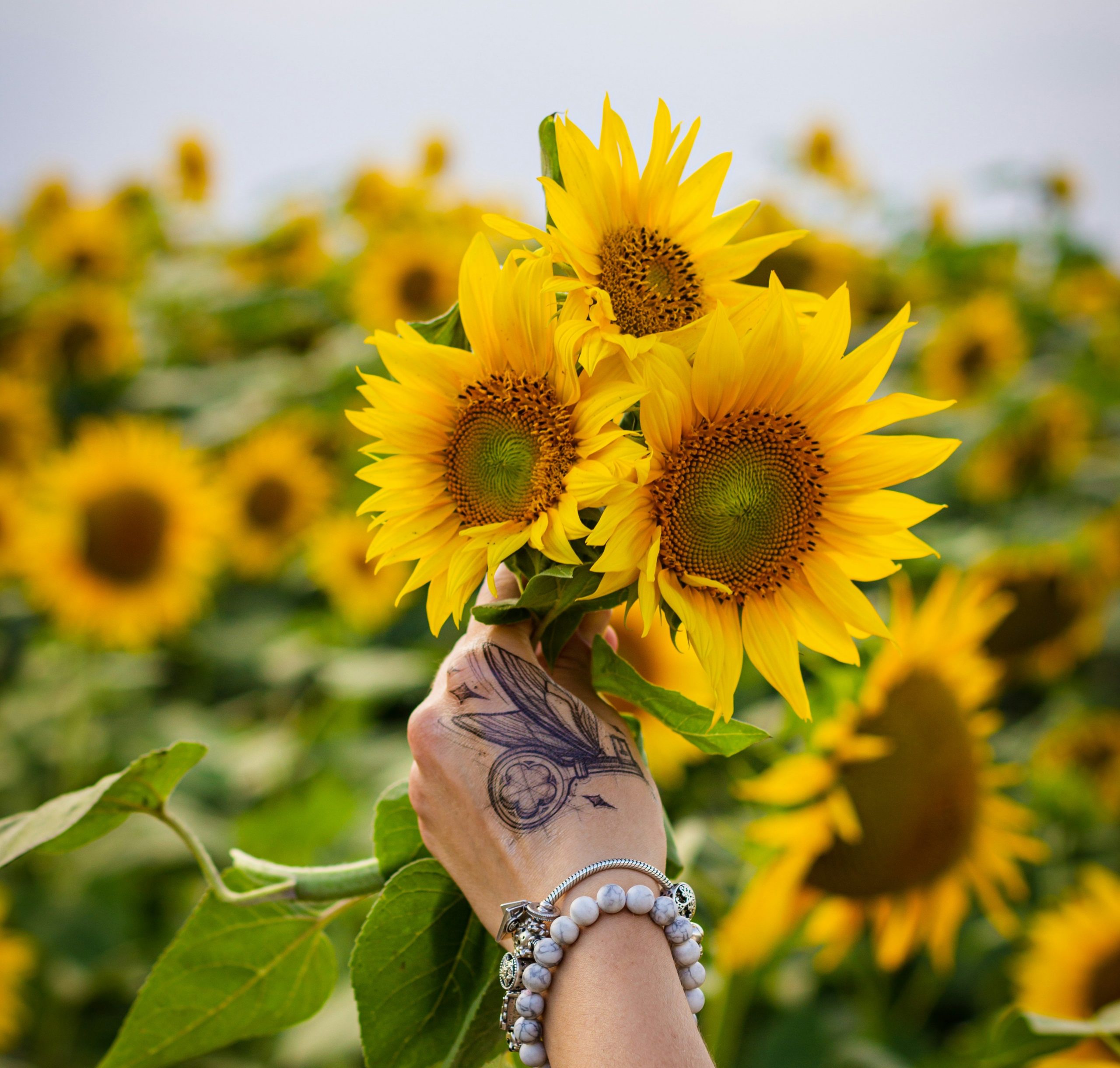
The largest sunflowers, like the ‘Mammoth’ variety, are mainly used to impress visitors! They can also be planted as screens. Medium-sized cultivars, around 120 cm (4 feet), can act as a backdrop behind other flowers. These sunflowers pair well with Mexican sunflowers (Tithonia rotundifolia) and rudbeckias (Rudbeckia hirta). Finally, the smaller varieties quickly became favourites in urban landscaping where they are planted in large groups. They can also be planted along the edge of a sunny flowerbed. Sunflowers can even be grown in containers.
Without a doubt, the greatest benefit of a sunflower is to spread joy! Plant them wherever you like, the effect is instant!
Not just beautiful, but good!
In addition to the microgreens mentioned above, most sunflowers ultimately produce edible seeds, good for the gardener and… the birds! To harvest sunflower seeds, cut off the head when it turns slightly brown. Leave about 30 cm (12 inches) of the stem to make hanging easier while drying. After two or three weeks in a warm, dry place, detach the seeds. Be vigilant, as squirrels and birds, like you, are waiting for harvest season. It’s not uncommon to see a squirrel completely sever the head and make off with the whole thing.
Insects and diseases: both rare and numerous
Most of the time, sunflowers live their short lives without major problems. But the range of diseases and insects that can attack sunflowers is quite extensive. Among the insects, aphids are common—small green or brown insects that suck sap and form colonies on young stems. A little spray of water is all it takes to dislodge them.
Some larvae, like those of white grubs, feed on the roots; the problem will be quickly detected if the plants wilt rapidly. Simply dig up the sunflower, find the pest(s), dispose of them, and then replant. Finally, the stems and seeds can be attacked by a multitude of insects, including the sunflower moth, the red seed weevil, and the sunflower beetle.
As for diseases, powdery mildew, downy mildew and rust can occur.
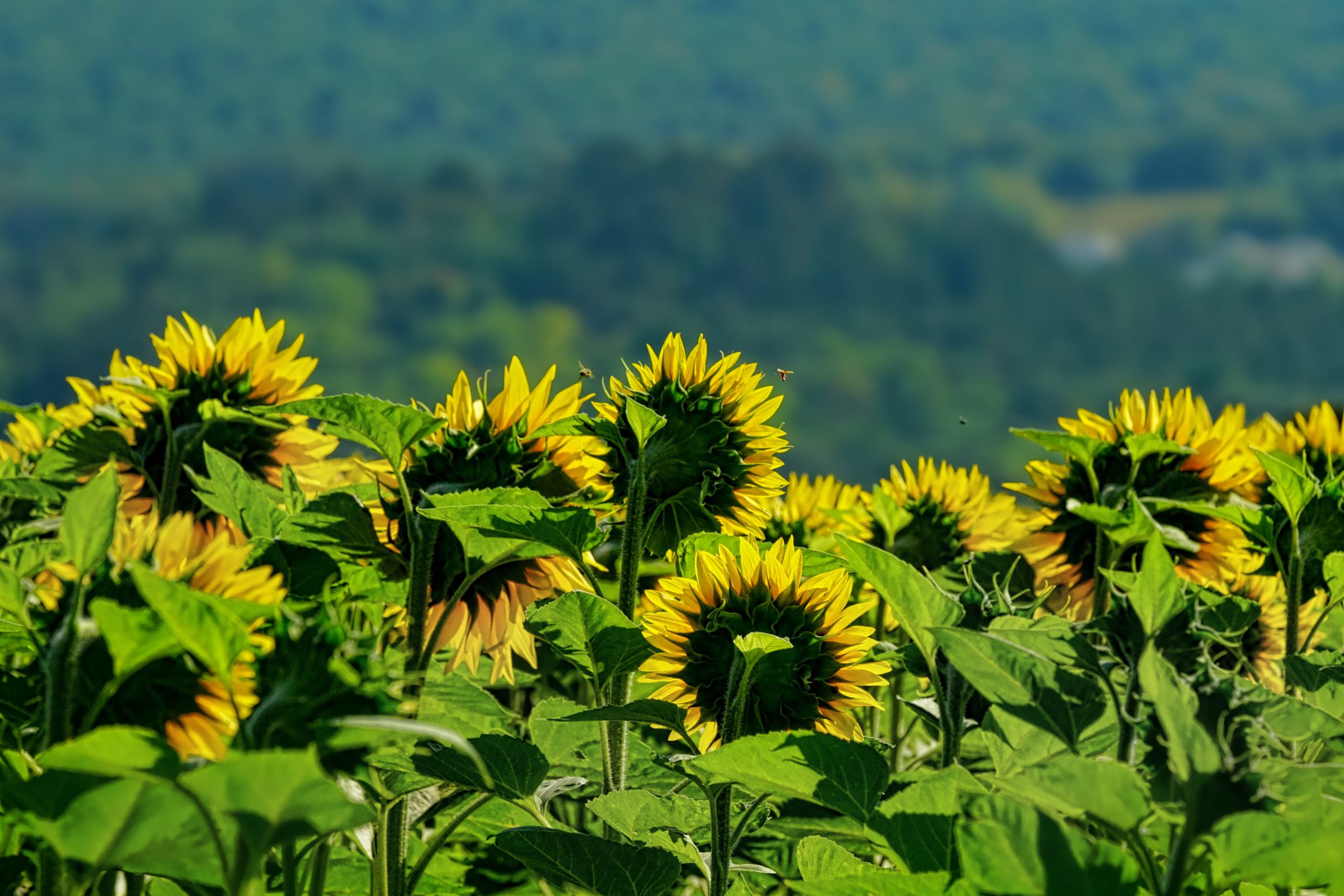
In any case, it’s always a great joy to see sunflowers follow the sun’s path, a phenomenon known as heliotropism. This movement of the flowers seems to greet us each morning, adding to the playful and fascinating aspect of these marvellous living suns!
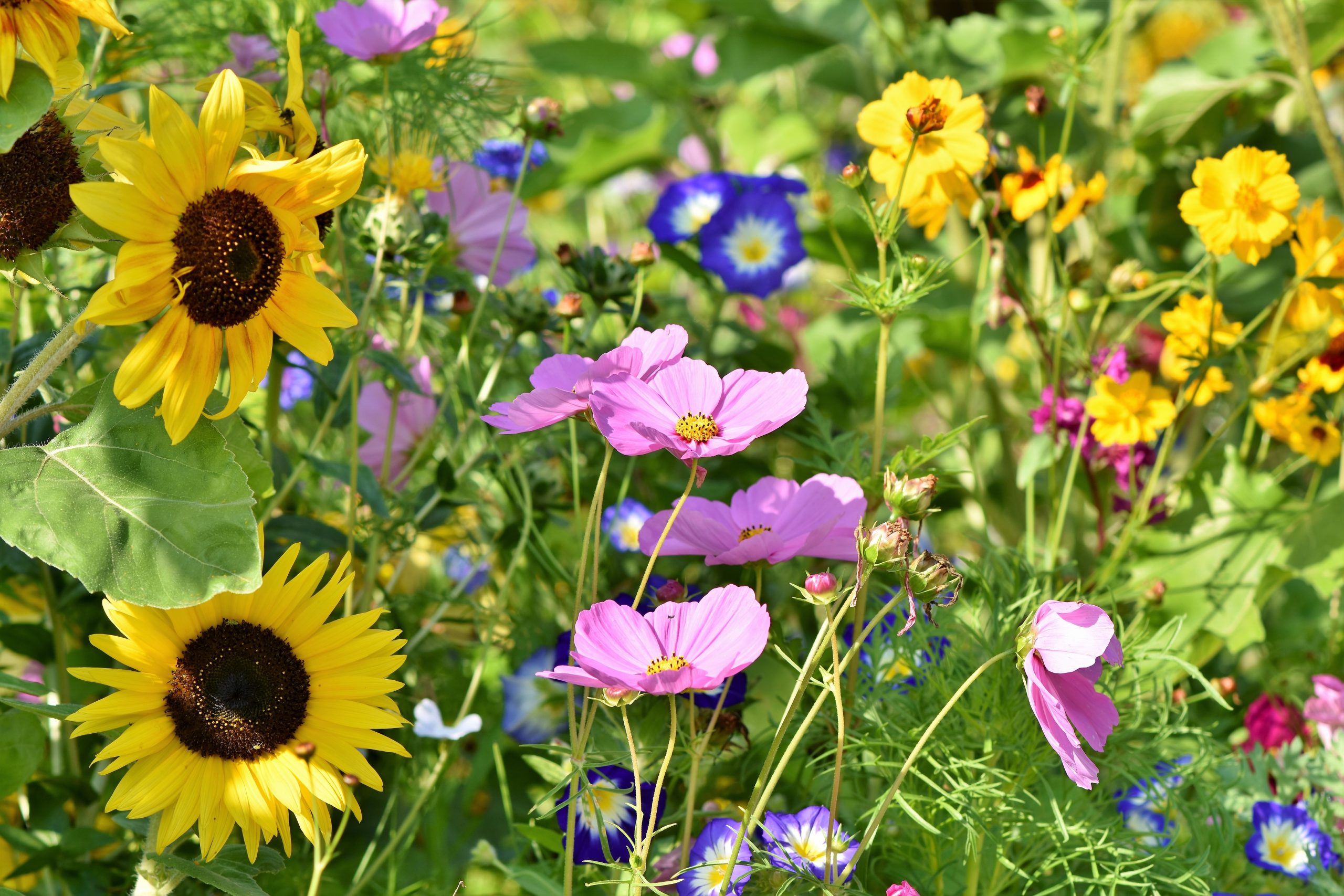
Sunflowers, at least the big sorts, are responsive to the weather. They wilt slightly in arid warmth, but are more turgid in humid warmth. Those who know them can tell a bit about incoming weather.