
We’re hearing more and more about creating butterfly gardens, and that’s a good thing for biodiversity—and for us. But what exactly is involved? You may have read “step-by-step guides” or “recipes” for doing this on various websites, but you still don’t know where to start!
Here’s a simple suggestion: start by jotting down your personal notes and observations in a daily journal.
Notes and observations
Every garden begins—or should begin—with a plan and your keen sense of observation. Your notebook can hold your personal notes to remind you where you’ve spotted the butterflies that visit you, the spots where they linger and enjoy feeding and basking in the sun. Just like us, they love to bask in the sun. In fact, to live and survive in their environment, they need the warmth of the sun’s rays. It’s more than just a quick stop—it’s a matter of life and death. So, in your notes, record the places where you’ve seen them land on a rock, a stump, or a tree trunk to soak up the sun’s rays. These spots are essential for meeting their daily needs. You’ll also use your notebook to note the flowers they frequent. This is the “starting point” for your project.
With your keen eye for observation, you’ve probably already noticed which butterflies visit your garden and where they like to spend their time. Well done! But do you know their names? If not, there are many excellent field guides and mobile apps available to help you identify the butterflies and caterpillars found in your region. These resources can also provide fascinating information about their life cycles, host plants, and habitats.
Many butterflies
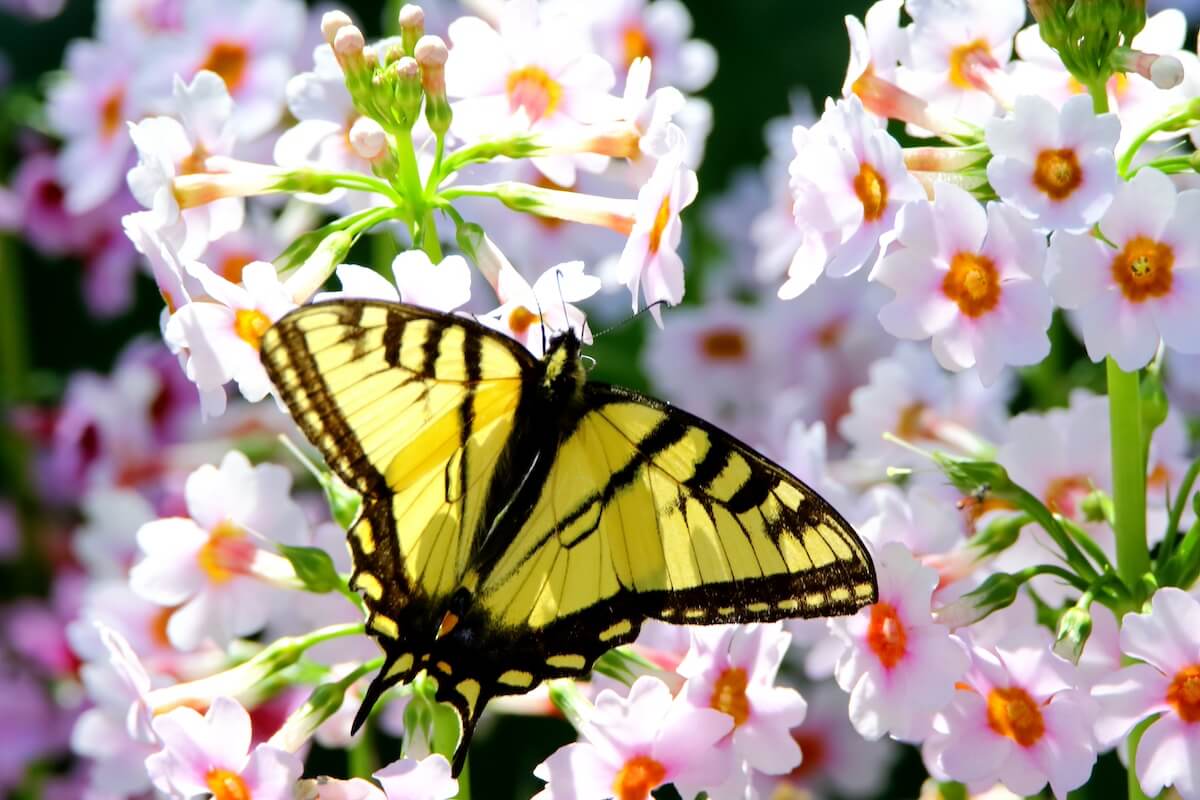
Canada is home to a remarkable diversity of butterflies and moths. In fact, there are thousands of species across the country, the vast majority of them being moths. While only a few hundred species are active during the day, the nocturnal species are far more numerous. If you would like to learn more about the butterflies found in your region, a variety of field guides, websites, and mobile apps can help you identify them and discover more about their fascinating lives.
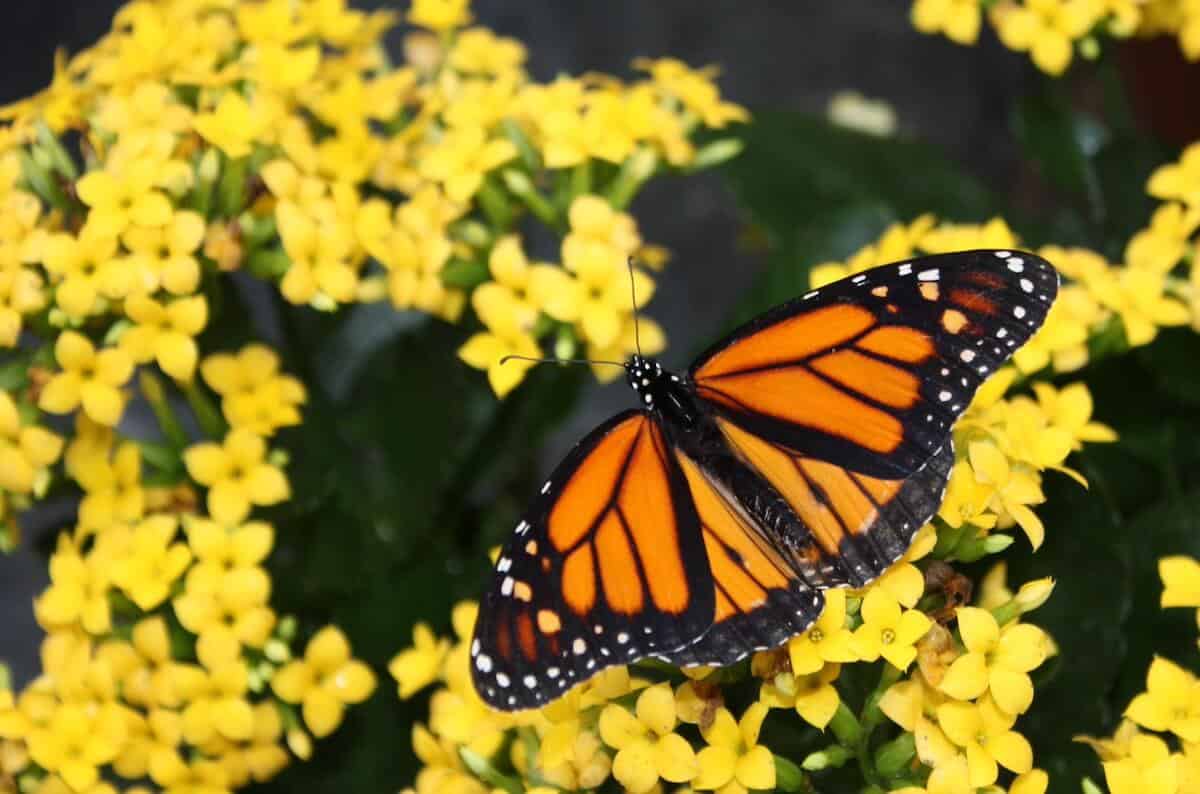
No doubt you’ve also heard of the magnificent monarch butterfly, which is facing serious challenges. Its survival is threatened, and you’re thinking you can do your part while also enjoying the chance to see it on your property. Perfect. But where do you start?
The needs of butterflies
Butterflies need a few basic elements to thrive:
- A quiet, sheltered area where they feel safe from constant disturbance.
- Stones, logs, tree stumps, or other sun-warmed surfaces where they can bask. Because butterflies are cold-blooded, access to sunny resting spots is essential.
- A source of water and minerals. Butterflies often gather around damp soil, mud puddles, or wet sand to sip water and obtain minerals through their proboscis. A shallow dish filled with moist sand can serve the same purpose in the garden.
- Food sources. Most butterflies feed on flower nectar, but some species obtain nutrients from animal droppings, tree sap, overripe fruit, or even decaying fruit.
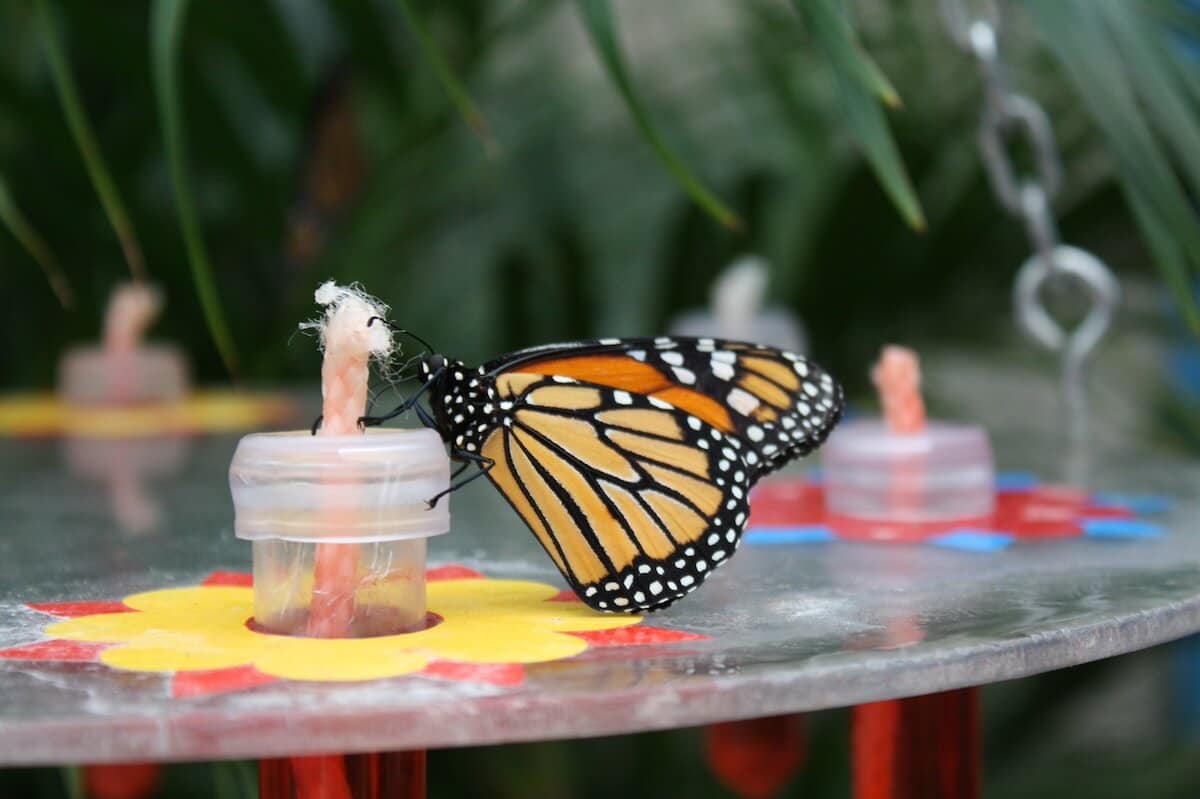
You can also use a commercial butterfly feeder. A commonly used recipe consists of one part white sugar mixed with nine or ten parts previously boiled and cooled water. Some enthusiasts also use diluted sports drinks. However, nectar-rich flowers remain the primary food source for butterflies and are generally the best way to attract them to the garden. A feeder is not essential, but it can provide an enjoyable opportunity to observe butterflies up close.
Which flowers attract butterflies?
We know that flowers attract butterflies, but which ones? Butterflies see the same colors as humans—and even more. Their eyes have receptors for UV light and polarized light. Therefore, rather than prioritizing one color over another to attract butterflies, it’s better to provide them with an abundance of flowers from which they can feed on nectar.
The most important factor in choosing flowers is their shape. Butterflies look for flowers that provide a landing strip. Double-flowered varieties, such as certain marigolds, aren’t useful to them. Even worse are the flowers developed by the horticultural industry that produce little or no nectar.
You may have already seen butterflies landing on a few types of flowers in your garden… that’s a start. The color doesn’t matter as long as the flowers you already have attract them! There’s nothing stopping you from adding more. A horticulturist at the Montreal Botanical Garden told me to group flowers of the same color together to create contrasts that butterflies can perceive.
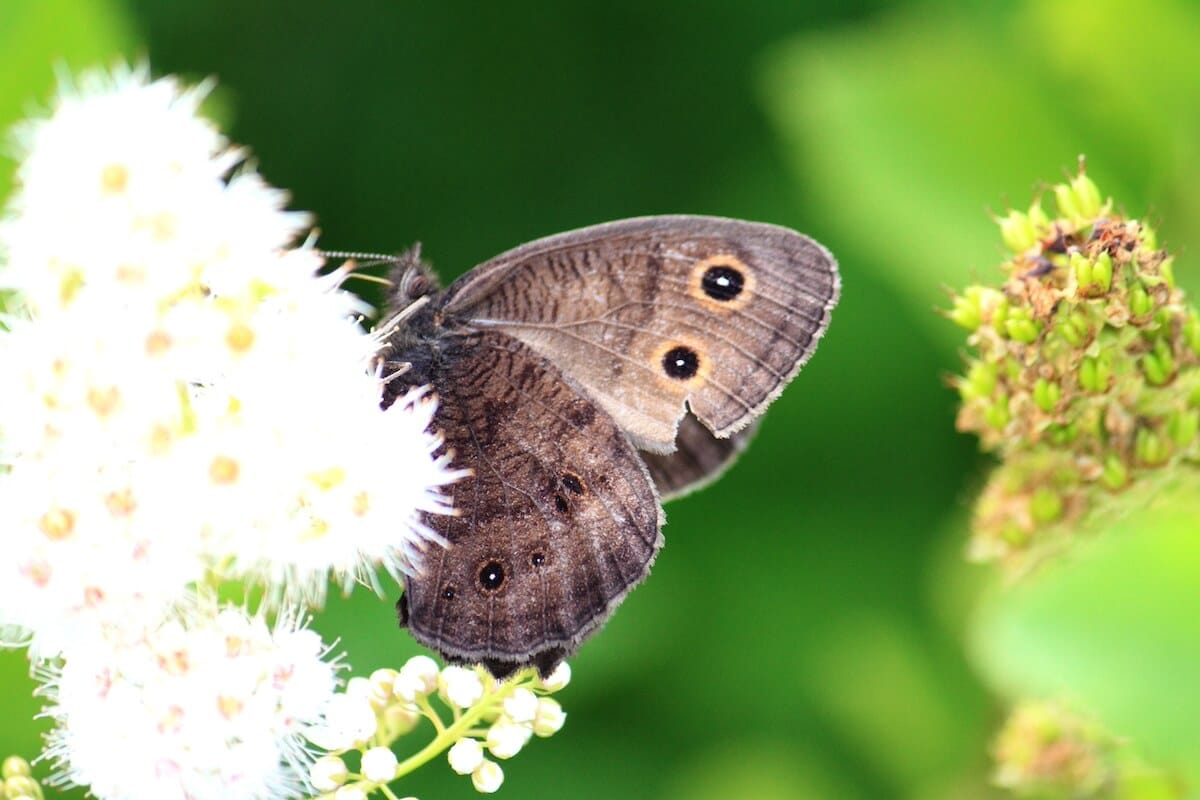
As for me, I encourage you to keep an eye out for other pollinating insects, such as bumblebees and honeybees. They feed on nectar just like butterflies. This can help you identify flowers that are attractive to butterflies.
At my place
In my garden, purple coneflower (Echinacea purpurea) and black-eyed Susan (Rudbeckia hirta) regularly attract butterflies. Japanese primrose (Primula japonica) also performs very well in this role. Many other plants can attract butterflies as well, including snapdragons (Antirrhinum majus).
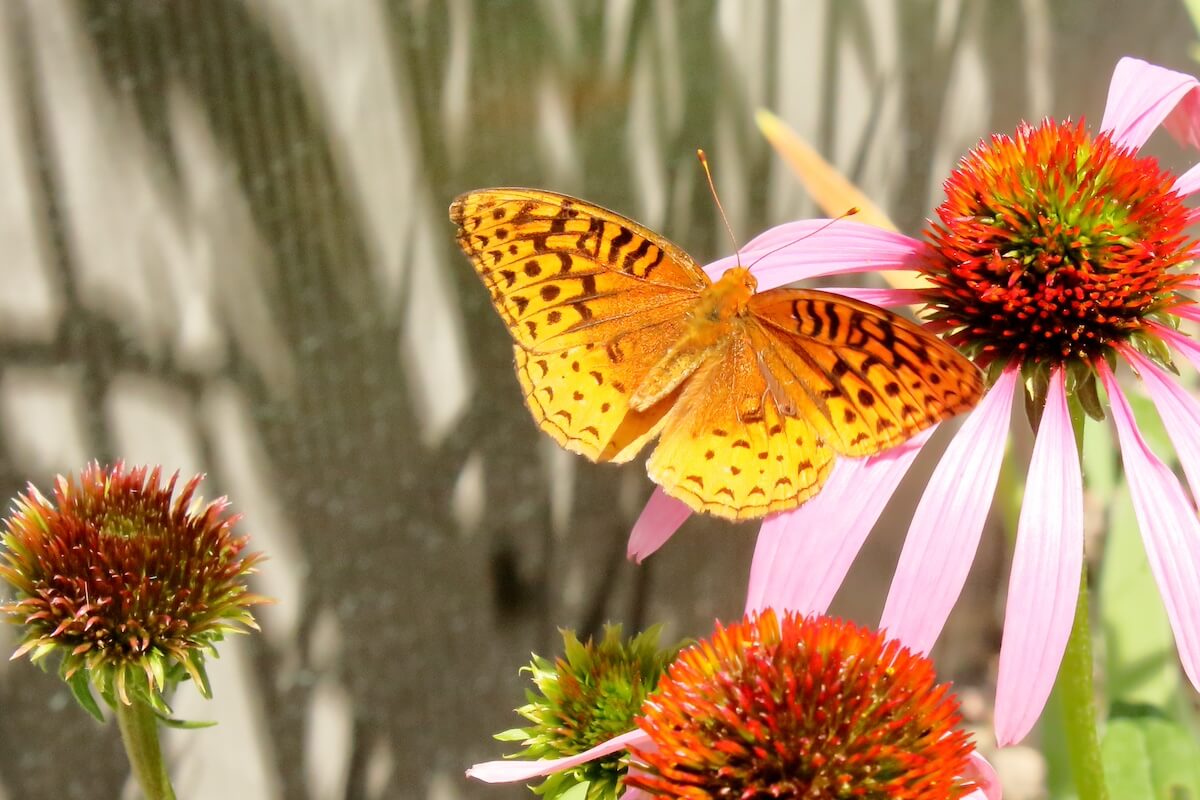
It is also worth noting that the clovers commonly found in our lawns attract both butterflies and bumblebees, especially white clover (Trifolium repens). Other plants, such as sunflowers (Helianthus spp.), are also highly attractive to butterflies. Certain shrubs and small trees can help as well, including American cranberrybush (Viburnum trilobum) and Preston lilac (Syringa × prestoniae).
For additional plant suggestions, be sure to consult the late Larry Hodgson’s article, Sow Your Own Mini Butterfly Garden!, which includes a list of butterfly-friendly plants. Other useful resources are available online as well, including the David Suzuki Foundation’s guide, How to Create a Butterfly Garden.
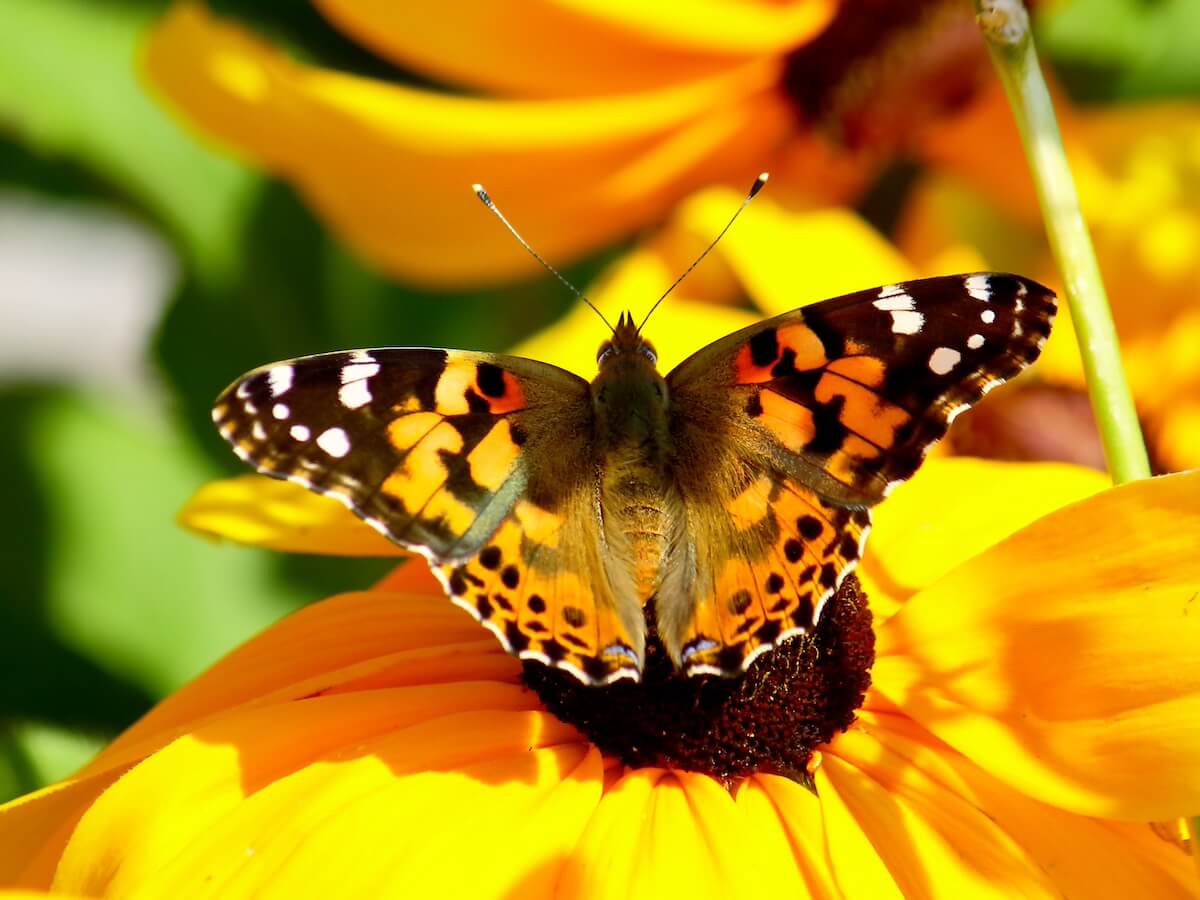
Did you know that the Painted Lady butterfly was a big hit in a survey of Quebecers? This butterfly became the emblem of Quebec’s entomological fauna in 2025! Are you familiar with this butterfly? Although it feeds mainly on the juices of animal carcasses, excrement, and bird droppings, you can attract it to your home with just a few flowers.
Flowers that attract the Painted Lady butterfly, the entomological emblem of Quebec
| Dogbane | Apocynum spp. |
| Common milkweed | Asclepias syriaca |
| New England aster | Symphyotrichum novae-angliae |
| Bearded beggarticks | Bidens aristosa |
| Buttonbush | Cephalanthus occidentalis |
| Chokecherry | Prunus virginiana |
| Thistles | Cirsium spp. |
| Cosmos | Cosmos spp. |
| Purple coneflower | Echinacea purpurea |
| Joe-Pye weed | Eutrochium purpureum |
| White snakeroot | Ageratina altissima |
| Late boneset | Eupatorium serotinum |
| Blanket flower | Gaillardia spp. |
| Heliotrope | Heliotropium spp. |
| Lantana | Lantana spp. |
| Blazing star | Liatris spp. |
| ‘Walker’s Low’ catmint | Nepeta ‘Walker’s Low’ |
| ‘Disco Orange’ French marigold | Tagetes ‘Disco Orange’ |
| Hollyhock | Alcea rosea |
| Gloriosa daisy | Rudbeckia hirta × gloriosa |
| ‘Prairie Sun’ black-eyed Susan | Rudbeckia hirta ‘Prairie Sun’ |
| Spireas | Spiraea spp. |
| Marigolds | Tagetes spp. |
| Sunflowers | Helianthus spp. |
| Mexican sunflower | Tithonia rotundifolia |
| Red clover | Trifolium pratense |
| Goldenrods | Solidago spp. |
| New York ironweed | Vernonia noveboracensis |
| Purpletop vervain | Verbena bonariensis |
| ‘Profusion Cherry’ zinnia | Zinnia elegans ‘Profusion Cherry’ |
If you want to have fun gardening while helping to ensure the survival of butterflies and support biodiversity, a butterfly garden is for you!
In summary
To sum it up in four words, follow this acronym:
O = Observe what’s happening in your yard
N = Note your observations in a notebook
C = Consult books and websites
P = Plant flowers that attract butterflies
Don’t forget one thing: to attract butterflies, you have to accept a few caterpillars that will eat your plants. To do this, you can plant host plants for the caterpillars and place them in a secluded corner of your garden so you don’t have to see them…
I started really small, just a notebook and a few plants on my balcony and it’s surprising how quickly you notice patterns. Certain spots get more sun, and that’s where butterflies actually pause. I added a shallow dish with wet sand and a couple of echinacea pots, and within weeks I saw more activity. I even ended up browsing random things like https://scotts.pissedconsumer.com/customer-service.html while figuring out supplies. Honestly, observing daily has been the most useful part, it makes everything feel more intentional.