
June 22–28 marks Pollinator Week, an international celebration dedicated to these often-overlooked workers who ensure the reproduction of thousands of plants, including many of those that end up on our plates. Bees, bumblebees, butterflies, hummingbirds, hoverflies, and even some wasps play an essential role in our gardens and ecosystems. To mark the occasion, we’ve dug into the archives of The Lazy Gardener to bring you 10 fascinating facts about pollinators, along with some recommended reading for those who want to learn more.
1. Bees aren’t the only pollinators
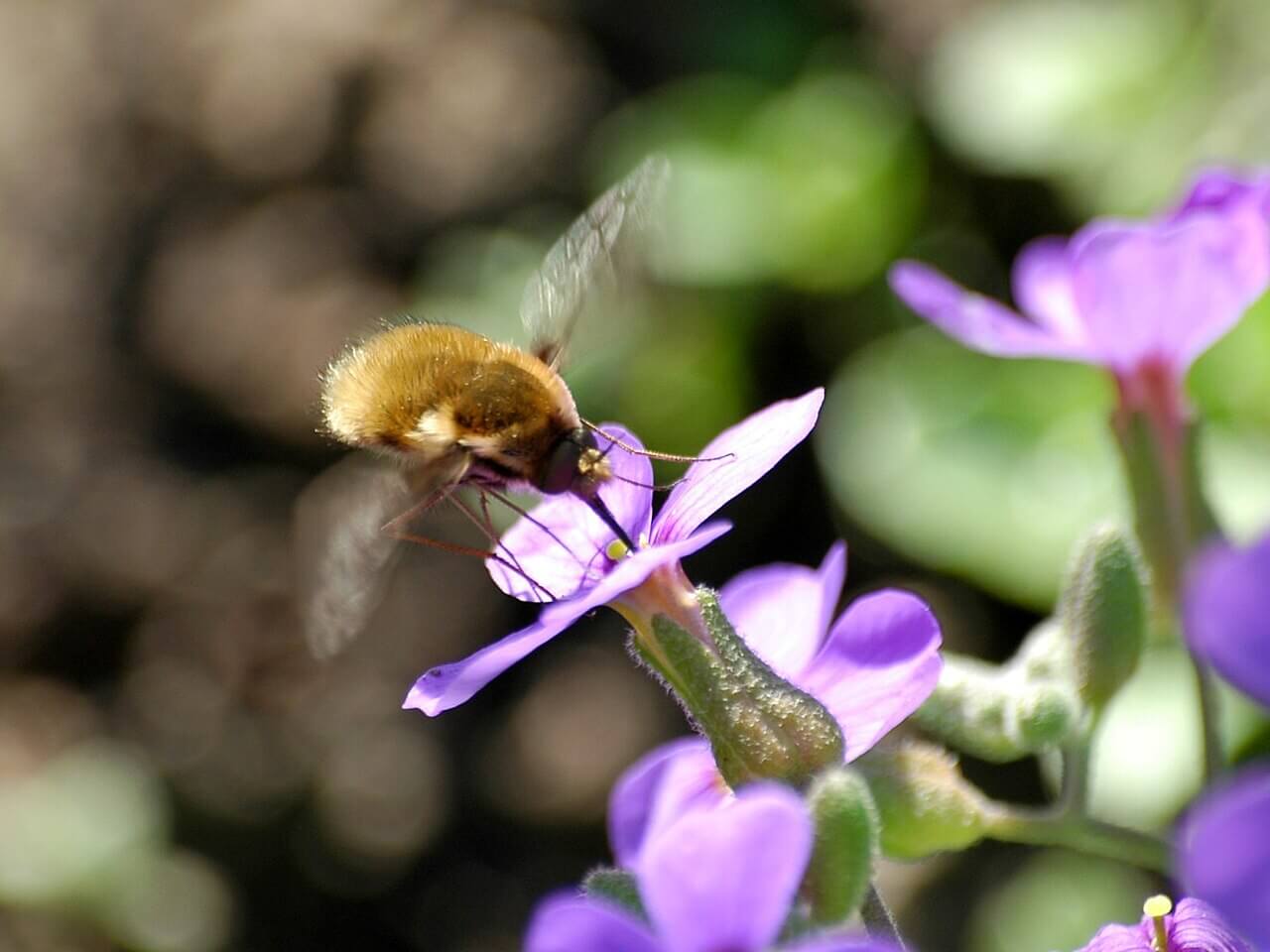
We often think of honeybees when we talk about pollination, but they are far from being the only ones to visit flowers. It is estimated that there are about 860 species of native bees in Canada. Many are solitary, most do not produce honey, and some are colored in shades other than yellow and black. But bees are only one type of pollinator. Bumblebees, hoverflies, cecidomyiid flies, wasps, butterflies, beetles, hummingbirds and even some ants also help transport pollen.
For more information: Let’s Encourage Pollinators… and Not Just Honeybees! by Edith Smeesters.
2. Some bees are more efficient than honeybees
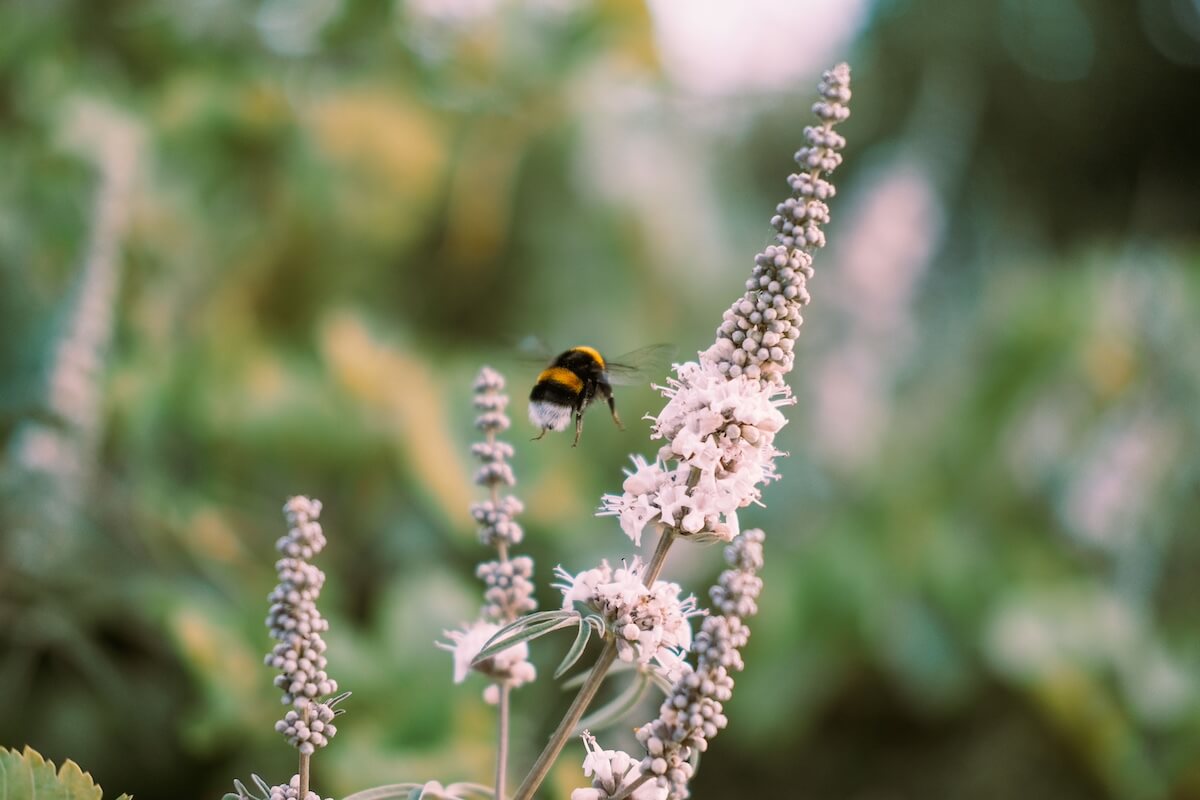
It is often thought that the honeybee is the undisputed champion of pollination. However, many wild bees and bumblebees are more efficient on an individual basis. By producing vibrations while foraging—a phenomenon known as “vibrational pollination”—they are able to release more pollen from certain flowers. Crops such as tomatoes and blueberries are particularly dependent on this technique, which the honeybee has little or no mastery of.
For more information: Wild Bees to the Rescue by Cassandre Sévigny-Lapointe.
3. Bumblebees can pollinate even when it’s cold
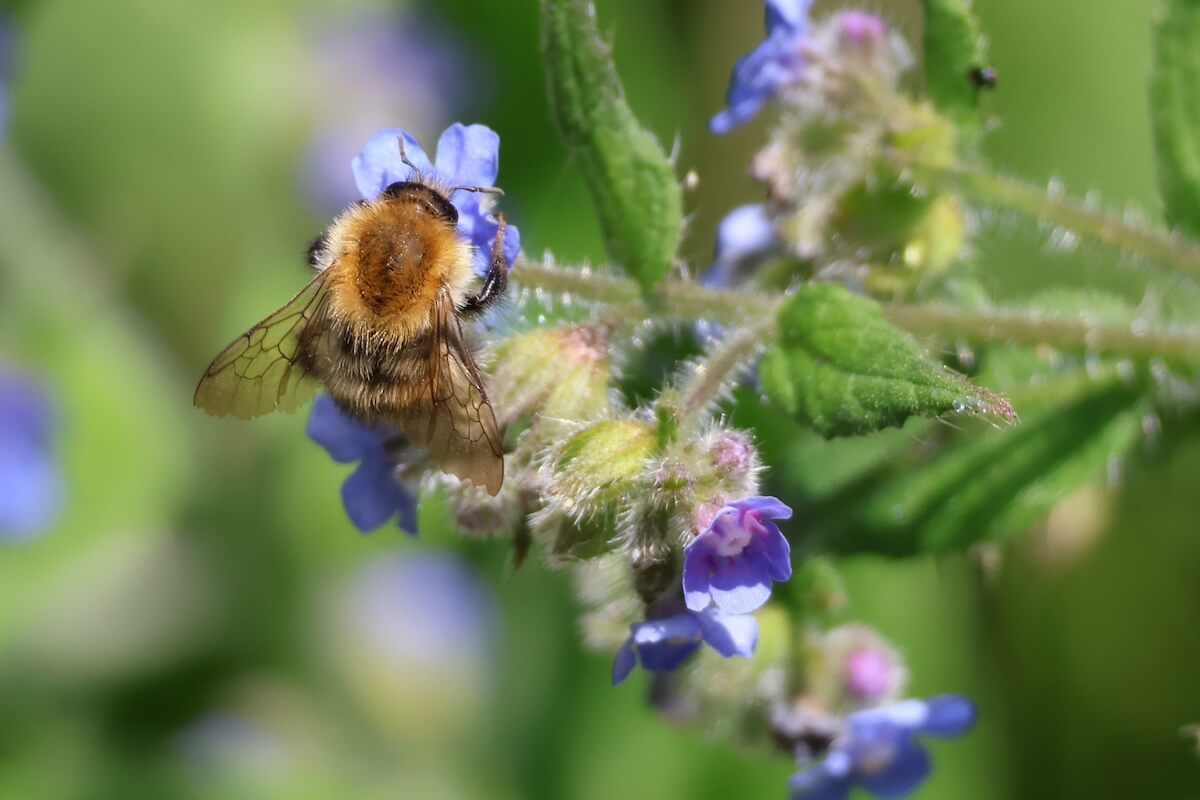
Unlike many other insects, bumblebees can be active in cool, cloudy, and windy weather. Thanks to their stocky, hairy bodies and their ability to generate heat by vibrating their muscles, they are often among the first pollinators to visit flowers in the spring. They also use vibratory pollination, a technique that is particularly effective for certain plants such as tomatoes, blueberries, and cranberries.
For more information: What’s That Big Furry Creature in My Flowers? by Audrey Martel.
4. Moths are active while we sleep
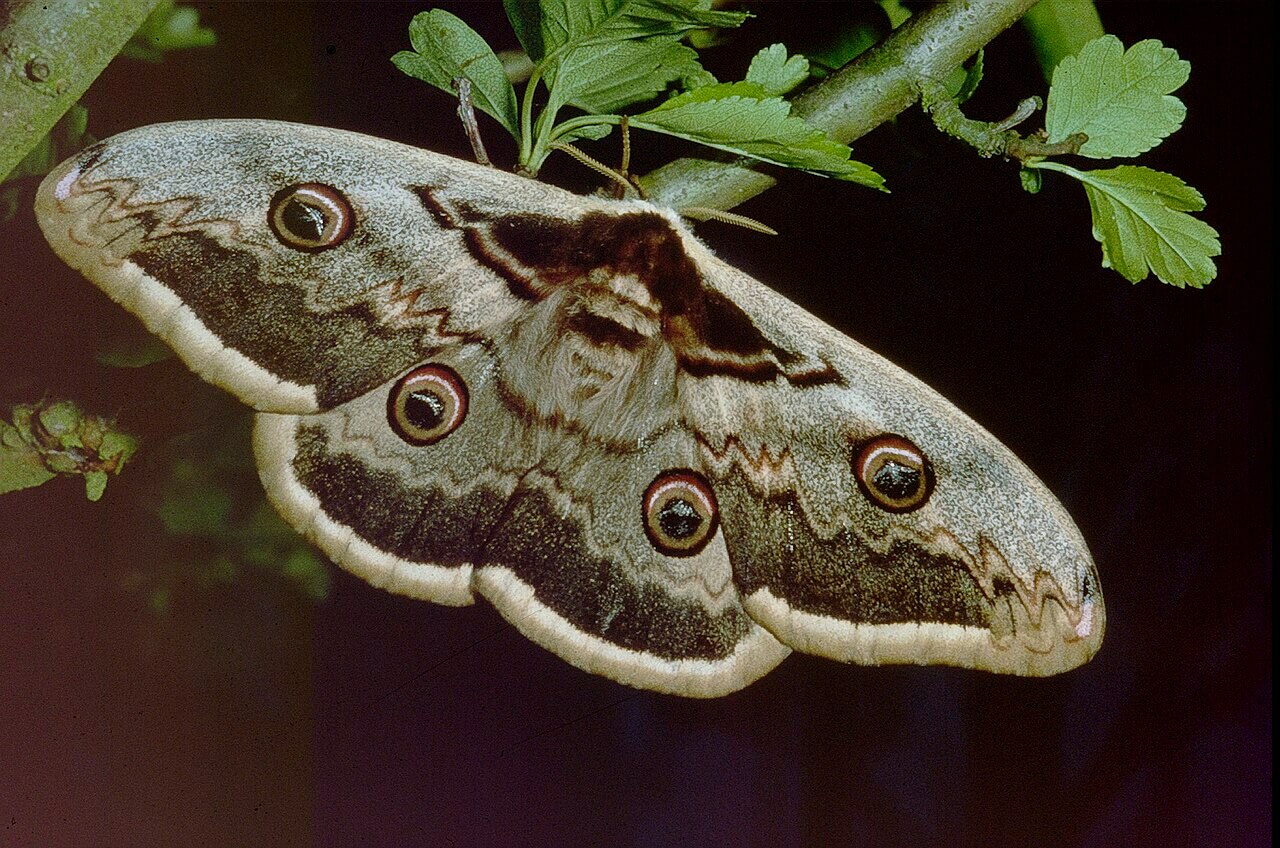
When bees, hoverflies, and butterflies cease their activities for the night, moths take over. Long overlooked by scientists, they are now recognized as important pollinators. A British study has even shown that they often carry more pollen than butterflies and over greater distances. More than 35% of the individuals studied were carrying pollen, sometimes from plants that were not even suspected of being visited by moths.
For more information: Moths: The Forgotten Pollinators by Larry Hodgson.
5. Saving monarch butterflies takes more than just one plant
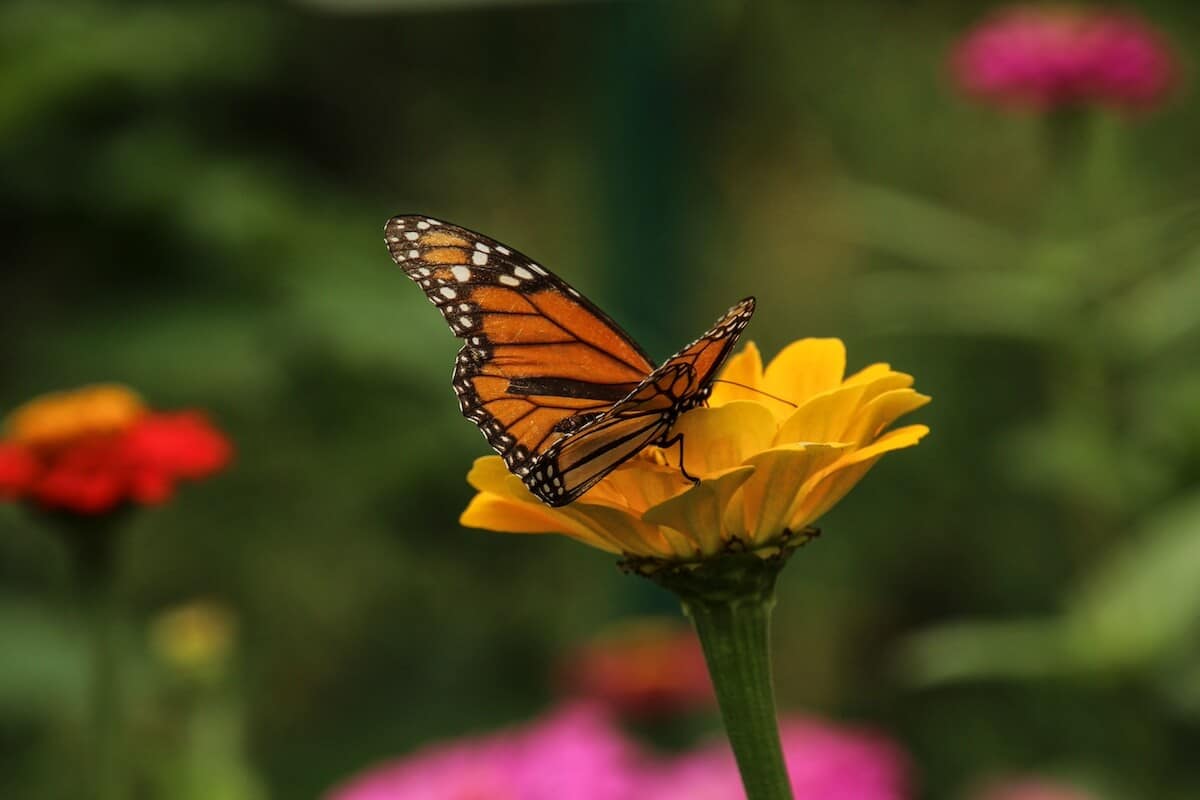
We often hear that we should plant milkweed to help monarch butterflies. This is true, since their caterpillars can feed only on this plant. But adult butterflies also need a wide variety of nectar-producing flowers. During their fall migration, some monarchs travel up to 4,800 km between Canada and the mountains of Mexico. To make such a journey, they depend on a continuous corridor of nectar-rich flowers along their entire route.
For more information: Plant More Than Milkweeds to Save Monarchs by Larry Hodgson.
6. Hummingbirds don’t really prefer red flowers
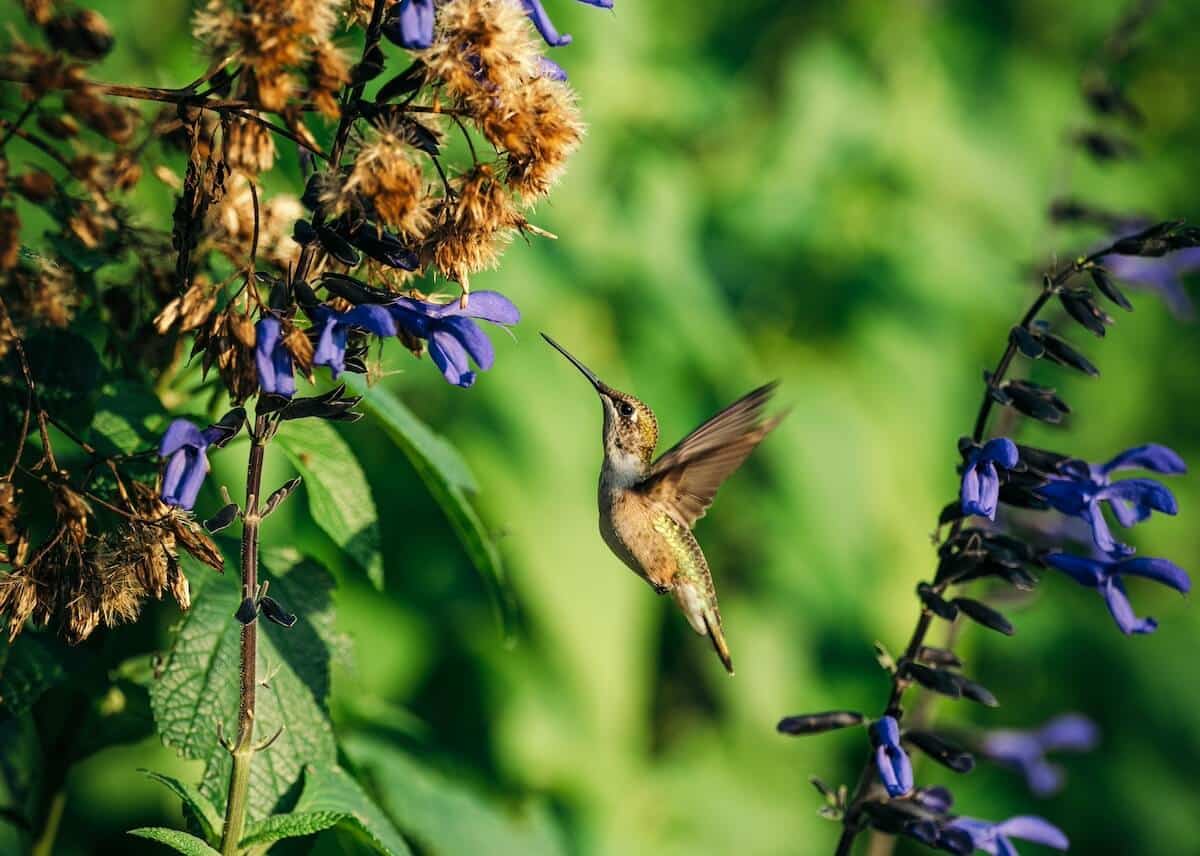
We often hear that hummingbirds are attracted to red flowers. In reality, they mainly seek out nectar-rich flowers with corollas deep enough to deter many other pollinators. The color red is simply an advantage: bees have difficulty seeing it, which leaves more nectar available for hummingbirds. Thanks to their long beaks and specialized tongues, these small birds carry pollen from one flower to another while feeding.
For more information: A Hummingbird in the Garden by Robert Morin.
7. Without wasps, there might not be any wine
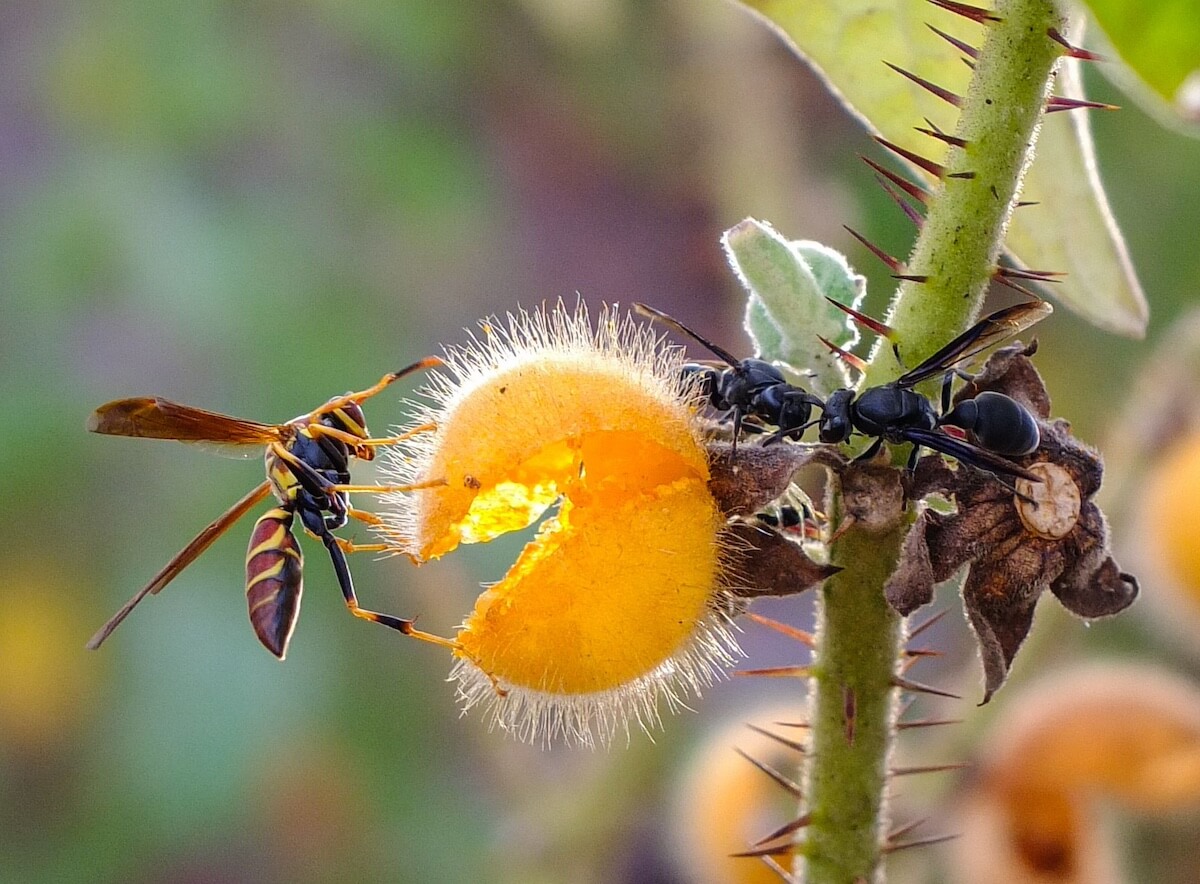
Wasps have a bad reputation, but they provide valuable services in the garden. In addition to capturing large quantities of aphids, caterpillars, and other pests, they also help pollinate many plants. Even more surprising, researchers have discovered that social wasps carry on their bodies the yeast necessary for grape fermentation. Without them, some wines might never have been made!
For more information: Wasps: Aggressive But Beneficial by Larry Hodgson.
8. A garden consisting of at least 70% native plants could be more beneficial to wildlife
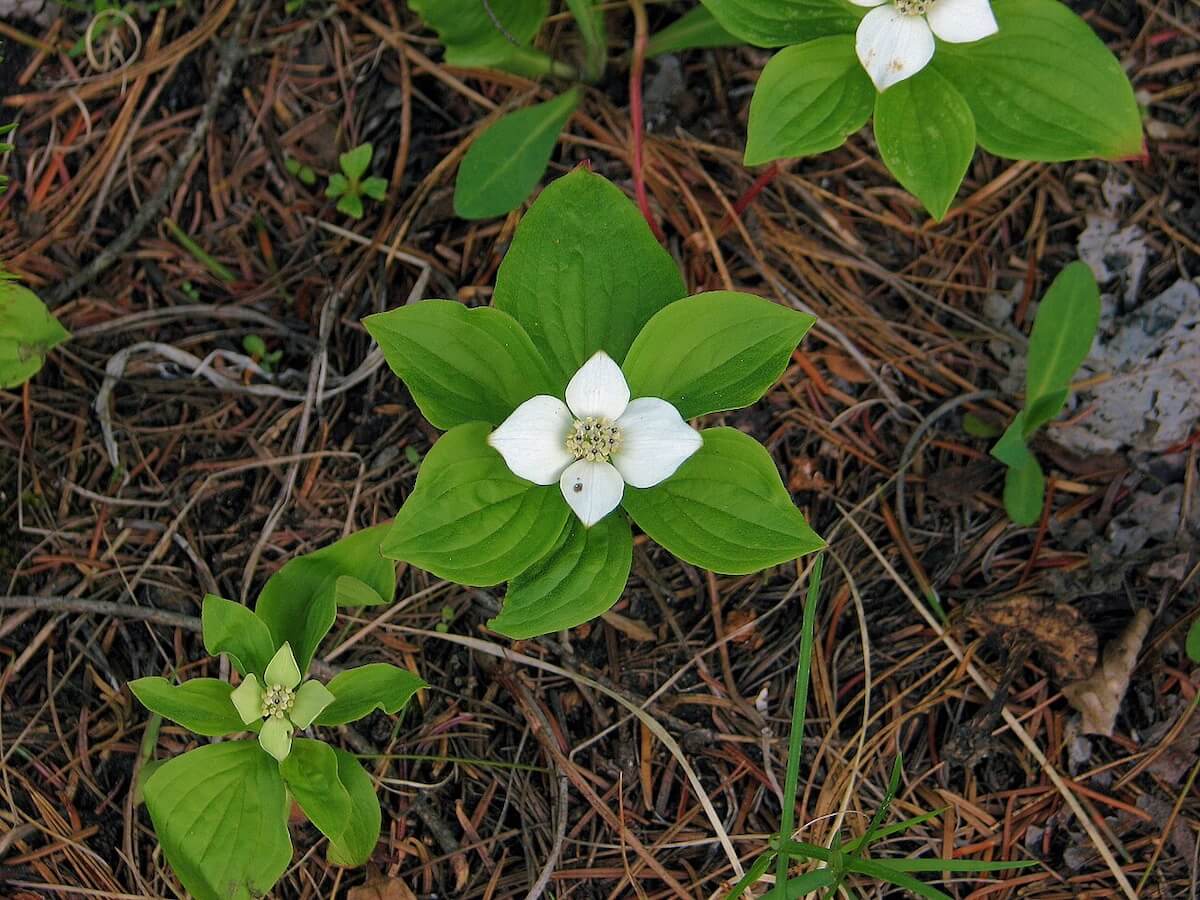
Native plants are often pollinators’ best allies, since they have evolved alongside the insects in our regions. A study conducted by Desirée Narango and Douglas Tallamy even showed that a landscape consisting of at least 70% native plants supports more insects and allows certain populations of insectivorous birds to breed more successfully. More insects also mean more food for birds… and more pollinators in the garden.
For more information: Aim for 70% Native Plants Mathieu Hodgson.
9. Some weeds help pollinators
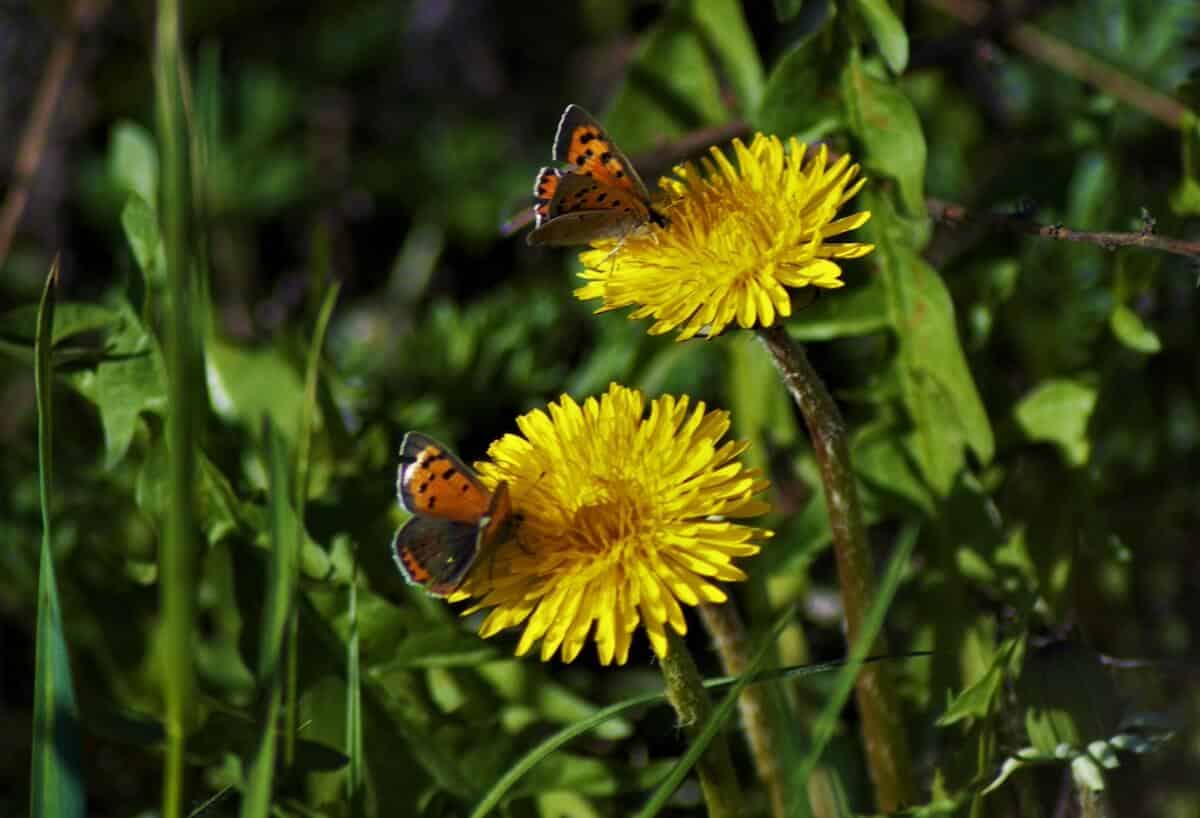
We often spend a lot of time pulling weeds from the garden. However, some wild plants, such as clover and dandelions, provide pollen and nectar to many pollinators. They also serve as a refuge for beneficial insects like ladybugs, lacewings, and hoverflies, which help control many pests naturally. A perfectly tidy garden is therefore not always the most welcoming environment for biodiversity.
For more information: The Laidback Vegetable Garden, For Greater Biodiversity by Mathieu Hodgson.
10. Pollinators can find flowers even in the city center
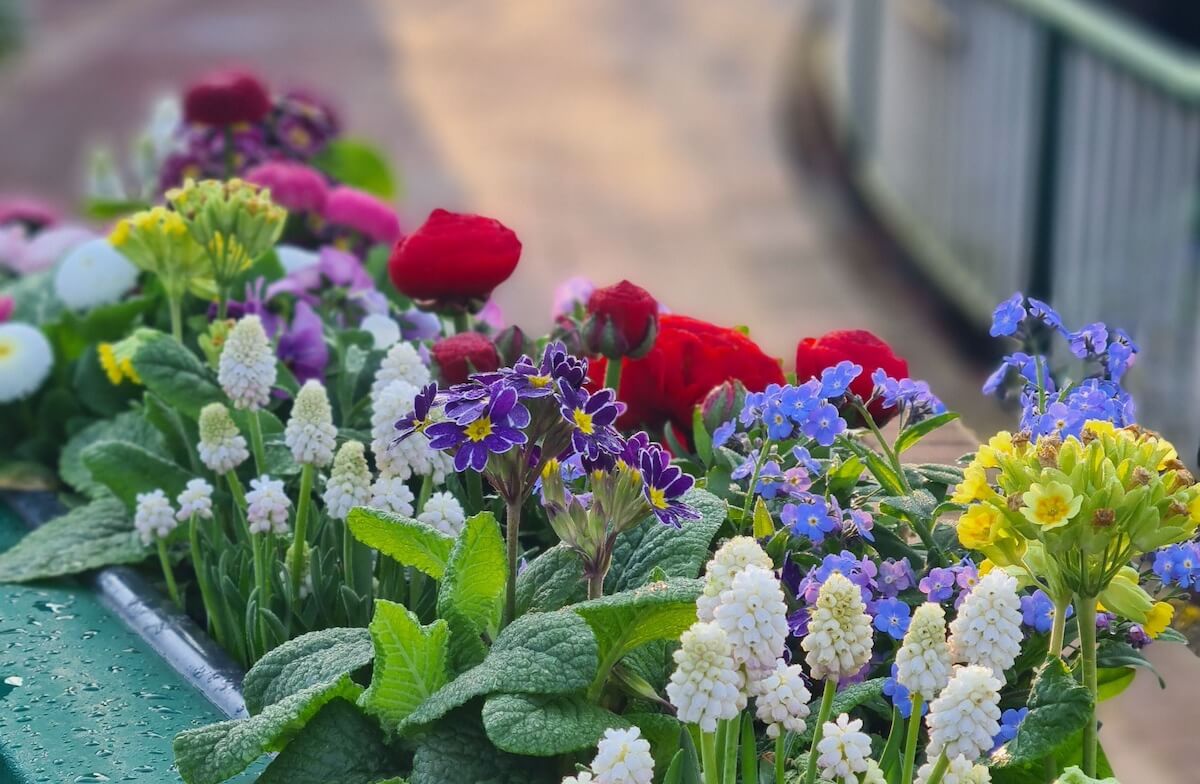
One might think that pollinators avoid city centers, but several studies show the opposite. In New York, researchers observed a surprising diversity of bees and other pollinators in a garden on the roof of a residential building on the 35th floor. Even a simple balcony, a few flower pots, or a small urban garden can help feed pollinators and support biodiversity.
For more information: Bring Pollinators into the City by Home Garden Seed Association.
Dandelions lack four essential amino acids for bees. Better to plant native spring flowers rather than letting the dandelions overrun an area. See https://americanbeejournal.com/so-much-pollen-so-little-nutrition/