
The arrival of summer also marks the return of the Japanese beetle (Popillia japonica), one of the most destructive garden pests in North America. Accidentally introduced from Japan in the early 20th century, this highly adaptable beetle feeds on more than 300 species of plants, including many popular ornamentals, fruit crops, and native species. Over the past century, it has steadily expanded its range, and today gardeners across much of eastern North America must contend with this voracious pest. Adults feed on leaves, flowers, and fruit, often skeletonizing foliage until only the veins remain. Beyond making plants look unsightly, repeated attacks year after year can weaken them over time.
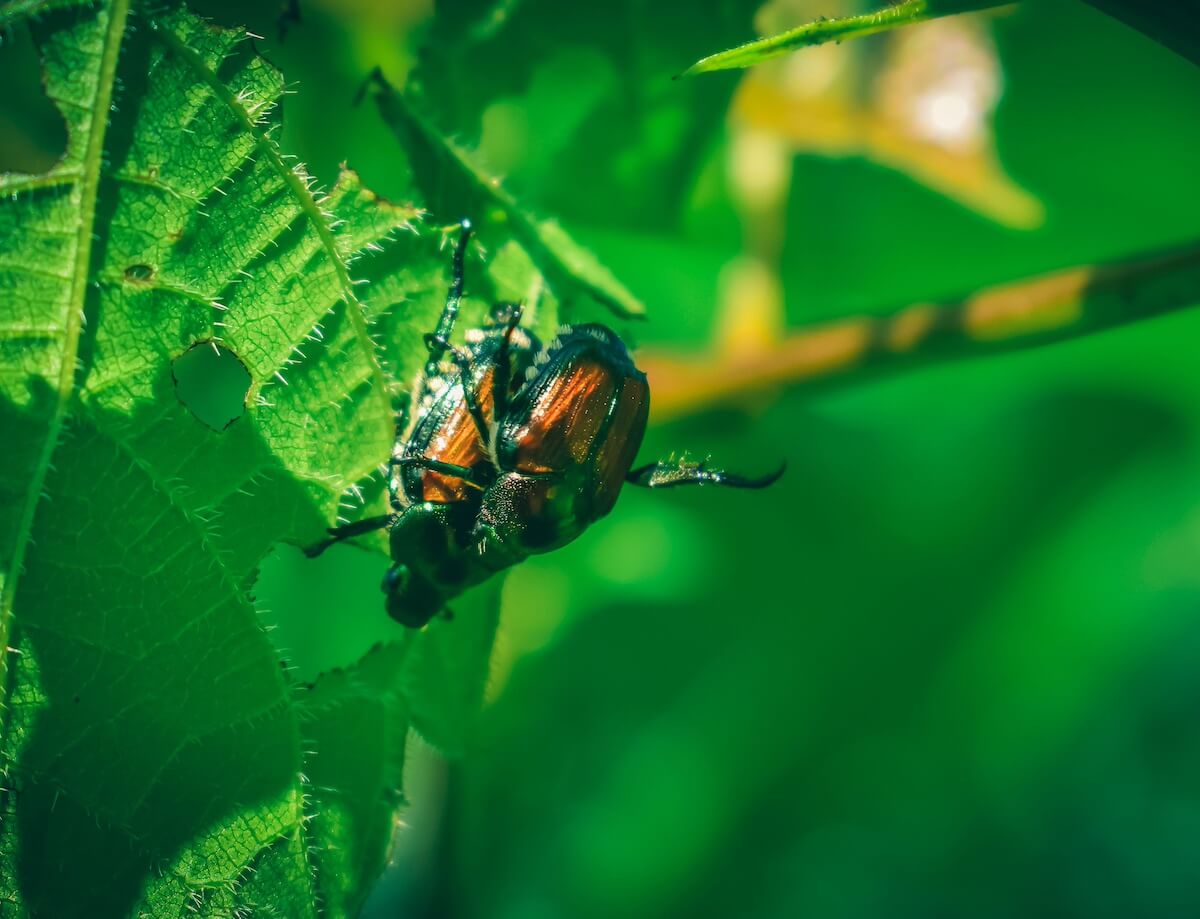
Following the publication of Japanese Beetle’s Preferred Host Plants, I received several enquiries about plants reputed to repel Japanese beetles and keep them out of the garden. Let’s see what the truth is.
Repellent plants
Among the plants most commonly recommended for repelling Japanese beetles are alliums, notably garlic, chives, onions and leeks. Their strong scent has given rise to the belief that they mask the scent of neighbouring plants, making them harder for Japanese beetles to detect.
Several aromatic herbs are also cited for their reputed repellent properties, including peppermint, catnip, mugwort, rue, tansy, basil and thyme. Many of these plants are shunned by Japanese beetles, which has probably contributed to their reputation as repellents.
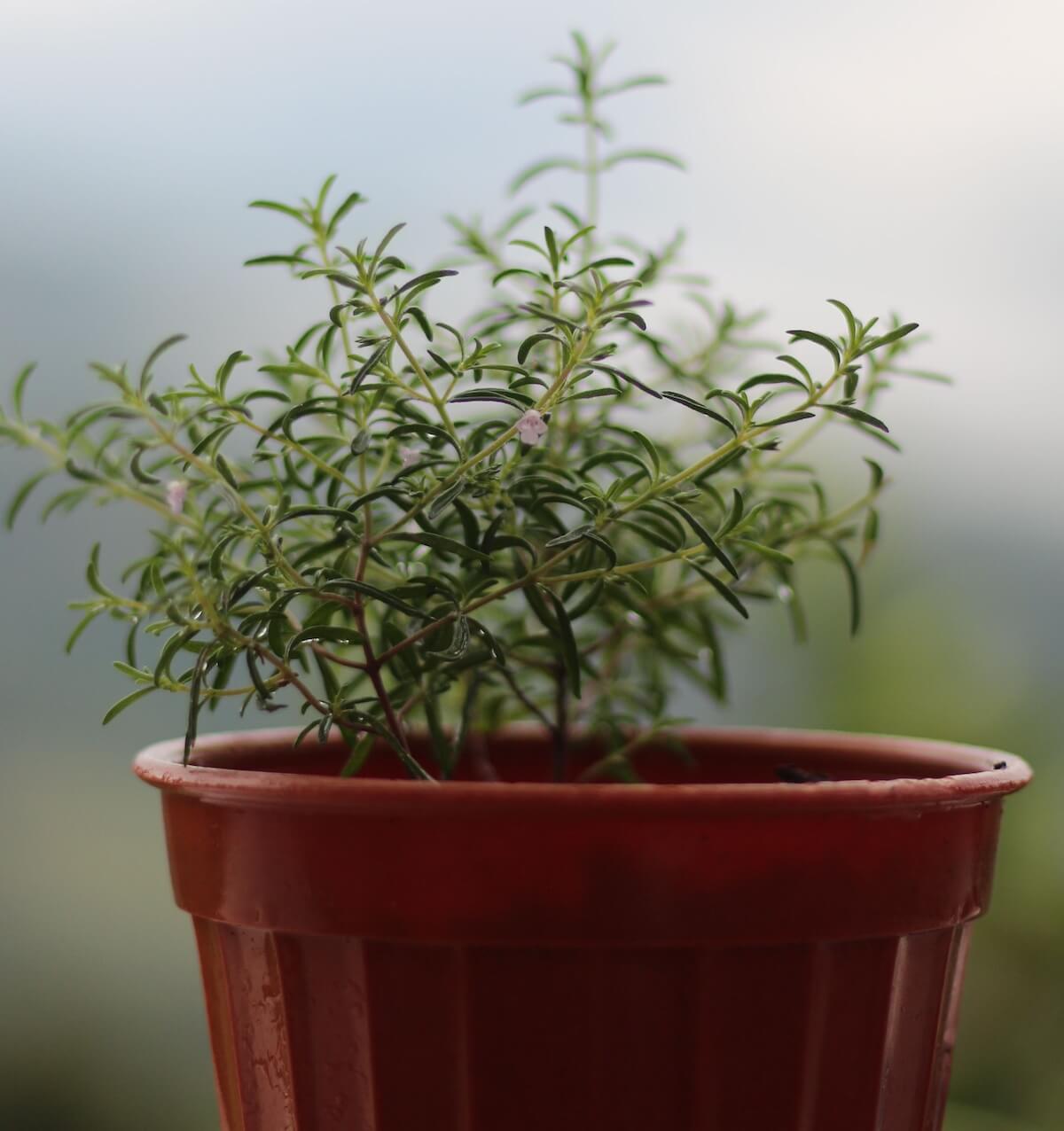
Why these plants? Japanese beetles locate their host plants – such as rose bushes, vines and lime trees – thanks to the volatile organic compounds (VOCs) they emit. These fragrant molecules play an important role in their search for food. The idea behind so-called ‘repellent’ plants is therefore simple: by also releasing strongly scented compounds, such as the menthol in mint or the sulphur compounds in garlic, they could mask the scent of the plant to be protected or confuse the signals used by the insect.
Limited effectiveness
This hypothesis is certainly plausible, but evidence that it works in real gardens remains limited. In fact, once a Japanese beetle finds a plant it likes and begins feeding, that plant often becomes even more attractive to other beetles. Feeding damage changes the blend of chemicals the plant releases into the air, making it easier for additional beetles to locate the same host. In other words, once one beetle has found a good meal, others are likely to follow. Under those conditions, it’s unlikely that the scents released by neighboring plants are strong enough to mask the signal coming from the damaged plant for very long.
Likewise, while some studies have found that compounds extracted from aromatic plants—or their essential oils—can repel Japanese beetles, no convincing research has shown that simply growing those plants in the garden effectively protects nearby plants from attack. In other words, just because an essential oil works under laboratory conditions doesn’t mean the living plant will have the same effect in a real garden.
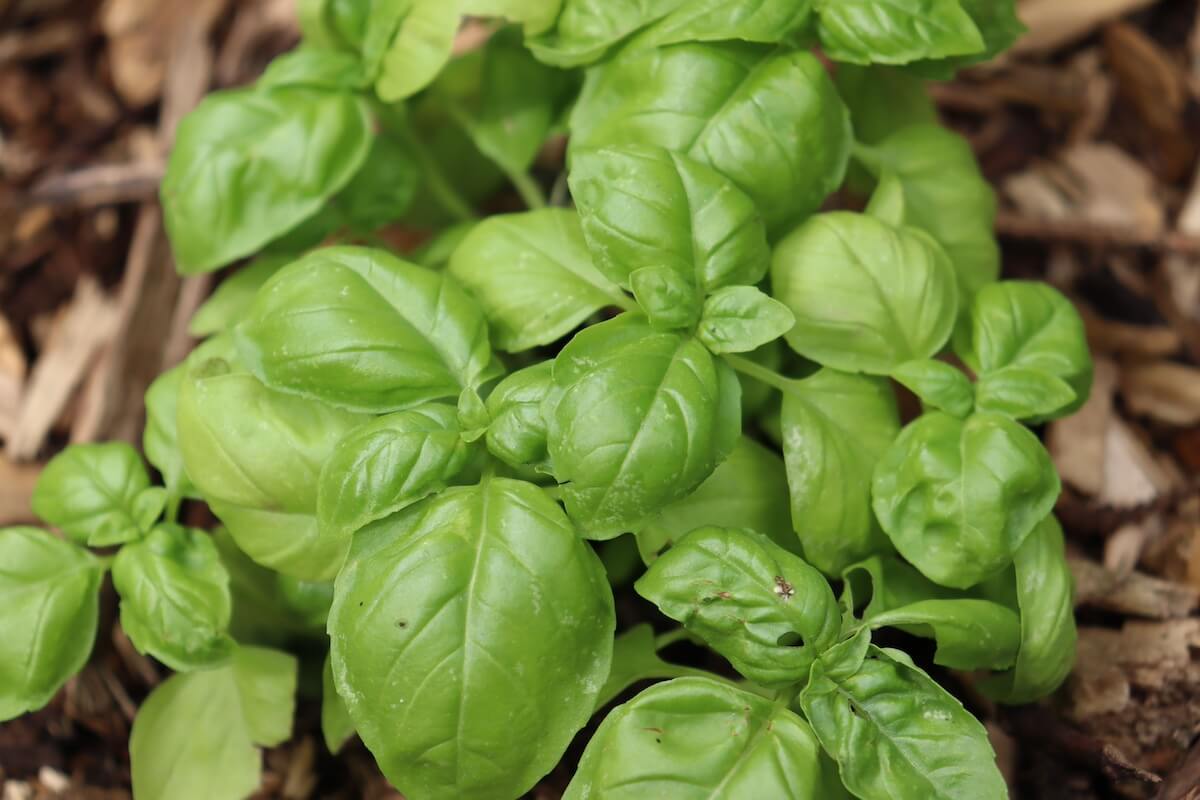
Basil is a good example of this nuance: despite its high essential oil content and its reputation as a repellent plant, it too can be eaten by Japanese beetles.
Not pointless
This does not mean that these plants are of no use in the garden – quite the contrary. Alliums, mugworts, thyme, tansy and several other aromatic plants all have their place in a diverse garden design. Their strong scent may, in some cases, make it more difficult for insects to find host plants, although this effect remains difficult to prove under real-world conditions. Many of these plants are also unpalatable to certain herbivorous mammals, such as deer and rabbits.
Trap crops
Geraniums are often mentioned as plants that can repel Japanese beetles. However, it’s important to distinguish between true geraniums (Geranium spp.) and pelargoniums (Pelargonium spp.), which are commonly—but incorrectly—sold as geraniums in North America.
The hardy geraniums grown in perennial gardens are generally not a preferred food source for Japanese beetles. However, there is no evidence that they actually repel the insects or protect nearby plants from attack.
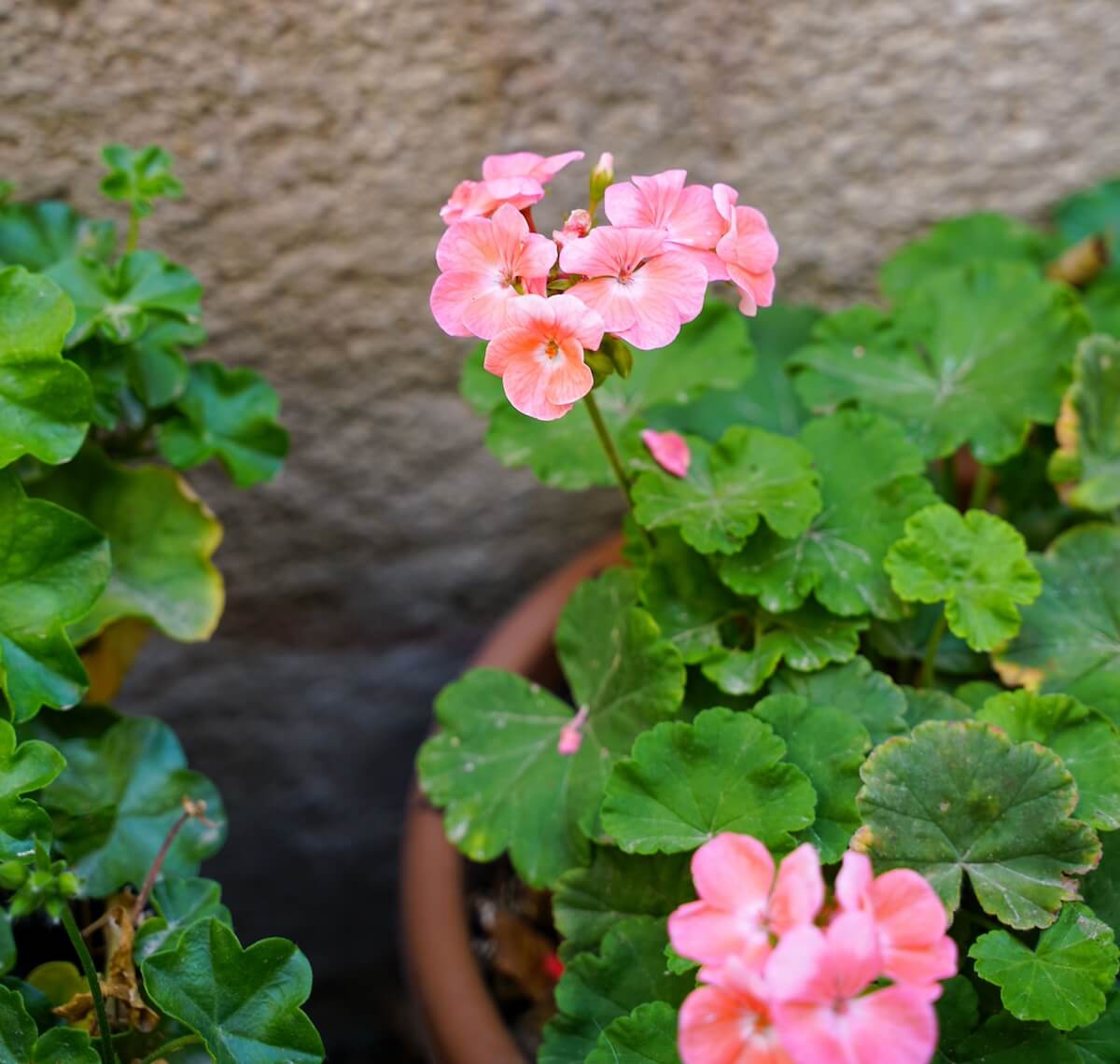
Pelargoniums, however, are a fascinating case. Contrary to popular belief, they don’t appear to repel Japanese beetles. In fact, the beetles readily feed on their flowers. The petals contain a compound called quisqualic acid, an amino acid that affects the beetle’s nervous system.
After feeding on the petals, many beetles gradually lose control of their legs, fall from the plant, and become temporarily paralyzed. Under laboratory conditions, this paralysis is usually reversible, and the insects recover after several hours.
In the garden, however, the outcome is often quite different. Once immobilized on the ground, the beetles become much more vulnerable to predators such as ants, ground beetles, birds, and other insect-eating animals. They may also die from prolonged exposure to the sun. Despite this intriguing mechanism, no study has shown that growing pelargoniums significantly reduces Japanese beetle populations or the damage they cause in the garden.
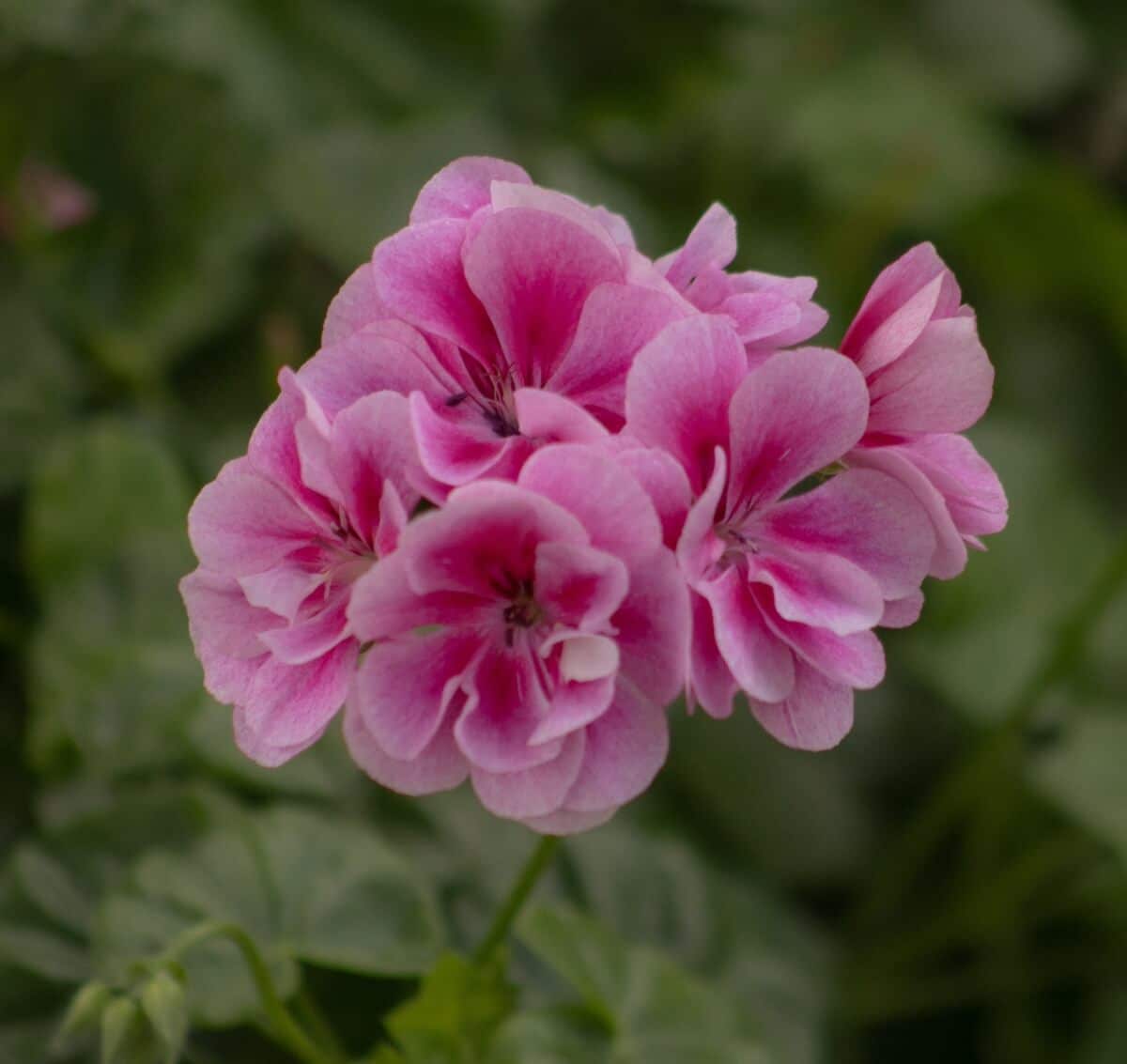
How do you use pelargoniums?
Pelargoniums may have potential as trap crops rather than as repellents. However, their effectiveness likely depends on how they’re used. Planting them among highly favored hosts, such as roses, could simply attract more Japanese beetles to that part of the garden. There is no evidence that beetles will choose pelargoniums over their preferred host plants.
If you still want to experiment with pelargoniums as trap crops, it makes more sense to grow them some distance away from your most susceptible plants, where paralyzed beetles can be easily spotted, hand-picked, or eaten by predators. However, this approach is based more on a reasonable hypothesis than on solid scientific evidence. To date, no study has determined the optimal distance between pelargoniums and the plants they’re intended to protect, nor has any study demonstrated how much this strategy actually reduces Japanese beetle damage in home gardens.
Finally, the claim that white-flowered pelargoniums are more effective than other flower colors is not supported by convincing scientific evidence.
Are there other trap crops?
Lists occasionally circulate claiming that four o’clocks (Mirabilis jalapa), delphiniums (Delphinium spp.), or castor bean (Ricinus communis) can serve as trap crops that kill Japanese beetles. While these plants do contain toxic compounds, we don’t even know whether Japanese beetles consume enough of them for those compounds to have any meaningful effect. In fact, scientific evidence supporting their effectiveness against Japanese beetles is extremely limited—or nonexistent. For now, they can’t be recommended as an evidence-based method of control.
Essential oils
Essential oils are often touted as a natural solution for repelling Japanese beetles. Unlike many folk remedies, they have been the subject of proper scientific research. Researchers evaluated 41 essential oils to determine whether they could disrupt the Japanese beetles’ ability to locate a food source.
The results are encouraging. Of all the essential oils tested, wintergreen (Gaultheria procumbens) and peppermint(Mentha × piperita) were the most effective at reducing the attractiveness of the traps used in the experiments. Researchers also found that a 50:50 blend of wintergreen and ginger (Zingiber officinale) produced an even stronger effect than either essential oil on its own.
To be avoided
Not all essential oils have a repellent effect, however. Some may actually do the opposite. Citronella (Cymbopogon nardus) essential oil, which is widely recommended for repelling insects, actually increased the attractiveness of the traps to Japanese beetles. Researchers observed a similar effect with coffee (Coffea arabica) essential oil.
How do essential oils work?
Essential oils are made up of volatile compounds produced by plants. Because Japanese beetles rely heavily on scent to locate their host plants, some researchers believe these compounds may interfere with their search for food. In other words, they may mask the volatile organic compounds (VOCs) released by host plants or disrupt the scent cues the beetles use to find them.
Several laboratory studies support this hypothesis, but the exact mechanisms are still not fully understood. What’s more, these experiments were conducted using concentrated essential oils under carefully controlled conditions. As a result, they do not demonstrate that spraying essential oils on plants—or simply growing the plants that produce those oils—provides comparable protection under real-world garden conditions.
Limited usefulness
Garlic (Allium sativum) also deserves a mention. Its sulfur-containing compounds have been shown to repel a variety of insect pests and are used as ingredients in some commercial repellents. Their biggest drawback, however, is that they don’t last very long. Because these compounds are highly volatile, they break down quickly when exposed to sunlight, heat, and rain. As a result, garlic-based treatments must be reapplied frequently, limiting their usefulness for providing long-lasting protection against Japanese beetles.
Encouraging data, but not enough
The results obtained with some essential oils are promising enough to warrant further research. However, if they provided a simple, long-lasting, and highly effective solution against Japanese beetles, they would likely already be widely used and recommended by horticultural professionals. For now, the available evidence is encouraging, but not strong enough to make essential oils a first-line management strategy.
The same is true of so-called repellent plants and trap crops. These approaches are based on biologically plausible principles and may have some value, but their effectiveness under real-world garden conditions remains poorly documented. While they may sometimes help reduce damage, they shouldn’t be viewed as miracle solutions.
It’s also worth considering their long-term practicality. Adding repellent plants, maintaining trap crops, repeatedly applying treatments, or hand-picking beetles may be manageable for a season or two. Turning those tasks into a yearly routine, however, is a much bigger commitment. A control strategy is only truly worthwhile if it remains effective while requiring a level of maintenance that fits the kind of garden you want to have.
A sustainable solution
If you’re looking for a miracle cure—or if someone claims to have one—be skeptical. There isn’t one. Combining several different approaches can certainly help reduce damage, but it won’t eliminate the problem entirely. And if a particular method seems to work well in your garden, keep in mind that weather conditions, the severity of the infestation, and the presence of natural predators, such as birds, may also have contributed to the outcome.
In the long run, the most sustainable strategy is to gradually adapt your garden to the presence of Japanese beetles. Replacing the plants they damage most severely with species they find less appealing is often a more durable solution than trying to protect their favorite plants indefinitely.
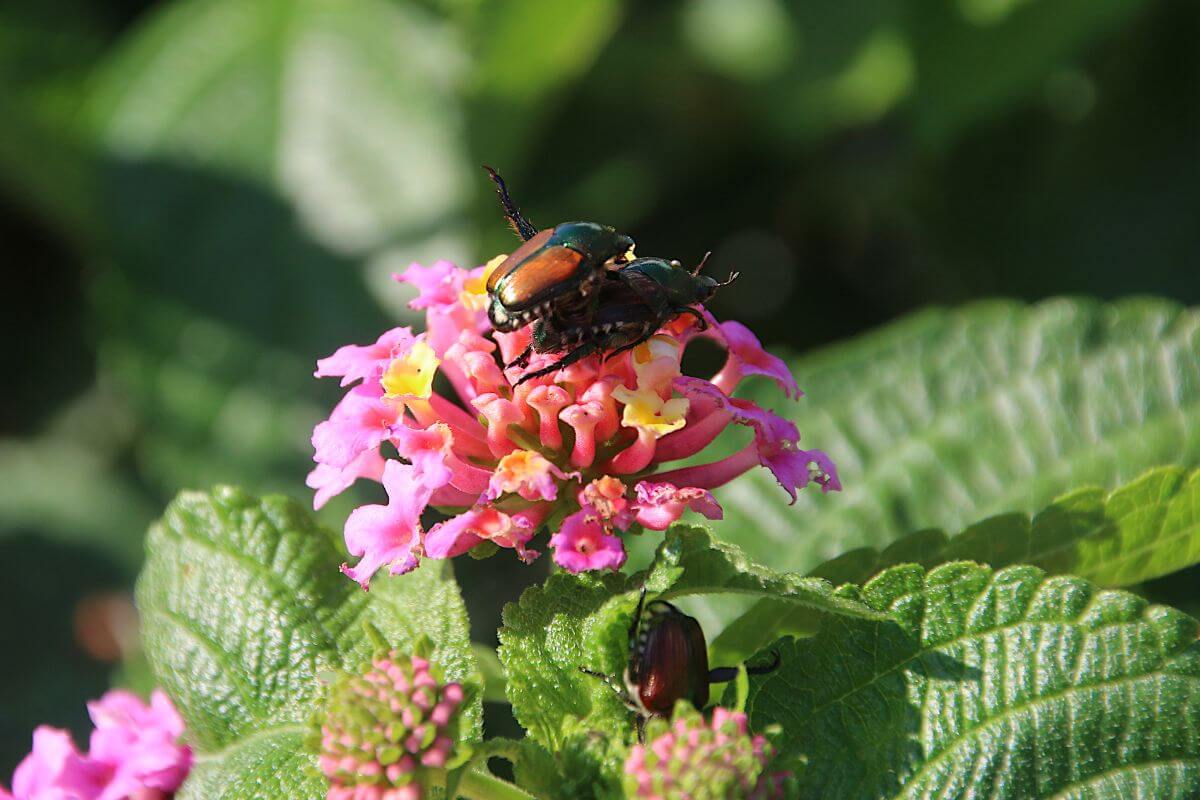
It’s also worth rethinking the role of your lawn. Female Japanese beetles lay their eggs in turf, and the grubs feed primarily on the roots of grasses. Reducing the amount of lawn and increasing plant diversity by incorporating clover and other low-growing plants can reduce their food supply while creating a more resilient landscape.
Avoiding irrigation simply to keep the lawn green during summer can also reduce the survival of eggs and young grubs, which are particularly vulnerable to drying out. Unless you’re planning to overseed, it’s generally better to let your lawn go dormant during dry spells.
These changes may require some effort upfront, but they demand very little maintenance afterward. After all, summer is for enjoying your garden—not chasing Japanese beetles!
After a balanced article taking a scientific look at effectiveness of touted solutions you end with recommendations for a lawn with no evidence. I don’t water or fertilize the grass and the grubs still love it. Please research your recommendations and support with data .
I read with interest your article on Japanese Beetle repellants. For several years I have had a growing problem with them. This year they are on my sweet potatoes and strawberries, and they love the apple and cherry trees and even my asparagus. They also killed one of my muscat grape vines. One thing that you did not touch on is the use of nematodes on the lawn to kill the grubs. Have you looked into this as well? I spread my dill seeds everywhere last fall and they came up everywhere. I should have left them in with my strawberry patch, they might have helped. Thanks.
Hello,
I’m having difficulty reading your article on Japanese beetles and their ‘supposedly’ repellents. It’s a if the whole article has not be downloaded properly. Keep up the good work.