
Watering regulations vary from one local authority to another. The strictest restrictions apply to lawns. Usually, if your house number is even, you can water on even-numbered dates; if your house number is odd, you can water on odd-numbered dates. In many towns, watering is also prohibited for part or all of the weekend.
In many towns, restrictions also apply to watering times. If your lawn has recently been sown or laid, the rules change. A temporary permit (often valid for around a fortnight) is usually required to allow watering outside the usual days. However, conditions vary from one local authority to another: always check the regulations in force in your area.
Automatic watering systems
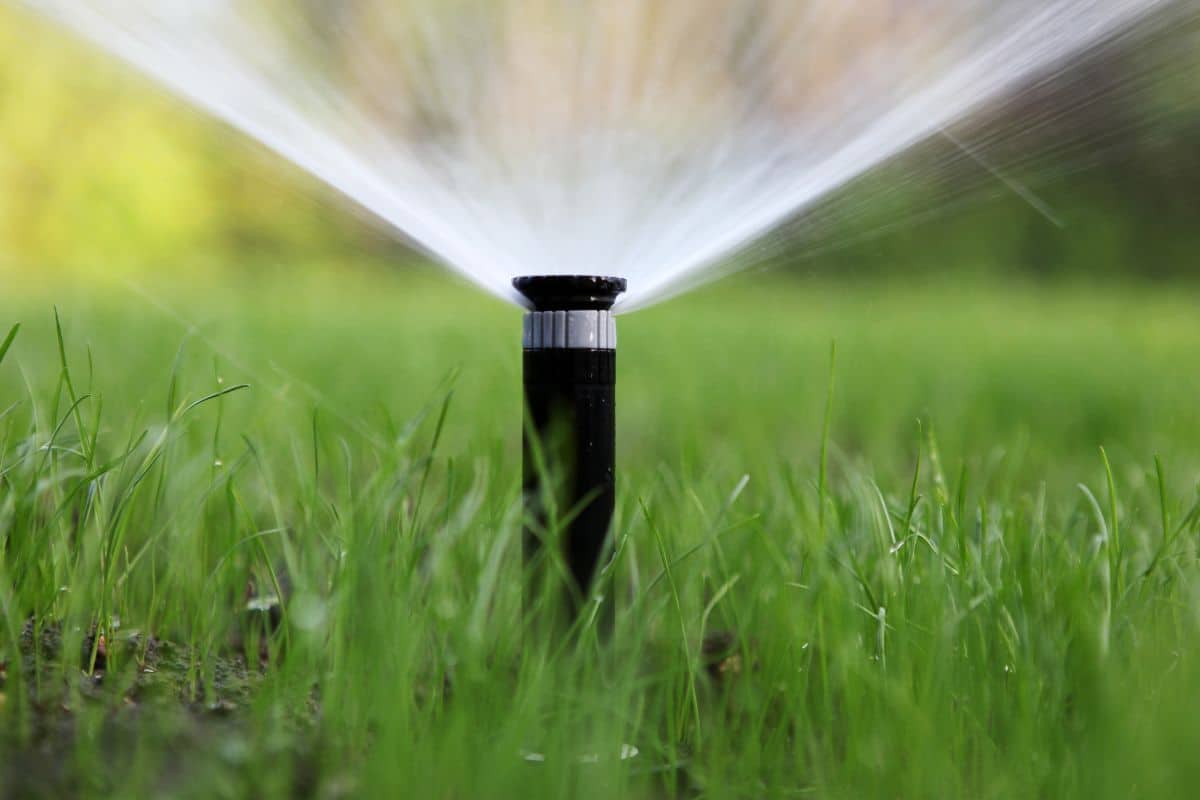
Some local authorities have different regulations for automated irrigation systems. In particular, watering times often vary, usually taking place at night or very early in the morning (for example, between 2 am and 5 am). Don’t panic, though: you don’t have to get up at 3 am to water your garden – ‘automated watering’ simply means a system controlled by a programmable timer. All you need to do is set your timer to water during the permitted hours – that’s all. To water in an environmentally friendly way – and, incidentally, this is now often required by regulations – you should always fit your system with a rain sensor or, better still, a soil moisture sensor, which will stop watering when it isn’t necessary.
Regulations that aren’t always very useful
So there you have it: regulations that will surely help conserve water… or rather, help spread out the demand for drinking water during periods of high consumption. Where in the previous lines did you see a single word about water conservation? You can still water your garden as much as you like and waste water as much as you like: it’s often allowed! Complying with the regulations does not, therefore, necessarily mean using water responsibly. Watering in an environmentally friendly way is therefore down to the citizens: it’s not your local council that’s going to force you to do so through regulations!
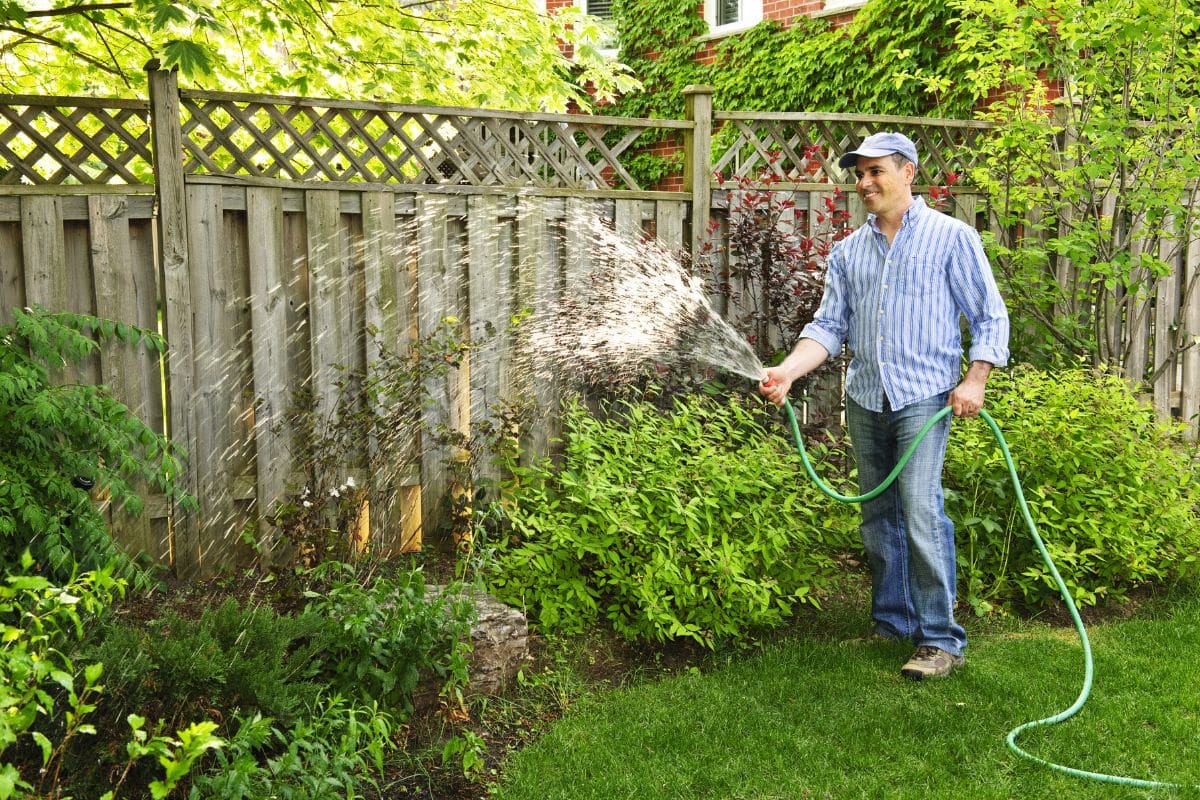
How to water responsibly
Here are a few tips for watering effectively:
Don’t water your lawn unless it has just been laid or sown: it doesn’t need it.
A lawn that is short of water will simply go into ‘summer dormancy’. As soon as the rain returns, the lawn will turn green again. Yet it is watering lawns that is the main concern for amateur gardeners. If we could simply convince homeowners that their lawns do not need watering, we would have solved the number one problem of water wastage in the horticultural sector.
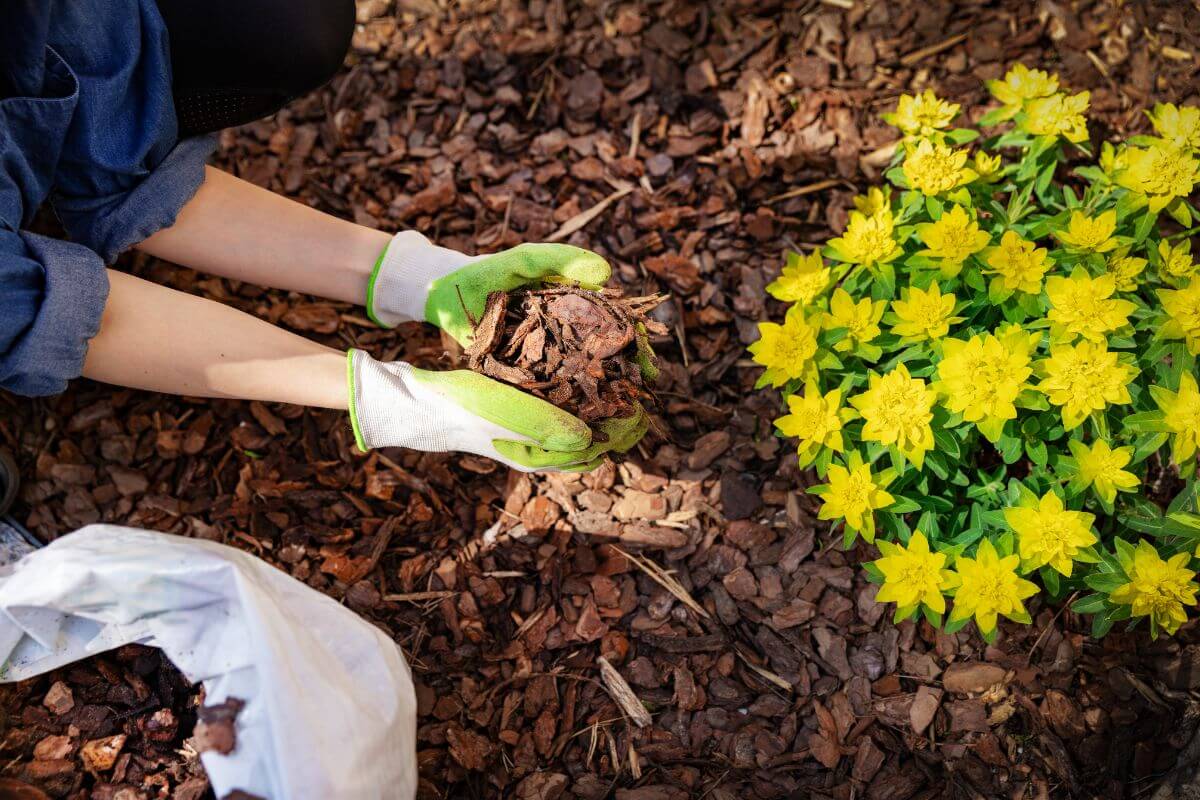
Mulch your flowerbeds and vegetable patches, as well as around the base of trees.
Mulch keeps the soil cooler and significantly reduces evaporation. Without even lifting a finger to water the plants, you can largely sort out the issue of watering, except in the event of a prolonged drought.
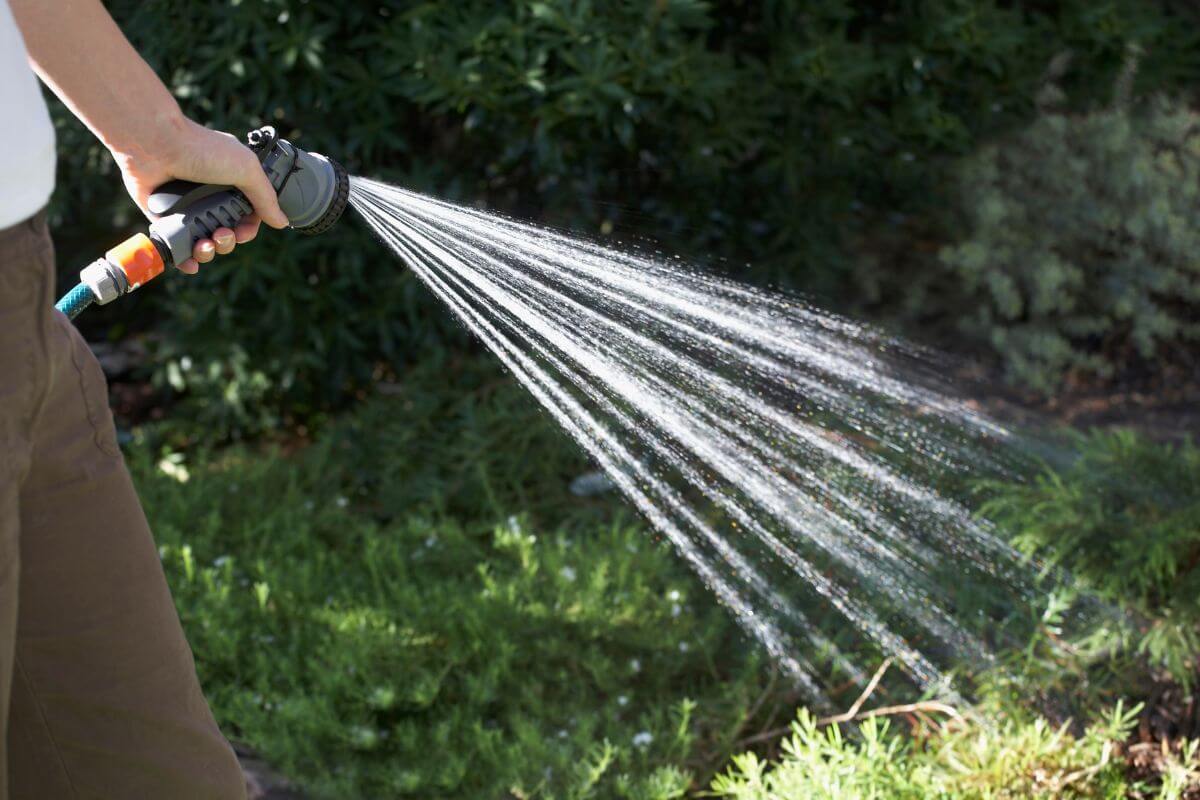
Avoid sprinklers, waterers, hoses and other equipment that spray water into the air.
A significant proportion of the water may then be lost through evaporation or blown away by the wind before it even reaches the ground. What a waste!
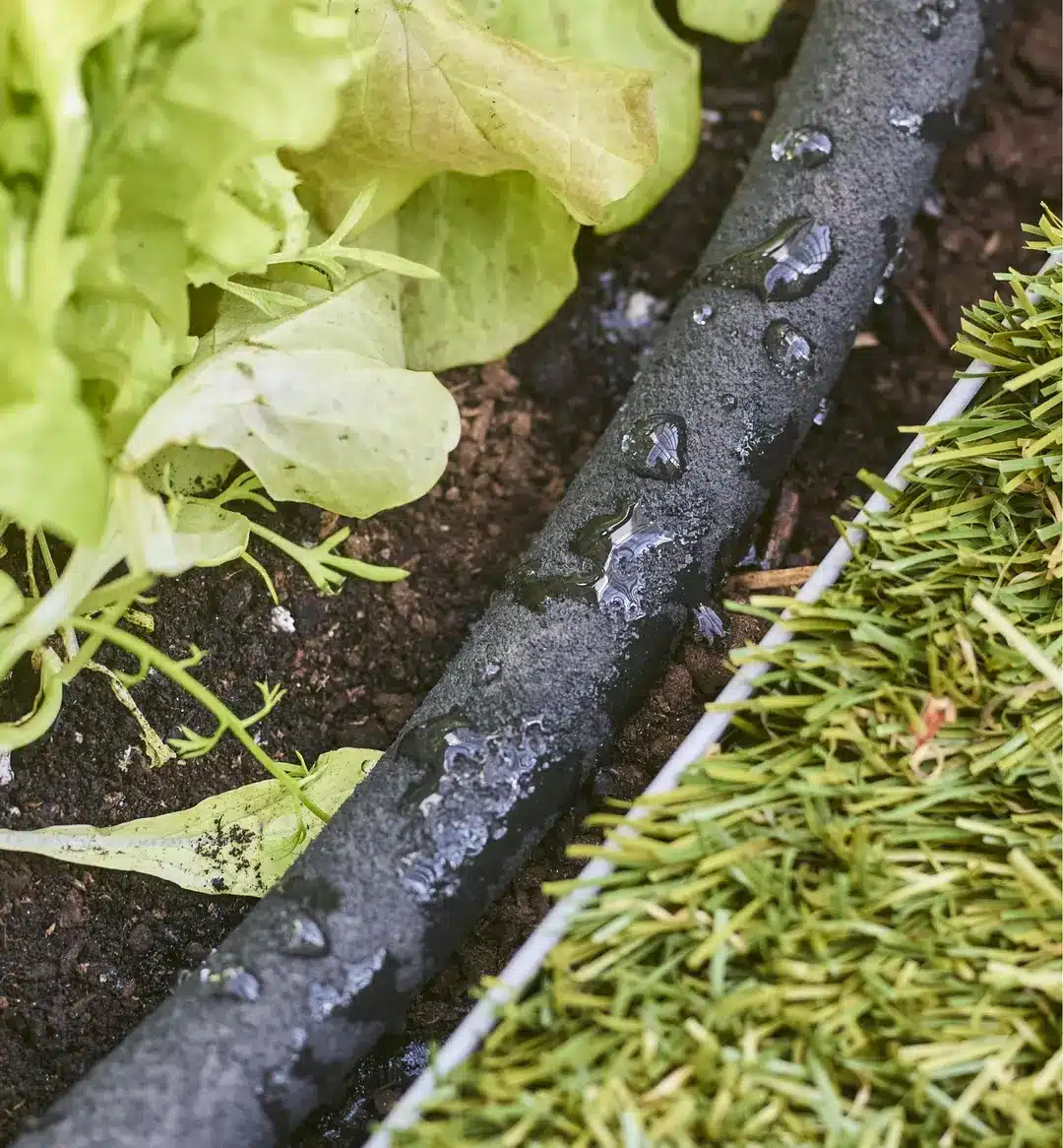
Use a soaker hose or a drip irrigation system for watering.
Water loss through evaporation is therefore virtually zero. A soaker hose is relatively inexpensive and easy to install: you simply unroll it in the flowerbed or vegetable patch, and that’s it. An irrigation system costs a great deal more and often requires professional installation.
Water early in the morning (ideally before 8 am, or by 10 am at the latest).
The air is cooler then, as is the soil, which reduces water loss through evaporation. This means that more of the water reaches the roots, and the foliage has the whole day to dry out, thereby reducing the risk of disease. Watering in the evening, on the other hand, when the foliage remains damp for a very long time, often encourages the spread of disease.
When you water, water thoroughly.
Quick, superficial watering – such as that achieved by running a hand-held hose over a flowerbed – merely moistens the surface of the soil, without really producing any significant results for the plants. And as the plants wilt quickly, you end up watering more often. Yet another waste. To water properly, you need to let the water run slowly: 45 minutes to an hour with a sprinkler; two hours or more with a soaker hose. And check the results by digging a small hole in the soil after watering: if the soil isn’t moist at a depth of 10 to 15 cm, you haven’t watered enough.
Conclusion
So, gardeners can help conserve drinking water by following a few simple rules. Local by-laws are one thing; best practice is another. By combining the two, we protect both our plants and a precious resource: drinking water.
Larry Hodgson has published thousands of articles and 65 books throughout his career, in both French and English. His son, Mathieu, has made it his mission to make his father’s writings accessible to the public. This article was originally published in Le Soleil on 24 July 2005.
After weeks of researching nurseries for my son, I kept coming back to this one place. The location in ?oliborz is super convenient for us, but what really sold me was the structured yet playful curriculum. My little one is only three, yet he already tries to count in English and Polish, which is adorable. The teachers send photos during the day, so I never feel like I am missing out on his milestones. They also handled his picky eating phase with such patience and creativity. I think any parent looking for a caring environment should definitely visit britishkids to see the classrooms in person.
Players enjoy papa’s games for its simple controls and rewarding progression system, making it easy to learn but challenging to fully master every restaurant.
Great article! I was looking for accurate information about Hyatt travel agent rates, and this guide explained the eligibility and booking process really well. Thanks for sharing!