
July is holiday time… but it’s also gardening time! Most planting should now be complete, but plants still need water. When the rain isn’t enough, it’s up to the gardener to step in.
Fortunately, watering doesn’t have to be a chore or a summer job. By following a few best practices, you can water less often, more efficiently and using less water. Here are a few tips to keep your plants well-hydrated whilst making the most of the summer.
The golden rule of watering
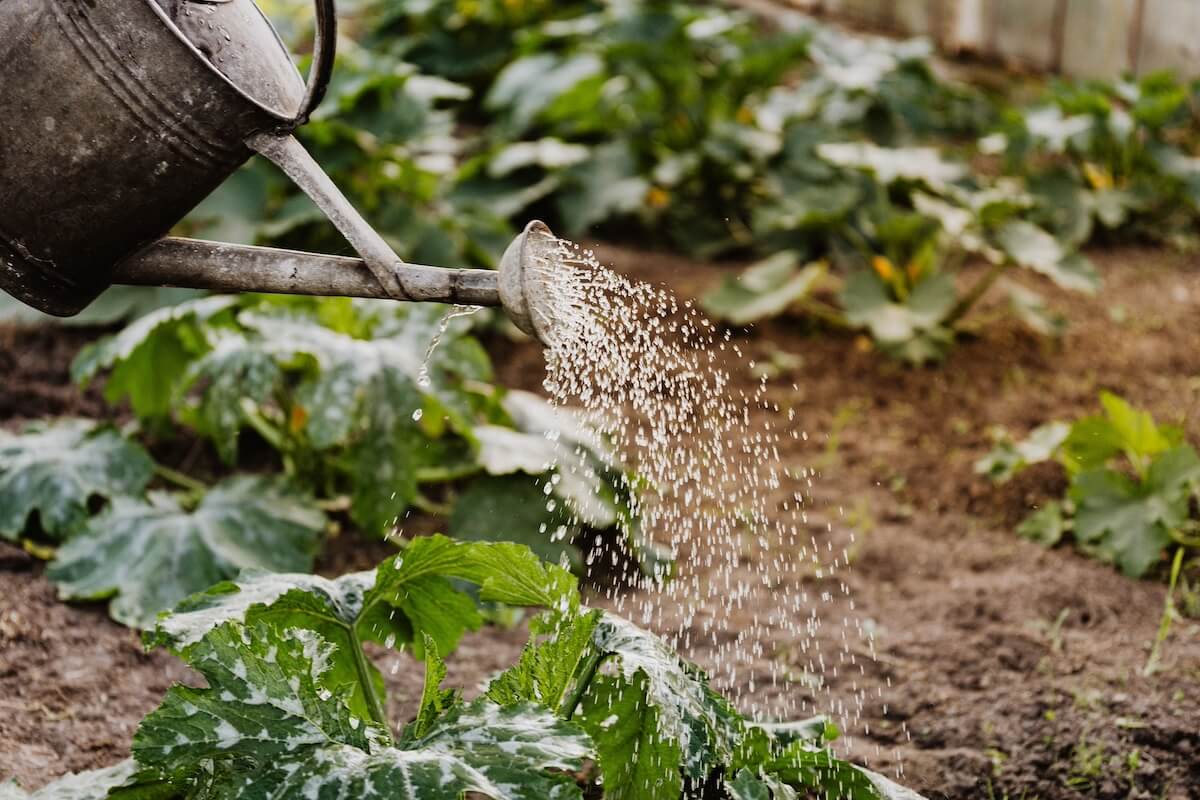
If there were just one thing to know about watering – whether for indoor or outdoor plants, regardless of the species – it would be the golden rule of watering: water thoroughly, enough to moisten the entire root ball, then wait until the potting compost or soil has dried out before watering again.
This rule applies just as much to plants that like moisture, such as ferns, as it does to plants from arid climates, such as cacti, as well as to all those in between. The difference lies simply in the rate at which they use up water and the degree of dryness they can tolerate. Plants from humid environments generally dry out their growing medium more quickly, so you should only wait until it is slightly dry before watering again. Conversely, plants adapted to dry environments will prefer the growing medium to dry out more, sometimes even deep down.
For further information: How to Water Effectively by Larry Hodgson.
Too much isn’t the same as not enough
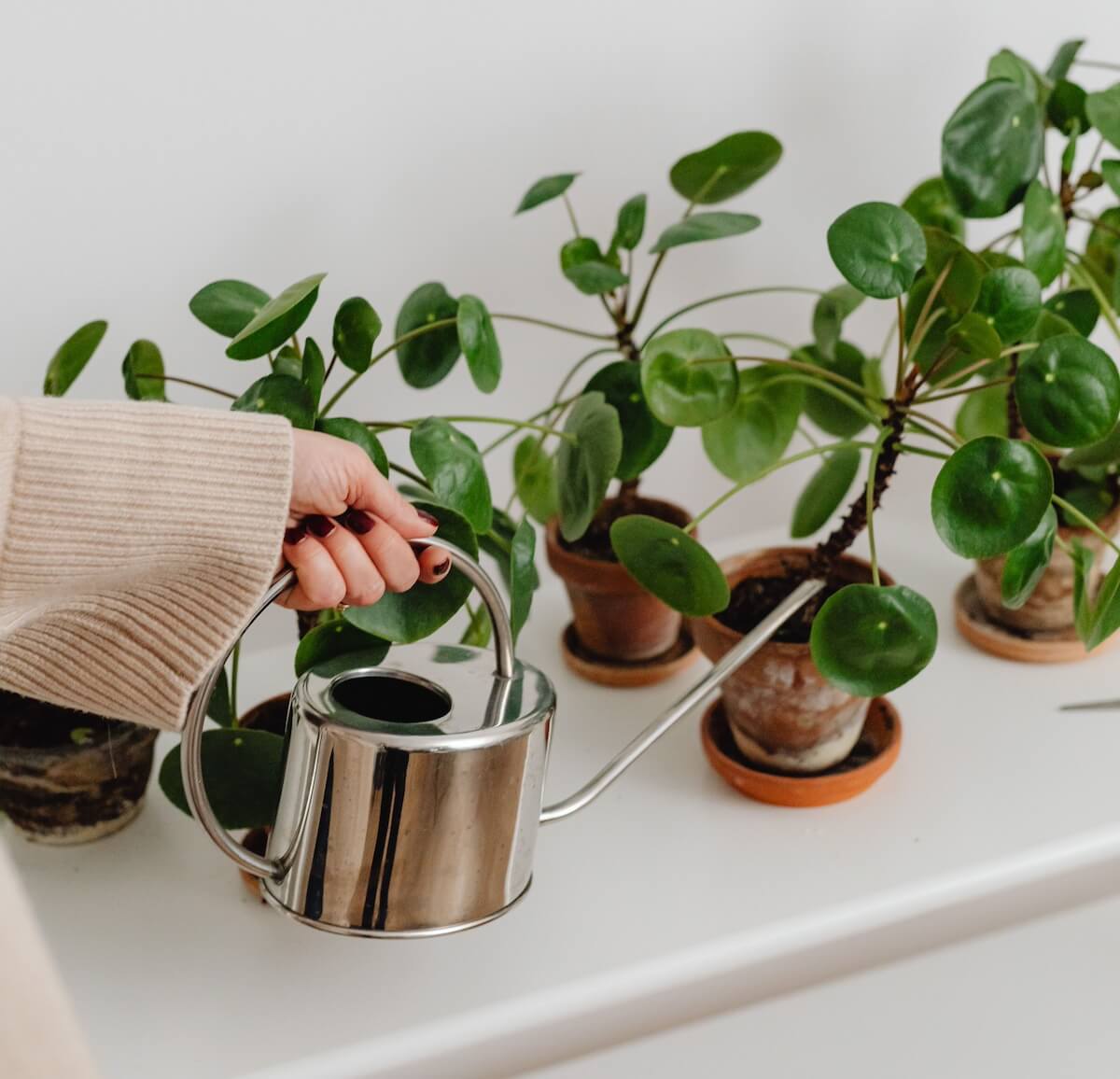
Very often, novice gardeners tend to overwater their plants. This is understandable: we want to look after them properly to ensure they thrive. And one of the main ways of looking after a plant is, of course, to water it.
But, just like children, plants also need a bit of independence. Sometimes you need to watch them from a distance rather than constantly intervening. Overwatering is, in fact, one of the most common problems in gardening.
A plant that is temporarily short of water will certainly suffer. It may wilt, slow down its growth or look a bit rough. However, in most cases, it will recover quickly after a good watering. Conversely, a plant that is constantly over-watered risks suffering much more serious damage.
Roots need oxygen to function normally. When potting compost or soil remains saturated with water for a long period, the air is displaced. The roots then suffocate and become vulnerable to various microorganisms that cause root rot. Without healthy roots, however, a plant can no longer effectively absorb the water and nutrients it needs to survive.
This is why, in gardening, overwatering is often more dangerous than underwatering.
For further information: When Rot Attacks Your Houseplants by Larry Hodgson.
Your finger is the best moisture meter
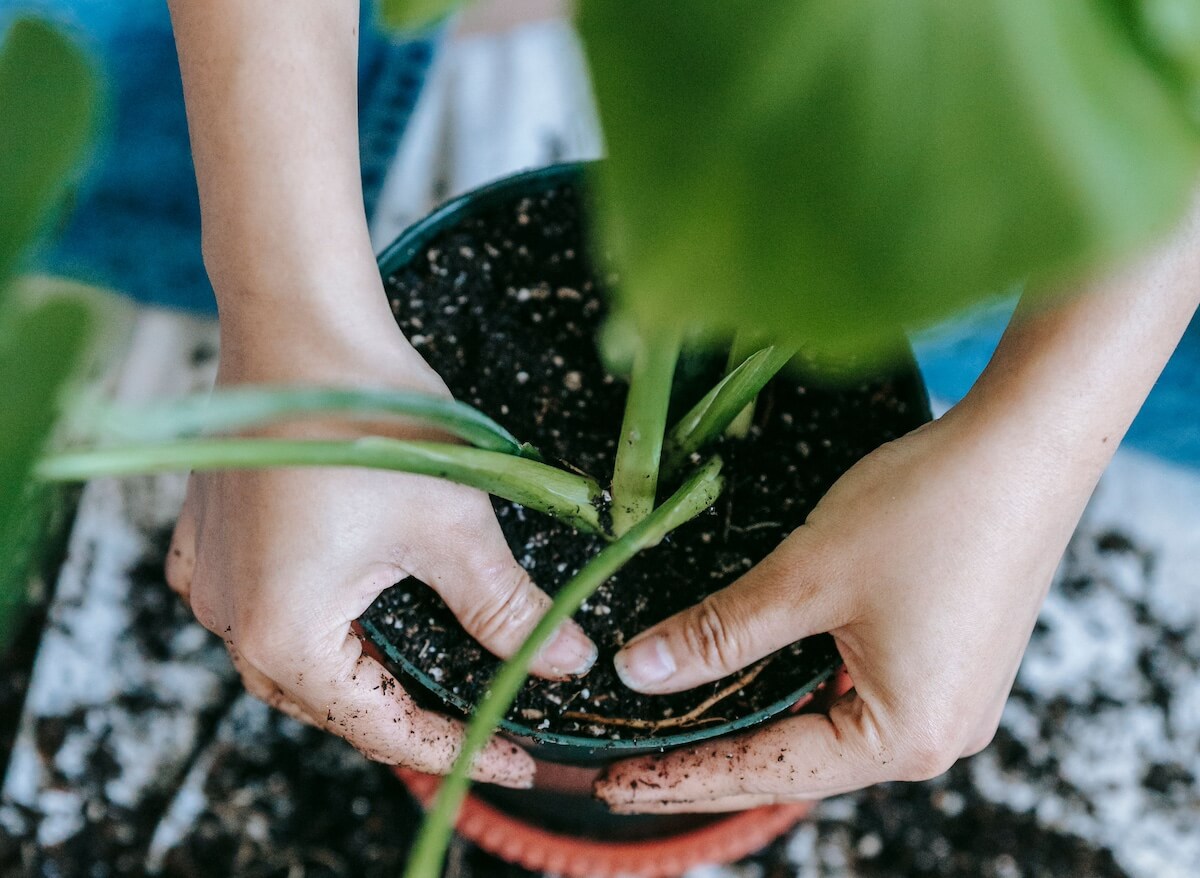
How do you know when it’s time to water? Forget about calendars and complicated gadgets: the most reliable tool is already right at your fingertips.
One of the most common mistakes is watering according to a fixed schedule: every day, every other day or every Saturday morning. However, water requirements vary constantly depending on the temperature, sunlight, wind, season, the size of the plant and the type of soil or compost.
Rather than sticking to a rigid schedule, get into the habit of checking the soil moisture regularly. Simply push a finger into the compost or soil up to the second knuckle. If the soil feels dry to the touch, it’s time to water. If it’s still damp, wait a few days before checking again.
This simple method helps to avoid both over-watering and under-watering. You’ll soon find that some plants need watering more often than others. A potted tomato in full sun won’t dry out at the same rate as a hosta in the shade or a houseplant during its dormant period.
By learning to assess the actual moisture level of the soil rather than sticking to a fixed schedule, you’ll only water when necessary. Your plants will thrive and you’ll save water.
For further information: The Handiest Moisture Meter and Keep Your Watering Flexible by Larry Hodgson.
Water early in the morning
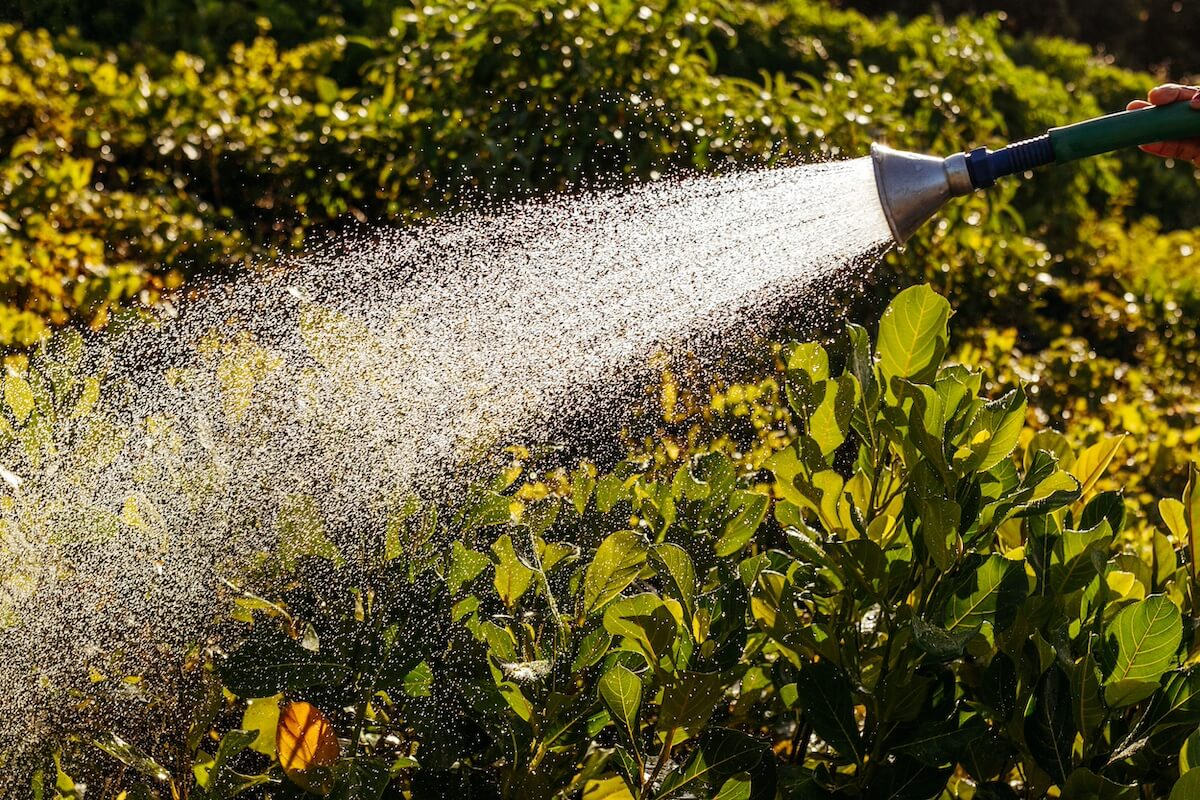
If you have a choice, the best time to water is early in the morning. At this time of day, the air and soil are still cool, which reduces water loss through evaporation. A greater proportion of the water therefore reaches the roots rather than returning to the atmosphere.
Watering in the morning also has another advantage: the foliage and the soil surface have the whole day to dry out. This reduces the risk of certain diseases caused by prolonged dampness and creates conditions that are less favourable to slugs and other organisms that thrive in constantly damp environments.
Watering in the evening is still preferable to watering in full sun, but it often leaves the foliage and soil damp throughout the night. As for watering in the middle of the day, this is generally the least effective, as a significant proportion of the water evaporates before it can benefit the plants.
In short, if you only take one thing away from this: water generously, but water early in the morning whenever possible.
For further information: Water Your Plants Early by Larry Hodgson.
Water the soil, not the foliage
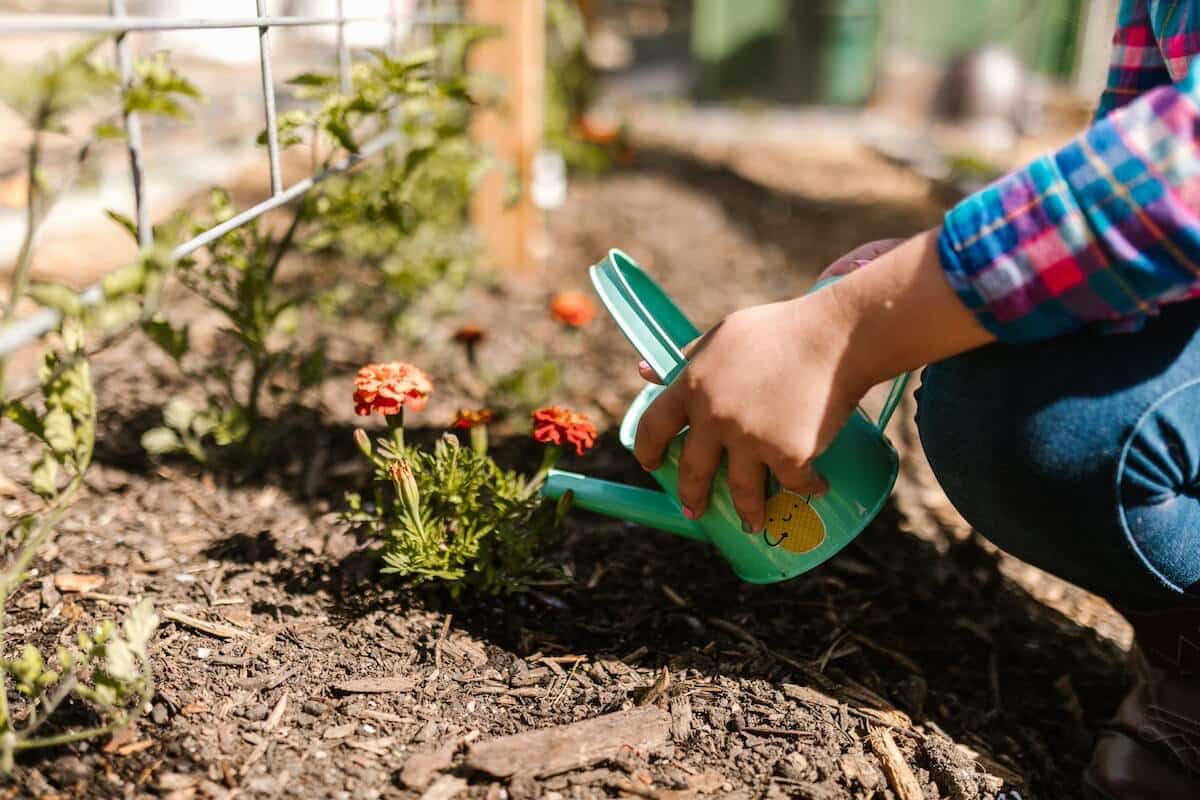
When watering, the aim is to moisten the roots, not the foliage. However, many watering systems spray a large proportion of the water into the air or directly onto the leaves, where it evaporates quickly or simply does not benefit the plant.
By directing the water straight onto the ground, at the base of the plants, you reduce water loss through evaporation and use less water to achieve the same result. You also minimise the risk of leaf diseases, as many fungi and bacteria thrive on damp foliage.
Whether you use a watering can, a hose, a drip system or a soaker hose, the principle remains the same: water the soil, where the roots are.
For further reading: Late-Season Powdery Mildew: Not Such a Big Problem! by Larry Hodgson.
Soaker hoses and drip irrigation save water
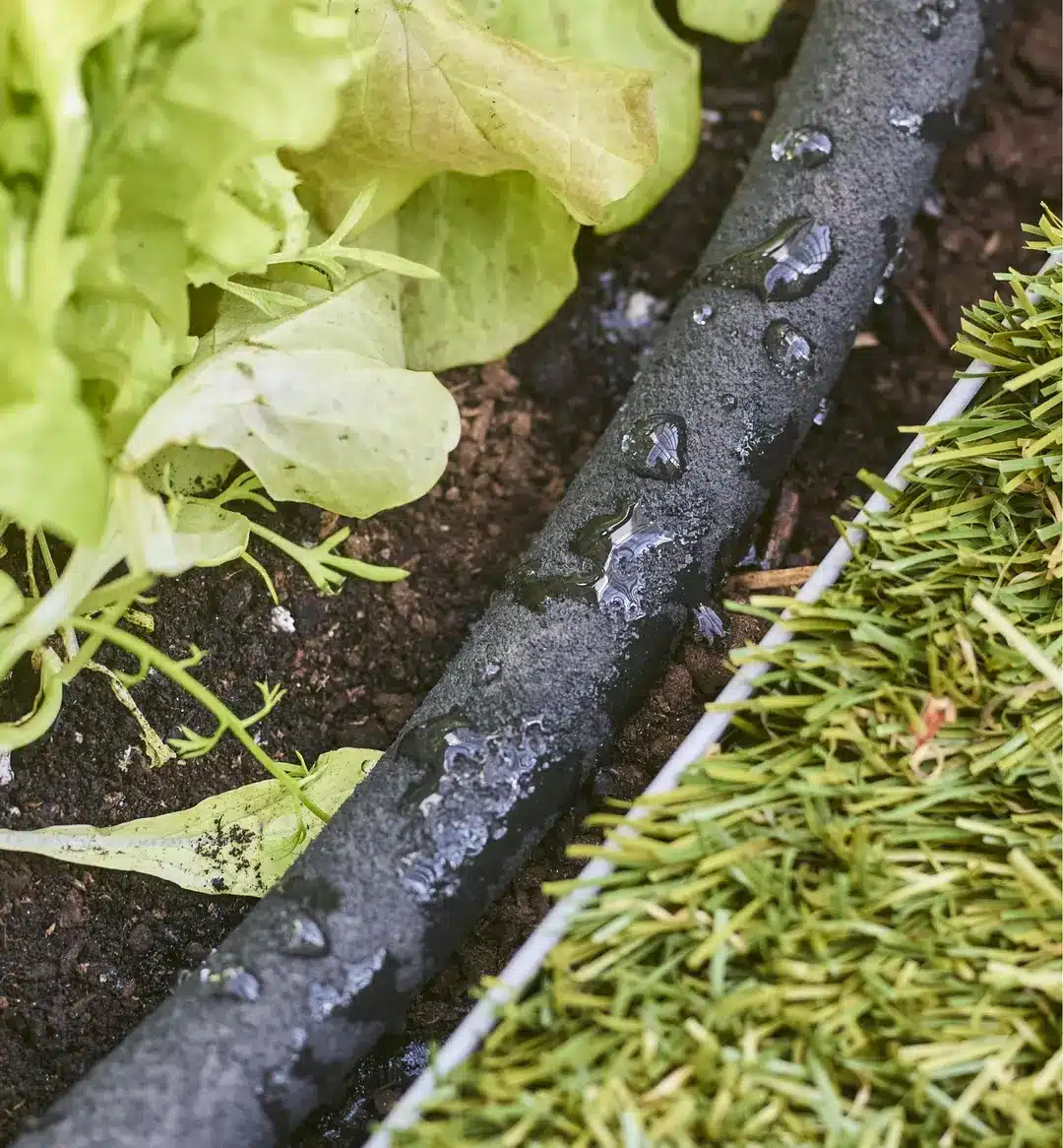
Soaker hoses and drip irrigation systems deliver water slowly and directly to the roots, where the plants need it.
This approach reduces water loss through evaporation, minimises water wastage and keeps foliage drier, which can help reduce certain disease problems. Furthermore, as the water seeps slowly into the soil, it has more time to infiltrate deeply rather than run off.
To maximise water savings, you can add an automatic timer. This allows you to water early in the morning – the most effective time of day – even whilst you are asleep or away from home. Some models even feature a rain sensor or moisture sensor that pauses watering when the soil is already sufficiently moist.
When used correctly, soaker hoses and drip systems are among the most effective and water-efficient watering methods available to gardeners.
Find out more: Don’t Get Soaked with Soaker Hose by Larry Hodgson.
New plantings require special care
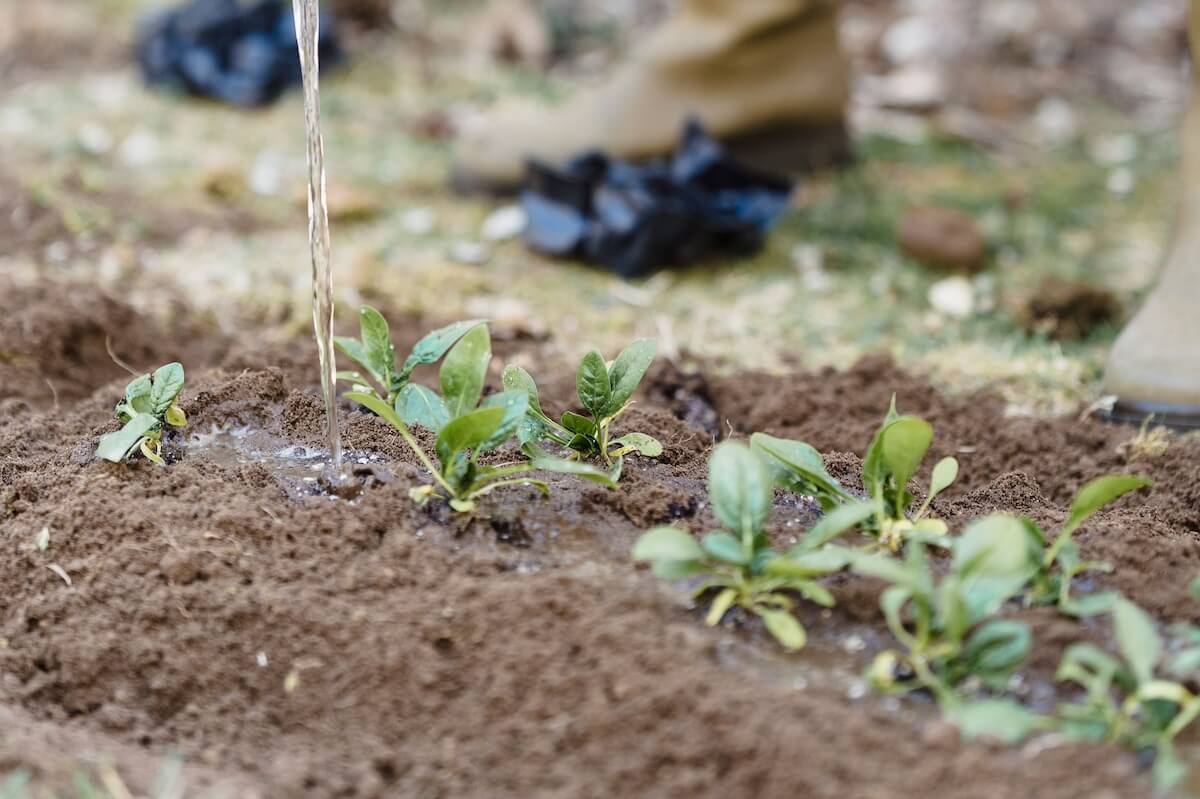
Most well-established trees, shrubs and perennials can manage without irrigation. New plantings, however, are a significant exception. During their first year in the ground, their roots are still confined to the planting ball and have not yet spread into the surrounding soil. They are therefore much more vulnerable to a lack of water.
This is why it is important to monitor soil moisture and water as needed during the first growing season. The aim is to keep the root ball evenly moist until the roots have established themselves in the surrounding soil.
To make watering easier, some gardeners dig a shallow basin around the planting to retain water at the base of the plant. Others prefer to temporarily install a soaker hose or a drip irrigation system. Whichever method you choose, the important thing is that the water reaches the root zone rather than running off away from the root ball.
After a year, or sometimes two depending on the size of the plant and growing conditions, the roots will generally have explored a larger area of the soil. Once well established, the plant becomes much more self-sufficient and will often be able to manage on its own, except during the most severe droughts.
Find out more: A Watering Basin for New Plantings by Larry Hodgson.
Lawns do not need to be watered during periods of drought
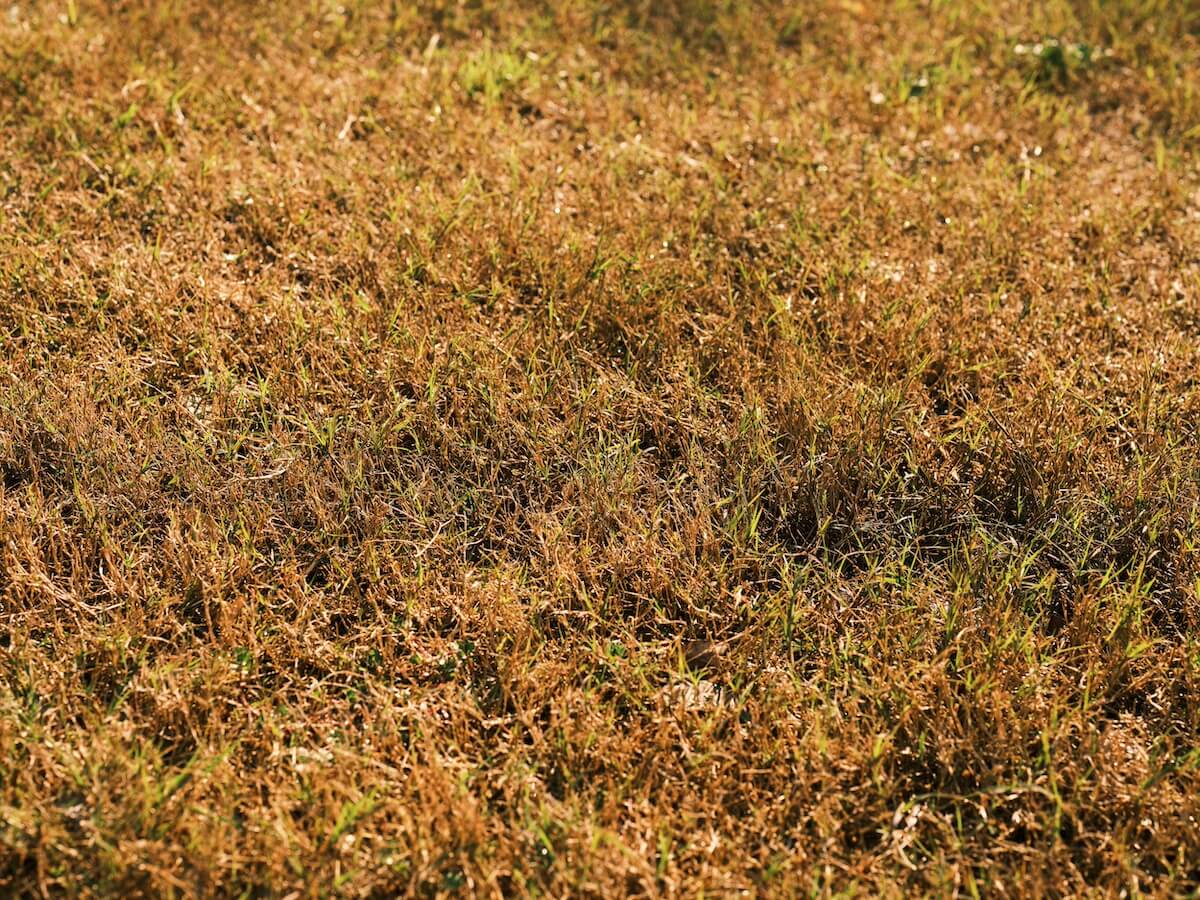
Did you know that a lawn that’s turning yellow isn’t dead? It’s simply dormant.
In nature, many grasses, including those that make up our lawns, have developed a strategy to survive hot, dry periods. When water becomes scarce, they stop growing and allow their foliage to turn yellow. By reducing their active surface area in this way, they limit water loss and protect their root system until more favourable conditions return.
In a way, the lawn is taking a summer holiday! As soon as the rain returns and temperatures cool down, it usually turns green again on its own.
For this reason, a well-established lawn does not usually need watering during summer droughts. The exceptions are newly sown or recently laid lawns, whose root systems are not yet sufficiently developed to withstand a prolonged lack of water.
In fact, regularly watering a lawn with a sprinkler system isn’t always beneficial. Keeping the foliage damp encourages certain fungal diseases. Furthermore, a lawn that is constantly watered often develops shallower roots and becomes more dependent on watering. These conditions can also encourage certain pests, particularly white grubs.
So, this summer, why not give your lawn a break? It probably doesn’t need your help and will no doubt appreciate this little break. And so will you!
To find out more: Gardening During Periods of Droughts by Larry Hodgson
Some of the water used by plants comes from underground
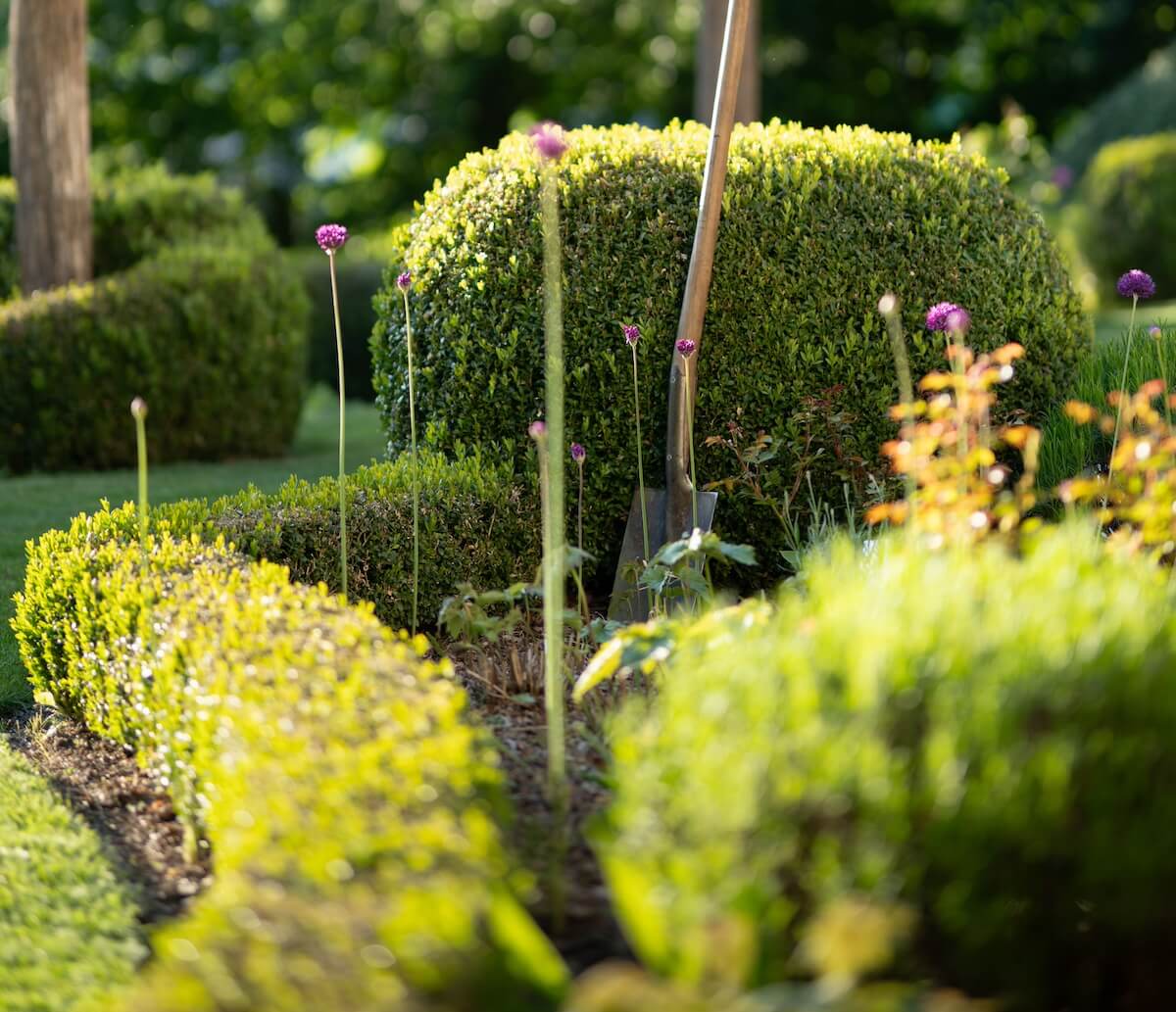
The water that nourishes our gardens does not come solely from rain. A significant proportion of this water is also found in the soil and subsoil.
In spring, when the snow melts and there is heavy rainfall, some of the water seeps into the ground under the force of gravity. It gradually descends to the water table or accumulates above an impermeable layer, such as rock or a layer of dense clay. It is, in fact, from this underground reserve that many wells draw their water.
But water does not only move downwards. Thanks to a phenomenon known as capillarity, it can also rise back towards the surface. When the upper layers of the soil dry out, they draw up the water contained deeper down. This mechanism works much like the wick of an oil lamp or a sponge absorbing water.
As the soil surface loses its moisture, it draws up the water just below it, which in turn draws up water from deeper layers, thus creating a continuous upward movement. As long as the water table is not too deep and the soil structure allows it, this capillary rise can provide some of the water that plants need.
Find out more: Capillarity: like an oil lamp by Serge Fortier.
Hoeing does not reduce water requirements
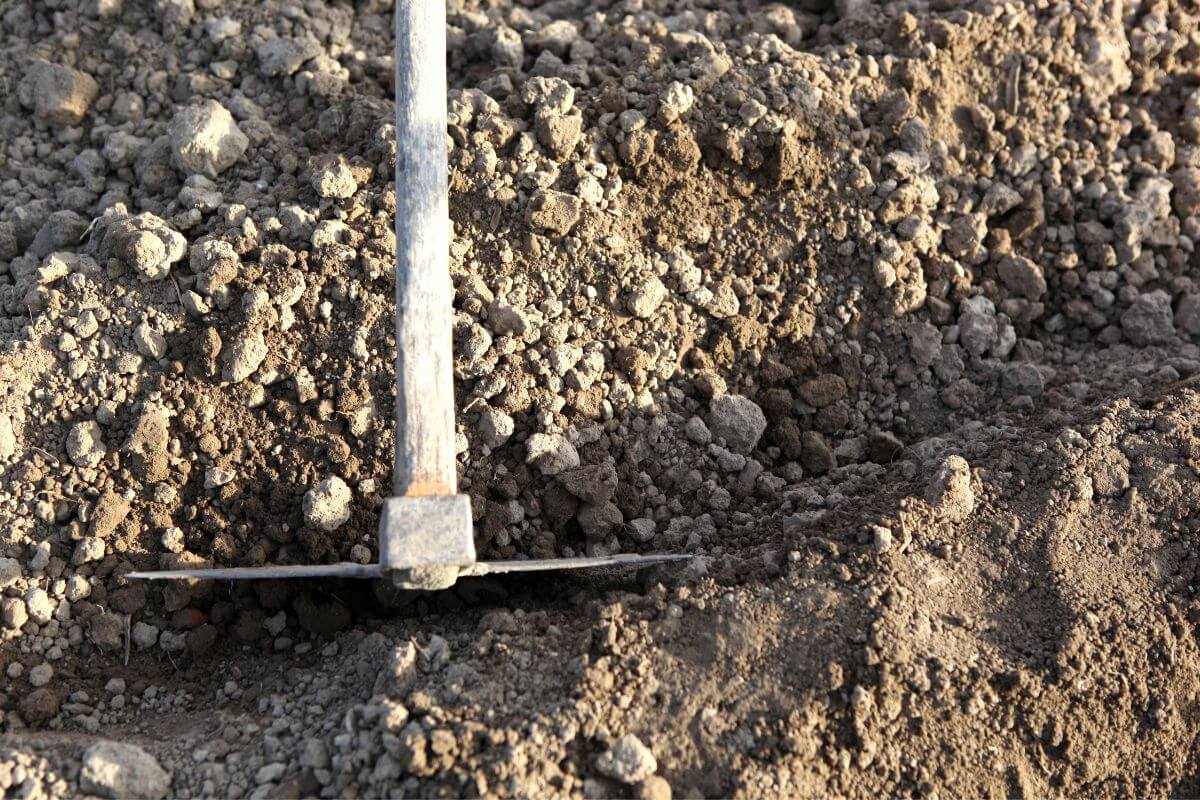
There is an old saying that goes, “One hoeing is worth two waterings.” According to this idea, loosening the soil surface breaks the capillary pores through which water rises toward the surface, thereby reducing evaporation and conserving moisture.
However, this theory contains a contradiction. If hoeing does reduce the capillary movement of water toward the surface, it also reduces the soil’s ability to draw water from deeper layers up into the root zone. In other words, it slows both water loss and a natural process that can help supply plants with moisture.
More importantly, hoeing does not actually stop evaporation. Once the soil is exposed to the sun and wind, water continues to evaporate from the surface.
This does not mean that hoeing is useless. It can help control certain weeds, reduce surface crusting, and improve water infiltration during irrigation or rainfall. However, most of these benefits can be achieved in other ways, particularly by using mulch. In addition to providing many of the same benefits traditionally attributed to hoeing, mulch is far more effective at reducing water loss.
One mulching is worth ten waterings
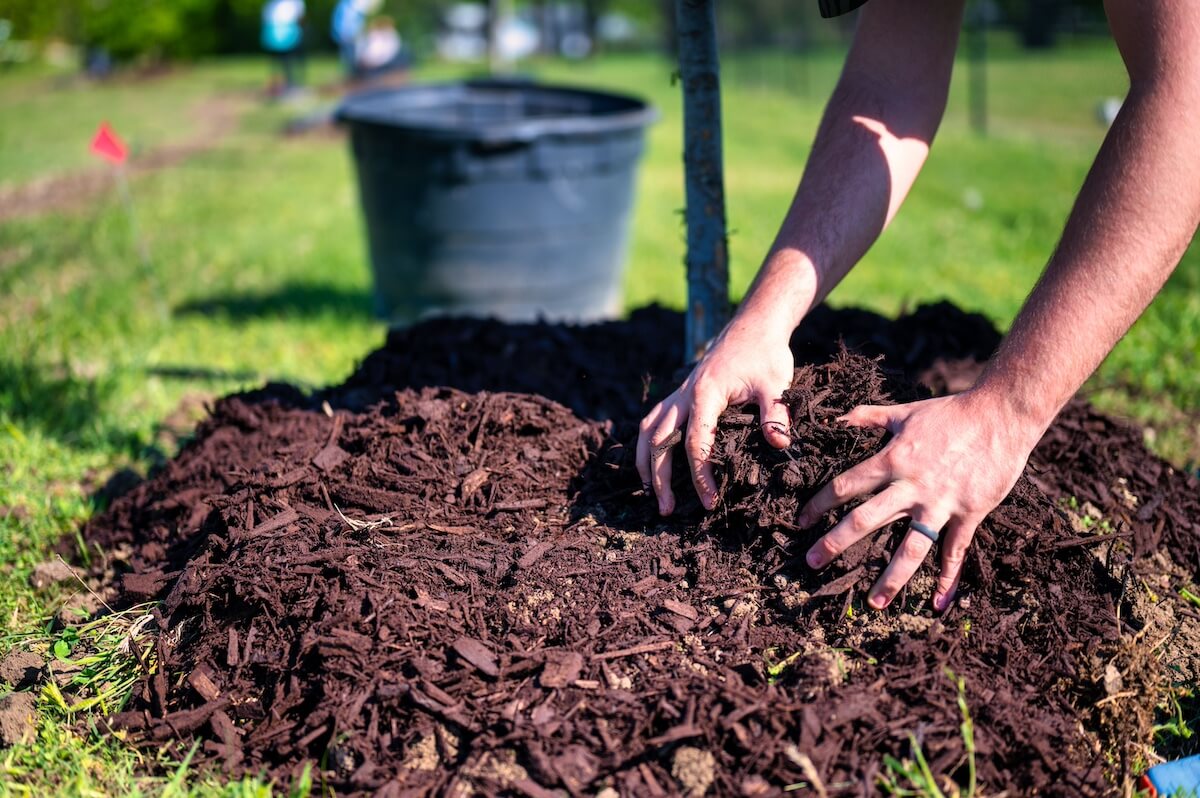
A generous layer of organic mulch, such as shredded leaves, straw, or ramial wood chips (RCW), can significantly reduce the watering needs of your garden and container plants.
Mulch acts like a protective blanket that limits moisture loss from the soil. It shields the soil surface from the drying effects of the sun and wind while helping maintain a more stable soil temperature. During hot weather, this protection reduces evaporation, allowing the soil to remain moist for longer.
Mulch also performs many of the functions traditionally associated with hoeing. It suppresses weed growth, protects the soil surface from crusting and erosion, improves water infiltration, and creates better conditions for soil life. As it gradually decomposes, it enriches the soil with organic matter. Organic matter increases the soil’s water-retention capacity, allowing more water to remain available to plants for longer.
In short, when it comes to conserving soil moisture and improving soil health, mulch provides most of the benefits of hoeing—and several additional ones as well.
Before increasing how often you water, consider mulching first. It is often the simplest, most economical, and most laid-back way to reduce water use in the garden.
For more information: Mulch, a Must for the Laidback Gardener by Edith Smeesters.
Place your containers in a sheltered spot means you don’t need to water them as much
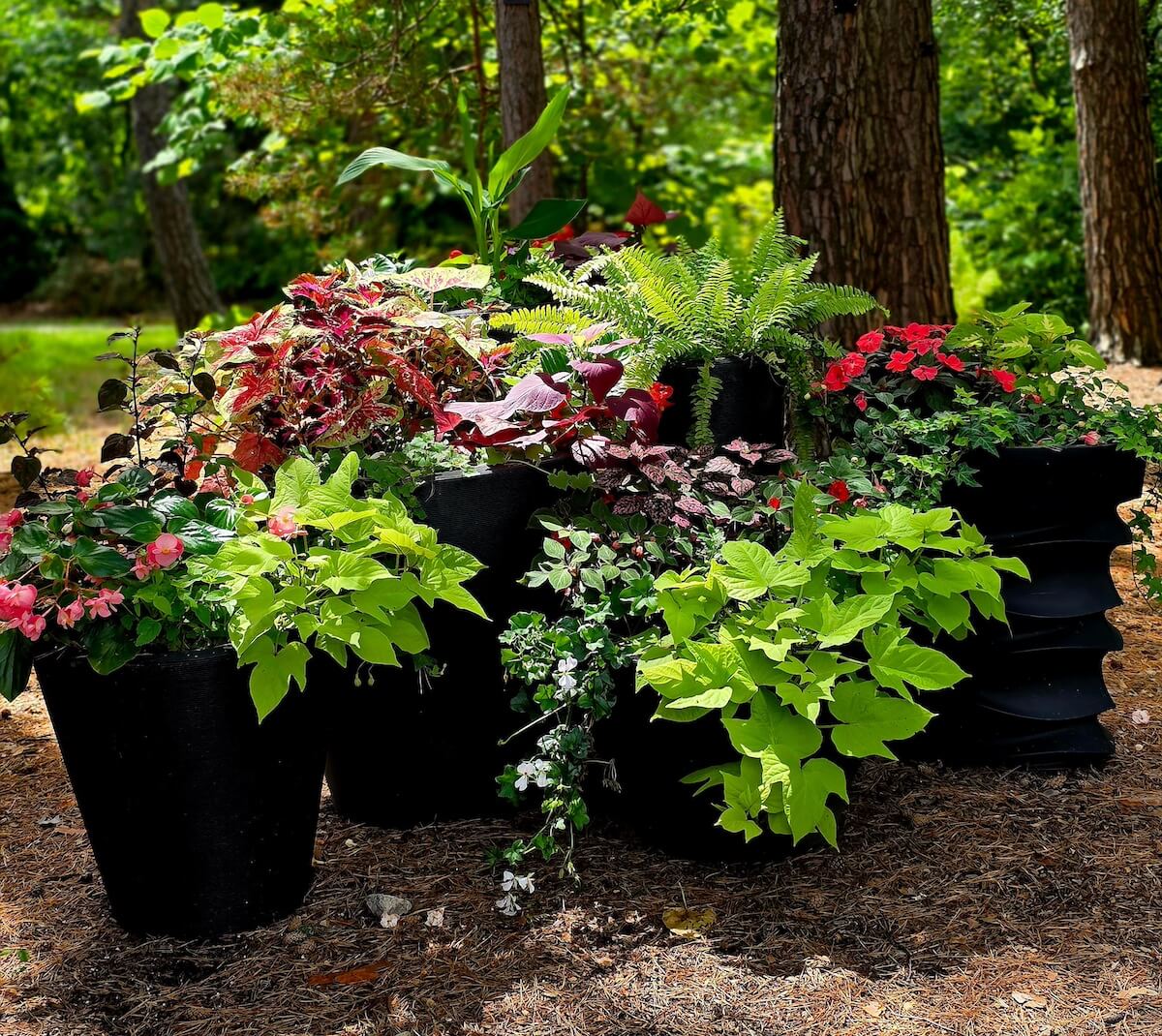
When you go on holiday, water your pots thoroughly before you leave. If possible, move them into the shade and out of the wind.
In the shade, the pots heat up less and the compost therefore loses its moisture more slowly through evaporation. Furthermore, a plant exposed to full sun carries out more photosynthesis, grows more quickly and generally consumes more water. It will therefore draw on the moisture reserves in the compost more quickly.
Wind also contributes to the drying out of containers. It not only increases the evaporation of water from the potting compost but also the plants’ evapotranspiration – that is, the loss of water through their leaves. A plant exposed to a constant breeze can therefore consume much more water than one placed in a sheltered spot.
By grouping your planters together in a shaded, wind-protected spot whilst you are away, you can significantly reduce their water requirements and increase their chances of going a few days without watering.
Find out more: Make Watering Your Balcony Garden Easier by Larry Hodgson.
Clearly and engagingly-written article on possibly the most consequential topic for gardeners old and new. Thanks. I hope you get in some fishing time soon!
Very interesting post. Thank you for sharing.