


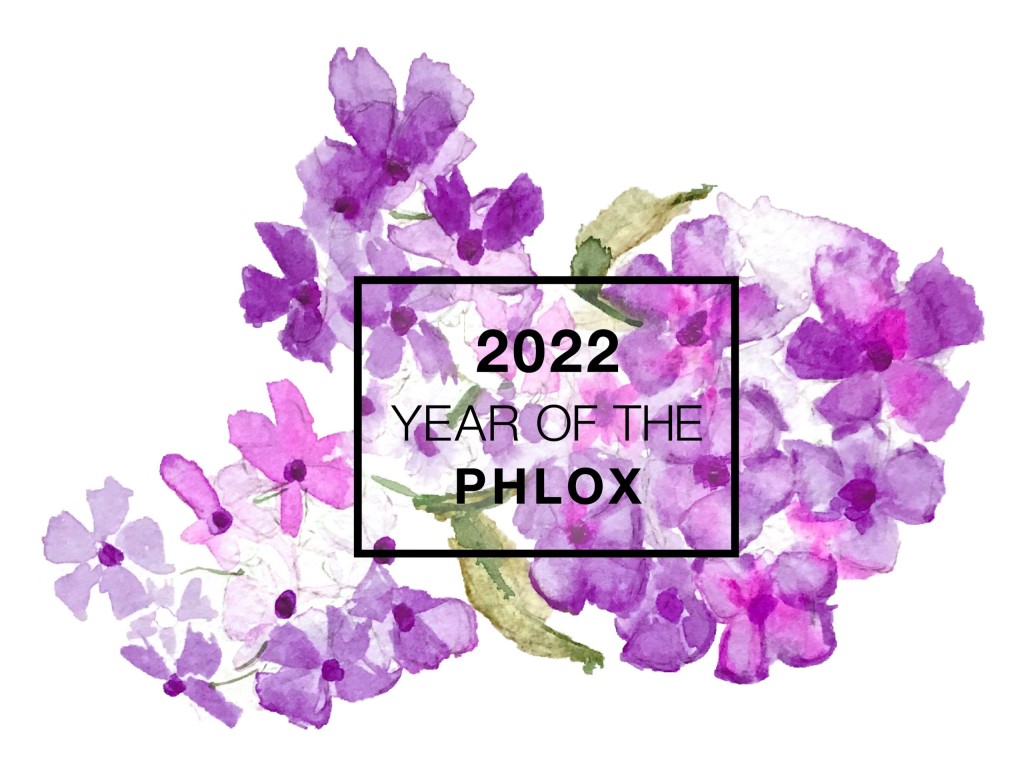
Phlox is a wide-ranging North American native perennial
and a common fixture in woodland, prairie, and meadow landscapes.
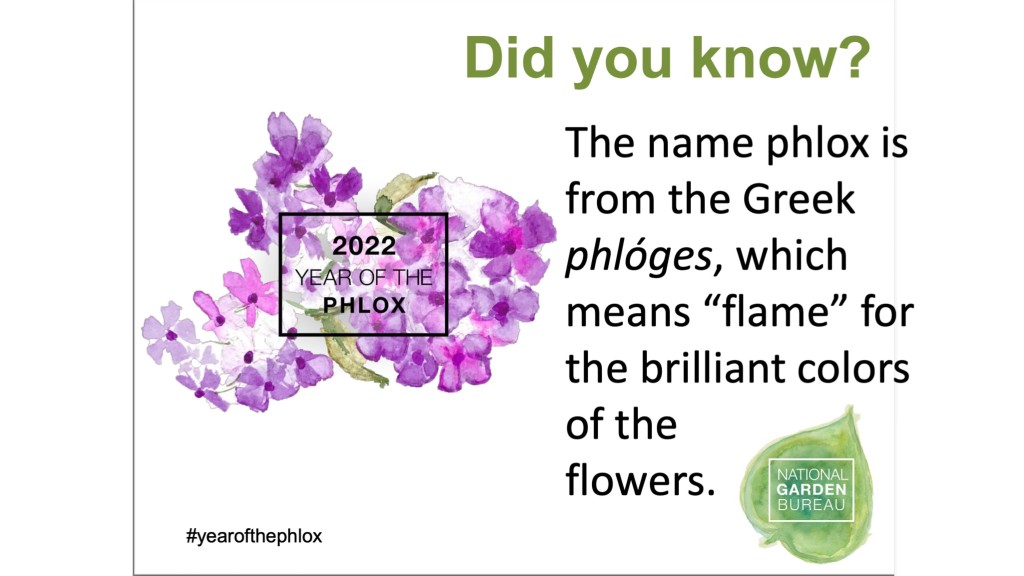
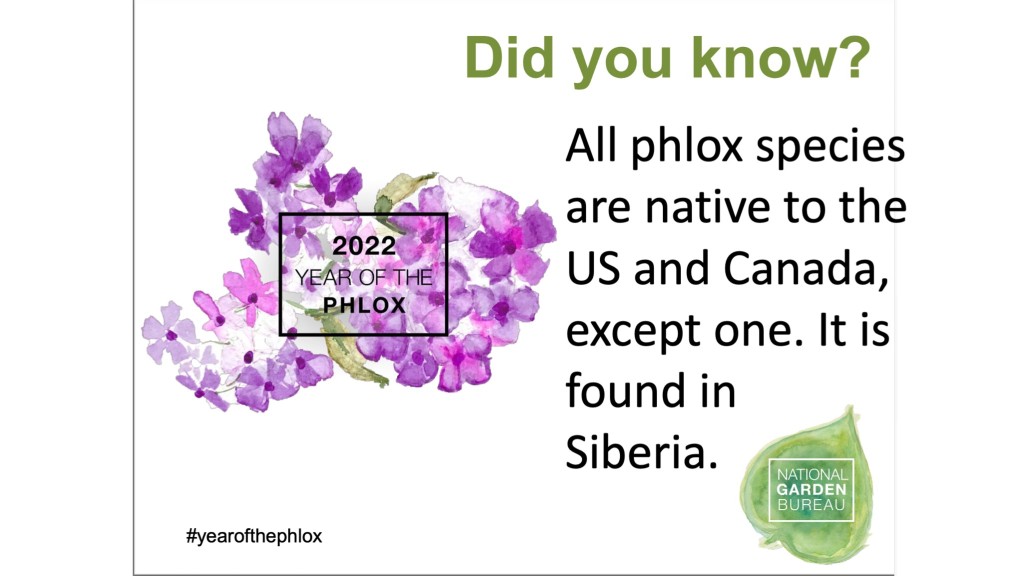
Every year, the National Garden Bureau, a non-profit organization promoting the pleasures of home gardening, selects one annual, one perennial, one vegetable, one shrub, one bulb and, for the first time this year, one houseplant to celebrate. It’s a great way to discover a new plant or to learn a bit more about a plant you may already be growing.
Let’s look at the perennial chosen for 2022, the phlox.
Overview and History
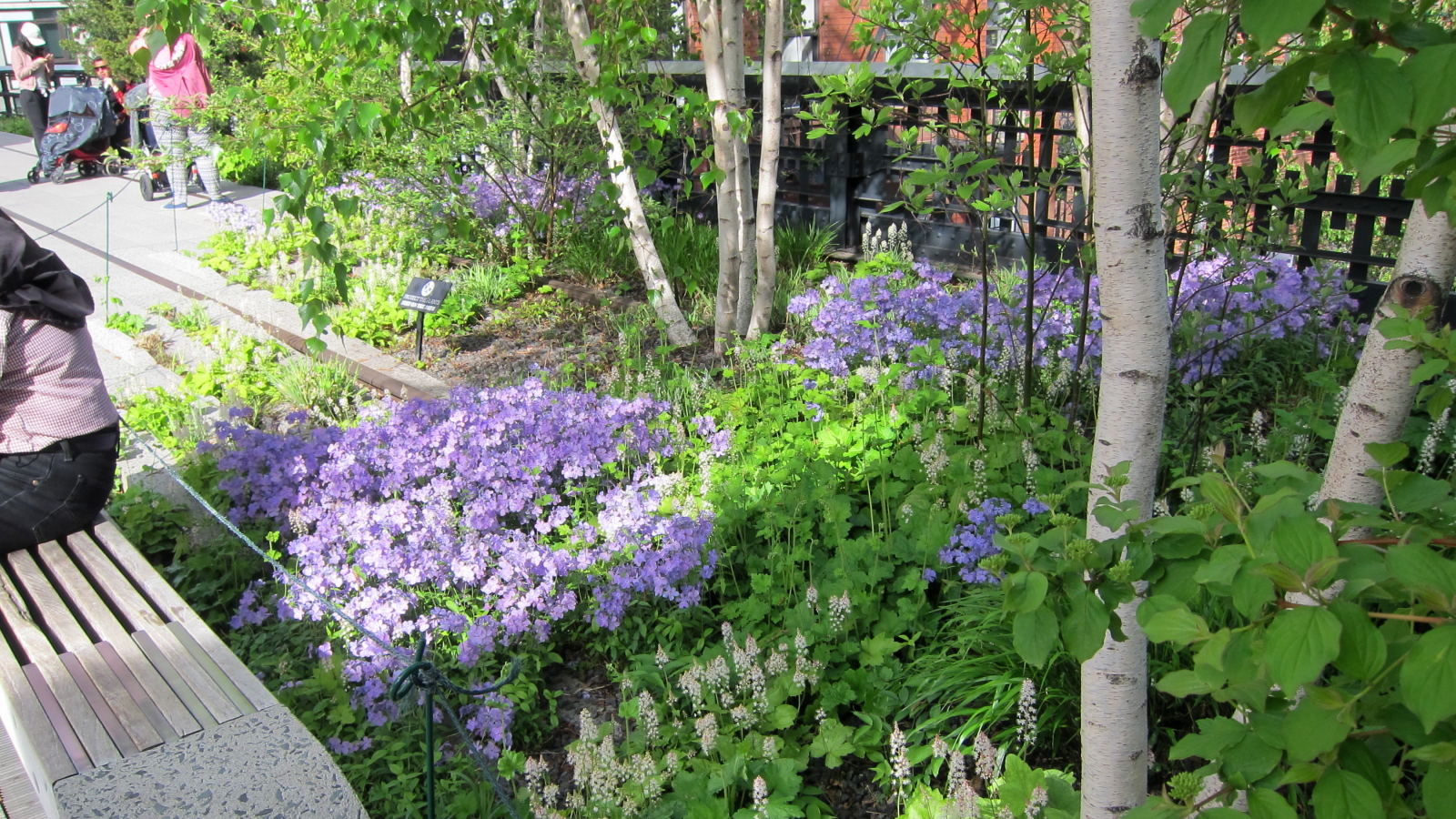
Phlox are an easy-to-find wildflower stretching from Florida and Quebec to Alaska. One of the classic New World perennials, this was one of the earliest North American natives to enter cultivation. With vibrant flower colors and blooms lasting many weeks, it’s easy to understand what caught the eye of so many gardeners through the years.
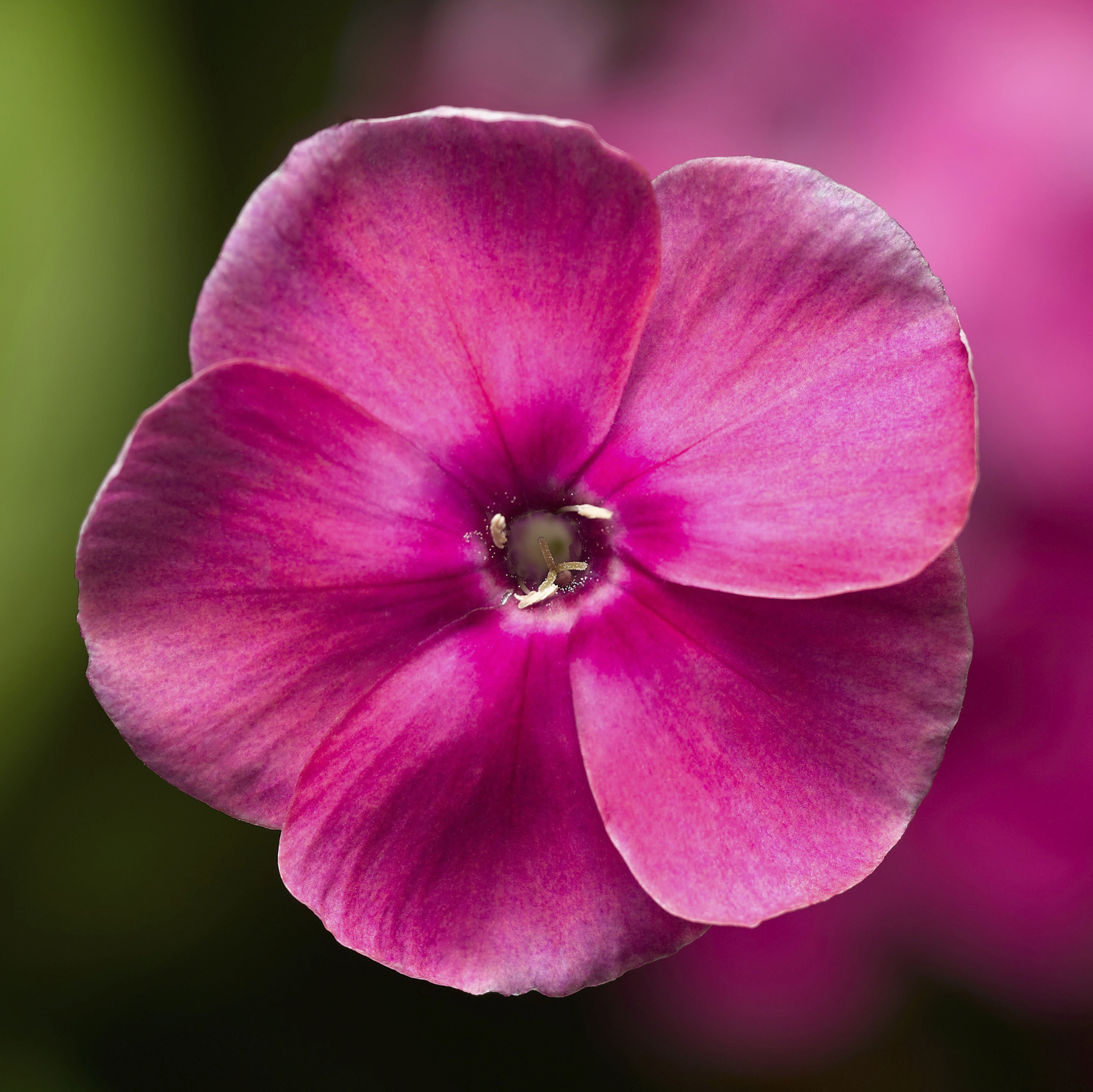
Although there is great variation within the genus, all produce tubular flowers with five petals. Flower color varies between white, pink, magenta, purple, and blue across the genus, with some species showing notable orange or red coloration. All species are popular with pollinators.
Basic Types and Variety Names
Phlox is a genus with a multitude of species, heights, bloom times, and garden applications. Many of these species are unrecognizable to the average gardener, but becoming more common in newer varieties now available. Through all of the diversity, perennial Phlox can be loosely grouped into two types: spring bloomers and summer bloomers.
Spring Bloomers (Creeping/Groundcover and Woodland Types)
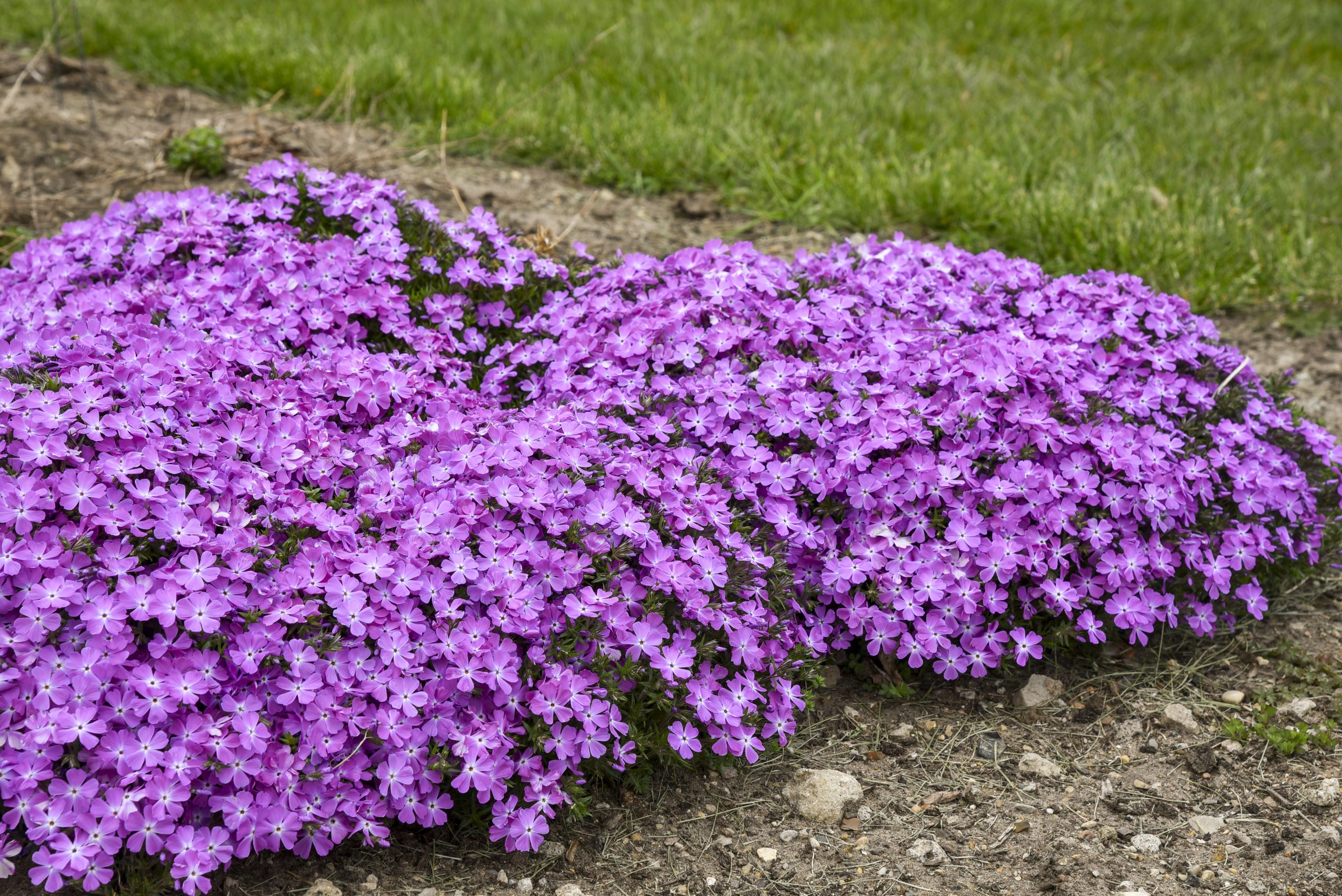
Phlox subulata (creeping phlox or moss pink) and other early-spring blooming species are low-growing, ground-hugging plants. Typically native to rocky, well-drained environments, when put in a garden without restriction they become carpets of color. Most of these types tend to spread and work well as groundcovers.
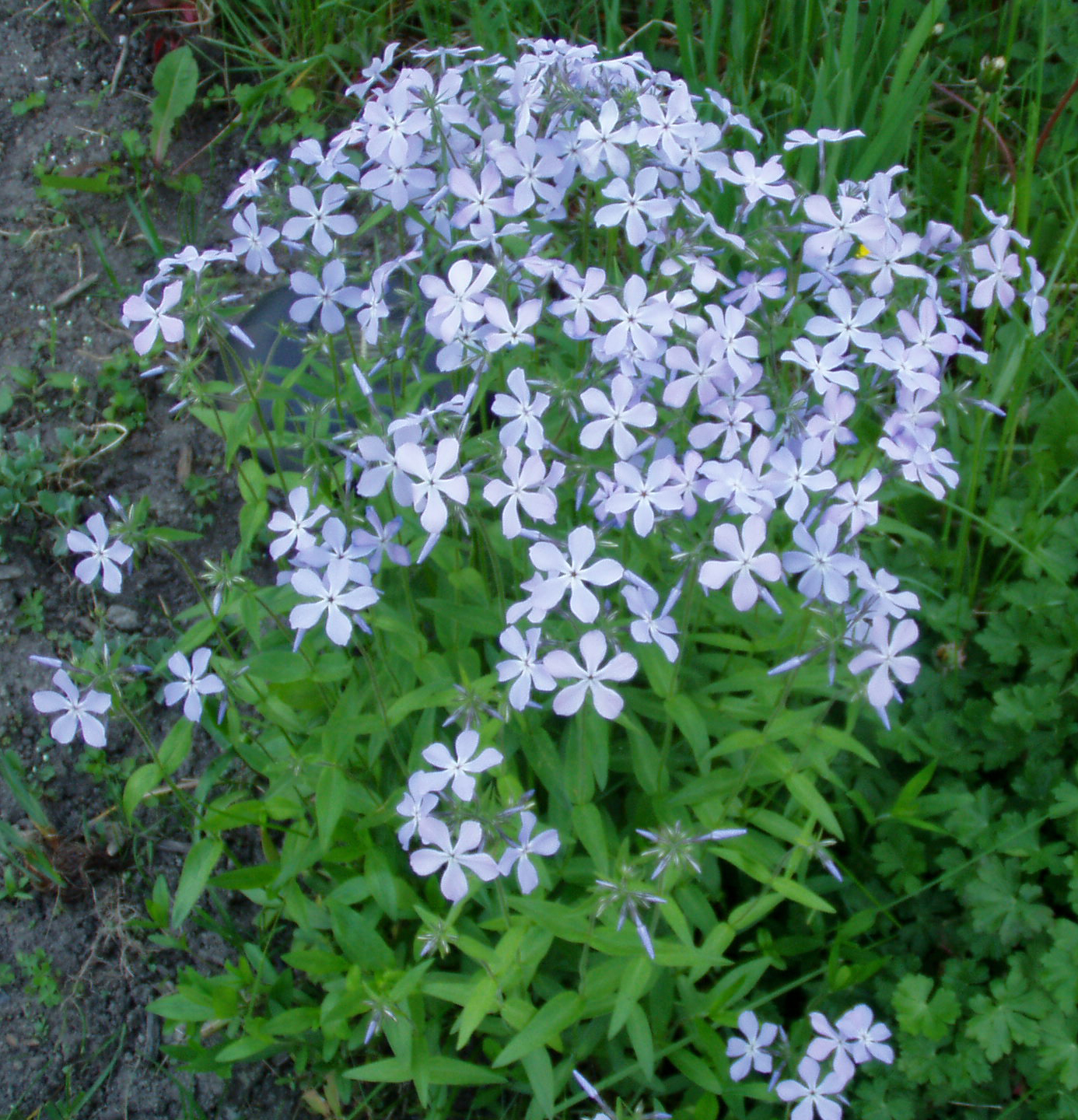
Another spring bloomer is woodland phlox (P. divaricata), best known by its charming, intensely scented blue or white flowers. It’s a low-growing, yet upright plant that, unusually for a phlox, does fine in the shade of deciduous trees.
Summer Bloomers (Tall Garden Phlox and Related Types)
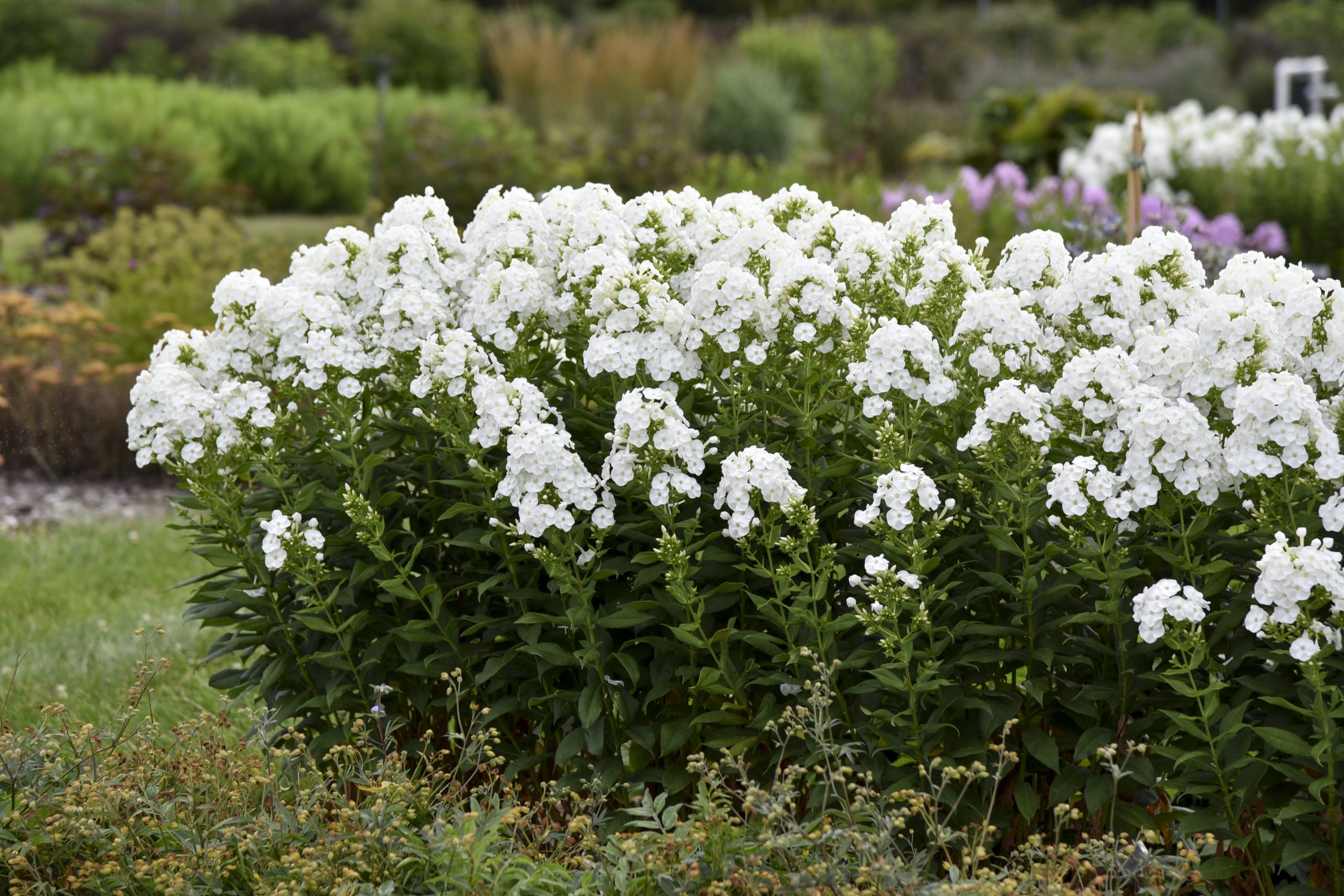
When referring to phlox, most gardeners first think of tall garden phlox (Phlox paniculata). This clump-forming perennial blooms in midsummer and is among the tallest of this genus. Also characteristic of tall garden phlox are the perfectly formed large, rounded flower panicles that top each stem.

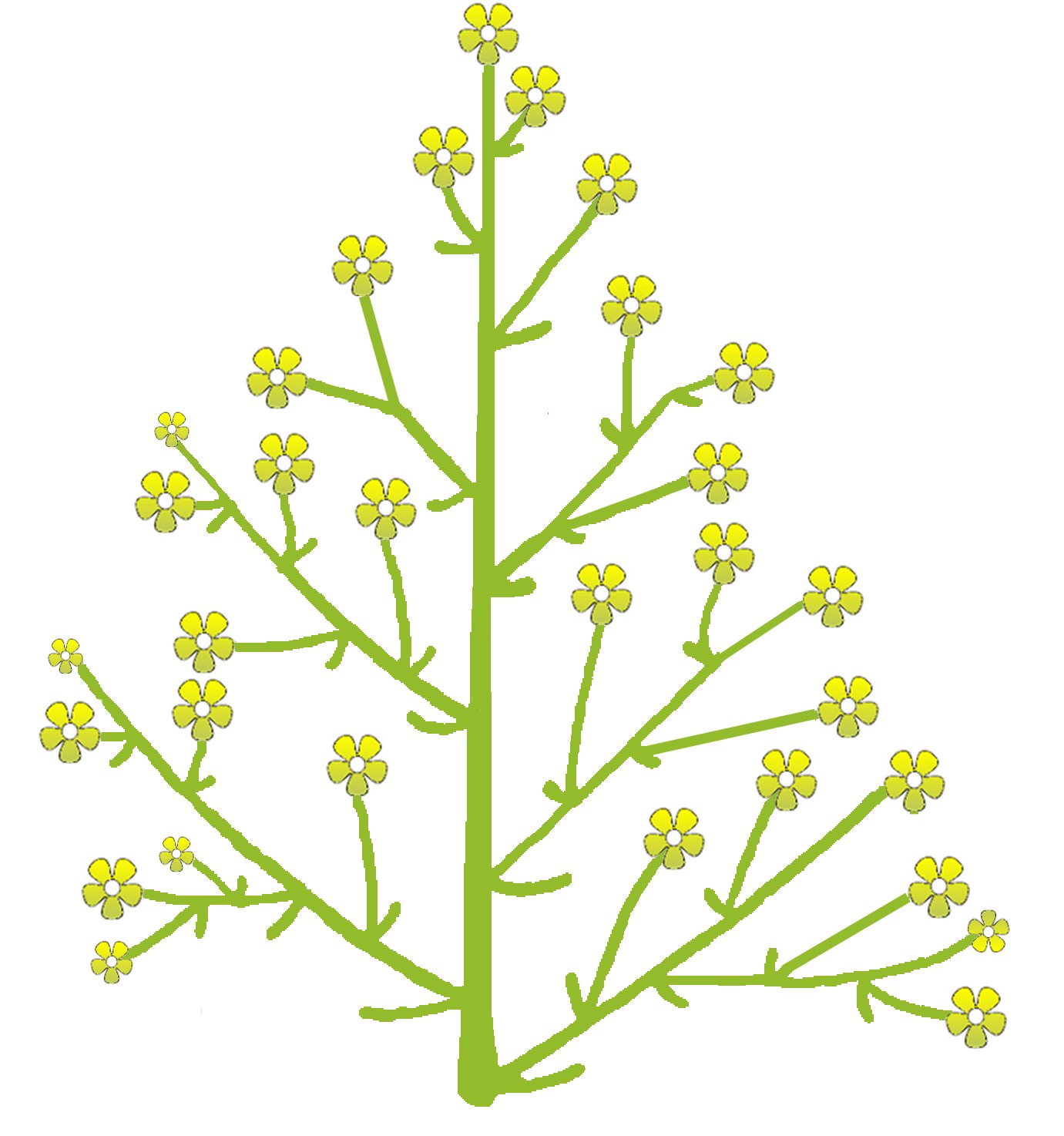
Botanical Moment: In case you wondered, the panicle in paniculata refers to a much-branched inflorescence … which pretty much describes the bloom habit of Phlox paniculata!
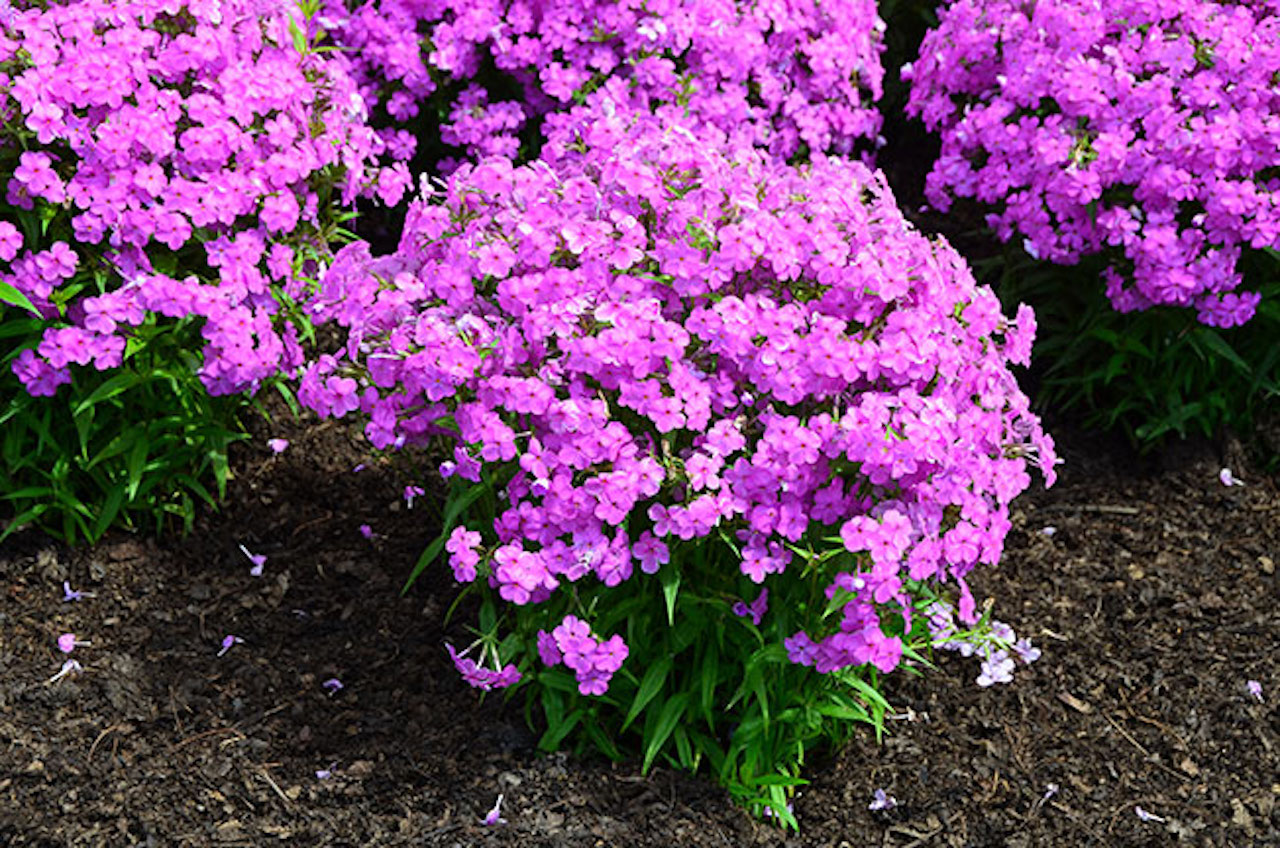
In addition to tall garden phlox, summer–blooming species—including smooth phlox (Phlox glaberrima), wild sweet William (Phlox maculata) and prairie phlox (Phlox pilosa) to name a few—are becoming more common, particularly in newer varieties. These more recent garden varieties tend to bloom a bit earlier. They also have a more mounded shape and a stoloniferous habit. Also characteristic of summer bloomers is a propensity to rebloom after the first flush of flowers, particularly when trimmed back.
Let’s Not Forget the Annuals!
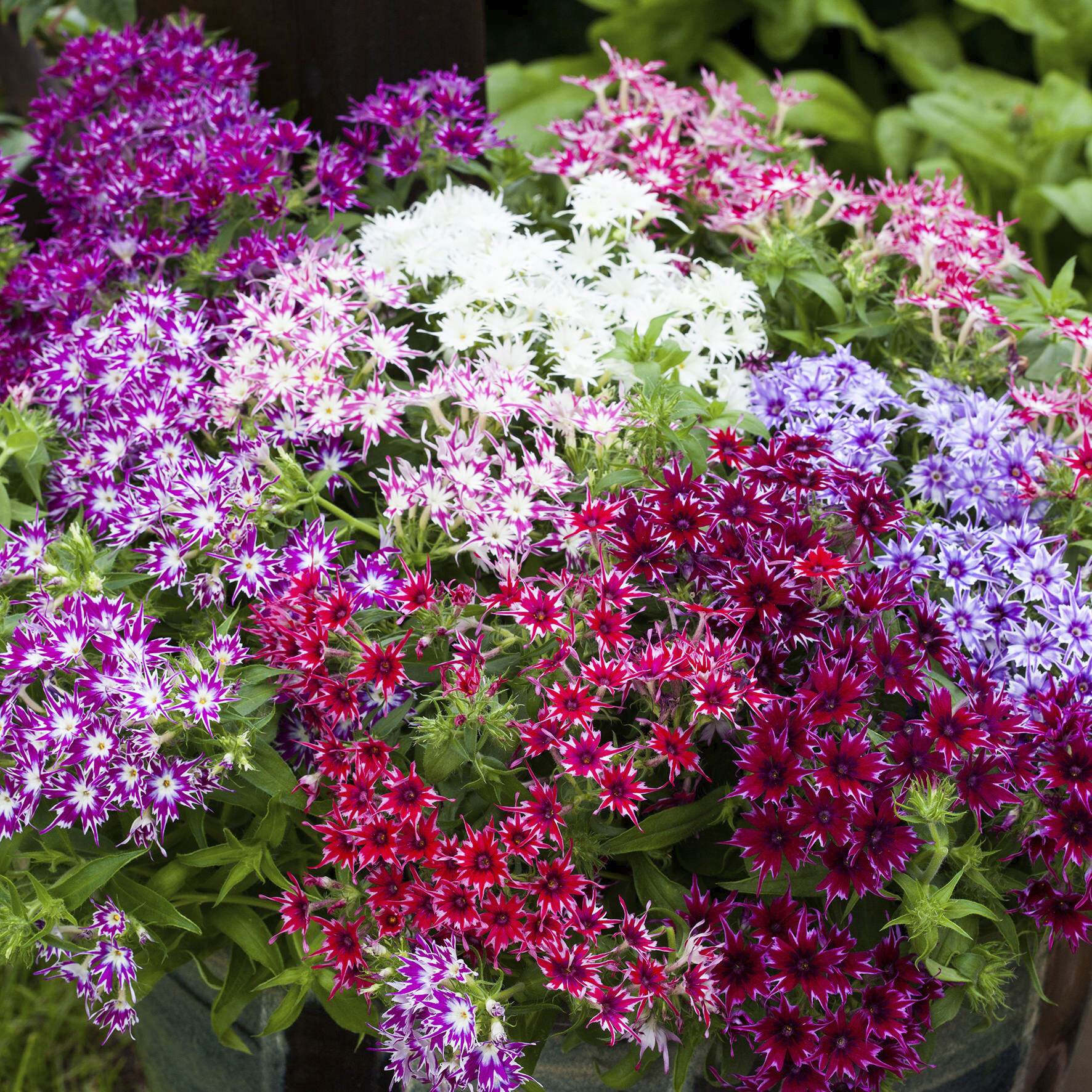
In the excitement over perennial phlox, all the rage these days, the beautiful annual phlox, so easy to grow from seed, do merit a special mention.
By far the best known is Drummond phlox or Texas pride (Phlox drummondii), a low- to mid-height plant from 6 to 18 inches (15–45 cm) tall bearing large clusters of flowers and blooms all summer long. The species has bright red flowers, but the cultivars come in all sorts of shades: magenta, purple, pink, white and light yellow. The petals can be rounded or star-shaped.
Start them indoors 6 to 8 weeks before the last frost or sow them directly outdoors. They need darkness to germinate. Or buy them in trays in spring for a full summer of non-stop bloom!
New Varieties and Series:
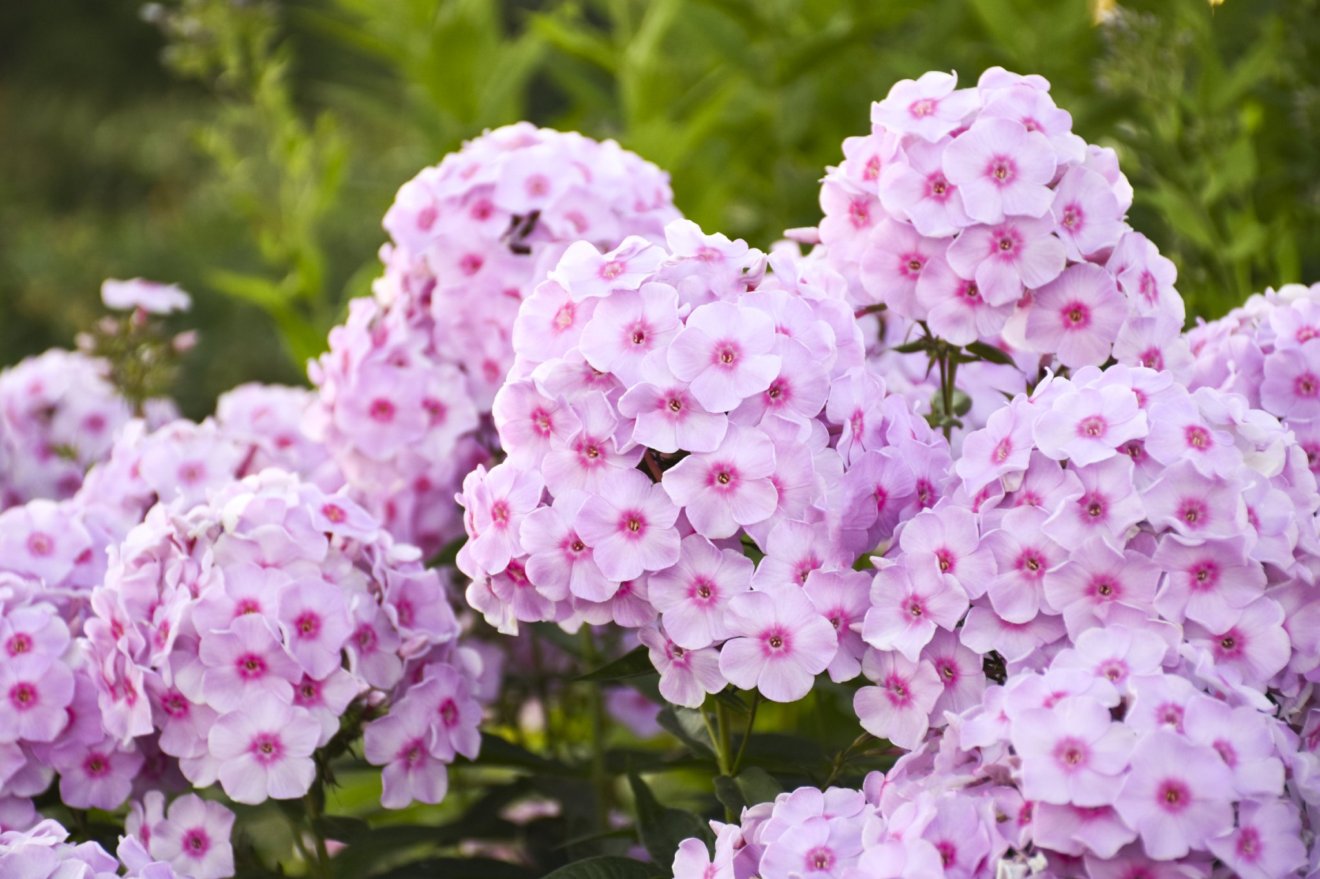
- Luminary™ (Phlox paniculata)–This mid-size series averages around 2½-3 ft (75–90 cm) in height and shows excellent vigor and mildew resistance.
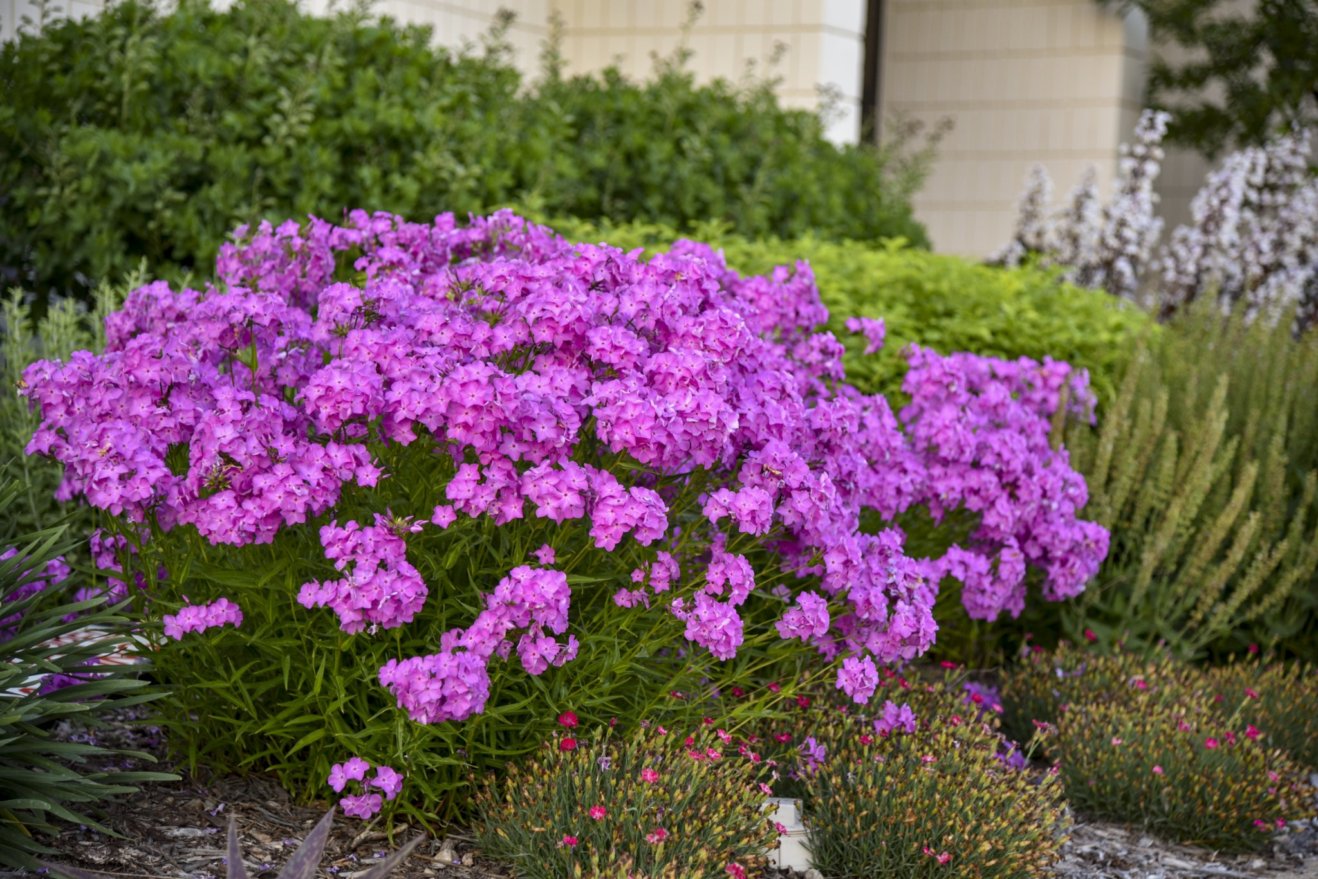
- Opening Act (Phlox hybrid)–A mid-height series of upright plants, averaging 2-2½’ (60 to 75 cm) tall. Excellent rebloom and mildew resistance.
- Fashionably Early (Phlox paniculata)–2–3’ (60–90 cm) tall series bred for both an early & long season of flowering with rebloom in the fall.

- Jeana (Phlox paniculata) – A classic native selection with tall panicles of compressed flowers; very popular with pollinators! (Editor’s note: And it’s my favorite garden phlox! I call it my butterfly magnet!)
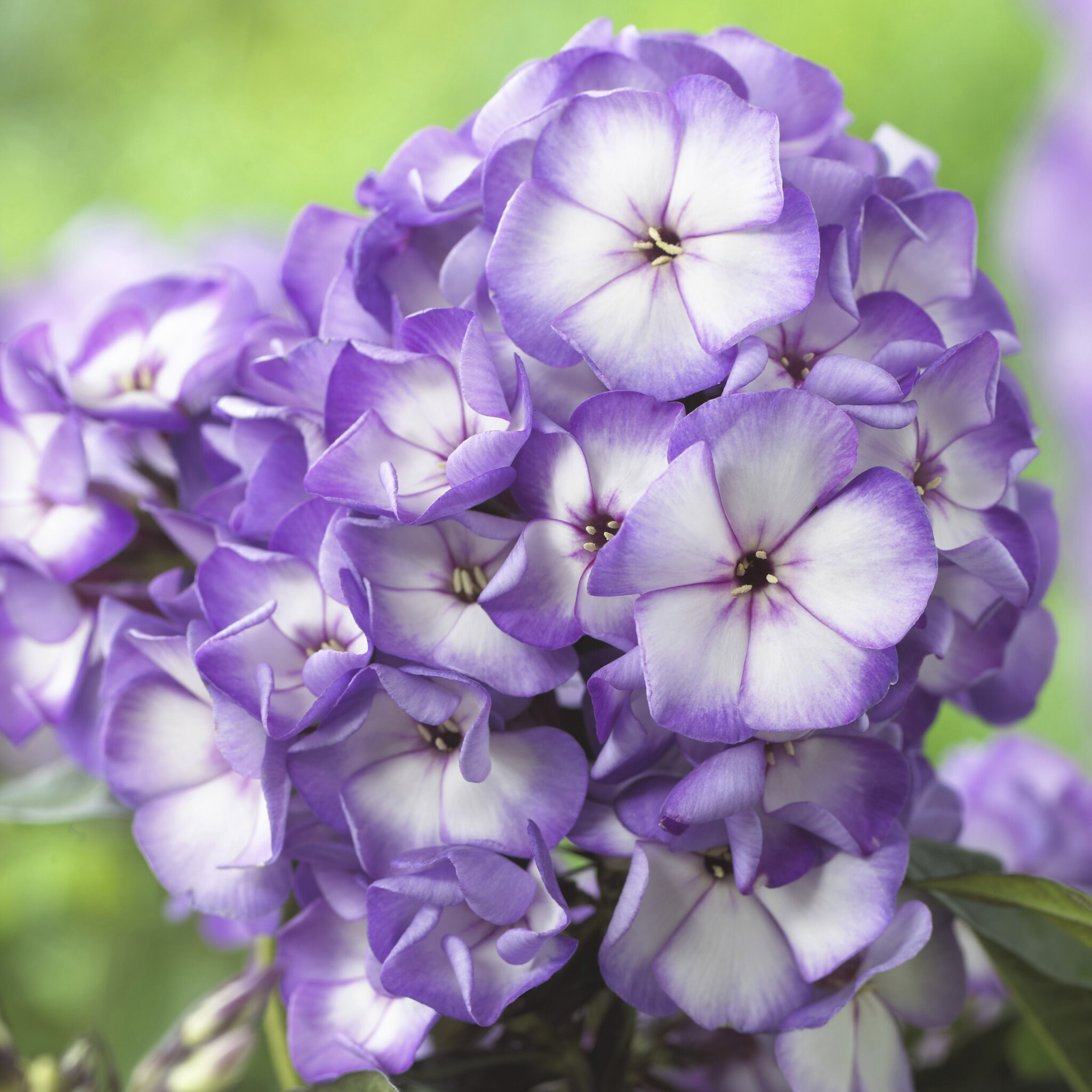
- Sweet Summer® (Phlox paniculata)–Compact series of tall garden type phlox at only 1½-2 ft (45–60 cm) tall with good mildew resistance.
- Super Ka-pow® (Phlox paniculata)–Early blooming compact series of tall garden phlox at 1½ feet (45 cm) tall with good mildew resistance.
- Woodlander (Phlox subulata × Phlox stolonifera)–A series of low, spreading spring phlox with large flowers.
- Spring Bling™ (Phlox subulata)–This creeping series has excellent garden resilience and a long season of bloom.
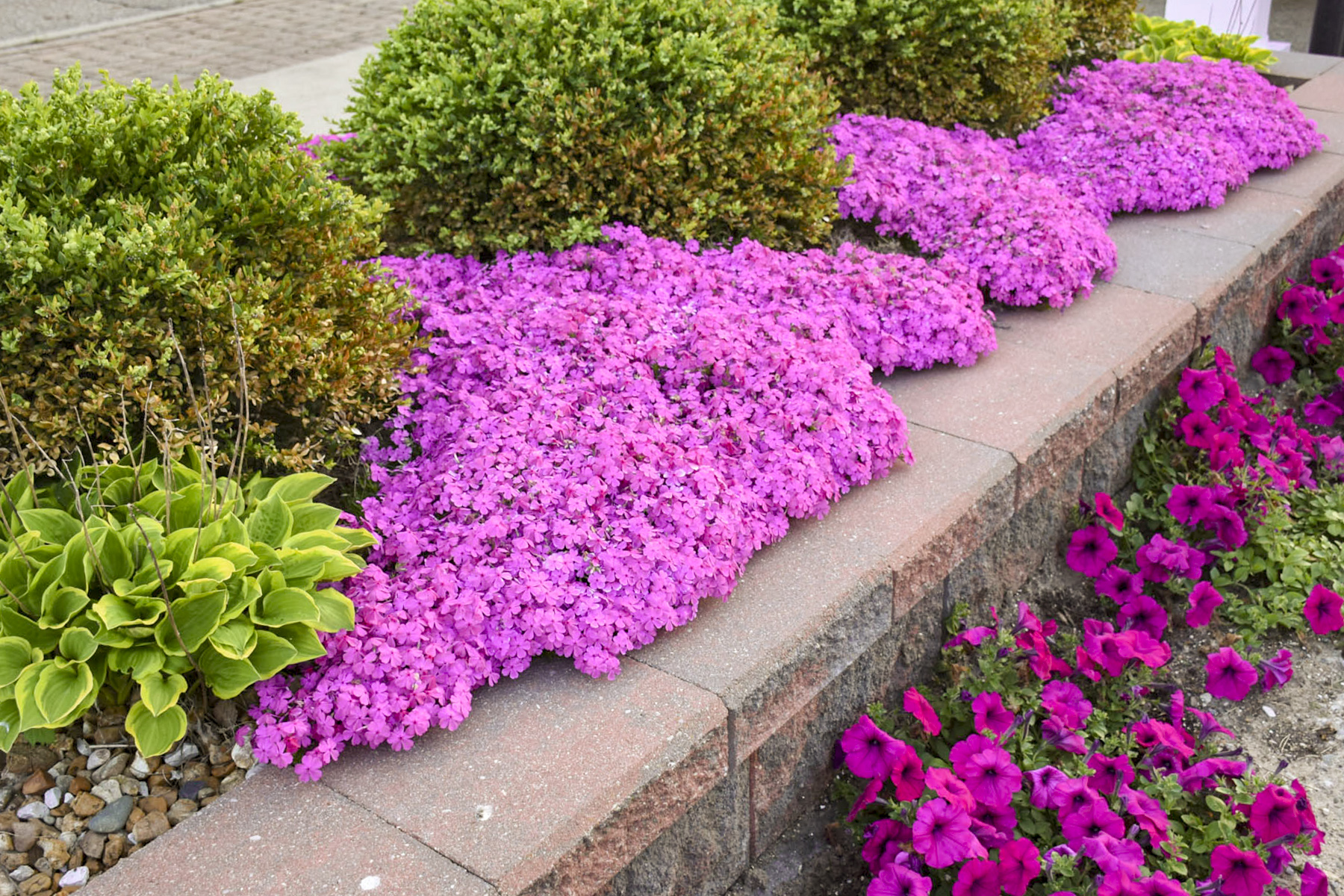
- ‘Drummond’s Pink’ (Phlox subulata)–An exceptionally vigorous creeping series with large pink flowers.
How to Grow Phlox in the Garden
- The first thing to consider when putting a phlox in your garden is the soil. All do well in sandy loam soil that has good drainage. And clay can be the kiss of death for phlox, as they struggle to root in heavy soils. One good workaround for clay soil is to build a raised bed and fill it with more neutral soil. The extra height will also improve the drainage and create an optimal growing environment.
- Consistent watering is helpful for plants trying to get established. Creeping varieties have low water requirements once settled in, only needing supplemental water when the days are at their hottest and longest in summer. Tall garden types, though, thrive with consistent watering. And they do love their mulch! Adequate moisture will also help to prolong flowering and encourage rebloom.
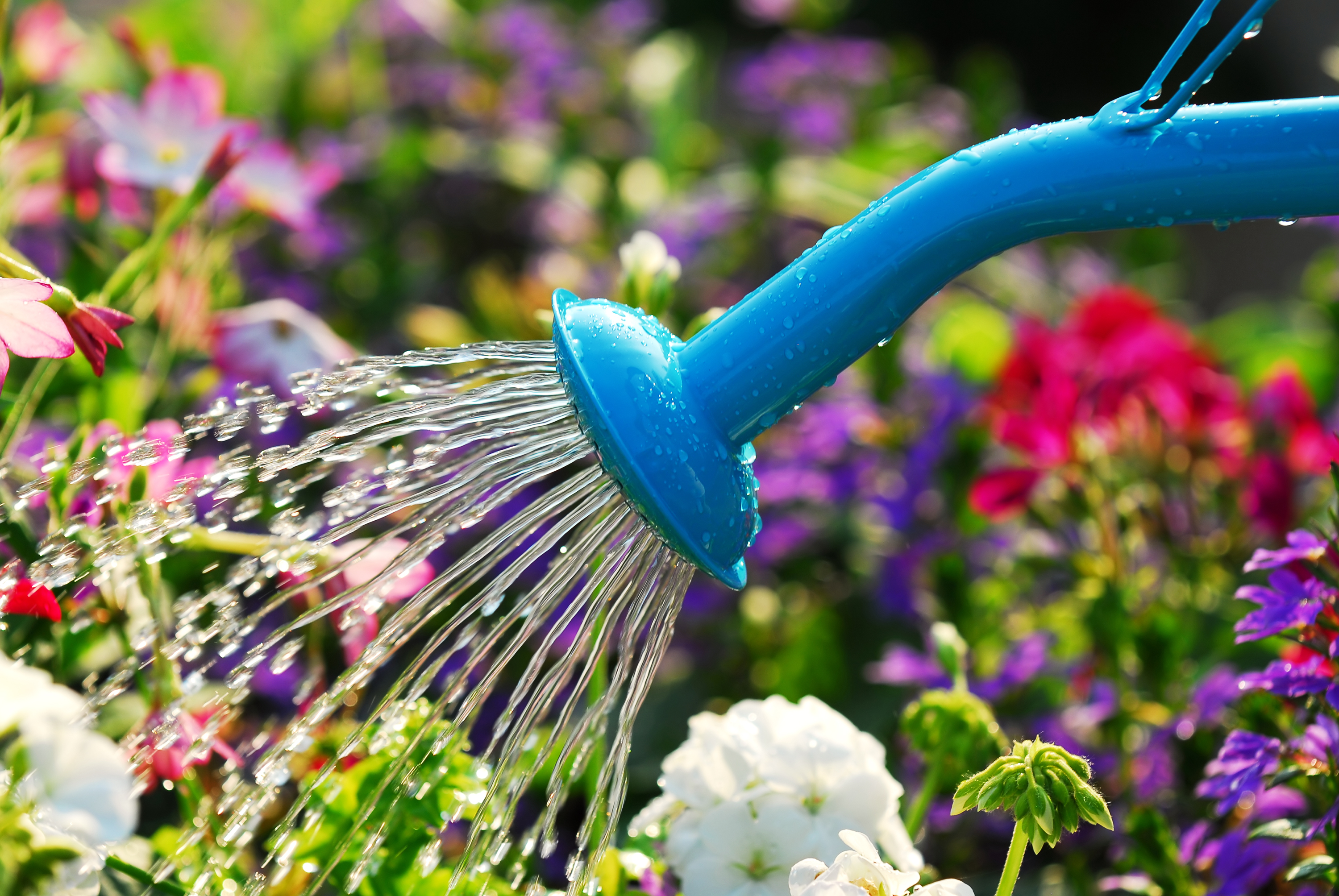
- It is best not to overhead water your phlox plants. Overhead watering will increase the amount of moisture on the foliage, increase the humidity around the plants, and augment the presence of mildew affecting the plant. Mildew appears as a white fuzz on the surface of the leaf that is both unsightly and will negatively affect the long-term health of the plant. Try to avoid wet foliage.
If you must overhead water, do so in the morning so the leaves have all day to dry off. It’s best to water with a hose at the base of the plant or with soaker hose or drip irrigation. Soaker hose or drip irrigation help to keep the soil moist and the foliage dry.
- Summer blooming plants can be encouraged to rebloom with consistent watering, adequate nutrients, and some deadheading. However, once creeping phlox (Phlox subulata)have finished flowering for the year, there isn’t anything you can do to get more flowers. Some of the spring species will have sporadic rebloom, but nothing close to when they were in peak.
- Full sun is the best growing environment for phlox. With too much shade, creeping varieties do not grow as dense and can melt away over time. Tall garden types are more tolerant of light shade and do well in it, but when situated in full sun they tend to bloom more, have sturdier habits, and experience less powdery mildew. Only woodland phlox (P. divaricata) can be considered a shade plant and, even then, prefers partial shade or filtered sunlight to deep shade.
- Phlox generally do better in cool climates and they’ll thrive in northern gardens. Almost all perennial phlox are hardy to at least USDA zone 3, while creeping phlox and other alpine varieties are extremely cold resistant, to hardiness zone 2. In the South, though, many will suffer winter dieback or act as annuals in zones 8 and higher.
10 Gardening Tips
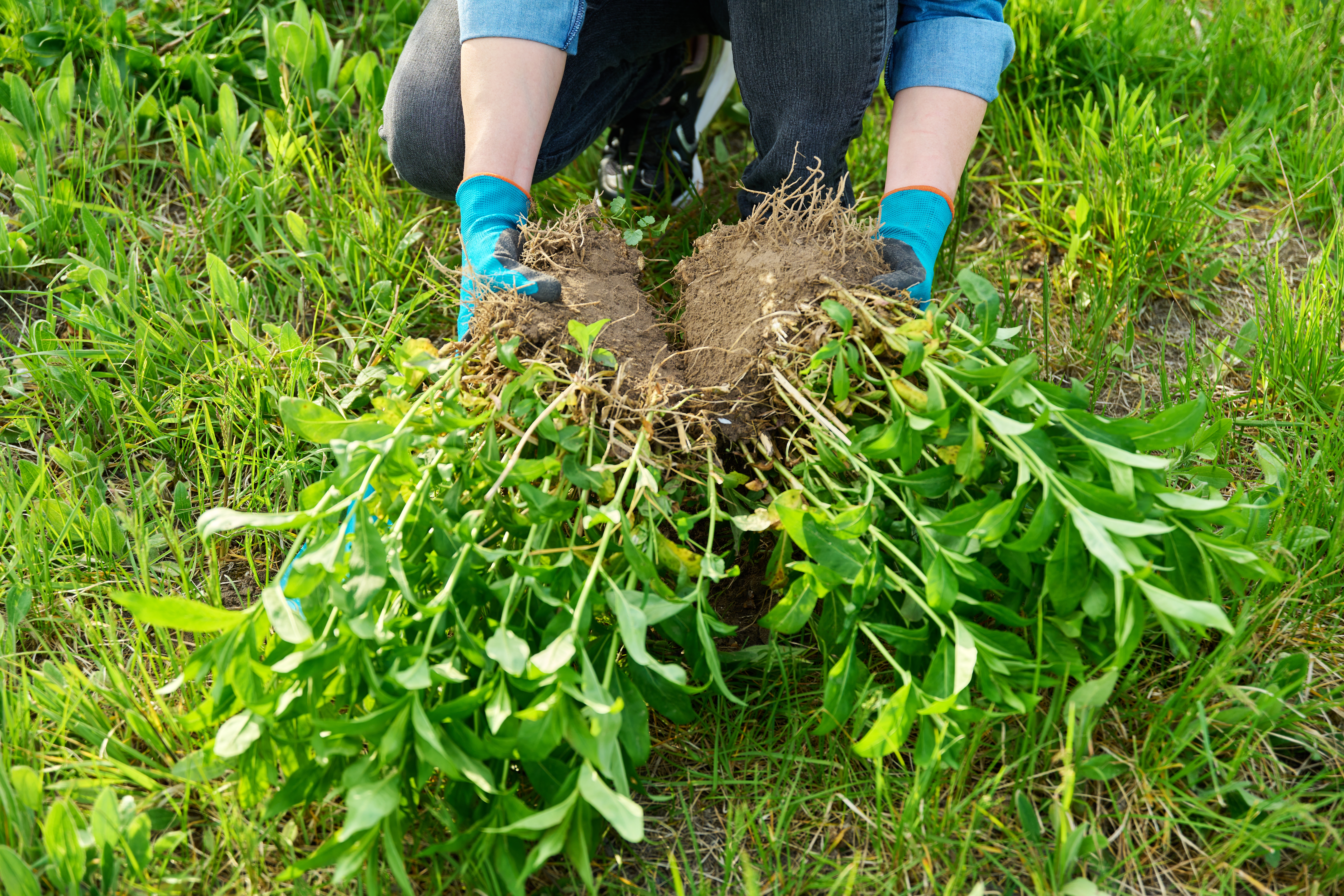
- Dividing phlox every 3–5 years will help to reinvigorate the plant and improve garden performance.
- With tall garden phlox and other summer-blooming types, keep plants well spaced to reduce issues with mildew.
- Avoid overhead watering unless the plants will have a chance to dry out. An excess of moisture will increase the likelihood of powdery mildew.
- Sandy loam is the preferred soil for all species, as it provides the good drainage these plants need to thrive.
- More sun means better garden performance, both with increased floral production and sturdier, healthier habits.
- Tall garden phlox thrive in rich soils and can be fertilized every other month if nutrition is a concern.
- Deadheading tall garden plants will prolong the bloom time and prevent self-seeding.
- Trim and clean up any dead foliage on your creeping phlox in early summer, just after they have finished blooming.
- Fall is the best time to divide and replant phlox.
- Some species of creeping phlox are evergreen. On these plants, winter dieback should be cleaned up either in spring or early summer after they have finished blooming.
Learn more about Year of the Phlox from National Garden Bureau members…
- How to Choose the Best Phlox by American Meadows
- Learn About Phlox by Burpee
Purchase Perennial Phlox at NGB Member Online Stores or Local Garden Centers
The National Garden Bureau recognizes and thanks Walters Gardens, an NGB member, as author and contributor to this article. This article is provided as an educational service of the National Garden Bureau.