
For some time now, I’ve been seeing more and more posts on social media about a mysterious fruit called “pawpaw” or “northern mango.” Photos of strange-looking fruits, people raving about the taste, Facebook groups exploding… It intrigued me so much that I decided to investigate!

(In my humble opinion, this “northern mango” really doesn’t live up to its nickname. Yes, it looks like a mango, but the taste? Nothing like it!)
My first experience with this fruit was completely by chance during a road trip. I stumbled upon a small gelateria that offered pawpaw ice cream. I thought, “This is my chance!” and… wow! Probably one of the best gelato I’ve ever had in my life. A creamy texture, a taste reminiscent of a mixture of ripe banana, pineapple, and crème brûlée. Completely baffling for a fruit that grows here in Quebec!
Pawpaw, Northern Mango, Custard Apple or Wild Banana? (Because Two Names Weren’t Enough!)
The pawpaw isn’t just any fruit—it’s officially the largest native fruit in North America! Its complicated name is Asimina triloba, and this plant belongs to the Annonaceae family, the same family as certain tropical fruits such as cherimoya and ylang-ylang. Now you understand why it tastes so exotic.
(… (Be honest, you tried to say ylang-ylang several times and twisted your tongue, right?)
Native to the eastern United States, the pawpaw tree grows naturally as far north as southern Ontario. But don’t be mistaken: it’s not a “new” fruit in the strict sense of the word. First Nations were growing and eating it long before Facebook brought it back into fashion!

Thomas Jefferson (third U.S. president and avid botanist) grew them in his gardens at Monticello, and even the Lewis and Clark expedition (the explorers who mapped the American West in the early 1800s) ate them during their journey. Although long forgotten, pawpaws are mentioned in history books!
What is new, however, is that Quebec enthusiasts have decided that it can be grown here too. And guess what? They were right!

The Quebec Phenomenon: From Curiosity to Craze
Contrary to what one might think, the pawpaw boom in Quebec is very recent. Vincent Renaud from Farnham is mainly responsible for this phenomenon since 2019, dedicating himself almost night and day to creating this craze. In 2021, he created a Facebook group called “Pawpaw (asiminier trilobé) du Québec,” which has literally exploded in the last year and now has over 21,000 members! (No wonder I asked him for advice for this article: I wanted first-hand information!)
It’s wild how quickly a collective passion can spread! It’s a bit like when everyone started baking bread during the pandemic. With the internet, sharing knowledge and interests happens so quickly that you can get information, obtain a seedling, or even go to a tasting in the blink of an eye! I’m always impressed by these trends that take on such importance, especially when they involve nature!
Today, you can find passionate amateur gardeners pretty much everywhere: Farnham, Montérégie, the Eastern Townships, Montreal! For now, pawpaws aren’t available in grocery stores—it’s a fruit you discover at dedicated events, public markets if you’re lucky, or through word of mouth among enthusiasts.
But it’s coming! A company has just launched a pawpaw wine in 2025! I haven’t tasted it yet, but it piques my curiosity!
Growing the Impossible (Or Almost!)
Now, let’s talk gardening! Because I know you, you want to grow your own pawpaws. But be careful, it’s not exactly like planting tomatoes!
The problem with plants sold in nurseries is that most grafted trees come from the southern United States and are grafted onto cultivars that are not suited to growing in Quebec.
What is mainly sold here are seedlings, but many come from unknown parents and will produce fruit with unknown characteristics. What’s more, they often come from the United States and are unlikely to thrive here. You may end up with a tree that can’t tolerate extreme cold, or a Ken Taylor type tree that is very hardy but comes from wild sources, is full of seeds, and is less interesting in terms of taste.
In short, the “right” pawpaw tree is compatible with our hardiness zones 4a to 6a (4 to 8 USDA), which covers pretty much all of southern Quebec. To find it, you have to get it from a reliable source. The ideal is to plant seeds or seedlings that come from Canadians trees that produce good fruit.

Growing Advice
Here are my growing tips, based on what I learned from Vincent—the pawpaw master himself!
Planting: Plant in spring, in a location protected from the wind. Young plants need partial shade (50-75%) for the first few years—they dislike full sun when they are small. If you are starting from seed, keep in mind that it must overwinter in the refrigerator to germinate.
Soil: They like rich, well-drained soil, but not too dry. Think of a quality potting soil that is fertile and retains some moisture without being soggy.
Pollination: Beware, big pitfall! You MUST have at least two different individuals to get fruit. Pawpaws cannot pollinate themselves like tomatoes. Natural pollinators include certain types of flies, ants, and beetles. You can attract them by placing a compost pile or even dog feces at the base of the trees: yes, pollinators are scavengers that feed on decaying matter rather than nectar… I imagine the flowers don’t smell like roses!
If you don’t have room for two trees, you can graft your trees with scions (small branches or even stem buds) from other trees. This will give you a single tree with several genetic individuals that can reproduce and bear fruit. It’s also a good way to have more than one type of pawpaw!

Patience: This is the hardest part. You can’t take cuttings from a pawpaw tree; you really have to start from seed (sowing). There are no shortcuts: it takes at least 3-4 years before the first fruits appear, and sometimes up to 6-7 years. But when they do… what a joy!
A Growing Community
What fascinates me most about this phenomenon is the passionate community that has developed around pawpaw. On Facebook, at farmers’ markets, at tastings organized throughout Canada, people share their experiences, their successes, and their failures too.
It’s wonderful to see! People who had never heard of this fruit five years ago are becoming experts, exchanging scions, and organizing tastings. There’s even a festival planned for 2025—the Farnham Pawpaw Festival! It’s mad, isn’t it? An entire festival dedicated to a fruit that we didn’t even know about a few years ago!

Some enthusiasts even import fruit from the northeastern United States to introduce Quebecers to its taste while waiting for our local produce to ripen. It must be said that it is truly an original fruit when compared to our berries, which have a fairly limited flavor profile. It has every reason to find a place in our diet… Perhaps right next to the display of Canadian bananas?
The Future Looks Promising
With climate change gradually warming our summers, conditions are becoming increasingly favorable for growing pawpaws in Quebec. What was difficult 20 years ago is becoming more and more accessible. Hey! We have to find the silver lining in climate fluctuations!
Quebec nurseries are specializing, techniques are being refined, and researchers are also beginning to take an interest in the phenomenon. The Montreal Urban Agriculture Laboratory is experimenting with rooftop cultivation—imagine pawpaws growing downtown! It’s like something out of a science fiction movie!
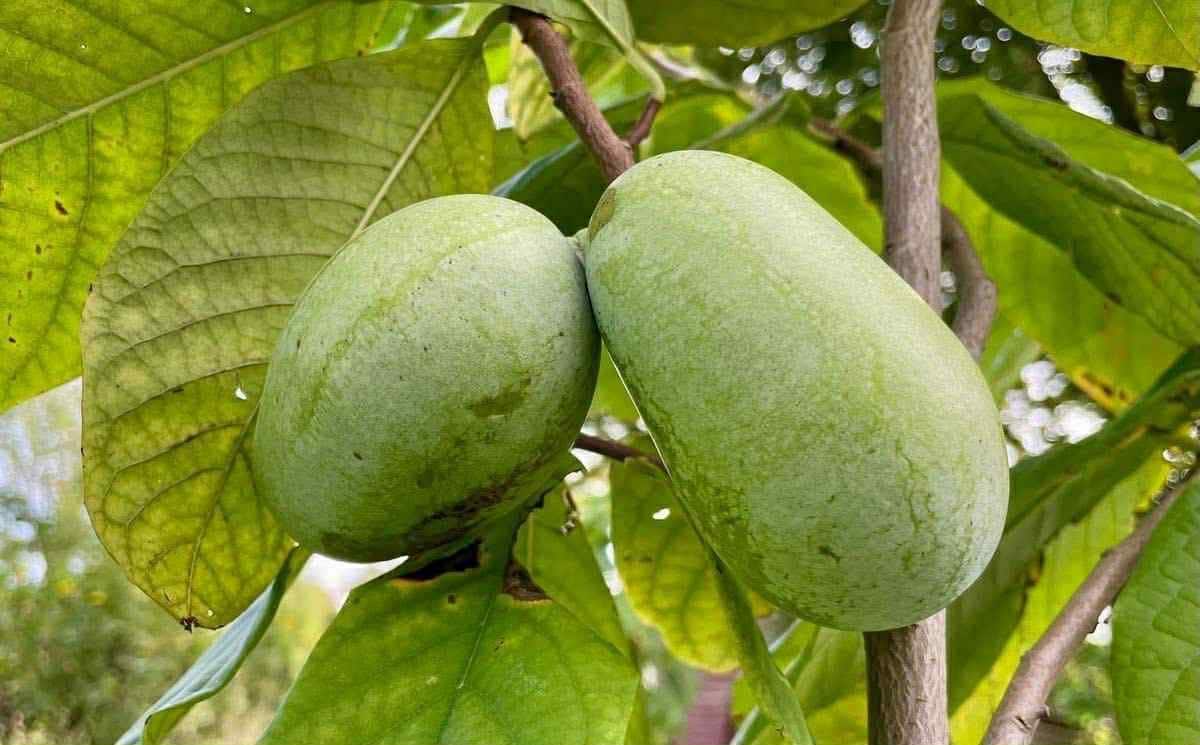
If you want to embark on this adventure, I encourage you to do your research. See if there are any tastings near you (there are more and more), join dedicated Facebook groups, and why not get yourself a pawpaw tree (or two)!
This is a real fruit revolution for Canada. Berries and apples are great, but pawpaws…! I swear I’ll be planting some in the next few years!
See who they’ve recently followed or been followed by RecentlyFollowed
I was surprised to learn how the pawpaw is making a comeback after being overlooked for so long. The mix of native history, unusual tropical-like flavor, and growing interest from gardeners made this a fascinating read, and it’s definitely the kind of article I’d bookmark on pokelike.
Fitness centers offer more than just equipment; they provide an environment to boost strength, endurance, and overall wellness. Choosing the right facility can make a huge difference in your fitness journey. Many people rely on online insights to guide their decisions, such as Compel Fitness reviews which highlight the quality of trainers, amenities, and community support. With the right center, members can stay motivated, achieve personal goals, and maintain a consistent, healthy lifestyle.
If you’re into online gaming and looking for something new, this platform is a great choice. It’s easy to use, exciting, and offers plenty of fun options to explore https://gloryslot.pk/
The first thing that came to mind was the song from my childhood 70 years ago (and it was old then).
I grew up in Parry Sound and had no idea what a paw paw was!
If you search the Paw Paw Song, you can hear Burl Ives sing it as well as a fun version by Appalachian History that has the song and info
The system won’t let me post the links (which is probably a good thing).
I think we sang it in a group and went around with each child’s name.
The mechanics of bitlife actively encourage players to take calculated risks, which can lead to either unexpected rewards or significant consequences, thereby enhancing the overall gameplay experience by introducing an element of unpredictability.
What an odd fruit for a craze. I started growing mine prior to the craze, so am impressed by their popularity now.