
September is well underway, and with it comes that slight melancholy we feel when we have to go out before dark to harvest our last vegetables of the year. Tomatoes are finishing ripening on their vines, squash are turning orange, maple trees are beginning to blaze… It was while admiring this festival of fall colors that I began to wonder about the colors of nature and their use.
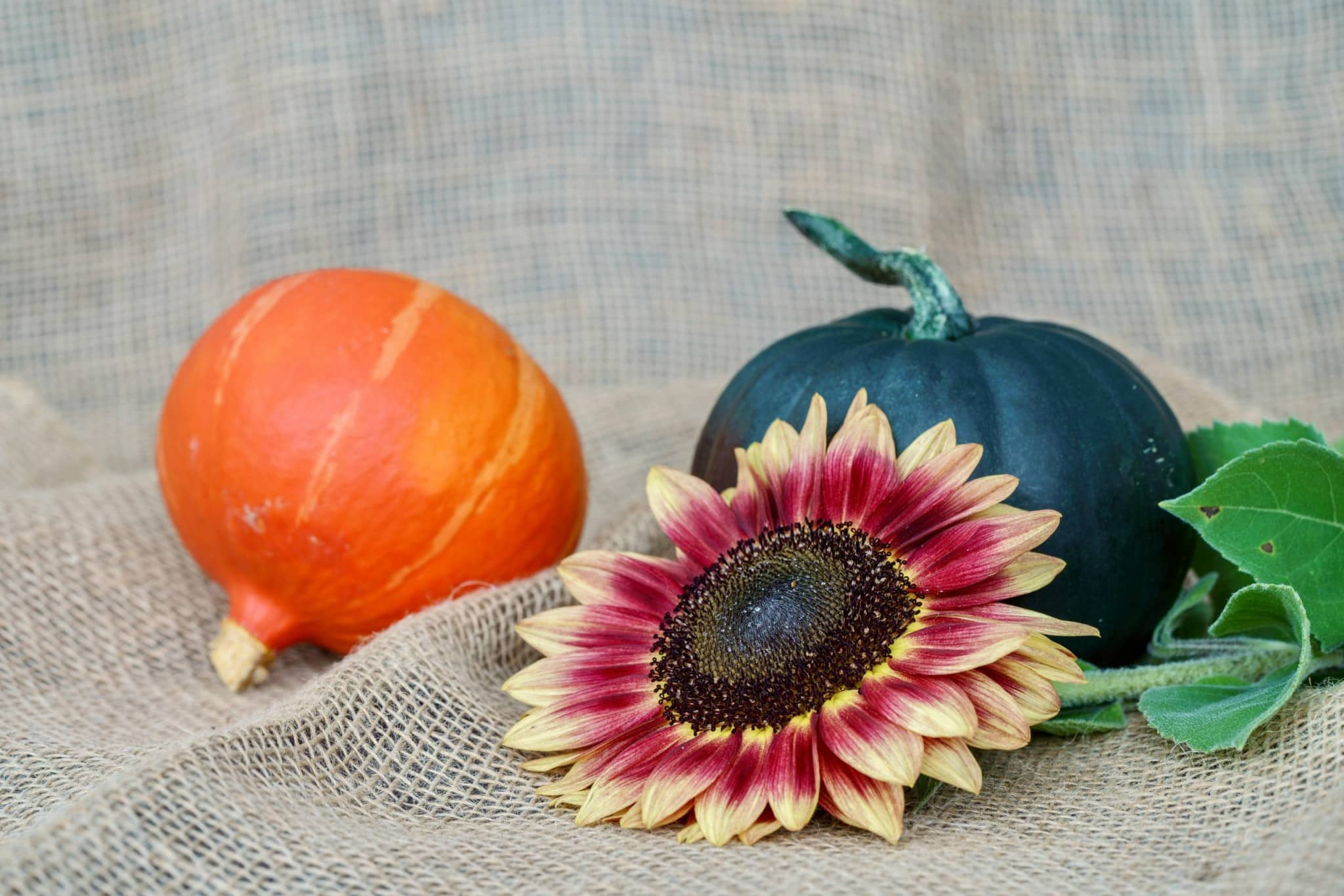
You know, I’ve always been the type to buy pre-dyed yarn (because honestly, who has time to dye their own fibers when they already struggle to finish their crochet projects?), but I’ve discovered a truly fascinating world. It turns out that every color around us, whether in our clothes, food, or even cosmetics, originally comes from somewhere in nature—be it plants, insects, stones, or even mollusks! And the best part? Many of these sources of color grow very well here in Canada!
Pigments: Much More Than Just Colorants
Before diving into Canada natural palette, it’s important to understand one thing: all those beautiful colors we see in nature aren’t just there to look pretty. They come from pigments, complex molecules that each have their own purpose, and believe me, it’s rarely just to please us!
Take chlorophyll, for example, the green pigment found in all leaves. Its job is to capture sunlight and convert it into energy—the famous photosynthesis we all learned about in school. The fact that leaves are green is a side effect of this vital function, not an aesthetic choice!
Carotenoids, the orange and yellow pigments found in carrots (hence their name!), pumpkins, and autumn leaves, serve as protection against intense UV rays. They’re like natural sunscreen for plants.

And what about anthocyanins, which are responsible for red, purple, and blue colors? They protect against the cold and attract certain pollinators. (Don’t paint yourself blue this winter to protect yourself from the cold—it doesn’t work that way!)
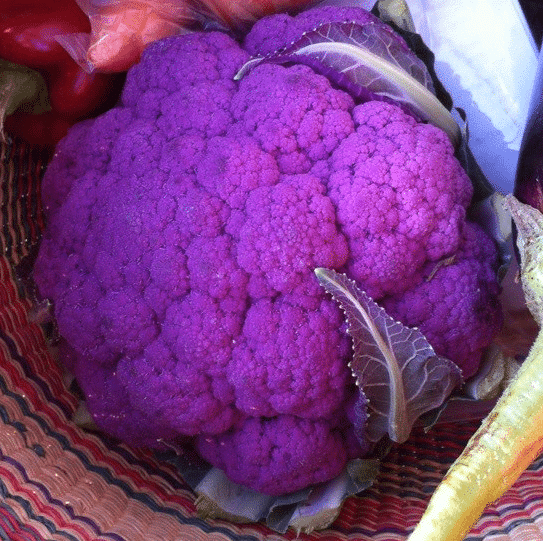
There are, of course, exceptions—flowers have often developed their colors specifically to attract bees and other pollinators. But overall, nature does nothing by chance, and these pigments do indeed have biological or metabolic functions.
We clever humans have learned to isolate these colorful molecules to add color to our everyday lives: fabric dyes, paint, makeup, etc.
Playing With Colors DIY
Want to play chemist and try out some DIY projects using nature’s colors? Let’s start with something you’re all familiar with: beets. Who hasn’t ended up with pink-stained fingers after peeling these roots? Well, that’s exactly what makes beets an excellent natural dye! Their betacyanins produce beautiful pinks and reds on fabrics, paper, and other art projects.
But they’re not the only vegetables in the garden that hide coloring treasures: spinach produces a deep green, and onion skins, often considered waste, produce absolutely beautiful oranges and browns.
Flowers and Spices
And what about ornamental flowers? Marigolds, French marigolds, amaranths, mallows, St. John’s wort… They are beautiful and produce bright colors when handled with care. Several fruits, edible or not, also grow here and work wonders in dyeing.

Turmeric, that golden spice found in all our curry dishes, is probably one of the easiest dyes to use. Just mix a little powder (made from dried and ground root) with a little water to get a bright yellow color. In fact, in India, it has been used for thousands of years to dye fabrics and even as makeup! Be careful, though: it stains everything it touches, including your kitchen counters…
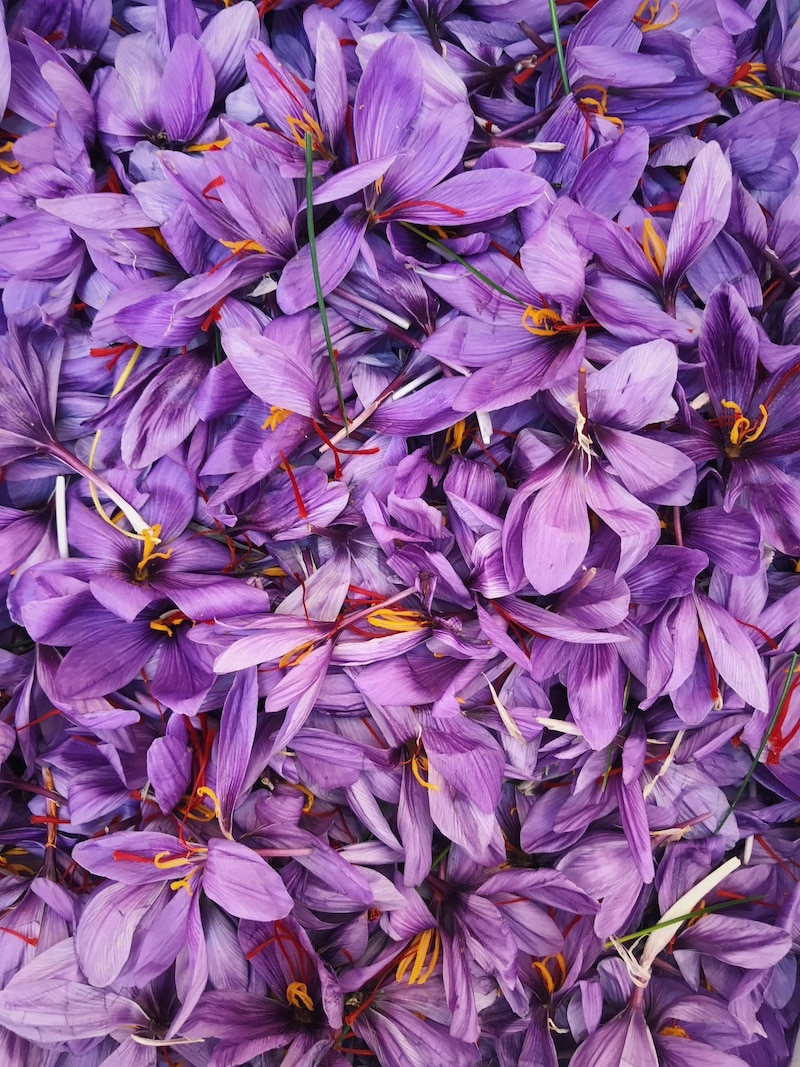
And saffron, a spice more precious than gold, is no exception! It takes about 150 crocus flowers to produce a single gram of saffron, which explains its astronomical price. But what a color! An absolutely regal golden yellow that colored the sails of Phoenician ships and the robes of Buddhist monks.
Have you noticed the progression in my examples? From beetroot, which stains everything even when you don’t want it to, to saffron, which must be carefully harvested and processed to obtain color. Not all pigments are created equal: some are harder to find or work with, and this obviously affects the price of the product! While we now have artificial pigments available, this has not always been the case, and certain pigments have colored history…
Blue: Nature’s Most Rebellious Color
Speaking of colors, did you know that blue is the most difficult color to obtain naturally? Look around your natural environment: there’s yellow everywhere (dandelions, buttercups, goldenrod), red (maple, cranberries, wild roses), orange (tiger lilies, wild carrots), but blue? Almost nothing! Even chicory, that little blue flower found along the roadside, doesn’t produce a blue dye when boiled.

The history of blue is pure economic madness! For centuries, the only real source of blue in the world came from a single mine. ONE! In Afghanistan, in a region called Badakhshan, where this magical stone called lapis lazuli is still mined today.
This small blue rock speckled with gold had to travel for months along the Silk Road, surviving bandits, desert storms, and crooked customs officers before finally arriving in Venice. It then had to be transformed in a process that took weeks to separate the pure blue particles from the rest.
The Result?
A pigment called ultramarine that cost TEN TIMES MORE THAN GOLD. Yes, you read that right: ten times! To give you an idea, in the 15th century, an ounce of this famous blue pigment was worth eight ducats, while a skilled worker earned three ducats a month!
That’s why the Virgin Mary is always dressed in blue in religious paintings. Before the 12th century, she was depicted in dark tones—black, gray, purple. But when theologians decided she deserved the most precious color in the world, boom! No more dull gray, make way for ultramarine!

(You have to admit, it’s quite a blue!)
Every time a painter applied this color to his canvas, it was like sticking banknotes on his wall. Vermeer, the famous Dutch painter, literally ruined his family because he was so obsessed with this color. He even put it in the preparatory layers that you couldn’t see!
Who is Vermeer? The guy who painted this canvas:

The invention of synthetic blue in 1826 revolutionized the art world. Overnight, what had cost a fortune became accessible to everyone. By 1851, blue had become so cheap that it was used to bleach laundry. The color of the Virgin Mary ended up in Mrs. So-and-so’s laundry…
This is not the only example of an expensive color in history! Think of kings—what color do you see? Purple red! Thousands of small mollusks called murex had to be crushed to obtain a few drops of this legendary dye. And there were even laws that prohibited ordinary people from wearing it!
Techniques for Using Plant Pigments
Let’s get back to our plants (now that I’ve destroyed your dreams of blue!). How do you use goldenrod to dye fabric? There are several methods…
The technique is officially called Tataki Zome by the Japanese, but it’s better known as ecoprinting and plant printing. You place a fresh leaf or flower on thick paper or a clean, dry fabric and hammer it (yes, with a hammer!) until its juices soak into the fibers. It’s therapeutic and produces beautiful plant-shaped patterns. Perfect for relieving stress after a difficult day.
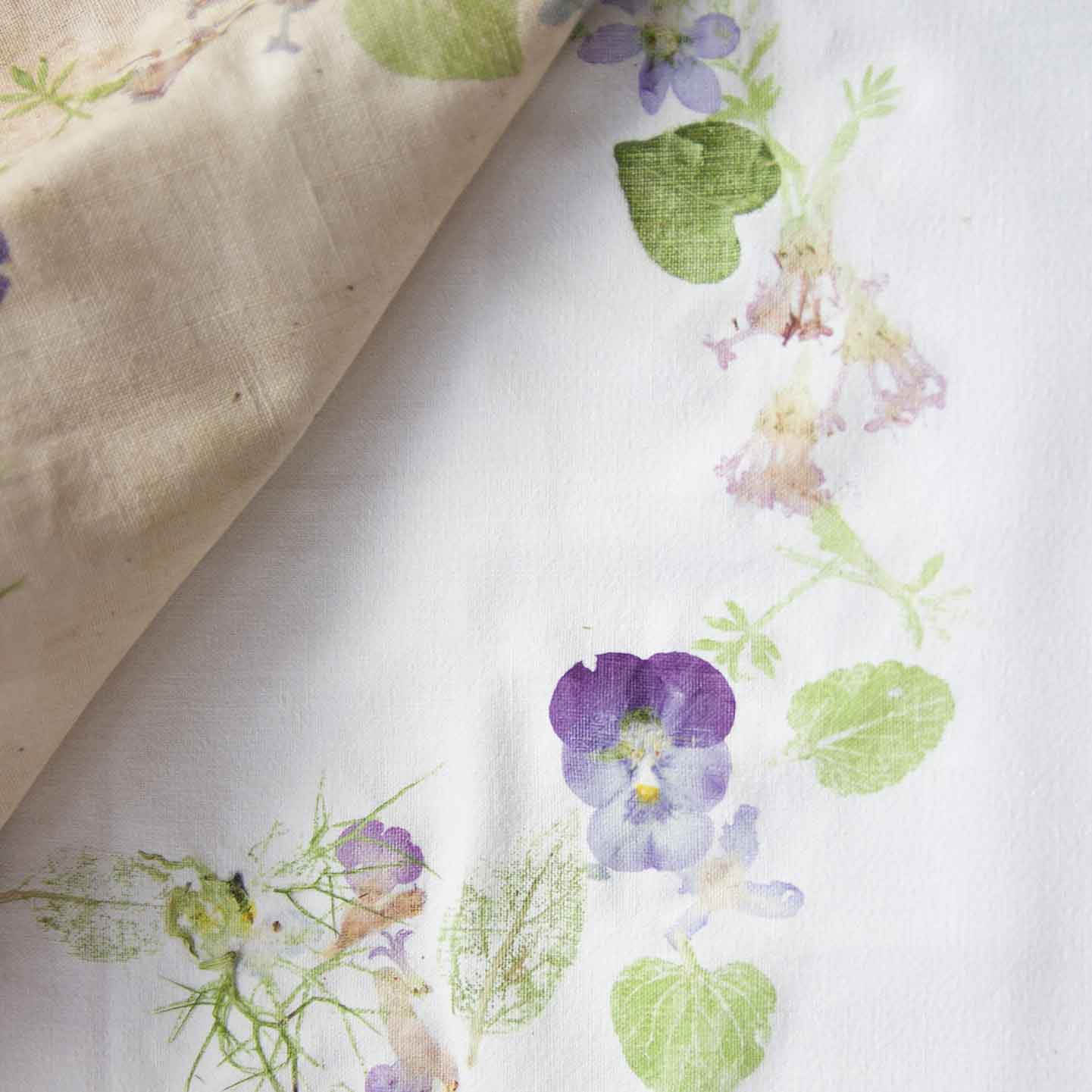
Then there is another version of ecoprinting where we arrange our plants on the fabric like a bouquet, roll it up tightly, and heat it. The tannins in the plants are printed directly onto the fabric, creating unique and unpredictable patterns.
And then there’s traditional dyeing, where our grandmothers used to boil huge pots of plants before filtering and soaking the fabric. As a general rule, you need three kilograms of plants for one kilogram of fabric. With this method, you get uniform colors across the entire fabric, but it requires patience… and a large pot!
There are several other methods! For example, you can dehydrate the plants and then mix them with mediums to make paint! (The “I stained my pants while gardening on my knees in the grass” method counts!)
A Chameleon in Your Vegetable Garden
Speaking of culinary magic… The beverage industry has discovered this little chemical secret and is having a field day with it! David’s Tea had a tea that changed color when you added a few drops of lemon juice—from purple to bright pink, as if by magic. Panoramix gin uses the same principle: this blue gin turns pink when you add an acidic ingredient!
The secret? Molecules called anthocyanins—natural pigments found in certain colorful plants such as red cabbage or blue pea flowers—which have the absolutely magical property of changing color depending on the acidity of their environment. Add vinegar? It turns bright pink. Add a little baking soda instead? Now it’s green-blue!

That’s why hydrangeas change color depending on the pH of the soil. It’s the same phenomenon! Our plants are like little chemists, adapting their colors to their environment. The colors of nature are fascinating, aren’t they?
A Chameleon in Your Vegetable Garden
The next time you come across a field of sunflowers or peel your beets, take a few seconds to appreciate the colors around you. Behind each shade lie thousands of years of evolution, human expertise, and sometimes even small economic wars!
Let me know in the comments if this makes you want to try your hand at dyeing plants. I’m thinking of taking up knitting with my own colored yarns… but knowing my tendency to start a thousand projects without finishing them, we’ll see! Maybe a few blue pea flowers in my cocktails will be enough to satisfy my desire to play with colors!
Loved this article. Beautiful pics and interesting information!
Overlooked indigo? It was a very important crop in Louisiana, where I grew up. https://en.wikipedia.org/wiki/Indigo
Always in search of new to me Blue flowers, this article is full of great ideas. One of my favs is Borage.
I enjoyed your cheerful article. You’ve left out the critical step of dying if you want he color to be permanent, not wash out of your fabric. You must add a mordant during your dying process.