
After a busy gardening season, you may be thinking that you’ve finally reached the finish line. Even laidback gardeners have probably given a lot this year—and the weather, as unpredictable as ever, hasn’t made it easy. Too hot, too cold, too much rain… or not enough: when you try to please everyone, sometimes you end up pleasing no one!
For me, it’s not quite the finish line. Not because there are still a few tasks left to do, but because I see each season as a transition to the next. The garden never really ends, it’s never “closed”: even when it seems dormant, it’s still teeming with life.

Just as October brought us its flamboyant colors and late harvests, November brings us the gentle slowdown. It is the time when nature quietly retreats into its roots, under its blanket of leaves. Even when dead, the stems and dried flowers—in addition to being uniquely beautiful—continue to nourish the life of the garden, from the microscopic to the eye-catching, from the discreet mushroom to the loudest birds.
Gardening is neither a race nor a marathon, but rather a stroll through the seasons. And November is the garden’s last breath before it falls asleep under the snow.
Vegetable Garden

- Late harvest of hardy vegetables: If you still have root vegetables such as carrots or parsnips in the ground, you can harvest them. Some vegetables, such as kale, can also survive until the frosts become more intense. With protection, you can harvest under the snow.
- Frost protection: Be prepared to cover fragile vegetable plants if an early frost is forecast. No need to cover everything! Only fragile vegetable plants need to be protected in case of frost.
- Compost before winter: If the ground is not yet frozen, apply 2 cm (3/4 inch) of compost to prepare the vegetable garden for the following year. This improves soil structure and enriches it with nutrients, promoting better plant growth in the spring.
- Mulch before closing: Before “closing” the vegetable garden, spread a good layer of leaf mulch. This protects the soil and prevents erosion without any extra effort.
- Clean diseased vegetables, but not the rest: leave the residue on the ground to nourish soil life… except in cases of visible fungal diseases (powdery mildew, downy mildew, black spots). In such cases, remove the severely affected leaves and throw them in the trash, not the compost.
- Leave the roots in place: When you harvest your summer vegetables, leave the roots in the soil. They will decompose over the winter, feeding microbes and improving soil structure without any effort on your part. What’s more, this avoids disturbing mycorrhizae and other invisible allies. Less work now, more fertility in the spring!
- Put away your garden structures: Remove stakes, nets, and tomato cages before the snow arrives to prevent them from getting damaged during the winter.
- Dormant seeds in the vegetable garden: From mid-November, sow hardy vegetables such as carrots or spinach. The seeds will spend the winter in the cold and germinate on their own in the spring.
Ornamental Garden

- Protect bulbs: If you want to prevent squirrels from eating your crocuses and tulips, the easiest solution is to plant other hardy bulbs. But if you’re attached to these little springtime wonders, plant them deeper or add manure, whose smell repels squirrels. You can also put chicken wire over the area, but be sure to remove it before the leaves start to emerge.
- Do not cut back perennial foliage in the fall: Allow leaves and stems to decompose in place to improve growth in the spring.
- Leave annuals in place: Pull up annuals? Why bother? They will decompose slowly and enrich your soil. Less work for you, more benefits for the garden. Some may even reseed themselves!
- Cover fall bulbs: Use mulch, such as shredded leaves, to protect freshly planted bulbs from the cold. This will not prevent them from blooming in the spring.
- Dormant sowing: Sow the seeds of certain perennials and hardy annuals. The cold of winter will trigger their germination in spring.
- Watering after planting: Continue to water perennials, trees, and shrubs planted this year until the first frost to ensure they survive the winter.
- Put down the rake: Leave dead leaves on your flower beds. They protect your plants from the cold and will turn into natural compost, without any effort.
- Install winter protection only during the first year: Protection is especially necessary during the first year of planting, particularly for shrubs and trees at the edge of their hardiness zone or those with evergreen foliage.
Lawn

- Continue mowing as long as the grass is growing: even in fall, until the temperature drops below 43°F (10°C) for about a week—often until November, or even later in some regions.
- Leave the clippings on the lawn: When you mow, leave the grass clippings on the lawn. They will decompose quickly and return nutrients to the soil. Less work, more fertility!
- Practice “leaf cycling”: Mow the leaves that accumulate on your lawn and they will decompose on their own! It’s an easy way to return nutrients to the soil that trees have taken from it, without having to tire yourself out raking them up.
- Too many leaves and fruit on the lawn: If too many leaves or fruit accumulate on your lawn, rake them up to avoid depriving your grass of light. You can save them to use in compost or as mulch.
- Mow the lawn one last time: When the grass stops growing, give it one last mow, cutting it shorter, to about 5 cm (2 inches).
- Dormant seeding of lawns: Sow at the end of winter when the soil is cold but not frozen. The seeds will germinate on their own as soon as the snow melts.
- Maintain your lawn mower before winter: Rather than letting it rust during the cold season, take advantage of late fall to take it to a professional for adjustment and blade sharpening.
Compost

- Store dry fallen leaves: They will be invaluable for balancing your compost rich in green matter (peelings, kitchen scraps).
- Cover the compost for winter: Rain and snow can soak the pile. Add a layer of leaves, straw, or cardboard, or cover the bin with a tarp.
- Prepare an “insulating blanket”: Before the cold weather sets in, place a thick layer of dead leaves or mulch on top of the compost. This slows down freezing, prolongs the activity of microorganisms, and keeps the pile alive longer.
- Use kitchen scraps sparingly: Compost slows down in November. Too much green material may freeze on the surface and attract animals. Always hide it under a good layer of brown material.
Parasites
- Let the birds do the work for you: Less work for you, attract insect-eating chickadees, robins, and sparrows with a birdbath or a few berry bushes. They feast on caterpillars, larvae, and beetles of all kinds.
- Avoid excessive cleaning: Leave healthy stems and leaves in the garden. They provide shelter for beneficial insects, pollinators, and microfauna during the winter.
- Protect tree trunks from rodents: Surround them with a tube of metal mesh (0.6 cm, 1/4″ mesh), forming a cylinder without touching the bark (leave a 2 cm, 3/4″ gap), and push it into the ground. Anti-rodent spirals are also available. These deter hungry rodents.
Wildlife
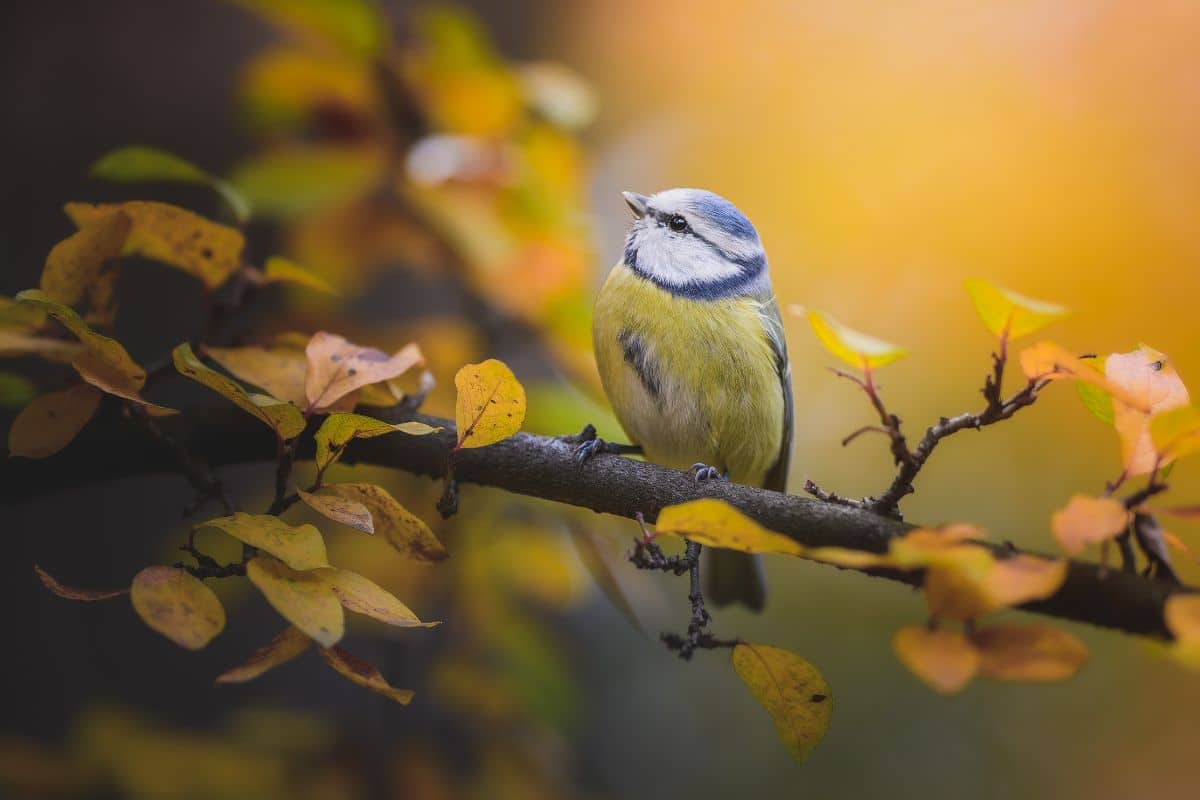
- Let plants go to seed for seed-eating birds: Certain annuals and perennials such as black-eyed Susans, sunflowers, cosmos, and grasses produce nutritious seeds. Let them dry in place: goldfinches, sparrows, and juncos will love them.
- Avoid pruning perennials too early: Several insects (solitary pollinators, lacewings, ladybugs) use hollow stems as winter shelters. Waiting until spring to cut back perennials helps preserve these natural shelters.
- Add a heater to your birdbath: In colder regions, water can freeze quickly. A small device prevents ice from forming and helps birds drink even in winter.
- Bird feeder maintenance: In winter, help birds by offering them high-fat foods such as seeds or suet, while keeping the feeder regularly stocked to ensure a reliable source of food.
- Leave fruits and berries on the bushes: Do not cut the clusters of viburnum, mountain ash, hawthorn, rose, or elderberry. They provide a source of food in the fall and sometimes winter for winged wildlife.
- Create winter shelters: A pile of branches, a corner of dead wood, or a thick bed of leaves can provide shelter for small mammals, frogs, and insects.
- Leave some fruit on the ground: Apples that have fallen to the ground are a feast for blackbirds, jays, and fall butterflies. Leave a few behind!
Houseplants

- Clean indoor plants: Wipe down the leaves of your plants and reduce watering as light levels decrease.
- Caring for indoor plants: Make sure your plants get enough light. Reduce watering, as they sometimes need less water in winter. Stop or reduce fertilization.
- Monitor humidity: Ensure your plants are not suffering from dry air caused by heating by installing humidifiers or grouping your plants together to increase humidity.
- Check for insects: Scale insects, spider mites, and whiteflies thrive indoors. Inspect the leaves and isolate infested plants as soon as they enter the house.
- Rotate pots: Turn your plants a quarter turn each time you water them to compensate for the lack of winter light.
Other

- No need to bring all the pots inside: Valuable terracotta pots? Yes, bring them inside before the frost breaks them. But for the rest, there’s no need to tidy everything away meticulously.
- Recycle your potting soil: There’s no need to change the soil in your planters and window boxes every year. In the spring, simply add a little compost to revitalize your potting soil.
- Clean and store your gardening tools: Wash, sharpen, and store your tools in a dry place to protect them from rust.
- Clean your gutters: Make sure your gutters and downspouts are clear before the snow arrives to prevent blockages and overflows.
- Store your garden hoses: Empty them completely before the first frost to prevent them from bursting, and store them in a sheltered place.
- Turn off the outside water: Turn off the tap from inside the house and drain the outside pipe to prevent the water from freezing.
- Decorate pots and planters for winter: Use colorful branches, dried fruits, and flowers to create decorative winter arrangements.
Are there any other gardening tasks you do in November that I’ve forgotten? Let us know in the comments!
Deeply water evergreen plants to support transpiration during the winter months driving directions.
more Retro Bowl 25 https://retrobowl25.games/
Once the Dinosaur Game is running, the controls are focused solely on changing the T-Rex’s state from running straight to jumping or crouching, making sure you don’t do anything when obstacles are flying high or don’t need to be dodged.
Deep water evergreens to help them with transpiration over the winter.
Thanks for this…. whew…. lots to do but so satisfying…. the only leaves I cut back are Hosta because the year I didn’t, in the spring, beneath the squidgy leaves on the ground, were slugs. Now I cut those slug-home-Hosta-leaves back.