
Okay! Enough messing around!
Don’t worry, it’s just your garden speaking!
Things are really starting to buzz around here!
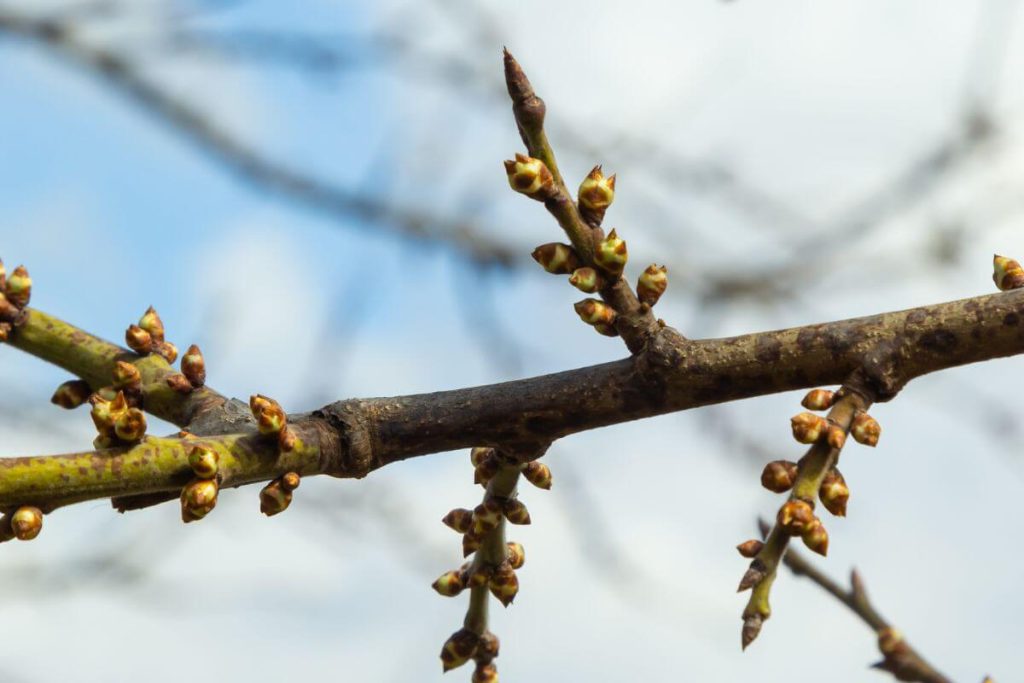
There’s hardly any snow left, the birds are coming back, little spring bulbs are poking through the snow, there are even trees in bloom… well, willow and maple flowers aren’t exactly spectacular, but they’re flowers all the same!
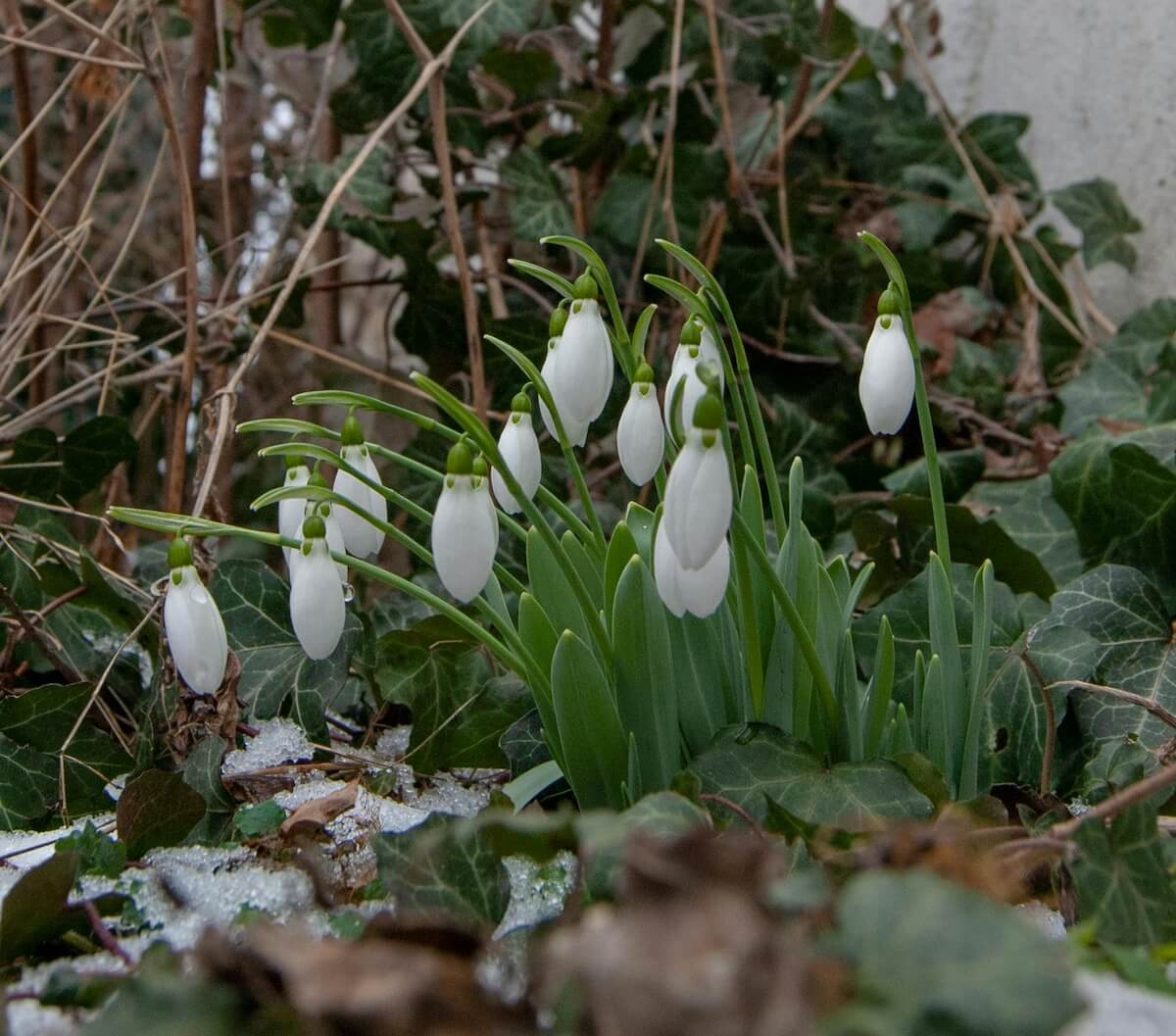
You might already be seeing a few bugs here and there, perennials poking their heads out, shrubs starting to bud…
I’m about to burst with life!
About to, I said! Let’s not get carried away!
The ground is still really wet. You shouldn’t go playing in it and trample things down. If it sticks to your boots, it’s too wet: get out of there!
Same goes for the lawn: give it time to wake up a bit. Wait a couple of weeks after the snow melts for it to turn a little green again before you go walking on it.
And the cleanup. . . can we wait a little while? Or even a lot?
For one thing, the bugs, hidden in the ground, dead leaves, and dead stems, haven’t woken up yet. I totally get it! I’d have to wait until the temperature stays consistently above 10°C (50°F) before I’d get out of bed.
DSecondly, all this might not look very appetizing to you, but for me, it’s the first meal of the season. I’ve been fasting all winter! Don’t take my breakfast away from me! The worms, bacteria, and fungi will eat it all up and feed your plants with it. Yum!
What do you think? Rake all that up and leave my soil bare? Without my “blanket” of leaves, I’m left naked against the elements. No protection against erosion, drought, or leaching. Leave me a little dignity, at least! Anyway, everything you take away, you’ll have to replace… and fertilizer and mulch aren’t free!
Besides, it won’t be long before the plants grow and all this lovely “mess” disappears on its own. So take it easy!
While you’re at it, go back inside for a little while. Go play with your seedlings: it’s the perfect time to sow a bunch, and there’ll be more throughout the month.
And don’t forget your houseplants! A little repotting wouldn’t hurt… some of them are starting to look a bit rough!
While you’re at it, why not grow some flowers for me or take some cuttings from annuals for the vegetable garden? It attracts pollinators, confuses pests… and I love flowers!
Anyway, there’s already plenty to do without coming to mess with my flower beds! So here’s a little list to keep you busy.
Seedlings
- Organize your seeds: Before buying seeds at your local seed swap, sort through the ones you already have and find a way to organize them, such as in a seed binder.
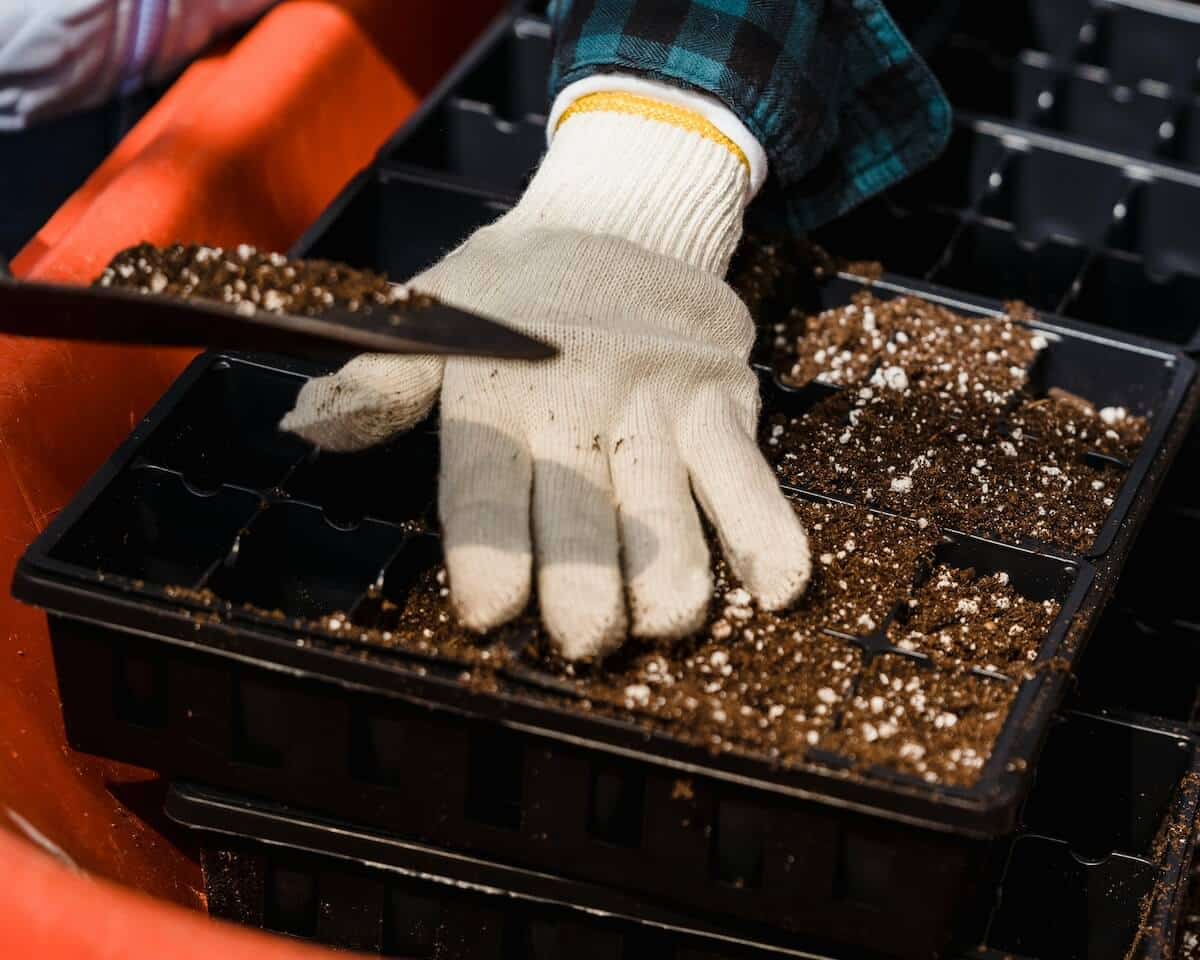
- Prepare your sowing materials: Before you start sowing indoors, gather everything you need: seeds, containers, trays, domes, labels, watering can, and, most importantly, good potting soil for seedlings. Many of these items can be found around the house.
- Clean your pots and containers: Wash and disinfect your pots to prevent disease when you plant your next seeds.
- Seedling season is in full swing! If you are a laidback gardener, you may be just starting your seedlings – and that’s perfectly fine. Here are some seedlings to sow indoors in early Apriland mid-April;
- Start sowing some seeds outdoors: in milder regions, especially toward the end of the month, many cold-tolerant plants can be sown directly into the ground, such as chives, Swiss chard, beets, kohlrabi, French shallots, spinach, or snow peas, as well as some hardy annuals such as Irish bells, dog’s-tooth violet, godetia, annual flax, toadflax, malcolmia, cerinthe, larkspur, or hare’s-tail.
- Transplant first seedlings: Very early seedlings sown in February will often need to be transplanted into larger pots.
- Thin out seedlings: when thinning out, collect the young edible shoots such as lettuce, onion, cabbage and chard – a first harvest!
Caring for seedlings
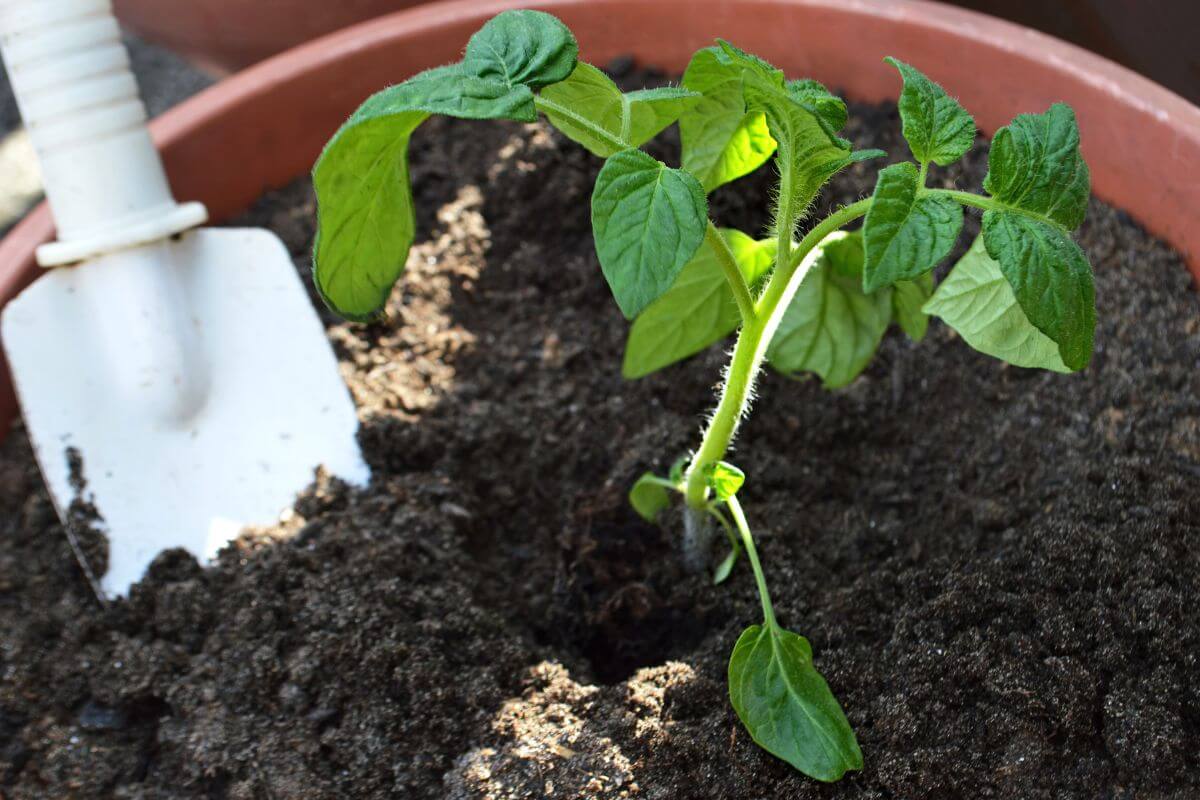
- Fertilize your seedlings: Start fertilizing the seedlings when they have 4 to 6 true leaves.
- Adjust the lighting for your seedlings: check the height of the lamps and provide 14 to 16 hours of light per day.
- Water seedlings regularly, checking the soil every 2 to 3 days;
- Ensure good air circulation around the seedlings: light ventilation helps prevent fungal diseases and strengthens the stems.
- A quarter turn for your seedlings: turn the trays a quarter turn each time you water or at least once a week to prevent the plants from leaning towards the light. Here are some other tips for growing healthy seedlings;
- Start hardening off cold-hardy seedlings: In late April, gradually acclimate your seedlings—which will be transplanted outdoors in early May—to outdoor conditions (wind, sun, temperature fluctuations). Start in the shade, then gradually move them into the sun, spending about 2 to 3 days at each stage. Take them outside for a few hours a day, increasing the duration, for 7 to 10 days before transplanting. Note: for cold-sensitive plants, do not begin hardening off until nighttime temperatures consistently stay above 10–12 °C (50–54 °F).
Vegetable garden
- Install supports for climbing plants: To save yourself work later in the season when you are busy, install supports now for climbing plants such as peas or beans.
- Sowing in a cold frame: Some vegetables can be sown in a mini greenhouse, cold frame or under floating cover from April onwards: lettuce, spinach, peas, radishes, rocket;
- Divide and replant certain edible perennials: if the soil is dry, you can divide and replant plants such as chives, rhubarb, or sorrel, ideally when the first shoots begin to appear.
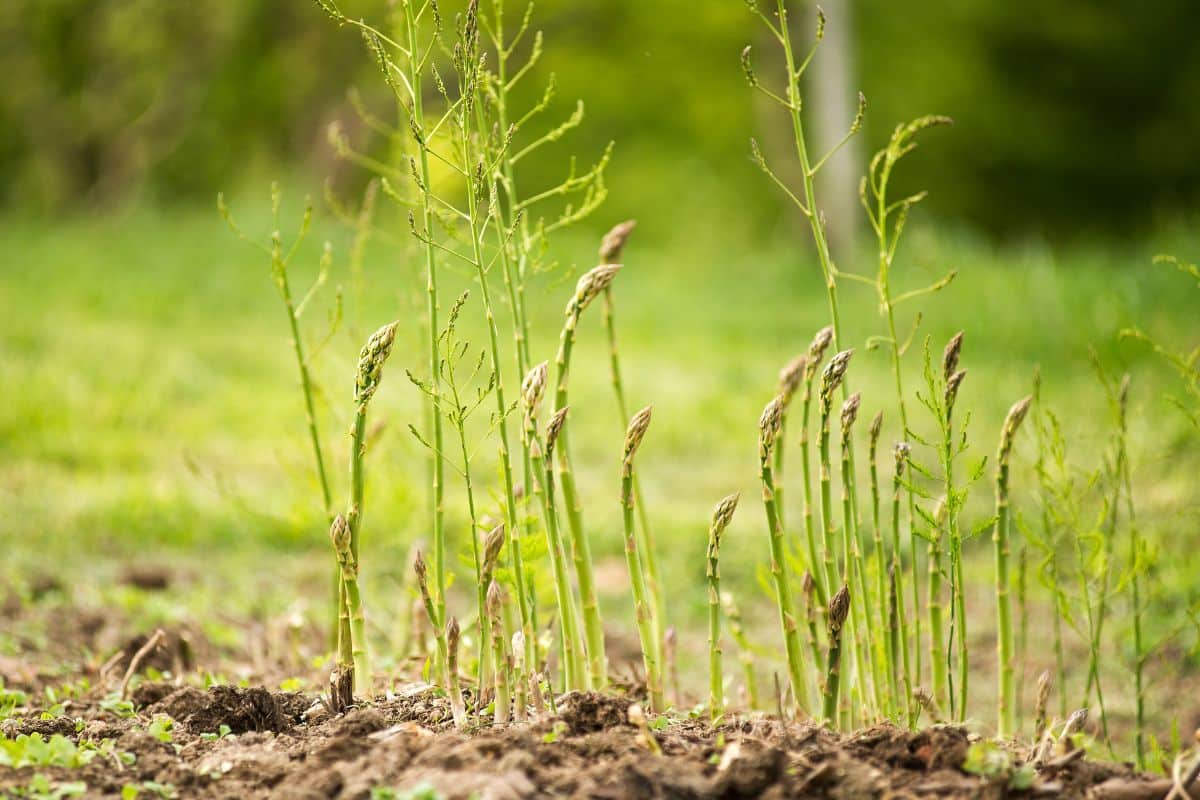
- Plant asparagus: Spring is the ideal time to plant asparagus crowns, as soon as the ground has thawed and is well-drained, before the shoots appear.
Ornamental garden
- Postpone spring cleaning or don’t do it at all: Resist the urge to clean flower beds for a little longer. Several pollinating and beneficial insects, including bumblebees and butterflies, overwinter in dead leaves or hollow stems;
- Prepare a plan of your garden: Sketch plans by hand or on computer.
- Plan your purchases of perennials, shrubs, and trees: make your lists before the spring rush.
- Forcing branches for an early spring: you can still ‘force’ branches from trees and shrubs that flower in spring to bloom early in the house. The technique is useful for all trees and shrubs that flower in spring, such as willows, forsythia, service berries, magnolias, ornamental almonds and fruit trees.
Bulbs and cuttings
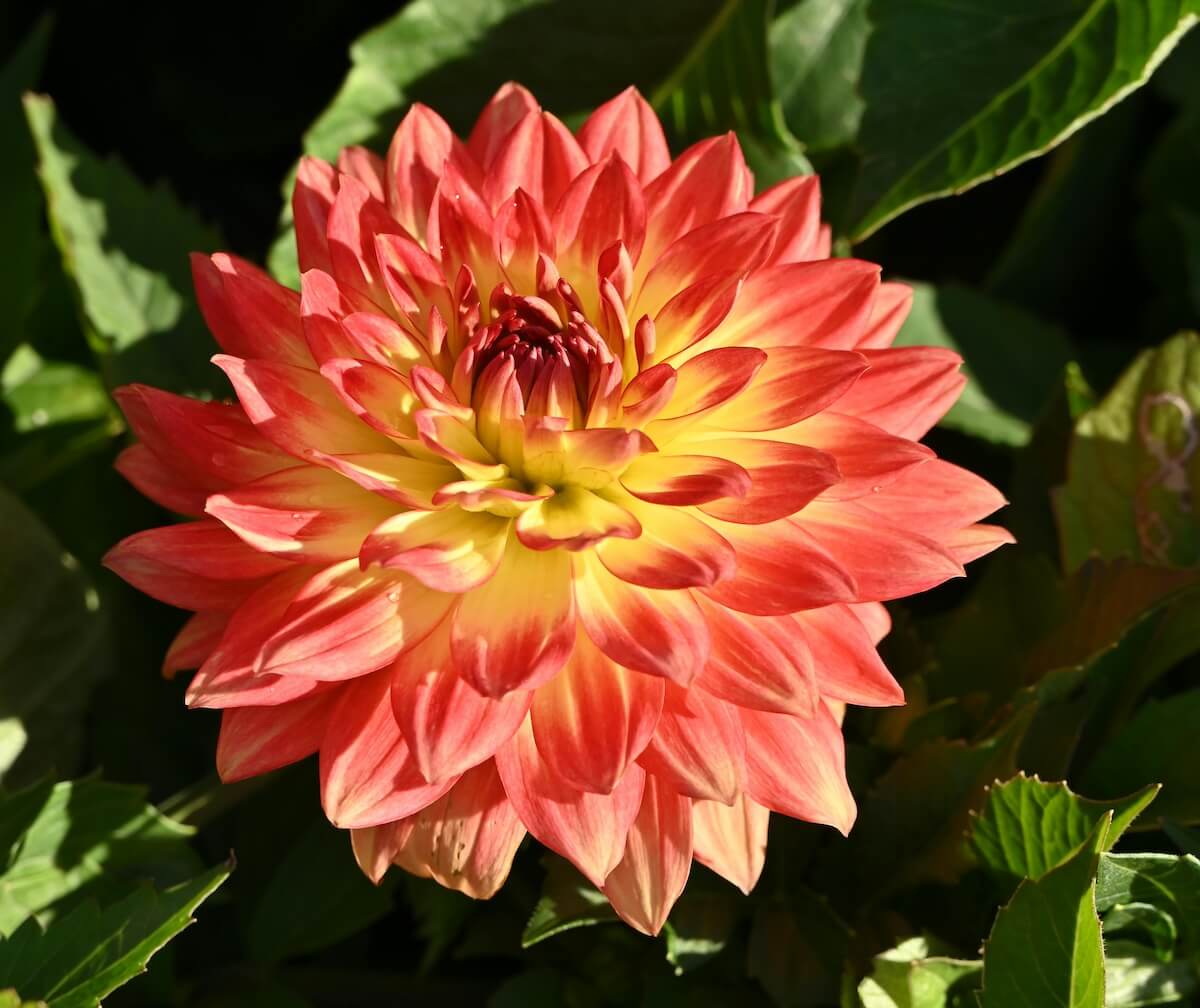
- Buy your summer bulbs: Summer bulbs, such as tuberous begonias, cannas, callas, dahlias, gladioli, etc., are available in garden centers. Watch out! The earlier you buy, the more choice there is!
- Check your stored bulbs and tubers: Inspect stored bulbs (such as dahlias or gladiolus) and tubers for signs of rot or drying out.
- Start summer bulbs indoors: Dahlias, cannas, and tuberous begonias can be potted up to get a head start on the season.
- Take cuttings from annual plants: At the beginning of fall, you may have brought in cuttings from annuals such as pelargoniums, begonias, impatiens, and coleus to keep them safe during the winter. The goal is simple: to keep them alive so you can replant them in the spring. At the end of February, you can start taking cuttings and propagating these young rooted plants.
Pruning, dividing, and planting
- Remove winter protection: For those who have installed winter protection to protect new tree or shrub plantations, the time has come to remove it. Sudden rises in springtime temperatures can cause your plants to overheat. It is also best to leave the top of your protection open to let the heat escape;
- Prune summer- or fall-flowering shrubs as needed: Spring is a good time to prune shrubs that bloom after mid-June, such as Japanese spirea or panicle hydrangea, as they produce their flowers on the current year’s wood. Prune them before the leaves fully appear, only if necessary;
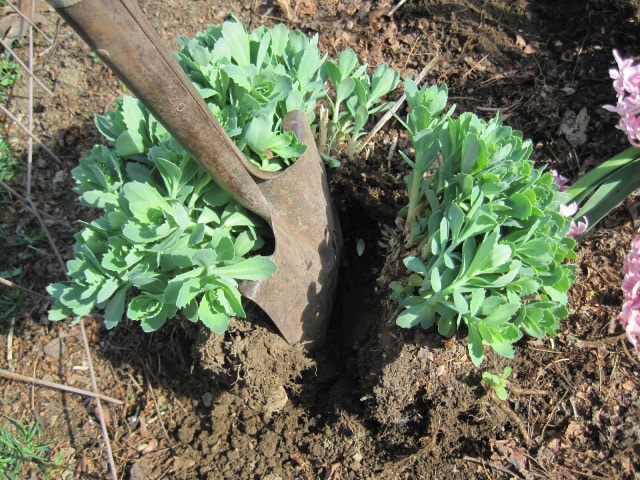
- Divide certain perennials: once the soil has dried out and the first shoots begin to emerge, divide summer- or fall-flowering perennials to propagate them or rejuvenate them.
- Plant trees and shrubs: Spring is an excellent time to plant trees and shrubs, as soon as the ground has thawed and dried out and is easy to work, ideally before or just as bud break begins.
- Make a sketch of where your bulbs are planted: Spring-flowering bulbs are only available in stores starting in September. They are therefore planted in the fall. But how can you remember where your existing bulbs are so you don’t plant them in the same place? Simple, just make a plan of their location when they are in bloom in the spring. Or, even easier, take pictures!
Houseplants

- Repot your houseplants: Repotting houseplants is essential to promote their growth. It is generally done in the spring. Most plants benefit from annual or biennial repotting, while young, growing plants may require repotting twice a year. Mature plants with little growth activity, such as indoor trees or cacti, can even remain in the same pot for 4 to 7 years;
- Topdressing large plants: If repotting is impossible (plant too big or heavy), topdressing is an excellent alternative. It consists of removing 2 to 3 cm (1 inch) of topsoil from the surface, where salts accumulate, and replacing it with new soil;
- A spa day for houseplants: As the days get longer and our plants slowly come out of their winter rest, it’s the perfect time to give them some well-deserved care. A few simple gestures will revitalize them and thank them for their beautiful presence throughout the year;
- Adjust watering gradually: With the resumption of growth, indoor plants often need more water in the spring, but increase the frequency gradually using the golden rule of watering.
Boutures, fertilisation, infestations

- Take cuttings from your houseplants: When winter draws to a close, the increasing number of daylight hours will trigger the growth of our houseplants, or it will start very soon. The best season for taking cuttings from our houseplants is usually between mid-February and the end of August;
- Resume fertilizing houseplants: in temperate regions, fertilizing houseplants ceases in October with the decrease in light and the slowing of growth. If you haven’t already, now is the time to resume fertilizing;
- Keep an eye out for insect infestations in your houseplants: Some insects that are harmful to houseplants calm down during the period of short days by entering diapause, but with the lengthening of the days, they become active again and begin to reproduce abundantly from the beginning of March;
- Clean your windows: By keeping your windows clean, you allow more light to enter the room, thus promoting the growth of your plants. Also make sure to clean both sides of the windows for maximum transparency;
Lawn
- Avoid walking on the grass while the ground is still soggy: Although the snow has already melted in many places, it is not necessarily time to clean your lawn (you can even avoid doing it altogether!). In spring, the ground is still soggy, and walking on damp ground compacts it and impairs the growth of the lawn;
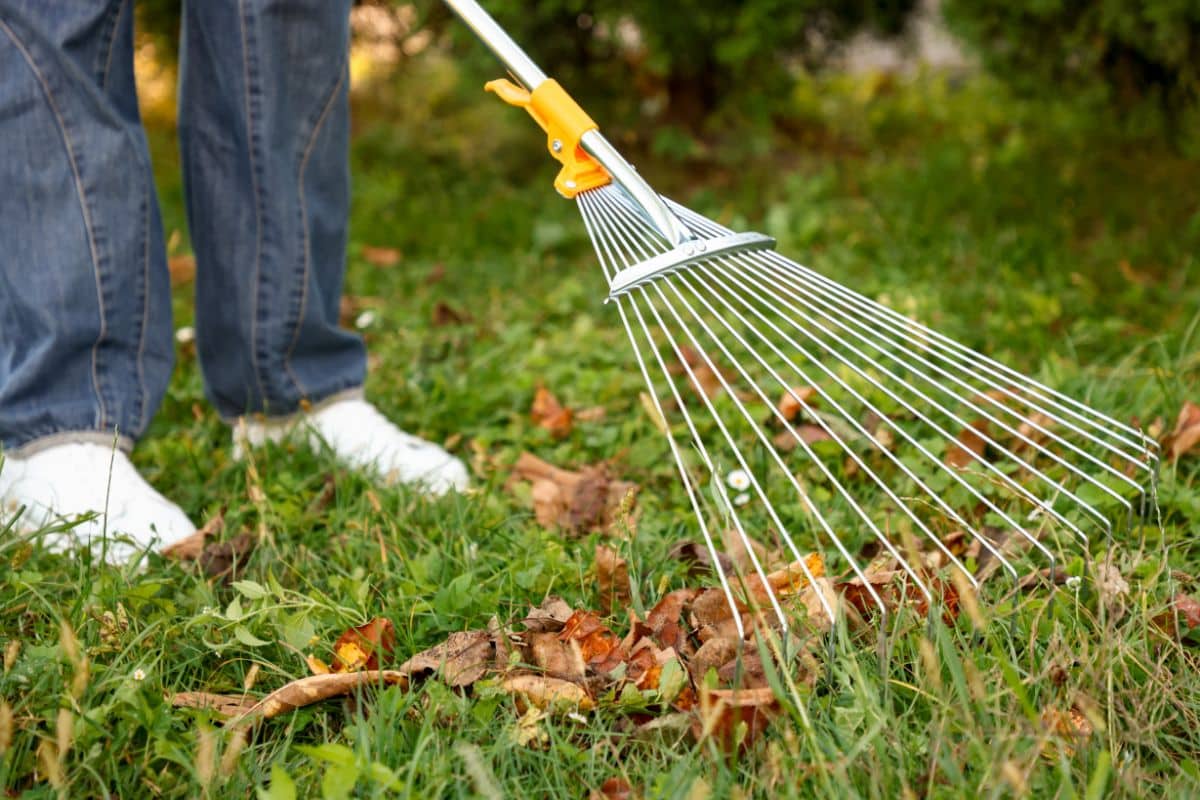
- Gently rake the dry grass: If you want to clean your lawn to remove dead leaves, twigs and dirt, wait until it starts to turn green. Usually, this is a few weeks after the snow melts and the ground will have dried out enough for you to walk on it without damaging it;
- Rince the grass along the side of paths and pavements: if it doesn’t rain after the snow melts, use clean water to wash the grass near the street to remove de-icing salts.
- Lawn mower maintenance: Even if you want to wait to mow until the Dandelion Challenge, April is the time to have the blade sharpened. A dull blade tears the grass and promotes fungal diseases.
Compost
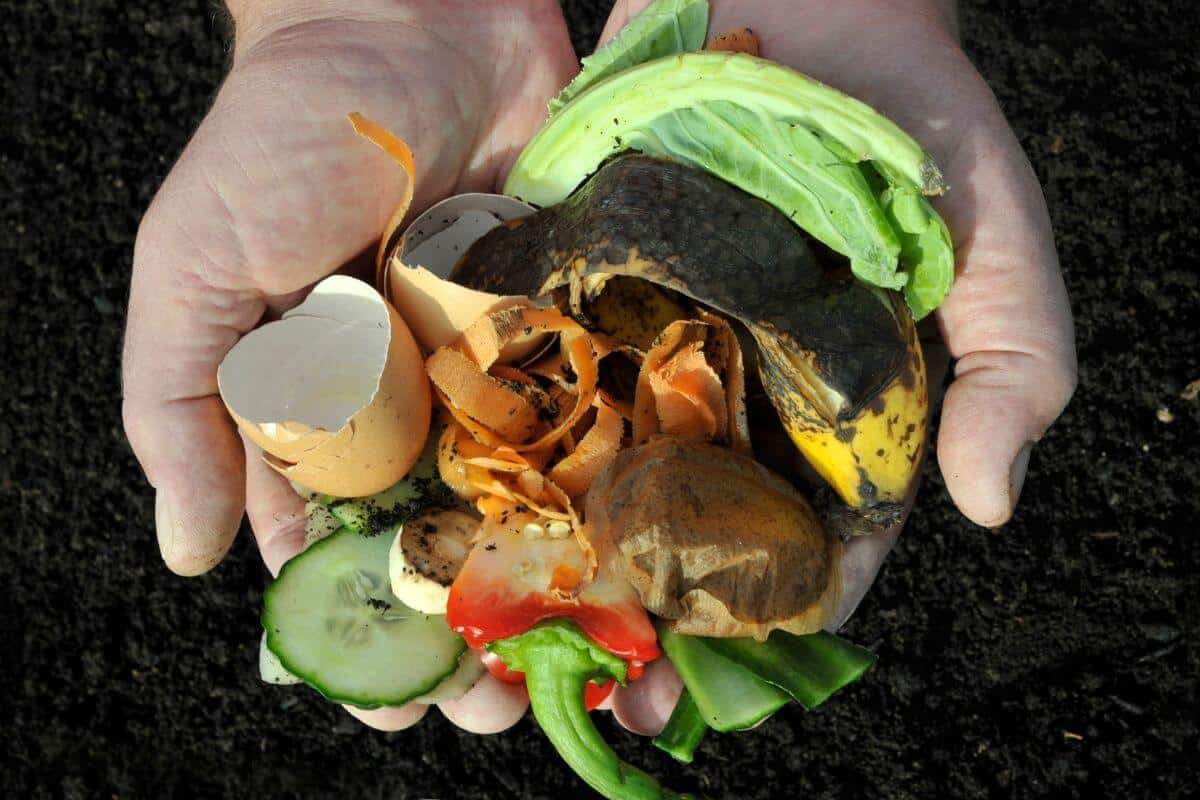
- Gradually resume adding waste to the compost: With the warmer weather, the compost will slowly start to become active again. Continue to cover kitchen scraps well with brown materials.
- Stir the compost if conditions allow: On mild days, a light stirring will help to restart microbial activity.
- Start a new outdoor compost pile: Spring is a great time to start a new compost pile using garden and kitchen scraps.
- Start an indoor compost: Try vermicomposting to produce homemade compost during the winter.
Wildlife
- Clean and disinfect birdhouses, or add new ones: A quick check of birdhouses once a year is all it takes! The ideal time? A good cleaning and a few repairs at the end of winter or early spring. It’s also a good time to add new ones before the birds settle in.
- Keep feeding the birds: as long as the snow still covers the ground and natural food is limited, it’s a good idea to provide them with sunflower seeds, suet (if it’s still cold) and dried fruit for the frugivores.
- Install a water point: if temperatures rise above freezing, a shallow bird bath can be useful. Be sure to change the water regularly to prevent it from freezing, or use a heated bath.
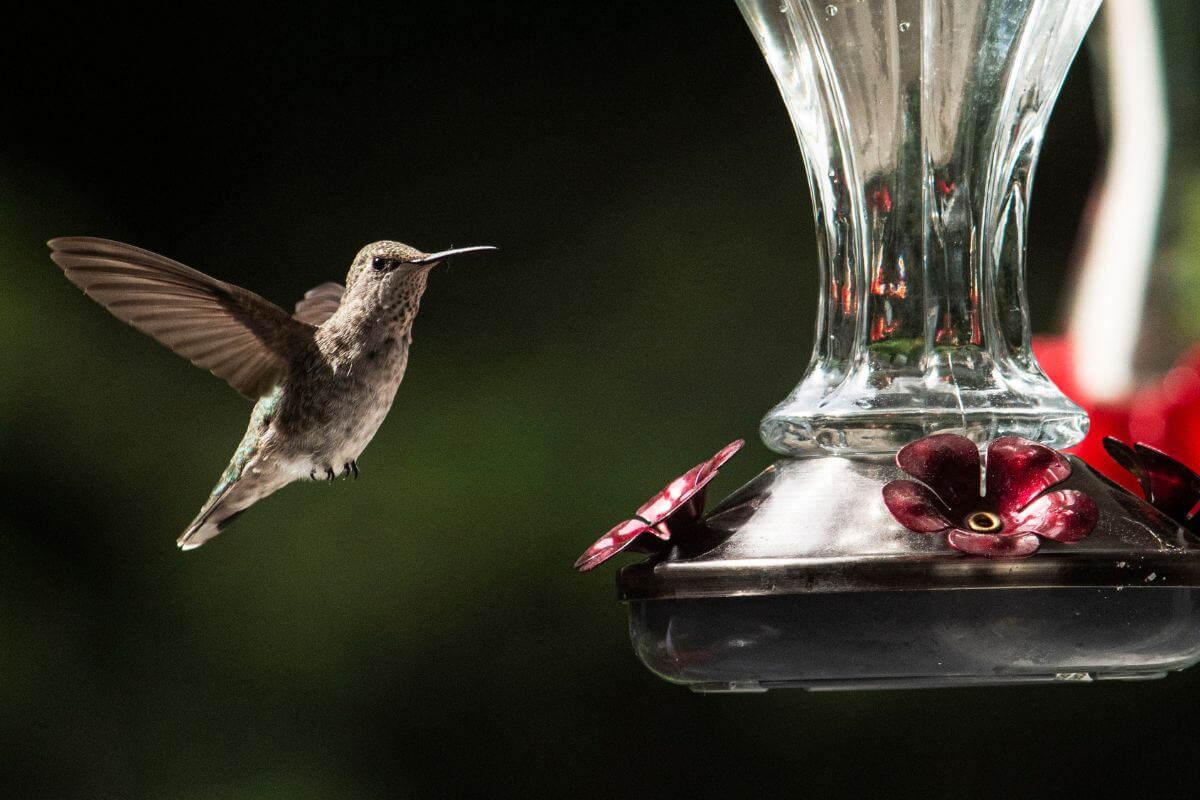
- Set up hummingbird feeders: these little creatures will make your feeder their home for the entire season if it’s in place when they arrive, which is from late April to late May, depending on the region.
Other
- Clean eavestrough clogged with leaves or debris;
- Clean and prepare your tools: if you haven’t already done so, clean, sharpen and prepare your gardening tools so they’re ready for the season ahead.
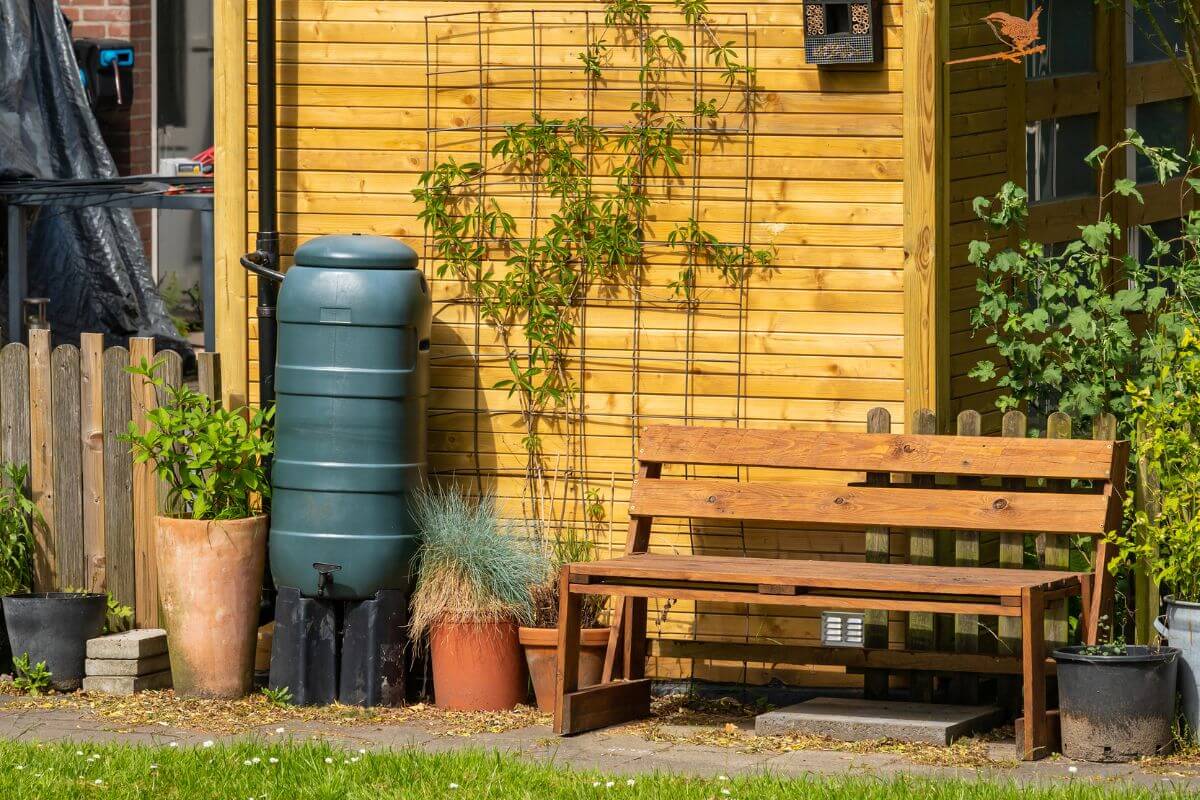
- Prepare your rainwater collectors: Clean them and put them in place before the first heavy spring rains;
- Repair your stakes, fences and trellises: It’s better to repair them now than when they’re covered in plants!
Horticultural Days
April 17 – International Day of Peasants’ Struggles: a day to recognize the vital role of peasants and rural communities in food production, seed preservation, and food sovereignty.
April 22 – Earth Day: an invitation to take concrete steps to protect the environment, whether by composting, planting trees, or promoting biodiversity in your garden.
April 24 – Arbor Day: a great opportunity to plant a tree or to remind ourselves of their importance in our landscapes—for shade, biodiversity, and the fight against climate change.
Are there any other gardening tasks this month that I’ve forgotten? What are you up to? Let us know in the comments!
Nice guide for April gardening—lots of helpful reminders about seed starting, gentle soil care, and letting nature wake up on its own pace. It’s a good month to prepare without rushing into cleanup. Also feeling those calm spring vibes with space waves energy in the background while planning the garden season.