
I try to prioritize perennial vegetables in my garden, such as asparagus, Egyptian walking onions, Sainte-Anne shallots, and leeks. Since they stay in the same spot year after year, this seems to conflict with the advice to practice crop rotation. Should I be moving them to different parts of the vegetable garden? It feels a bit at odds with the laidback gardening approach that I’ve happily embraced.
Answer
Perennial vegetables are probably the closest thing to laidback gardening in a vegetable world. Once established, they come back year after year with very little maintenance. However, before answering your question, we first need to understand why crop rotation is recommended.
Crop rotation
Annual vegetables, such as tomatoes, beans, sweetcorn and most vegetable garden plants, are very productive. This is the very nature of annual plants: they germinate, grow, flower, produce fruit and seeds, and then die within a single growing season. This rapid growth is accompanied by significant nutrient requirements. As these requirements are concentrated over a short period, crop rotation becomes particularly important.
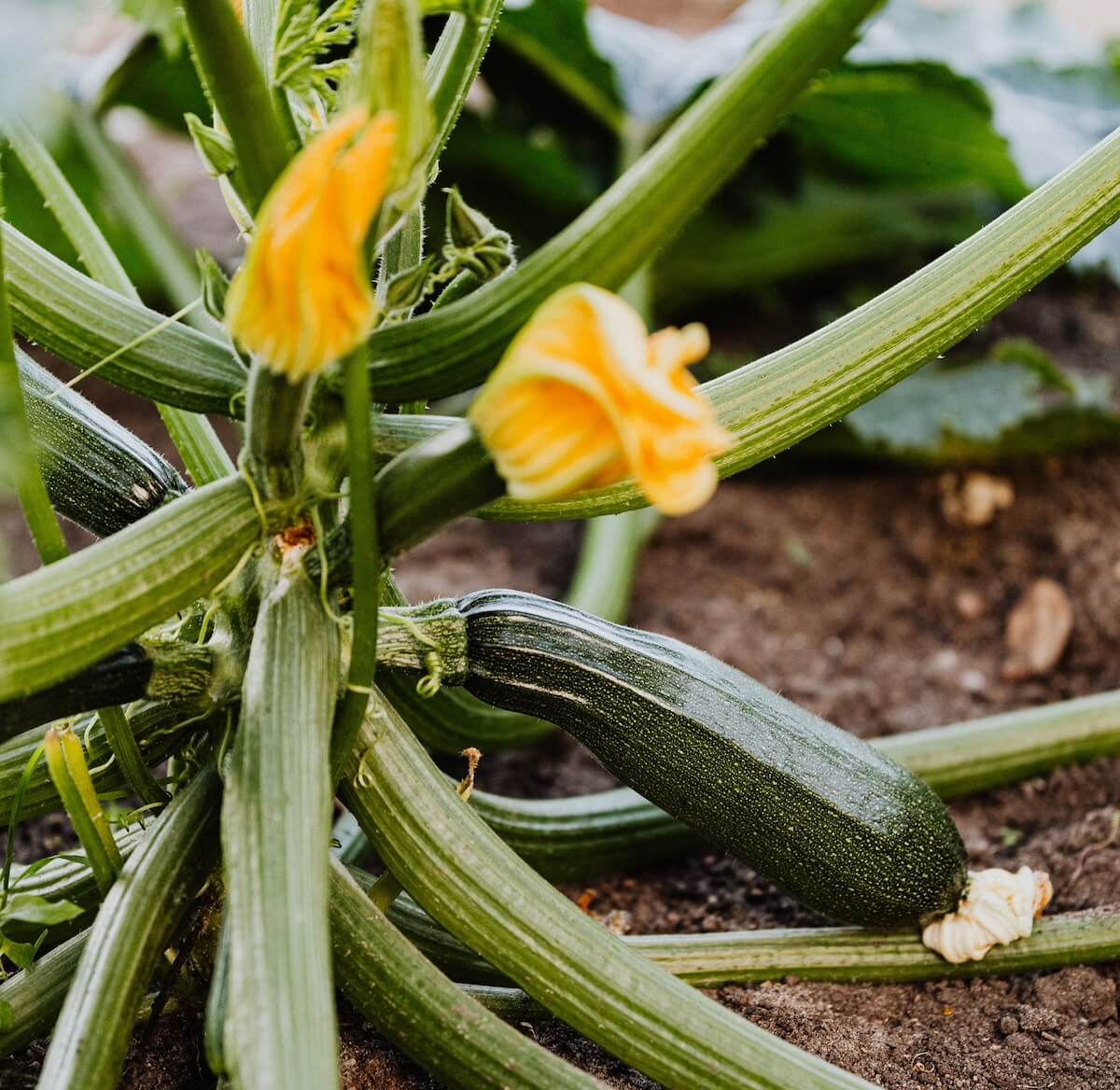
Crop rotation is based in part on the varying needs of plants. Some, particularly fruiting vegetables such as tomatoes, courgettes, cucumbers, peppers and aubergines, are very demanding. They must develop a root system, abundant foliage and flowers, and then produce what is often a generous harvest, all of which requires a great deal of energy and nutrients. This is why they are generally planted in soil that has recently been enriched with compost, manure or fertiliser.
In subsequent years, many gardeners choose to grow vegetables with slightly more modest requirements, such as lettuce, spinach, Swiss chard or certain herbs. Next come root vegetables, such as carrots, beetroot, radishes, turnips, onions and garlic, which generally thrive in less fertile soil. Indeed, an excess of nitrogen can sometimes encourage the growth of foliage at the expense of the roots.
Finally, many crop rotation systems conclude with legumes, such as peas and beans. Thanks to their symbiotic relationship with bacteria present in their roots, these plants can fix some of the nitrogen from the air. When their roots and crop residues are left in the soil after harvest, some of this nitrogen benefits subsequent crops.
And so we return to fruiting vegetables!
Breaking the cycle of disease and pests
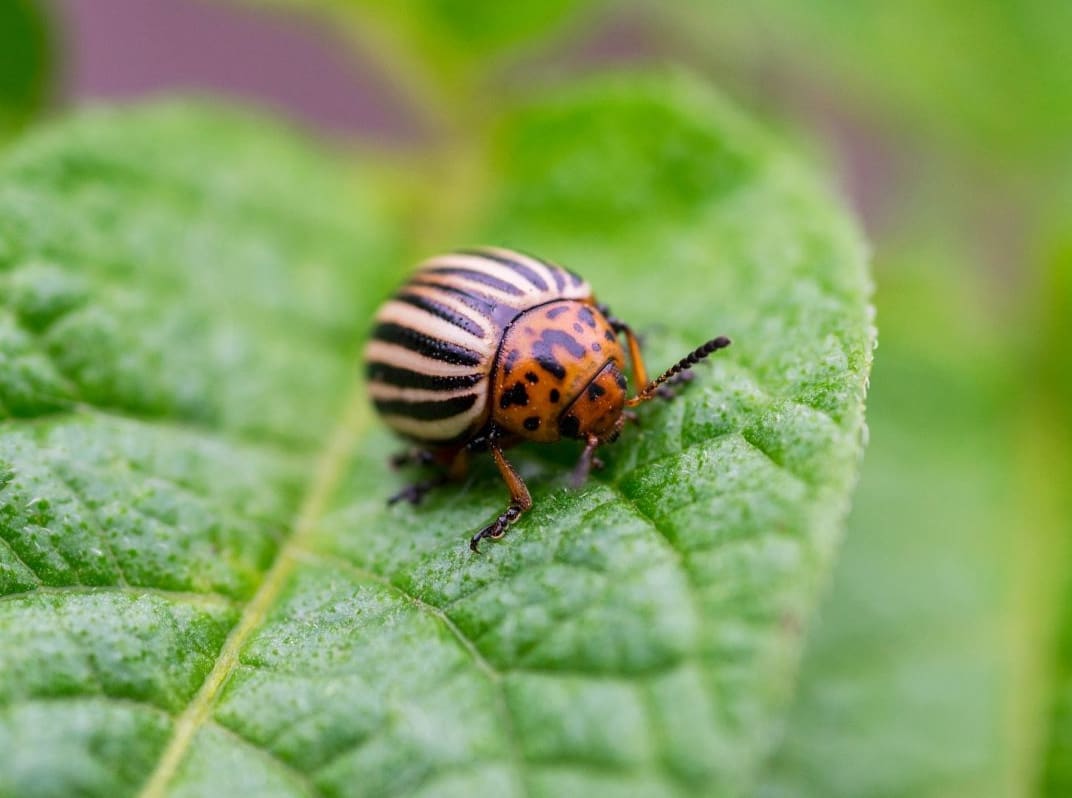
Another aim of crop rotation is to break the cycle of diseases and pests. Many fungi, bacteria, viruses, insects and nematodes can survive in the soil or in crop residues for one or more winters. By avoiding growing plants from the same family in the same place year after year, we reduce the risk of them quickly finding a new host plant. It also happens that plants from the same botanical family often share the same diseases and pests. Thus, tomatoes, peppers, aubergines and potatoes, which all belong to the Solanaceae family, should ideally be moved together within the crop rotation.
Perennial edibles
Perennial crops, as you mentioned, invest a large proportion of their energy in forming storage organs, such as crowns, bulbs or rhizomes. This is why they often take several years to reach full productivity. Once established, they draw up nutrients at a more moderate rate, spread out over time. In short, they operate according to biological principles that differ from those of annual vegetables.
Why don’t perennials deplete the soil?
The main reason perennial vegetables are so well suited to permanent cultivation is that they remove far less plant material from the garden. An asparagus plant, for example, yields only a few hundred grams (about 7–14 oz) of spears each year. By contrast, a single tomato plant can produce 5–10 kg (11–22 lb) of fruit, a squash can yield several kilograms (several pounds), while corn produces a considerable amount of plant biomass.
Annual nutrient removal is therefore much lower with perennial vegetables. Furthermore, most of their foliage is left in place in the autumn – think of asparagus stalks or the leaves of perennial onions – where it decomposes and returns a significant proportion of the nutrients it contains to the soil.
Perennial crops offer another advantage. The soil cultivation that often accompanies crop rotation – ploughing, spading, etc. – disrupts the mycorrhizal fungal network. In a perennial bed that is minimally tilled, however, this network can, on the contrary, be maintained and develop over many years. Thanks to the substances they produce, these fungi help to stabilise soil aggregates, thereby improving the soil’s structure and its ability to retain water and nutrients.
As the bed remains in place for many years, it is sufficient to nourish the soil from above, mimicking the function of forest litter: a layer of compost covered with a mulch of shredded leaves or other organic matter. Earthworms and other soil organisms then gradually incorporate this organic matter, without the need to disturb the soil.
If crop rotation were systematically applied to perennial vegetables, they would have to be dug up regularly. They would then be forced to rebuild their crowns, bulbs or rhizomes, thereby losing several years of growth before regaining their full productivity. This is precisely what we are trying to avoid.
There are a few variations depending on the vegetables you use
Although stability is the golden rule in this part of the vegetable garden, not all your vegetables behave in exactly the same way underground:
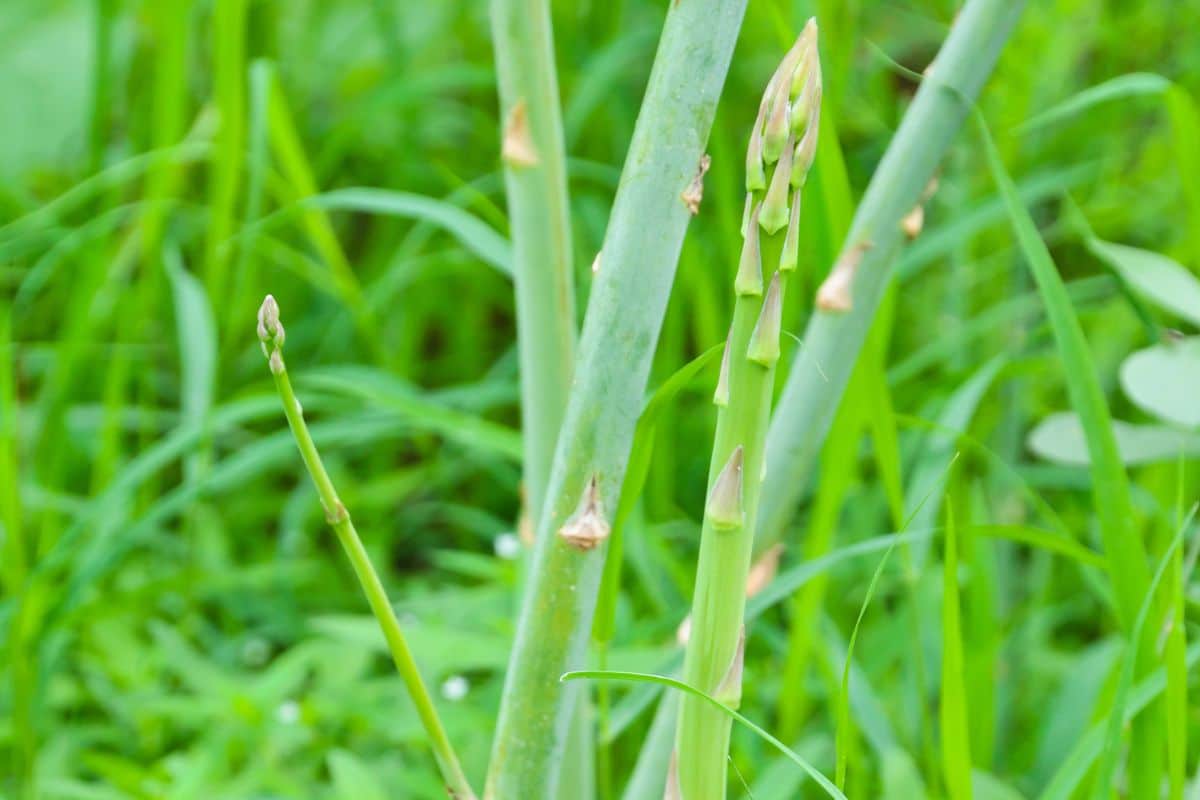
- Asparagus: Asparagus is probably the perennial vegetable least tolerant of being moved. Its roots can extend more than 1.5 m (5 ft) deep—and sometimes even deeper in well-drained, deep soils—allowing the plant to tap into water and nutrients beyond the reach of most annual vegetables. Asparagus beds are therefore almost never relocated, as transplanting severely disturbs the root system and can reduce productivity for several years.
- Egyptian walking onion and Sainte-Anne shallot: These two vegetables naturally renew themselves in place. The Egyptian walking onion “walks” by producing clusters of topsets (bulbils) that eventually bend to the ground, where they take root if left undisturbed. Sainte-Anne shallots are lifted for harvest in July, after which the small daughter bulbs (cloves) are immediately replanted. As a result, soil disturbance remains minimal, localized, and shallow.
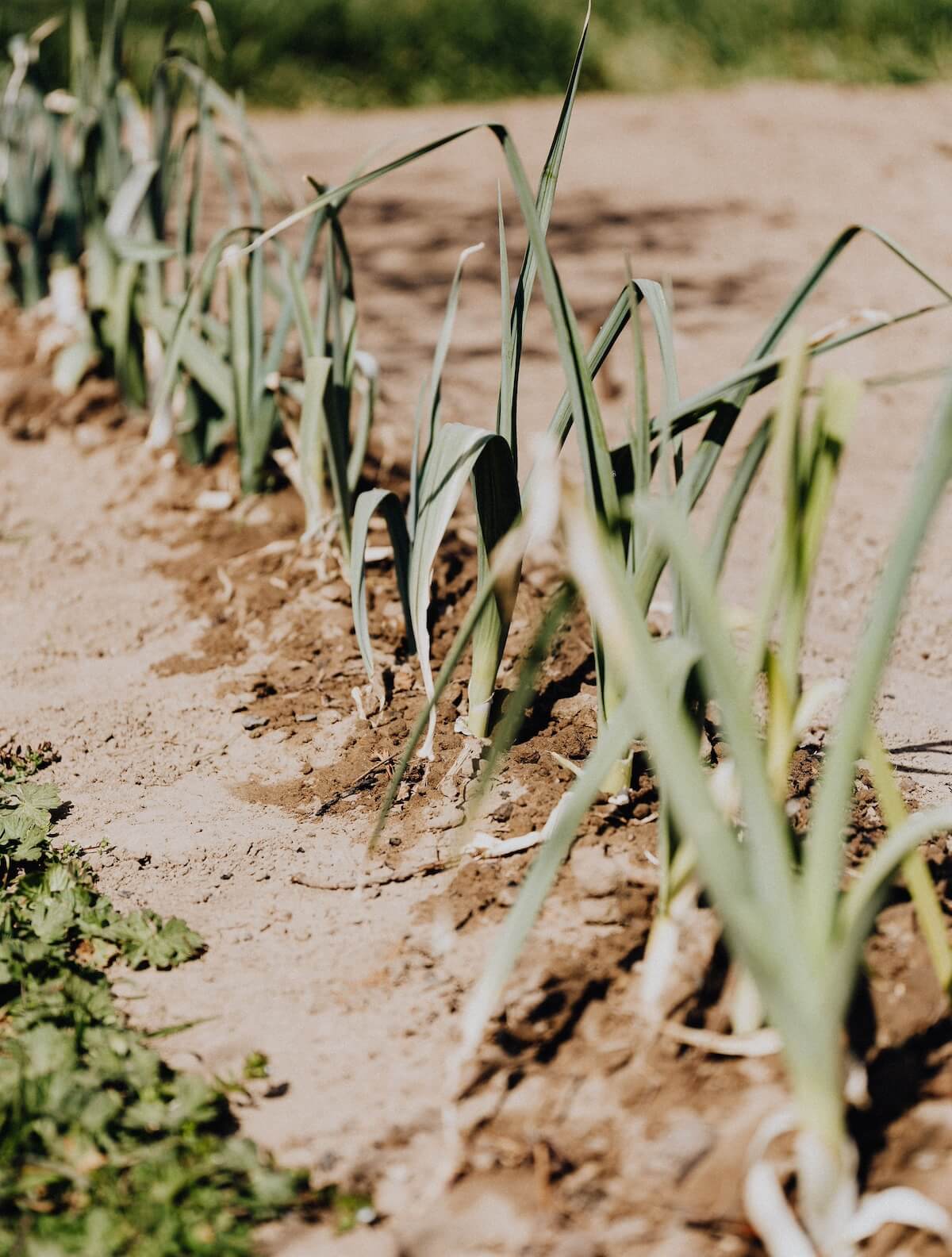
- The case of perennial leek: One important distinction should be made. If you are growing the true perennial leek (Allium ampeloprasum), it can remain in a permanent bed. It is harvested by cutting the stems at ground level, allowing new shoots to regrow from the underground offsets (cloves). As such, it is ideally suited to a permanent location in the vegetable garden.
How can you incorporate perennials into annual crops?
It’s simple: don’t do it!
Ideally, you should set aside some of your growing beds for annual vegetables and others for perennial vegetables. That way, you can create a permanent section of your vegetable garden that will never be moved.
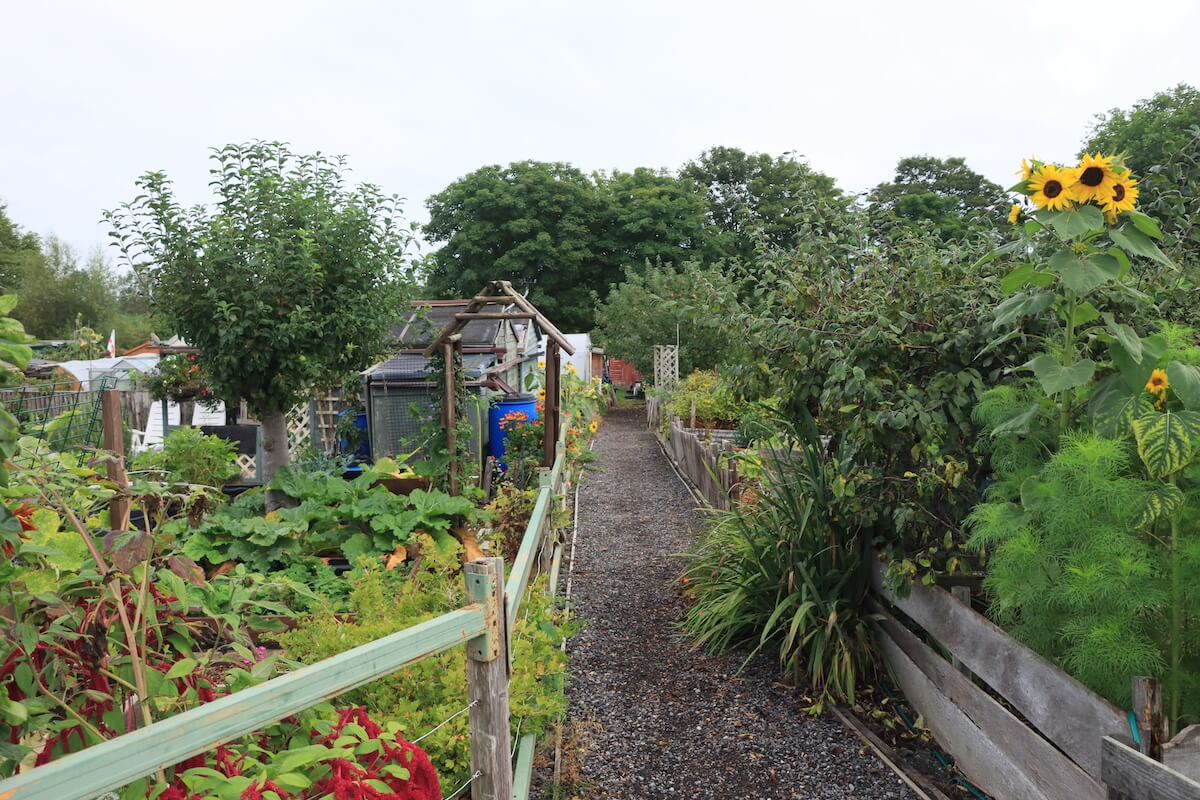
Another option is to incorporate perennial vegetables into an ornamental bed. Indeed, asparagus, Egyptian onions and several other perennial vegetables have real ornamental value. You simply need to provide them with suitable growing conditions, just as you would for any other perennial plant.
This approach can also help to minimise certain disease and pest problems. Perennial vegetables, scattered amongst ornamental plants, are often harder to spot for specialised insects seeking a specific host plant.
Organic mulch, such as shredded leaves, reduces soil splash during rain or watering, which helps to limit the spread of several leaf diseases.
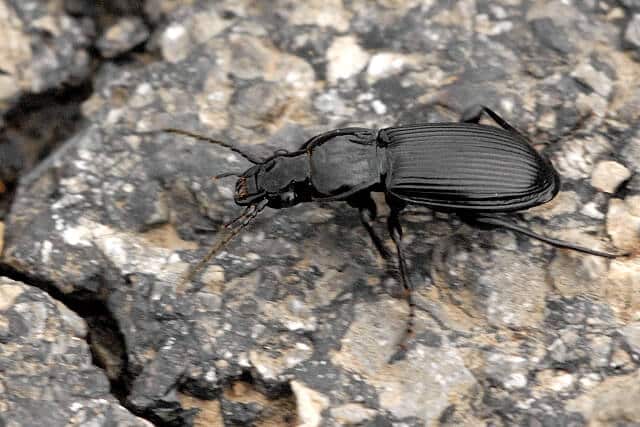
Finally, greater plant diversity generally encourages a more varied fauna, including several natural predators of pests (ground beetles, spiders, etc.) which help to control many insect populations, without, however, eliminating them completely.
If, despite everything, the pressure from onion moths or onion flies does become significant in your perennial onion bed, don’t move anything: temporarily using an insect net in the spring will complement the work of your natural allies – with minimal effort!
Perennial vegetables
- Asparagus (Asparagus officinalis) – Zone 2 (USDA 3-8)
- Chinese artichoke (Stachys affinis) – Zone 5 (USDA 5-9)
- Chives (Allium schoenoprasum) – Zone 2 (USDA 3-9)
- Common sorrel (Rumex acetosa) – Zone 3 (USDA 3-7)
- Egyptian walking onion (Allium × proliferum) – Zone 3 (USDA 3-9)
- Garlic chives (Allium tuberosum) – Zone 3 (USDA 4-9)
- Horseradish (Armoracia rusticana) – Zone 2 (USDA 3-9) (highly invasive)
- Jerusalem artichoke (Helianthus tuberosus) – Zone 3 (USDA 3-9) (highly invasive)
- Lovage (Levisticum officinale) – Zone 3 (USDA 3-9)
- Patience dock (Rumex patientia) – Zone 3 (USDA 3-8)
- Perennial leek (Allium ampeloprasum) – Zone 3 (USDA 5-9)
- Rhubarb (Rheum × hybridum) – Zone 2 (USDA 3-8)
- Sea kale (Crambe maritima) – Zone 4 (USDA 5-8)
- Skirret (Sium sisarum) – Zone 4 (USDA 5-9)
- Sainte-Anne shallot (Allium cepa Aggregatum Group) – Zone 3 (USDA 3-9)
Perennial herbs
- Anise hyssop (Agastache foeniculum) – Zone 3 (USDA 4-9)
- French tarragon (Artemisia dracunculus var. sativa) – Zone 4 (USDA 4-8)
- Hyssop (Hyssopus officinalis) – Zone 3 (USDA 3-9)
- Lemon balm (Melissa officinalis) – Zone 4 (USDA 4-9) (invasive)
- Mint (Mentha spp.) – Zone 3 (USDA 3-9) (highly invasive)
- Monarda (Monarda didyma) – Zone 3 (USDA 3-9)
- Oregano (Origanum vulgare) – Zone 4 (USDA 4-8)
- Sage (Salvia officinalis) – Zone 5 (USDA 4-8)
- Thyme (Thymus vulgaris) – Zone 5 (USDA 5-9)
- Winter savory (Satureja montana) – Zone 5 (USDA 5-8)
0 comments on “Answer to Your Question: Perennial Vegetables and Crop Rotation”