
In a world increasingly concerned about the environment and the impacts of pesticides, it is perfectly normal to seek out disease-free plants. Fruit trees are no exception.
These diseases that spoil the fun
Depending on the type of fruit tree, problematic diseases vary. In apple trees, apple scab is often the sworn enemy. This disease leaves rough spots on the leaves and fruit, making them less attractive. A severe scab infestation can even cause premature leaf drop. That said, it’s safe to eat an apple affected by scab. Apple trees are also occasionally attacked by rust.

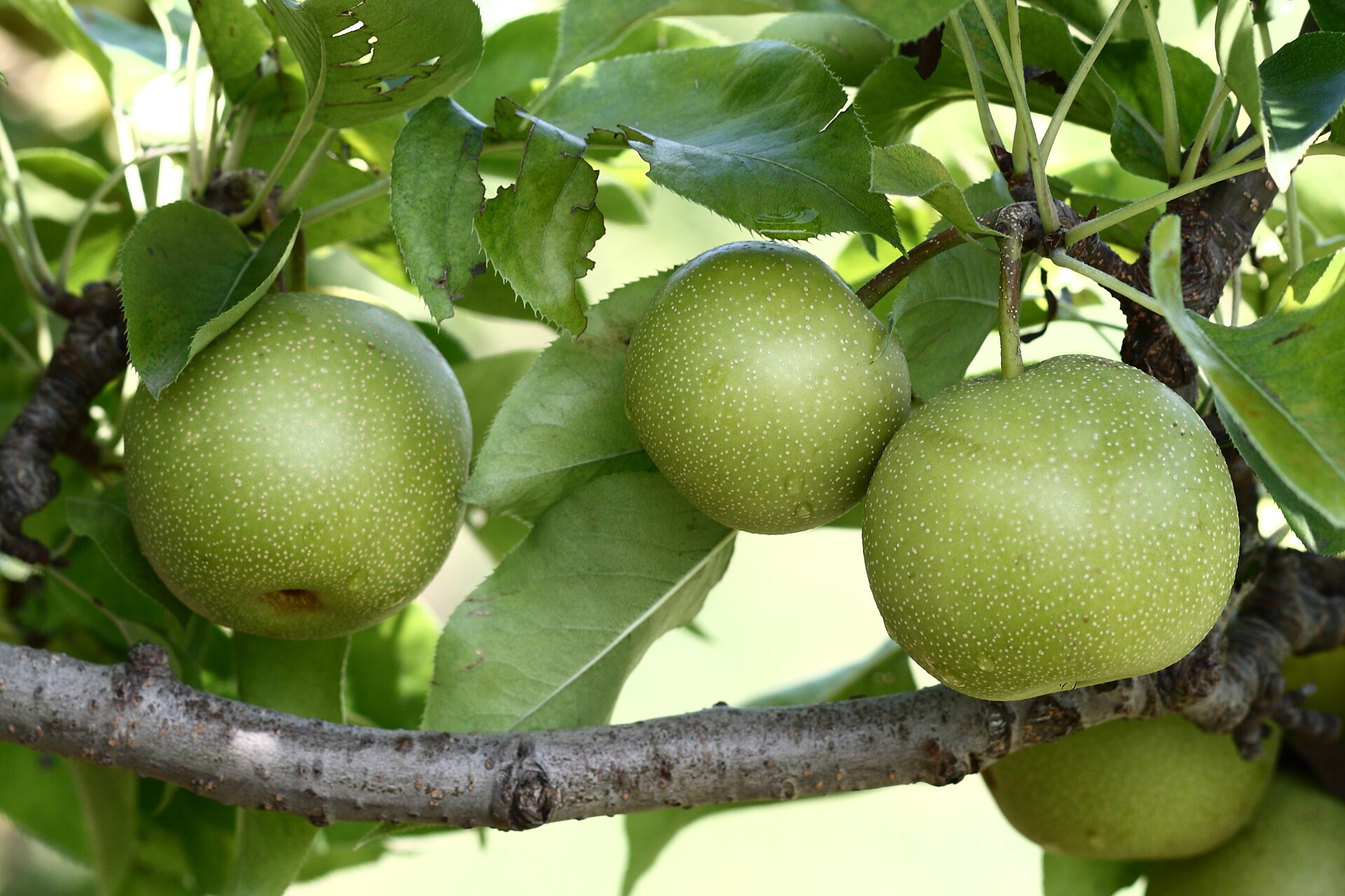
In plum, cherry, and pear trees, fire blight (also known as bacterial blight) is the disease that is closely monitored. Occasionally, scab may be found on a pear tree, and apple trees can be affected by fire blight. Pear trees are also susceptible to a disease called brown rot.
As you will see, there aren’t really any plum or cherry trees that are truly disease-resistant. In addition to fire blight, these fruit trees are also susceptible to plum pocket disease, black knot, and bacterial canker. In short, they are more vulnerable than apple or pear trees! However, if we had to single out the most resistant cultivars, they would be the ‘Meteor’, ‘Northstar’, and ‘Evans’ cherry varieties. For plums, we would choose ‘Mont Royal’, ‘Reine Claude’, and ‘Crescent’. All of this is to consider with care, as none of these varieties is completely disease-resistant.
Finally, it’s important to clarify that a disease-resistant fruit tree isn’t automatically insect-resistant. Apple maggots, moths, and weevils remain troublesome pests that can still compromise part of the harvest. But at least the problem of disease is eliminated.
Several apple trees
Here is a small selection of apple trees that are available in Quebec and that have good disease resistance.
‘Akane’ : A beautiful, medium-sized apple of Japanese origin, perfect for eating fresh or in pies. It is also known as ‘Tohuku 3’ or ‘Primered’. Height: 4 m (13 feet); Zone 4 (USDA zone 5)
‘Battleford’ : A medium to large apple, discovered in Saskatchewan and possibly originating from Russia. Its flavor is slightly tart. Ideal to eat fresh or use in cooking. Height: 3 m (10 feet); Zone 3 (USDA zone 4)
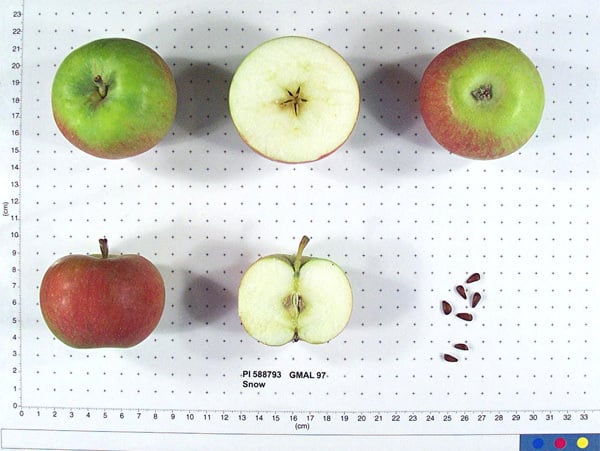
‘Fameuse’ : This is an old variety that was cultivated along the St. Lawrence River in the 18th century. It is sometimes called the snow apple. The tree produces small, versatile apples: eaten fresh, cooked, made into cider, or jelly. Height: 5 m (16 feet); Zone 3 (USDA zone 4)
‘Fireside’ : This is a large, late-ripening apple, especially prized for compote. It also stores very well and can be kept for 4 months in the refrigerator. Height: 5 m (16 feet); Zone 4 (USDA zone 5)
‘Prairie Magic’ : A flavorful, early-ripening, medium-sized apple, primarily used for desserts. Height: 6 m (20 feet); Zone 3 (USDA zone 4)
‘Sweet Sixteen’ : While this apple is excellent fresh and cooked, it’s also delicious in a dehydrator! An American variety developed in the 1950s. Height: 4 m (13 feet); Zone 3 (USDA zone 4)
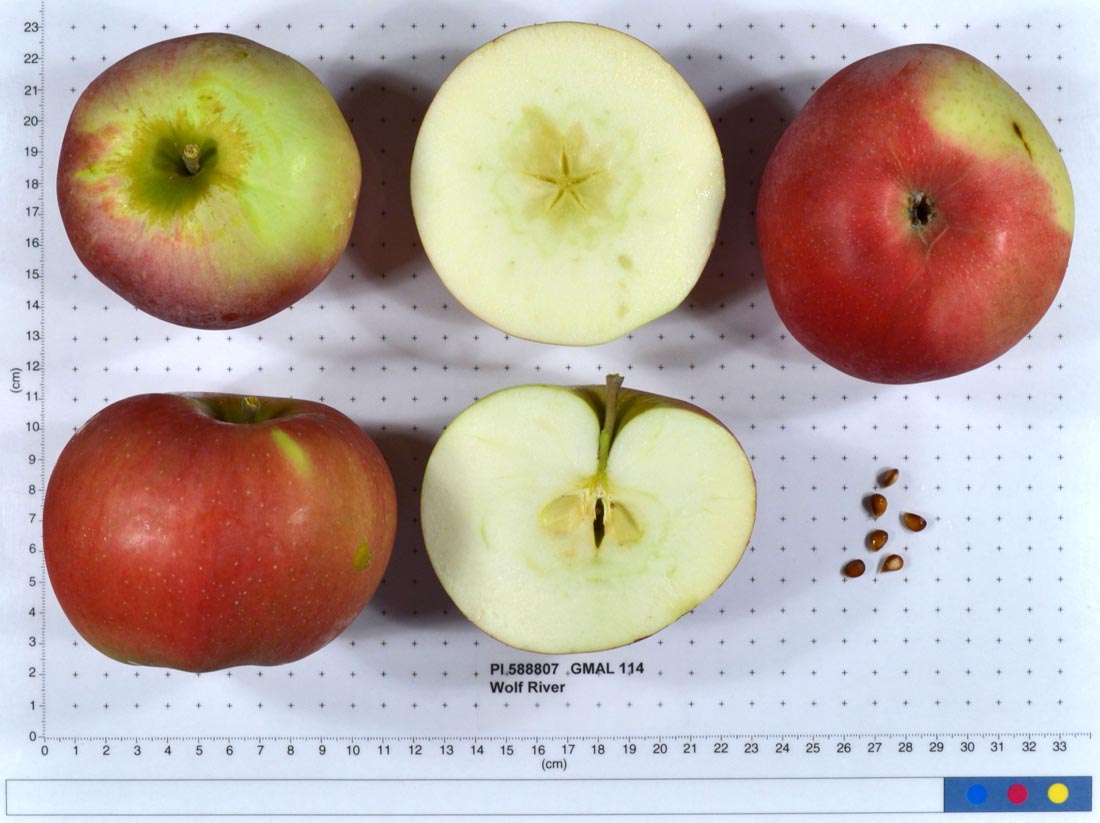
‘Wolf River’ : A very large apple with a slightly mealy texture. Interesting for cooking in general, it also makes a good cider. It’s a beautiful old variety from the 19th century, believed to have originated in Quebec. Height: 4 m (13 feet); Zone 3 (USDA zone 4)
In addition to these varieties, I have already presented in more detail the ‘Belmac’, ‘Freedom’, ‘Liberty’, ‘Redfree’, ‘Richelieu’, ‘Rouville’ and ‘Trent’ apple trees in an article on disease-resistant apple trees .
A few pear trees
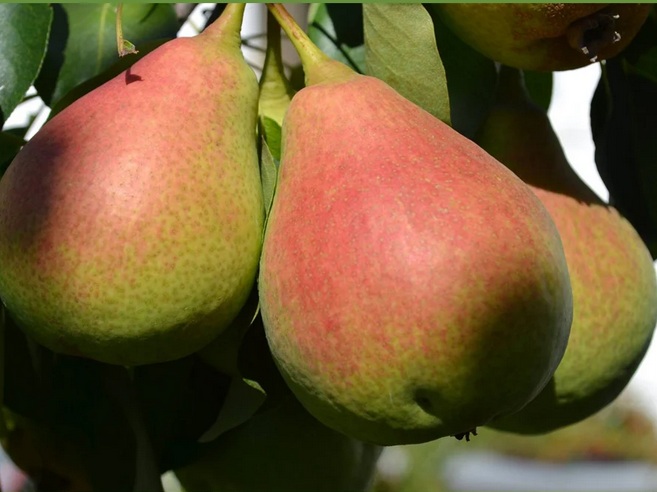
As for pear trees, there are some disease-resistant varieties, including an Asian pear variety! Note that, like apple trees, you need to grow two different varieties of pear trees to get fruits, because the trees are generally self-sterile.
‘Cold Snap’ : A Canadian pear, mostly yellow, flavorful and juicy. Good storage life. Height: 4 m (13 feet); Zone 4 (USDA zone 5)
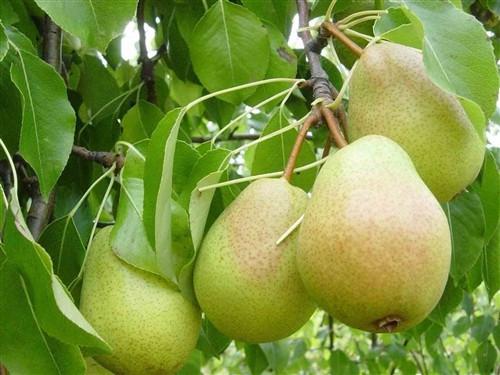
‘Luscious’ : Yellow fruit with a slight red blush, crisp and juicy. Height: 4 m (13 feet); Zone 3 (USDA zone 4)
‘Patten’ : A large pear, mostly yellow, prized for its good flavor. Height: 5 m (16 feet); Zone 4 (USDA zone 5)
‘Summercrisp’ : Red-tinged fruit prized for its hardiness. Do not confuse with the apple variety of the same name! Height: 4 m (13 feet); Zone 3 (USDA zone 3)
‘Shinseiki’ : An Asian pear tree with perfectly round, apple-like fruit. The yellow fruit is wonderfully crisp. Not suitable for all gardens, as it is not very hardy. Height: 6 m (20 feet); Zone 5 (USDA zone 6)
Peaches, nectarines and apricot trees?
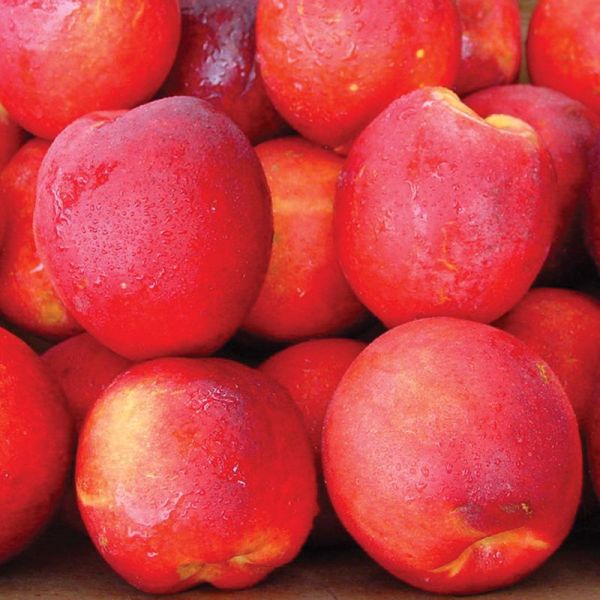
We are starting to welcome more and more varieties of peaches, nectarines, and apricot trees that are hardy enough in Quebec. However, for the moment, very few qualify in terms of pathogen resistance. The only variety truly recognized for its disease resistance is a nectarine (a hairless peach!).
‘Hardired’ : This large-fruited nectarine can be grown in more sheltered gardens. The flesh is yellow and firm. Height: 4 m (13 feet); Zone 5 (USDA zone 6)
And an almond tree?
During my search for these beautiful, disease-free fruit trees, an almond tree suddenly appeared. What? An almond tree, in Quebec? I thought I’d found a little gem. I noted the cultivar: the ‘Javid’s’ Iranian’ almond tree. Then I read the description… Deception! It says the plant is very resistant… to cold. The revelation about this beautiful almond tree is simply that it’s hardy in zone 5 (USDA zone 6). A little disappointing, but still interesting!
Of course, depending on the region and even the continent, the availability and choice of varieties can vary greatly. It’s interesting to note that it’s rarely new varieties that stand out for their disease resistance. Often, it’s older varieties that are making a comeback because their flavor and other fine qualities are being rediscovered! It just goes to show, you can sometimes find real treasures when you dig through your old things!
Focus on secure platforms with transparent rules, strong community feedback, and disciplined bankroll management for long term results in evolving card environments, including ETH casino, while tracking performance metrics and adapting strategies carefully in 2026 today
The revelation about this beautiful almond tree is simply that it’s hardy in zone 5 (USDA zone 6). A little disappointing, but still interesting!