
Hey there! This is your garden…
Whoa, let’s take it easy!
I know you’ve got a million things to do this month… but there are still some critters sleeping around here, so shhh! You know, the beneficial insects—the ones that pollinate, eat pests, break down organic matter, the ones that do you a favor—in short, most insects… well, there’s still a good bunch of them dozing under the leaves or in the dead stems. Leave them alone!
Listen… yeah, there are things to do… but we’re going to take it easy. One thing at a time, everything in its own time. And everything’s going to be fine, I swear. Trust me!
Up until now, we could take it easy: start the seedlings indoors at a leisurely pace, wait for the soil to warm up and dry out… but now, slowly but surely, it’s time to get moving.
But be careful: this isn’t a sprint. We won’t do everything in one long weekend. However, we can start getting ready.
Have you planned the changes you want to make to the garden?
Have you made a list of the plants you want?
Have you bought the supplies, tools, and seeds?
Have you fixed what broke over the winter, set up the trellises, and cleared the gutters?
That works out well: in early May, there isn’t much to plant outdoors yet. But as the soil and air warm up, there’s more and more we can do. There’s no point in rushing: every vegetable has its own ideal temperature.
Vegetables and Temperature
When the soil reaches 7°C (45°F) and is thoroughly dry, go ahead and sow hardy seeds: lettuce, radishes, spinach. This is also a good time to plant summer bulbs, divide or plant perennials and shrubs.
When the risk of frost decreases and nighttime temperatures stay above 12°C (55°F)—often toward the end of May or even June—that’s when you can bring out the tomatoes, basil, and annuals.
But wait a little longer for the cold-sensitive ones: beans, squash, cucumbers, eggplants, and melons. They want the soil to be really warm, around 18°C (65°F).
Everything in its own time. There’s no point in rushing nature.
So, take a deep breath… It works out well, since there are some beautiful sunny days to enjoy the fresh air.
And between you and me… spring cleaning? That can wait a bit. Plenty of stuff will fall to the ground and decompose on its own. And in a few weeks, the plants will cover everything… you won’t even see the ground anymore.
Why rush to clean up when nature will do it for you?
Seedlings

- Indoor sowing for May: Did you think sowing season was over? Think again! Many plants don’t particularly like spending a lot of time indoors, but they still benefit from the warmth of our homes to germinate and start their lives. Others can be sown directly outdoors, but you can speed up your harvest by a few weeks by starting them indoors. Here are some seeds to sow indoors in early May.
- Outdoor sowing for May: Once the risk of frost has passed, certain cold-resistant plants such as beets, carrots, lettuce, onions, parsley, parsnips, radishes, etc. can be sown directly in the garden when the soil temperature reaches 7°C. For other, more cold-sensitive plants, wait until the soil reaches 12°C. For warm-weather plants such as beans, cucumbers, squash, and melons, wait until the temperature reaches 18°C.
- Transplanting your seedlings: Whether you sowed your seeds in small containers, shared containers, or your seedlings grew faster than expected and are now crowded, it is essential that their roots have enough room to ensure their success. They will therefore need to be transplanted into a larger container. Here’s how to do it!
Moving outdoors
- Acclimatizing seedlings: Gradually acclimatize the plants to outdoor conditions (UV rays, wind, rain, temperature variations) over a period of 7 to 10 days. Start by placing them in the shade, then in partial shade, and finally in direct sunlight, while monitoring nighttime temperatures.
- Transplant your seedlings outdoors: The transplanting date depends on the climate and the type of plant. Cool-weather vegetables (e.g., lettuce, leeks) can be planted early, as soon as the nighttime temperature reaches 7°C/45°F. Warm-weather vegetables (e.g., tomatoes) should wait until the temperature reaches 12°C/54°F. Plants that are very sensitive to cold (e.g., eggplant, melon) require 18–21°C (64–70°F) or protection.
- Protect plants in case of a drop in temperature: Despite all our precautions, frost or an unexpected drop in temperature can jeopardize our hard work. Always keep floating covers, plastic sheeting, tarps, or even blankets on hand so you’re ready when the temperature drops with only a few hours’ notice.
- Fertilize your seedlings: Start fertilizing seedlings when they have 4 to 6 true leaves.
- Water the seedlings regularly, checking the soil every 2 to 3 days.
- A quarter turn for your seedlings: Turn the trays a quarter turn each time you water them, or at least once a week, to prevent the seedlings from leaning toward the light. Here are some other tips for healthy seedlings!
- Thin out seedlings: when thinning, collect edible young shoots such as lettuce, onion, cabbage, and Swiss chard—your first harvest!
Vegetable garden
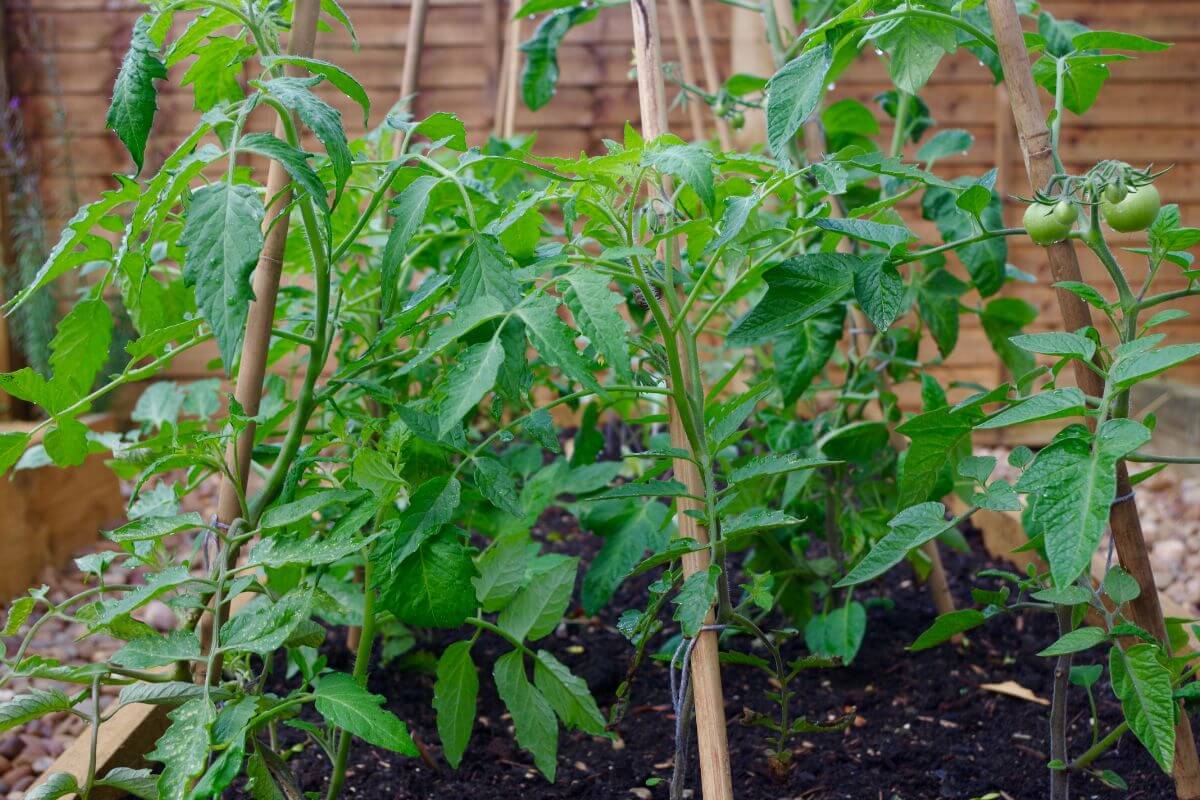
- Install supports for climbing plants: To save yourself work later in the season when you are busy, install supports now for climbing plants such as peas or beans.
- Sow under cold protection: Some vegetables can be sown under a mini greenhouse, cold frame, or floating cover starting in April: lettuce, spinach, peas, radishes, and arugula.
- Mulch in the vegetable garden: As soon as your seedlings emerge in May or when you transplant them, apply an organic mulch, such as shredded leaves or straw. This will prevent weeds from taking hold and help retain moisture, which benefits the young, still-fragile roots. There’s no need to do this too early, as the soil hasn’t warmed up enough yet.
- Install insect netting to prevent infestations: Protect your crops from the start by installing insect netting over your most vulnerable vegetables (cabbage, carrots, squash, etc.). This simple step prevents many insects from laying their eggs directly on the plants, thereby reducing damage without the need for further intervention later on.
Tomatoes and other crops
- Support your tomato plants: Set up your stakes or tomato cages right when you plant them in May. It’s much harder to stake a plant that’s already grown tall in June without damaging the roots or branches.
- Crop rotation: Before transplanting, review last year’s planting plan to avoid planting the same crops in the same spot two years in a row, which helps limit persistent soil-borne diseases.
- Intercropping: Take advantage of the fact that large vegetables (tomatoes, eggplants, peppers) take time to spread out. Sow or transplant early-maturing, fast-growing crops (radishes, spinach, lettuce) between their rows as soon as you plant them in May. This way, you’ll maximize every square inch of soil before their larger foliage completely shades the ground in July.
Ornamental garden
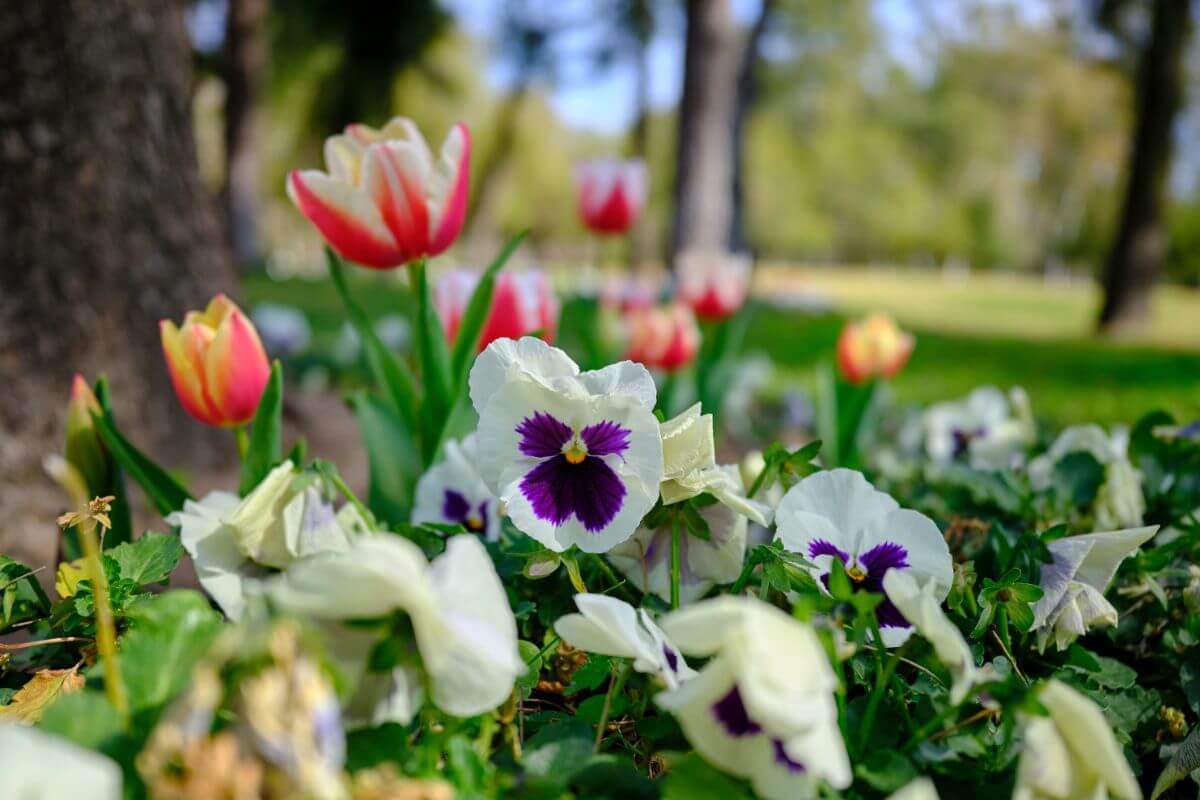
- Delay spring cleaning, or skip it altogether: Waiting until spring temperatures stabilize above 10°C (50°F) to clean up flower beds helps protect beneficial insects such as pollinators, natural predators, and decomposers, which may still be dormant or just emerging from hibernation. Dead leaves and dried stems provide shelter for these insects, which are essential to the ecological balance of the garden.
- Draw up a plan of your garden by hand or electronically.
- Plan your purchases of perennials, shrubs, and trees: Make your lists before the spring rush.
- Prune summer- or fall-flowering shrubs as needed: Spring is a good time to prune shrubs that bloom after mid-June, such as Japanese spirea or panicle hydrangea, because they produce flowers on the current year’s growth. Prune them before the leaves are fully out, and only if necessary.
Division and planting
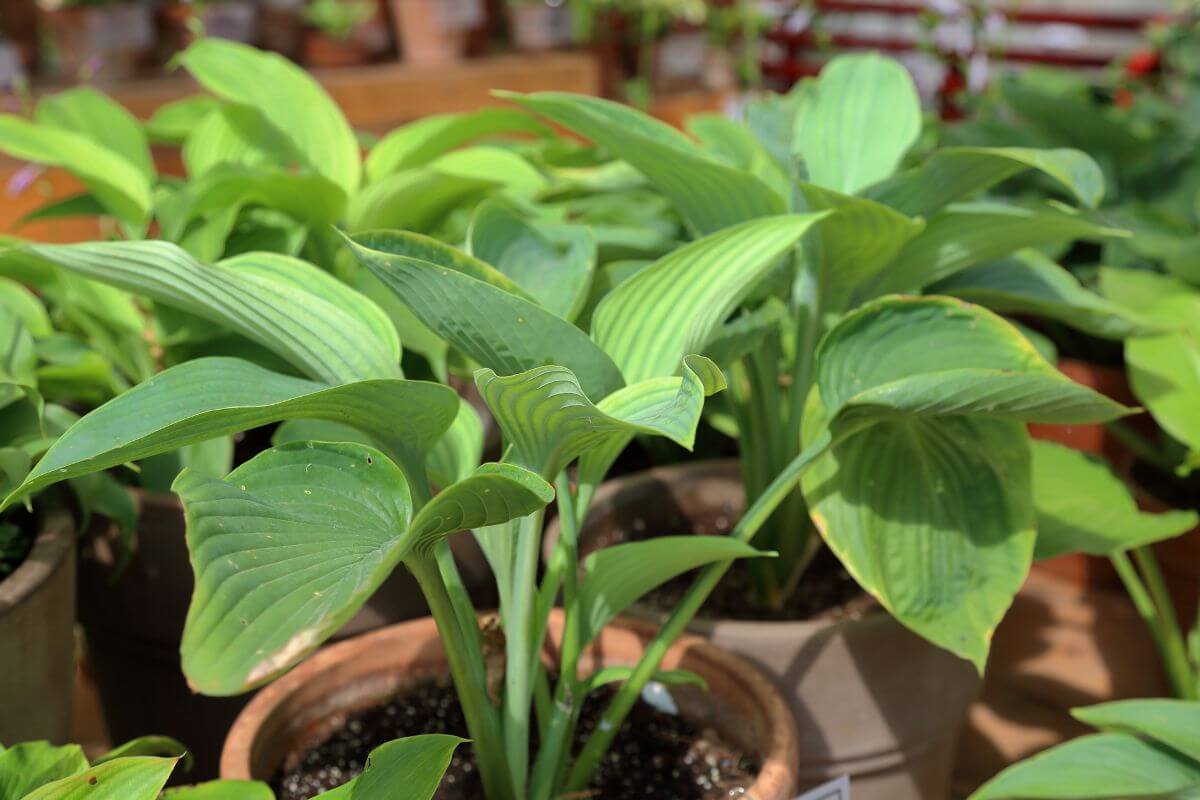
- Divide certain perennials: Once the soil has dried out and the first shoots begin to emerge, divide summer- or fall-flowering perennials to propagate them or rejuvenate them.
- Plant trees and shrubs: Spring is an excellent time to plant trees and shrubs, as soon as the ground has thawed and dried out and is easy to work with—ideally before or just as bud break begins.
- For Mother’s Day, give flowers that last: a pretty planter overflowing with color to keep on the balcony or patio, or perennials and flowering shrubs for the flower beds are better than a bouquet that wilts in three days!
- Plant or transplant perennials, shrubs, and trees: Although plants can be planted in spring, summer, or fall, doing so early in the season is beneficial for hardy plants such as perennials, shrubs, trees, and conifers, which tolerate frost well and acclimatize better when the soil is cool. However, it is important to wait until the soil is well drained to avoid damaging its structure. This cool period reduces the need for watering, allows you to enjoy spring blooms, and avoids the crowds at the nursery.
Bulbs and plants
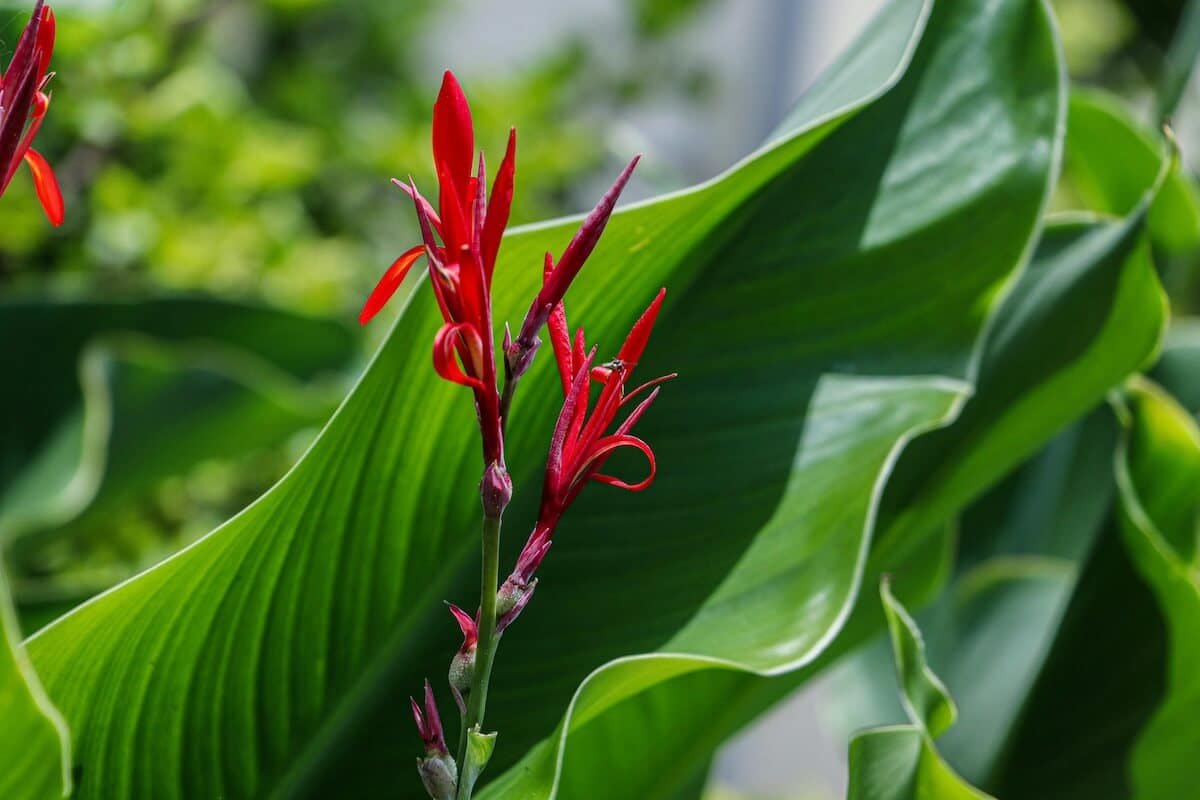
- Plant tender bulbs: once the risk of frost has passed and the soil has warmed up, plant dahlias, cannas, tuberous begonias, and other non-hardy bulbs that were started indoors or purchased in the spring.
- Plant hardy summer-flowering bulbs: Some hardy bulbs sold in the spring (such as crocosmias or triteleias) can now be planted directly in the ground, ideally around the time of the last frost.
- Sketch the location of the bulbs: Spring-flowering bulbs are only available in stores starting in September. They should therefore be planted in the fall. But how can you remember where your existing bulbs are so you don’t plant them in the same place? Simple: just make a map of their location when they are in bloom in the spring. Or, even easier, take pictures!
- Take cuttings from annual plants: In early fall, you may have brought indoors cuttings from annuals such as pelargoniums, begonias, impatiens, and coleus to keep them alive over the winter. The goal is simple: to keep them alive so you can replant them in the spring. April is always a good time to take cuttings from these plants and propagate them for your garden this year.
- Cut back the leaves of bulbs once they turn yellow: When the leaves of bulbs (tulips, daffodils, hyacinths, etc.) turn yellow, you can remove them.
- Support any perennials that are leaning: Install stakes for tall perennials that might lean, or replace them with perennials that have a sturdier structure!
Lawn and wildflower meadow
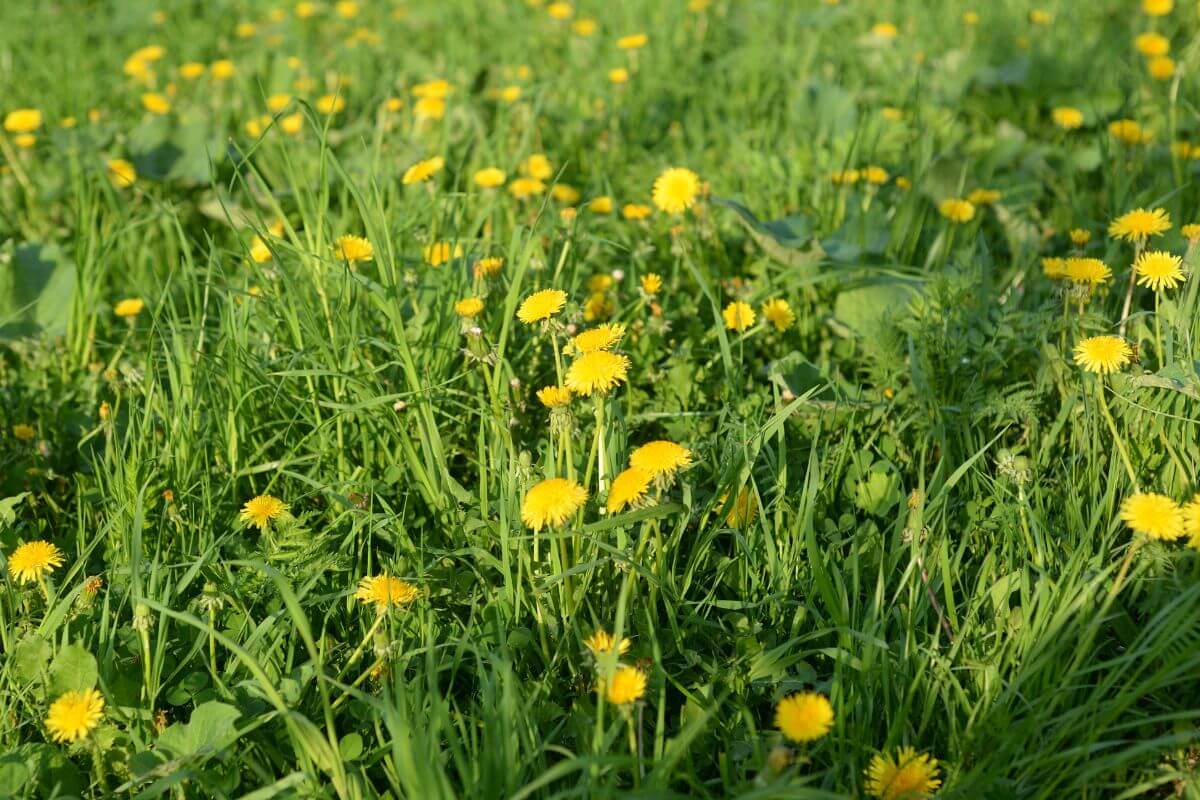
- Clean up your lawn: Raking your lawn in early spring is useful for removing dead leaves, fallen branches, and other debris. However, it is important to wait until the ground is no longer soggy after the snow melts to avoid compacting it by walking on it, which would hinder lawn growth. The lawn is ready to be raked when the grass begins to green up, usually two weeks after the snow has melted. Raking too early, especially on wet soil and a still-brown lawn (a common mistake among many gardeners), can actually cause more harm than good. Use a plastic-toothed lawn rake to minimize damage to the grass.
- Rinse the grass along the road and sidewalk: If it doesn’t rain after the snow melts, rinse the grass near the street with clean water to remove de-icing salts, or plant hardy plants!
- Spring topdressing or seeding: If you are eager to improve your lawn, you can topdress or seed as soon as the ground is thawed and slightly dry. However, keep in mind that late summer (mid-August to mid-September) is still the ideal time for long-lasting results: the soil is warm, which stimulates germination, weeds are less competitive, and cool nights promote good rooting. In the meantime, there’s no reason not to start by reseeding bare spots!
Flowers and lawn
- No Mow Spring: By delaying the first mowing of the lawn, you give dandelions time to flower and provide a valuable feast for bees and other pollinators at a time of year when resources are scarce. A simple, economical and eco-friendly gesture… perfect for laidback gardeners and insects! You can also alternate mowing different areas of the lawn to prevent it from becoming too long everywhere at once.
- Sow (or prepare) your flower meadow: if the soil is warm enough, go ahead and sow! Otherwise, take advantage of May to weed, loosen, and level the ground—you’ll be ready to go when the weather cooperates.
- Lawn mower maintenance: Even if you want to wait to mow, May isn’t too late to get the blade sharpened. A dull blade tears the grass and promotes fungal diseases.
Houseplants
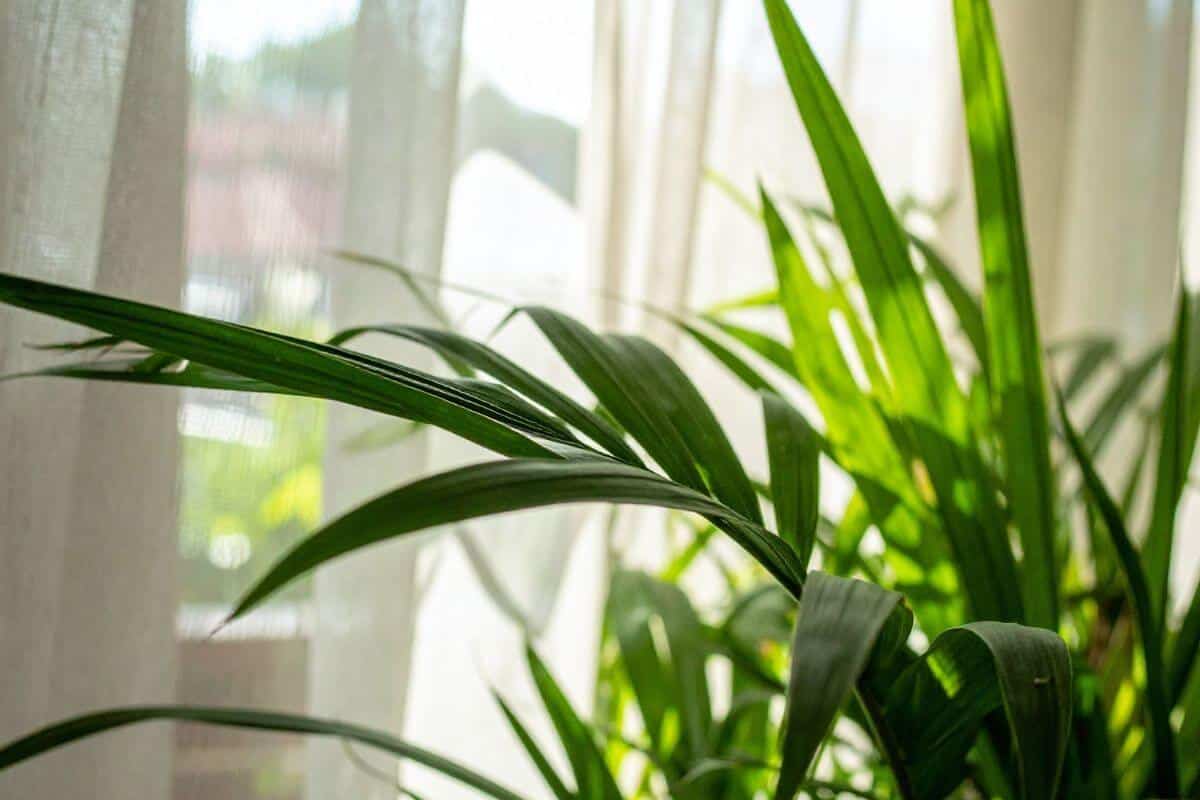
- Protect your indoor plants from direct sunlight: Most indoor plants suffer more from a lack of light than from too much, even those considered shade plants, which often prefer abundant light. Damage caused by excessive light, often due to overheating, occurs mainly near south- or west-facing windows or in greenhouses, especially in spring and summer. In winter, almost all plants tolerate full sun. Overheating behind windows can reach 60°C (140°F), affecting even the most tolerant plants. To limit the effects, move plants away from windows, filter the light, create shade outside, or place the most sensitive plants behind protective plants.
- Clean indoor plants outdoors: For those who prefer not to take their indoor plants outside during the summer, an occasional rain shower or a spray with a garden hose is still recommended to clean the foliage, remove contaminants that clog the stomata, and reduce insect infestations. However, do not leave them in direct sunlight to prevent burns on leaves that are not used to strong light. Wait for a day when the temperature is above 15 °C/59°F.
Rempotage et surfaçage
- Repot your houseplants: Repotting indoor plants is essential for promoting growth. It is usually done in the spring. Most plants benefit from being repotted once or twice a year, while young, fast-growing plants may need to be repotted twice a year. Mature plants that don’t grow much, such as indoor trees or cacti, can even stay in the same pot for 4 to 7 years.
- Topdressing large plants: if repotting is impossible (plant too large or heavy), surface dressing is an excellent alternative. This involves removing 2 to 3 cm (1 inch) of soil from the surface, where salts accumulate, and replacing it with new soil.
- Clean your windows: keeping windows clean allows more light to enter, promoting plant growth. Be sure to clean both sides of the windows for maximum transparency.
Cuttings, fertilization, and insects
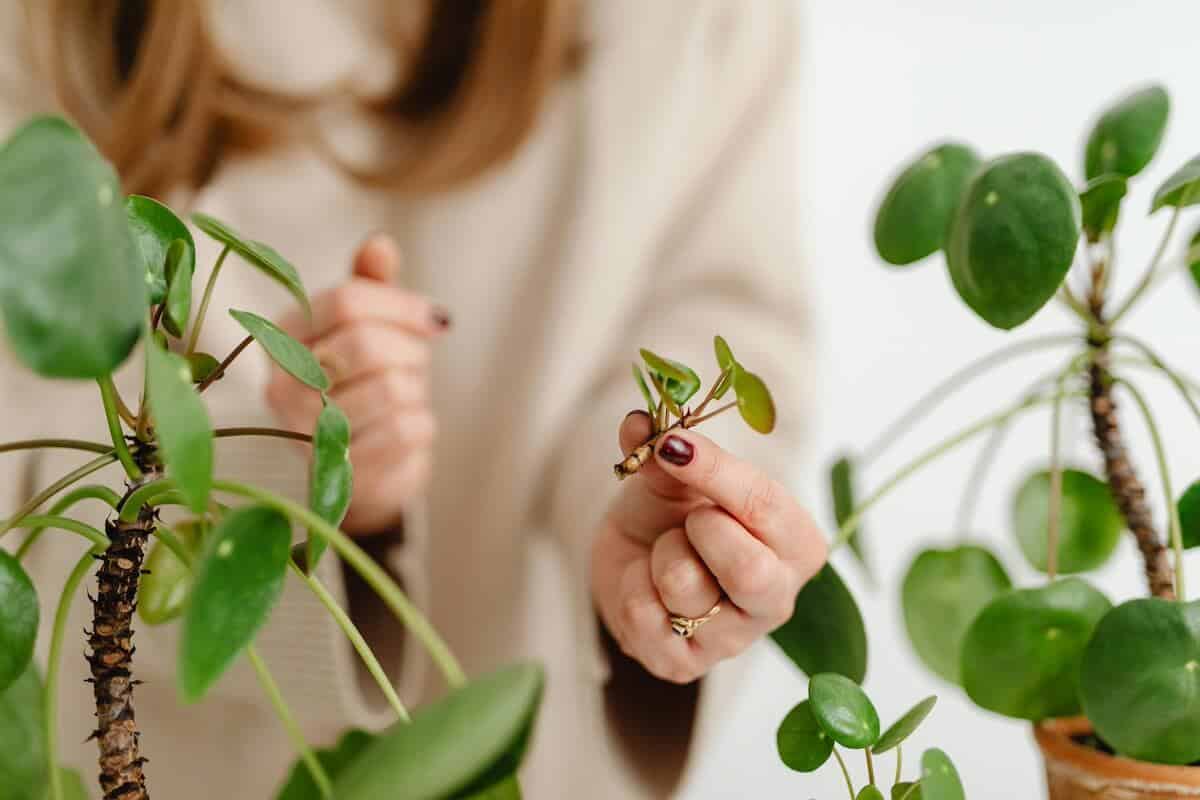
- Take cuttings from your indoor plants: as winter draws to a close and the days grow longer, our indoor plants begin to grow, or will do so very soon. The best time to take cuttings from indoor plants is usually between mid-February and the end of August.
- Resume fertilizing houseplants: In temperate regions, fertilizing houseplants stops in October as the light decreases and growth slows down. If you haven’t already done so, now is the time to resume fertilizing.
- Keep an eye out for insect infestations on your houseplants: Some pests that affect houseplants have become less active during the short-day period by entering diapause, but as the days grow longer toward the end of January, they become active again and begin to reproduce in large numbers starting in early March.
- Adjust watering gradually: As they start growing again, indoor plants often need more water in the spring, but increase the frequency gradually using the golden rule of watering.
Wildlife
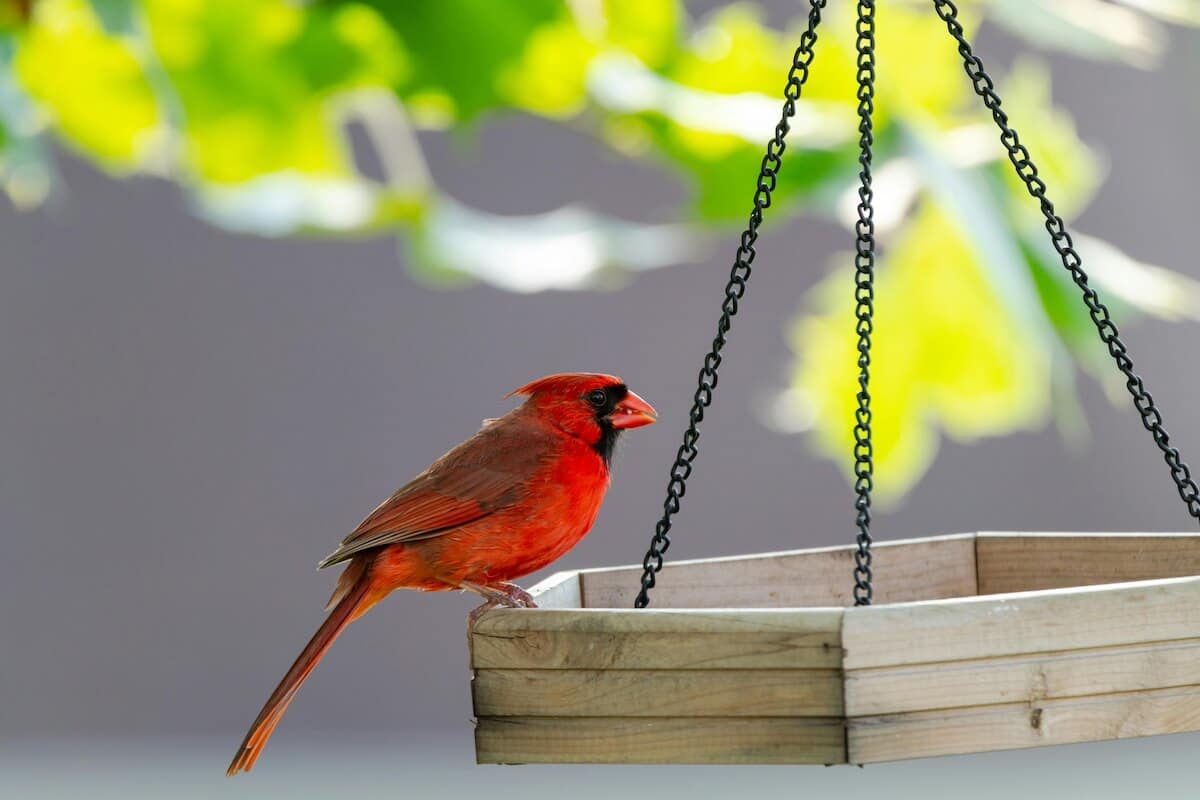
- Keep feeding birds: As long as there’s still snow on the ground and natural food is scarce, it’s a good idea to provide them with sunflower seeds, suet (if it’s still cold), and dried fruit for the fruit-eaters.
- Set up a water source: as soon as temperatures remain above freezing during the day, you can set up a shallow birdbath to provide water for your winged visitors. Be sure to change the water regularly to keep it clean. If cold nights are still expected, a small heated birdbath may be useful.
- Clean and disinfect birdhouses, or add new ones: a quick check of the birdhouses once a year is all it takes! Ideally, give them a good clean and repair any damage at the end of winter or very early spring. If you haven’t already done so, put your birdhouses up before the end of April. They will naturally control harmful insects in your garden all summer long!
- Set up hummingbird feeders: These little creatures will make your feeder their home for the entire season if it’s already in place when they arrive, which is typically from late April to late May, depending on the region.
- Protect birds from cats: To protect garden birds, attach a bell or colored collar to your cat’s collar. Place feeders more than 2.5 m from the ground, limit access to the ground beneath them, and consider an outdoor enclosure (catio). Every little bit helps!
- Welcome toads, your allies in the garden: Toads devour slugs, cutworms, Japanese beetles and other undesirables. To attract them, offer them cool, shady shelter (upside-down clay pots, piles of stones), avoid pesticides, keep a corner of the garden wild and install a calm waterhole for breeding.
Parasites
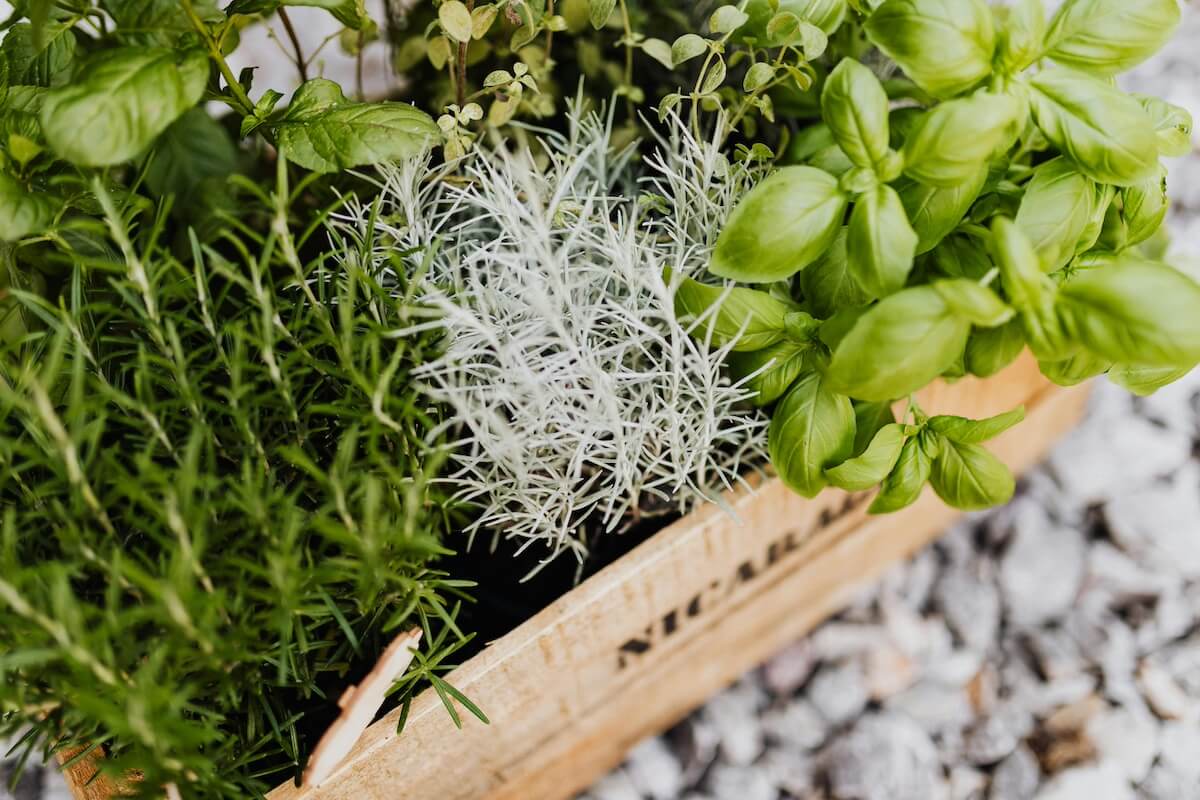
- Controlling early-season weeds: In May, some weeds take advantage of the still-bare soil to establish themselves quickly. Take action early, while they’re still easy to pull up, before they take deep root or go to seed.
- Mulch after weeding: After thoroughly weeding, cover any bare patches with a layer of organic mulch. In addition to retaining moisture, it significantly reduces the germination of new weeds and saves you a lot of work for the rest of the season.
- Plant herbs to repel insects: Certain herbs such as basil, mint, lavender and chives can help repel certain insect pests thanks to their powerful aromas. By planting them close to your sensitive crops, you can reduce infestations.
Compost
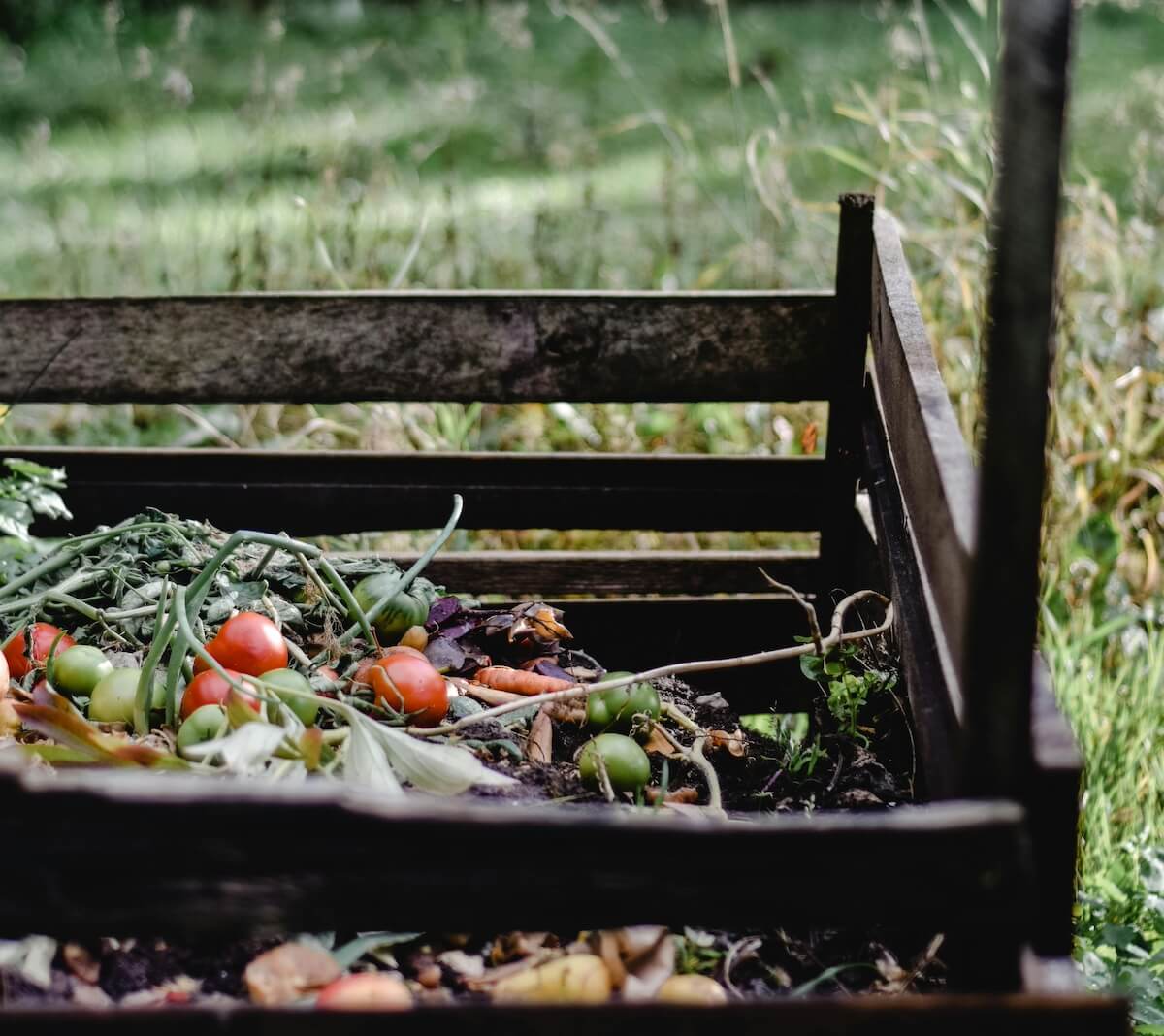
- Gently wake up your compost: turn it over, mix in some fresh ingredients and a handful of soil from the garden to kick-start biological activity!
Other
- Clear leaves and debris from your gutters.
- Get your rainwater collectors ready: Clean them and set them up before the first heavy spring rains.
- Repair your stakes, fences, and trellises: It’s better to fix them now than when they’re covered in plants!
- Straighten pavers: Lift any that have become uneven over time, level the ground beneath them, and then replace them so they’re even again to prevent tripping!
- Opening outdoor faucets: Outdoor faucets that are not protected against freezing should be turned off from the inside before winter. You can now turn them back on for the season.
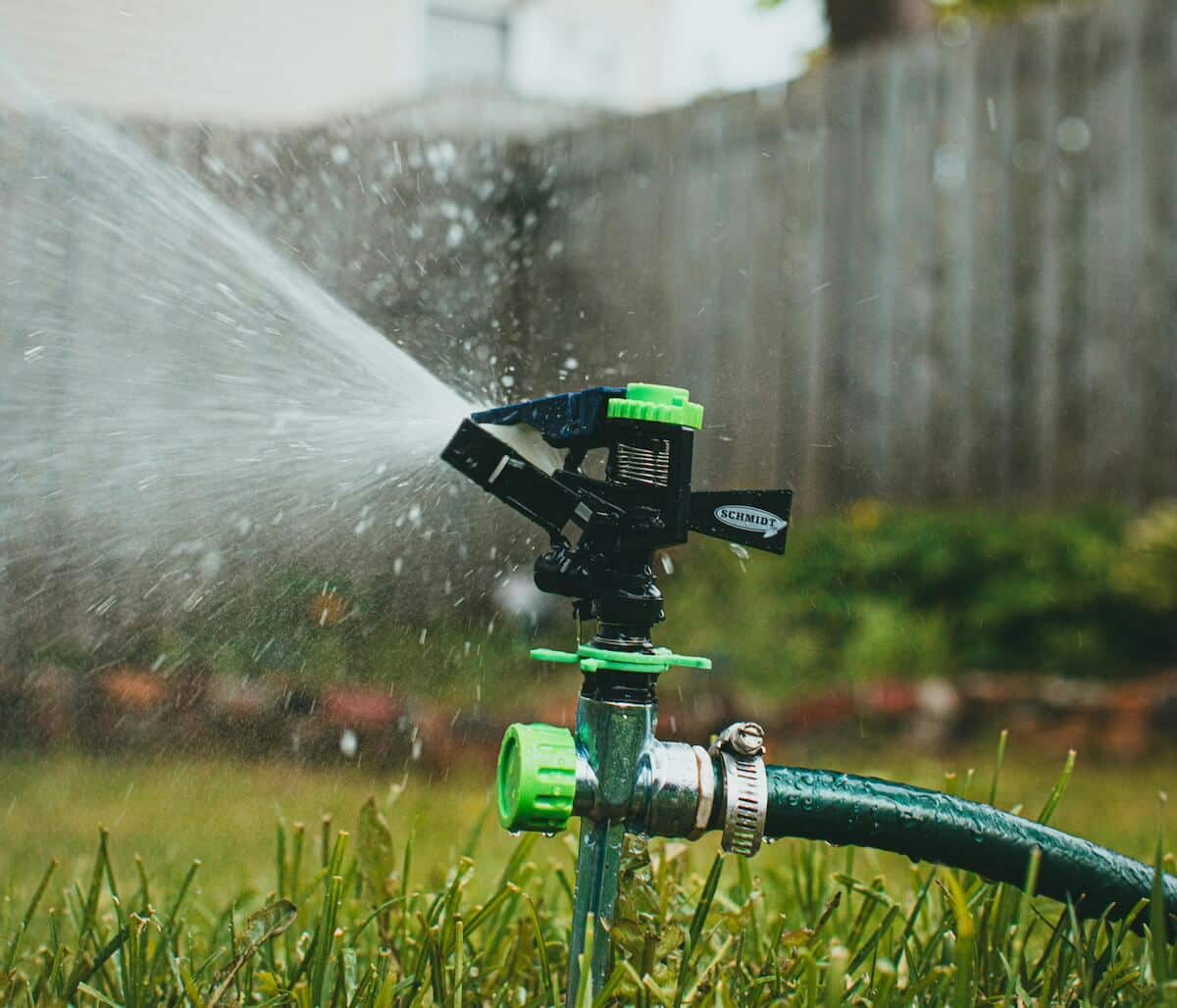
- Clean and test your irrigation system: outdoor faucets, leaky hoses, drip irrigation, or watering cans—a quick check now will save you a lot of frustration during peak season!
- Sharpen your pruning tools: Pruning shears, loppers, and branch cutters work best when their blades are sharp.
Horticultural Days
- May 9 and 10 – World Topiary Days: An opportunity to discover or rediscover the art of pruning plants into structured and decorative shapes.
- May 10 – Mother’s Day: The perfect time to celebrate motherhood by giving sustainable plants—perennials, shrubs, or potted plants—rather than a fleeting bouquet.
- May 12 – International Plant Health Day: A day to highlight the importance of protecting plants to ensure food security and the health of ecosystems.
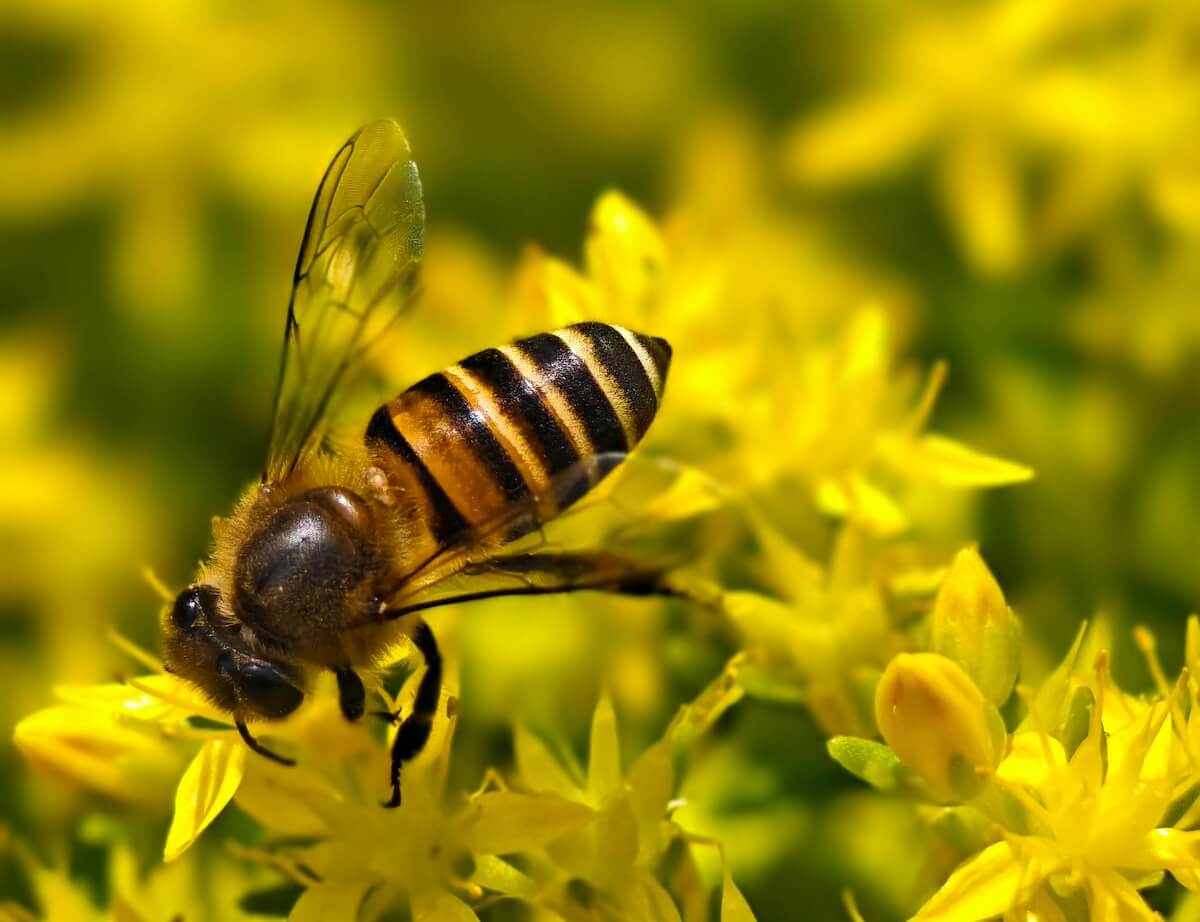
- May 20 – World Bee Day: A great opportunity to highlight honey plants and the vital role of pollinators in the garden.
- May 22 – International Day for Biological Diversity: An invitation to promote biodiversity through native plants, heirloom seeds, and eco-friendly landscaping.
- All through May – No Mow May: An initiative that encourages people to delay lawn mowing to support pollinators.
What a great article. So many issues covered well.
Is it politically incorrect to “bell” a neighbour’s cats(3)? We no longer have a cat, but she wasn’t allowed out unless we were and she stayed in the yard with us, then she came in. They have already killed a couple of birds this spring and it is sooo sad. I feel like our bird bath is a trap, which makes me unhappy because many creatures drink from it and the birds bathe in it regularly.
Phew, I’m exhausted from just reading this post!! There is definitely a lot to do in May. Maybe I’ll hire someone. ?