
Hey hey hey! It’s your garden!
Phew! Things are growing right before our eyes here! The bulbs have been blooming for a while now, the perennials have started to peek out, the trees and shrubs are budding, and the weeds have already run for the hills! Wooooo!
And you, you hadn’t even finished your May to-do list because it was too cold, it was raining too much, there was too much to do, you were missing this plant or that material… or maybe you were just too laidback! Haha!
Chill out! Everything’s fine! Nature can’t read calendars anyway. She doesn’t even know what month it is! Just go with Mother Nature’s rhythm instead.
A break from the lawn
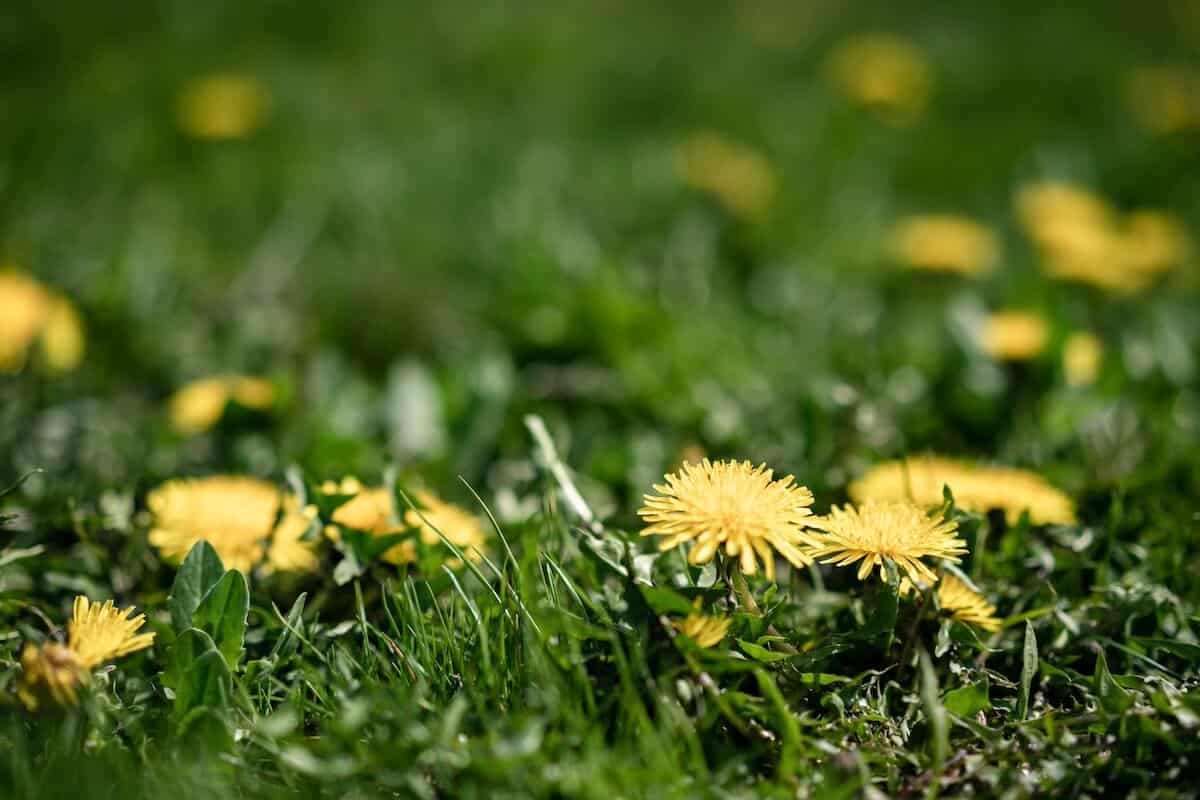
Good thing we have the Dandelion Challenge and No Mow May! It gives us the perfect excuse not to mow the lawn when we’ve got plenty of other things to do. Plus, it lets dandelions and other plants bloom to feed pollinators between the spring blooms of maples and willows… and the big summer blooms. And between you and me… green is nice, but it gets boring after a while. A burst of yellow really brightens things up!
Still… there’s a lot to do in the spring!
Seedlings are taking over the house, there are perennials to divide, annuals, perennials, shrubs, and trees to plant, vegetables to sow, and transplants to set out in the garden…
But the good news is that after all that… well, it’s summer! And summer is made for playing!
Work hard in the spring, relax this summer
If you got everything organized in the spring, there’s almost nothing left to do except reap the rewards of your hard work… and spend some time in the hammock in the shade.
So don’t leave me all bare! I want mulch—or groundcover plants, a kind of living mulch—everywhere! It keeps weeds from sprouting, protects my soil from the scorching sun and heavy, erosive rains. And remember the droughts from the last few years, when you were freaking out because your plants were suffering? Well, forget about that now! It reduces evaporation, so there’s less watering to do.
And speaking of watering, go ahead and set up my soaker hoses and drip irrigation right now. That way, when it’s scorching hot in the middle of July, you’ll be at the lake while I’ll be sipping quietly. And with a timer, you won’t even have to think about me anymore!
While you’re at it, give me some compost for the vegetable garden and a slow-release fertilizer for the plants that need more nutrients. It nourishes the soil for months, helps retain moisture longer, and saves you from having to run out for liquid fertilizer every week.
Oh! And if there are bugs or groundhogs that keep eating the same stuff year after year… just stop fighting them! Put up a net or a fence and solve the problem once and for all instead of wasting time picking potato bugs by hand and watching squirrels eat your tomatoes.
Laidback Gardening Day
Just a quick break now… and after that, we’ll be able to celebrate Laidback Gardening Day on June 24! That’s right, it was Larry Hodgson’s birthday! And it happens to be the perfect time to relax in the garden instead of weeding like a madman under the blazing sun.
So, don’t give up—the hammock is waiting!
Vegetable garden and seedlings
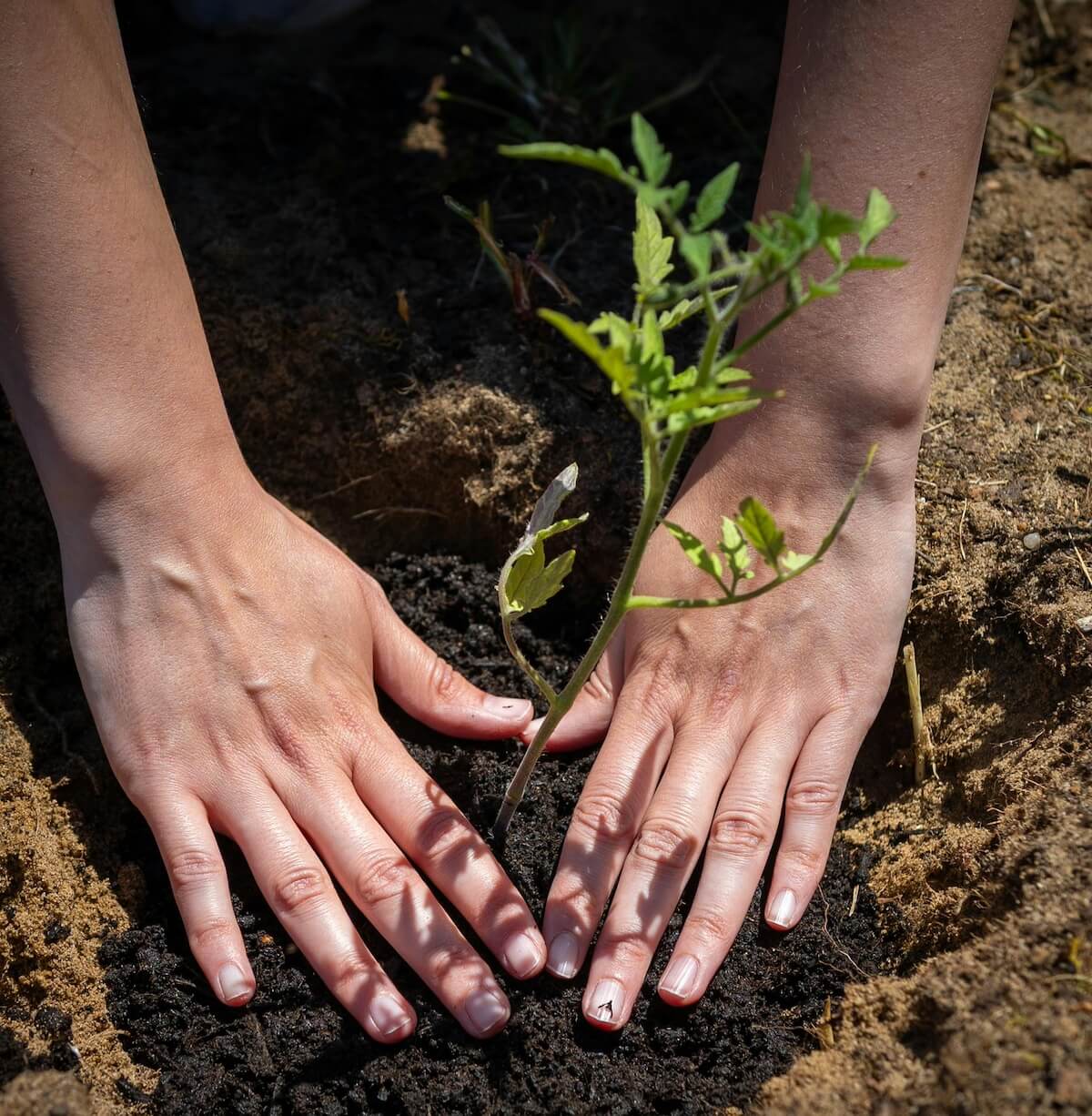
- Sowing and transplanting cold-sensitive plants: Wait before sowing or planting cold-sensitive plants such as tomatoes, peppers, cucumbers, begonias, impatiens, etc. in the open ground, as long as night-time temperatures regularly do not exceed 10°C (50°F). If you have already planted cold-sensitive plants, remember to cover them at night if colder temperatures are forecast.
- Hardening off seedlings: Gradually acclimatize the plants to outdoor conditions (UV rays, wind, rain, temperature variations) over a period of 7 to 10 days. Start by placing them in the shade, then in partial shade, and finally in direct sunlight, while monitoring nighttime temperatures.
- Protecting plants in the event of a drop in temperature: Despite all our precautions, an unexpected frost or drop in temperature can jeopardize our beautiful work. Always keep floating blankets, plastic sheeting, tarpaulins or even blankets on hand to be ready when the mercury drops with only a few hours’ notice.
- Thin out seedlings: when thinning, collect edible young shoots such as lettuce, onion, cabbage, and Swiss chard—your first harvest!
Harvest
- Harvesting leafy vegetables: Harvest only the outer leaves of leafy vegetables. This will extend the harvest period.
- Harvesting herbs: Harvest and store herb leaves when flower buds appear. This is when they are most flavorful.
Watering and pollination
- Monitor watering of tomatoes: Never let your tomatoes run out of water, otherwise they may crack. Keep the soil evenly moist.
- Pollination of Cucurbits: For cucurbits, if insects are not doing the job, use a cotton swab or brush to transfer pollen from a male flower to a female flower. A simple solution for better pollination.
- Be patient, the first squash flowers are male: The first flowers of Cucurbitaceae (squash, cucumbers and melons) are exclusively male. Wait a little before you see the female flowers appear, the ones that will produce fruit.
Mulch and support
- Mulch in the vegetable garden: Use mulch around vegetables to control weeds and maintain stable moisture.
- Install supports for climbing plants: To save yourself work later in the season when you are busy, install supports now for climbing plants such as peas or beans.
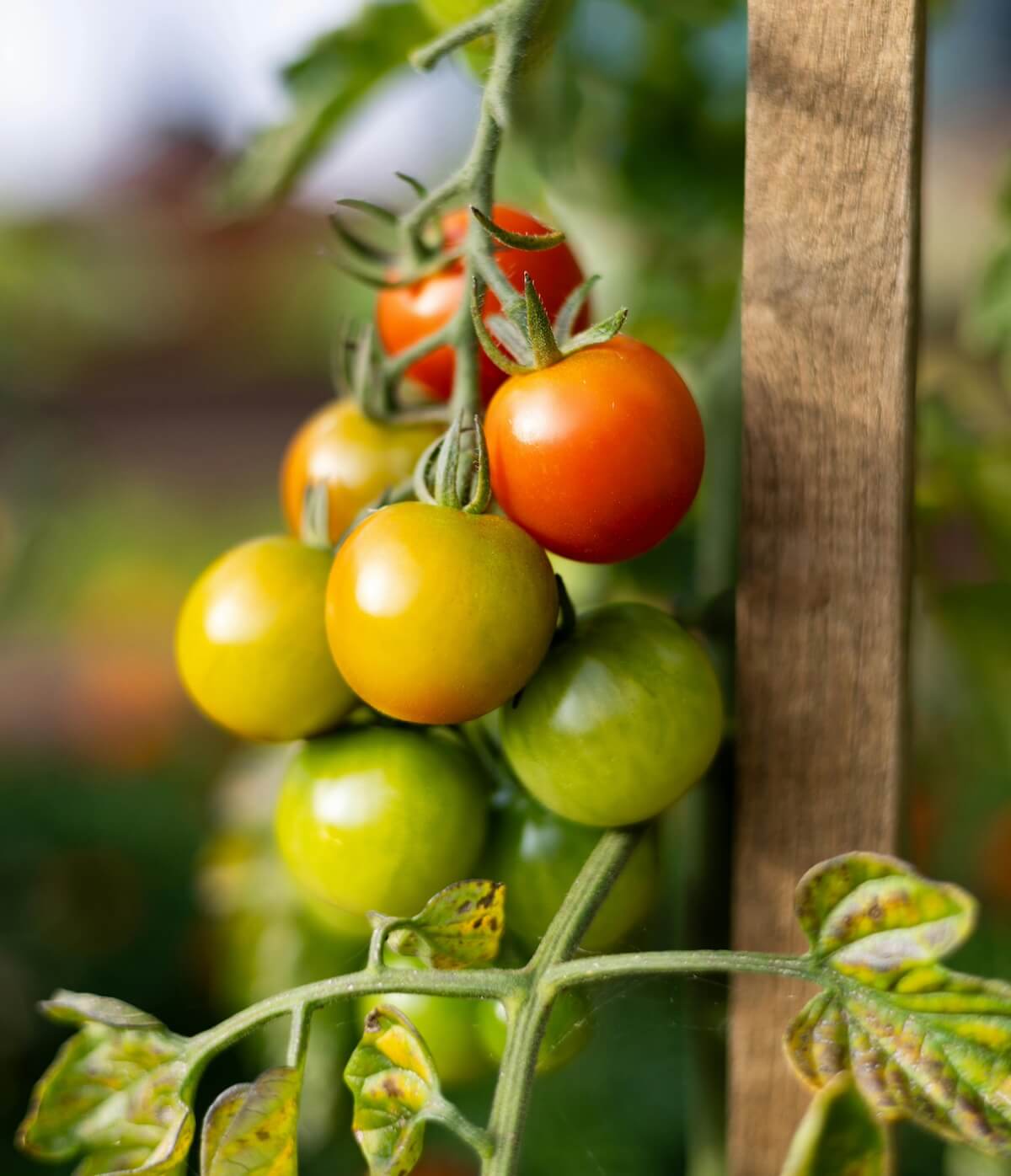
- Support your tomatoes: Tie tomato stems to their stakes as they grow. For tomatoes grown in cages, simply return any protruding stems to the inside of the cage.
Maximize yields
- Intercropping: Take advantage of the fact that large vegetables (tomatoes, eggplants, peppers) take time to spread out. Sow or transplant early-maturing, fast-growing crops (radishes, spinach, lettuce) between their rows as soon as you plant them. This way, you’ll maximize every square inch of soil before their larger foliage completely shades the ground in July.
- Sow again after each harvest: Sow successive seedlings of fast-growing vegetables and herbs (radishes, lettuce, spinach, coriander, etc.) in the spaces freed up after harvesting.
- Fertilize your container plants: Remember that container plants require more fertilizer than outdoor plants. I prefer slow-dissolving fertilizers to water-soluble ones. One or two applications during the summer are sufficient.
- Install insect netting to prevent infestations: Protect your crops right from the start by installing insect netting on your most vulnerable vegetables (cabbages, carrots, squash, etc.). This simple gesture prevents many insects from laying their eggs directly on the plants, reducing damage without having to intervene later.
Ornamental garden
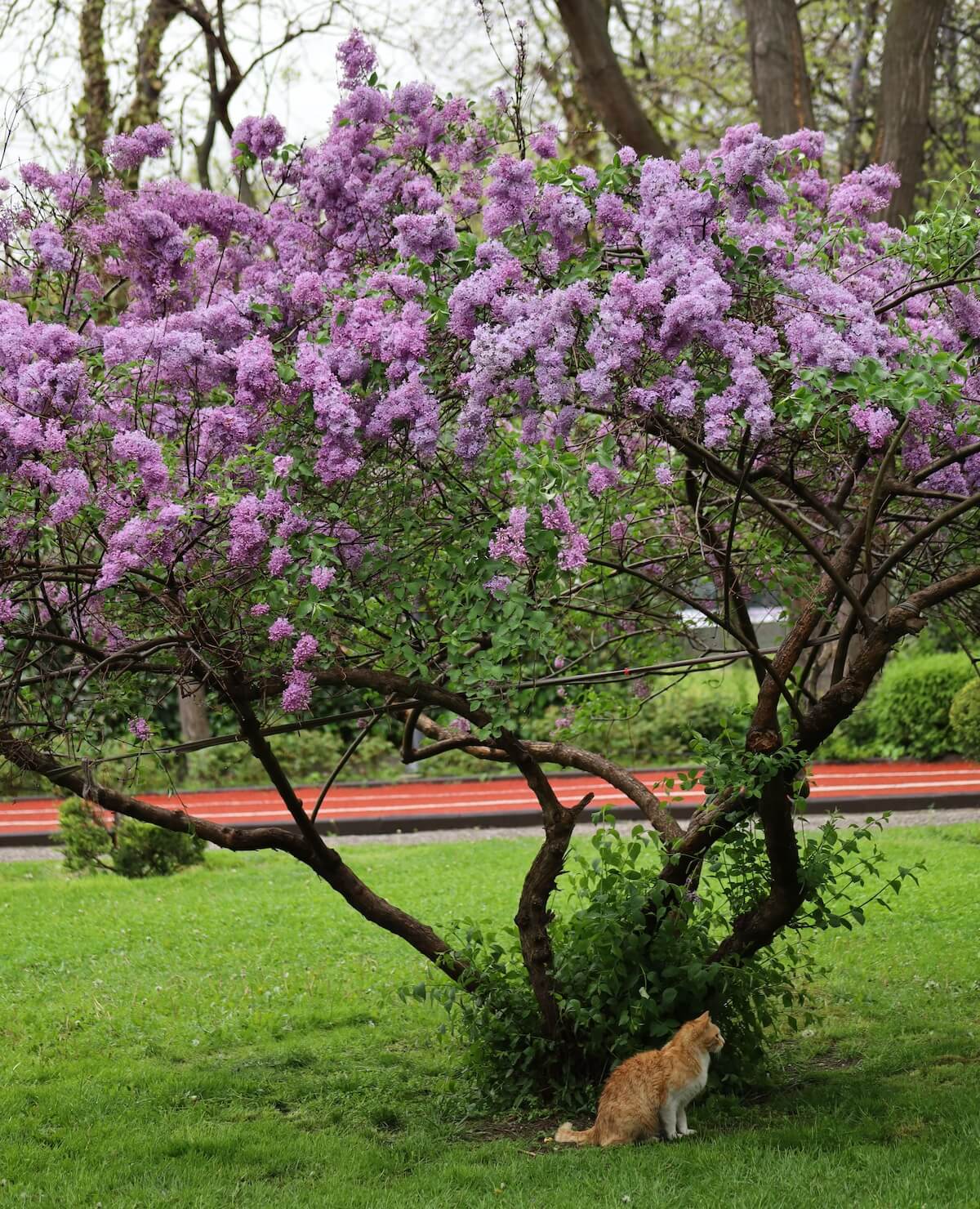
- Plant or transplant perennials, shrubs, and trees: Although plants can be planted in spring, summer, or fall, doing so early in the season is beneficial for hardy plants such as perennials, shrubs, trees, and conifers, which tolerate frost well and acclimatize better when the soil is cool.
- Prune your shrubs after flowering: If a spring-flowering shrub (lilac, seringat, etc.) needs pruning, the best time to do it is within two weeks of the end of flowering. It’s not compulsory, just a good time to do it if necessary.
- Postpone hedge trimming: Trimming cedars in June can disturb brooding or destroy nests, as many native birds nest in conifers at this time. Wait until August instead.
Bulbs, offshoots, and stakes
- Plant tender bulbs: once the risk of frost has passed and the soil has warmed up, plant dahlias, cannas, tuberous begonias, and other non-hardy bulbs that were started indoors or purchased in the spring.
- Plant hardy summer-flowering bulbs: Some hardy bulbs sold in the spring (such as crocosmias or triteleias) can now be planted directly in the ground, ideally around the time of the last frost.
- Remove unwanted suckers from the base of trees and shrubs: Remove suckers that appear at the base of shrubs and trees (lilac, sumac, etc.), if you don’t want them to spread. You can also remove suckering plants and replace them with low-maintenance shrubs.
- Cut bulb leaves once they turn yellow: When the leaves of bulbs (tulips, narcissi, hyacinths, etc.) turn yellow, you can remove them.
- Stake leaning perennials: Install stakes for large perennials that are likely to lean, or replace them with perennials that have a backbone!
- Cut off wilted flowers… or leave them for the birds: Remove wilted flowers from perennials or leave them where they are. Many will produce seeds that will feed the birds.
Pots and containers
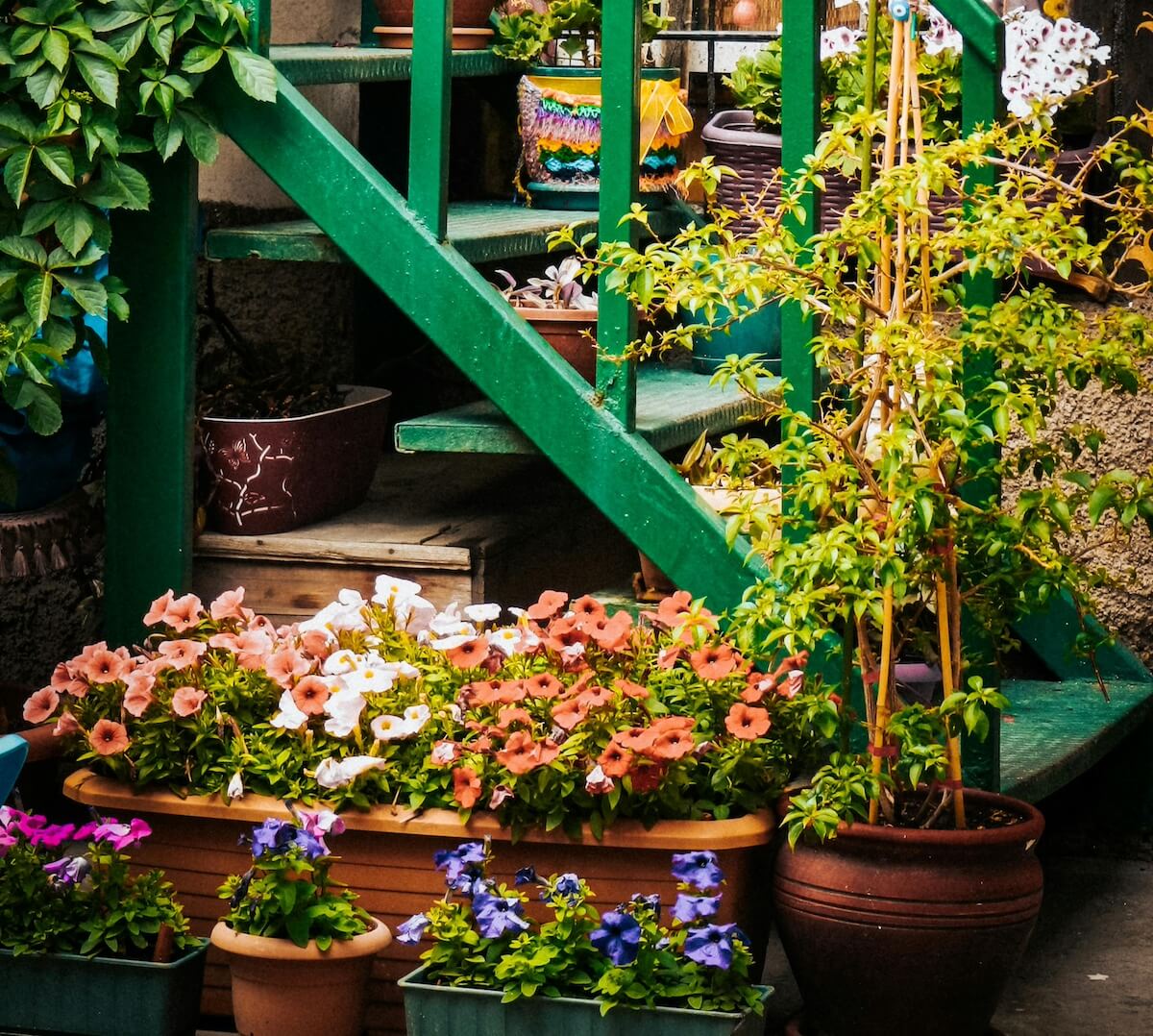
- Watering before vacation: Place your planters in the shade and water them thoroughly before leaving on vacation. The rain will take over.
- Be careful where you place them: on a south-facing balcony, pots can literally bake. Don’t hesitate to temporarily move your containers to partial shade or create some temporary shade for them during heat waves.
- Do not allow water to stand in saucers: standing water attracts mosquitoes and can cause the roots to rot. Empty saucers after rainfall or simply avoid using them.
- Group pots together to create a microclimate: grouping several containers together helps retain moisture and reduces temperature variations. Bonus: a more lush visual effect!
Houseplants
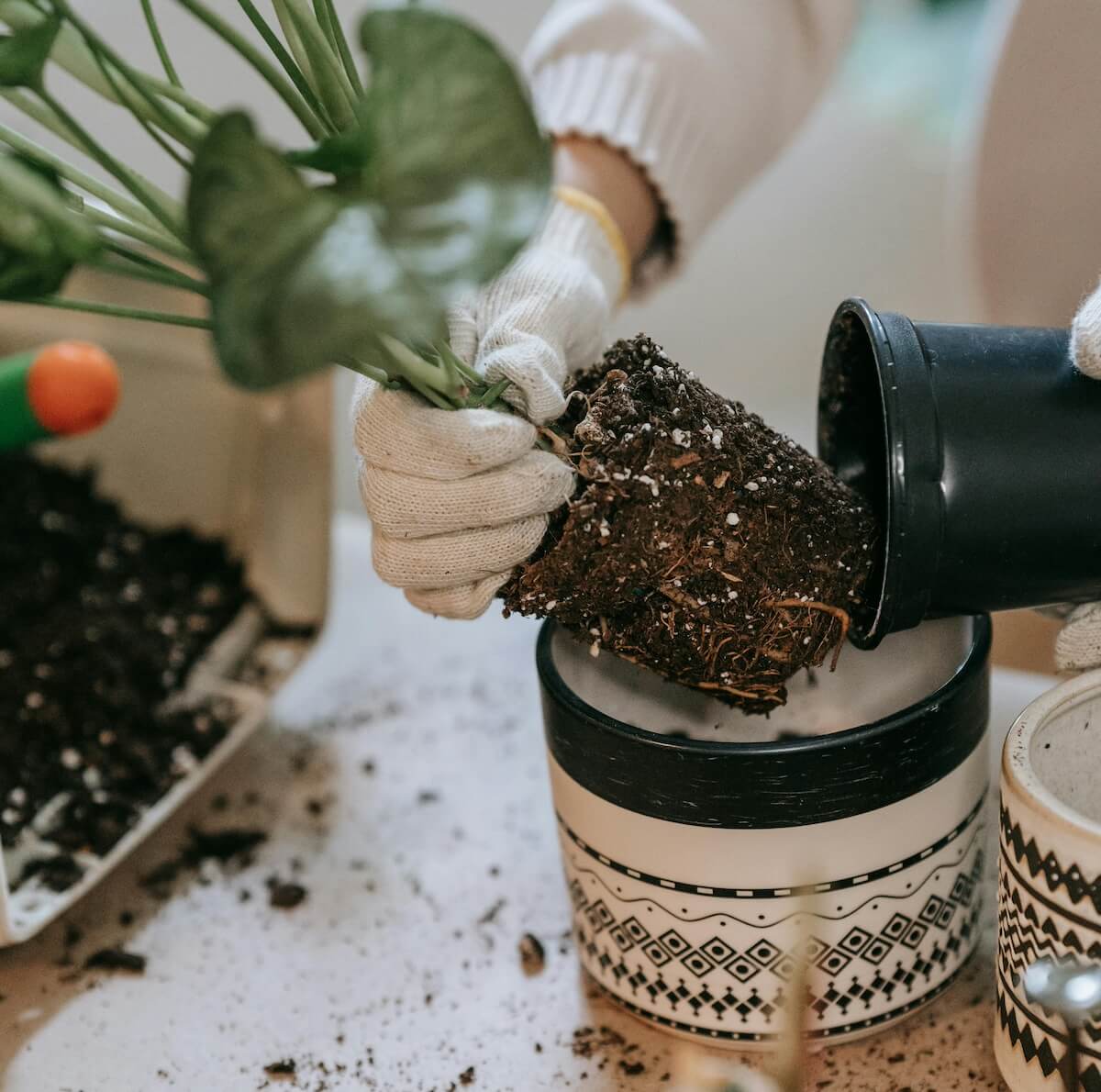
- Repot your houseplants: Repotting indoor plants is essential for promoting growth. It is usually done in the spring. Most plants benefit from being repotted once or twice a year, while young, fast-growing plants may need to be repotted twice a year. Mature plants that don’t grow much, such as indoor trees or cacti, can even stay in the same pot for 4 to 7 years.
- Topdressing large plants: if repotting is impossible (plant too large or heavy), surface dressing is an excellent alternative. This involves removing 2 to 3 cm (1 inch) of soil from the surface, where salts accumulate, and replacing it with new soil.
- Take cuttings from your indoor plants: as winter draws to a close and the days grow longer, our indoor plants begin to grow, or will do so very soon. The best time to take cuttings from indoor plants is usually between mid-February and the end of August.
Outdoors
- Clean houseplants outdoors: For those who prefer not to take their houseplants outdoors during the summer, an occasional rain bath, or hose down, is still advisable to clean foliage, remove contaminants that clog stomata, and reduce insect infestations. However, they should not be left in direct sunlight to prevent burning of leaves unaccustomed to bright light. Wait for a day when the temperature is above 15°C.
- Get your houseplants out for the summer: Your houseplants will benefit greatly from a summer outdoors. However, they need to be acclimatized to outdoor conditions. Wait until night-time temperatures stay above 15°C (59°F). Then place your plants 3 or 4 days in the shade and 3 or 4 days in semi-shade before exposing them to the sun.
- Protect your houseplants from direct sunlight: Most houseplants suffer more from lack of light than from excess, even so-called shade plants, which often prefer abundant light. Damage caused by excess light, often due to overheating, occurs mainly near south or west windows or in greenhouses, mainly in spring and summer. In winter, almost all plants tolerate full sun. Overheating behind glass can reach 60°C (140°F), affecting even the most tolerant plants. To limit the effects, plants can be moved away from windows, light filtered, shaded from the outside or placed behind protective plants.
Compost
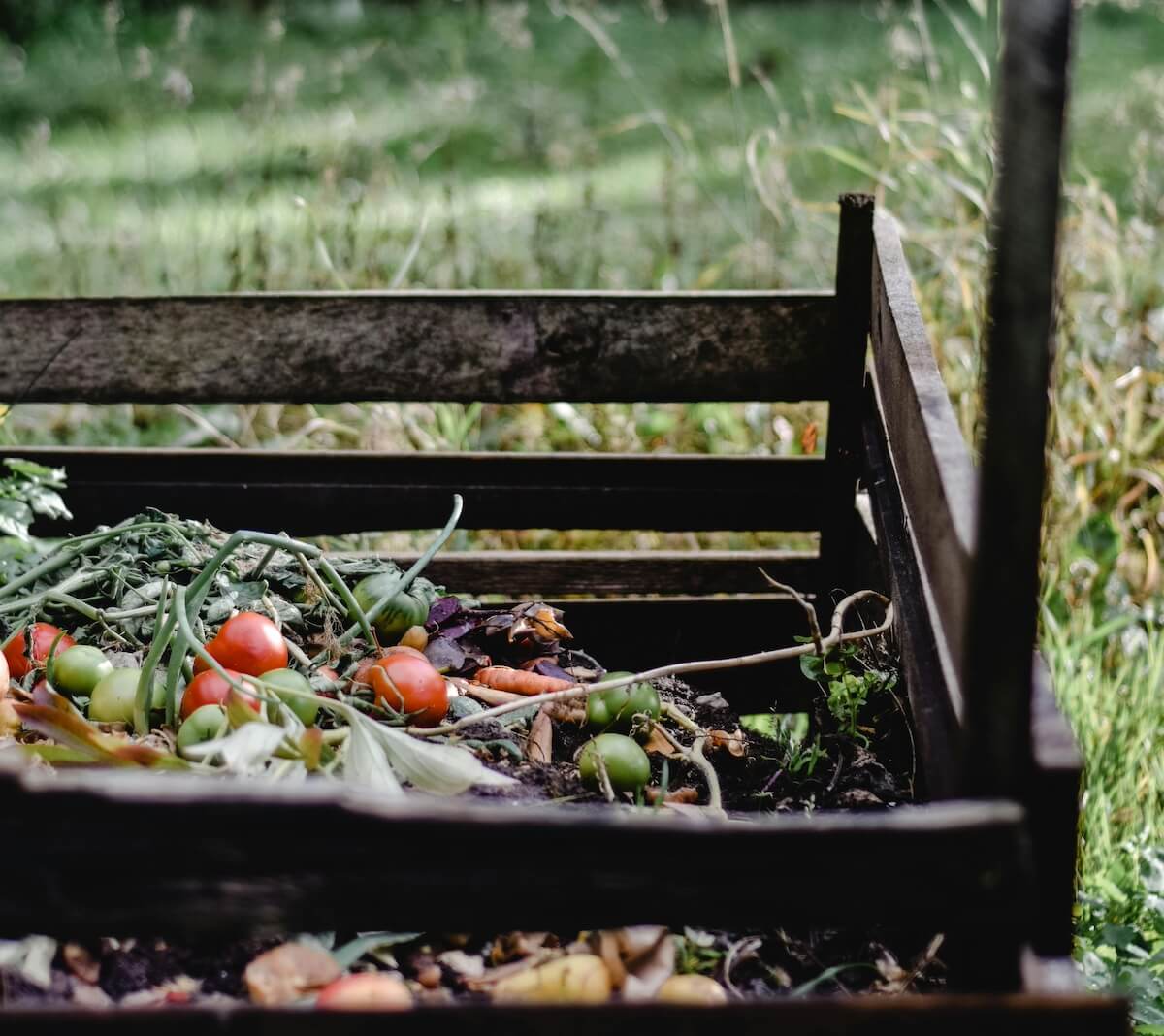
- Give your compost a gentle wake-up call: turn it over, mix in a few fresh ingredients and a handful of garden soil to kick-start biological activity!
- Alternate green and brown materials: For a balanced compost, alternate nitrogen-rich materials (kitchen scraps, fresh grass, seedless weeds) with carbon-rich materials (dead leaves, newspaper, shredded cardboard). This promotes rapid, odorless decomposition.
- Keep your compost moist, but not soggy: In the heat of June, compost can dry out quickly. Water it lightly if the material becomes too dry – it needs the texture of a wrung-out sponge to decompose properly.
- Turn your compost: Turn your compost every two weeks to speed up production.
- No seeds or perennial roots: in summer, avoid adding weeds that have gone to seed or roots of invasive plants (dandelions, quackgrass, etc.), unless you have very hot compost (which is rare in domestic containers).
- Avoid unpleasant odors: an ammonia or rotten egg smell indicates too much green material (nitrogen) or a lack of oxygen. Add dry leaves and stir!
Lawn and flower meadow
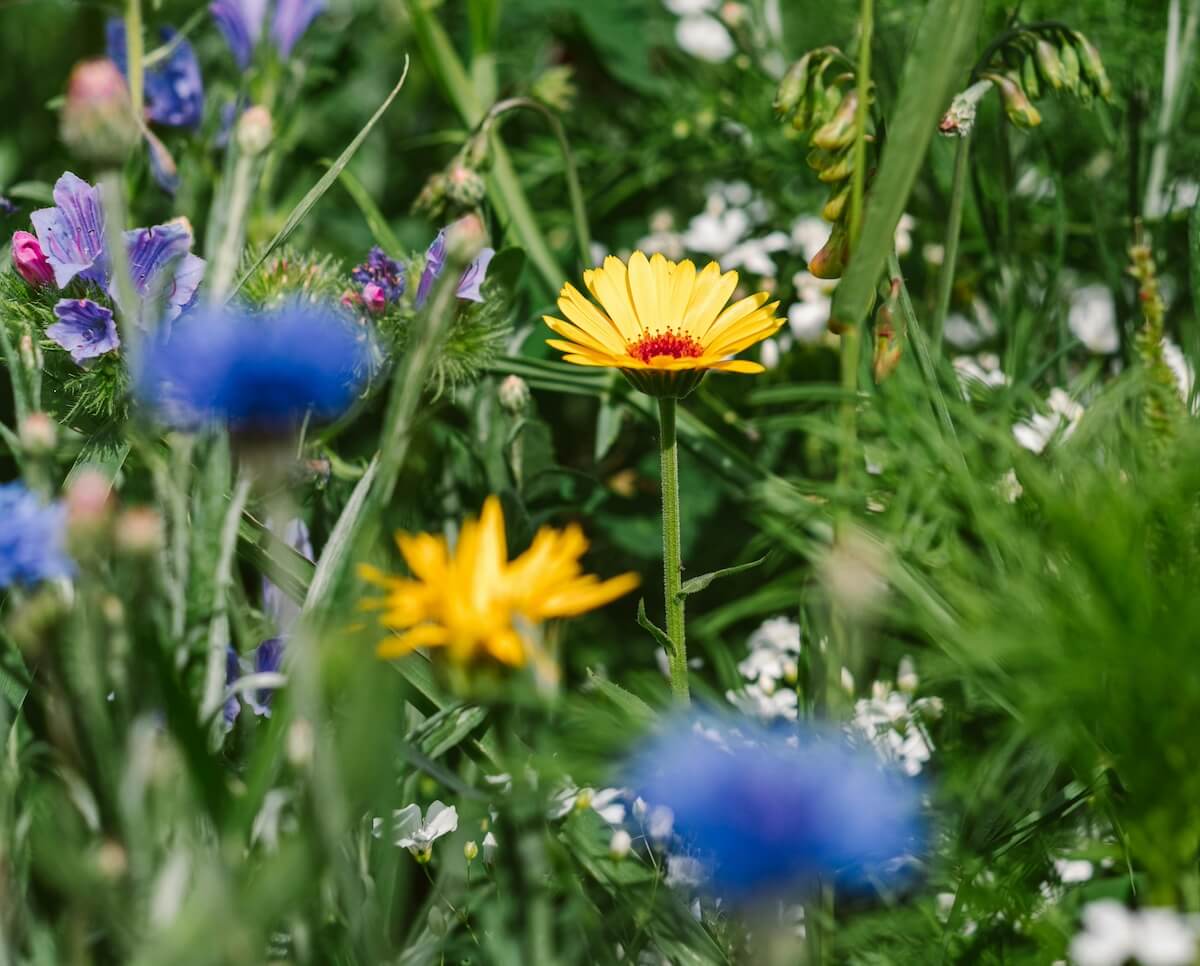
- Start mowing again: If you followed the advice not to mow the lawn in May, to preserve flowers for bees, start mowing when flowering is over! In some areas, flowering starts later than in other places. Here, it’s more like “No Mow May-June”.
- Lawn mower maintenance: Even if you want to wait to mow, May isn’t too late to get the blade sharpened. A dull blade tears the grass and promotes fungal diseases.
- Fill in bald spots: June is still a good time to reseed sparse areas. Use a low-maintenance seed mix suited to your soil type and sunlight conditions.
- Mow in sections to protect biodiversity: If you like to observe insects in your lawn, try selective mowing: leave certain flowering areas untouched for a few days, then alternate. It’s a great way to combine aesthetics and ecology.
- Sow your flower meadow: June is an excellent time to sow a flower meadow. The soil is now well warmed up and the spring rains help germination. If you haven’t already done so, weed the areas to be sown, loosen the soil, level it slightly… then let the magic happen!
Herbicyclage et tolérance
- Leave the clippings where they are: When you mow, leave the grass clippings on the lawn. They will decompose quickly and return nutrients to the soil. Less work, more fertility!
- Tolerate weeds: Clover, plantain, dandelions, and other “weeds” are useful for pollinators and often withstand drought better than grass. A little diversity makes your lawn more vibrant and resilient!
- Let birds do their thing: The birds that visit your lawn are your friends. They are looking for insects that harm your grass, including Japanese beetle larvae.
- Consider converting your lawn into a garden: If certain areas of your lawn suffer every summer (too much shade, poor soil), consider creating a flower bed or a flower meadow. Less lawn = less maintenance!
Watering
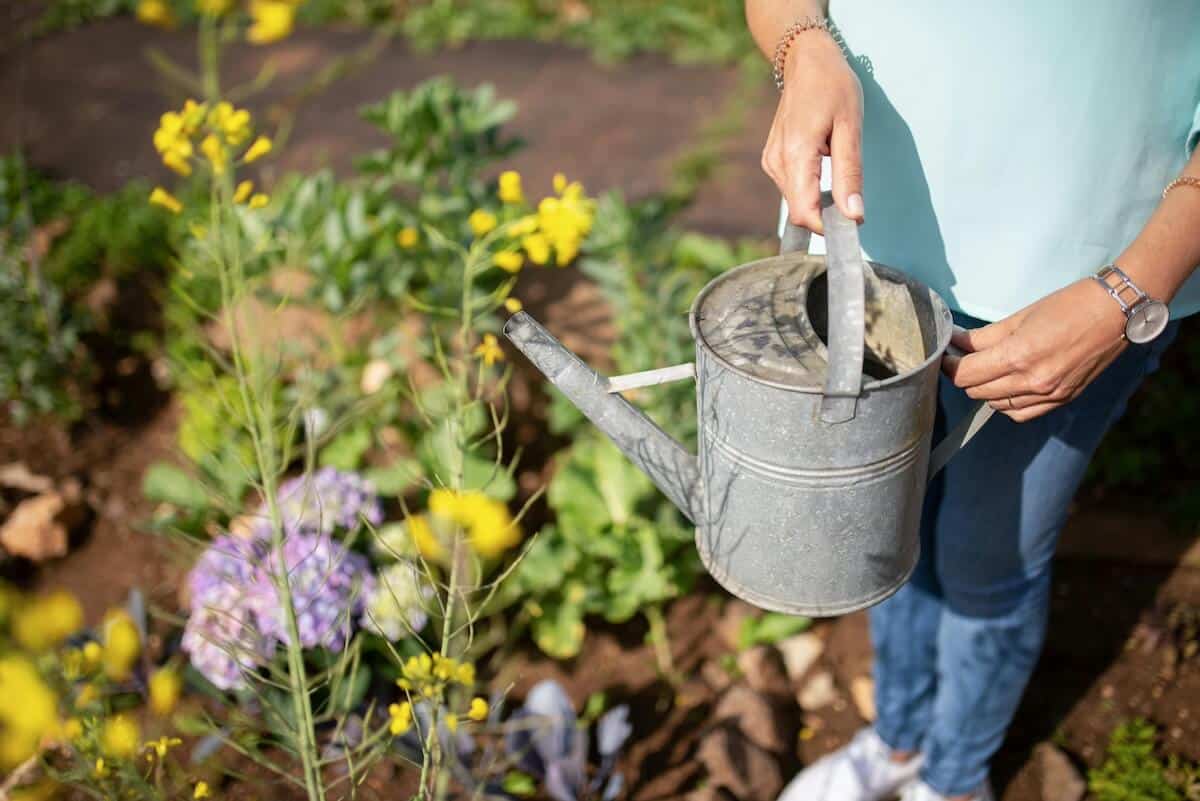
- Municipal restrictions: Follow your municipality’s watering restrictions.
- Keep an eye on watering, especially in hot weather: In the vegetable garden, check the condition of the soil and water well when it starts to dry out. The hotter the weather, the more frequently you need to water. Soil in window boxes dries out even more quickly, requiring extra attention. I love my drip irrigation system.
- Water new plantings regularly: For new plantings of perennials, shrubs or trees, it’s important to water regularly for the first year, sometimes more for larger trees. Why not install an automatic watering system with a soaker hose?
- No need to water established plants: unless there is a prolonged drought, it is not necessary to water your permanent plants such as perennials, shrubs, and trees, especially if you have chosen plants that are suited to your conditions.
- Avoid wetting foliage to prevent disease: To prevent foliar disease, try watering your plants without wetting their foliage. Oozing hoses water at ground level!
Astuces arrosage
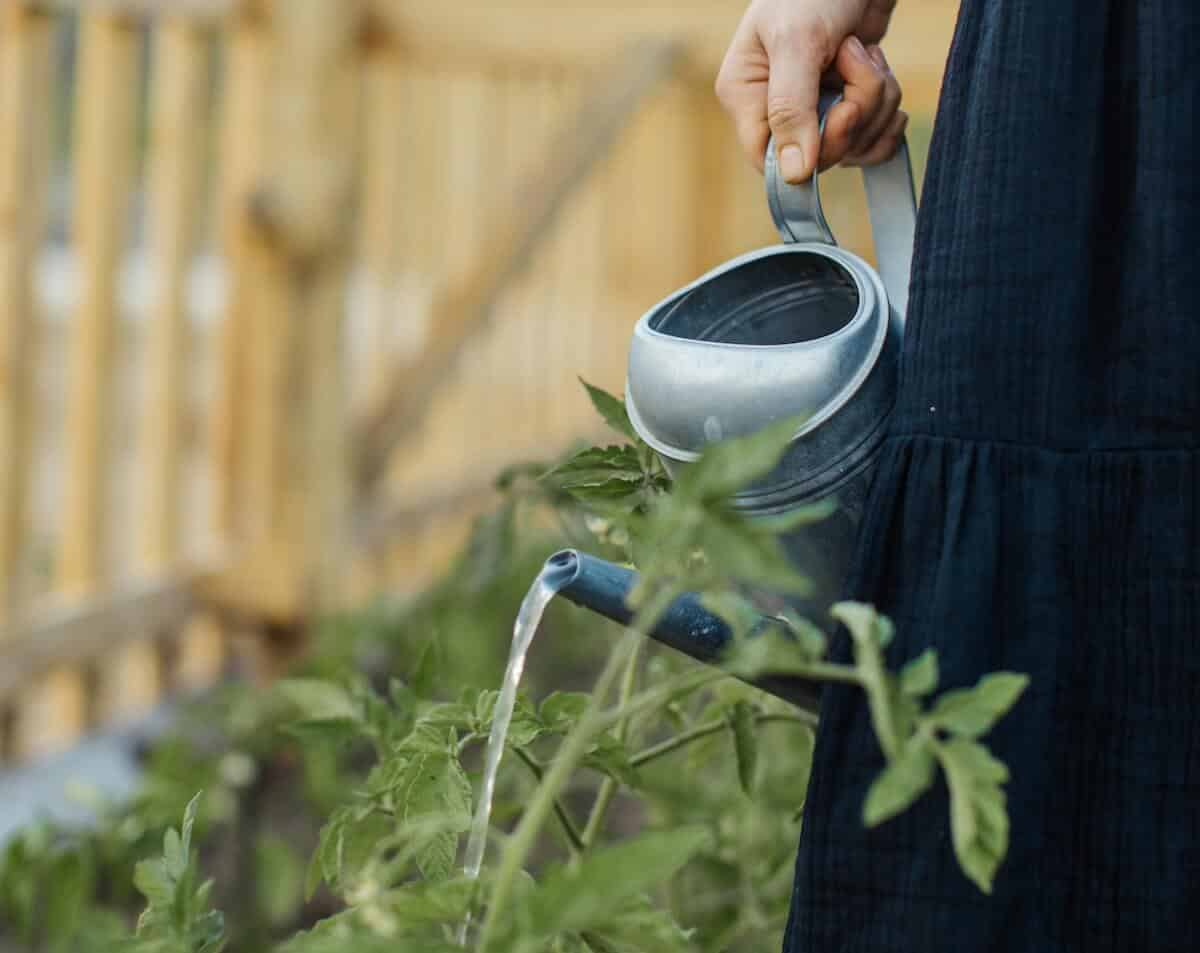
- When watering, moisten the entire root zone of the plant. Slow watering once a week is much more beneficial than fast, shallow watering, even if repeated daily.
- Water early in the morning to save water: If municipal watering restrictions allow, water early in the morning: this method is more efficient and uses less water than watering at the end of the day.
- Mulch to reduce watering needs: A layer of organic mulch (shredded leaves, straw, grass clippings, RCW) reduces evaporation, keeps the soil cool and reduces the need for watering.
- Don’t panic if you see wilted foliage: some plants wilt temporarily in the heat (especially in the afternoon), but recover on their own in the evening. There’s no need to water every time it gets hot: touch the soil before taking action.
- Consider collecting rainwater: install a barrel under a gutter. Rainwater is free, soft, and at room temperature.
- Clean and test your irrigation system: outdoor faucets, leaky hoses, drip irrigation, or watering cans—a quick check now will save you a lot of frustration during peak season!
Parasites
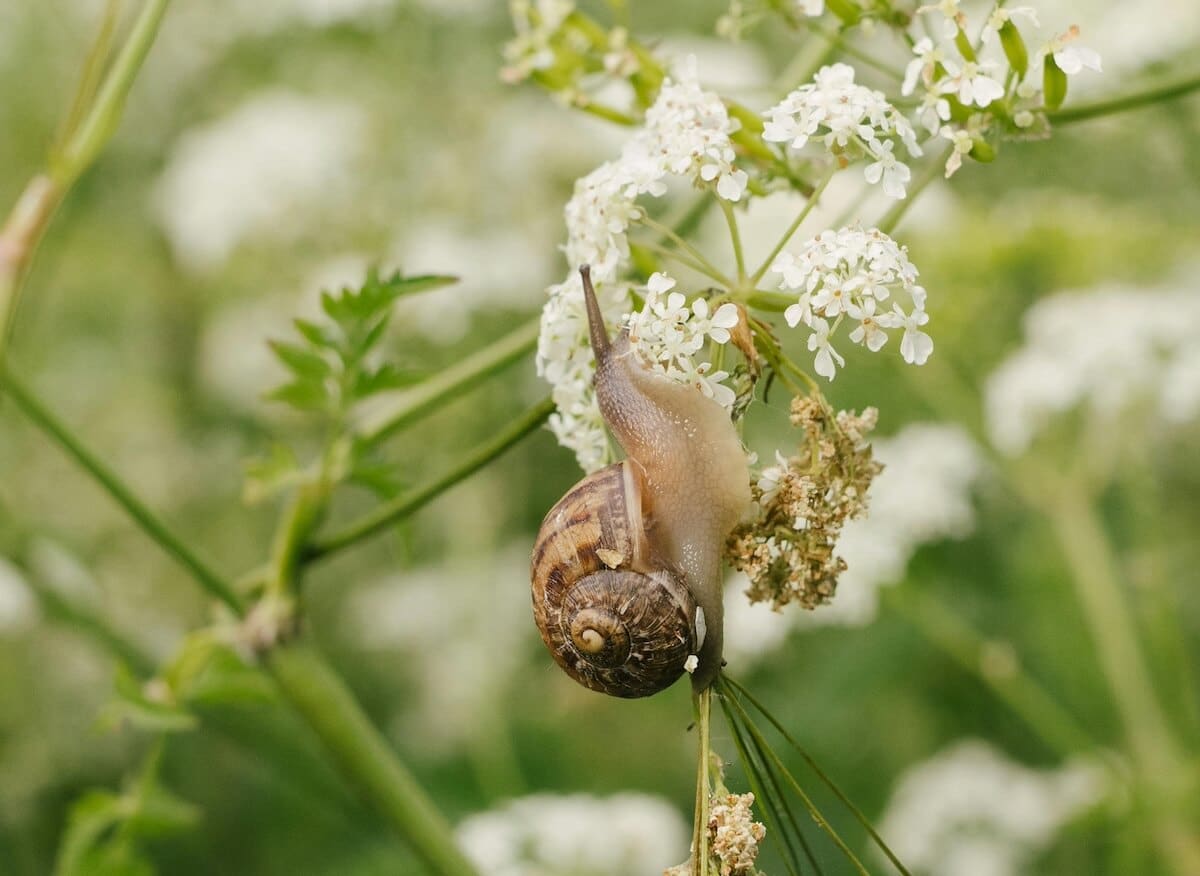
- Weed as soon as possible and apply mulch: Weeds grow quickly in June: weed whenever you see them and apply mulch to discourage their return.
- Cut weeds low to the ground to exhaust them: If you regularly cut weeds to the ground, they will become exhausted and eventually disappear. This causes less damage to the soil than weeding.
- Use cleaning vinegar to weed between pavers: One or two sprays with a cleaning vinegar solution (more concentrated than white kitchen vinegar) can eliminate weeds growing between pavers.
- Watch out for pests and act quickly: Watch out for pests (cutworms, aphids, slugs, cabbage worms, etc.) and act quickly. Often, they can be dropped into a bowl of soapy water. Alternatively, spray the plant with an insecticidal soap solution.
Natural methods
- Protect your plants from slugs with tried-and-tested methods: In June, slugs are very active. Use wildlife-friendly baits, or surround sensitive plants with dry barriers such as diatomaceous earth. Avoid eggshells and beer, which are not very effective.
- Spray leaves with baking soda to prevent powdery mildew: To prevent leaf diseases, spray the leaves of vegetables prone to powdery mildew (squash, cucumbers, beans, eggplant, peas, turnips, etc.) with a solution of 1 liter of water, 1 tsp. baking soda and 1 tsp. insecticidal soap.
- Red apple maggot traps: To reduce apple maggot attacks, set a red ball-shaped sticky trap in the tree as soon as the first green fruit is visible.
- Plant herbs to repel insects: Certain herbs such as basil, mint, lavender and chives can help repel certain insect pests thanks to their powerful aromas. By planting them close to your sensitive crops, you can reduce infestations.
Wildlife
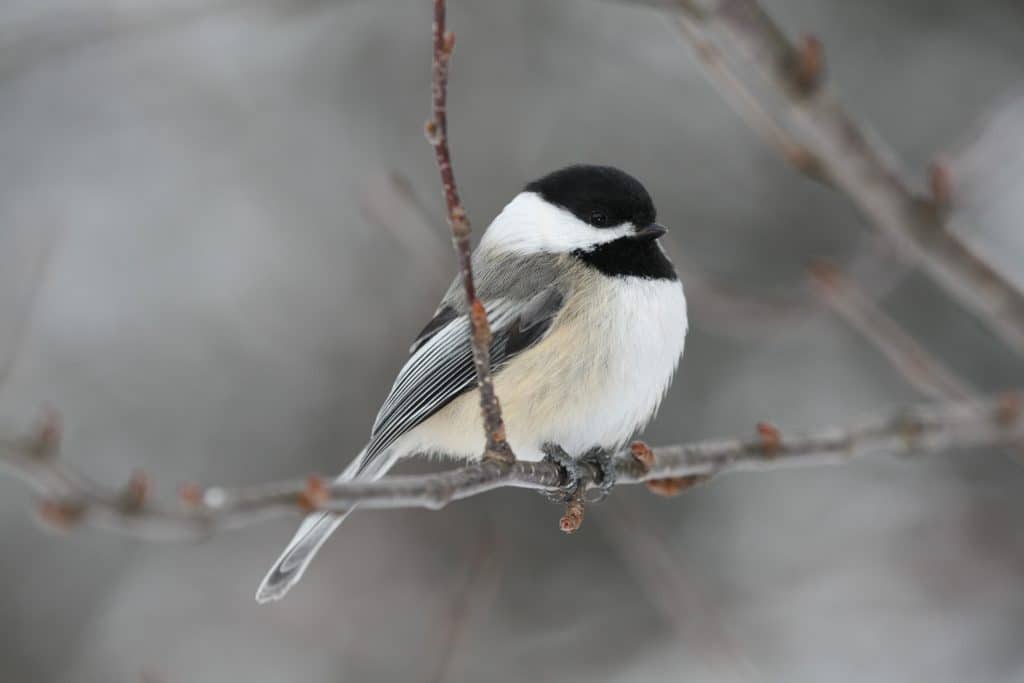
- Install a watering spot: as soon as temperatures remain above zero during the day, you can install a shallow bird bath to offer water to winged visitors.
- Clean your bird bath regularly: Rinse the bird bath weekly (or daily in hot weather) with a good jet of water. Once a month, clean it thoroughly with a vinegar solution (1 part vinegar to 9 parts water) and a brush. Avoid soap: it can damage the birds’ plumage.
- Hummingbird feeder nectar: Change the nectar in hummingbird feeders every week, or every three days when it is very hot. This prevents contamination.
- Welcome toads, your allies in the garden: Toads devour slugs, cutworms, Japanese beetles and other undesirables. To attract them, offer them cool, shady shelter (upside-down clay pots, piles of stones), avoid pesticides, keep a corner of the garden wild and install a calm waterhole for breeding.
- Protect birds from cats: To protect garden birds, attach a bell or colored collar to your cat’s collar. Place feeders more than 2.5 m from the ground, limit access to the ground beneath them, and consider an outdoor enclosure (catio). Every little bit helps!
- Leave a wild corner: a pile of dead leaves, a few hollow stems, an old fallen tree trunk, or a slightly overgrown bush—all of these may seem neglected, but for local wildlife, they are a real refuge! Frogs, toads, solitary pollinators, and insect-eating birds find food and shelter there.
Horticultural days
- May 31 to June 6 — Canadian Environment Week: Across Canada, this week highlights simple ways to protect the environment, such as composting, planting trees, reducing pesticide use, and practicing eco-friendly gardening.
- June 3 — Clean Air Day: Urban gardening, tree planting, and adding more greenery to our communities help improve air quality and reduce heat islands during the summer months.
- June 5 — World Environment Day: A great opportunity to reflect on how our gardening practices affect biodiversity, water quality, pollinators, and soil health.
- June 17 — World Day to Combat Desertification and Drought: A reminder of the importance of protecting our soils and reducing water use through mulching, composting, and choosing plants adapted to local growing conditions.
- June 20 — Summer Solstice: The longest day of the year marks the official beginning of summer and one of the most vigorous periods of growth in the garden.
- June 21 — National Indigenous Peoples Day: An opportunity to learn more about Indigenous knowledge related to food and medicinal plants, native species, and respectful relationships with the land.
- June 22 to 28 — Pollinator Week: A celebration of the essential pollinators that support our gardens and food crops, with a focus on native plants and reducing pesticide use to help protect them.
- June 24, 2026 — Birthday of Larry Hodgson: Celebrate the legacy of Canadian horticulturist, author, and “Laidback Gardener” Larry Hodgson by taking a well-deserved break from gardening instead of working in the yard all day. Remember: in many cases, nature does a better job when we simply let it do its thing!
And what are you doing in your garden this June? Let us know so we can continue improving the Laidback Gardener’s gardening calendar!
This is a fantastic seasonal checklist and a great reminder that gardening doesn’t have to be stressful. The tips on mulching, drip irrigation, and hardening off seedlings are especially helpful for saving time during the busy summer months. Many gardeners are also finding that backyard greenhouses can make it easier to manage temperature swings and extend the growing season.
I enjoyed reading all these little reminders. Thanks!