
I know, many of us are on vacation—or at least on vacation in our minds. The sun’s rays draw us outside to soak up vitamin D, the heat pushes us to dive into a lake, a pool, or, failing that, under the hose. The long days make us want to linger in good company, a drink in hand, without thinking too much about the rest.
And that’s perfectly fine. In fact, science is clear on this: the brain loves vacations. Simply disconnecting for a while—soaking up the sun, getting some exercise outdoors, and enjoying a change of scenery—helps reduce stress, boost memory, and even slow down brain aging. So there you have it: being laidback is good for your brain.

The garden continues to grow quietly, without our help. There are crops to harvest, a little watering here and there, maybe a trim or two if you really feel the urge… but nothing urgent. It’s too hot for heavy work: that can wait for the cooler days of fall. In August, it’s time to enjoy. It’s time to reap what we’ve sown, cook without rushing, and look up from time to time to admire what nature has done while we weren’t looking.
Enjoy it while it lasts: soon the nights will be cooler, the days shorter, and the golden light of late summer will remind us that the garden is beginning to slow down.
Well, enough chit-chat… before I go back to fishing, here are a few ideas of things you can do in the garden, but you’re under no obligation to do any of them, except maybe laze around in a shady spot!
Vegetable Garden

- Successive sowing: Sow successive crops of fast-growing vegetables and herbs (radishes, lettuce, spinach, coriander, etc.) in the spaces left empty after harvesting..
- Sow in August for a fall harvest: Fall is great for growing leafy greens and root vegetables such as spinach and radishes, thanks to its cool nights and sunny days.
- Invasive herbs: Herbs such as dill, anise, borage, chervil, coriander, and lemon balm can become invasive. Remove wilted flowers to prevent them from reseeding everywhere, or don’t and you’ll have a nice surprise next year!
- Harvesting herbs: Harvest and store herb leaves when flower buds appear. This is when they are most flavorful.
- Deadhead herbs: Removing flowers from herbs can stimulate leaf production and extend the harvest period for fresh herbs.
- Monitor watering of tomatoes: Never let your tomatoes run out of water, otherwise they may crack. Keep the soil evenly moist.
- Harvest vegetables regularly: Harvest fast-growing vegetables such as beans and summer squash every 4 to 5 days. This encourages new growth and prevents them from becoming overripe.
- Harvesting peppers: Pick them green for a mild flavor, or wait until they turn red for a sweeter taste.
- Check the carrots and beets for harvest readiness: Remove some soil from the base of the leaves to see if the root is ready. Harvest at the right time for the best flavor.
- Harvesting onions: Pick onions when the leaves start to bend toward the ground and turn yellow. This means they’re ripe and ready to be stored.
- Harvest summer squash while they are young: The smaller they are, the more tender and flavorful they are. And it encourages the plant to produce more!
- Start preserving your harvest: Tomatoes, beans, cucumbers… now is the perfect time to freeze, dry, or can while they’re in abundance. After all, you can’t eat everything at once!
- Decomposition of legumes: After harvesting, leave pea and bean plants to decompose in place. They naturally enrich the soil with nitrogen for future crops.
- Mulch in the vegetable garden: Use mulch around vegetables to control weeds and maintain stable moisture levels.
- Cut back old raspberry canes: After harvesting, cut back canes with brown bark to make room for vigorous new canes, ensuring abundant fruit production the following season.
- Consider sowing green manure: If a bed is freed up early, rather than leaving the space empty, you can sow buckwheat, clover, or oats to regenerate the soil before fall.
- Install protection against hungry animals: As crops ripen, squirrels, groundhogs, birds, and other unwanted visitors become bolder. Install nets, cages, or lightweight fences to protect your tomatoes, berries, and young seedlings. It’s not foolproof… but it’s often enough to share less.
Ornamental Plants

- Deadheading: Removing dead flowers from annuals and perennials is not necessary, but you can do so to increase blooming. Keep in mind that many of them will produce seeds that will feed birds.
- Pruning thuja hedges: Pruning thuja trees in mid- to late August minimizes regrowth before winter, which prevents snow from sticking to the branches, while protecting birds’ nests and avoiding disruption to nesting in June. Or plant a hedge that doesn’t need pruning!
- Apply mulch after weeding: Putting down mulch after you weed keeps weeds from sprouting, keeps the soil moist, and helps regulate soil temperature.
- Remove unwanted suckers from the base of trees and shrubs: Remove suckers that appear at the base of shrubs and trees (lilacs, black locust, sumac, etc.) if you don’t want them to spread. You can also remove suckering plants and replace them with low-maintenance shrubs.
Lawn

- Lawn in hot weather: Avoid walking on and mowing the lawn during hot weather. Cut it higher (8 or even 10 cm, 4 inches) to protect the roots. Don’t worry if it turns yellow; it is only dormant. There is no need to water it unless there is a drought lasting several weeks.
- Do not water the lawn in August: If the soil is dry when the white grub larvae hatch and the grass is therefore dormant for the summer, most of the larvae will starve to death.
- Leave the clippings where they are: When you mow, leave the grass clippings on the lawn. They will decompose quickly and return nutrients to the soil. Less work, more fertility!
- Tolerate weeds: Clover, plantain, dandelions, and other “weeds” are useful for pollinators and often withstand drought better than grass. A little diversity makes your lawn more vibrant and resilient!
- Laying or overseeding a lawn: The best time to reseed or lay a lawn is in late August to mid-September, although it can also be done in spring. Lawns prefer warm soil, but cool fall temperatures and increased rainfall. However, if you sow too late, the young seedlings, which are not yet hardened off, could suffer from the first frosts.
- Let birds do their thing: The birds that visit your lawn are your friends. They are looking for insects that harm your grass, including Japanese beetle larvae.
- Topdress to naturally fertilize your lawn: At the end of summer, spread a thin layer of compost (1 to 2 cm) directly on the lawn. This is the best time to gently nourish the soil without chemical fertilizers. Topdressing improves soil structure, supports underground biodiversity, and prepares the grass to better survive the winter. Laidback bonus: let the earthworms do the work for you!
- Differentiated mowing: Instead of mowing the entire lawn to the same height, allow certain areas to grow more freely—under trees, near hedges, or where certain plants are in bloom. Less maintenance for you, more food for pollinators, shelter for other insects, and a more resilient lawn.
Watering
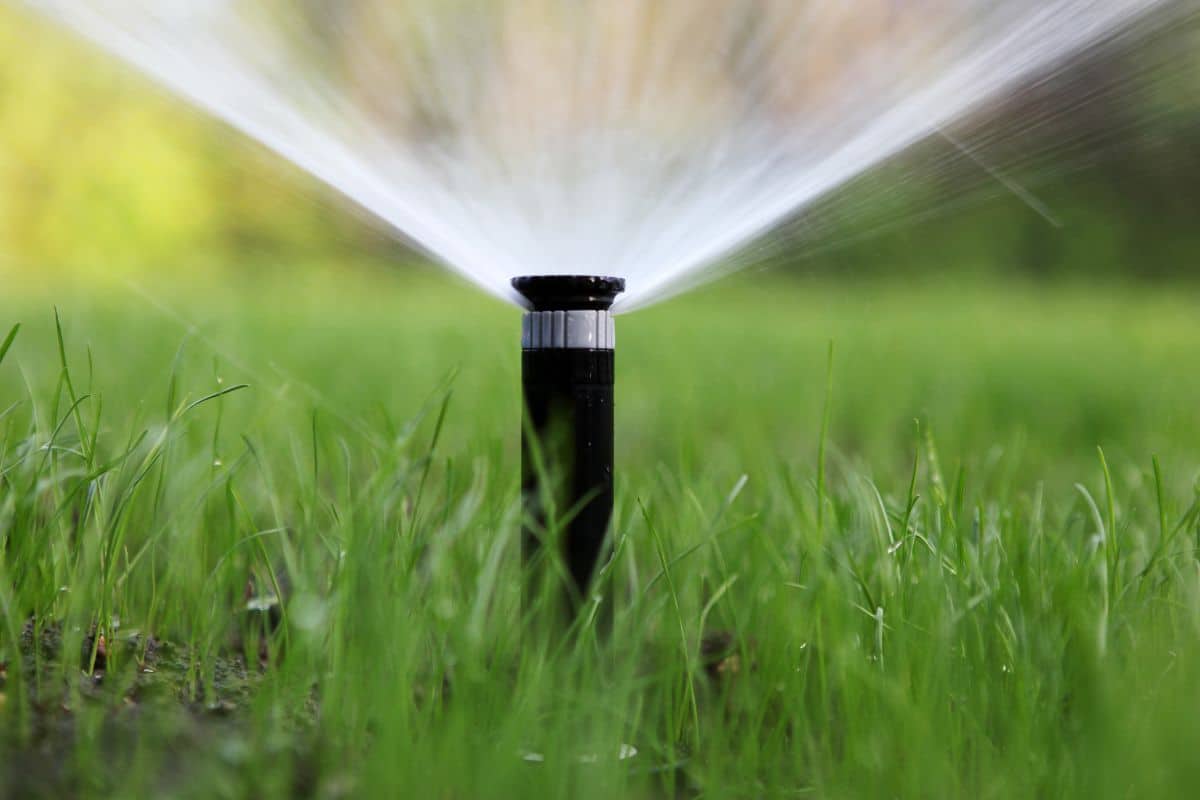
- Municipal restrictions: Follow your municipality’s watering restrictions.
- Keep an eye on watering, especially during hot weather: In the vegetable garden, check the soil and water thoroughly when it starts to dry out. The hotter it is, the more frequently you need to water. Soil in planters dries out even faster, requiring extra monitoring. That’s why I love my drip irrigation system.
- Slow down watering at the end of the month (if the weather is cooler): Towards the end of August, with cooler nights, the soil retains moisture better. Adjust your watering schedule: there is no need to water as much as during a heatwave.
- Water new plants regularly: For new perennials, shrubs, or trees, it is important to water regularly during the first year, sometimes more for large trees. Why not install an automatic watering system with a soaker hose?
- Try underground watering: Underground watering, carried out using water-filled tanks placed directly in the ground, moistens the soil deep down while preventing evaporation and wetting of the foliage. This promotes deeper rooting, limits leaf diseases, and reduces water use, especially during hot weather.
- No need to water established plantings: Unless there is a prolonged drought, it is not necessary to water your permanent plants such as perennials, shrubs, and trees, especially if you have chosen plants that are suited to your conditions.
- Avoid wetting the foliage to prevent disease: To prevent leaf diseases, try to water your plants without wetting their foliage. Leaky hoses water at ground level!
- Water slow and deep: When you water, make sure the whole root zone is moist. Slow watering once a week is way better than quick, shallow watering every day. If your soil is sandy, water more often but for shorter periods to maintain moisture in the top 20 centimeters of soil.
- Water early in the morning to save water: If municipal water restrictions allow, water early in the morning: this method is more efficient and uses less water than watering in the late afternoon.
- Mulch to reduce watering needs: A layer of organic mulch (shredded leaves, straw, grass clippings, ramial chipped wood), even in pots, reduces evaporation, keeps the soil cool, and reduces the amount of watering needed.
- Don’t panic if you see wilted foliage: some plants wilt temporarily in the heat (especially in the afternoon), but recover on their own in the evening. There’s no need to water every time it gets hot: touch the soil before taking action.
- Consider collecting rainwater: install a barrel under a gutter. Rainwater is free, soft, and at room temperature.
- Inspect sprinkler systems: If you have drip lines or hoses, take advantage of a quiet day to check for clogs or leaks.
Pots and Containers

- Fertilization: Remember that plants in planters require more fertilizer than those in the ground. I prefer slow-release fertilizers to water-soluble ones. One or two applications in the summer are sufficient.
- Water and fertilize hanging baskets generously: Hanging baskets require more water and fertilizer than plants in the ground. Be sure to water them regularly and apply fertilizer for continuous blooming.
- Watering before vacation: Place your planters in the shade and water them thoroughly before leaving on vacation. The rain will take over.
- Use homemade reservoirs: A simple water bottle turned upside down with a small hole in the cap can be used for slow irrigation on hot days.
- Mulch pots as well: Even in containers, mulch (shredded leaves, straw, etc.) keeps the soil cool, reduces evaporation, and limits watering.
- Be careful where you place them: on a south-facing balcony, pots can literally bake. Don’t hesitate to temporarily move your containers to partial shade or create some temporary shade for them during heat waves.
- Do not allow water to stand in saucers: standing water attracts mosquitoes and can cause the roots to rot. Empty saucers after rainfall or simply avoid using them.
- Group pots together to create a microclimate: grouping several containers together helps retain moisture and reduces temperature variations. Bonus: a more lush visual effect!
Compost
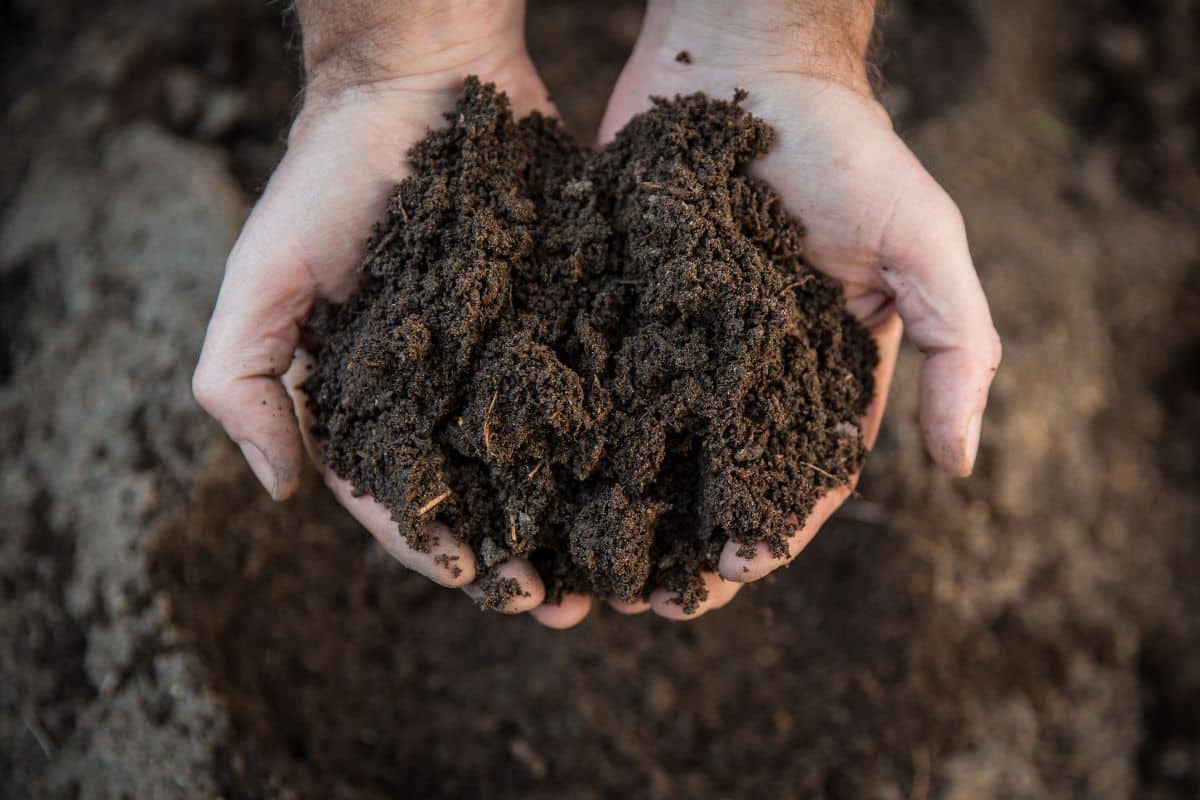
- Add green and brown materials alternately: For balanced compost, remember to alternate nitrogen-rich materials (peelings, fresh grass, weeds without seeds) with carbon-rich materials (dead leaves, newspaper, shredded cardboard). This promotes rapid, odorless decomposition.
- Keep your compost moist, but not soggy: With the heat of June, compost can dry out quickly. Water it lightly if the material becomes too dry—it should have the texture of a wrung-out sponge to break down properly.
- Stir your compost: Turn the compost every two weeks to speed up production.
- No seeds or perennial roots: in summer, avoid adding weeds that have gone to seed or roots of invasive plants (dandelions, quackgrass, etc.), unless you have very hot compost (which is rare in domestic containers).
- Avoid unpleasant odors: an ammonia or rotten egg smell indicates too much green material (nitrogen) or a lack of oxygen. Add dry leaves and stir!
Parasites

- Control wireworms: Bury a large cube of carrot, potato, or sweet potato and dig it up after 48 hours to capture the worms. This natural method reduces the worm population without chemicals.
- Aphids and red spider mites: Spray them with a strong stream of water.
- Spray baking soda to prevent leaf blight: To prevent leaf diseases, spray the leaves of vegetables prone to blight (squash, cucumbers, beans, eggplants, peas, turnips, etc.) with a solution made from 1 liter of water, 1 teaspoon of baking soda, and 1 teaspoon of insecticidal soap.
- Disinfect tools after pruning: To prevent the spread of disease, disinfect your tools after each use. This prevents the transmission of pathogens and keeps your plants healthy.
- Protecting small fruits: Install a protective net over small fruits to protect them from birds and chipmunks.
- Red traps against apple flies: To reduce apple fly attacks, attach a red ball-shaped sticky trap to the tree as soon as the first green fruits appear.
- Disinfect tools after pruning: To prevent the spread of disease, disinfect your tools after each use. This prevents the transmission of pathogens and keeps your plants healthy.
- Be careful with Japanese beetle traps: they attract more beetles than they catch and may worsen the infestation. If you use them, place them far away from the garden you want to protect.
- Nematodes for white grubs: To treat infestations of white grubs (larvae of common and European cockchafers, Japanese beetles, and rose chafer beetles) in lawns, use nematodes, which are small parasitic worms. These nematodes penetrate the young larvae and inject them with bacteria that are toxic to them. Apply them between mid-August and mid-September, when white grubs have just hatched and the soil is relatively warm.
- Treat white grubs with BTG: Bacillus thuringiensis galleriae is an effective biological treatment against white grubs, including Japanese beetle grubs. Apply it in August or early September, when the young larvae have just hatched and are still vulnerable. This natural product works by disrupting their digestive system—it is safe for humans, animals, and beneficial insects. Water thoroughly after application to ensure good penetration into the soil.
Weeds

- Pull up ragweed: This plant causes hay fever; pull it up before it flowers to avoid allergies. Early removal also prevents the seeds from spreading.
- Weed as soon as possible and apply mulch: Weeds grow quickly in summer. Weed whenever you see them and apply mulch to discourage them from returning.
- Cut weeds close to the ground to exhaust them: If you regularly cut weeds at ground level, they will become exhausted and eventually disappear. This causes less damage to the soil than hoeing.
Houseplants

- Bringing in houseplants: In colder regions, you may need to bring in your houseplants as early as August. When the nights start to drop below 10°C (50°F), that’s the time to do it. This prevents plants from suffering from the cold, and allows them to gradually acclimatize to the indoor environment before the arrival of cooler temperatures.
- Repot certain indoor plants: If one of your plants seems cramped or the soil no longer retains water well, fall is a good time for light repotting. This is often the case with plants that have experienced rapid growth after spending the summer outdoors. Repot before the plants go dormant, which is often the case in fall or when they are brought indoors after several weeks outside. However, avoid repotting plants that are in full bloom.
Wildlife
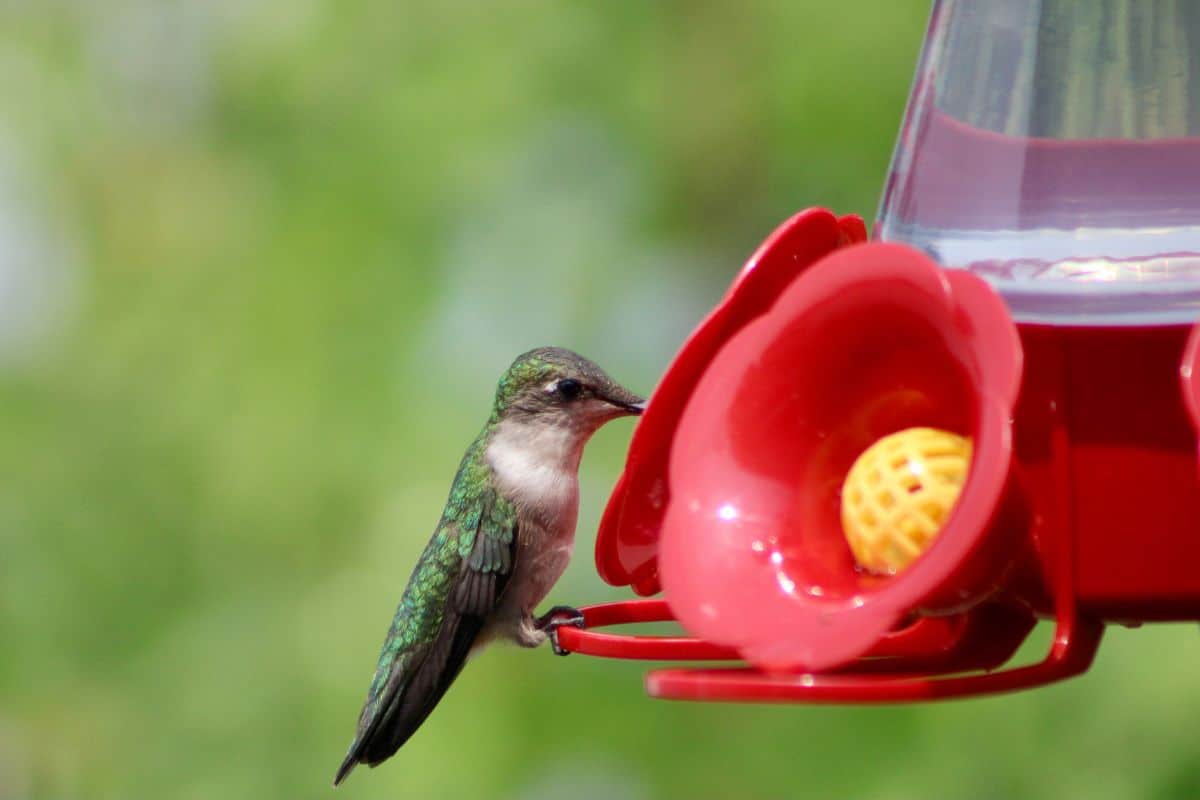
- Hummingbird feeder nectar: Change the nectar in hummingbird feeders every week, or every three days when it is very hot. This prevents contamination.
- Provide shelter from the heat and drought: a simple saucer filled with water and a few stones can serve as a watering hole for pollinators (bees, butterflies) on hot days. Change the water often to prevent mosquito larvae from breeding.
- Clean your bird bath regularly: Rinse the bird bath every week (or every day during hot weather) with a strong jet of water. Once a month, clean it thoroughly with a vinegar solution (1 part vinegar to 9 parts water) and a brush. Avoid soap: it can damage birds’ feathers.
- Welcome toads, your allies in the garden: Toads eat slugs, cutworms, Japanese beetles, and other pests. To attract them, provide them with a cool, shaded shelter (an upside-down terracotta pot or a pile of stones), avoid pesticides, keep a corner of your garden wild, and set up a quiet water source for them to breed.
- Protect birds from cats: To protect birds in your garden, attach a bell or colorful collar to your cat’s collar. Place feeders more than 2.5 meters (8 feet) off the ground, limit access to the ground beneath feeders, and consider an outdoor enclosure (catio). Every little bit helps save birds!
- Leave a wild corner: a pile of dead leaves, a few hollow stems, an old fallen tree trunk, or a slightly overgrown bush—all of these may seem neglected, but for local wildlife, they are a real refuge! Frogs, toads, solitary pollinators, and insect-eating birds find food and shelter there.
- Install a bat house: Bats eat up to 1,000 insects per hour, including many mosquitoes. A shelter placed in the sun, at least 3 meters (10 feet) high, against a wall or a well-exposed tree trunk, can provide them with refuge for the coming seasons.
And what do you do in your garden in August? Let us know so we can continue to improve the laidback gardener’s calendar!
0 comments on “Laidback Gardening: What to Do in August?”